Storing A Fig Tree In An Ohio Garage? How Cold Is Too Cold
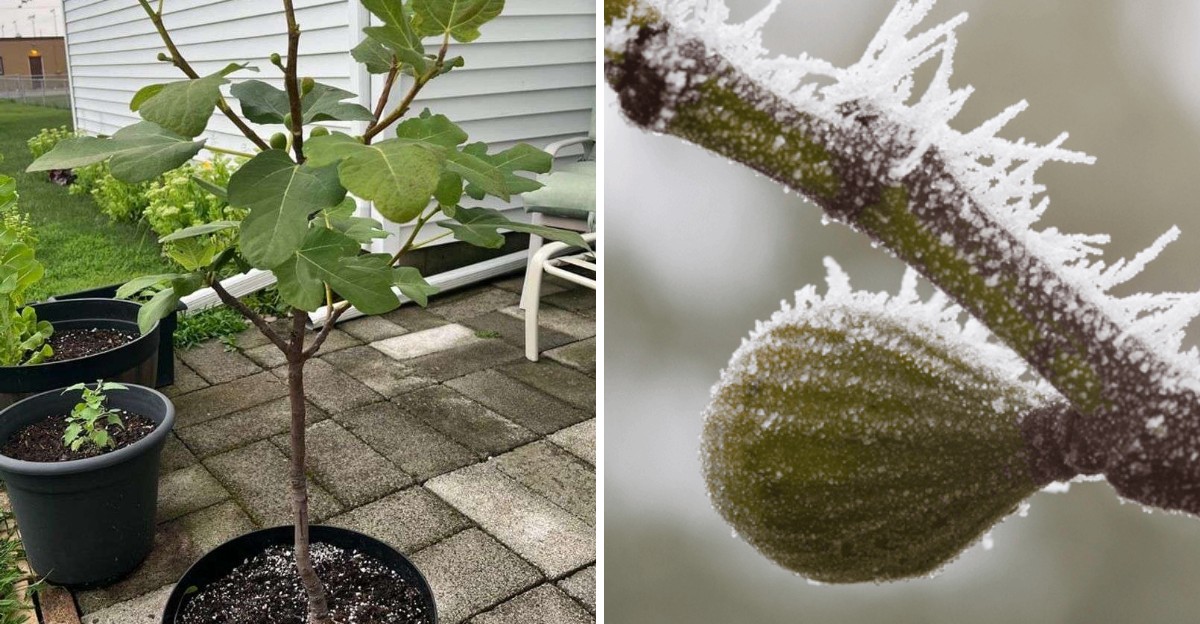
A Mediterranean tree can spend an Ohio winter in total darkness and still wake up hungry for summer. No sunlight, almost no water, and weeks of chilly air are part of the plan.
I love that kind of plant logic. It sounds backward, yet thousands of northern gardeners rely on it every single year.
The trick lives in a sleepy state called dormancy. Once the leaves drop, the tree slows down and asks for very little.
Your job is to keep it cool enough to stay asleep but warm enough to protect tender roots.
Personally, I think the garage is the most underrated tool a cold-climate gardener owns. It is also the riskiest spot when a polar blast rolls in and the thermometer keeps sliding.
So where exactly is the line between a cozy nap and a frozen pot?
1. Your Potted Fig Tree Wants A Chilly Garage, Not A Warm One
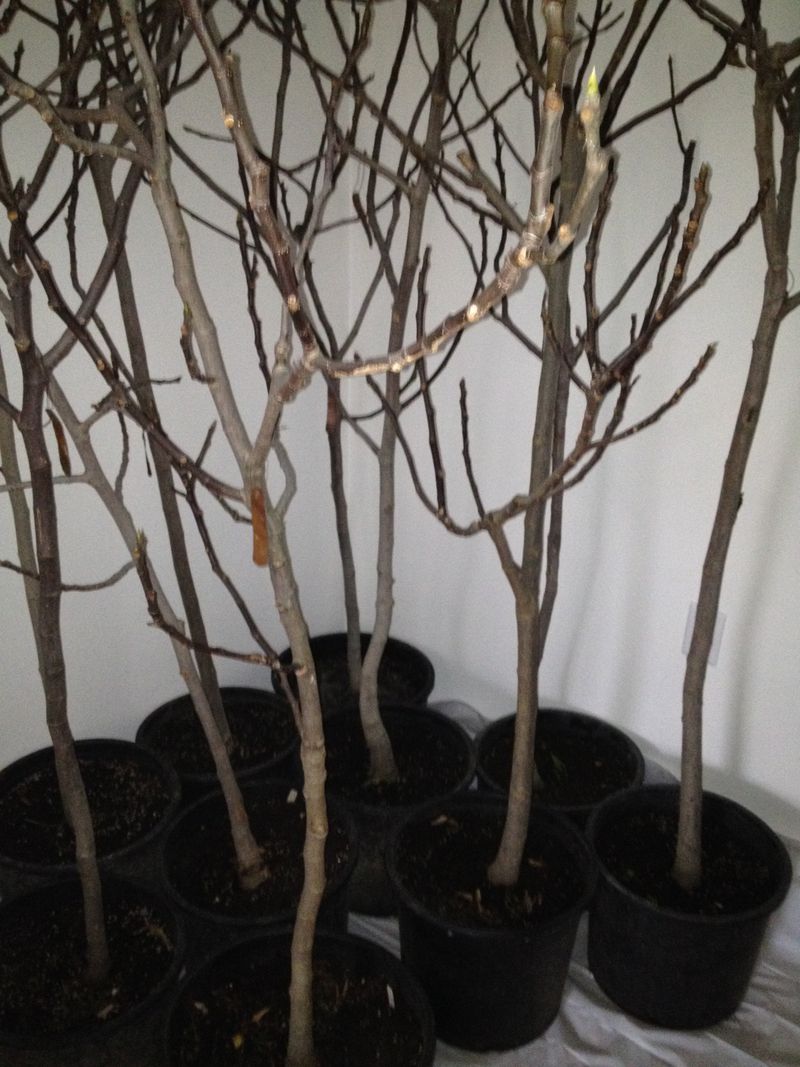
Most folks assume a warm spot is the kindest choice for a tender tree. With figs, that instinct backfires.
A dormant fig does best in a garage that stays roughly between 32 and 45 degrees Fahrenheit. That cool band keeps the tree asleep and saves its stored energy for spring.
Warmer is not better here.
Once temperatures creep past about 50 degrees for long stretches, buds may start to swell. The tree thinks spring has arrived, pushes soft new shoots, and then has no light to feed them.
Those pale, stretched stems often struggle once you move the tree back outside.
I like to think of the garage as a refrigerator, not a living room. Cold, steady, and boring is the goal.
A cheap digital thermometer with a min and max reading tells you more than guessing ever will.
Place the thermometer near the pot rather than up by the ceiling. Warm air rises, so the floor level where your fig sits can read several degrees colder than eye level.
Check it every few days during the first weeks of winter. You will quickly learn how your particular garage behaves on a calm night versus a windy one.
That knowledge makes every later decision easier and far less stressful.
2. Fig Roots In A Pot Hit Trouble Near 20 Degrees
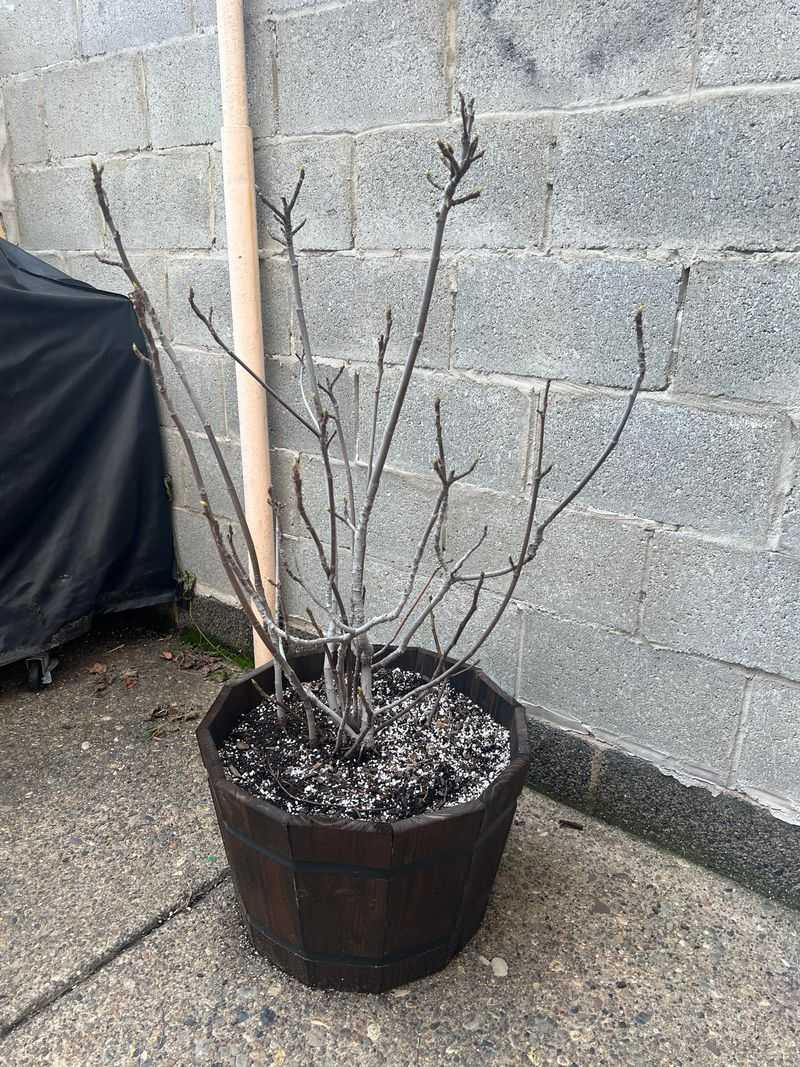
Branches get all the attention, yet the roots are the real weak link. Fig wood on an established, fully dormant tree can handle temperatures in the low 20s, and some hardy varieties shrug off even colder air.
Roots are a different story. In the ground, soil acts like a thick blanket.
In a container, the roots sit just a few inches from the cold air on every side.
Many experienced growers treat 20 degrees as the floor for established potted figs. Young or newly rooted trees deserve more margin, so aim to keep them near or above freezing.
Long stretches below about 15 degrees put container roots at serious risk.
A short dip for an hour or two rarely causes the same harm as a full day of deep cold. Duration matters just as much as the number on the thermometer.
Here is a quick cheat sheet I keep in mind:
Above 45 degrees for weeks, watch for early budding. Between 25 and 45 degrees, relax.
Between 20 and 25 degrees, add protection to the pot. Below 20 degrees, move the tree somewhere warmer, like a basement or an attached utility room, until the cold snap passes.
3. A Few Fall Frosts Tell Your Fig Leaves It Is Time To Drop
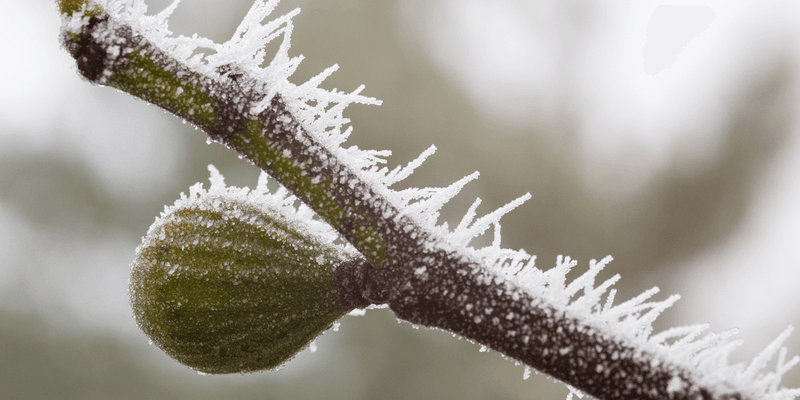
Rushing a fig into the garage too early is one of the most common slip-ups I see. The tree needs a clear signal that winter has arrived.
A couple of light frosts in fall do that job nicely. Nights in the upper 20s to low 30s cause the big lobed leaves to yellow and fall, and the tree settles into dormancy.
Across Ohio, this usually happens from late October into November, with northern counties and snowbelt areas often running a bit earlier than the southern part of the state.
Keep an eye on the forecast during this window. A frost is helpful, but a sudden plunge into the teens while the pot sits outside is not.
If a hard freeze threatens, roll the tree inside for the night and bring it back out afterward.
You will know your fig is ready when most leaves have dropped or hang limp and brown. Pull off any stragglers and sweep up the fallen leaves, since they can harbor fungal spores.
Some growers also tip unripe fruit into the compost at this point. Those small green figs will not ripen over winter, so removing them keeps the tree tidy and avoids mold in storage.
4. Sleeping Fig Trees Need Darkness And Only A Sip Of Water
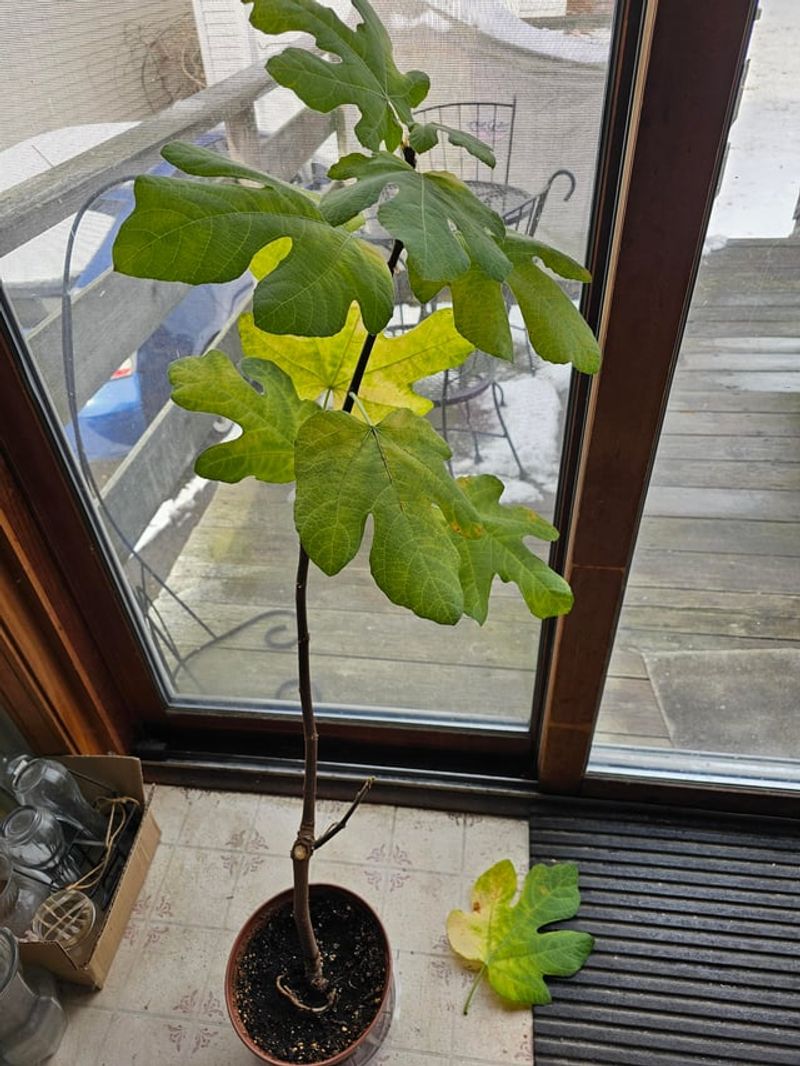
Honestly, this part surprised me the first time. A dormant fig does not need any light at all.
Without leaves, the tree is not making food, so a dark corner of the garage works perfectly. Darkness can even help, because bright light paired with mild temperatures may tempt buds to open early.
Water is where people go wrong in both directions. Bone-dry soil can shrivel fine roots, while soggy soil in a cold pot invites root rot.
Aim for barely moist, like a wrung-out sponge.
For most garages, a light drink about once a month is plenty. Push a finger two inches into the soil before you pour anything.
If it feels faintly damp, wait another week.
Skip watering entirely when the soil is frozen. Liquid poured onto icy soil just sits there and can raise the risk of rot once things thaw.
Wait for a milder spell instead.
Fertilizer should stay on the shelf until spring. Feeding a sleeping tree only encourages soft growth at the wrong time.
A simple routine of dark, cool, and slightly moist keeps your fig on track for a strong start once the days grow longer.
5. That Detached Ohio Garage Might Run Colder Than You Expect
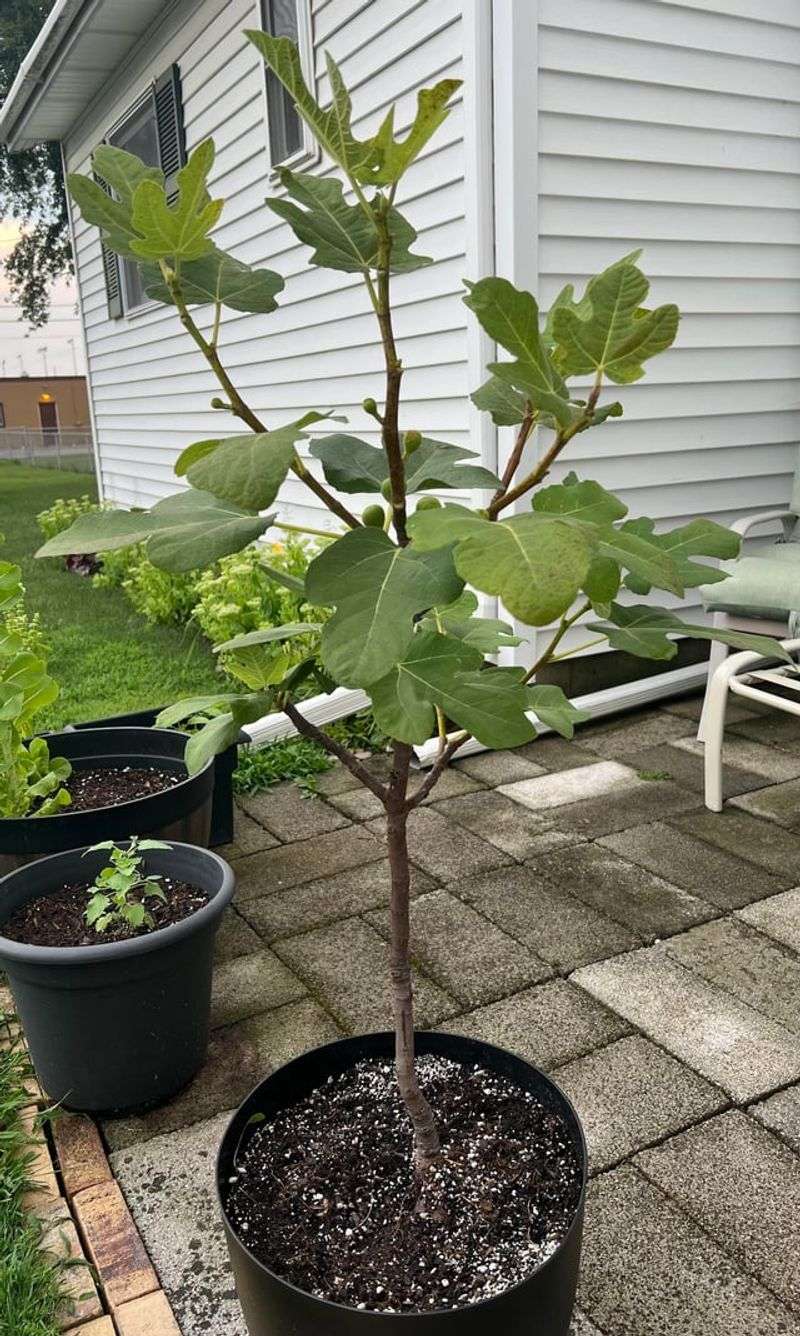
Garages fool a lot of us. They feel like part of the house, so we assume they stay pleasantly mild.
Uninsulated and detached garages often run only about 10 to 15 degrees warmer than outdoors. On a typical Ohio winter night, that may be fine.
During an arctic outbreak, when lows drop near zero or below, a garage like that can slide well under 20 degrees.
Attached garages usually hold heat better because they share a wall with the heated home. Still, thin metal doors, bare concrete floors, and gaps under the door let cold air pour in.
Location within the state matters too. Southern Ohio tends to see milder winters than the northwest or the Lake Erie snowbelt, so two neighbors a few hours apart may face very different garage conditions.
My advice is to track your space before trusting it. Log the low temperature each morning for a couple of weeks and compare it with the outdoor reading.
Once you know the gap, you can predict how your garage handles a forecast low of 5 degrees.
That small homework project saves a lot of worry later and might save your favorite fig, too.
6. Burlap Wraps And Pallets Can Keep Fig Containers Cozier
A few cheap tricks can raise the odds dramatically. None of them require a contractor or a big budget.
Start at the floor. Concrete pulls heat out of a pot fast, so set the container on a wooden pallet, a scrap of foam board, or a few bricks.
That small gap keeps the roots from sitting on the coldest surface in the room.
Next, move the fig against the wall your garage shares with the house. That wall often radiates a little warmth all winter.
Keep the tree away from the big door, where every opening lets in a blast of frigid air.
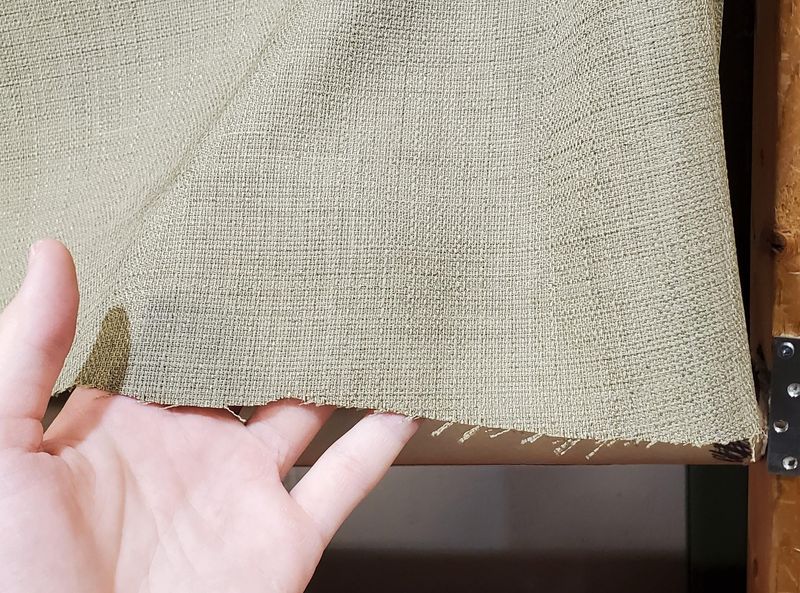
Wrapping the pot helps too. Burlap, an old moving blanket, or bubble wrap around the container slows heat loss from the root zone.
Some growers tuck bags of leaves or straw around the pot for extra insulation.
For the garage itself, fresh weatherstripping around doors and a bottom seal on the overhead door can cut drafts noticeably. Insulation panel kits for garage doors are another affordable upgrade.
During a brutal cold snap, a frost cloth draped over the whole tree adds one more layer. Pair it with your thermometer, and you will feel ready for almost anything.
7. Rolling Your Fig Back Outside Takes A Little Spring Patience
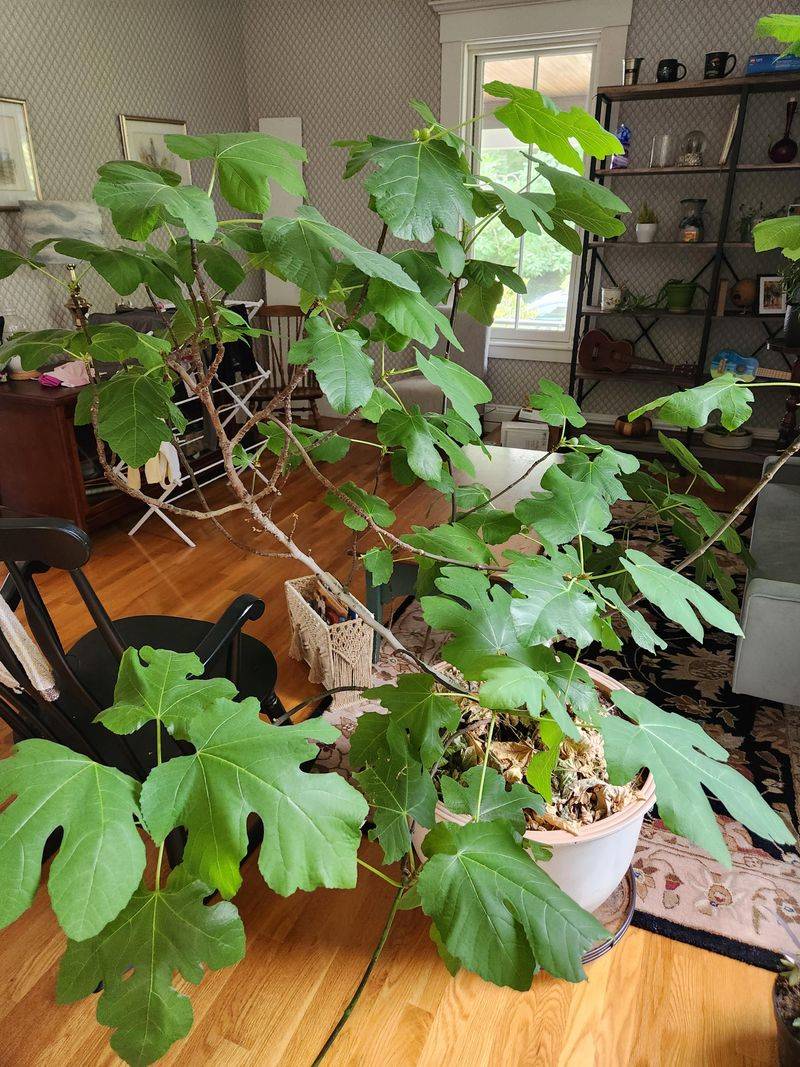
Spring fever hits gardeners hard, and figs can pay the price. Patience wins this final stage.
Many Ohio growers wait until nighttime lows hold steady above about 35 degrees before moving the tree out for good. That often lands sometime in April, a little earlier in the south and later near the lake.
Watch the 10-day forecast rather than the calendar.
A late frost can scorch tender new leaves. Strong sun can also burn foliage that spent months in the dark.
Ease the transition by starting in a shaded spot for a few days, then shifting toward full sun over about one to two weeks.
Keep a frost cloth handy, or simply roll the pot back into the garage on chilly nights. A sturdy plant dolly makes that shuffle much easier on your back.
Once leaves unfold, resume regular watering and add a balanced fertilizer. Spring is also a great time to prune crossing branches or repot a root-bound tree.
Every winter you manage teaches you something about your garage and your fig. Keep notes on temperatures and dates. Next year, you will tuck that tree away with confidence and look forward to sweet homegrown figs once again.