Ohio Backyards Are Losing Luna Moths For 5 Reasons (And This Tree Could Bring Them Back)
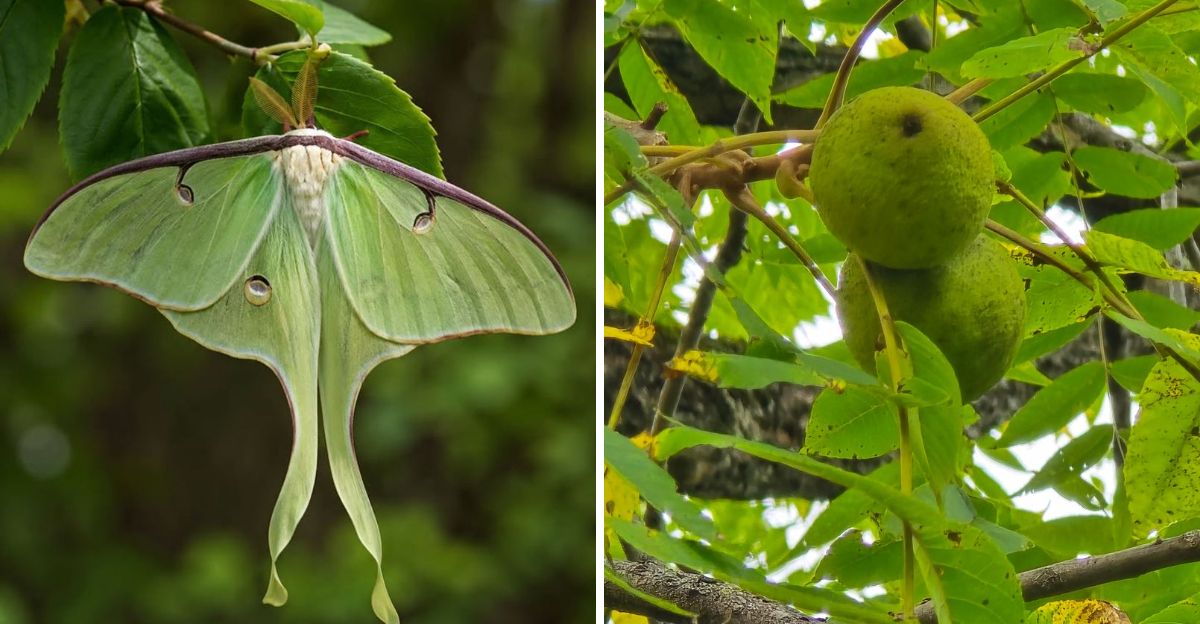
If you step outside on a warm Ohio night and spot a pale green wing flutter past the porch light, that is a luna moth.
It is one of the most breathtaking insects in North America, and the kind of creature that makes people stop mid-sentence and just watch.
Sadly, fewer Ohio backyards are welcoming these moonlit visitors than ever before.
Something has been happening in suburban yards across the state. A slow accumulation of small changes that nobody intended as harmful.
But that together have made it harder and harder for luna moths to complete their life cycle anywhere near a typical home.
The trees disappeared first, replaced by tidier ornamentals. The leaves got raked a little too thoroughly each fall. The porch lights got a little brighter.
None of these changes felt significant on their own, and that is exactly why the cumulative effect caught so many people off guard.
However, a native tree many homeowners overlook might hold the key to turning things around, and understanding what is actually happening in your yard at night is the first step toward bringing these moths back.
1. Host Trees Keep Disappearing
Walk through almost any Ohio suburb today and you will notice something missing.
The big, native trees that once lined backyards and woodland edges have slowly been replaced by ornamental maples, ornamental pears, and other non-native species that offer almost nothing to native insects.
Luna moth caterpillars need very specific host trees to survive.
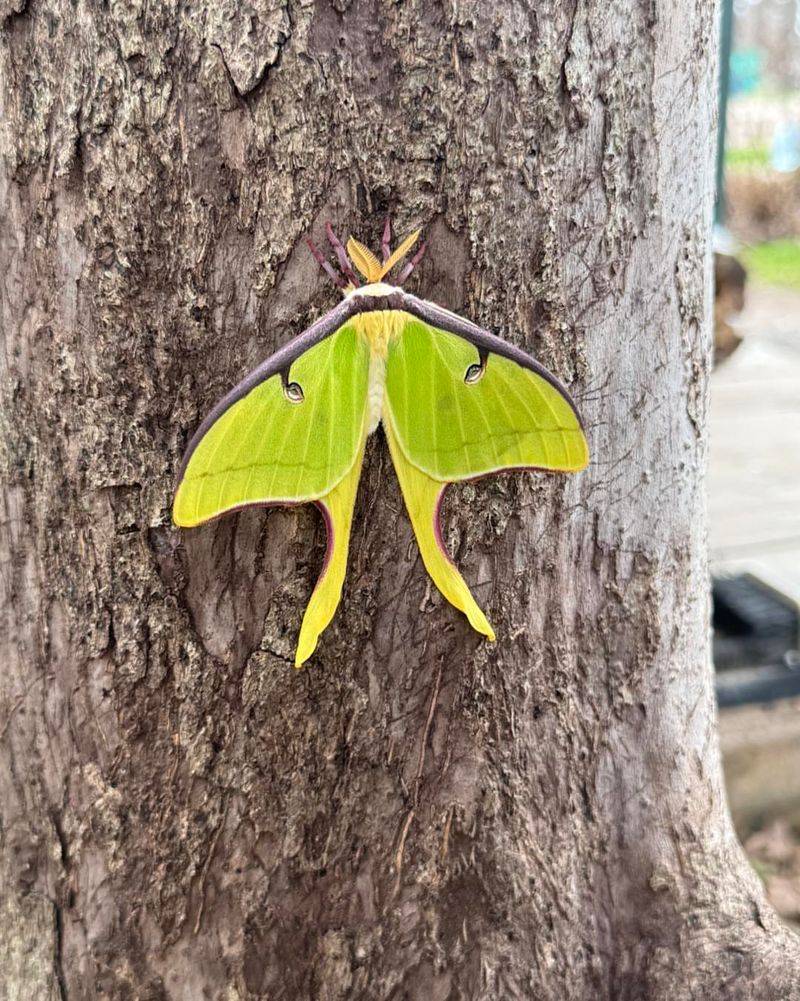
They feed on the leaves of native species like black walnut, sweet gum, persimmon, and several hickories.
When those trees disappear from a yard or neighborhood, the luna moth life cycle simply cannot continue there, no matter how many flowers or shrubs remain in the surrounding landscape.
Ohio State University Extension notes that native trees support dramatically more insect species than non-native ornamentals.
A single native tree can host dozens of moth and butterfly species over the course of a season. A non-native ornamental, even one that looks lush and healthy, might support almost none of that same insect activity.
Tidier yards have quietly pushed out the trees that matter most.
Homeowners often choose smaller, neater trees that fit narrow spaces and require less maintenance, which is completely understandable given how busy modern life can be.
But it means caterpillars have fewer places to feed and grow each season than they once did just a generation ago.
Planting even one suitable native tree in your yard creates a real food source for luna moth caterpillars. You do not need a forest.
You need one good tree in the right spot, and that single decision can change what moves through your yard at night for years to come.
2. Leaf Litter Gets Cleared Too Cleanly
Every fall, millions of Ohio homeowners do the same thing: rake every leaf, bag every pile, and haul it all to the curb.
Yards look neat and crisp by November, satisfying that deep-seated urge to tidy up before winter sets in.
Your Ohio Garden Changes Every Week. Your Plan Should Too.
Gardening in Ohio changes quickly throughout the season. Every Friday you’ll receive a simple weekly plan showing exactly what to plant, prune, fertilize, harvest, and protect so you never miss the right timing.
But for luna moths, that thorough cleanup removes something absolutely essential to their survival that most people never even think about.
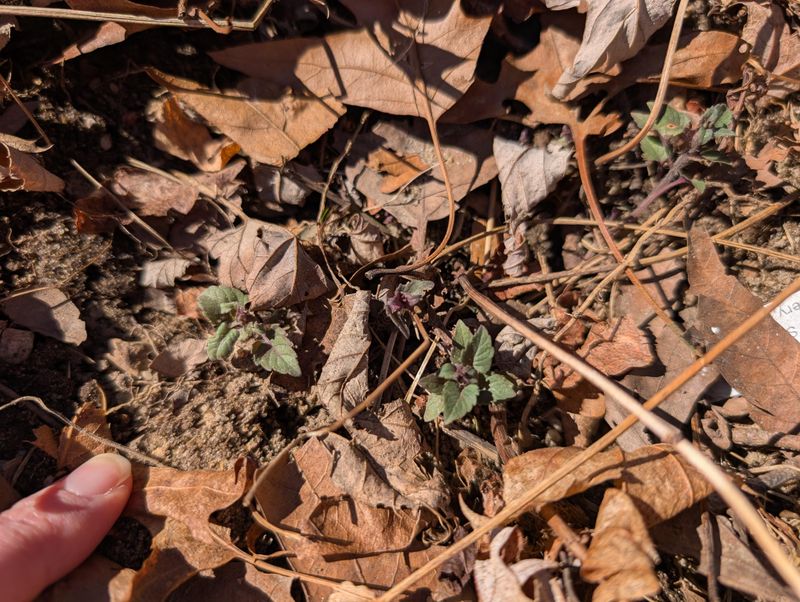
Luna moth pupae overwinter inside cocoons that are wrapped in leaves and tucked right into the leaf litter on the ground.
When all those leaves get removed, the cocoons go with them. Sometimes they end up in the trash. Sometimes they get mulched along with everything else.
Either way, the moths never emerge in spring, and the yard quietly loses a generation it never knew it had.
Ohio State University Extension and native habitat researchers consistently point to leaf litter as one of the most undervalued resources in any backyard.
Leaves insulate the soil, support fungal networks, shelter ground beetles, and protect overwintering insects at every life stage throughout the coldest months of the year.
You do not have to let your yard look completely wild to help.
Leaving a layer of leaves under trees and along fence lines is enough to make a real difference. Even a small corner of undisturbed leaf cover can shelter cocoons through the winter months without disrupting the tidy look of the rest of the yard.
Skipping the rake in certain spots is one of the easiest and least expensive things you can do for these moths.
The leaves are doing quiet, important work, and the moths are counting on that layer more than most people realize.
3. Bright Night Lights Disrupt Moths
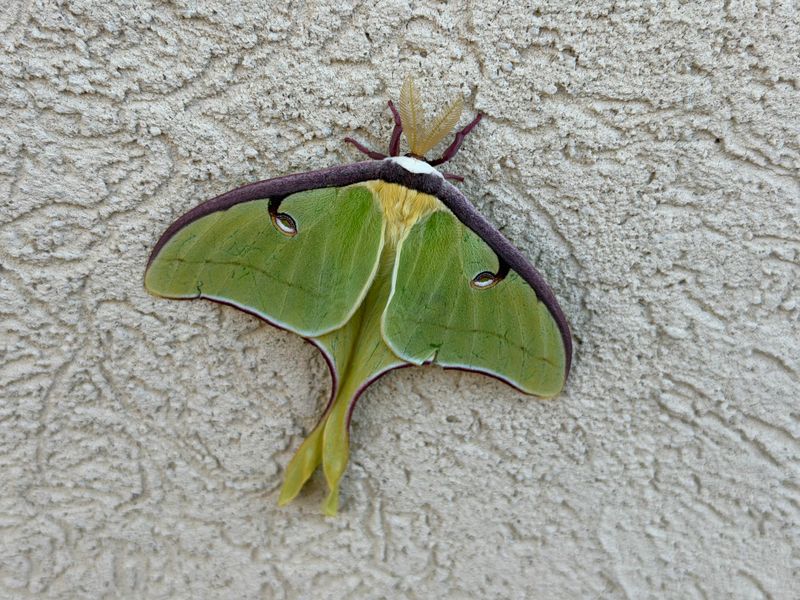
Luna moths are creatures of the night, and they navigate using natural light cues from the moon. That is actually how they got their name.
Artificial outdoor lighting throws off those cues in ways that can seriously disrupt moth behavior, mating, and movement, often without the homeowner ever realizing what is happening just outside the back door.
When moths are drawn to bright porch lights, floodlights, or decorative string lights, they can become disoriented and circle for hours.
That wasted energy reduces their chances of finding a mate.
Since adult luna moths do not even have mouths and cannot eat, every hour they spend circling a light is an hour they cannot spend reproducing, and their entire adult lifespan only lasts about a week.
Research published in entomology journals and referenced by pollinator advocacy groups shows that light pollution is one of the fastest-growing threats to nocturnal insects across North America.
Ohio, with its mix of suburbs and small cities, has seen a steady increase in outdoor lighting over the past few decades, and that trend tracks closely with declining moth sightings reported by backyard observers.
Switching to motion-activated lights, using warm amber bulbs instead of bright white or blue-toned LEDs, and simply turning off unnecessary outdoor lights at night can all reduce the disruption to local moth populations significantly.
You do not have to choose between a safe, well-lit yard and a moth-friendly one.
Small changes in how and when you use outdoor lighting add up quickly, and keeping your lights low and warm after dark might just mean a luna moth resting on your siding some quiet summer morning.
4. Broad Sprays Reduce Caterpillar Habitat
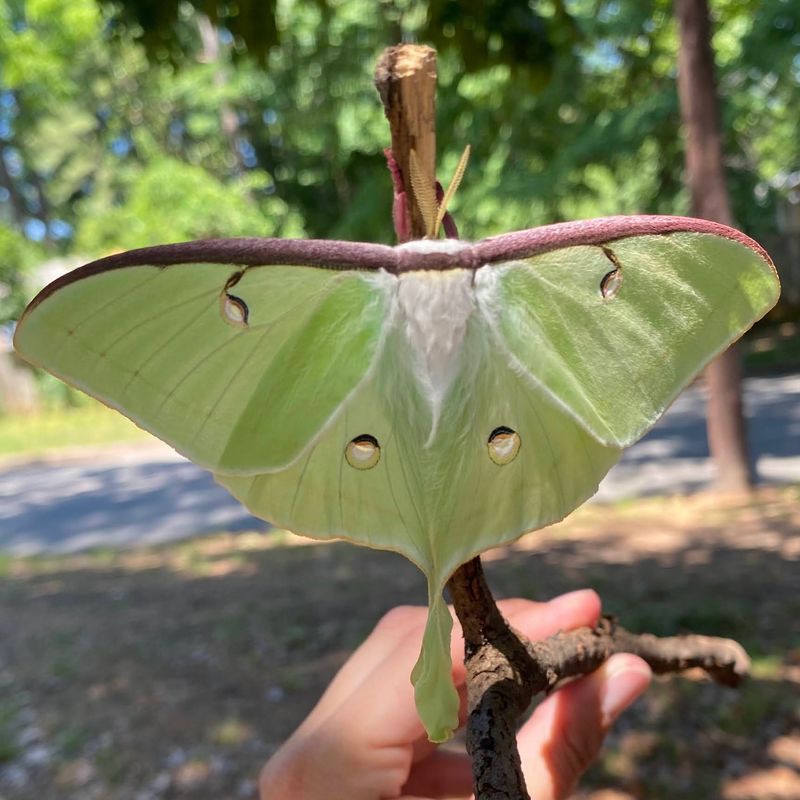
Caterpillars are vulnerable. That is just the reality of their life stage.
They feed out in the open on leaves, they move slowly, and they have no way to escape chemical exposure when it arrives.
When broad-spectrum pesticides get applied to trees and shrubs during spring and summer, luna moth caterpillars can be affected right alongside whatever target pest the spray was actually meant for.
Many common yard sprays, including those marketed for general insect control, do not distinguish between pest species and beneficial insects.
Bt sprays applied for gypsy moth or tent caterpillar control can also affect non-target caterpillars like luna moths if applied broadly near host trees, even when the intention was only to deal with one specific nuisance species.
Ohio State University Extension recommends integrated pest management, which means treating specific problems with targeted solutions rather than blanket spraying an entire yard or tree canopy.
Spot treatments, physical removal of pest insects, and encouraging natural predators are all more precise approaches that protect the insects you actually want to keep around.
Avoiding pesticide use near known or potential host trees during the caterpillar season, roughly late spring through late summer, gives luna moth larvae a much better chance of completing their development undisturbed.
If you have a pest issue on a specific plant, treat that plant with a targeted solution rather than spraying the surrounding area.
Healthy yards can absolutely coexist with thoughtful pest management.
The goal is not to avoid all pest control but to use it carefully, and a little precision goes a long way when it comes to keeping caterpillar habitat functional and safe through the growing season.
5. Woodland Edges Lose Their Layers
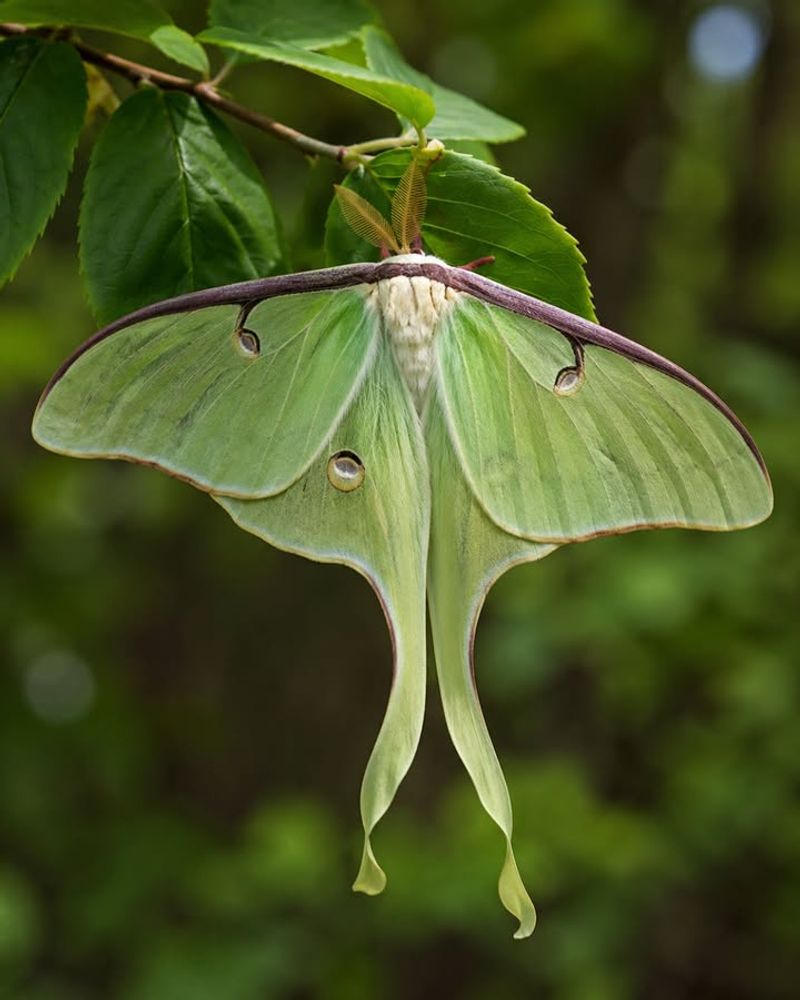
Natural woodland edges are some of the richest habitat zones in the eastern United States.
They have something called structural layers: tall trees overhead, smaller understory trees below them, shrubs along the edges, groundcover plants at the base, and leaf litter covering the soil.
Luna moths need several of those layers at once to complete their full life cycle successfully.
Suburban yards tend to flatten all of that out. A mowed lawn butts right up against a fence or a single tree, with nothing in between to soften the transition.
That sharp boundary from turf grass to tree trunk removes the shrubby middle ground where caterpillars sometimes move and where overwintering cocoons can safely rest through winter.
Ohioline, the Ohio State University Extension resource hub, highlights the importance of layered native planting for supporting pollinators and beneficial insects.
Even a narrow strip of native shrubs, ferns, or wildflowers along a yard edge creates a more complex habitat than bare mulch or mowed grass alone ever could, and the difference in insect activity often shows up within a single season.
Adding native shrubs like spicebush, elderberry, or wild hydrangea along the edges of your yard softens those hard transitions considerably.
You do not need a massive planting project. A few native shrubs tucked along a fence line or property edge can restore enough layering to make a yard feel genuinely hospitable to moths and other native insects passing through at night.
Your yard edge functions like a welcome mat for wildlife.
The softer and more layered it is, the more likely wild visitors are to show up and stay a while, settling into the kind of habitat that suburban Ohio has slowly been losing for decades.
6. Black Walnut Stands Out As A Solution
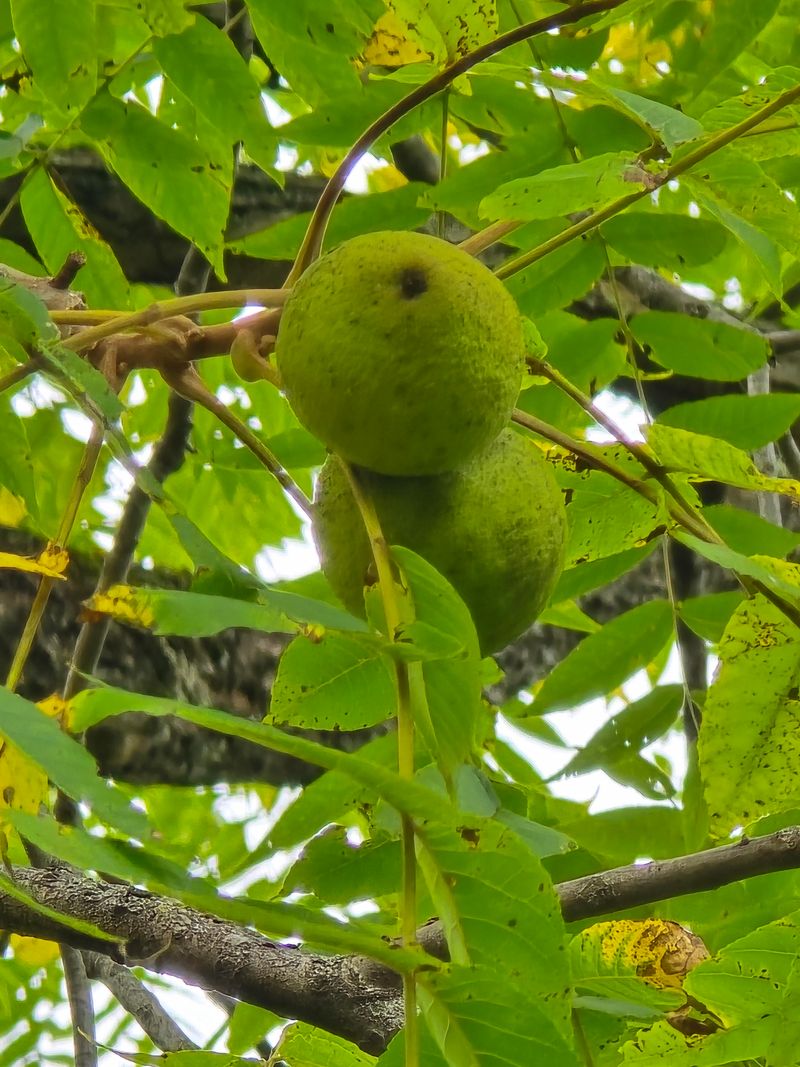
Of all the trees luna moths rely on, black walnut deserves special attention because of how much it can accomplish in a single yard.
Juglans nigra is native across most of Ohio and has a long history in the state’s woodlands, growing tall and broad with a canopy that produces an enormous volume of leaves through the growing season.
That sheer leaf volume matters enormously to a caterpillar that needs to eat almost constantly to reach full size before spinning its cocoon.
Black walnut leaves are a preferred food source for luna moth larvae, and a single mature tree can support multiple caterpillars feeding simultaneously without showing significant stress.
Ohio State University Extension lists black walnut among the most ecologically valuable native trees in the state precisely because of how many insect species depend on it, luna moths being just one example among dozens.
Many homeowners avoid planting black walnut because of its reputation for dropping messy fruit and producing a chemical called juglone that can affect some nearby plants.
Those concerns are real but manageable with thoughtful placement.
Planting the tree away from vegetable gardens and sensitive ornamentals, and toward the back of a property or along a fence line, sidesteps most of the practical drawbacks while still providing the ecological benefit.
A black walnut planted today will not produce results overnight, since the tree needs years to reach a size that meaningfully supports caterpillar populations.
But for homeowners thinking about the next decade of their yard rather than just this season, few single planting decisions do more for luna moths than putting one good black walnut in the ground.
7. Black Walnut Needs The Right Spot To Thrive
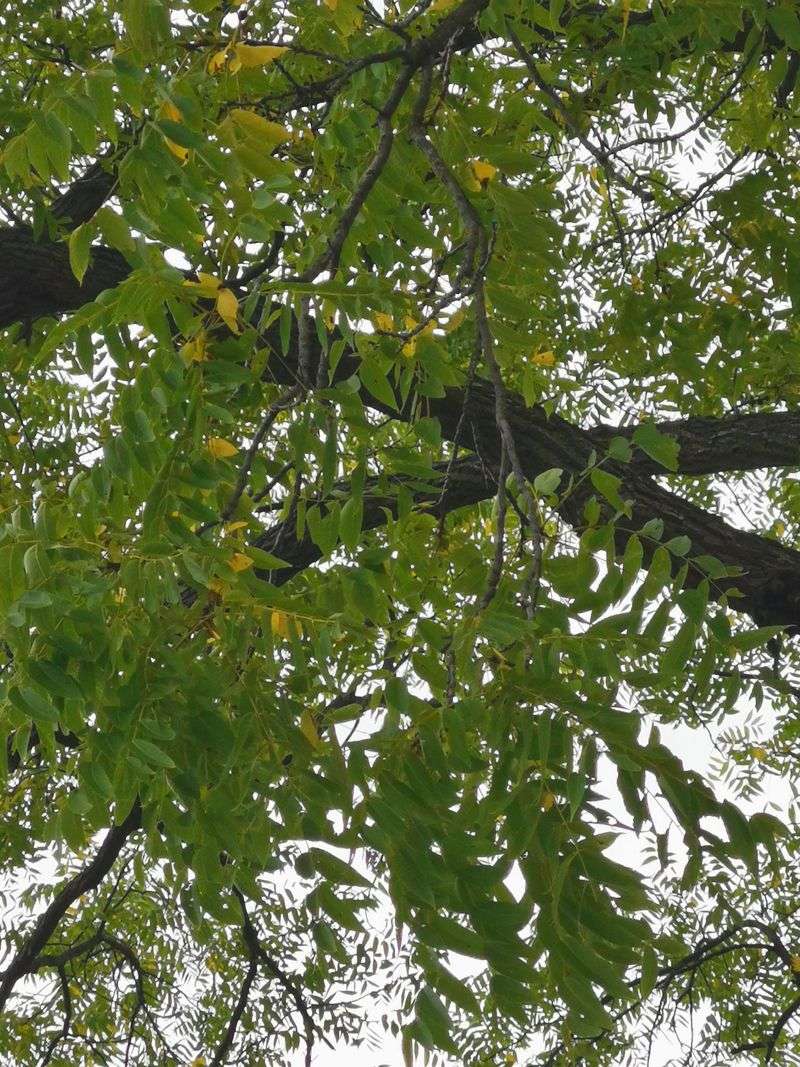
Choosing to plant a black walnut is only the first step. Where that tree goes determines whether it becomes a genuine asset or a source of ongoing frustration.
Black walnut grows best in full sun with deep, well-drained soil, and it needs significant room to reach its mature size, often fifty feet tall or more with a canopy spreading just as wide.
Cramming one into a small urban lot near the house or close to a driveway sets up problems years down the road as roots expand and branches grow heavy.
The juglone produced by black walnut roots and fallen leaves can suppress the growth of certain sensitive plants growing nearby, including tomatoes, peppers, and some ornamentals.
This does not mean the area beneath a black walnut is dead space. Many native grasses, ferns, and shade-tolerant perennials handle juglone exposure without issue, and a thoughtfully planted understory can coexist with the tree just fine.
Spacing the tree at least thirty to fifty feet from vegetable gardens and juglone-sensitive landscaping avoids most conflicts before they start.
Watering consistently during the first two to three years after planting helps the tree establish a strong root system that will eventually let it tolerate Ohio’s periodic dry stretches without much intervention.
Mulching around the base, avoiding lawn mower damage to the trunk, and giving the tree patience rather than fertilizer are the main requirements during establishment.
Once settled in, a black walnut becomes remarkably self-sufficient, asking for very little while building the kind of habitat that luna moths and dozens of other native species have been searching for in increasingly tidy Ohio neighborhoods.