8 Innovative Techniques For Planting Potatoes
There’s something about digging into the garden that takes you back. Maybe it’s the smell of fresh soil after a spring rain or the memory of helping your parents or grandparents plant rows of vegetables in the backyard.
For many of us, a small patch of potatoes carries a quiet sense of comfort and tradition.
Planting potatoes might feel straightforward, but there are ways to make the process easier, faster, and even a little surprising.
From choosing the right soil spots to clever spacing and layering techniques, these approaches fit naturally into the rhythm of a weekend morning or an afternoon in the yard.
Whether you’ve been planting the same way for decades or are curious about trying something new, the next steps show how small changes can transform your potato harvest and make planting season more rewarding than ever.
1. Vertical Potato Towers That Let Your Spuds Grow Upwards And Shine
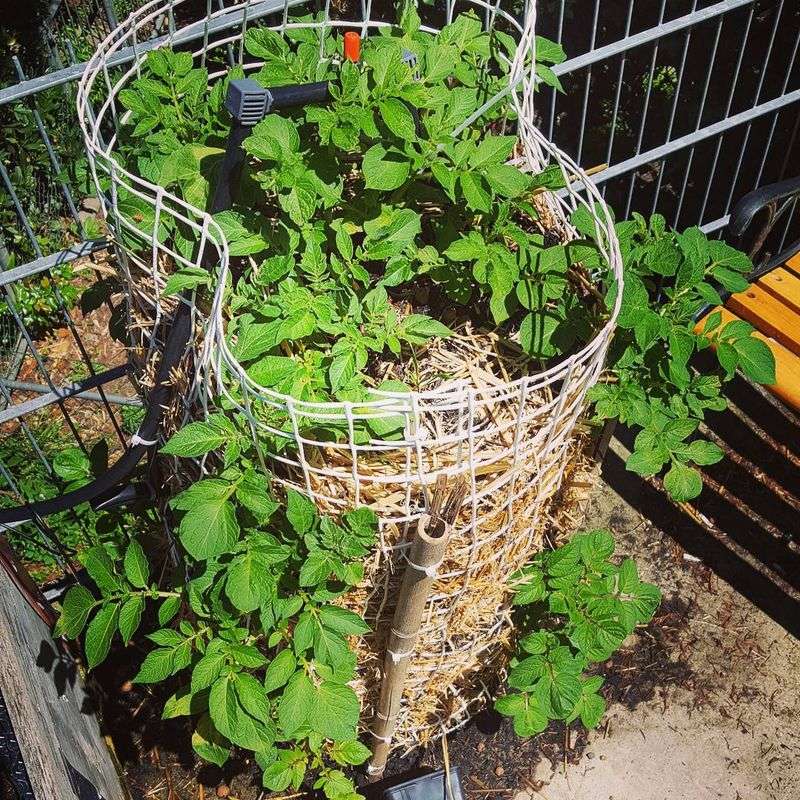
In the garden world, vertical potato towers are like skyscrapers, turning a small patch of soil into a multi-layered potato paradise. Instead of spreading horizontally, potatoes grow upwards, which is perfect for gardeners with limited space or those who want a visually unique feature in the yard.
Each layer of soil and seed potatoes creates new growth zones, maximizing yield without needing extra square footage.
The magic of vertical towers is in both growth and harvest. When potatoes are ready, peeling back the layers feels almost like unwrapping a surprise gift, and it reduces bending and digging, making harvest time easier on your back.
These towers also improve drainage and airflow around the plants, which helps reduce the risk of rot and soil compaction.
Materials for these towers can be as simple or creative as you like – wooden pallets, wire cages, or even repurposed barrels work beautifully. As the plants grow, adding soil incrementally encourages new tubers to form along the buried stems.
The towers become living sculptures in your garden, combining function and a quirky aesthetic that makes visitors smile.
Even beginner gardeners can succeed with this method, as long as the towers are stable and filled with nutrient-rich, loose soil. By stacking carefully and watering consistently, vertical towers can produce impressive harvests in a fraction of the space traditional rows require.
With a little attention, your vertical potato towers can become a standout feature that’s both practical and conversation-worthy.
2. Container Planting That Brings Potatoes To Patios And Balconies
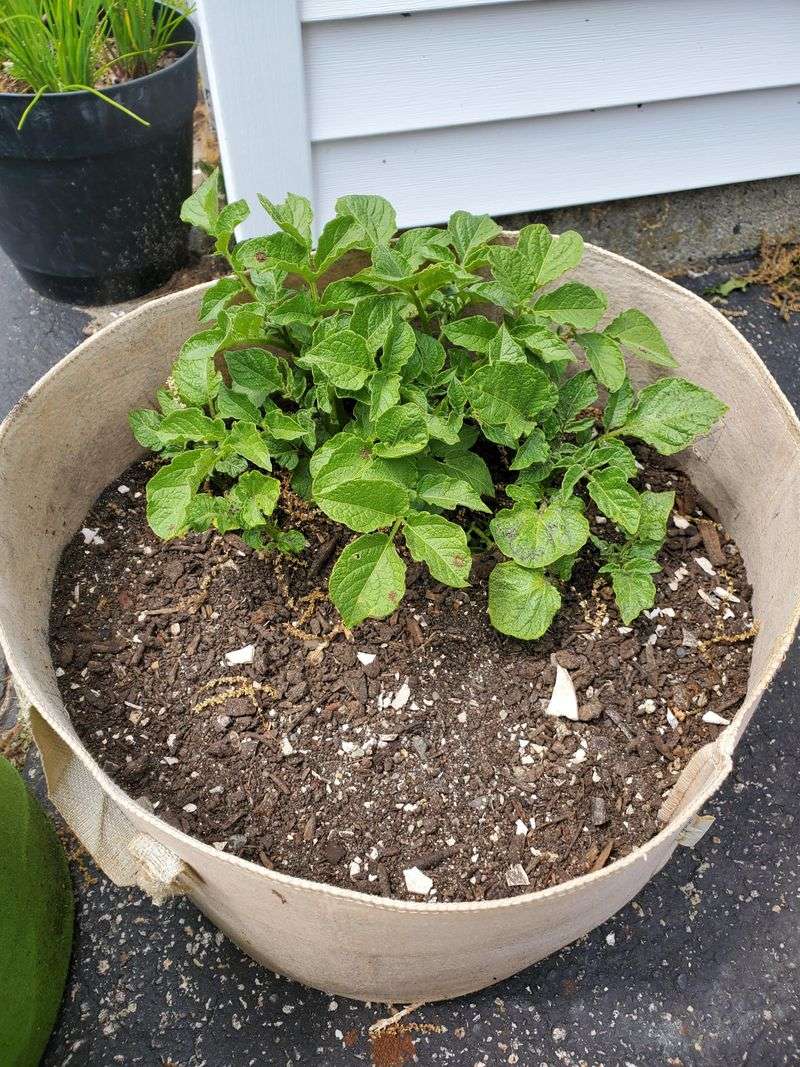
Almost anywhere, gardeners can grow potatoes using container planting – on patios, balconies, or small yards – making fresh, homegrown spuds accessible to urban dwellers. Potatoes adapt remarkably well to containers as long as the soil is loose, nutrient-rich, and drains well.
Even a modest pot or barrel can yield enough tubers to supplement meals or share with neighbors.
Choosing colorful containers adds charm to your outdoor space while creating a functional mini-garden. Whether it’s a tall plastic container, a decorative ceramic pot, or a wooden barrel, containers keep plants contained, prevent soil compaction, and allow for mobility if sunlight patterns change.
Adding compost or organic fertilizer at planting gives your potatoes a strong start.
Container potatoes grow similarly to in-ground crops – they sprout, form tubers along the stems, and need consistent watering and sunlight. As shoots appear, gardeners can add more soil to cover them gradually, encouraging larger yields.
The compact nature of containers also simplifies pest control and monitoring for disease.
This method is perfect for gardeners seeking flexibility or who have limited ground space. You can place containers where they get optimal sunlight, rotate them for air circulation, and even grow multiple varieties side by side.
By using containers creatively, you can transform small outdoor spaces into a vibrant, productive potato garden, proving that even without a traditional yard, fresh, homegrown potatoes are always within reach.
3. Trench And Mound Method That Encourages Robust Tubers
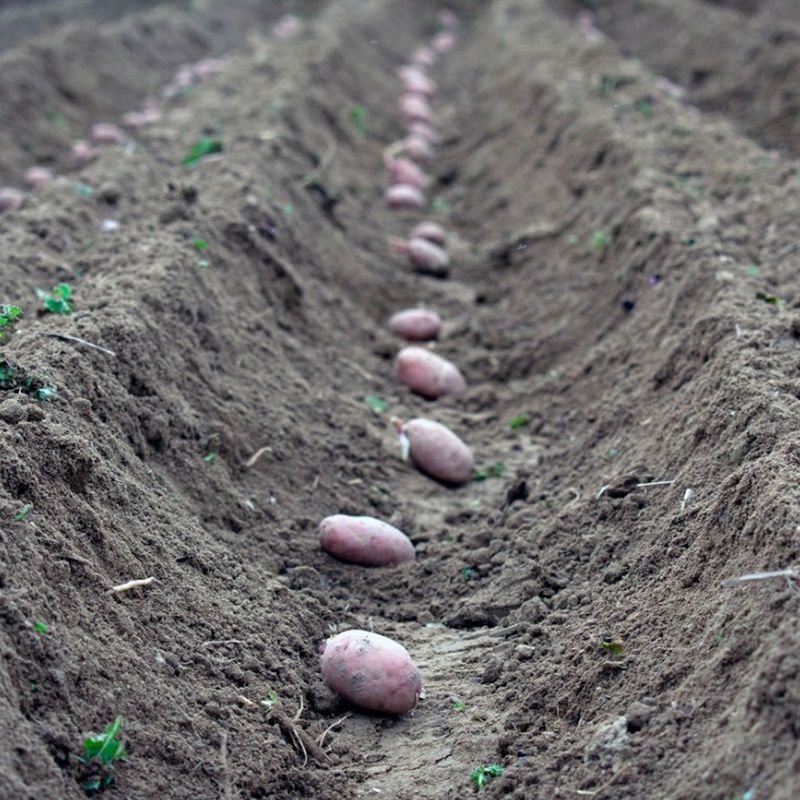
The trench and mound method is a classic technique that pairs simplicity with effectiveness. Dig a shallow trench, place your seed potatoes along it, cover them with soil, and gradually mound more soil as the plants grow.
This rhythmic approach not only encourages tuber formation but also protects young shoots from sunlight, which can turn potatoes green and inedible.
Potatoes flourish when soil is loosened around their roots, and this method allows for controlled growth while giving you the flexibility to add soil incrementally. Mounding encourages the development of multiple tubers along each buried stem, resulting in a fuller harvest.
It also improves drainage and prevents water from pooling around the roots.
Even gardeners new to potatoes find this method approachable. It requires basic tools – a shovel or hoe – and minimal materials, making it perfect for traditional backyard plots.
As the season progresses, careful hilling can be repeated to accommodate growth and encourage maximum yield.
The technique also pairs well with companion planting. Marigolds, beans, and other pest-deterring plants can be positioned alongside the trenches to create a harmonious garden ecosystem.
With attention to sunlight, spacing, and soil quality, the trench and mound method offers a balance of tradition and productivity, ensuring your potato patch is both efficient and enjoyable to tend.
4. Tire Stack Planting That Turns Old Tires Into Potato Havens
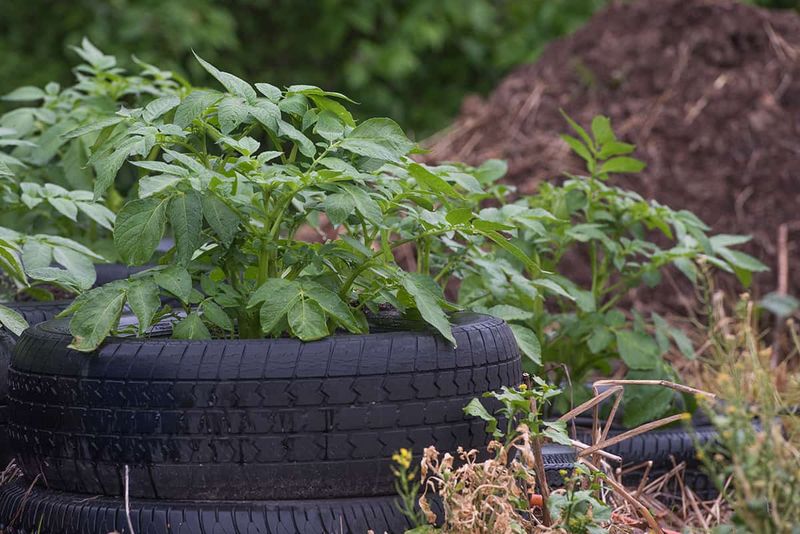
A surprisingly creative way to grow potatoes while giving old materials a second life is tire stack planting. By stacking tires vertically and filling each layer with loose, nutrient-rich soil, gardeners can create a compact yet highly productive growing space.
This method is perfect for small yards or urban gardens where horizontal space is limited, and it offers a fun, almost sculptural element to the garden.
The magic of this technique lies in its layering. As the potato plants grow, you can keep adding soil to the stack, encouraging new tubers to form along the buried stems.
The tires provide warmth, insulation, and structural support, helping maintain steady soil temperatures even in cooler Michigan springs. Because the potatoes grow upward, harvesting is much simpler – just unstack the tires when the tubers are ready, and you have instant access to your crop without extensive digging or bending.
This approach also encourages good drainage, which reduces the risk of rot, and it keeps the plants slightly elevated above the ground, which can help protect against pests. While tire stacks may seem unconventional, many home gardeners find them surprisingly effective and visually interesting.
Adding companion flowers or herbs around the base can enhance the aesthetic while supporting a healthy garden ecosystem.
Overall, tire stack planting combines sustainability, creativity, and productivity in one method. For gardeners who enjoy thinking outside the box, this approach allows potatoes to thrive in tight spaces, adds a conversation piece to the yard, and ensures a rewarding harvest at the end of the season.
5. Companion Planting That Helps Potatoes Thrive With Friends
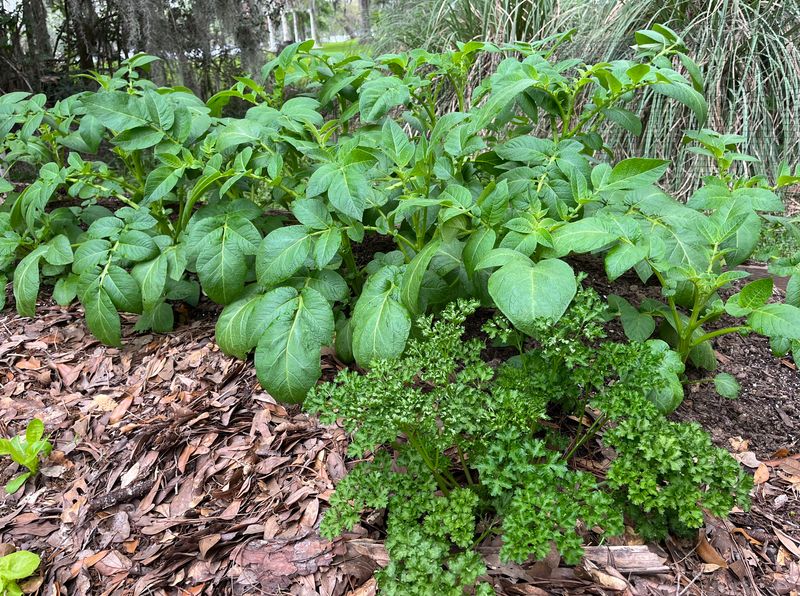
Your potato patch turns into a miniature ecosystem where plants support each other naturally with companion planting. By pairing potatoes with friendly neighbors like marigolds, beans, or certain herbs, gardeners can create a harmonious environment that deters pests and encourages healthier growth.
The idea is simple: plants that grow well together can enhance nutrient availability, improve soil structure, and reduce the need for chemical interventions.
Marigolds, for example, release compounds that may help repel nematodes and other common potato pests. Beans contribute nitrogen to the soil, feeding both themselves and nearby potatoes.
Other flowers and herbs attract beneficial insects like ladybugs and lacewings, which feed on aphids and other unwanted visitors. This botanical teamwork not only helps the potatoes thrive but also adds color, texture, and biodiversity to the garden, making it more vibrant and lively.
Companion planting works in traditional rows, raised beds, or even containers, giving gardeners plenty of flexibility. You can interplant flowers along potato rows or place herbs strategically to maximize both aesthetics and benefits.
With planning, your garden becomes a visually appealing, productive space that encourages natural balance.
This method also teaches patience and observation. Over time, you’ll notice which plant combinations flourish together, which pests are deterred, and how soil quality improves with thoughtful pairings.
Companion planting emphasizes sustainability, biodiversity, and the joy of working with nature rather than against it. By creating these supportive plant communities, you can help potatoes grow strong, healthy, and abundant while adding beauty and life to your Michigan backyard.
6. Bag Planting Technique That Lets You Grow Potatoes Anywhere
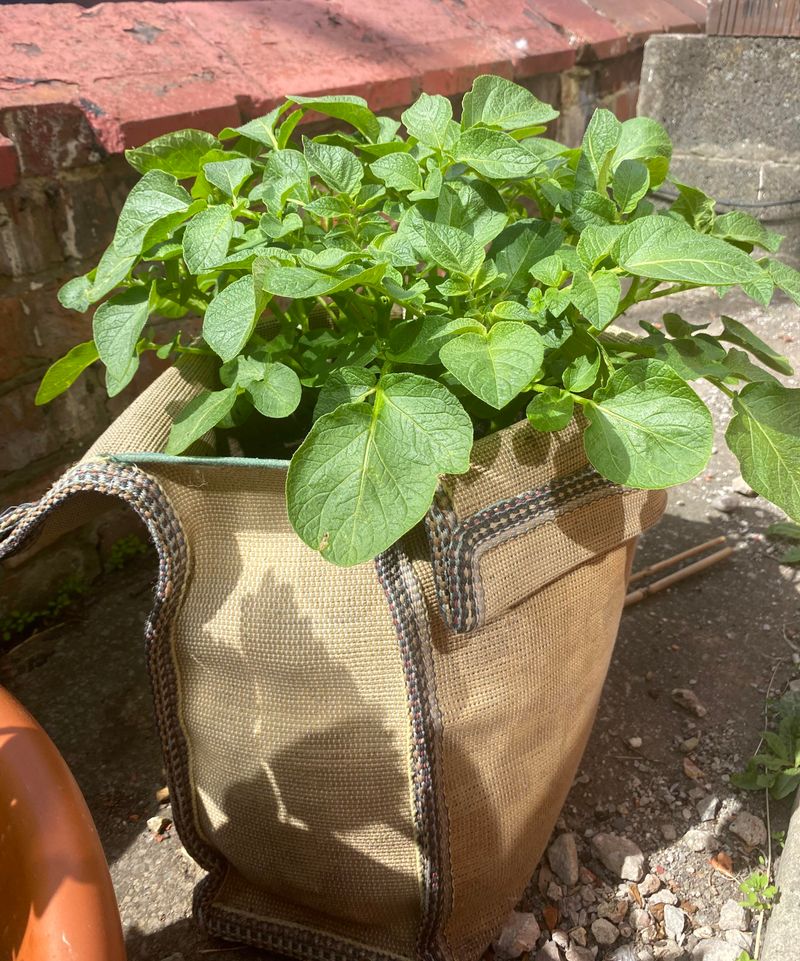
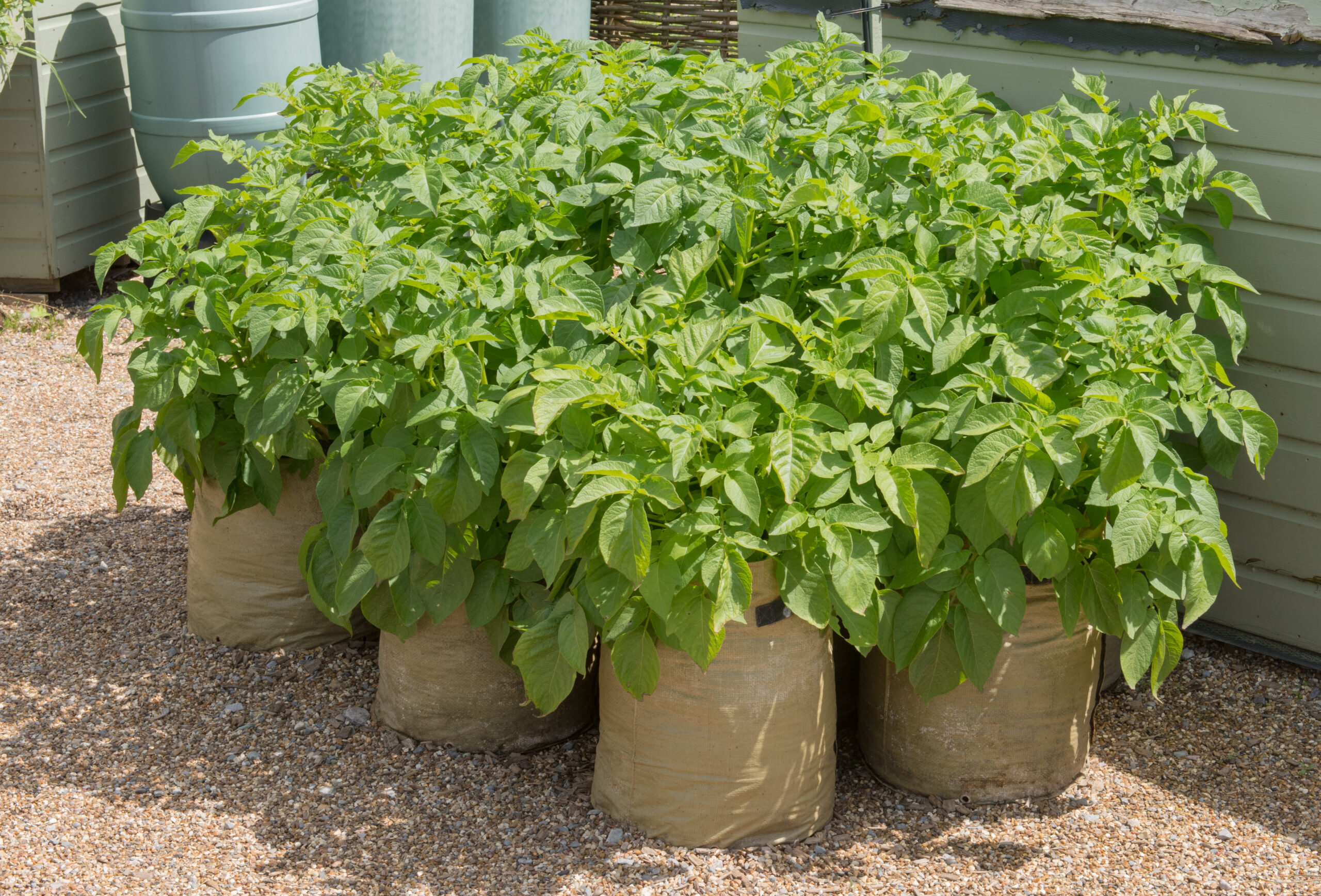
Bag planting makes growing potatoes accessible to almost any space, from patios to small urban balconies. Using large, durable bags filled with loose, well-draining soil, you can create a portable, flexible growing environment for potatoes.
This method is especially handy for gardeners with limited yard space or anyone who wants to keep plants contained and manageable.
The key to success is soil preparation. A mix of compost, loamy soil, and a touch of fertilizer gives your potatoes the nutrients they need to form healthy tubers.
As shoots emerge, adding more soil gradually encourages additional tubers along the buried stems. Bags provide excellent drainage and aeration, preventing waterlogging while giving roots the room to expand.
Bag planting is versatile and beginner-friendly. You can place bags wherever sunlight is abundant, rotate them for airflow, and even move them indoors temporarily if the weather turns unseasonably cold.
Harvesting is straightforward too – just tip the bag and collect your potatoes without the back-breaking digging required in traditional rows.
This technique also works well in combination with other methods. Bags can be used alongside companion plants or positioned near vertical towers and raised beds for a layered garden approach.
Gardeners enjoy the flexibility of this method because it’s portable, visually tidy, and surprisingly productive. Bag planting proves that even small spaces can yield satisfying potato harvests while adding charm and practicality to your gardening routine.
7. Raised Bed Gardens That Give Potatoes Prime Growing Conditions
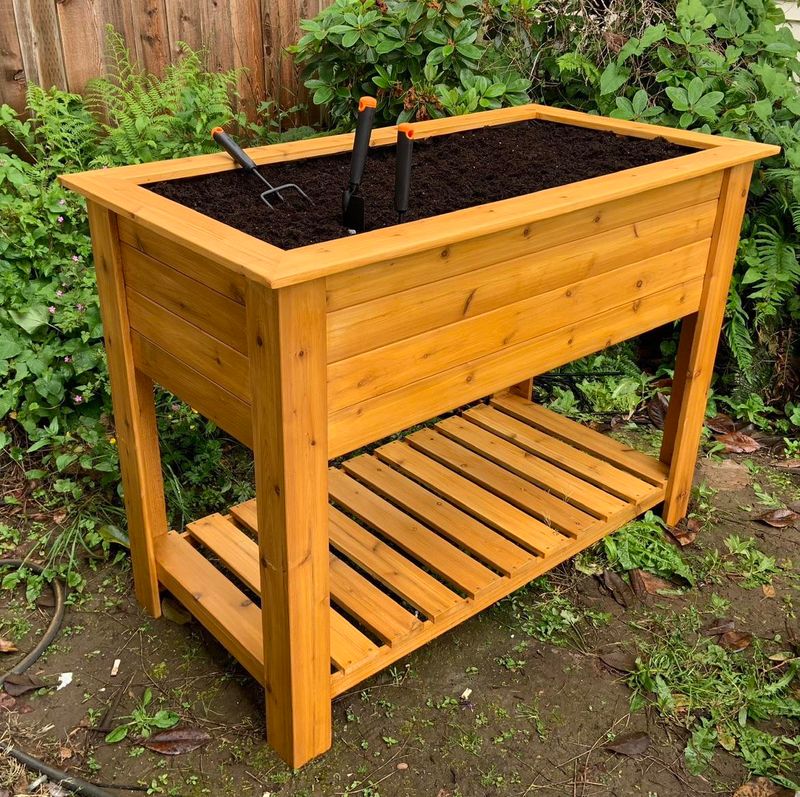
For potatoes, raised bed gardens are a game-changer, giving plants control over soil, drainage, and nutrient access. By elevating your potato patch, you can avoid heavy clay or compacted soils common in some Michigan yards, and create an environment that encourages robust growth.
Raised beds are especially helpful in regions with variable spring weather, as soil in beds warms faster and drains more efficiently than ground-level plots.
Building a raised bed doesn’t have to be complicated. Simple wooden frames, recycled lumber, or even modular kits can provide structure, while loose, nutrient-rich soil ensures potatoes have plenty of room to form healthy tubers.
The elevated design also makes it easier to manage weeds, monitor moisture, and check for pests, all without straining your back during planting and harvesting.
Potatoes grown in raised beds benefit from the ability to mound soil around stems as they grow, just as in the trench-and-mound method. This encourages tubers to form along the buried stems and reduces exposure to sunlight, which keeps potatoes from turning green.
Companion plants, like marigolds or beans, can be included around the edges, adding color, natural pest control, and soil benefits.
Raised beds also allow gardeners to experiment with spacing and variety combinations. You can plant early-season varieties alongside late-season spuds to extend harvest times or test heirloom types in a controlled environment.
With proper attention to watering, fertilization, and occasional pruning, raised beds become a reliable, productive, and visually appealing way to grow potatoes, even in smaller Michigan gardens.
8. Chit And Plant Method That Gives Potatoes A Head Start
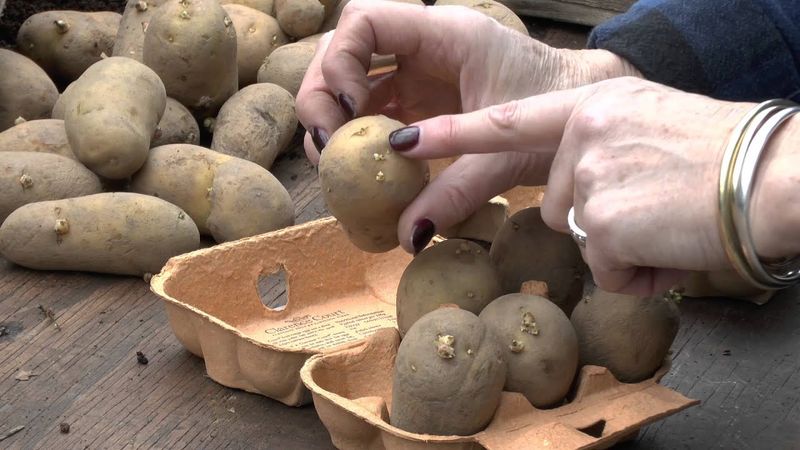
The chit and plant method is like sending your potatoes to “potato school” before they even hit the garden soil. Chitting involves sprouting seed potatoes indoors, giving them a jumpstart on growth so they develop strong shoots before planting.
This method is especially useful in Michigan, where early spring frosts can delay traditional planting.
To start, place seed potatoes in a cool, bright location and allow sprouts to emerge over a few weeks. Once shoots are sturdy and a few inches long, they’re ready for planting in prepared soil.
Chitting encourages vigorous early growth, resulting in faster development and potentially more tubers at harvest time. Potatoes tend to grow evenly, and gardeners have more control over spacing and depth when planting pre-sprouted tubers.
This method is particularly rewarding for backyard gardeners who want to maximize their growing season or try multiple varieties in one patch. Early sprouting reduces the chance of crop delays due to cold soil and helps smaller gardens produce a respectable yield.
It also gives gardeners an opportunity to observe growth patterns before potatoes are in the ground, making it easier to plan soil mounding and irrigation.
Chitting can be paired with trench, mound, or raised bed methods, combining the advantages of multiple planting approaches. By nurturing seed potatoes before planting, the chit and plant technique adds both fun and practicality to your potato-growing routine.
It’s a small step that can make a big difference, giving your Michigan garden an early boost and a season full of homegrown, healthy potatoes.