Tiny Floating Bits Of White Fluff In Maryland Yards Are Actually Bugs
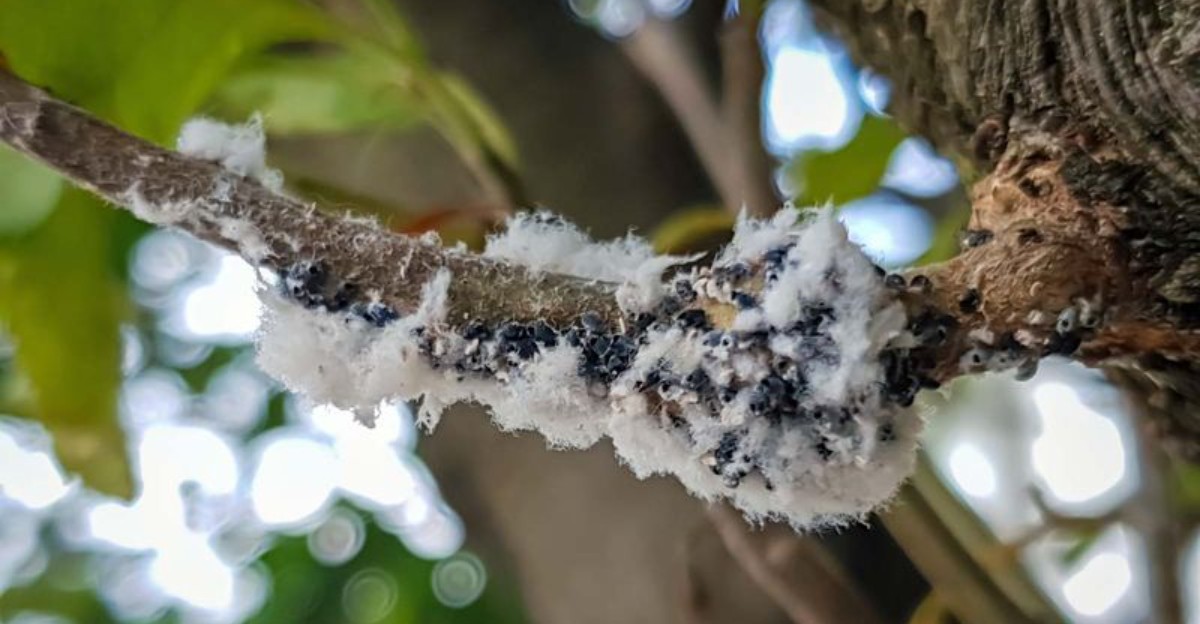
Some of the fluffy specks drifting past your face in late summer and fall have tiny wings, six legs, and a coat made of wax.
I spotted one landing on my sleeve last autumn, and it looked like a stray piece of dryer lint. Then it crawled. Gardeners across Maryland see these floating puffs every year, and plenty of folks brush them off as seed fluff or cottonwood fuzz.
You’re in for a big surprise once you look closer. Underneath that snowy coat sits a small blue-gray body with a beak built for sipping plant sap.
Honestly, I think they are some of the most charming oddballs in the backyard. They drift instead of buzz, they show up in little crowds, and a few of their cousins even dance on tree branches. So what exactly is floating through your yard right now?
That Drifting White Lint Has Wings And Six Legs
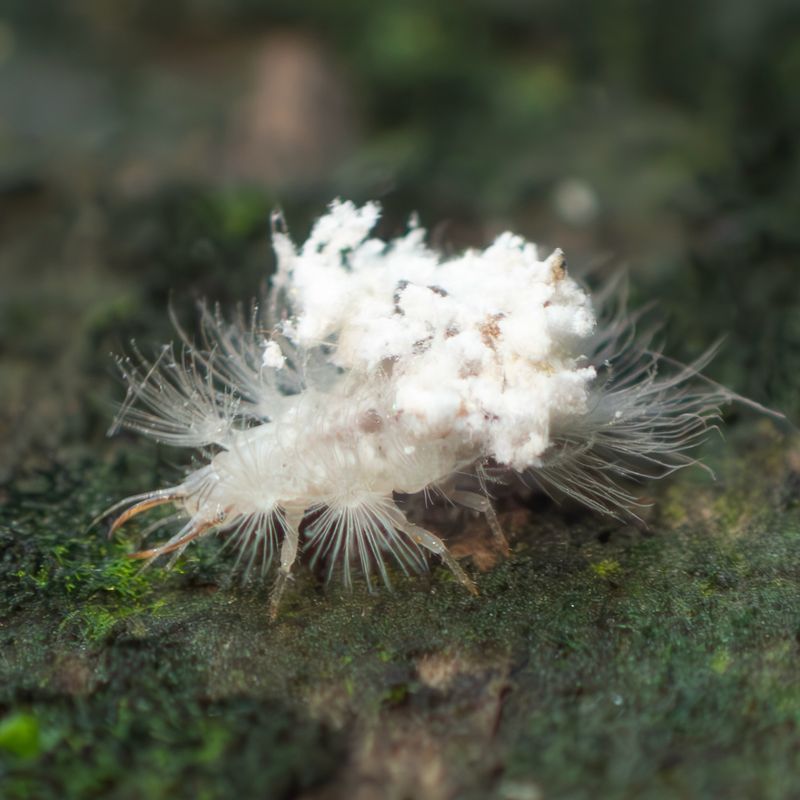
Grab a magnifying glass the next time one of those cottony puffs lands on your shirt. You’ll find a real insect hiding under the fuzz, complete with clear wings, tiny legs, and antennae.
The puff belongs to a group called woolly aphids. They are relatives of the green aphids you might find on roses, but these ones wear a coat of white wax strands. Some people call them fairy flies, fluff bugs, or flying dandruff, which I find hilarious and pretty accurate.
The ones floating around are winged adults. Most aphids in a colony have no wings at all, but certain generations grow them so they can travel to new host plants. Weak fliers that they are, these little travelers mostly ride the breeze.
That explains the slow, wobbly drift you see over lawns and driveways. They look less like bugs and more like lost bits of cotton.
In Maryland, sightings tend to pick up from late summer into fall, when many species are on the move. On calm, warm afternoons, you might spot dozens of them at once. I like to think of them as the backyard version of snow flurries, only arriving months early.
Woolly Aphids Wear Wax Coats For A Good Reason
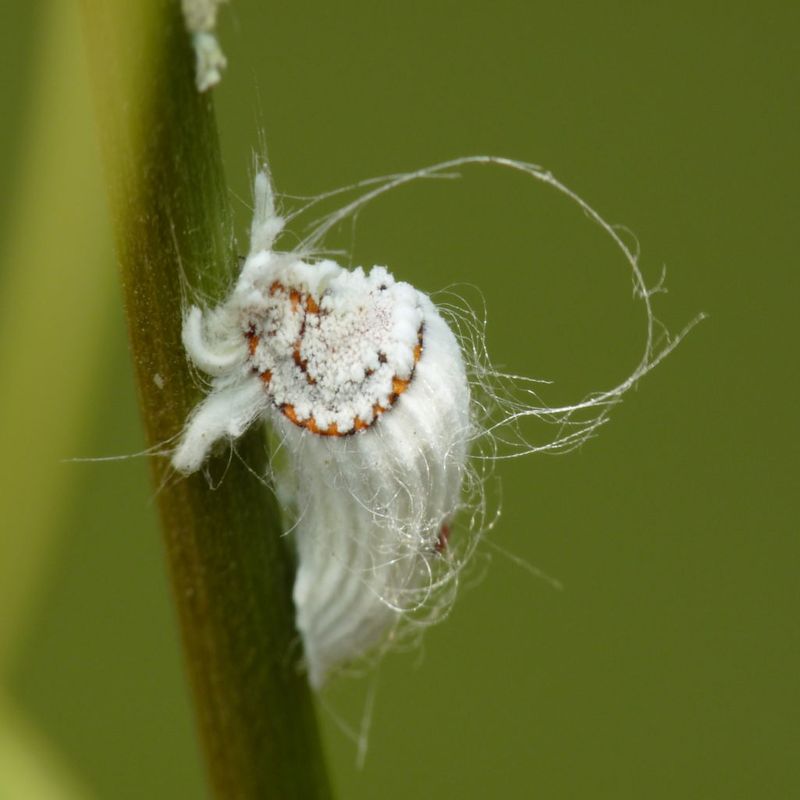
Wax is the secret behind the whole fluffy look. Special glands on the aphid’s body push out fine strands of waxy material, building a little white jacket that can look bigger than the bug itself.
That coat does several jobs at once. It helps hide the soft body from hungry predators, and it can make some birds and insects think twice about a snack. It also sheds water, so the aphid stays drier on damp Maryland mornings.
Underneath, the body is often bluish, gray, or greenish. Adult flying forms are tiny, usually around an eighth of an inch long, though the wax can make them look larger. Without the wax, they would seem pretty plain and forgettable.
Here’s a practical tip. That same waxy coating can block some sprays from reaching the insect, which is one reason store-bought products sometimes seem to do very little.
Fun fact for curious kids in your house. Aphids belong to a group of insects called true bugs, and they feed with a straw-like mouthpart instead of chewing jaws. If you gently blow on one resting on a leaf, you can often see some fluff drift away and reveal the tiny body beneath it.
Maple, Alder, And Apple Trees Often Host These Fluffy Sap Sippers
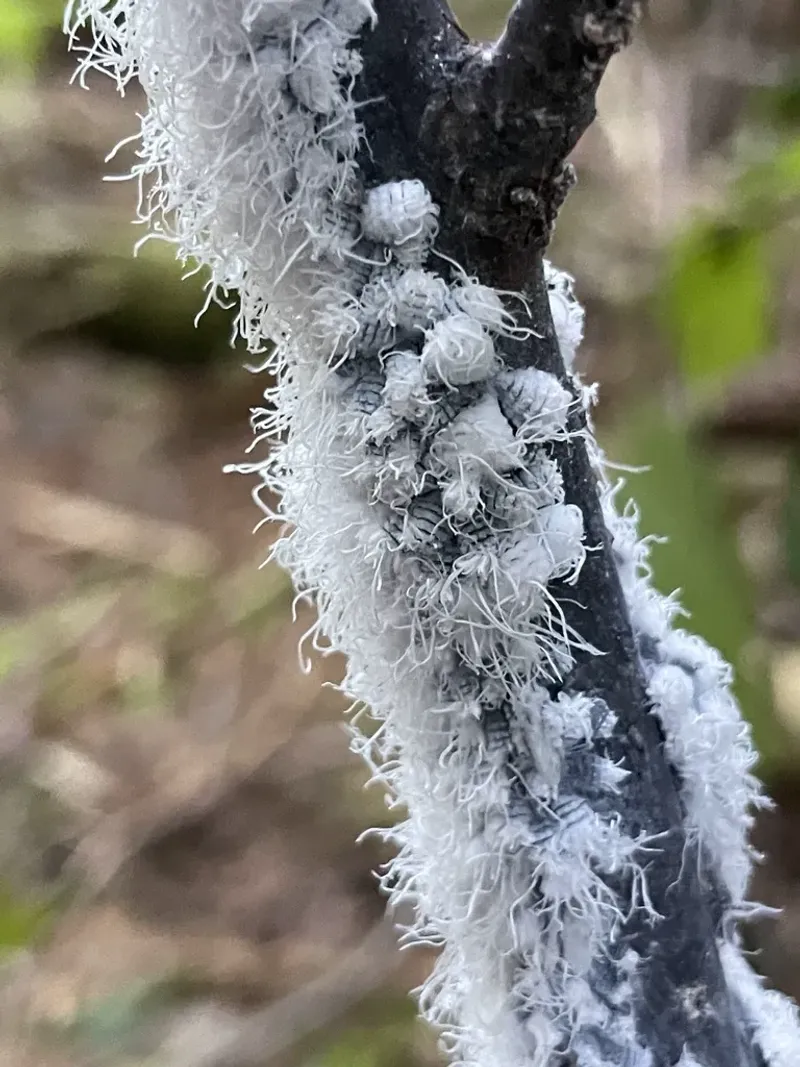
Follow the fluff back to its source, and you’ll usually land on a tree or shrub. Woolly aphids feed on plant sap, and many species are picky about which hosts they use.
The woolly alder aphid is a good example. It spends part of its year on silver maple, then moves to alder, and it’s sometimes called the maple blight aphid. The woolly apple aphid targets apple, hawthorn, pear, and mountain ash, and it can form knobby swellings on twigs and roots.
Other kinds favor elm, beech, ash, or hackberry. Some even switch between a tree and a different plant during the season, which helps explain those big fall flights.
In your own yard, check the undersides of branches and the joints where twigs meet. Look for white, cottony patches that seem fixed in place rather than blowing around.
You might also notice sticky leaves or shiny patches on cars parked below. That glossy goo is honeydew, a sugary waste aphids leave behind. Black sooty mold sometimes grows on it, so a gray film on lower leaves is a strong clue that a colony lives overhead.
Beech Blight Aphids Put On A Wiggly Branch Dance
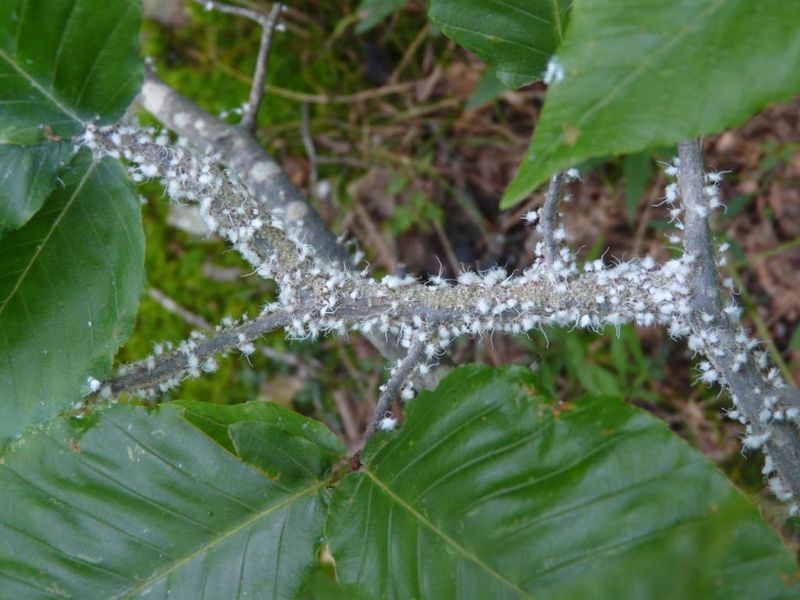
Some colonies boogie, and I’m not exaggerating. The beech blight aphid, nicknamed the boogie-woogie aphid, gathers in thick white clusters on American beech branches.
Bother the group, and something odd happens. The aphids lift their fluffy rear ends and sway back and forth together, like a crowd at a concert. Scientists think this shimmy helps confuse or discourage predators.
American beech grows in forests and older neighborhoods across much of Maryland. Colonies often show up on twigs and small branches in late summer and fall, looking like streaks of fake snow.
Underneath the colony, you may see a black, crusty fungus growing on honeydew. One species of sooty mold specializes in this setting, and it can pile up on branches and leaves below.
Even with all that drama, the beech tree usually shrugs it off. Penn State and other extension experts describe these aphids as mostly a curiosity rather than a serious threat.
So grab your phone and record a video if you find a colony. Gently tap the branch nearby and watch the show. It’s one of the quirkiest wildlife moments you can catch without leaving your neighborhood.
Fluffy Aphids Won’t Bite You Or Your Pets
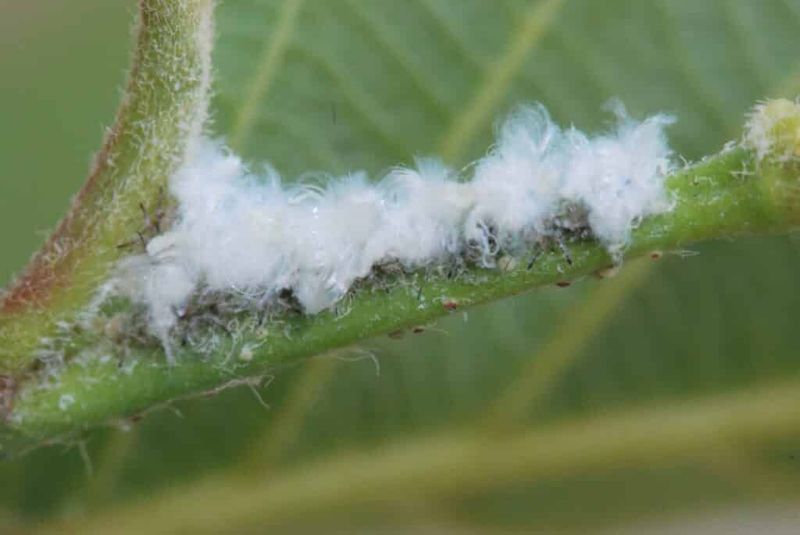
Relax if one lands in your hair. Woolly aphids don’t bite, sting, or spread illness to people or pets.
Their mouthparts are built for poking into plant tissue, not skin. At most, a curious one might land on your arm and wander a bit before flying off again.
That said, a big swarm can be a mild nuisance. On busy days, they may stick to sweaty skin, drift into your lemonade, or end up on fresh laundry hanging outside. Walking through a cloud of them feels a bit like stepping into a snow globe.
Allergic reactions are not something they’re known for. Still, if anyone in your family has sensitive eyes, a pair of sunglasses during yard work can keep the floating fluff away.
Pets usually ignore them or give them a confused sniff. A dog that snaps at one will not get hurt, since the aphids carry no venom.
The bigger concern is honeydew from large colonies above patios and cars. That sticky film can coat outdoor furniture. A quick rinse with soapy water usually takes care of it, so park the car elsewhere for a few weeks if a heavily infested tree hangs over your driveway.
Healthy Trees Usually Handle A Woolly Aphid Crowd Just Fine
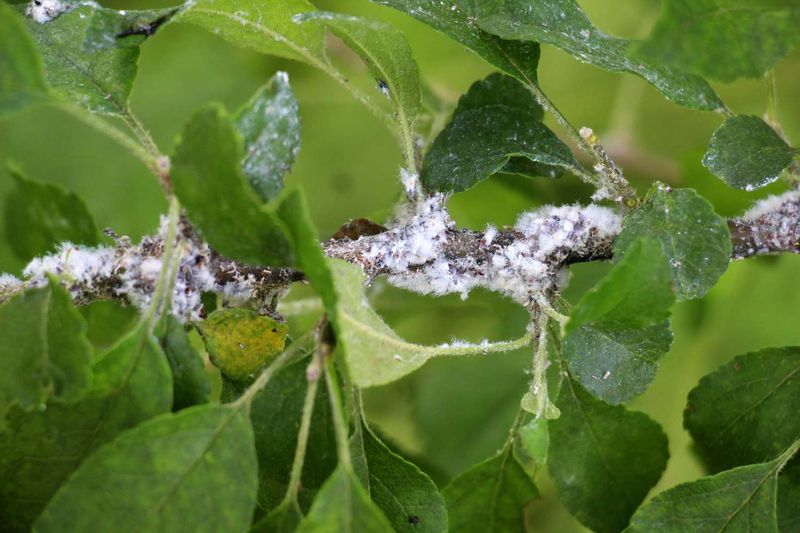
Most trees take these visitors in stride. University extension specialists generally rate woolly aphids as a cosmetic issue on established, well-cared-for trees.
Heavy feeding can still cause trouble in some cases. Leaves may curl, yellow, or drop a bit early, and young twigs can look stunted. Sticky honeydew and black sooty mold can make the tree look messier than it really is.
Woolly apple aphids are the main exception gardeners watch closely. Their feeding can cause galls on roots and branches, which may weaken young apple trees over time. If you grow backyard apples, that’s worth keeping an eye on.
Young or freshly planted trees are more vulnerable too. Trees already struggling with drought, poor soil, or construction damage may react more strongly.
A few simple habits make a difference. Water deeply during dry spells, add a ring of mulch two to three inches deep, and keep it away from the trunk. Skip heavy nitrogen fertilizer, since lush, soft growth tends to attract more aphids.
In my experience, a tree that gets steady care bounces back each spring with barely a hint of last fall’s fluffy crowd.
Ladybugs And Lacewings Love Snacking On Woolly Aphids
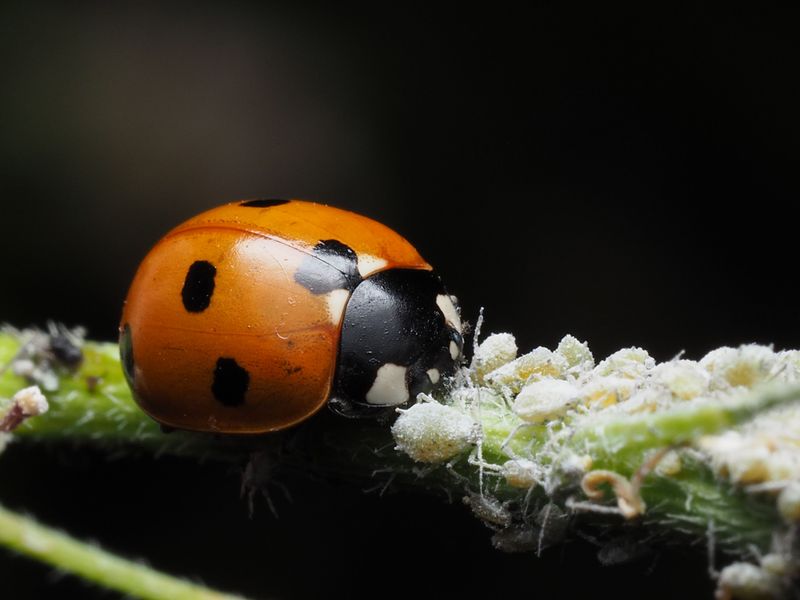
Nature brings its own cleanup crew. Lady beetles, lacewing larvae, syrphid fly larvae, and tiny parasitic wasps all feed on aphids, including the fluffy kinds.
One of my favorite finds is the harvester butterfly caterpillar. It’s the only North American butterfly whose caterpillars eat aphids, and it often hangs around woolly aphid colonies on alder and beech. It even covers itself with aphid wax as a disguise, which feels like a sneaky costume party.
To help these allies, go easy on broad-spectrum sprays. Those products often hit helpful insects harder than the aphids hiding under wax.
For small colonies on reachable branches, a firm spray of water from the hose can knock many aphids loose. Pruning off a heavily coated twig works well too.
If you need more help, insecticidal soap or horticultural oil can work on contact. Coverage matters, so spray the actual colony, and follow the label closely, especially on hot days.
Planting native flowers like goldenrod, asters, and mountain mint gives beneficial insects nectar and shelter. Maryland’s native plant lists from extension services are a great place to start shopping for these helpers.
Your Local Extension Office Can Identify Tricky White Bugs On Your Shrubs
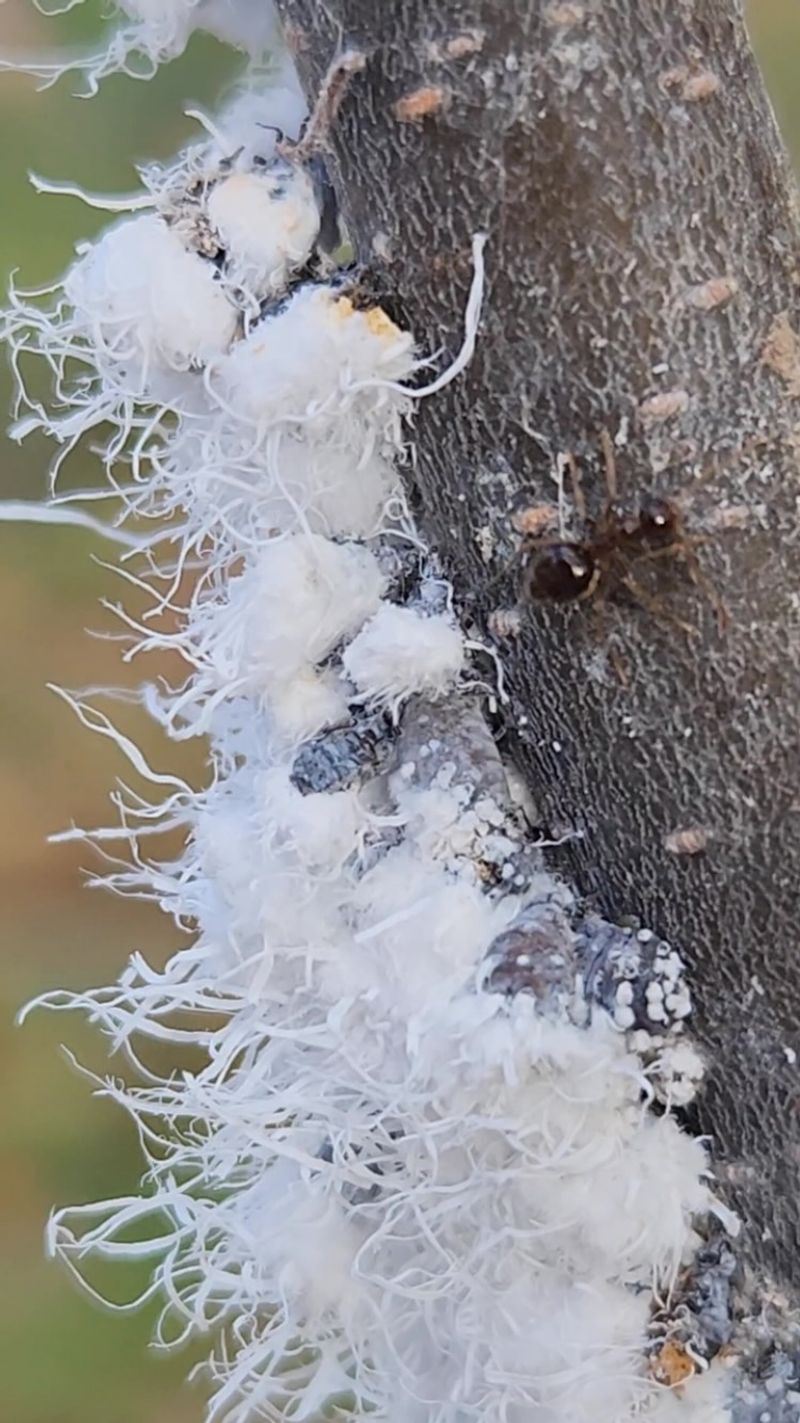
Not every white fuzzy bug is a woolly aphid. Mealybugs, cottony scale, and spittlebug foam can look similar at first, and each one needs different care.
Watch for clues before deciding what to do. Woolly aphids fly or drift, while mealybugs crawl slowly and cottony scale stays put under a puffy egg sac. Spittlebug foam is wet and bubbly, not dry and waxy.
The University of Maryland Extension runs the Home and Garden Information Center, which offers free help for residents. You can submit photos and questions online and get answers from trained experts.
Snap clear pictures of the insect, the leaves, and the branch. Include something for scale, like a coin, and note which plant it’s on.
For valuable trees showing big branch loss or repeat heavy infestations, a certified arborist can take a closer look. They can check whether aphids are the real issue or just one piece of a bigger puzzle.
My best takeaway is simple. Enjoy the floating fluff, keep an eye on your favorite trees, and ask for help when something looks off. Most of the time, these drifting puffs are just a quirky sign that your yard is full of life.