8 Plants That Naturally Repel Mosquitoes On Maryland Patios
Maryland summers are stunning, but they come with a catch. Mosquitoes arrive like uninvited guests every late spring and refuse to leave until fall.
These persistent little biters can transform a peaceful patio evening into a frustrating, swatting nightmare. Nature, fortunately, offers a surprisingly beautiful solution.
Certain plants naturally discourage mosquitoes while adding color, fragrance, and life to your outdoor space. Instead of reaching for chemical sprays, Maryland gardeners can turn to their own flower beds for some relief.
These plants do double duty: they look gorgeous and tend to help keep mosquitoes at bay. That effect is strongest when leaves are brushed or crushed to release their natural oils.
That said, no plant works as a standalone fix. They perform best alongside other smart habits like eliminating standing water, running a patio fan, and using proven repellents when needed.
Think of them as a valuable layer in your overall approach, not a replacement for it. With the right greenery in the right spots, those long summer evenings on your patio become something worth savoring again.
A more comfortable outdoor life might be just a few plants away.
Lavender
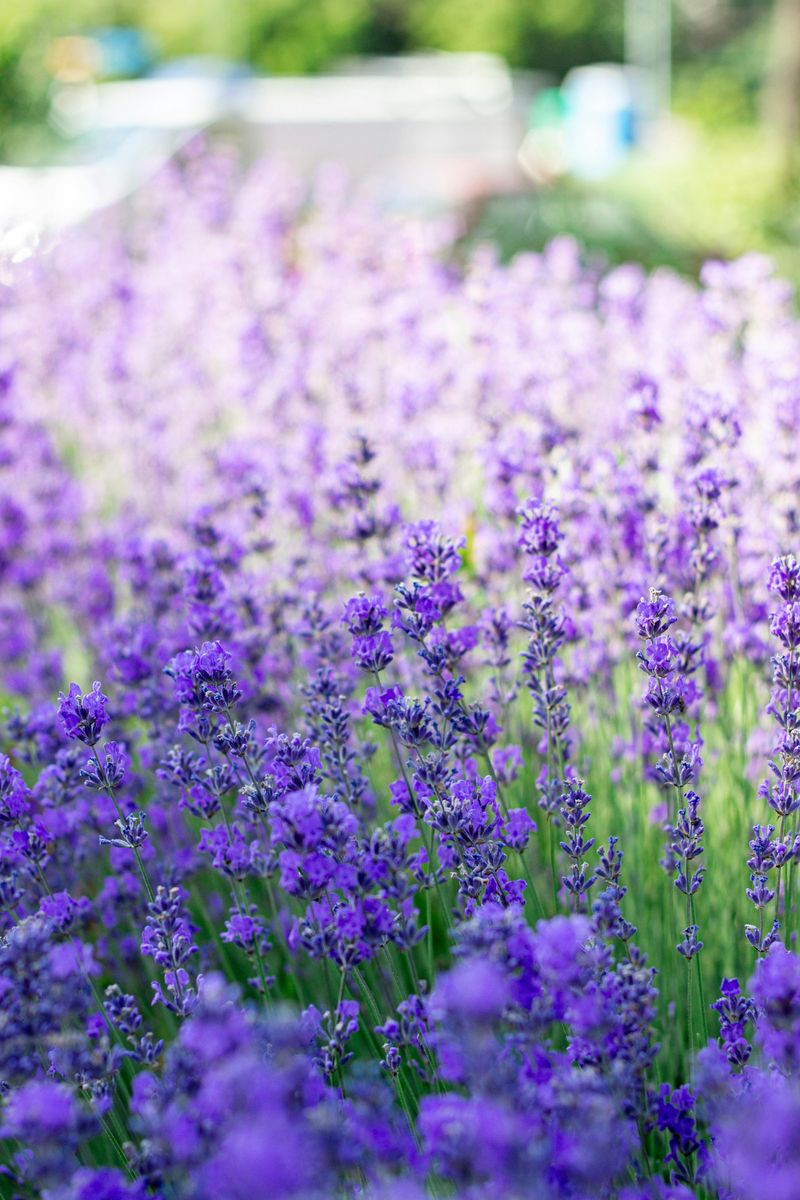
Few plants smell as heavenly as lavender, yet mosquitoes absolutely cannot stand it.
The same soothing scent that helps humans relax actually overwhelms the sensory receptors of biting insects.
That sweet irony makes lavender one of the most satisfying plants you can place on a patio.
Lavender thrives in Maryland’s warm, humid summers when planted in well-draining soil with full sun exposure.
Tuck a few pots near your seating area or along a railing, and you will notice the difference on muggy evenings.
The plant does not need much water once established, making it a low-effort win for busy homeowners.
Crushing a few leaves between your fingers releases the essential oils even more strongly, giving you a quick, natural barrier right on your skin.
Lavender also attracts pollinators like bees and butterflies, so your patio becomes a little ecosystem of its own.
The purple blooms look stunning against brick or wood decking and add serious curb appeal to any outdoor setup.
Varieties like Hidcote and Munstead are especially well-suited to the mid-Atlantic climate and stay compact enough for container gardening.
Harvest the stems before they fully open and hang them indoors to keep the bug-fighting benefits going all season long.
One plant may not transform your whole yard, but a cluster of three or five pots creates a fragrant barrier that mosquitoes tend to avoid.
Basil
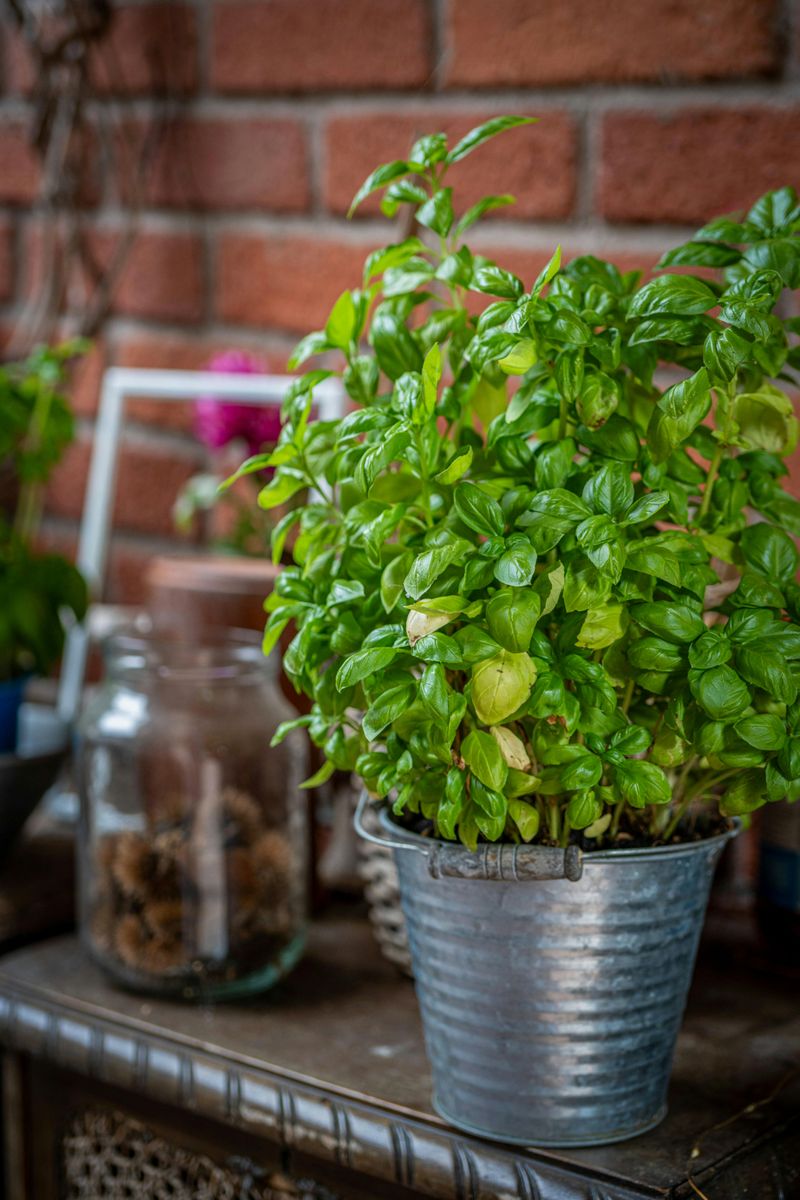
Basil earns its place in the garden twice over. It stocks your kitchen and helps keep mosquitoes at a distance.
Unlike many other repellent plants, basil releases its protective oils without any bruising or crushing, working around the clock just by sitting there.
That passive power makes it one of the easiest additions to a patio setup.
Mosquitoes are highly sensitive to linalool and estragole in basil, which disrupt their ability to track the carbon dioxide humans exhale.
Your Maryland Garden Changes Every Week. Your Plan Should Too.
Gardening in Maryland changes quickly throughout the season. Every Friday you’ll receive a simple weekly plan showing exactly what to plant, prune, fertilize, harvest, and protect so you never miss the right timing.
Place pots near doorways or right next to your outdoor dining table to create a natural buffer zone during cookouts.
Basil loves heat and sunshine, so Maryland summers are practically tailor-made for this herb to thrive.
Water it consistently at the base, not the leaves, and pinch off any flower buds to keep the plant bushy and potent all season.
Growing basil in containers lets you move it around easily, following the sun or shifting it closer to wherever you happen to be sitting.
Thai basil and lemon basil are particularly strong in scent and tend to hold up well in humid conditions.
As a bonus, fresh basil clipped straight from the patio goes directly into pasta, salads, and sauces without a trip to the grocery store.
Few plants offer this combination of beauty, flavor, and built-in pest control, making basil a no-brainer for any outdoor herb garden.
Bee Balm
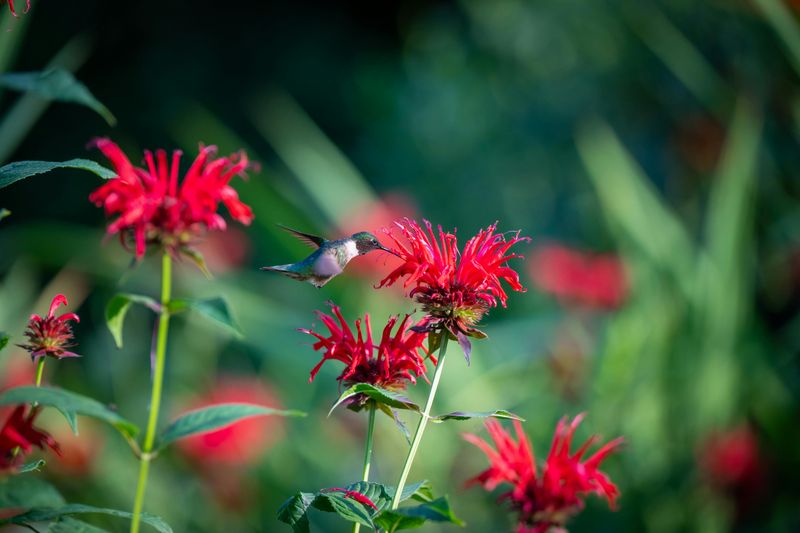
Bee Balm looks like something straight out of a wildflower painting. Its firework-style blooms in red, pink, and purple stop you in your tracks.
What most people do not know is that this stunning native plant is also a natural mosquito deterrent.
Its effectiveness comes from a high concentration of thymol, the same compound found in thyme.
That hidden power makes bee balm one of the most underrated plants for outdoor spaces in the mid-Atlantic region.
Because bee balm is native to North America, it is already adapted to the rainfall patterns and soil conditions common across Maryland.
It grows upright and full, reaching two to four feet tall, making it a great choice for borders or the back of a planter arrangement on a large patio.
The blooms attract hummingbirds and butterflies, turning your backyard into a living nature scene while keeping biters at bay.
Plant bee balm in a spot that gets morning sun and afternoon shade, which is a setup that helps it stay healthy through the hottest weeks of summer.
Dividing the clumps every few years keeps the plant vigorous and prevents it from crowding out neighboring greenery.
Rubbing the leaves directly on your skin provides a short-term, fragrant shield against mosquitoes during outdoor activities.
The dried leaves also make a pleasant herbal tea with a mild minty flavor, so the plant keeps giving even after the season ends.
The blooms attract hummingbirds and butterflies, adding life to any backyard.
Since Maryland’s humidity can trigger powdery mildew, opt for resistant varieties and give the plant plenty of air circulation.
Bold, beautiful, and surprisingly tough, bee balm earns every inch of patio space it takes up.
Rosemary
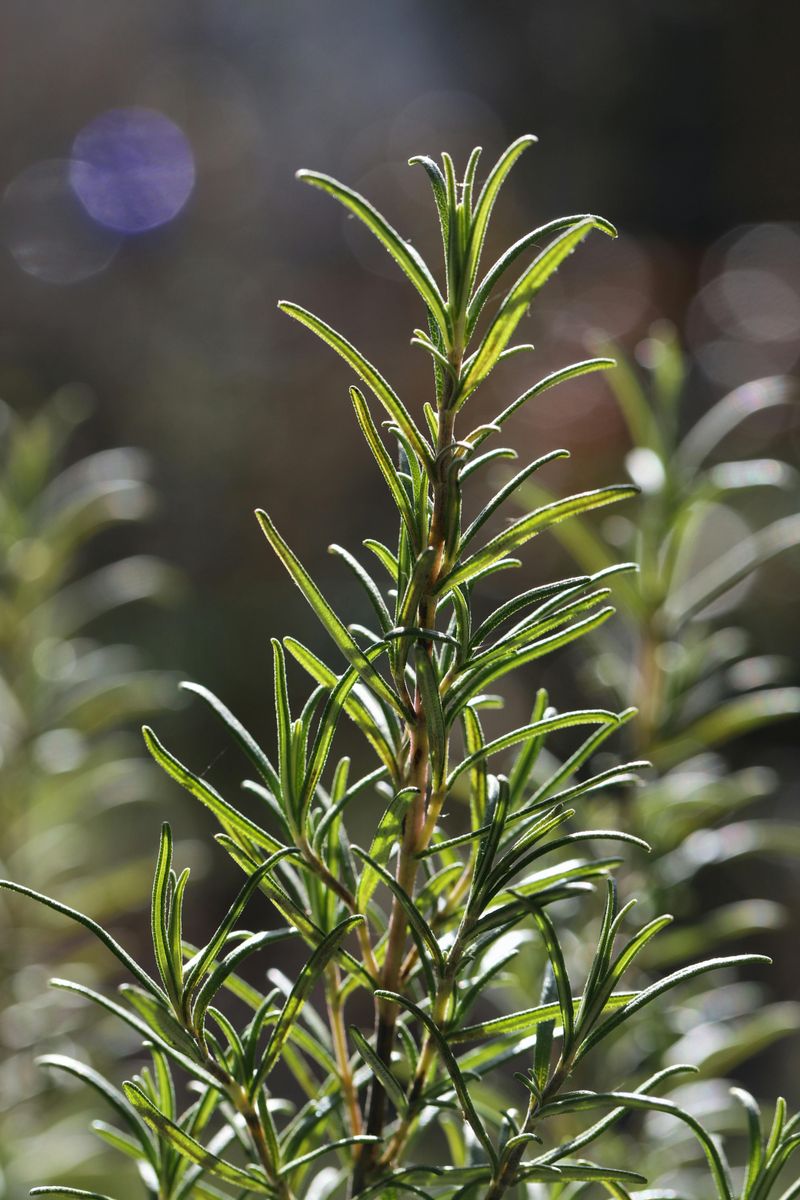
Rosemary smells like a wood-fired kitchen and a mountain breeze rolled into oneTo mosquitoes, that same scent is pure misery.
The strong, resinous aroma comes from compounds like camphor and 1,8-cineole.
Research has shown these compounds to be effective at keeping biting insects away from outdoor areas.
Knowing that the same herb you toss onto roasted chicken also protects your patio feels like a genuine win.
Rosemary is a Mediterranean plant at heart, craving full sunlight and tolerating dry spells well once it has settled in.
In Maryland, it tends to thrive from spring through fall but may need to come indoors or be heavily mulched during the coldest winter months.
Choosing an upright variety like Tuscan Blue gives you a tall, dramatic centerpiece for a patio planter that looks intentional and designed.
Tossing a few fresh sprigs onto a nearby fire pit or grill during outdoor gatherings releases a cloud of fragrant smoke that bugs tend to find unpleasant.
This trick has been used in Mediterranean coastal communities for generations, long before chemical sprays existed.
Rosemary also pairs beautifully with lavender in a mixed container, doubling the repellent effect while creating a visually striking arrangement.
Trim it regularly to keep the shape tidy and encourage new growth, which tends to be the most aromatic part of the plant.
The more you tend it, the harder it works for you, which is a satisfying relationship to build with any plant.
Marigolds
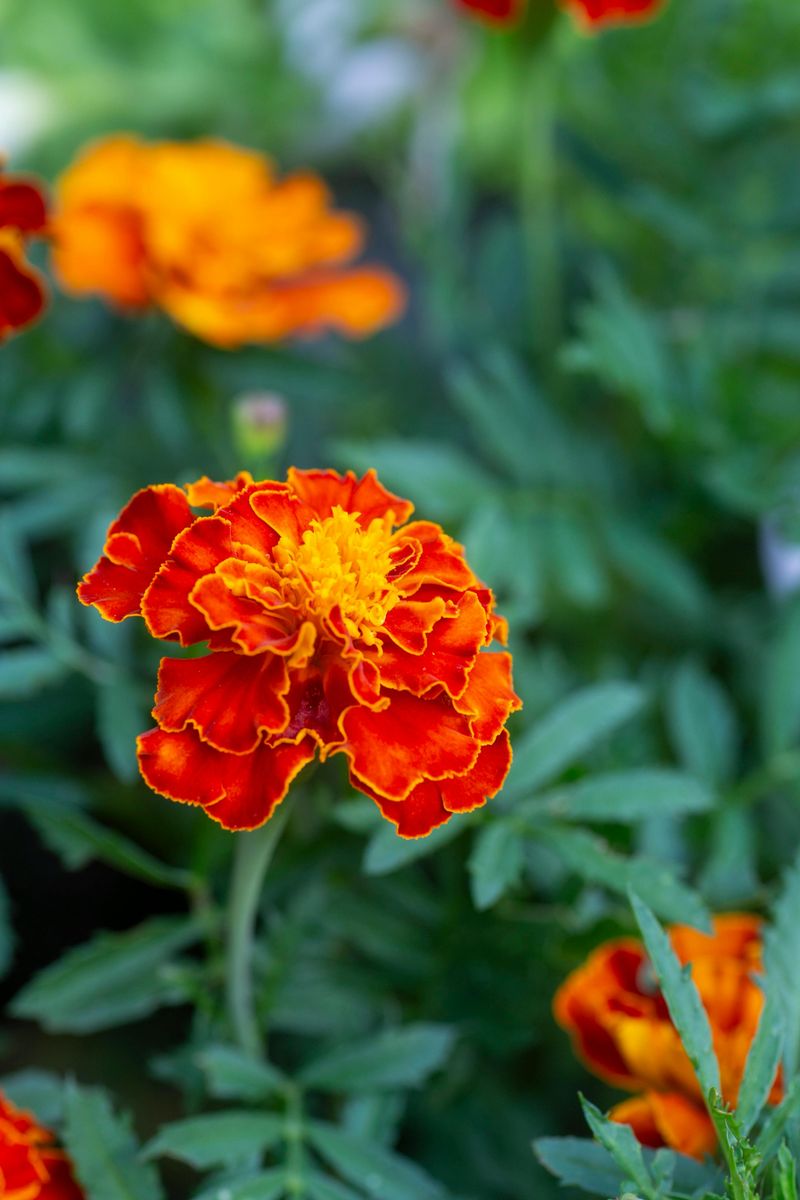
Marigolds refuse to be ignored. Their bold orange and gold blooms light up any space they occupy.
These flowers contain limonene and other natural terpenes that insects tend to find off-putting.
It makes them a fragrant and functional addition to any patio.
That natural chemistry packed into such a cheerful little flower is genuinely remarkable.
Planting marigolds along the edges of your patio creates a colorful barrier that mosquitoes, aphids, and even some beetles tend to avoid.
French marigolds in particular are known for the strongest scent and the most concentrated pest-repelling properties among the many available varieties.
They grow quickly from seed or transplant and start blooming within weeks, giving you fast results without a long waiting period.
Marigolds prefer full sun and well-drained soil, making them ideal for raised planters or window boxes that line a deck railing.
Deadheading the spent flowers regularly encourages continuous blooming from late spring all the way through the first frost.
In Maryland, that means months of color and protection running side by side throughout the outdoor season.
Marigolds also act as a companion plant in vegetable gardens, protecting tomatoes and peppers from pests while adding beauty to the space.
Their scent is earthy and slightly spicy, a smell that many gardeners find nostalgic and grounding, even if mosquitoes find it deeply unpleasant.
Sometimes the best defense is also the prettiest thing in the yard.
Catmint
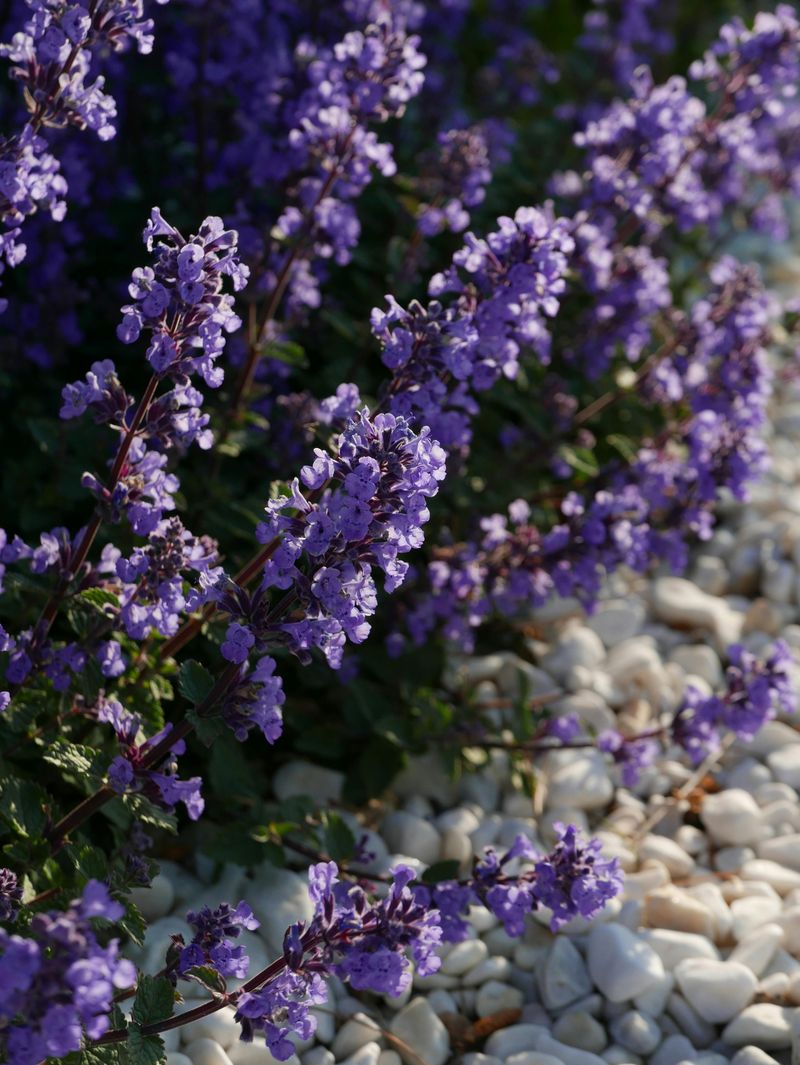
Catmint might be famous for sending cats into a rolling frenzy, but its effect on mosquitoes is the complete opposite.
Studies from Iowa State University found that nepetalactone, the active compound in catmint, is roughly ten times more effective at repelling mosquitoes than DEET.
This is the same chemical found in most commercial sprays.
That is not a small claim, and it is backed by actual lab research, not gardening folklore.
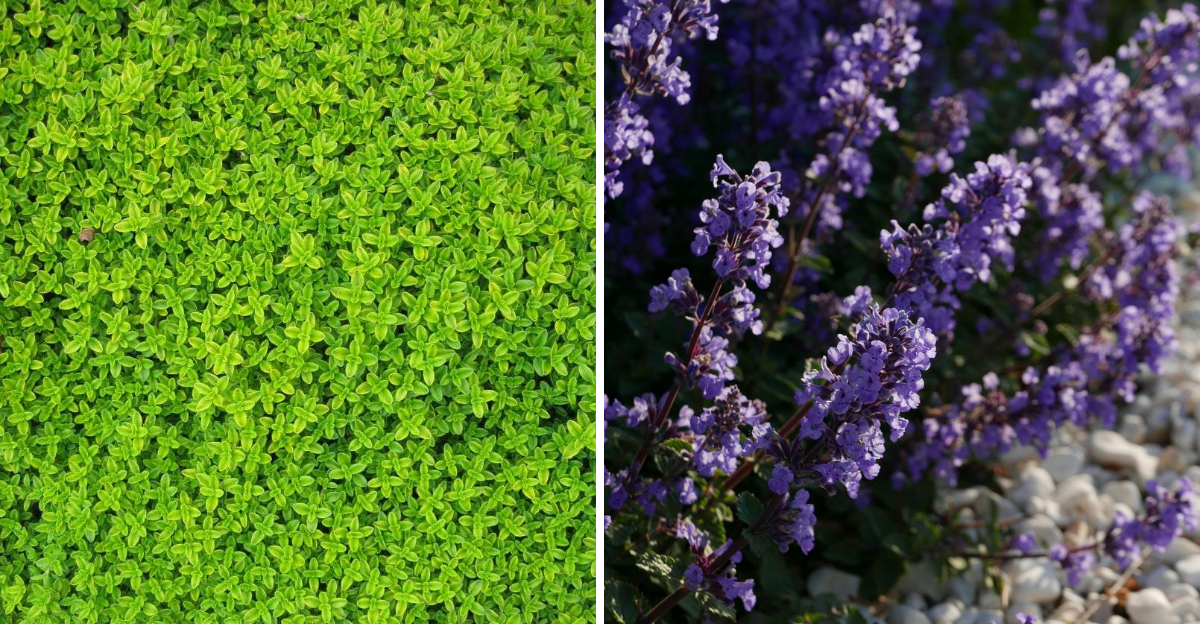
Catmint is a close relative of catnip but tends to be more ornamental, with soft gray-green foliage and lavender-blue flowers that bloom generously.
It spills beautifully over the edges of raised containers and looks especially striking when paired with bright annuals like marigolds or zinnias.
Once established, catmint is remarkably drought-tolerant.
This makes it a low-maintenance option for gardeners who do not want to babysit their plants through a hot July.
Cut it back by about a third after the first flush of blooms fades, and it will push out a fresh wave of flowers and fresh scent within a few weeks.
The plant grows best in full sun but handles partial shade reasonably well, giving it flexibility for patios that are not perfectly positioned.
Brushing against the foliage as you walk past releases the oils into the air, creating a passive but effective repellent zone around your seating area.
Catmint is a close relative of catnip but far more ornamental, with soft gray-green foliage and lavender-blue flowers.
Unlike catnip, most garden catmint is a sterile hybrid that does not spread by seed, making it a manageable and tidy patio plant.
Catmint is one of those plants that works harder than it looks, and it already looks pretty great.
Sage
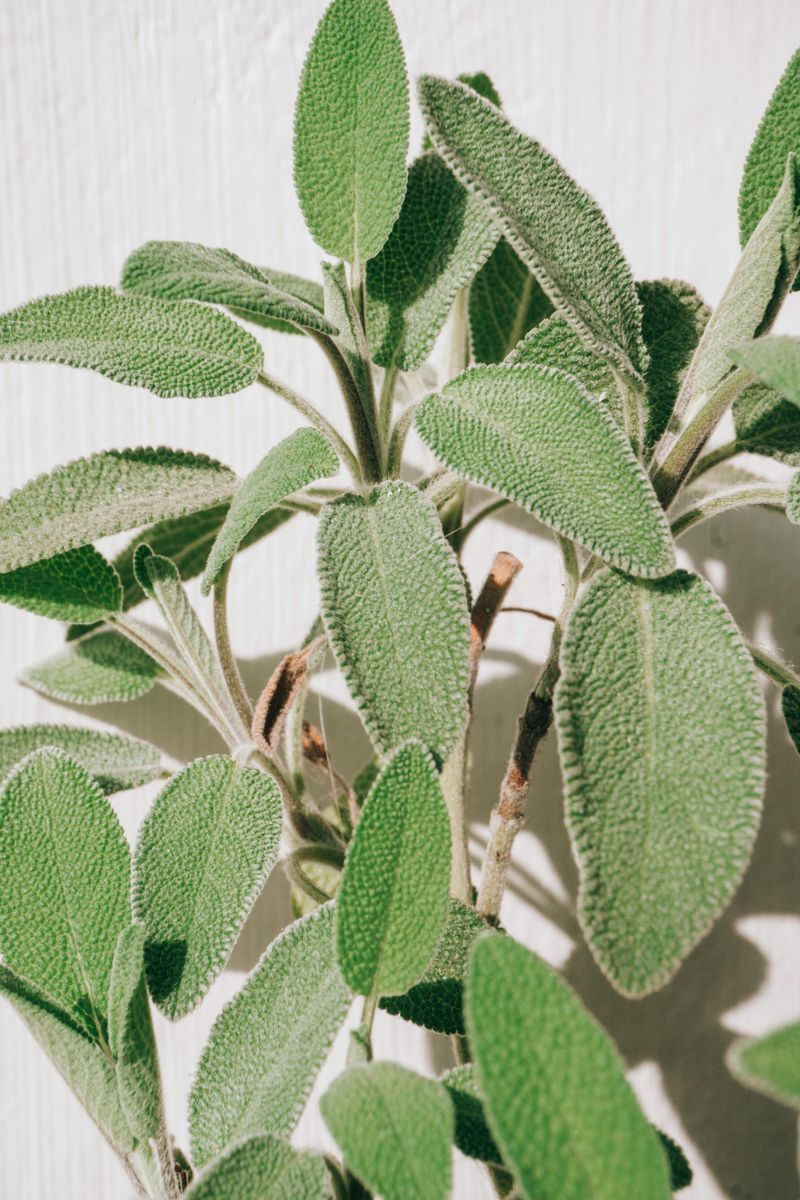
Sage has centuries of history behind it. Its ability to help deter mosquitoes is one of its most underrated qualities.
Burning dried sage near an outdoor seating area releases a thick, earthy smoke that mosquitoes find intensely off-putting. This makes it a natural choice for fire pit gatherings on warm Maryland evenings.
Even without burning it, the plant itself emits enough of its signature scent to discourage insects from lingering nearby.
Garden sage grows into a sturdy, silvery-green shrub with a soft, velvety texture that looks elegant in containers or raised beds.
It prefers full sun and well-drained soil, and it handles the heat of mid-Atlantic summers without much complaint once it is established.
Sage is also one of the more cold-hardy herbs, meaning it can survive mild Maryland winters outdoors with minimal protection.
Purple sage and tricolor sage offer the same repellent properties as common garden sage, with added visual appeal perfect for patio arrangements.
Rubbing a fresh leaf between your palms before heading outside may provide a light, short-term layer of protection.
Sage rewards consistent pruning with denser growth and stronger scent, so trimming it often is actually good for everyone involved.
Your patio, your guests, and your nose will all thank you for it.
Lemon Thyme

Lemon thyme is one of those plants that makes you stop, pinch a leaf, and immediately wonder why it is not in every garden in America.
The citrus scent comes from citral and thymol, compounds that research suggests may help keep mosquitoes at bay.
Mosquitoes, on the other hand, treat that same fragrance like a stop sign.
A few fresh leaves rubbed on your skin before heading outside give you a natural, pleasant-smelling layer some find useful outdoors.
For longer evenings, planting several pots of lemon thyme around your seating area creates a fragrant perimeter. It keeps the air noticeably clearer.
Lemon thyme stays low and spreading, rarely growing taller than a foot.
It makes it perfect for filling in the edges of a container arrangement or spilling over the sides of a window box.
It thrives in full sun and handles the dry spells that sometimes hit Maryland in late summer without skipping a beat.
Snipping it regularly for cooking encourages dense, compact growth and keeps the fragrance strong throughout the season.
Use it in marinades, salad dressings, or even homemade lemonade for a culinary bonus that most pest-control plants simply cannot offer.
Among all the plants that naturally repel mosquitoes on Maryland patios, lemon thyme might just be the most delicious one in the lineup.