How to Water Your Christmas Cactus Indoors in Ohio for a Holiday Bloom
Some families pass down the same houseplant for more than a century, like a treasured recipe card. One small cutting can outlive the person who first potted it. I find that wildly charming.
Even stranger, this plant grows on tree branches in the misty mountain forests of Brazil, not in sandy deserts. It sips rain and fog instead of baking in the sun. Treat it like a desert plant, and it may sulk all winter.
Here in Ohio, our homes turn dry and warm once the furnace kicks on. You need to adjust your watering can to match those changing seasons. I believe that one shift matters more than most people realize.
Some pots burst with pink and red flowers in December while others stay plain green, and that difference puzzles plenty of seasoned growers. The answer starts with a simple glass of water and a calendar.
That Green Christmas Cactus Is Waiting for a Signal
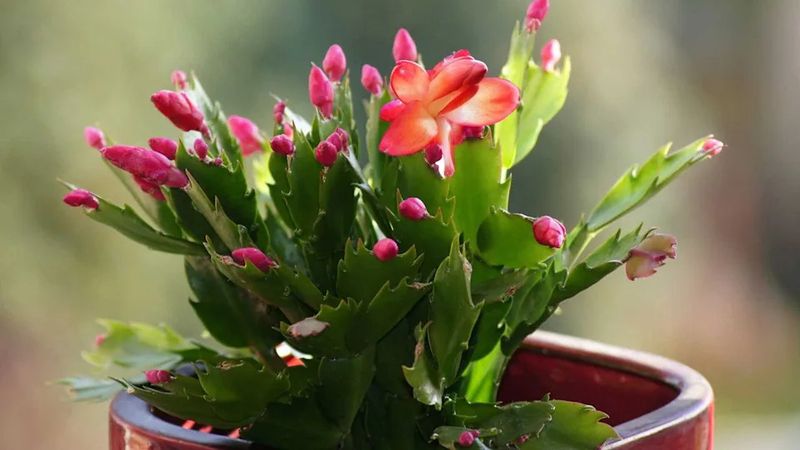
Plenty of gardeners water their Christmas cactus faithfully all year and still get zero flowers. I made that mistake for two seasons straight.
The plant looked happy, but it had no reason to bloom.
Christmas cactus, known to botanists as Schlumbergera, forms flower buds when it senses shorter days, cooler nights, or both. Ohio State University Extension and other university sources point to long nights and temperatures around 50 to 55 degrees as the main triggers.
Water plays a supporting role by helping the plant shift gears.
During spring and summer, the plant focuses on growing new stem segments. Regular watering keeps that growth strong, and those new segment tips are where future flowers appear.
More healthy tips usually means more blooms later.
Once fall arrives, the plant needs a calmer routine. Slightly drier soil, darker nights, and cooler air tell it that bloom season is coming.
Without those cues, it may keep pushing out leaves instead of buds.
Think of watering as one part of a team effort. Get the timing right, and the light and temperature changes can do their jobs.
That combination is what turns a plain green plant into a December showpiece.
Ease Up on the Watering Can When Fall Arrives
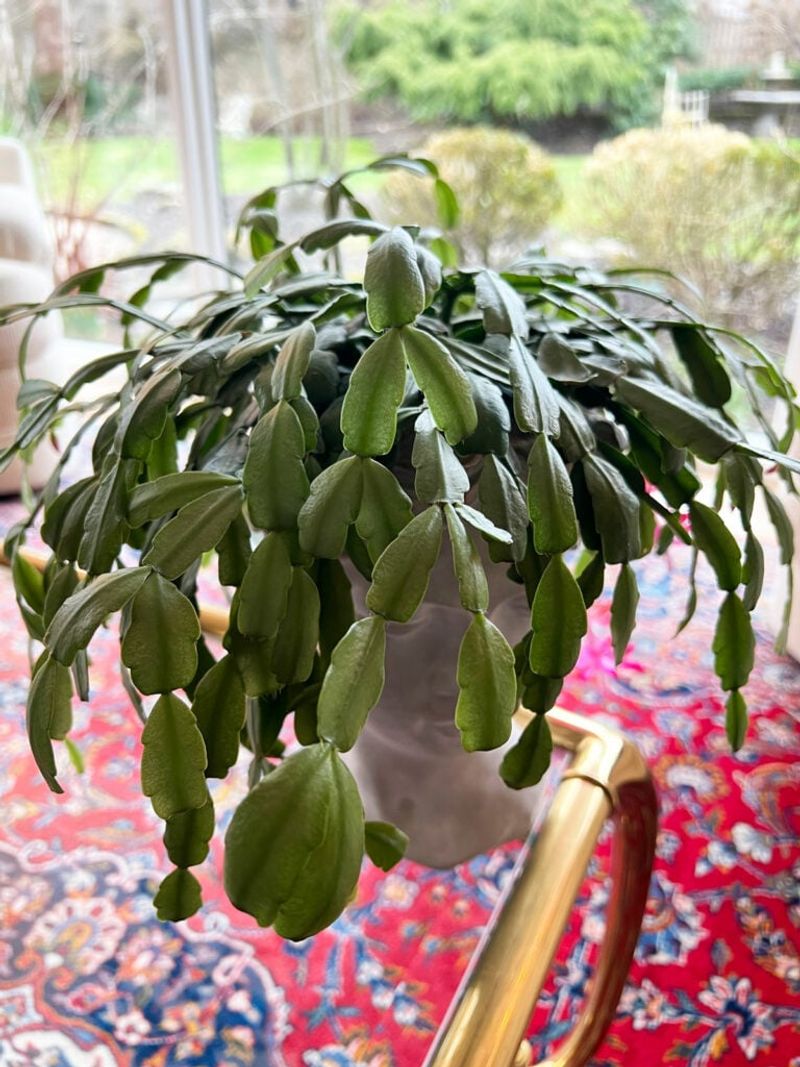
Late September is my favorite time to put the watering can on a little diet. Around mid-September through October, Christmas cactus benefits from a light slowdown in watering.
This gentle dry spell helps nudge the plant toward bud formation.
A simple finger test works best. Push your finger about an inch into the soil.
If it feels dry at that depth, give the plant a drink. If it still feels cool and damp, wait a few more days.
In many homes, that works out to roughly every 7 to 14 days. Warmer rooms dry soil faster, while cooler rooms hold moisture longer.
Your schedule should follow the soil, not the calendar.
Slowing down does not mean letting the plant go bone dry for weeks. Stems that start to shrivel or wrinkle are asking for water.
The goal is a mild pause, not a drought.
Hold off on fertilizer during this stretch too. Many extension sources suggest stopping feeding in late summer or early fall.
A lean, slightly dry autumn routine helps the plant save its energy for flowers instead of new leafy growth.
Christmas Cactus Buds Like Steady Moisture, Not Soggy Pots
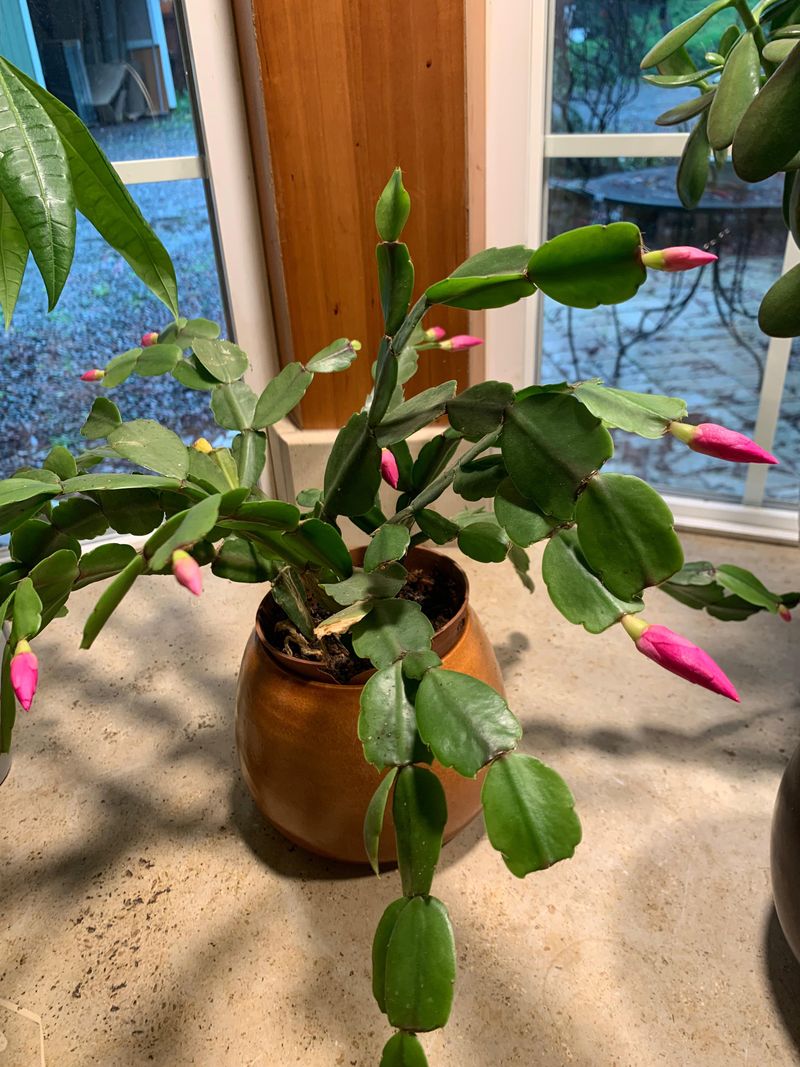
Tiny pink or red nubs at the tips of the stems are the moment I start grinning. Once buds appear, your watering strategy changes again.
Now the plant wants more consistent moisture to carry those buds all the way to bloom.
Check the soil every three or four days. Water when the top layer feels just slightly dry, and soak the pot until water flows out the drainage holes.
Then dump any water left sitting in the saucer.
Room temperature water is the friendliest choice. Icy tap water straight from a cold winter pipe can shock the roots.
I fill a pitcher the night before so it warms up on the counter.
Steady care matters because Christmas cactus is famous for bud drop. Big swings between soggy and parched soil can make buds fall off before they open.
Sudden moves, drafts, and temperature changes cause trouble too.
So once buds form, pick a good spot and leave the plant there. Keep the watering rhythm calm and predictable.
With a little patience, those closed buds will open into dangling, layered blossoms right around the holidays.
Long Dark Nights Help Christmas Cactus Set Flower Buds
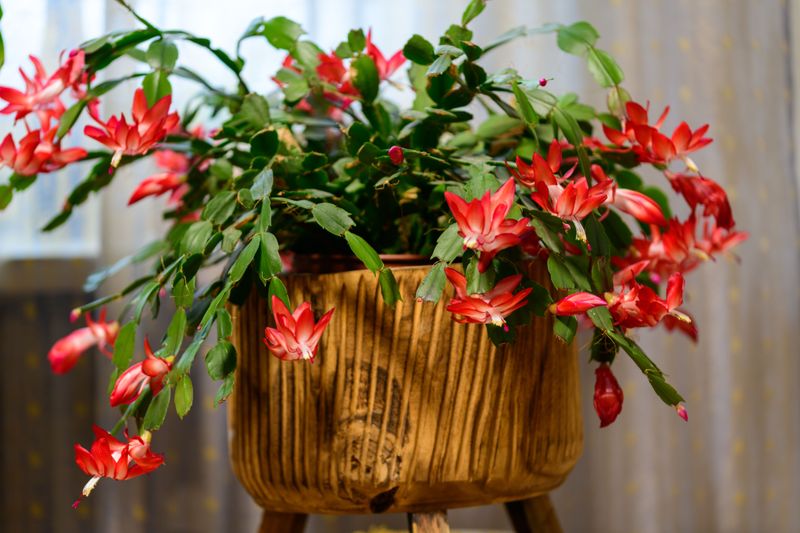
Darkness is the secret ingredient most people overlook. Christmas cactus is a short-day plant, which means long nights help switch on flower production.
Even perfect watering struggles without this step.
For about six to eight weeks in fall, aim for 12 to 14 hours of uninterrupted darkness each night. A spare bedroom that rarely gets used is ideal.
A closet works for the night hours, as long as you bring the plant back to bright light during the day.
Lamps, televisions, and even porch lights shining through a window can interrupt the dark period. Some gardeners slip a cardboard box over the plant each evening.
I tried that one year, and it worked, though I had to set phone reminders.
Daytime still matters. Bright, indirect light fuels the energy the plant needs to build buds.
A spot near an east or north window usually works well.
Here is a helpful bonus from university research. If nights stay around 50 to 55 degrees, the plant can set buds even without strict darkness.
That means a cool room can sometimes do double duty.
Cool Ohio Windowsills Can Work in Your Favor
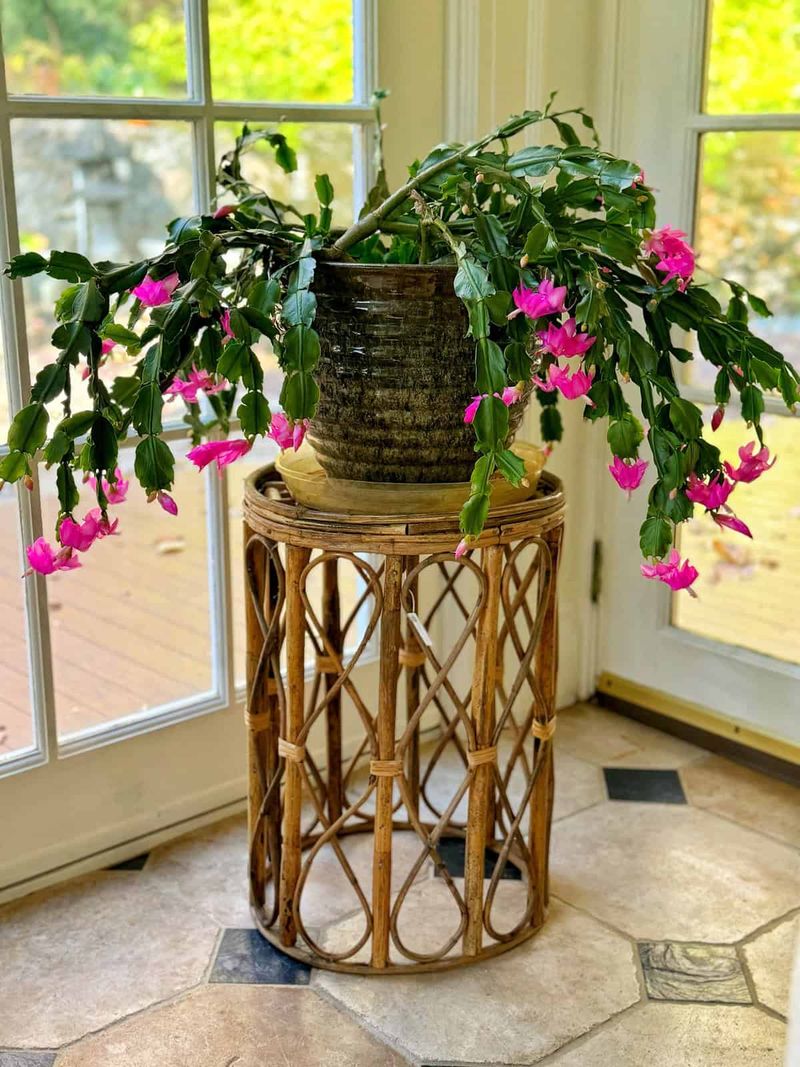
Chilly fall evenings in Ohio are actually a gift for this plant. Night temperatures between 50 and 55 degrees help trigger bud formation.
Many of us have a cool corner that fits the bill.
An unheated sunroom, a back bedroom, or a bright spot near a basement window can all work. Just keep the plant safely above freezing.
Temperatures below about 45 degrees can harm the stems, and frost is a hard no.
Late October and November nights here can drop fast, especially in northern areas near Lake Erie. If your plant sits near a window, check that it is not touching cold glass.
A small indoor thermometer makes guessing unnecessary.
Cooler air also changes how much water the plant uses. Soil stays damp longer in a chilly room, so you may water less often.
Keep using the finger test rather than a fixed schedule.
After buds form, nights around 55 to 65 degrees help flowers last longer. Keep the pot away from heat registers, space heaters, and drafty doors.
Steady, mild temperatures reward you with weeks of colorful blooms instead of a short show.
Dry Furnace Air Can Shrivel Those Flat Green Stems
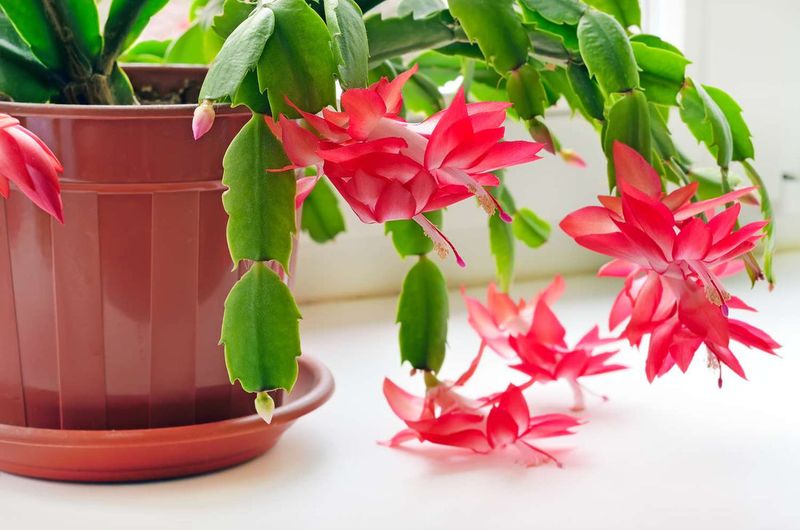
My furnace and my Christmas cactus have a complicated relationship. Heated winter air in Ohio homes often drops to very low humidity.
This rainforest native prefers something closer to 50 percent or more.
Dry air pulls moisture from the flat stem segments. You might notice limp or slightly wrinkled growth even when the soil seems fine.
Low humidity can also add to bud drop.
A pebble tray is an easy fix. Fill a shallow tray with gravel and water, then set the pot on top so it sits above the waterline.
As the water evaporates, it raises moisture right around the plant.
Grouping houseplants together helps too, since plants release moisture through their leaves. A small room humidifier works even better if you have several tropical plants.
Bathrooms and kitchens with bright windows are often naturally more humid.
Misting gives only a brief boost and fades within minutes, so I rely on trays and humidifiers instead. Remember that humidity is not the same as soil water.
Adding moisture to the air does not mean you should pour more into the pot.
A Pot With Drainage Holes Saves Christmas Cactus Roots
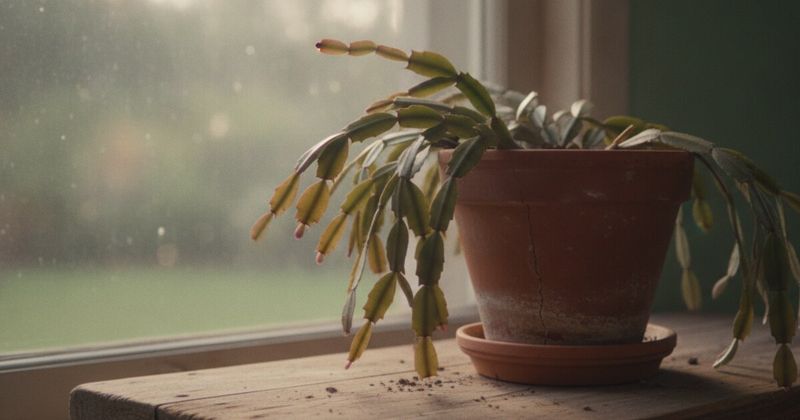
Out in the Brazilian mountains, Christmas cactus clings to tree branches and mossy rocks. Its roots get rain, then dry quickly in the open air.
Soggy, packed soil is the opposite of what it knows.
That is why pot and soil choice affect watering so much. A container with drainage holes lets extra water escape.
Decorative pots without holes can trap water at the bottom, where roots slowly rot.
Choose a light, airy mix. Many gardeners blend regular potting soil with perlite, orchid bark, or coarse sand.
A bagged cactus mix with some added organic matter also works well.
Terracotta pots breathe and dry faster, which helps heavy-handed waterers. Plastic pots hold moisture longer, which suits warm, dry rooms.
Pick the one that matches your habits.
Christmas cactus also likes being a bit snug in its pot. Repot only every few years, and do it in spring after blooming ends.
Moving into a much bigger pot means more wet soil around the roots, which raises the risk of rot. Sticking to one size up keeps things balanced.
Watch the Segments to Read Your Plant’s Thirst
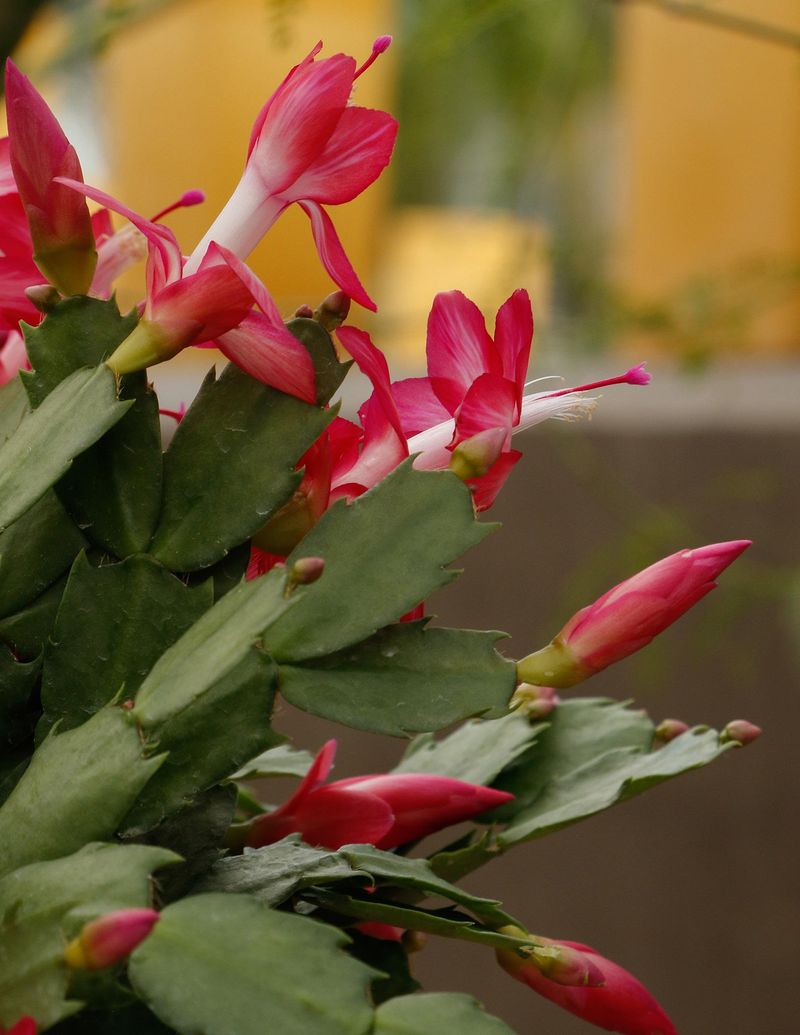
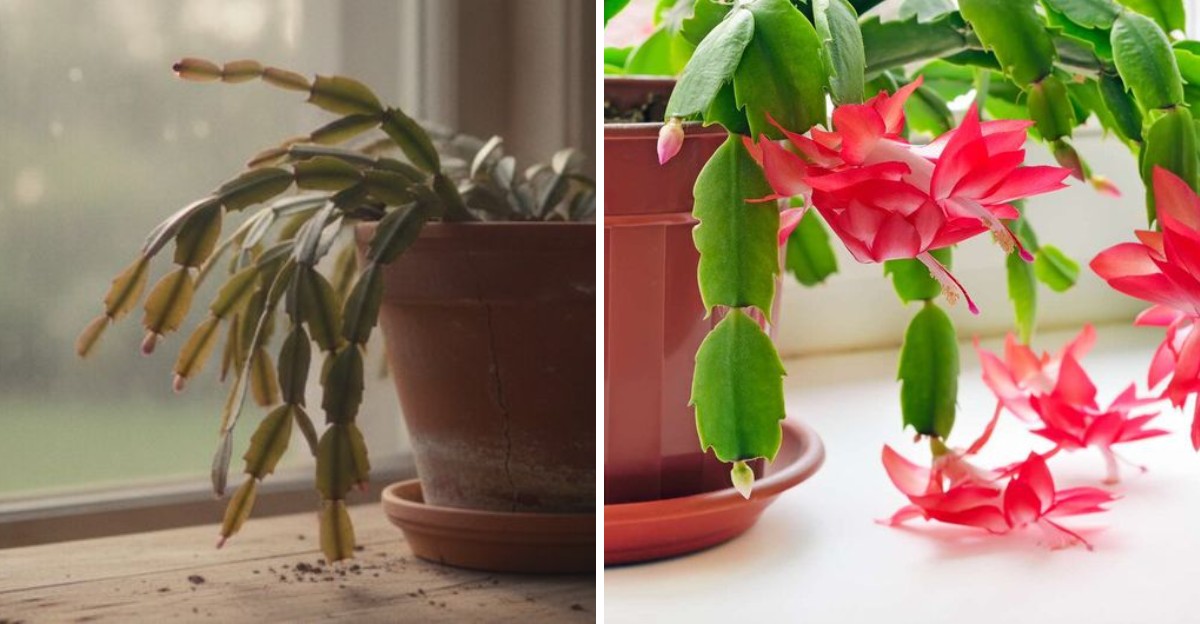
Your plant talks, and the stem segments are its voice. Plump, firm, glossy segments mean things are going well.
Limp, wrinkled, or mushy ones are a call for help.
Here is the tricky part. Overwatering and underwatering can both cause wilting.
The soil tells you which problem you have.
If the soil is wet and segments feel soft or turn brown at the base, too much water is the likely cause. Let the pot dry out, and check for rotting roots if things do not improve.
Trimming healthy segments and rooting them in fresh mix is a smart backup plan.
If the soil is dry and segments look thin and shriveled, the plant is thirsty. Give it a thorough soak and let the extra drain away.
Recovery usually shows within a few days.
Reddish or purple tints can point to too much sun or cool stress, not water. After the holidays, give your plant a short rest with lighter watering, then return to normal care in spring.
Follow this yearly rhythm in Ohio, and you may grow a plant worth passing down to the next generation.