Why This Popular Ohio Groundcover Is Getting Pulled From Store Shelves
A groundcover that’s been sold in Ohio garden centers for years just started disappearing from store shelves, and gardeners want to know why. Nothing about this plant looks like trouble.
Small yellow flowers, dense low-growing foliage, exactly the kind of easy spreader people plant expecting a quick fix for bare soil. That same trait turned into the reason nurseries started quietly pulling it from inventory.
Once established, this groundcover doesn’t stay where it’s planted. It moves fast, and by the time most gardeners notice, it’s already causing a very different kind of problem than the one they were trying to solve.
Stores are catching on. Your own garden might already be growing the exact plant they’ve stopped selling.
1. Ohio Put Lesser Celandine On The No-Sale List
Gardeners browsing their local nursery might be surprised to find Lesser Celandine missing from the shelves. That absence is not a coincidence.
Under Ohio Administrative Code 901:5-30, the Department of Agriculture identifies Lesser Celandine, Ficaria verna, as an invasive plant.
The rule restricts selling, offering for sale, propagating, distributing, importing, and intentionally spreading this species in the state.
Nurseries and garden centers that once stocked it can no longer legally offer it to customers. Homeowners who still have it in older landscapes are not necessarily in violation.
However, adding more or sharing divisions with neighbors crosses into restricted territory.
The plant was originally introduced from Europe and parts of Asia as an ornamental groundcover, which explains why it still shows up in established gardens across the state.
The Ohio Department of Agriculture enforces these restrictions to protect natural areas from further spread. Retailers have had to adjust their inventory accordingly.
Shoppers who used to grab it each spring no longer have that option at reputable garden centers. Check the Department of Agriculture’s invasive plant list before buying a new groundcover.
This helps protect both your garden and the surrounding landscape from unintended consequences.
2. That Yellow Carpet Hides A Bigger Problem
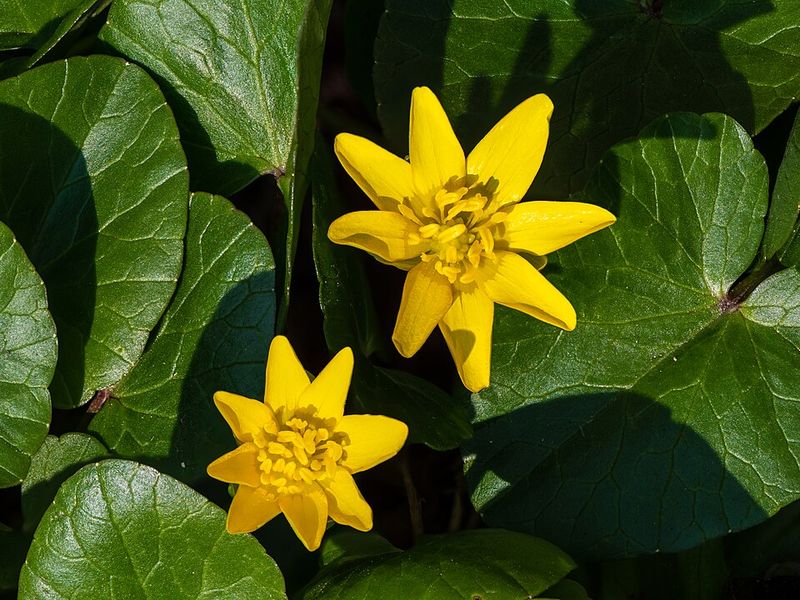
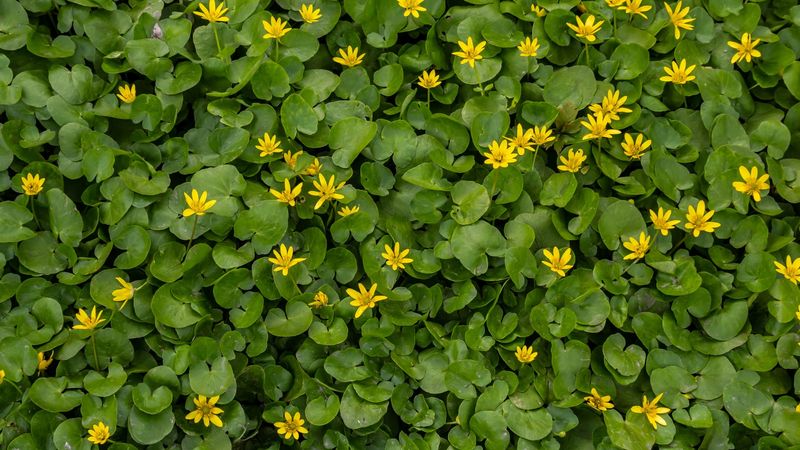
Bright yellow flowers and a tidy green carpet can make any spring garden look cheerful. That visual appeal is exactly what drew gardeners to Lesser Celandine in the first place.
The plant grows low to the ground, produces glossy, rounded leaves, and blooms with vivid yellow flowers early in the season. From a distance, a patch of it looks almost like a welcome mat of sunshine.
Beneath that cheerful surface, though, a more complicated story is unfolding. Ohio State University Extension notes that Lesser Celandine can form dense colonies that cover significant areas of ground.
Those colonies do not simply fill in bare spots. They can occupy areas where native spring wildflowers would otherwise grow.
This lets Lesser Celandine claim space before native plants have a fair chance to establish each season.
The contrast between how good it looks and what it actually does to a landscape is part of what makes it tricky.
A homeowner might admire a patch of it blooming near a stream bank without realizing the native plants that once grew there have been crowded out over time.
Your Ohio Garden Changes Every Week. Your Plan Should Too.
Gardening in Ohio changes quickly throughout the season. Every Friday you’ll receive a simple weekly plan showing exactly what to plant, prune, fertilize, harvest, and protect so you never miss the right timing.
Attractive plants can still cause serious ecological problems. Lesser Celandine is a clear example of a species whose appearance and impact tell very different stories.
3. Early Growth Crowds Out Spring Natives
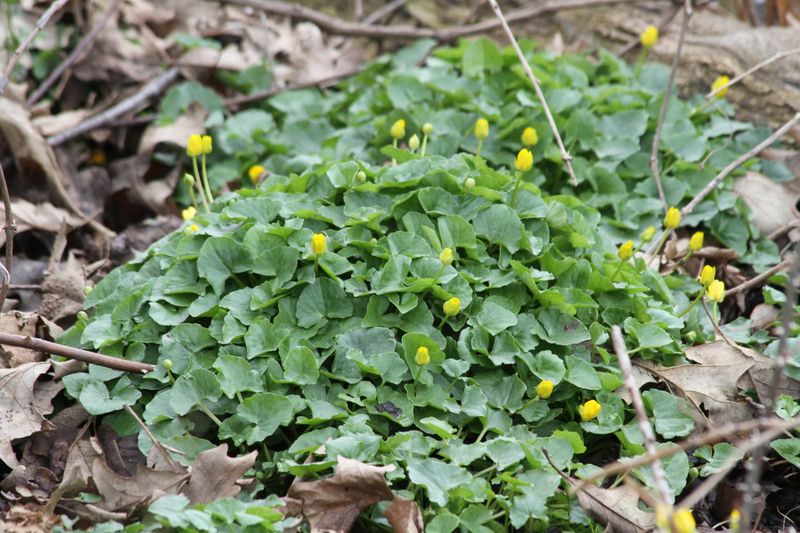
Early March in our state can still feel like winter, yet Lesser Celandine is already on the move. The plant emerges very early in the season, well before many native woodland wildflowers have broken ground.
That head start gives it a real advantage in the competition for light, space, and moisture at ground level.
Ohio State University Extension documents that Lesser Celandine is a spring ephemeral, meaning its above-ground growth is concentrated in a short seasonal window. During that window, it can form dense colonies that cover the forest floor.
Native spring wildflowers such as trillium, mayapple, cutleaf toothwort, Dutchman’s breeches, and Virginia springbeauty are also trying to emerge during the same period.
When Lesser Celandine colonizes an area thickly, those natives face reduced space and increased competition for the resources they need.
The timing matters enormously in woodland ecosystems. Spring wildflowers have a narrow window each year to grow, flower, and store enough energy to survive until the next season.
A dense Lower-level canopy of Lesser Celandine during that same period can make that window even harder to use.
Protecting native spring wildflowers means paying attention to what else is occupying the ground layer during those critical early weeks of the growing season.
4. Tiny Bulbils Help New Patches Spread
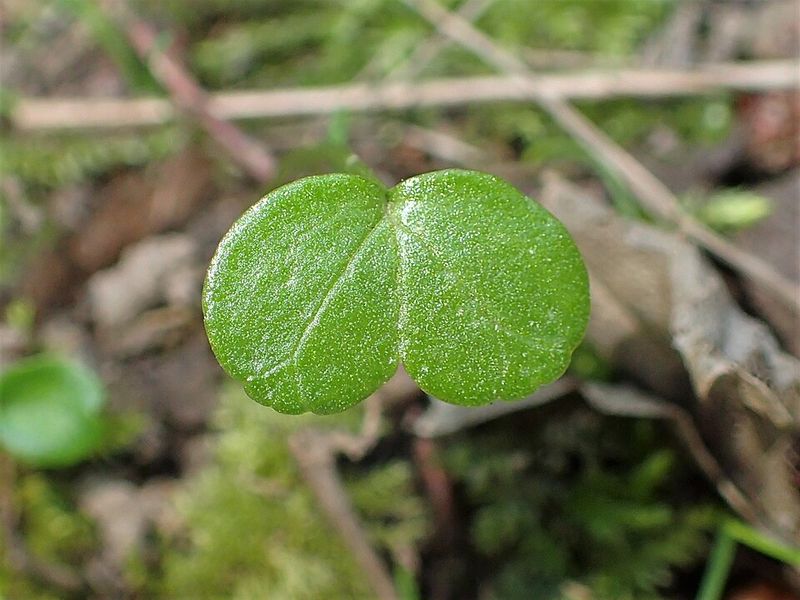
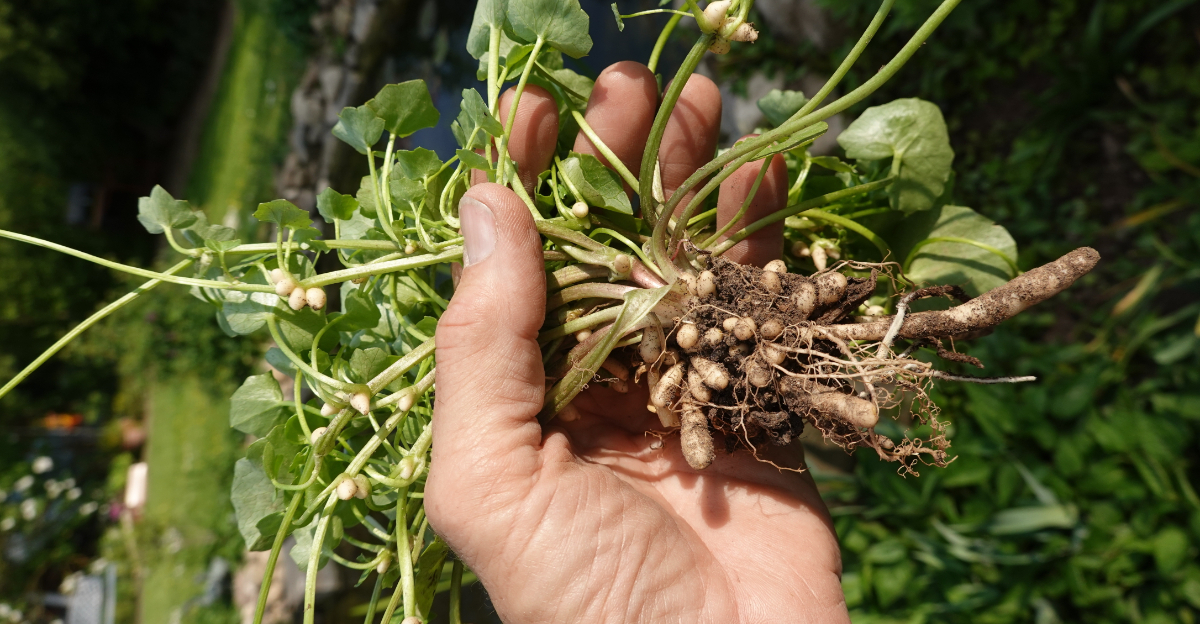
Scattered across the soil near a mature Lesser Celandine plant, you might notice tiny, round, bead-like structures. Those are bulbils, and they play a real role in how this plant moves around.
A bulbil is a small, above-ground reproductive structure that forms near the base of the plant or in the axils where leaves meet the stem. Each one has the potential to develop into a new plant when it lands in a suitable spot.
Ohio State University Extension explains that bulbils can detach from the parent plant and be carried to new locations.
Deer have been noted by OSU as one possible way bulbils get transported, since the structures can cling to fur or hooves and be deposited elsewhere.
Water movement can also carry detached bulbils downstream to new areas along stream banks and floodplains.
Understanding bulbils helps explain why Lesser Celandine can show up in places that seem far from any known patch. A single plant producing bulbils has the potential to establish new colonies over time without anyone intentionally spreading it.
Bulbils are separate from the underground tubers that support the plant from season to season. Knowing the difference between these two structures helps explain how Lesser Celandine behaves.
It also shows why management can be so challenging once the plant becomes established.
5. Underground Tubers Keep It Coming Back
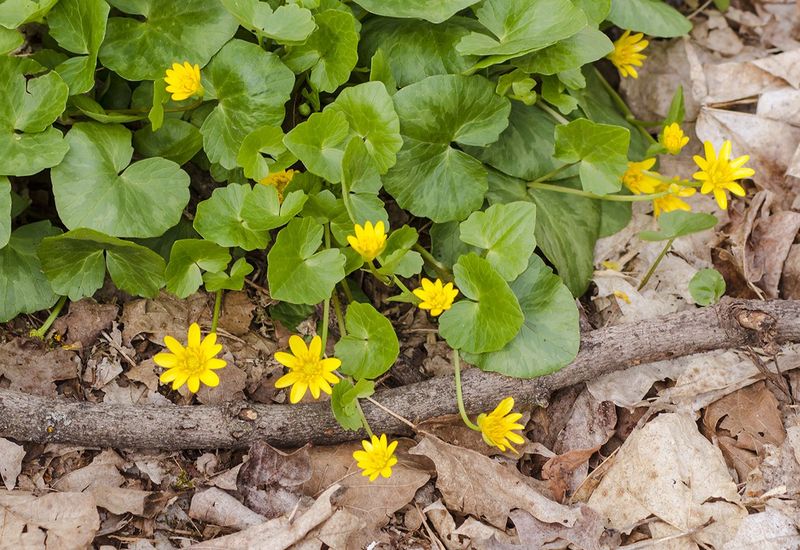
Once the yellow flowers fade and the glossy leaves disappear in late spring, it is easy to assume the problem has gone away. That assumption can be misleading.
Lesser Celandine spends the warmer months of the year entirely underground, hidden from view but still very much present. The above-ground parts vanish, but the plant leaves behind a network of underground tubers that store energy for the next growing season.
The State University Extension notes that these tubers are clustered structures that persist in the soil after the visible plant deceases. They are distinct from the above-ground bulbils discussed in the previous section.
Tubers anchor the plant underground and fuel its return each spring. Homeowners who assume a patch has resolved itself over summer are often surprised when the same area fills in again the following March.
Managing tubers is one reason why controlling Lesser Celandine can be so difficult. Hand removal is complicated by the fact that small tubers can break off and remain in the soil, each one capable of producing a new plant the following year.
Ohio State generally recommends thorough removal before the plant sets bulbils or its tubers fully mature. Eradicating an established patch may still require persistence across multiple seasons.
Patience and careful timing matter a great deal when addressing an established infestation.
6. Moist Ground Helps Colonies Expand Fast
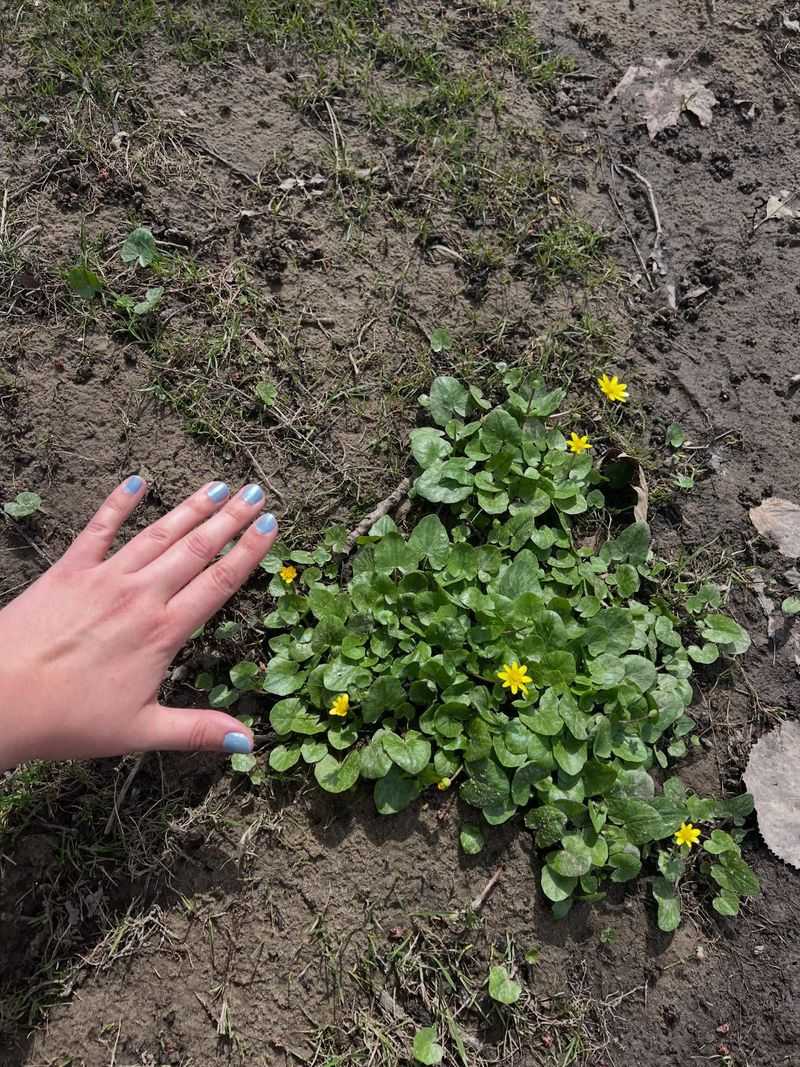
Stream banks, seeps, and low-lying floodplain areas across the state share something in common: they tend to stay moist for much of the year. Those are exactly the kinds of spots where Lesser Celandine thrives.
Ohio State University Extension associates the plant strongly with moist, disturbed, or low-lying ground. It is also frequently found along waterways and in wet woodland settings.
Moist soil can favor rapid, dense growth once Lesser Celandine is established in an area. The consistently damp conditions support the plant’s early-season surge and can allow colonies to expand across a stream bank or woodland edge over time.
Water movement also plays a role, since detached bulbils and plant fragments can travel downstream and take root in new moist areas further along a waterway.
Established colonies are not always limited to the wettest spots. Ohio State has documented Lesser Celandine spreading into better-drained sites once it has a foothold in a landscape.
That means homeowners should not assume a dry garden bed is completely safe from encroachment if Lesser Celandine is already established nearby.
Paying attention to moist corners of the yard, low spots near downspouts, and areas adjacent to streams or ditches is a reasonable starting point for monitoring.
Catching a small patch early is far easier than managing a large, well-established colony later on.
7. Native Wildflowers Lose Valuable Growing Space
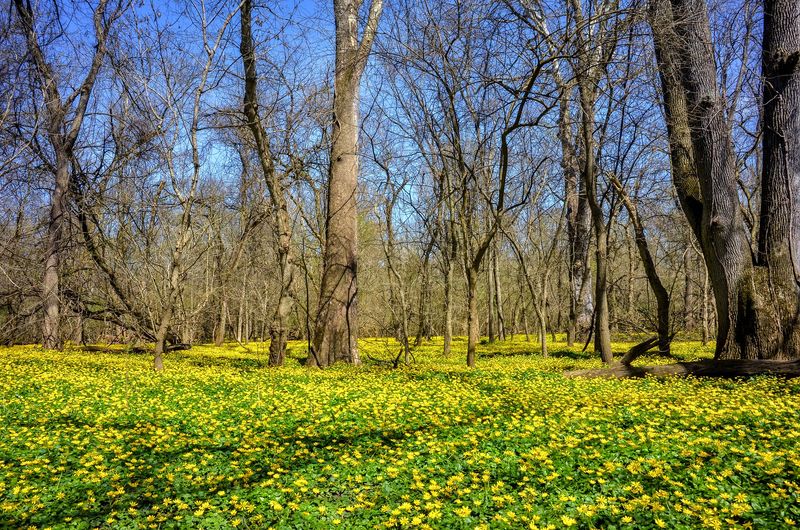
Spring in a woodland is a race against time for native plants. Native wildflowers have a narrow seasonal window before the tree canopy fills in and shades the forest floor.
During that time, they must emerge, grow, flower, and store enough energy for the rest of the year. That window can be just a few weeks long, and every square foot of ground-level space matters during that period.
A thick layer of Lesser Celandine occupying the forest floor during those same weeks can reduce the available space and resources for native species.
Ohio State University Extension explains that dense colonies can cover areas where native spring wildflowers would otherwise grow.
The concern goes beyond any single species of wildflower. A diverse ground layer in a woodland supports pollinators, soil health, and the broader ecosystem that depends on native plant communities.
A patch of Lesser Celandine that escapes from a backyard garden into a nearby woodland edge does not stay neatly contained. Over time, it can spread along stream banks and into natural areas beyond the original property.
Neighbors, parks, and nature preserves can all be affected by spread originating from a single ornamental planting. Choosing plants that support rather than compete with native wildflowers helps protect local diversity.
The benefits can extend well beyond a homeowner’s property line.
8. Marsh Marigold Delivers A Better Native Look
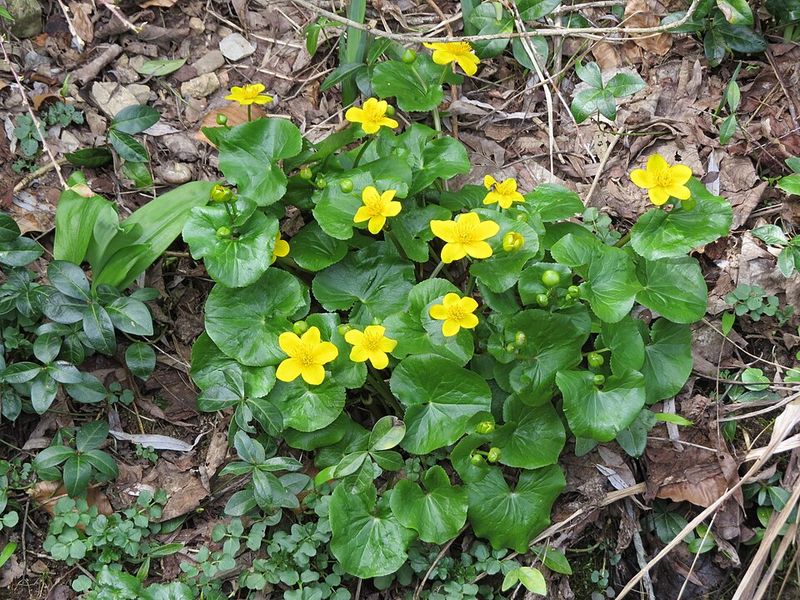
Cheerful yellow spring flowers do not have to come from an invasive plant. Marsh Marigold (Caltha palustris) is a native wildflower that offers a similar burst of golden spring color.
It does so without the ecological problems associated with Lesser Celandine. Ohio State University Extension recognizes Marsh Marigold as a native species of wet and moist environments.
These habitats include stream edges, wet meadows, and marshy areas.
A glance at both plants in bloom can make them look similar, but reliable differences exist. OSU notes distinctions between the two species in flower structure, leaf size, and the absence of tubers and bulbils in Marsh Marigold.
Lesser Celandine has smaller leaves and produces those underground tubers and above-ground bulbils that fuel its spread. Marsh Marigold has larger, rounded leaves and does not share those reproductive traits.
Knowing those differences helps gardeners and naturalists correctly identify what is growing in a wet area.
Marsh Marigold is best suited to genuinely moist or wet spots, such as rain gardens, pond edges, or naturally damp low areas of a yard. Planting it in dry shade would not match the conditions it needs to perform well.
Homeowners with a wet corner of their property can use Marsh Marigold for spring color. It provides native beauty without contributing to the invasive spread Ohio law already works to prevent.
Visiting a reputable native plant nursery is a great first step toward finding it.