9 Low-Water Shrubs That Screen Your Arizona Yard From the Neighbors by Next Summer
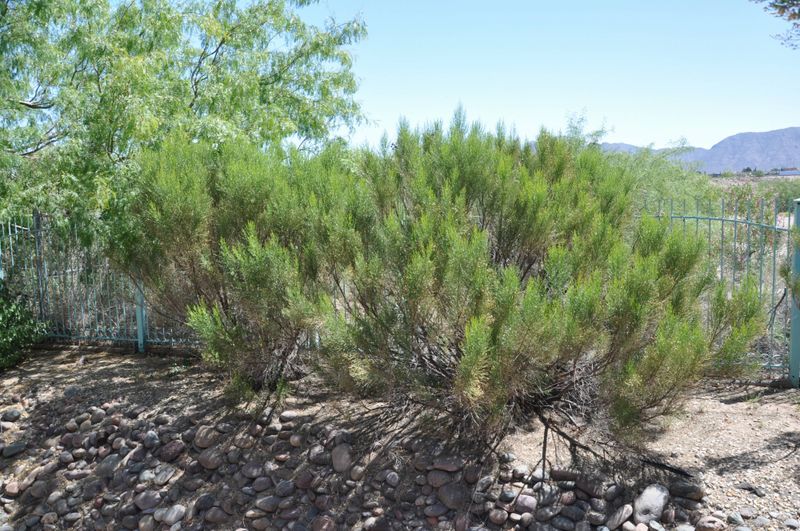
A native desert shrub near Tucson grows papery, winged seed capsules that rattle like tiny lanterns in the wind. Its branches also grow so thick that a neighbor’s patio can quietly vanish behind them within a few seasons.
Arizona yards face brutal afternoon sun and water bills that seem to climb faster than the July thermometer. Yet several tough shrubs shrug off that heat while growing fast enough to hide an unwanted view.
I love how the right hedge also welcomes hummingbirds and hungry lizards that help keep garden pests in check. Personally, I would rather watch a roadrunner dart through my shrubs than stare at the neighbor’s trash cans.
October is a sweet spot for planting here, since cooler air gives roots months to settle before summer returns. So which tough desert shrubs can turn your Arizona fence line into a private green wall by next June?
1. Hopseed Bush
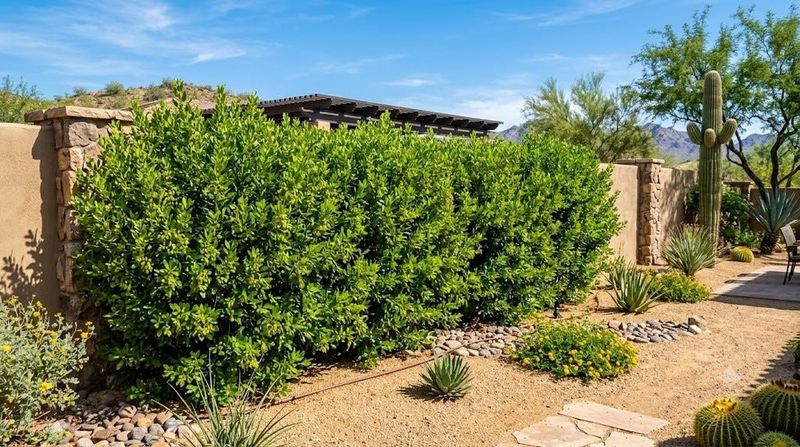
Few desert shrubs race upward like hopseed, and its sticky, resinous leaves shine as if someone just polished them by hand. Native to the Tucson Basin, it can reach about fifteen feet tall and ten feet wide with surprising speed.
I like how the dense evergreen foliage blocks views all year instead of thinning out when chilly winter mornings arrive. You can shear it into a tidy formal hedge or let it grow loose for a relaxed, natural screen.
Papery, three-winged fruits follow the tiny flowers, and they often blush in soft shades of tan and rose. Birds and insects visit the branches regularly, so your new privacy wall doubles as a cozy little wildlife shelter.
Overwatering causes more trouble than drought, because soggy roots lead to yellow, chlorotic leaves on this otherwise tough plant. Water deeply every week or two while it settles in, then stretch the schedule once the roots spread wide.
The fruit contains saponins and should not be eaten, so keep curious toddlers and pets away from fallen capsules. A purple-leaf form adds bold color if plain green feels a little too ordinary for your fence line view.
2. Texas Sage
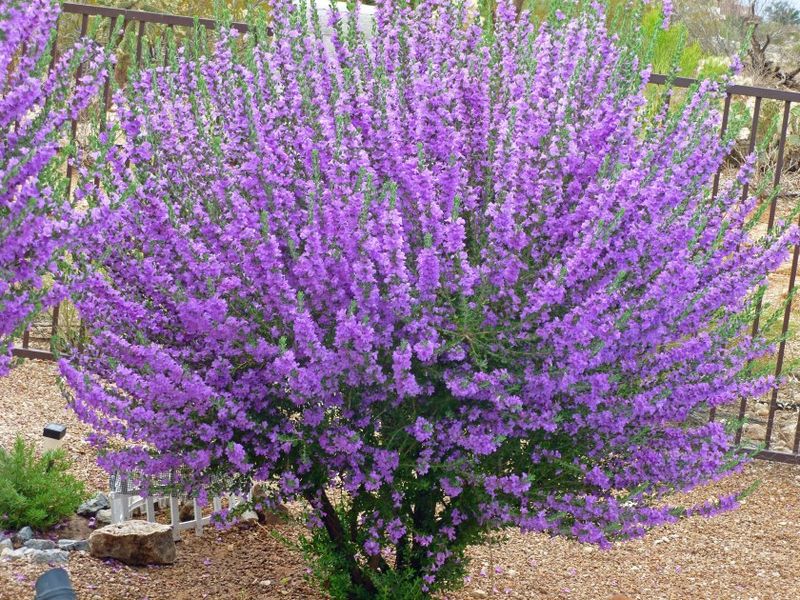
Ever noticed silvery shrubs suddenly erupting in purple a few days after a summer storm rolls through town? That trick earned Texas sage the nickname barometer bush, because humidity and rain often trigger its showy flower flushes.
Once established, it can add one to three feet per year, which makes it a smart pick for impatient gardeners. Most plants settle around five to eight feet tall, and a solid screen usually forms within two or three seasons.
Hot west walls that bake other plants seem to suit this tough shrub just fine, even beside reflective concrete. It handles alkaline, caliche-heavy soil too, so you can skip the fancy amendments and save your money for mulch.
I have to admit the hummingbird traffic during bloom season is half the fun of growing a long sage hedge. Bees work the flowers eagerly too, giving your privacy planting a lively soundtrack on warm afternoons after the rains.
Deep, infrequent watering during the first year builds strong roots that later survive on very little extra help. Skip the tight shearing into boxy shapes, because heavy pruning removes flower buds and leaves the shrub looking stiff and leggy.
3. Arizona Rosewood
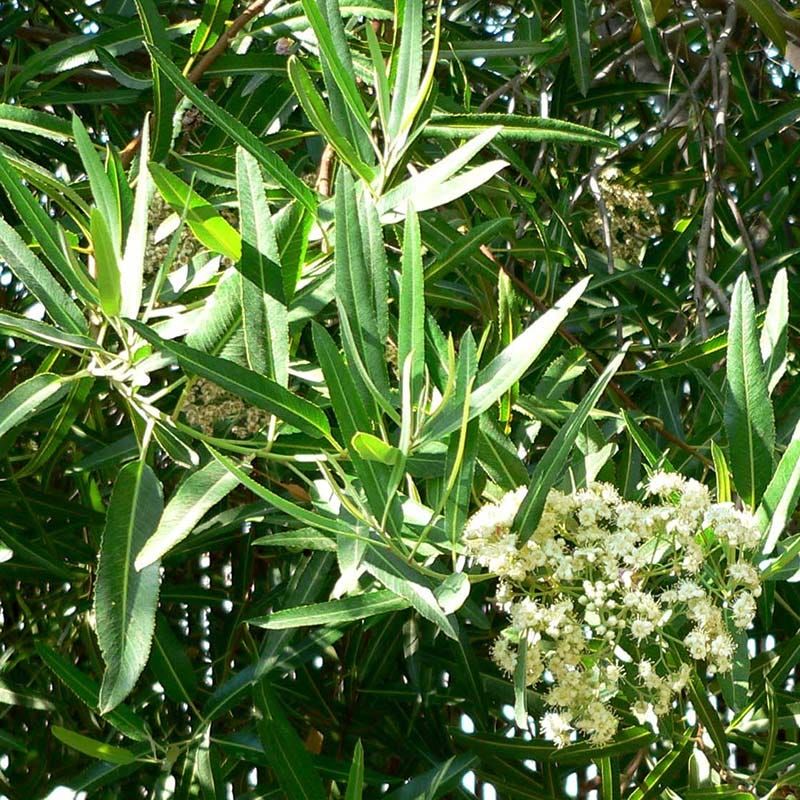
Hidden in the rocky slopes of the Sonoran Desert grows a native evergreen with leaves so dark they almost look painted. Its narrow, leathery foliage carries tiny serrated edges, and the whole plant stays thick and green through every season.
Patience pays off with this one, because rosewood grows at a moderate pace compared with the speedier shrubs on this list. Still, a well-placed young plant can thicken nicely by next summer and eventually reach fifteen feet or more.
You might notice dense clusters of tiny white flowers appearing in late spring, buzzing with bees and visiting butterflies. Birds love the tight branches for nesting, which gives you a front-row seat to backyard family life every spring.
Once established, many gardeners water it deeply about once a month, which feels almost lazy in the hottest desert neighborhoods. Full sun and fast-draining, rocky soil keep roots happy, while soggy ground and heavy clay tend to cause problems.
Spider mites sometimes appear during dusty, dry stretches, so an occasional hose rinse on the leaves helps reduce them naturally. I believe few native shrubs offer such a polished, upscale look while asking for so little water in return.
4. Desert Willow
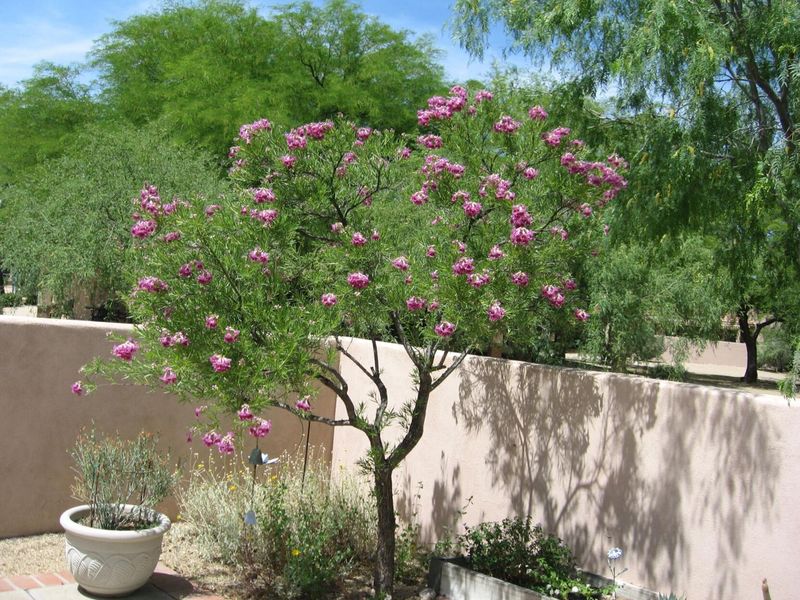
Despite the name, desert willow is not a true willow at all, but a cousin of catalpa trees. Its narrow, bright green leaves only resemble willow foliage, while the orchid-like trumpet flowers steal every bit of attention.
Growth can reach one to three feet per year once roots settle, so a summer screen arrives fairly quickly. Mature plants often stand fifteen to twenty-five feet tall, creating a breezy, airy barrier rather than a solid wall.
I love how the fragrant pink and lavender blooms pull in hummingbirds from late spring well into the warm months. Bees and butterflies crowd the flowers too, and songbirds later pick through the long, slender seed pods for snacks.
Winter is the catch, because the leaves drop in cold weather and the view through the branches opens up. Pair it with an evergreen shrub nearby if you need year-round privacy along a busy fence or patio edge.
Natural populations grow in dry washes, so the roots appreciate deep soaks rather than frequent shallow sprinkles from drip lines. Plant it this fall in full sun, and next summer should bring a surprising burst of blossoms and shade.
5. Desert Broom
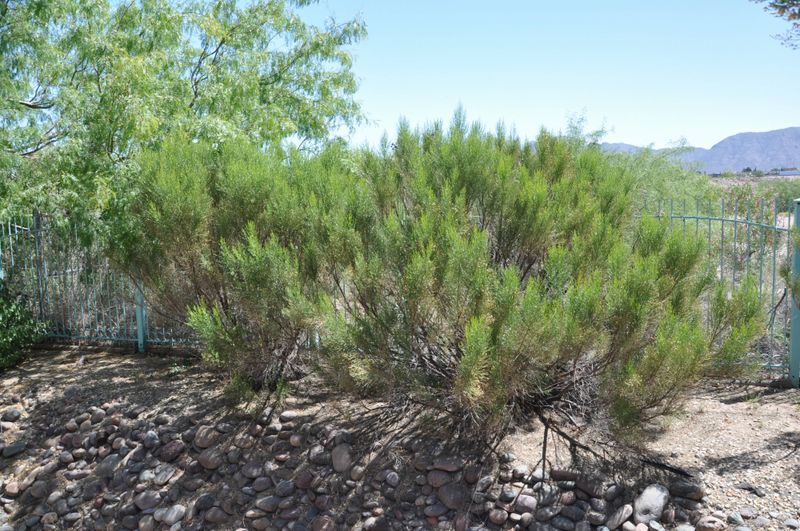
Drive past almost any freshly graded lot in the low desert, and you will probably spot this scrappy green pioneer. Desert broom colonizes disturbed soil with remarkable speed, which tells you plenty about its toughness in a new yard.
Its slender, broom-like stems stay green even after the tiny leaves fall, giving it year-round color and structure. Plants can reach about ten feet tall, and dense young branches train surprisingly well into a casual hedge or windbreak.
Fall flowers bring a lively buzz, attracting bees, butterflies, and flies when many other desert plants have finished blooming. That late nectar source matters for pollinators, and the thick cover gives lizards and small birds handy hiding spots.
One important tip is to choose male plants whenever possible, since females release fluffy seeds that drift across neighborhoods. Those cottony seeds can sprout in unwanted places, and some people find the airborne fluff irritating during autumn breezy days.
Heavy clay and salty soil rarely bother this shrub, and it needs very little water after its first season. You need to prune old woody stems now and then, because younger growth keeps the screen fuller and greener.
6. Littleleaf Cordia
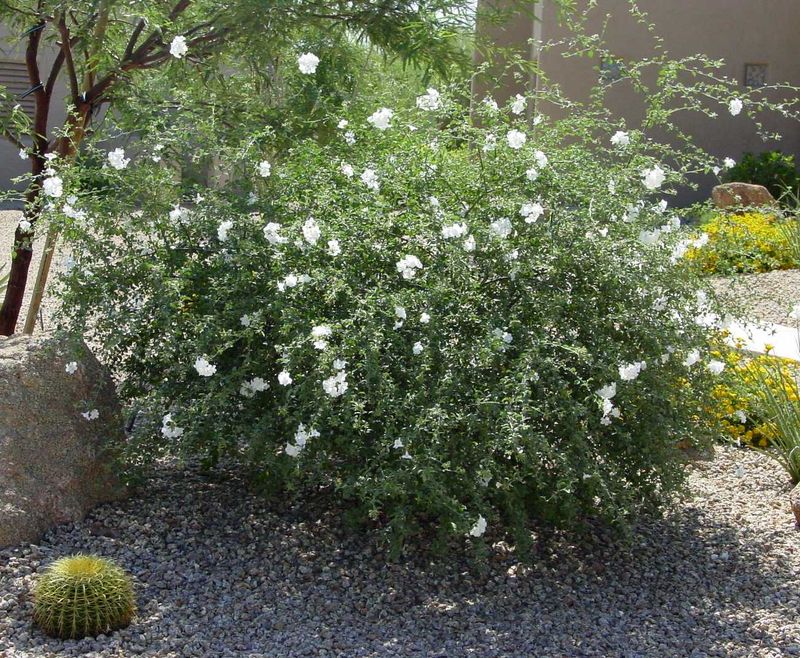
Crinkled white flowers that look like tiny tissue-paper cups cover this thornless shrub for many months of the year. Littleleaf cordia comes from the Sonoran and Chihuahuan deserts, so heat and stingy rainfall feel like home to it.
Plants usually grow six to ten feet tall and just as wide, with soft arching branches that cascade gracefully. Growth speeds up nicely with a little supplemental water, so a young shrub can fill a gap by next summer.
What surprises me most is how little mess it makes, which is why designers love it around patios and pools. Fewer fallen leaves mean less skimming and sweeping, giving you more time to actually enjoy that newly private backyard.
Bees and butterflies visit the white blooms from early spring into fall, and birds later nibble the small fruits. Gray-green leaves stay on through most winters, though a hard freeze or severe drought can cause some temporary leaf drop.
Poor, rocky soil suits it surprisingly well, as long as water drains away quickly after deep irrigation sessions. Cold tolerance reaches about fifteen degrees Fahrenheit, so higher, colder elevations may need a hardier choice for reliable screening.
7. Yellow Bells
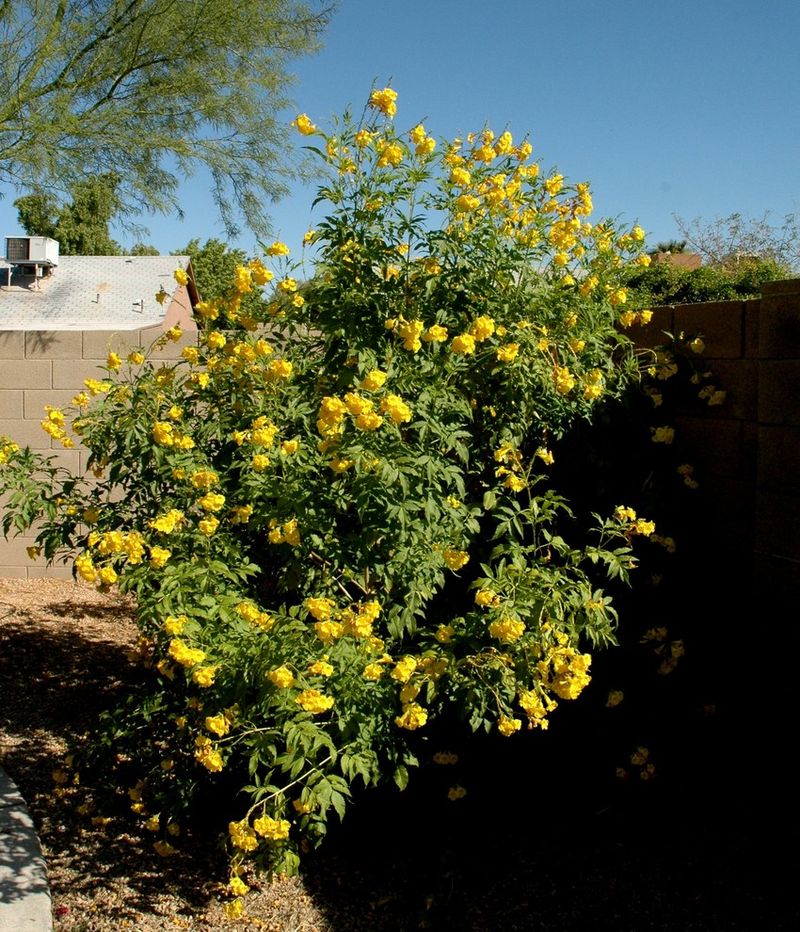
Sunshine seems to hang right on the branches when this desert native bursts into bloom with golden trumpet flowers. The local form, Tecoma stans variety angustata, evolved in the Sonoran region and handles fierce reflected heat beautifully.
Fast growth makes it one of the quickest options here, often reaching six to ten feet tall in good conditions. Narrow, glossy green leaves fill in thickly, so a young plant set out this fall can soften a fence soon.
Hummingbirds treat the blooms like a reliable diner, stopping by again and again from spring through the warm fall. Butterflies and bees join the crowd too, so I can’t imagine a more cheerful screen near a backyard sitting area.
Frost is its weak spot, since hard freezes can knock back stems and leave the shrub looking bare in winter. Luckily, plants usually regrow quickly from the roots in spring, then return to full flowering size by the following summer.
Low water keeps it alive once established, but a moderate deep soak during bloom season brings heavier flower displays. Trim frost-damaged growth only after the last cold snap, because early pruning can expose fresh shoots to chilly nights.
8. Featherbush
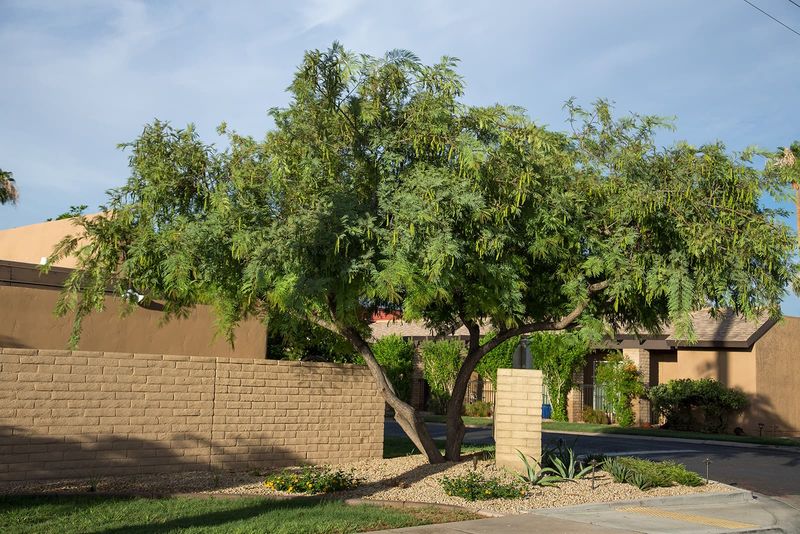
Soft, fern-like leaves give featherbush the delicate look of a tropical plant, yet it hails from the rugged Rincon Mountains. Tiny leaflets flutter in the breeze, creating filtered shade instead of the heavy wall many dense hedges provide.
Growth runs around two feet per year, and plenty of deep moisture can push it along even faster. Mature plants range from five to twenty feet tall and often spread wider than they grow, softening long property lines.
Cream-colored puffball flowers appear in spring, pulling in butterflies, hummingbirds, and other pollinators looking for an early meal. Better yet, the roots fix nitrogen, slowly improving poor desert soil for neighboring plants in your low-water garden beds.
You might notice a brief leaf drop during cold winters or dry spells, which makes it semi-evergreen in most yards. Layer it with a denser evergreen if you want a screen that stays thick through every single month.
No thorns means no scratched arms during pruning, which matters when you plant it near a busy walkway. Water deeply but infrequently once roots establish, and give it full sun so the feathery canopy stays full and healthy.
9. Four-Wing Saltbush
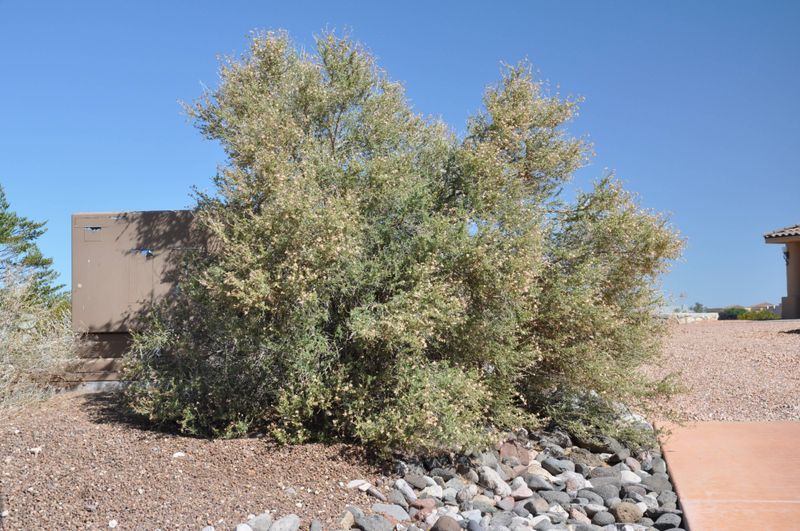
Quail and rabbits treat a patch of four-wing saltbush like a private hideout, darting under the branches whenever hawks circle. This tough native ranges across much of the arid West, thriving where rainfall stays painfully low most years.
Gray-green leaves cover dense, rounded branches that usually reach three to eight feet tall and even wider. Young plants grow at a moderate to fast pace, often hitting eighteen inches by the end of their first season.
Personally, I appreciate how it welcomes lacewings and ladybugs, which happily munch aphids and other common garden pests nearby. Female plants carry papery, four-winged seed clusters in fall, and birds along with small mammals eagerly gather them.
Salty, alkaline soil that troubles many ornamentals barely slows this shrub, and its deep roots help hold sloping ground. Once established, it needs very little extra water, making it a natural fit for the harshest corners of a yard.
Pollen can trigger hay fever in some people, so plant it away from bedroom windows if allergies run in the family. Rabbits browse tender young growth, so a simple wire cage protects new plantings until they grow big enough.