How To Grow An Ohio Buckeye Tree From The Nut In Your Pocket
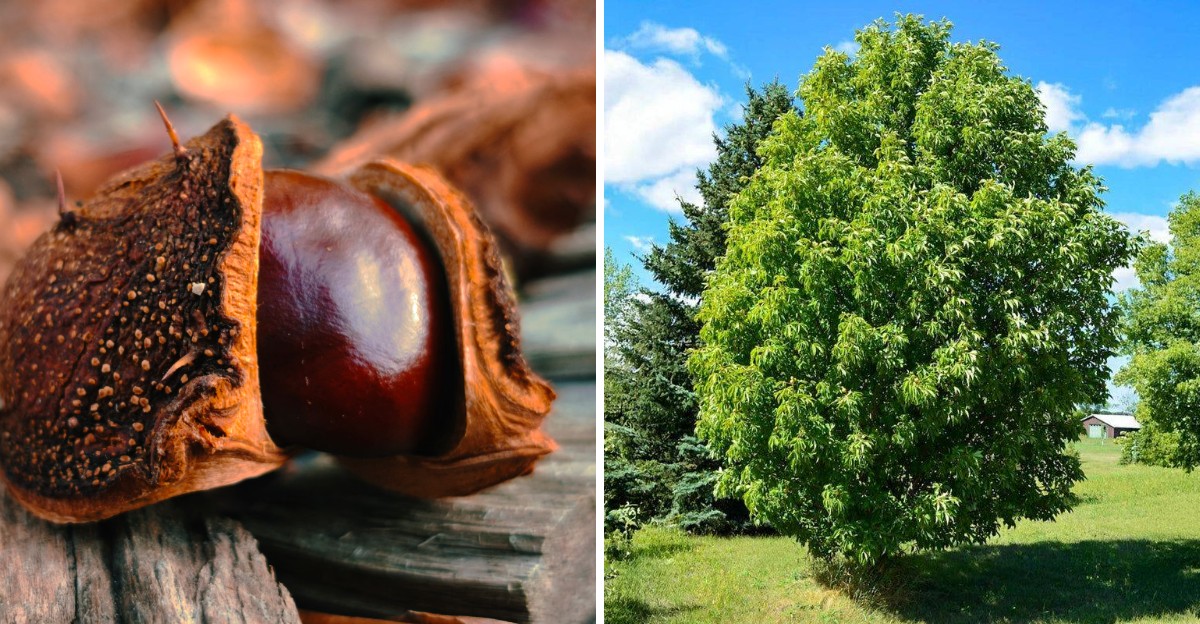
The lucky charm rattling around in your pocket is actually a living seed, and it can stop being alive if you let it dry out. Few good-luck tokens come with an expiration date like that.
Early settlers thought the pale spot on that glossy brown shell looked like the eye of a deer. That is how Ohio’s favorite nickname was born, and it still makes me smile every fall.
I like how something so small can grow into a tree taller than a house. You need patience, a little cold weather, and a sneaky plan for squirrels. Still, the steps are simpler than most people expect.
Every fall, I end up with a pocket full of them after a simple walk around the block. That shiny little seed in your hand could someday shade a backyard where your grandkids play.
That Shiny Buckeye Nut Has A Clock Ticking Inside It
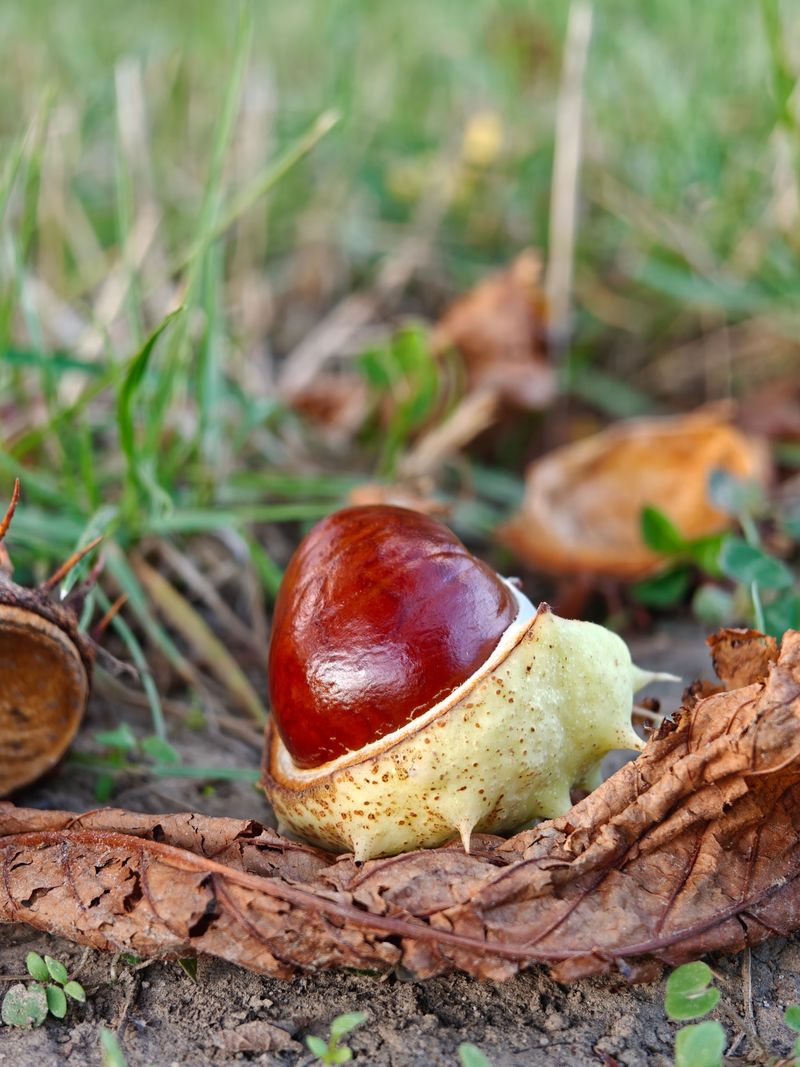
Here is a fact that surprises a lot of folks. A buckeye seed is not built to sit around for months like a dry bean.
Botanists call seeds like this recalcitrant, which is a fancy way of saying they need to stay moist to stay viable. Once a buckeye shrivels, wrinkles, or feels light, the tiny embryo inside has usually lost its spark.
A nut that has bounced around in your jacket since last October probably won’t sprout.
So check your treasure honestly. A good seed feels heavy for its size, looks shiny and smooth, and has no cracks or soft spots.
If yours looks dull and puckered, keep it as a charm and go find a fresh one.
A quick float test can help. Drop nuts in a bowl of water for a couple of hours, and toss any that bob at the top, since floaters are often hollow or dried out.
Remember one more thing before you start. Every part of the Ohio buckeye, including the nut, is toxic to people, dogs, and livestock if eaten.
Keep your seed projects away from little hands and curious pets, and wash up after handling husks.
Grab Buckeyes Right As The Spiky Husks Split Open
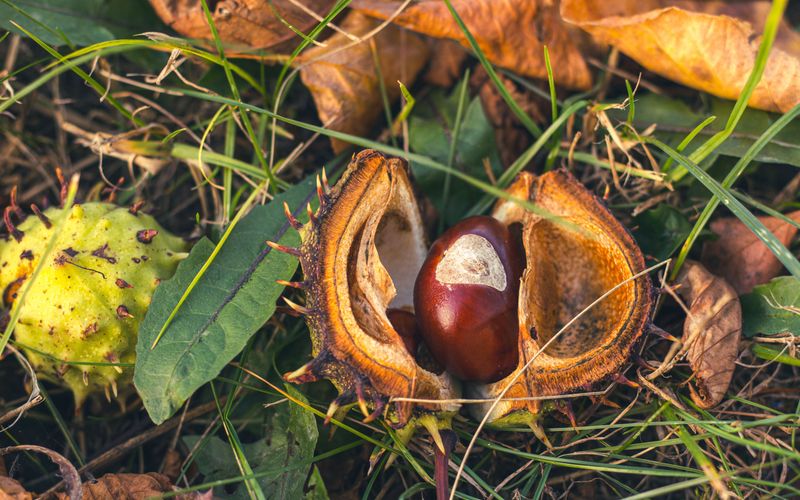
Timing is everything with this project. In Ohio, buckeye husks ripen and pop open from about early September through October.
Walk under a mature tree after a breezy day and you’ll often find the leathery, slightly spiny capsules cracked on the ground. Inside sit one to three glossy nuts.
The best ones for planting are the ones you pick up within a day or two of falling.
I like to gather more than I need. Squirrels, mold, and plain bad luck will claim a few, so collecting five or six seeds for every tree you want gives you a cushion.
Peel off any remaining husk once you get home. Then keep the nuts in a plastic bag with a damp paper towel until you’re ready for the next step, which should be soon.
Ask permission before collecting on private land, and follow the rules at parks. Many Ohio state parks and nature preserves limit what visitors can remove, so a friendly neighbor’s yard is often your easiest source.
Fun fact for the road. Ohio buckeye leaves often turn yellow and drop early in late summer, so look up for bare branches when you hunt.
A Cold Winter Nap Wakes Up Your Buckeye Seed
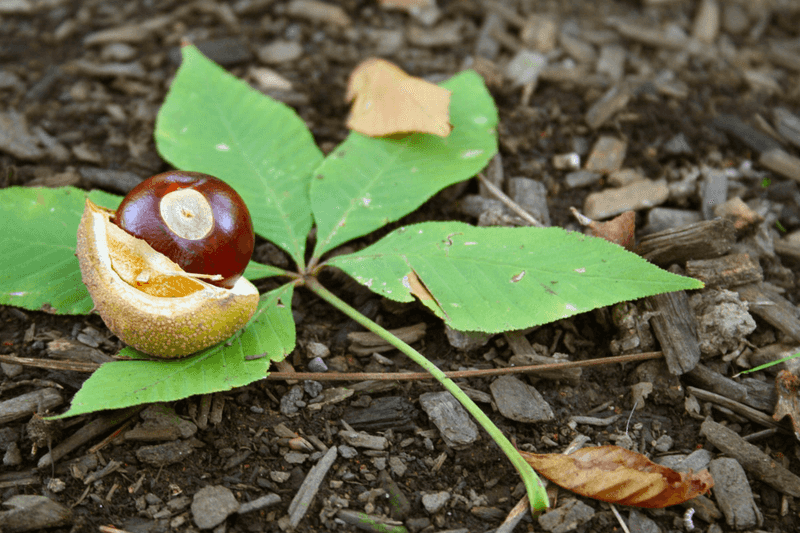
Buckeyes are tough little sleepers. They need a stretch of cold, damp weather before they’ll start growing, a process gardeners call cold stratification.
Nature handles this for free. Plant fresh nuts outdoors in fall about an inch or two deep, and an Ohio winter does the rest.
Many people find this is the easiest and most reliable method.
Want more control? Try the fridge method instead.
Tuck nuts into a container or zip bag filled with slightly moist peat moss, sand, or potting mix, keeping them from touching each other.
Set the container in the refrigerator at roughly 40 degrees, and leave it for about 90 to 120 days. Check every couple of weeks.
The mix should feel like a wrung-out sponge, never soggy.
Toss any nut that grows fuzzy mold or turns mushy so it doesn’t spread trouble. You might also notice a little white root poking out before the time is up, which means your seed is ready to plant now.
Keep it far from the produce drawer and label it clearly. Nobody should mistake a buckeye for a chestnut snack.
Point The Buckeye Root Down And Tuck It In Shallow
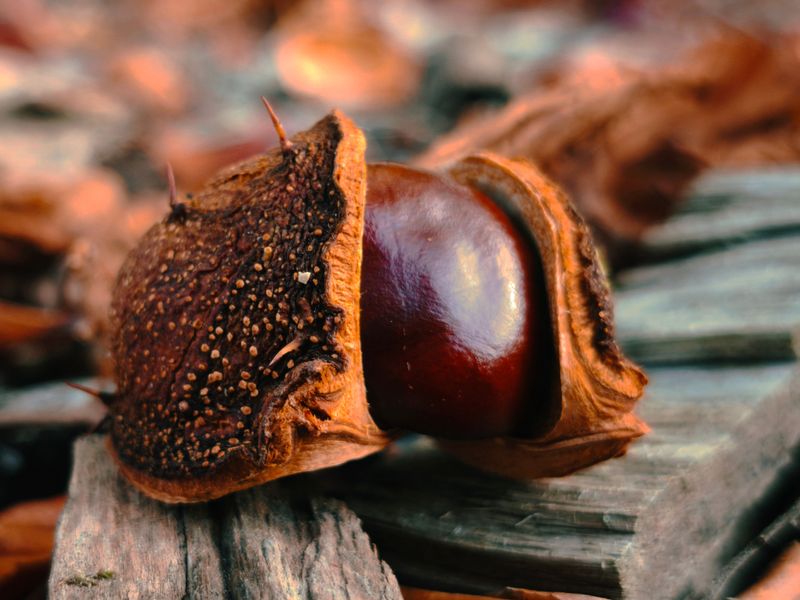
Planting day feels like a small celebration. Fridge-chilled nuts can go into pots indoors in late winter or straight outside in spring once frost danger passes.
Dig a hole just one to two inches deep. If a root has already appeared, aim it downward, and if not, lay the nut on its side so the seed can sort itself out.
Buckeyes send down a long taproot early. A tall pot, like a deep nursery container or even a cut-down milk jug with holes, gives that root room to stretch.
Use loose, well-drained soil. A blend of one part sand to about three parts garden soil works nicely for containers.
Outdoors, pick a spot with rich, moist soil that doesn’t hold puddles. Ohio clay is fine if it drains reasonably, and buckeyes naturally grow along stream banks and bottomlands.
Water gently right after planting, then keep the soil evenly damp. Sprouts usually push up within a few weeks once temperatures warm.
Personally, I mark every planting spot with a stick and a label. Forgetting where you buried a nut happens to gardeners more often than they admit.
Squirrels Will Hunt Your Buried Buckeyes Unless You Block Them
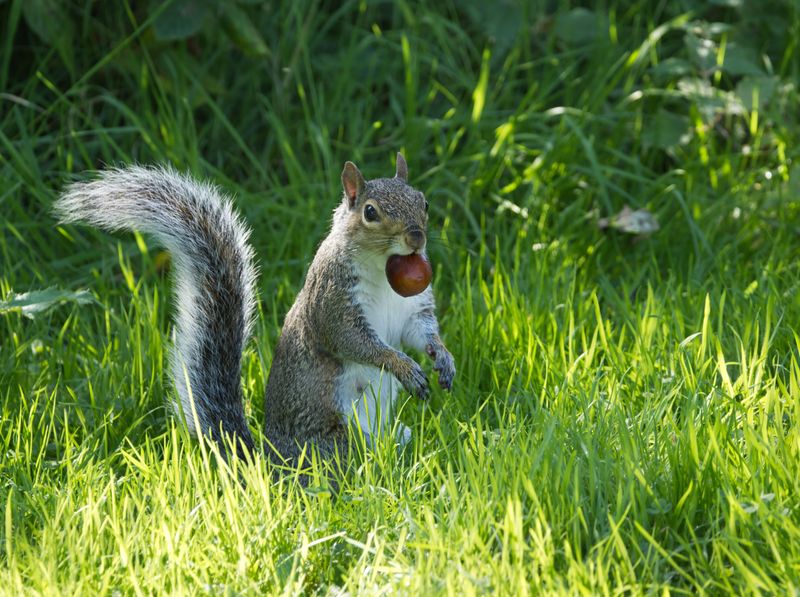
Squirrels have excellent noses and zero respect for your gardening plans. A freshly dug patch of soil practically sends them an invitation.
Even though buckeyes are bitter and toxic to many animals, squirrels and chipmunks still dig them up, nibble them, or move them elsewhere. I’ve lost seeds overnight more than once.
Hardware cloth is your best friend here. Lay a square of quarter-inch or half-inch wire mesh flat over the planted spot, and pin the corners down with landscape staples or bricks.
Remove the screen as soon as you see a green shoot coming up. Leaving it in place too long can pinch the stem.
Pots need protection too. A cage made from chicken wire or an upside-down wire basket keeps diggers out while letting rain and light through.
Deer usually leave buckeye foliage alone, but rabbits sometimes chew young stems in winter. A simple cylinder of mesh around the seedling for the first couple of years keeps teeth away.
Plant extra seeds as backup. Wildlife is part of the fun of growing native trees, and a few spares keep everyone happy.
Young Buckeye Seedlings Love Shade And Steady Water
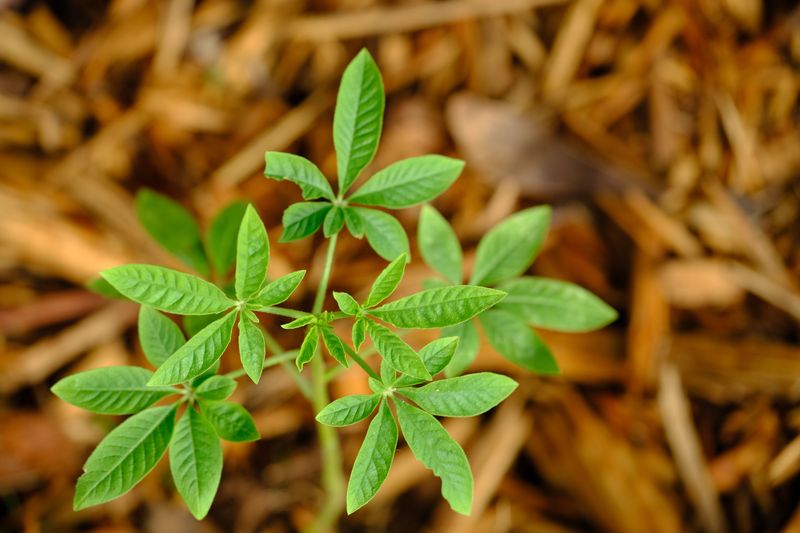
Those first palm-shaped leaves look almost too pretty to be real. Each one usually has five leaflets spread out like fingers on a hand.
Baby buckeyes are a bit delicate in their first summers. Partial shade, especially relief from harsh afternoon sun, helps prevent the brown, crispy leaf edges called leaf scorch.
Water deeply about once a week when rain is scarce. Roughly an inch per week is a handy target for the first few years.
Spread two or three inches of shredded bark or leaf mulch around the seedling. Keep the mulch a couple of inches away from the stem so moisture doesn’t sit against the bark.
Don’t panic if leaves turn brown and drop in August. Ohio buckeyes are known for early leaf drop, and leaf blotch or powdery mildew often shows up without harming the tree long term.
Fertilizer is rarely needed in decent soil. If growth seems weak, a light dose of balanced slow-release fertilizer in spring is plenty.
Moving the seedling? Do it while it’s still small, since that taproot makes older buckeyes fussy about transplanting.
Give Your Buckeye Tree Room To Spread Its Rounded Canopy
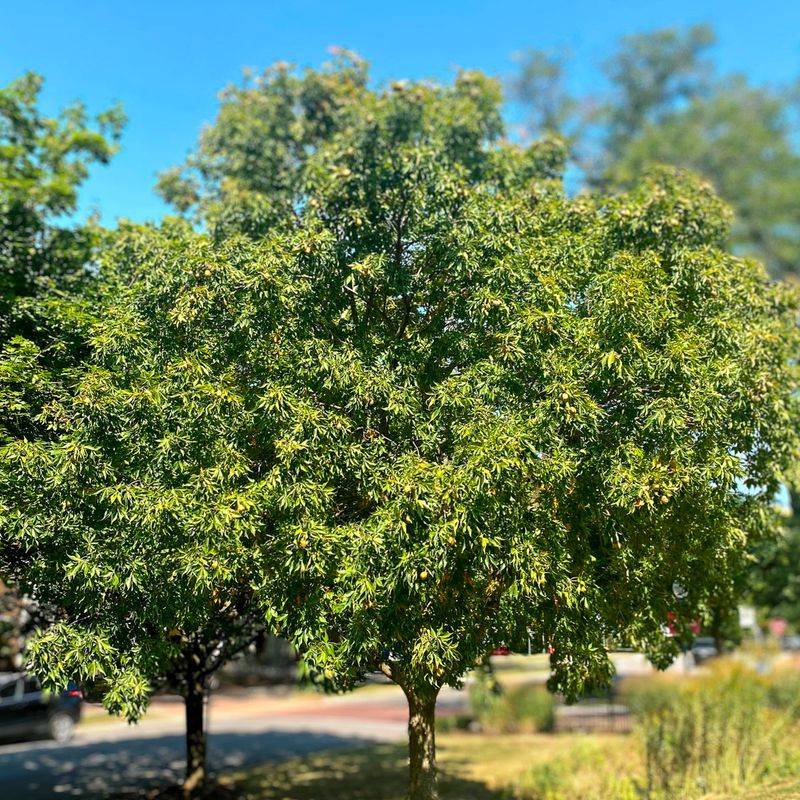
A tiny nut can turn into a surprisingly big neighbor. In open spaces, Ohio buckeyes commonly reach 30 to 50 feet tall, with some topping 60 feet.
The canopy spreads into a rounded shape, often 20 to 30 feet wide or more. Plant at least 15 to 20 feet from your house, driveway, and power lines.
Think about where the nuts will fall, too. Buckeyes usually start producing seeds somewhere around five to ten years old, and you’ll want to keep that spot away from dog runs, play areas, and pastures.
Spring brings the payoff. Upright clusters of pale yellow-green flowers appear in April and May, and early hummingbirds and bees visit them eagerly.
This tree is native across much of Ohio and handles USDA zones 3 through 7 with ease. That covers the whole state, from the snowy northeast to the warmer river valleys down south.
Choose a site with moist, fertile soil and a bit of breathing room. Good airflow reduces leaf disease and keeps the tree looking tidier through summer.
Prune lightly in late winter, removing only crossing or weak branches.
Your Pocket Buckeye Can Start A Whole Native Tree Legacy
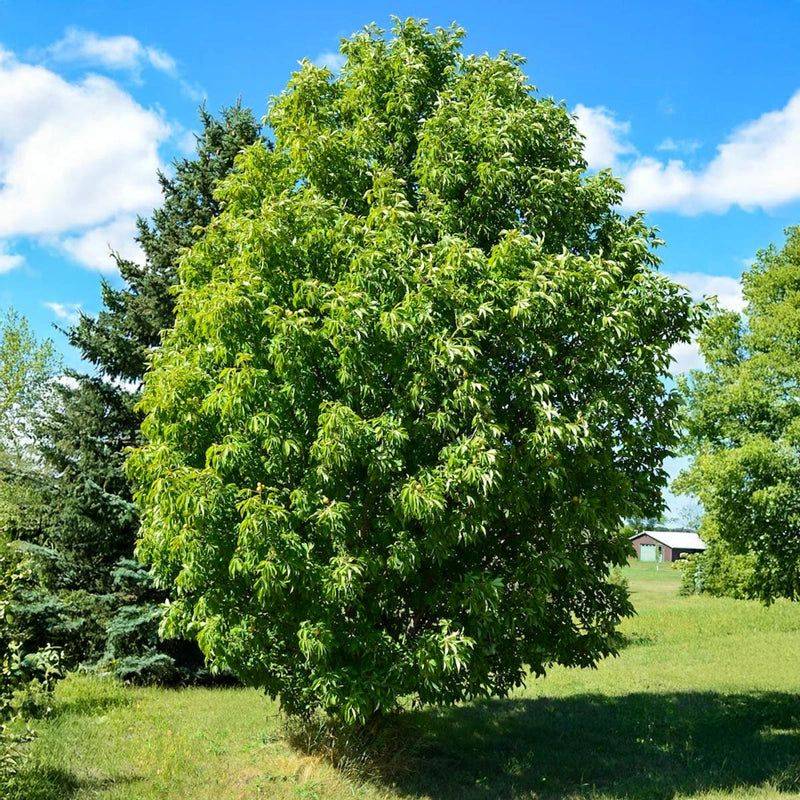
Some gardening projects pay off in a weekend. A buckeye pays off over decades, and that’s exactly what makes it special.
Ohio adopted the buckeye as its state tree in 1953, and the nickname traces back to the late 1700s. Growing one connects your yard to a story much older than the football rivalry.
Native trees also feed local wildlife in ways ornamental imports often can’t. Early flowers support bees and hummingbirds, and the tree fits right into woodland ecosystems.
Here’s a simple plan for next fall. Collect fresh nuts, plant some outdoors and chill a few in the fridge, then compare which batch does better.
Kids love this experiment. Just keep an adult in charge of the seeds since they’re toxic if eaten.
Got extra seedlings? Share them with neighbors, schools, or a local tree club once they’re a foot or so tall.
A potted buckeye makes a thoughtful gift for a new homeowner.
Most of all, enjoy the slow show. The nut in your pocket started on a tree, and with a little care it can become one again.