9 Low Country Native Plants Worth Adding To South Carolina Yards
Moss drips from old, gnarled trees, and the air carries salt, pluff mud, and jasmine all at once. This corner of the South doesn’t just grow plants. It grows an atmosphere, centuries in the making.
South Carolina homeowners here are catching on to something their landscapes always knew: the plants that thrive aren’t garden-catalog imports, but hurricane-and-humidity survivors older than the first porch swing.
Nine of them stand out as backyard standouts, offering color, texture, and resilience without demanding much in return. Pick even a few, and a yard starts to feel less like a project and more like it belongs exactly where it sits.
Sweetgrass (Muhlenbergia Filipes)
Sweetgrass has been woven into Low Country culture for centuries. Gullah artisans have crafted stunning baskets from this plant for generations, making it one of the most culturally rich grasses in the region.
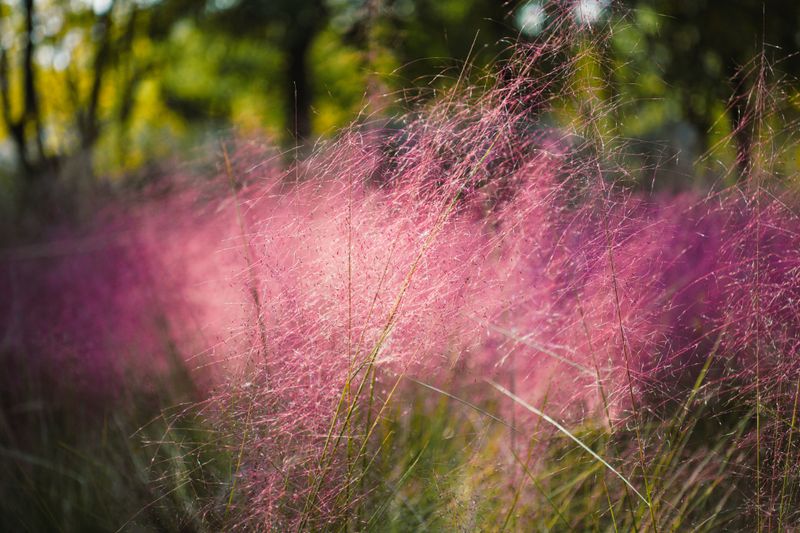
It grows in sweeping, airy clumps that catch the light beautifully. The feathery purple-pink plumes appear in late summer and create a soft, dreamy look in any yard.
This grass thrives in sandy, well-drained soils near the coast. It handles drought like a champ once established, needing almost no extra watering after the first season.
Plant it in full sun and give it plenty of room to spread. A single clump can reach three to four feet wide, so spacing matters when planning your garden layout.
Sweetgrass pairs beautifully with other coastal natives like seashore mallow and switchgrass. Together they create a layered, naturalistic planting that looks effortless but feels intentional.
Birds love to nest in the dense clumps during colder months. Providing habitat for wildlife is one of the best reasons to add native grasses to your landscape.
You can find sweetgrass at native plant nurseries across the region. Ask specifically for Muhlenbergia filipes to make sure you get the true Low Country species and not a look-alike substitute.
Palmetto (Sabal Palmetto)
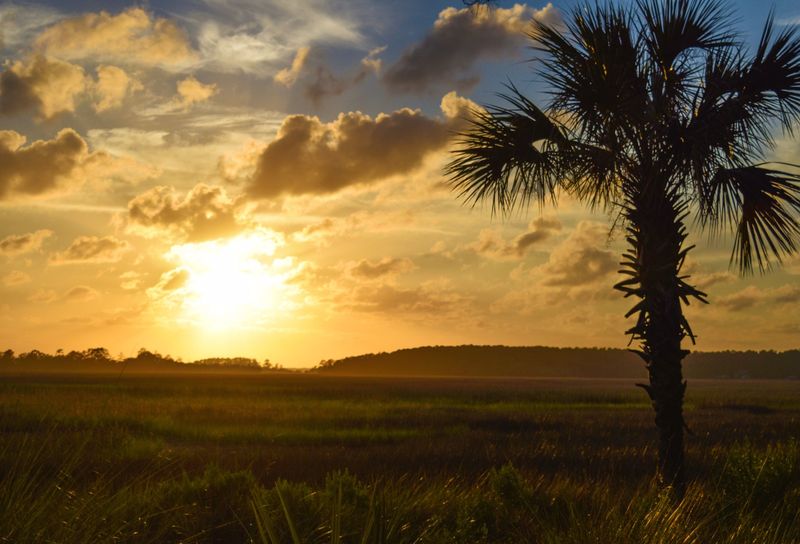
Nothing says Low Country like a palmetto tree silhouetted against a pink evening sky. This iconic palm is the official state tree, and it earns that title every single day.
Sabal palmetto is incredibly tough and wind-resistant. It survived Hurricane Hugo in 1989 when many other trees were severely damaged across the coast.
The trunk is fibrous rather than rigid, which lets it bend dramatically in storms without snapping. That flexible strength is one of nature’s most clever engineering solutions.
Palmettos grow slowly but live for a very long time. Once established, they can reach heights of sixty feet or more and outlast most other trees in your South Carolina yard.
They prefer full sun and well-drained sandy soil, which makes them perfect for coastal properties. Salt spray and heat rarely bother them, unlike many ornamental palms sold at big box stores.
Wildlife benefit enormously from palmetto trees. Birds eat the dark berries in fall, and white-tailed deer browse the fallen fruit during winter months when food is scarce.
Plant one as a focal point or line your driveway with a row of them. Either way, it delivers year-round structure and a silhouette that instantly says coastal South Carolina.
Red Maple (Acer Rubrum)
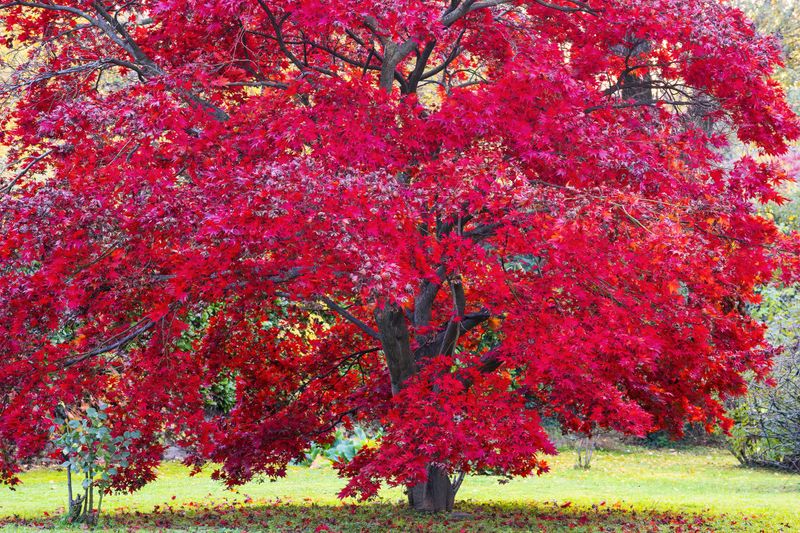
Want a burst of fall color in the Low Country? Red maple delivers it reliably every single year without much fuss from you.
Acer rubrum is one of the most adaptable native trees in eastern North America. It grows in wet bottomlands, upland slopes, and everything in between with equal enthusiasm.
Spring brings tiny red flowers before the leaves even open. Those early blooms are a critical food source for native bees waking up after a long winter.
The leaves turn brilliant shades of red and orange in autumn, which is a genuinely spectacular show. Few native trees offer this kind of seasonal drama in the coastal South.
Red maple grows fairly quickly for a hardwood tree. You can expect a young tree to gain one to two feet of height per year under good growing conditions.
It tolerates wet, poorly drained soils better than most other shade trees. If you have a low spot in your South Carolina yard that stays soggy after rain, this tree is your answer.
Mature trees provide deep shade that cools your home and reduces energy costs in summer. Planting one on the west or southwest side of your house makes a noticeable difference on hot afternoons.
Red maple is widely available at native plant sales and local nurseries. Few trees pay back this much beauty for this little upkeep.
Seashore Mallow (Kosteletzkya Virginica)
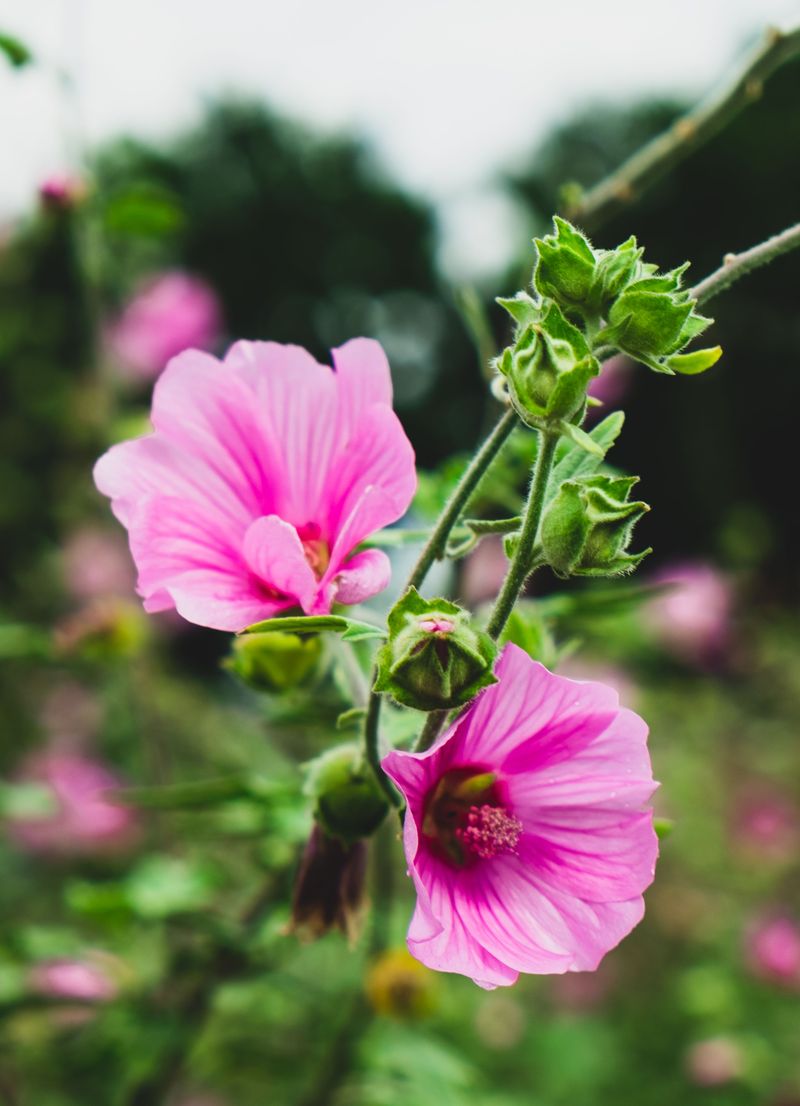
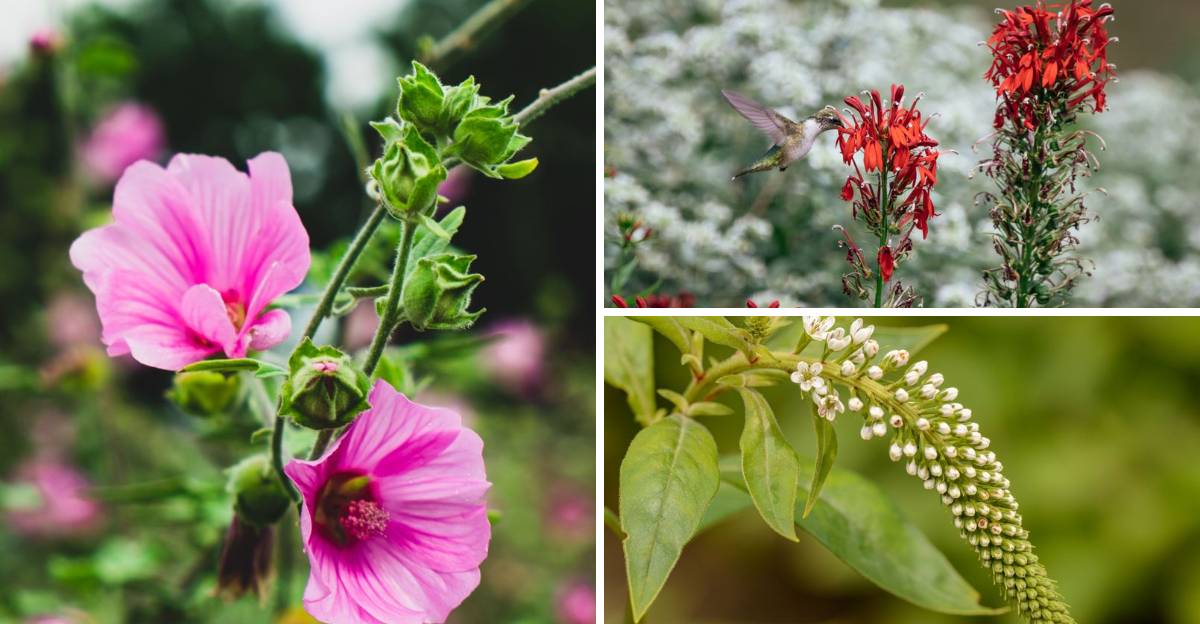
Seashore mallow looks like a hibiscus that decided to go wild and never look back. Its cheerful pink blooms light up the garden from midsummer all the way through fall.
This perennial thrives in salt marshes, tidal flats, and brackish soil conditions. If your yard sits near the water’s edge, this plant will feel right at home there.
The flowers are about two inches across and bloom in abundance every morning. By afternoon they close up, but fresh ones open each day to keep the show going strong.
Seashore mallow attracts an impressive crowd of pollinators. Bumblebees, sweat bees, and even hummingbirds visit the blooms regularly throughout the long flowering season.
It grows three to five feet tall and spreads into a full, bushy shape over time. Cutting it back in late winter encourages dense, compact new growth each spring.
This plant handles flooding and standing water without complaint. It handles flooding and standing water far better than most ornamental plants.
Seeds ripen in late fall and can be collected for sharing or starting new plants. Growing it from seed is surprisingly straightforward and rewarding for beginner gardeners.
Pair it with switchgrass or sweetgrass for a naturalistic coastal planting scheme. It’s one native species that home gardens have overlooked for far too long.
Virginia Sweetspire (Itea Virginica)
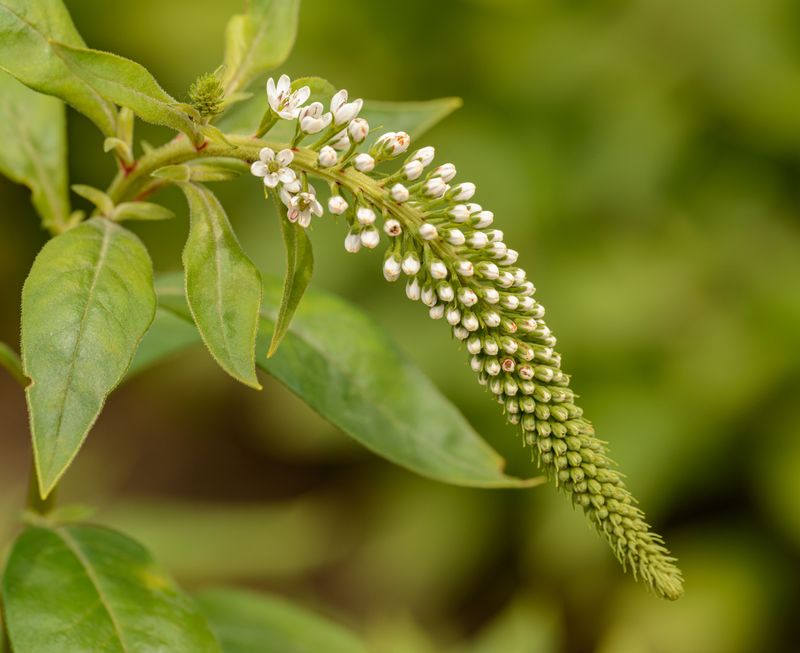
Some plants do one thing well. Virginia sweetspire does four things brilliantly, which is why gardeners keep falling in love with it.
In early summer, long arching clusters of white flowers droop elegantly from the branch tips. The sweet fragrance they release on warm evenings is genuinely hard to forget once you have experienced it.
Come fall, the leaves shift to blazing shades of red, orange, and burgundy. Even in deep shade, this shrub puts on a color show that rivals anything in the nursery trade.
Itea virginica grows naturally along stream banks and in wooded wetlands. It handles wet feet, dense shade, and dry spells with the kind of quiet resilience that every gardener needs in a plant.
The size stays manageable, typically three to five feet tall and wide. You can tuck it under large trees or use it as a foundation shrub along a shaded wall.
Native bees and butterflies flock to the flowers during the blooming period. Providing that kind of pollinator support makes your South Carolina yard part of something bigger than just a pretty space.
This shrub spreads slowly by suckers, forming a graceful colony over time. Dividing those suckers is an easy way to expand your planting or share plants with neighbors.
It’s a shrub that quietly outperforms far showier nursery picks. Once you plant it, you will wonder why you waited so long to add it.
Cardinal Flower (Lobelia Cardinalis)
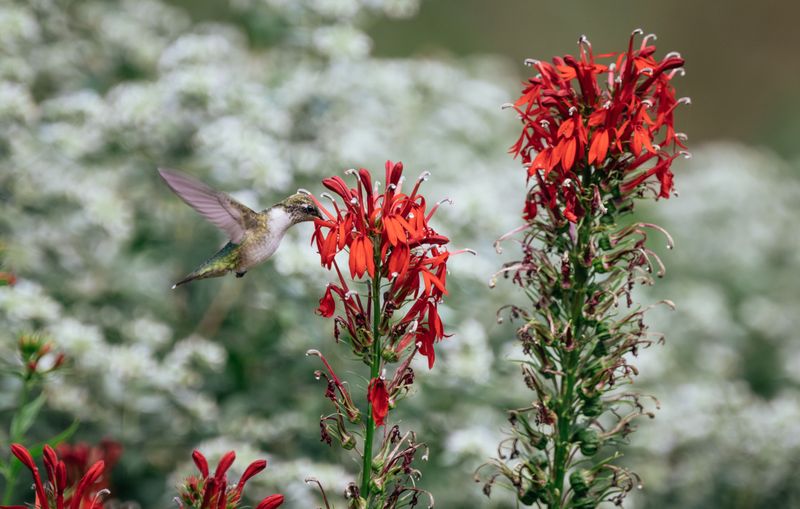
The moment a ruby-throated hummingbird finds your cardinal flower, you will feel like a gardening genius. That electric red color is practically a hummingbird signal flare.
Lobelia cardinalis blooms in late summer when most other perennials have already finished their season. That timing makes it a valuable late-season food source for hummingbirds before they head south.
The flower spikes can reach four feet tall in moist, rich soil. They look bold and dramatic standing above shorter plants in a naturalistic garden bed.
Cardinal flower grows naturally along stream banks and in wet meadows across the region. Replicating those moist conditions in your yard is the key to keeping it happy and healthy.
It is a short-lived perennial that self-seeds freely when conditions are right. Letting a few seedlings grow each year keeps blooms returning to the same spot.
Swallowtail butterflies also visit the flowers, though hummingbirds are the primary pollinators. Watching that interaction up close is one of the genuine joys of growing native plants.
Plant it near a downspout, rain garden, or low-lying area that stays consistently moist. Dry soil is the main reason this plant struggles in home gardens across the Low Country.
Red is rare in the native plant palette, which makes cardinal flower especially valuable. It brings a jolt of color exactly when the summer garden needs it most.
Switchgrass (Panicum Virgatum)
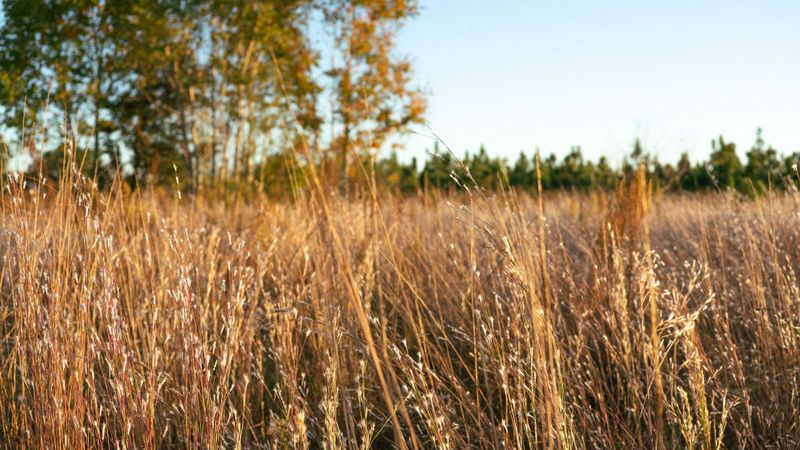
Switchgrass is the workhorse of the native plant world. It does not demand attention, but it consistently looks good no matter what season you catch it in.
Panicum virgatum is a warm-season grass native to prairies, open woodlands, and coastal areas. It evolved right here in the eastern United States, which means it knows exactly how to handle the heat and humidity.
In summer the foliage stays upright and architectural, giving structure to softer perennials around it. By fall the airy seed heads shimmer in the breeze like a cloud of tiny stars.
Winter is actually when switchgrass earns extra respect. The golden tan stems and seed clusters persist through cold months, providing food and shelter for birds when other plants have gone dormant.
It grows in a wide range of soil types, from wet clay to dry sandy loam. That adaptability makes it one of the most reliable grasses you can plant in a Low Country yard.
Several cultivated varieties offer different heights and colors to choose from. Shenandoah turns deep red in fall, while Heavy Metal stays stiffly upright with blue-green summer foliage.
Plant it in masses for the most dramatic effect, or use single clumps as accent plants. Either way, switchgrass adds movement, texture, and wildlife value that few other grasses can match.
It’s one of the rare plants that pulls its weight in every season, not just one. Once planted, it asks for almost nothing and gives back more than you would expect.
Sweet Bay Magnolia (Magnolia Virginiana)
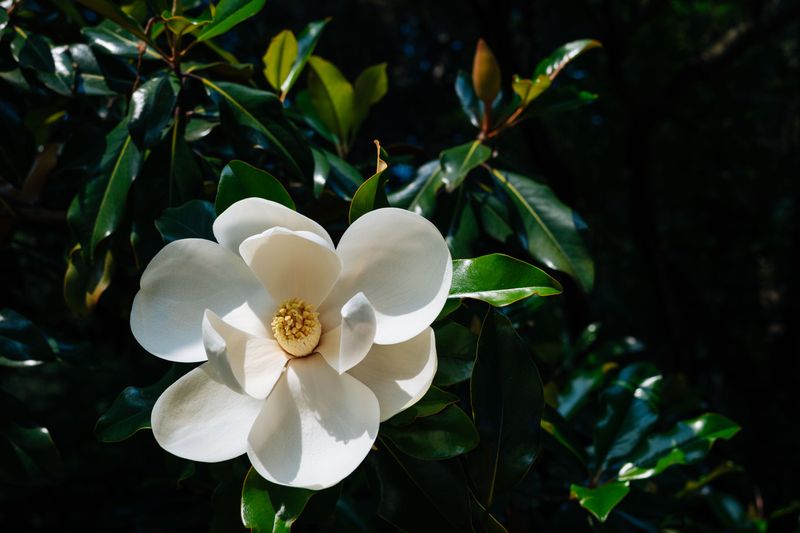
Close your eyes and imagine a warm June evening filled with the scent of lemon and vanilla. That is exactly what sweet bay magnolia delivers every single year.
Magnolia virginiana blooms from late spring through midsummer with creamy white flowers about three inches across. The fragrance is intoxicating but never overwhelming, which makes it perfect near patios and walkways.
The leaves are equally beautiful, glossy green on top with silvery white undersides. When a breeze moves through the canopy, the flickering two-toned leaves create a mesmerizing visual effect.
Sweet bay grows naturally in wet flatwoods and along stream edges throughout the coastal plain. It thrives in poorly drained soils where many other trees would simply struggle and sulk.
This tree stays semi-evergreen in the Low Country, holding most of its leaves through mild winters. That means you get year-round greenery rather than a bare skeleton staring at you in January.
It can grow as a large multi-stemmed shrub or a single-trunk tree up to thirty feet tall. Pruning it when young helps shape the form you want for your specific yard space.
Red seed pods split open in fall to reveal bright red berries that birds devour eagerly. Migrating songbirds especially seek out these berries during their long journeys along the coast.
Few plants engage the senses this fully, scent, texture, and color all at once. Plant it somewhere you will pass by daily and let it stop you in your tracks.
Carolina Jessamine (Gelsemium Sempervirens)
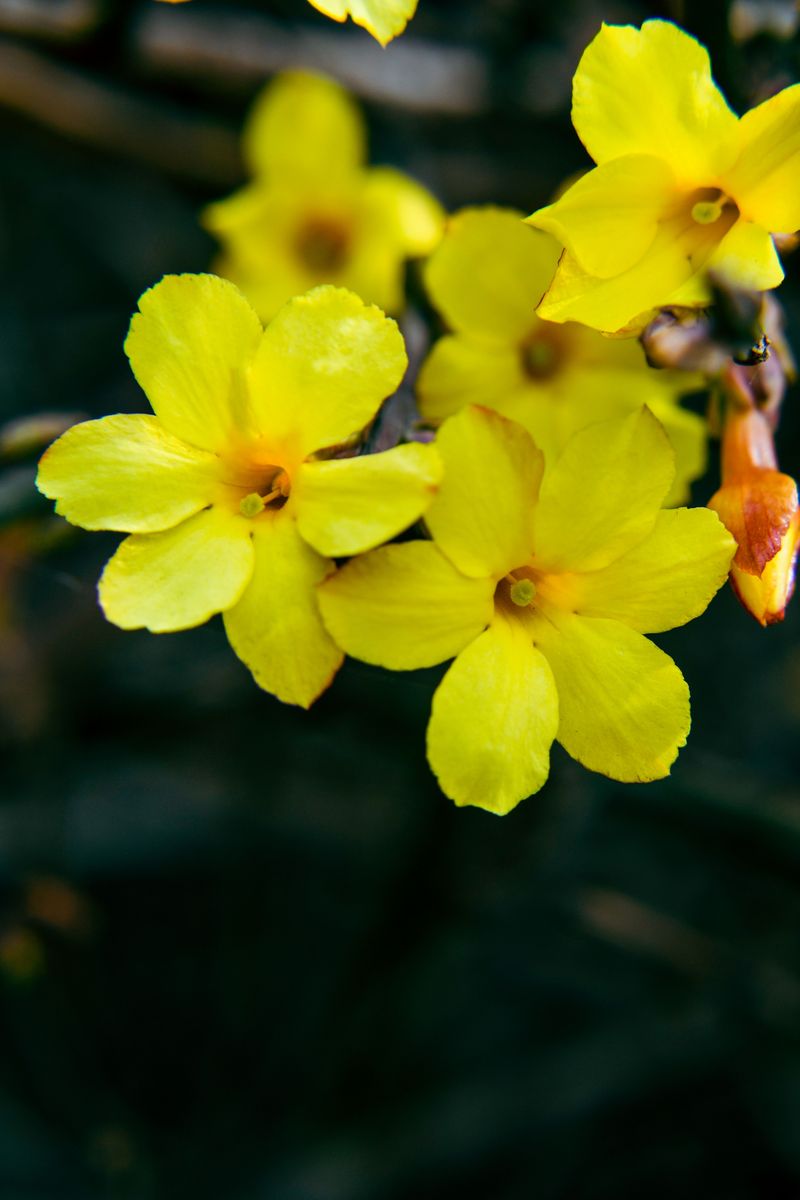
Before the azaleas even think about waking up, Carolina jessamine is already showing off. Bright yellow trumpet-shaped flowers cover this vine in late winter and early spring like a golden waterfall.
Gelsemium sempervirens is the official state flower of South Carolina, and it absolutely deserves the honor. Few plants announce the end of winter with such enthusiasm and cheerful abundance.
This evergreen vine climbs fences, trellises, arbors, and trees with ease. It can reach twenty feet or more when given a sturdy structure to grab onto and plenty of sunlight.
The glossy dark green leaves stay on through winter, giving the vine structure even when it is not blooming. That year-round coverage makes it a great choice for hiding an ugly fence or wall.
Carolina jessamine prefers full sun to partial shade and adapts to a wide range of soil types. Once established, it handles drought and heat without any extra watering or coddling from you.
The sweet fragrance of the flowers drifts through the air on warm late-winter afternoons. That scent is one of the most beloved sensory experiences in a Low Country garden.
One important note: all parts of this plant can cause illness if ingested. Keep that in mind if small children or pets spend time in your garden near the vine.
It’s the plant that makes late winter feel like it’s already over. Plant it on a mailbox post or garden gate and enjoy that golden welcome every February.