The Fall Rhododendron Task That Helps Protect Against Winter Damage
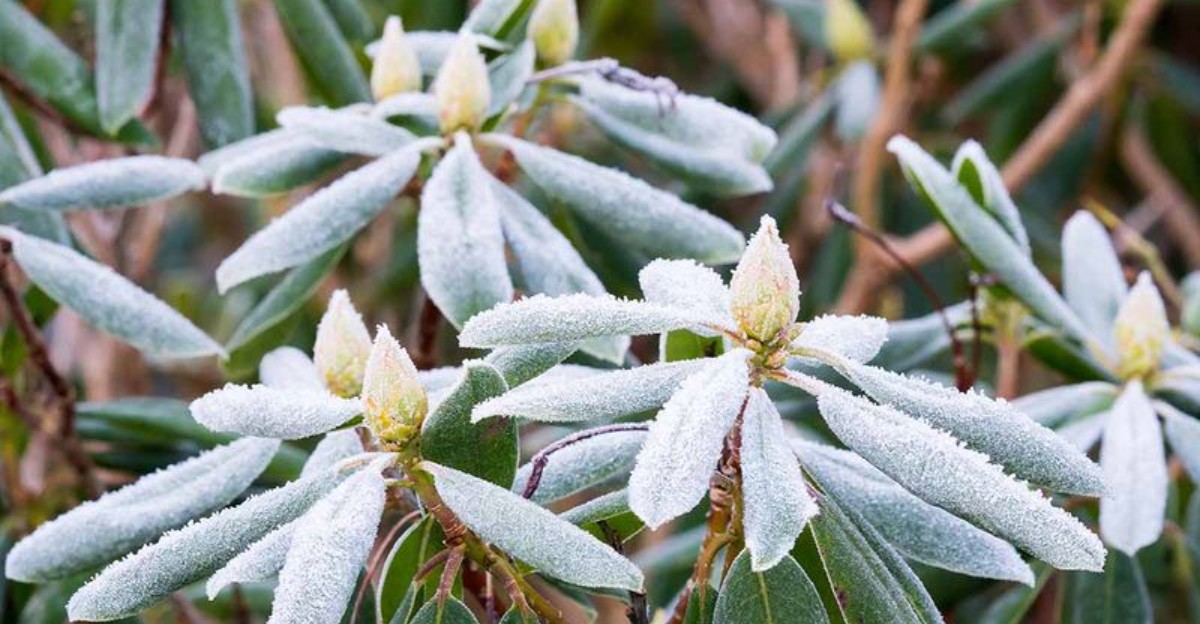
Rhododendron leaves curl into tight little cigars when the thermometer drops, and some gardeners swear they can read the temperature by how tight the roll gets.
I’ll be honest, the first time I saw it, I thought my favorite shrub was in serious trouble. That curl is actually a clever survival trick, though it can only do so much on its own.
Here’s what gets me. Those glossy evergreen leaves keep losing moisture all winter long, even while the ground is frozen solid and the roots can’t sip a single drop. By spring, the result can be crispy brown edges, scorched foliage, and flower buds that quietly give up.
I learned the hard way that a gorgeous May bloom often depends on a chore done back in October. It costs almost nothing, takes very little skill, and many of us skip it anyway. So what exactly should happen before the first hard freeze?
Those Evergreen Rhododendron Leaves Keep Losing Water All Winter
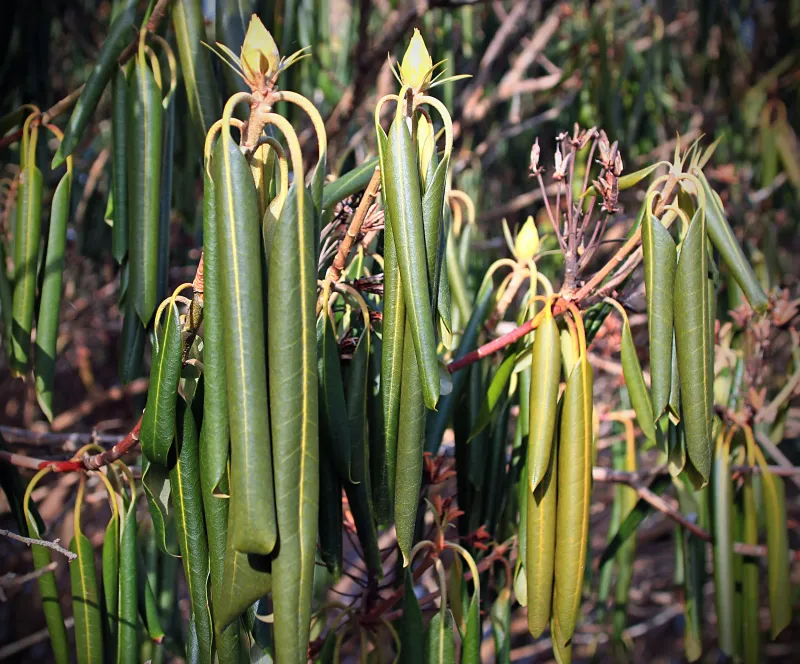
Most trees take the easy road in winter. Maples and oaks drop their leaves and rest, but rhododendrons hang onto their big, leathery foliage through snow, sleet, and icy wind.
That evergreen look comes with a price. The leaves keep releasing water vapor through tiny pores, a process called transpiration. Winter sun and dry wind speed it up, so the shrub can lose a surprising amount of moisture on a bright January afternoon.
Now add frozen soil to the picture. Rhododendrons have shallow, fine roots that sit near the surface, and when that top layer freezes, the roots can’t pull in fresh water to replace what the leaves lose. University extension experts call the result winter desiccation, or winter burn.
I like to compare it to a long car trip with an empty water bottle. The plant keeps working, but its supply runs dry. Leaves turn brown at the tips and edges, and flower buds can be damaged before spring arrives.
Cold alone is rarely the main culprit for hardy varieties. Thirst is. Once you understand that, the most useful fall task becomes clear, and it is happily one of the simplest jobs in the garden.
Give Your Rhododendron a Deep Soak Before the Ground Freezes
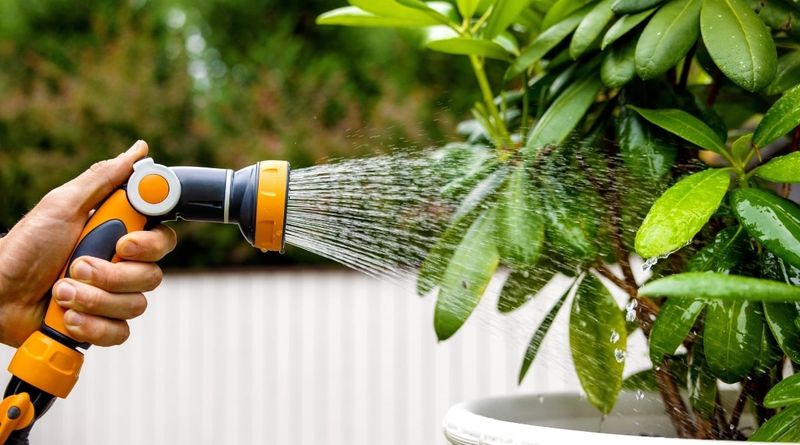
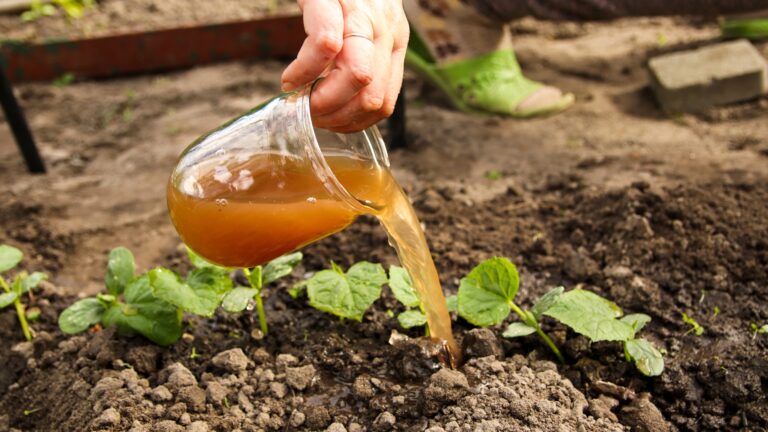
Grab the hose, friends, because this is the big one. Deep watering in fall helps your rhododendron head into winter with moist soil and well-hydrated tissues.
Extension services, including Purdue and the University of New Hampshire, recommend keeping evergreens watered through autumn, especially during a dry spell. Keep going until the soil starts to freeze or daytime temperatures stay below about 40°F.
Slow and deep beats quick and shallow every time. A soaker hose or a gently trickling hose at the base works well. Aim to moisten the soil several inches down, since a light sprinkle mostly wets the surface and evaporates.
How often? A good rule is about one inch of water per week, counting rainfall. Poke a finger or trowel into the soil a few inches deep. If it feels dry, it’s time for another drink.
Guilty as charged, I used to roll up my hoses in September. Now they stay out until late fall, and my shrubs look far happier in spring.
One caution matters here. Well-drained soil is key, because rhododendron roots dislike sitting in soggy mud. You want moist, not waterlogged.
A Mulch Blanket of Pine Needles Keeps Rhododendron Roots Cozy
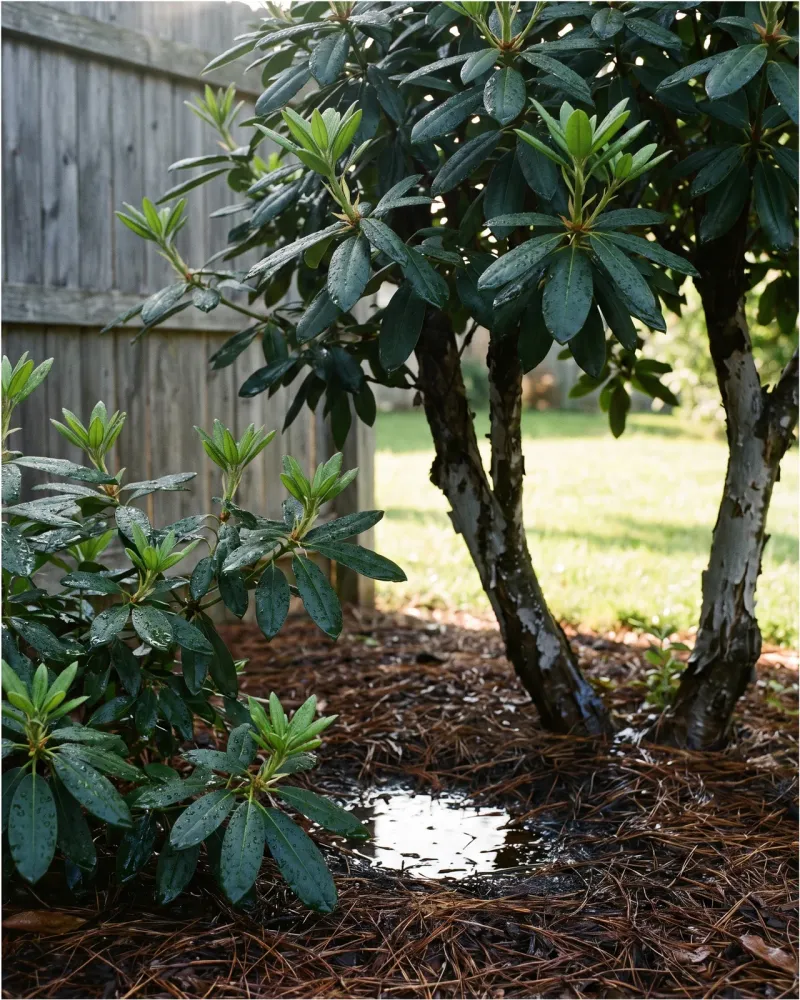
Mulch is watering’s best sidekick. After you soak the soil, a good layer of organic mulch helps hold that moisture right where the roots need it.
Spread 2 to 4 inches of pine needles, shredded oak leaves, pine bark, or wood chips over the root zone. Rhododendrons love these slightly acidic materials, and they break down slowly over time.
Beyond moisture, mulch acts like insulation. It softens the wild swings between freezing nights and sunny afternoons. Those freeze and thaw cycles can heave shallow roots and stress the whole plant.
Timing is a little sneaky. Many experts suggest adding the mulch in late fall, after the soil has cooled but before it freezes hard. Spreading it too early on warm soil can slow the natural hardening process.
Fun fact for leaf rakers. Those oak leaves piled in your yard make fantastic rhododendron mulch, especially once they are shredded with a mower so they don’t mat down.
Keep the mulch a few inches away from the main stems. Piling it against the bark invites rot, rodents, and pests. Think of a donut shape, not a volcano, and your shrub will thank you.
Curled Rhododendron Leaves and Brown Edges Tell Different Stories
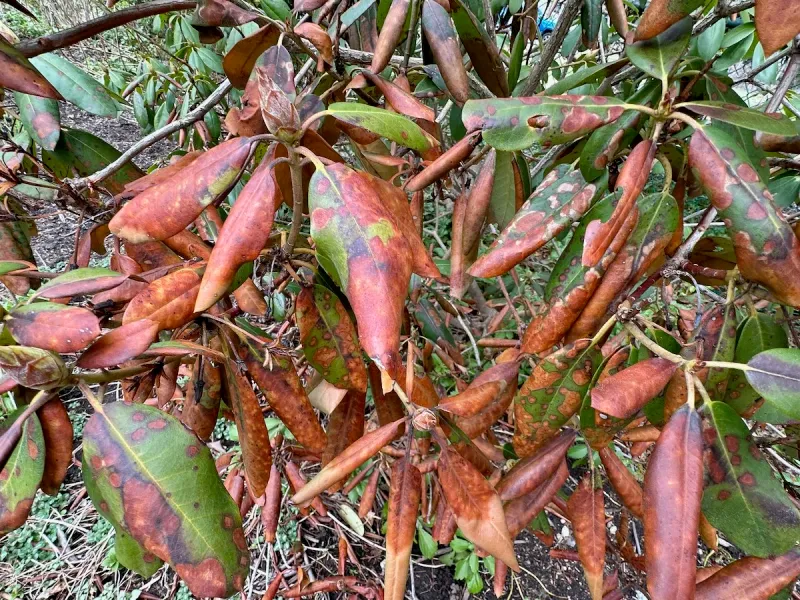
My knees have opinions about crouching in the snow, but I still check my rhododendrons on cold mornings. The leaves are like a built-in weather report.
On frigid days, the foliage droops and rolls inward, sometimes as tight as a pencil. That’s normal. Researchers believe the curl reduces the exposed surface area and helps protect the leaf from fast thawing and sun damage. Once temperatures climb, the leaves relax and flatten again.
Brown is a different message. Leaves with scorched tips, crispy margins, or brown patches facing the sun or wind are showing winter burn. Damage usually appears on the most exposed side of the shrub first.
You might also notice twig dieback or flower buds that look brown inside when sliced open. Those buds formed last summer, so losing them means fewer blooms in spring.
Don’t rush to prune in March. Wait until new growth starts, then trim back only the stems that clearly fail to leaf out.
Spotting these signs helps you adjust next fall. More water, better mulch, or a little wind shelter often makes a noticeable difference the following year.
Rhododendrons Planted Out of the Afternoon Sun Handle Winter Better
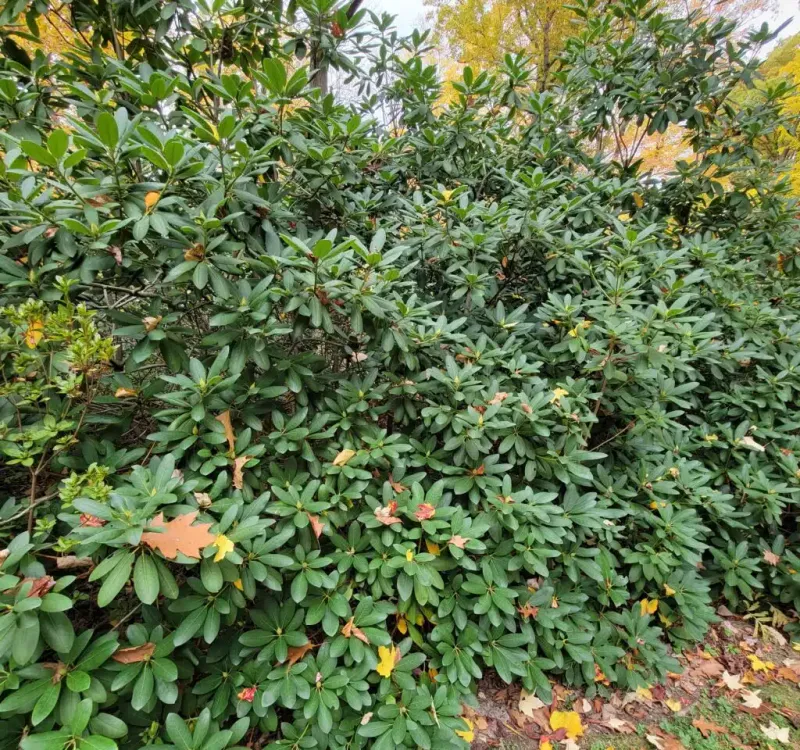
Where a rhododendron grows can matter just as much as how you care for it. A shrub fighting bitter wind and blazing winter sun has a much harder job.
Spots on the north or east side of a house often suit these plants beautifully. They get gentle morning light and avoid harsh afternoon rays that warm leaves quickly on freezing days. That rapid temperature swing adds stress and speeds water loss.
High, open shade from deciduous trees is another favorite. Oaks are a classic partner, filtering summer sun and letting light through in winter without the blistering exposure of an open lawn.
Watch out for corners where wind funnels between buildings. Those breezy alleys can dry out foliage faster than you’d guess.
Call me stubborn, but I moved one struggling shrub three times before it finally settled in. Its new home beside a fence on the east side turned it into a showstopper.
If you’re planting new rhododendrons, fall or spring is a fine time. Pick a sheltered spot with well-drained, acidic soil rich in organic matter, and you’ll set up every future winter for success.
Burlap Windbreaks Give Exposed Rhododendrons Extra Shelter
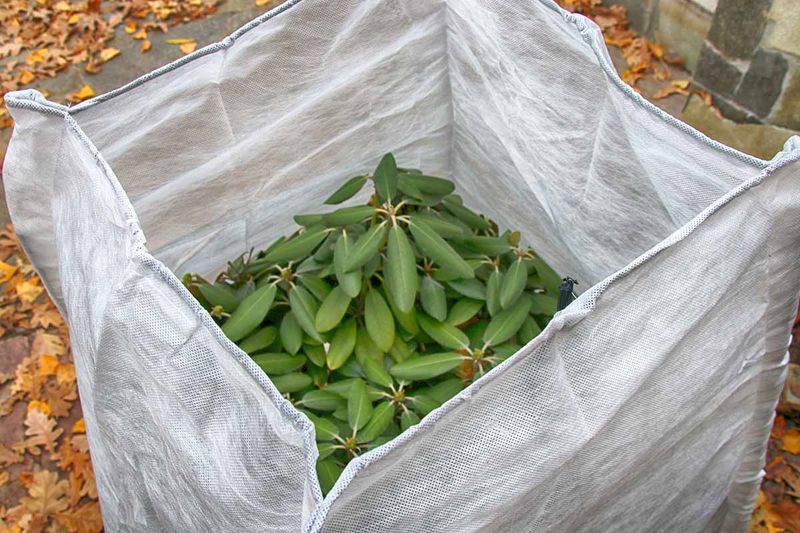
Some rhododendrons live in tough neighborhoods. Young plants, newly planted shrubs, and anything on a windy hilltop might need a little more help.
A burlap windbreak is an old-school favorite. Drive a few stakes on the windy or sunny side and staple burlap between them, leaving space so the fabric doesn’t press against the leaves. Air should still move around the plant.
Skip plastic sheeting. It traps heat on sunny days and can cause more harm than good.
Anti-desiccant sprays are another option. These products leave a thin, waxy film that slows moisture loss from leaves. Apply them in late fall on a calm day when temperatures sit above freezing, usually around 40°F or warmer, and follow the label closely.
Research results on these sprays are mixed, so treat them as a bonus, not a replacement for watering. They only reduce water loss, and a parched plant still lacks moisture.
One more tip worth tucking away. Stop fertilizing by midsummer. Late feeding pushes tender new shoots that rarely toughen up before cold weather, and those soft tips are often the first to brown.
Plump Rhododendron Flower Buds Are Your Fall Payoff
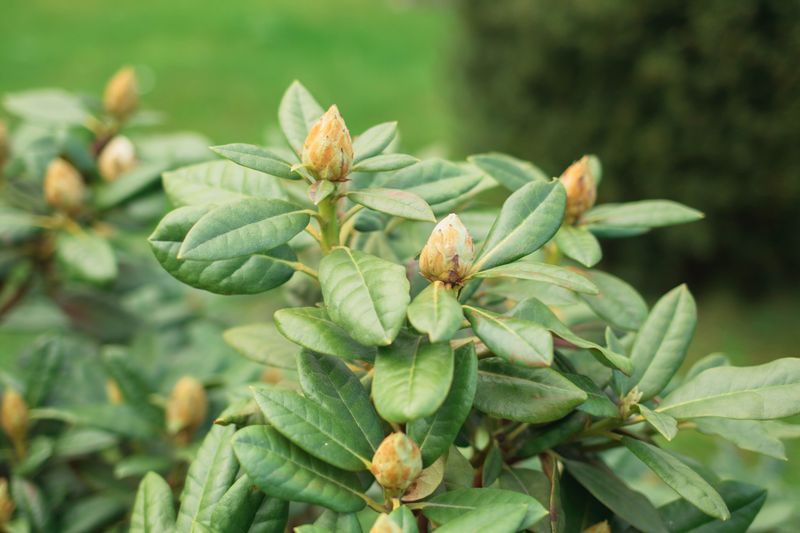
Take a peek at the tips of your rhododendron branches right now. Those fat, pointed buds hold next spring’s flowers, already packed and waiting.
Rhododendrons set their flower buds in summer, months before they bloom. That means every big truss of pink, purple, red, or white you enjoy in spring has to make it through the whole winter first.
Your simple fall routine gives those buds their best shot. Water deeply until the ground freezes, spread mulch once the soil cools, and shield the most exposed plants from wind.
Jot a quick note on your calendar for mid-autumn. A reminder to check soil moisture each week helps, especially during a dry fall when rain seems scarce.
Don’t laugh, but I keep a little garden journal just for my rhododendrons. Comparing notes each spring shows how much those watering sessions pay off.
Even if you see a few brown leaves after a brutal winter, most established shrubs bounce back with good care. Keep up the routine, give them patience, and enjoy the moment those buds burst open into a cloud of color. That bloom is your thank-you note.