How to Handle Common Fall Lawn Weeds in North Carolina
A single henbit plant can quietly root itself in October, sit through the winter, and burst into purple bloom by March. Its seeds can wait in the soil for years before sprouting.
One thing I love about gardening is how the calendar tricks us. Our Bermuda and zoysia lawns slow down as nights cool, and that is exactly when a whole crew of tiny sprouts wakes up. They grow while we rake leaves and assume the yard is resting.
I know how frustrating it can be when a lawn looks fine at Thanksgiving and patchy by spring. Across North Carolina, from the mountains to the coast, the same cool-season trick plays out every year.
The real question is timing. Act a few weeks early, and you skip most of the trouble. Wait until spring, and those little green tufts have already won the race.
1. Those Tiny Fall Sprouts Have a Sneaky Winter Plan
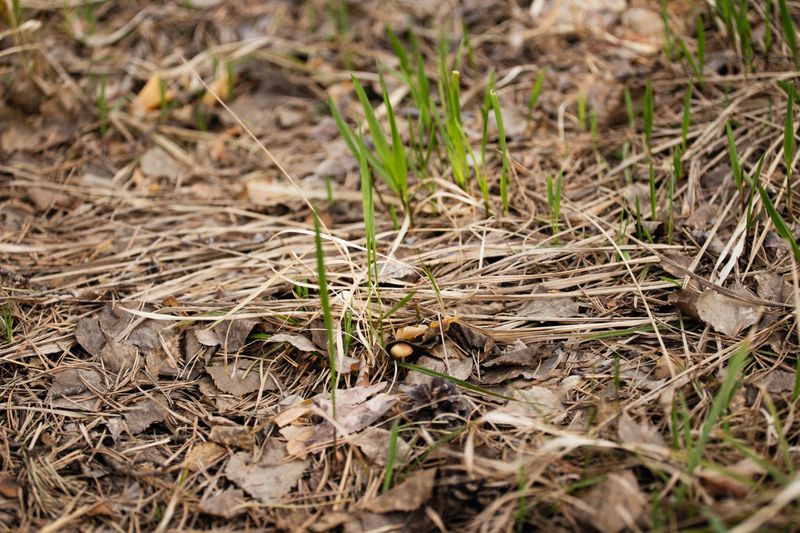
Most lawn weeds you notice in March actually started in fall. They are called winter annuals, and they sprout when soil temperatures drop into the 60s and 50s, usually from September through November here.
Henbit, purple deadnettle, common chickweed, annual bluegrass, and lawn burweed all follow this plan. They stay small and low through the cold months, so they are easy to miss. By late winter they flower, drop seeds, and fade out when summer heat arrives.
That cycle explains a lot of confusion. Many folks spray in April, see the weeds fade, and think the spray did the job. In truth, the weeds were finishing up anyway, and their seeds were already back in the soil.
A few perennial weeds join the party too. Wild garlic pops up in fall from underground bulbs, and dandelions and clover keep growing whenever the weather stays mild.
Knowing which group you have matters. Annuals are best stopped before they sprout or while they are tiny. Perennials need treatment that reaches roots or bulbs.
Spend a few minutes walking your yard in October with a sharp eye, and you will know what you are up against.
2. Pre-Emergent Granules Belong on Your Lawn Before October Arrives
Timing is the secret ingredient with pre-emergent herbicides. These products form a barrier in the top layer of soil that stops weed seeds from growing roots after they sprout.
NC State Extension suggests applying them in late summer to early fall, often late August through September in the Piedmont and coastal areas.
A good cue is when nighttime temperatures start dipping into the 50s and 60s. Mountain lawns usually need the earlier end of that window.
Once a weed is up and green, a pre-emergent does nothing to it. So applying late is like locking the door after the guests are already inside.
Water the product in with about half an inch of water within a few days, unless the label says otherwise. That moves it into the soil where seeds are waiting.
Many products last around two to three months, so a second application in late fall or winter can stretch protection into spring.
Common active ingredients include prodiamine, dithiopyr, and pendimethalin. Read the label to make sure it is safe on your grass type. Centipede and St. Augustine can be touchier than Bermuda or zoysia, so double-check before you spread.
3. Fescue Overseeding and Weed Barriers Don’t Mix
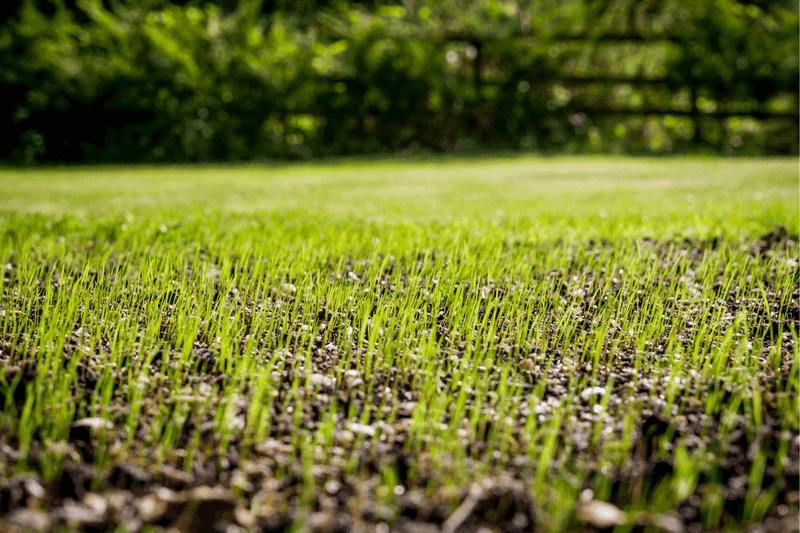
Tall fescue is the most popular lawn grass in the Piedmont and mountains, and fall is its prime seeding season. That creates a real puzzle, because most pre-emergents block grass seed just like they block weed seed.
If you plan to overseed fescue between early September and mid-October, skip the standard pre-emergent. Otherwise your new grass may struggle to get started.
There is one helpful exception. Siduron-based products can be used at seeding time to limit some grassy weeds without harming new fescue, though they do little against broadleaf weeds. Another smart route is to let thick turf do the work.
A well-seeded fescue lawn fills in fast and shades out many weed seedlings before they settle in. Seed at the recommended rate, keep the soil moist while seeds germinate, and mow once the grass reaches about four inches.
Hold off on broadleaf weed sprays until new fescue has been mowed two or three times. Young grass can be injured by herbicides that mature turf handles just fine.
Patience pays here. One season of new grass and a few hand-pulled weeds sets up a stronger lawn for years.
4. Broadleaf Weeds Like Dandelion Pull Fall Sprays Down to the Roots
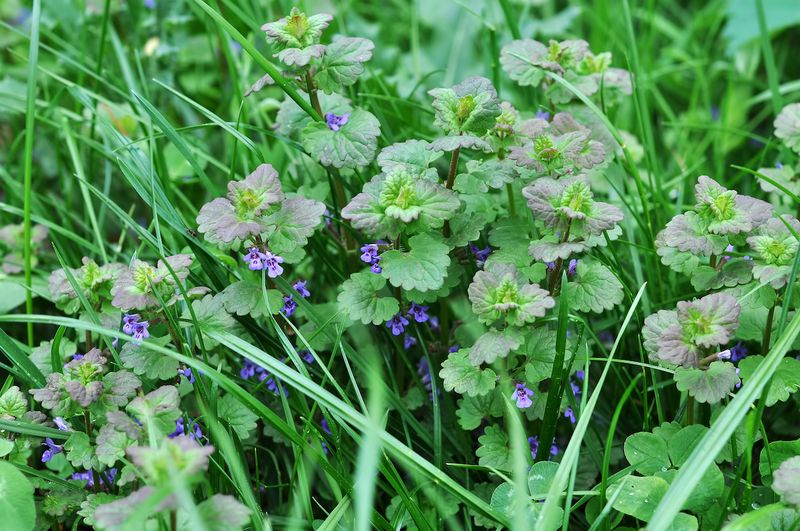
Fall has a hidden advantage for gardeners. As days shorten, perennial weeds like dandelion, clover, and wild violet send sugars down to their roots for winter storage.
A selective broadleaf herbicide applied then rides along with those sugars. That means better root control than a spring spray often delivers. Look for three-way products containing 2,4-D, dicamba, and mecoprop, sometimes called MCPP.
Winter annuals like henbit and chickweed respond best when they are young and small. A spray in November or December usually works far better than one in March, when they are big and flowering.
Temperature matters a lot. Most products work best when the air is above roughly 50 to 55 degrees, and plants are actively growing. On chilly days, the weeds barely absorb anything.
Here are a few handy tips: Spray on a calm day so drift does not reach shrubs or vegetable beds. Avoid mowing for a couple of days before and after spraying. Keep kids and pets off the lawn until it dries.
Spot-treat clumps instead of blanketing the whole yard. You save money, protect your grass, and use less product overall.
5. Annual Bluegrass Clumps Stand Out in Dormant Bermuda
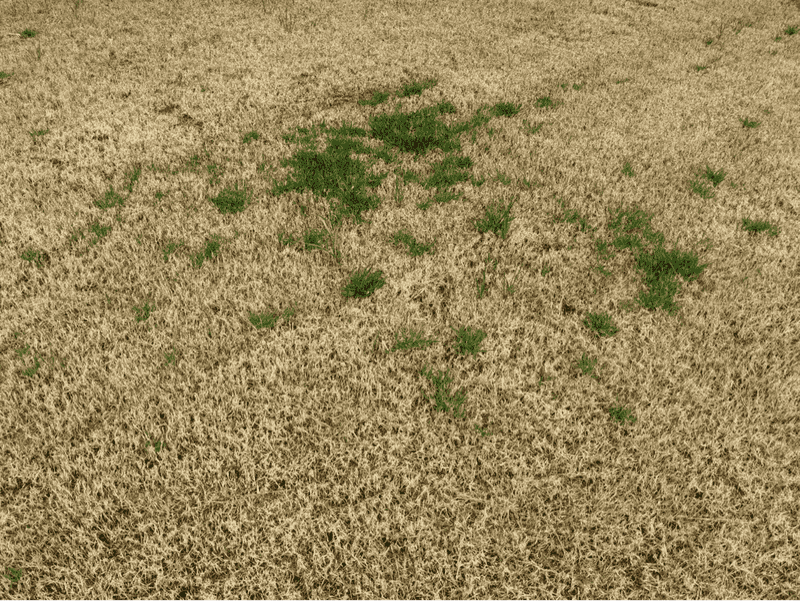
Bright green tufts dotting a tan Bermuda lawn in January are hard to miss. Most of the time, that is annual bluegrass, also called Poa annua.
This grassy weed sprouts in fall and forms clumps with soft, light green blades. By late winter it produces small whitish seedheads, even when mowed short. A single plant can make many seeds, so letting it bloom adds fuel for next year.
Pre-emergents in early fall are your first line of defense. Some populations of Poa annua have developed resistance to certain herbicides, so rotating active ingredients helps.
For plants already growing in Bermuda or zoysia, NC State lists post-emergent options such as foramsulfuron and trifloxysulfuron. Brand names include Revolver and Monument. These are for warm-season lawns only and can harm fescue.
In fully dormant Bermuda, a careful glyphosate application can also control it. The grass must be fully brown, with no green showing, or you risk injury.
Fescue lawn owners have fewer choices. Good mowing height, healthy turf, and pre-emergent timing do most of the work. Pull scattered clumps by hand while the soil is soft after rain.
6. Wild Garlic Shoots Need a Little Extra Stubbornness
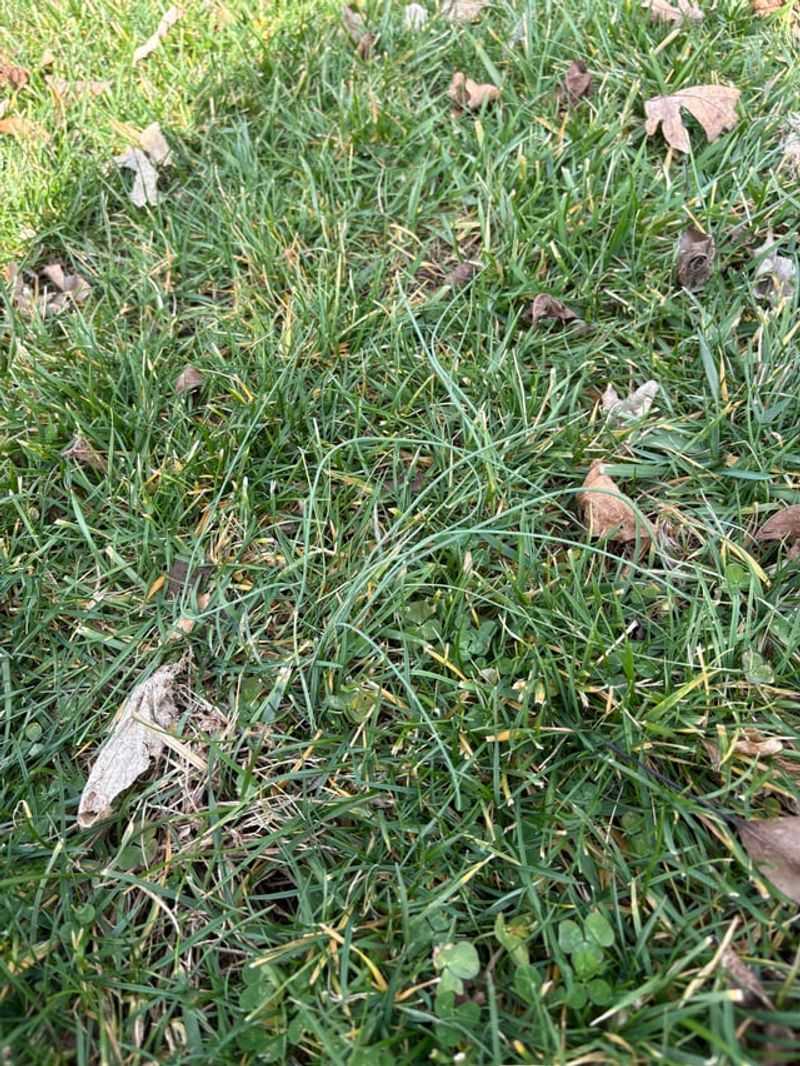
Mow the lawn on a cool fall afternoon and you might catch a strong onion scent. That smell usually comes from wild garlic, one of the trickiest weeds around.
It grows from underground bulbs and sends up thin, hollow, round leaves that stand taller than your grass. Wild onion looks similar but has flat, solid leaves. Both pop up in fall and winter.
The waxy coating on the leaves makes herbicides slide off. Mowing first and spraying a few days later helps, since cut leaves absorb products more easily. Adding a surfactant, if your label allows it, can also improve results.
Products with 2,4-D, dicamba, or metsulfuron give good control in many lawns. Read labels carefully, because metsulfuron is not safe for every grass type.
Expect several rounds of treatment. Bulbs can stay dormant for years, so new shoots may keep coming back.
Digging is another option for small patches. Use a trowel after rain and lift the whole bulb cluster. Pulling by the leaves often snaps them off and leaves the bulb behind. Stay steady with treatments for two or three seasons. Most yards see a big drop.
7. Lawn Burweed Is Easiest to Stop Long Before Those Spiny Burs Show Up
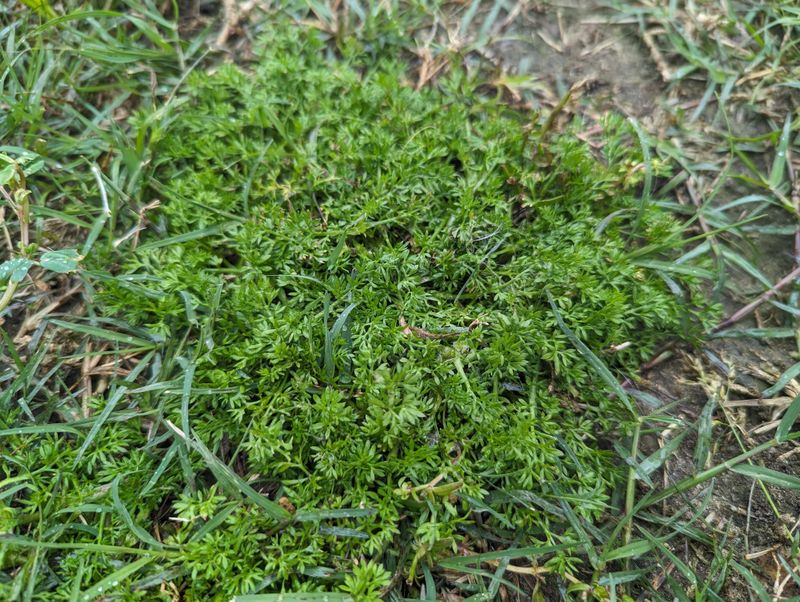
Anyone who has stepped barefoot on lawn burweed in May remembers the moment. Also called spurweed, it forms sharp, spiny burs that poke feet and cling to pet fur.
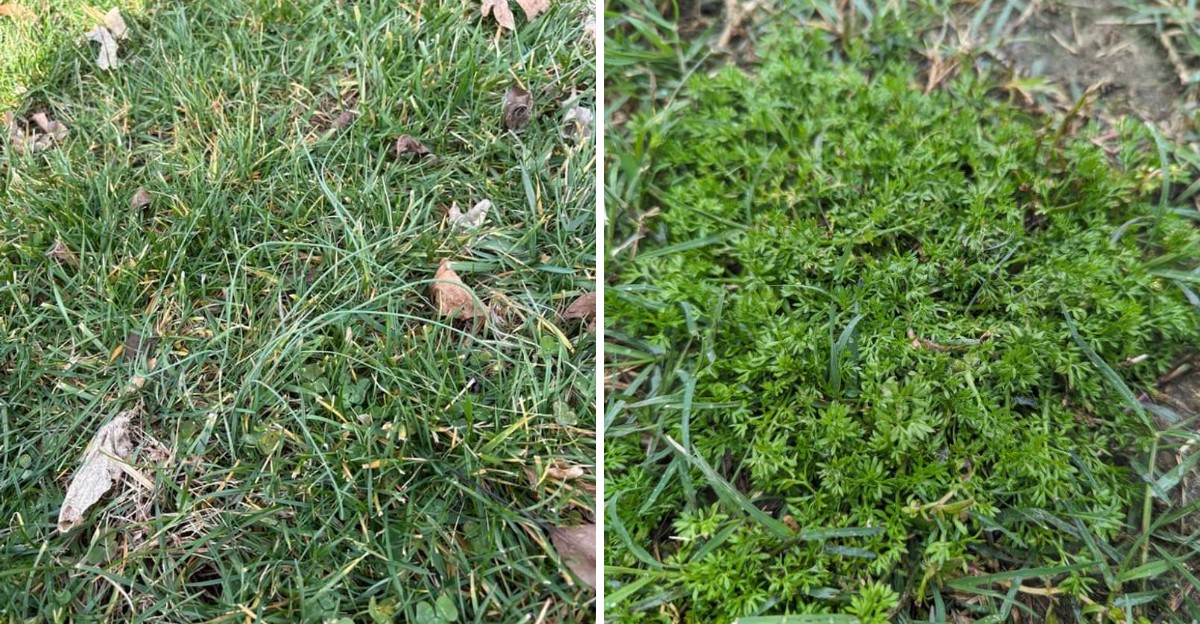
Few people realize it starts in fall. The seedlings come up in October and November with small, finely divided leaves that look a bit like parsley. They are tiny and soft through winter, so they slip by unnoticed.
That window is your best shot. Once the burs form in spring, the plant has done its job, and the seeds are ready for next year.
Burweed is especially common in the Coastal Plain and eastern Piedmont, often in thin centipede and St. Augustine lawns. Weak, sparse turf gives it plenty of room.
Treat young plants in late fall or winter on mild days with a broadleaf product labeled for your grass. Atrazine is an option for centipede and St. Augustine during dormancy, and it also helps with several other winter weeds.
Fall pre-emergents labeled for burweed help prevent new sprouts too. Pair those steps with better turf density, and you can enjoy summer barefoot walks again without wincing.
8. Thick, Well-Mowed Grass Is Your Best Long-Term Weed Fighter
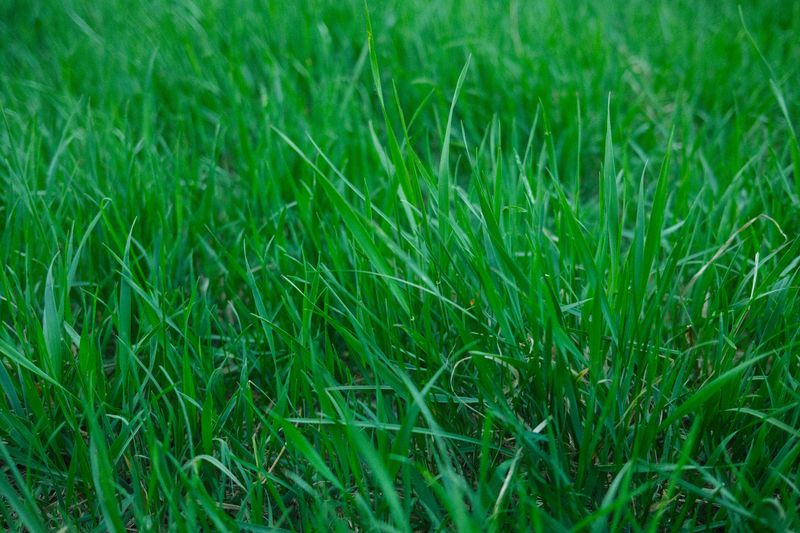
Weeds are opportunists. They move into bare spots, thin patches, and stressed areas where grass cannot fight back.
So the strongest weed plan is a dense lawn. Mowing height plays a big role. NC State recommends about 3 to 3.5 inches for tall fescue, 1 to 1.5 inches for centipede, and 2.5 to 3 inches for St. Augustine.
Bermuda and zoysia generally do well around 1 to 2 inches, depending on the variety. Fertilize at the right season for your grass.
Fescue benefits most from feeding in fall, while warm-season grasses should not get nitrogen late in the year. Feeding Bermuda or centipede in fall often helps winter weeds more than the lawn.
A soil test through the North Carolina Department of Agriculture is free most of the year and shows exactly what your soil needs. Low pH or poor nutrients can thin grass and invite weeds like clover.
Fix drainage, compacted spots, and heavy shade where possible. Chickweed loves damp, shady corners.
Write down which weeds showed up and when. Next fall, you will know exactly when to act, and your lawn will thank you.