Why North Carolina Turnips Turn Tough And Woody Instead Of Tender
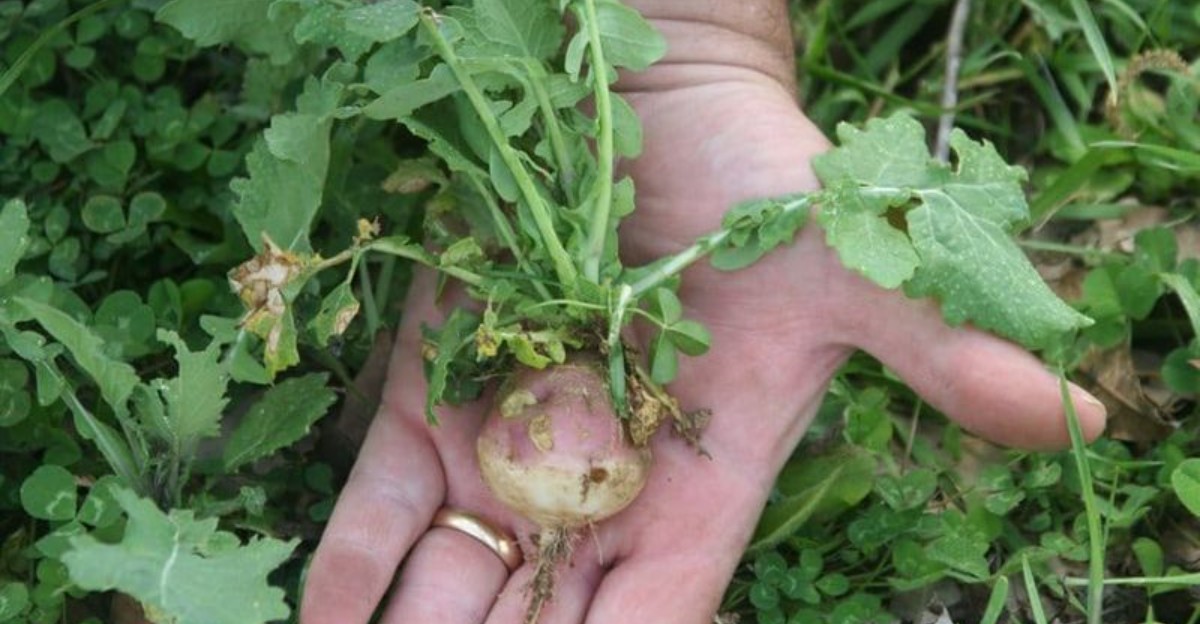
Turnips that turn tough and woody are a common disappointment in North Carolina gardens, and the cause usually traces back to timing rather than variety.
Turnips left in the ground too long past their ideal harvest window develop thicker, more fibrous tissue as the root matures further than intended.
Inconsistent watering can accelerate this same toughening process, since stressed plants often produce denser, less tender roots as a defense response.
Harvesting turnips at the right size, rather than letting them grow as large as possible, helps avoid this woody texture altogether.
Understanding this timing issue helps gardeners enjoy the tender, mild turnips they were expecting instead of a tough, disappointing harvest.
1. They Stayed In The Ground Too Long
Waiting for a bigger harvest feels smart, but with turnips it usually backfires. Leaving roots in the garden past their prime is the number one reason they turn tough. Bigger is not better here.
As a turnip root grows larger and older, it builds up more fiber inside. The flesh slowly shifts from crisp and juicy to woody and stringy. The flavor also gets stronger and sharper, which is why old turnips can taste bitter or harsh.
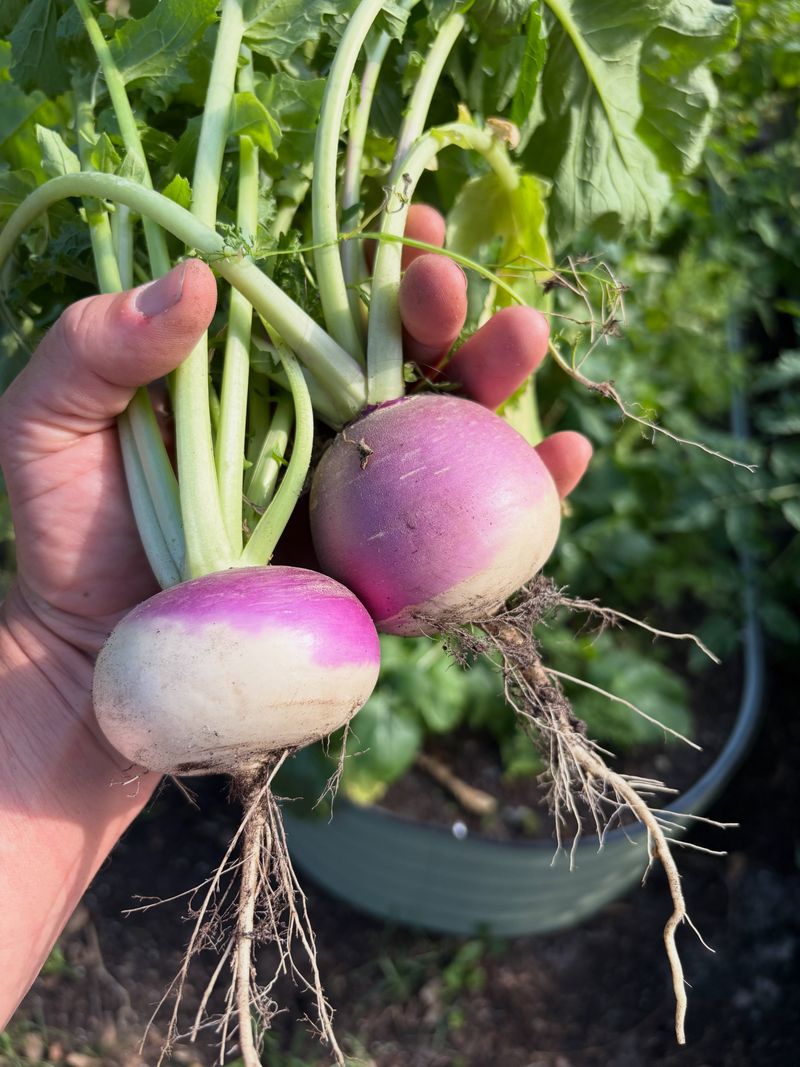
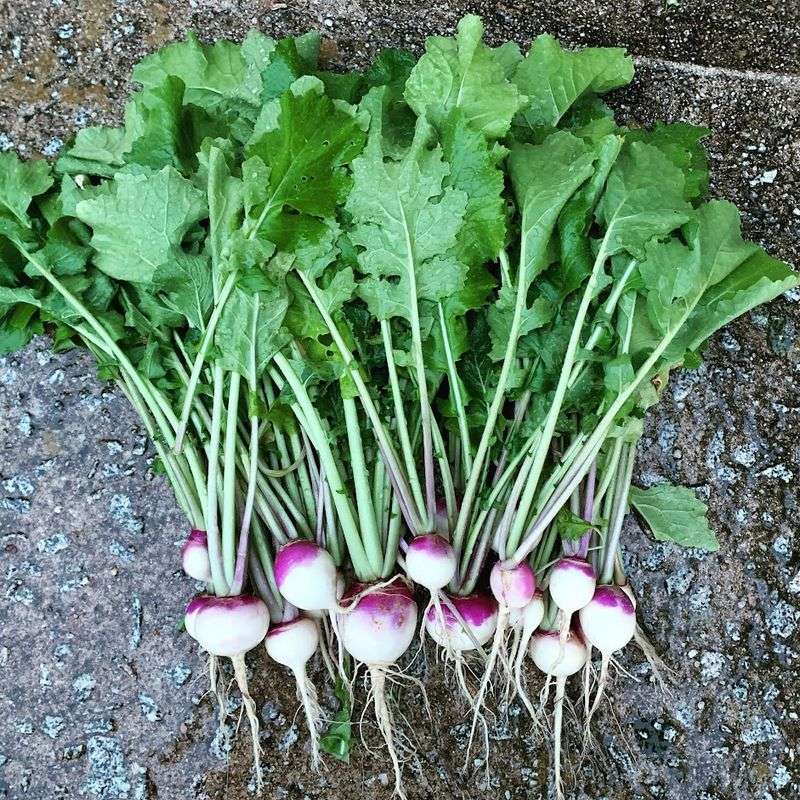
So when should you pull them? Standard turnips like Purple Top White Globe are at their best when the roots measure about 2 to 3 inches across. Small salad turnips like Hakurei taste sweetest at about 1 to 2 inches.
A quick check with a ruler or even your fingers can save a whole crop. Your seed packet is a handy guide, too. Look for the days to maturity and mark that date on your calendar.
About a week before, start pulling a few test roots to see how they look and taste. Here in North Carolina, fall weather makes this mistake extra easy.
Cool days let turnips keep sizing up for weeks, so gardeners often forget about them and wait too long. Before you know it, those tender little globes have turned into heavy, fibrous bowling balls.
A smart trick is to harvest in waves. Pull the largest roots first and let the smaller ones keep growing. That way you enjoy tender turnips over a longer stretch instead of facing a big, tough pile all at once.
2. Hot Weather Hit As Roots Matured
Turnips are cool-weather lovers through and through. They build their sweetest, most tender roots when the air is crisp and the nights are chilly. Heat changes everything.
When warm temperatures show up while roots are still developing, the plant speeds up its aging process. Roots mature too fast and turn tough, woody, and often bitter. Even a well-watered bed can give you disappointing turnips if the timing lands in a hot spell.
Timing your planting is the real secret. For fall crops, sow seeds so the roots will finish growing in cool weather, not in the steamy tail end of summer.
Count backward from your average first frost using the days to maturity on the packet, and plan for harvest during those pleasant fall weeks.
Your North Carolina Garden Changes Every Week. Your Plan Should Too.
Gardening in North Carolina changes quickly throughout the season. Every Friday you’ll receive a simple weekly plan showing exactly what to plant, prune, fertilize, harvest, and protect so you never miss the right timing.
Spring planting needs the same kind of thinking. Get seeds in the ground early, often as soon as the soil can be worked in late winter. That gives roots a chance to size up before the heat arrives.
North Carolina makes this a bit tricky. Spring can feel mild one week and then jump straight into summer the next, especially in the Piedmont and Coastal Plain.
On the flip side, seeds sown in late summer can mature during those warm early fall spells that hang around into October. Many local gardeners find that fall turnips are easier to get right than spring ones.
If your spring crops keep turning woody, try shifting most of your planting to late summer and early fall. Cooler finishing weather often makes a huge difference in texture and taste.
3. Dry Soil Slowed Their Growth
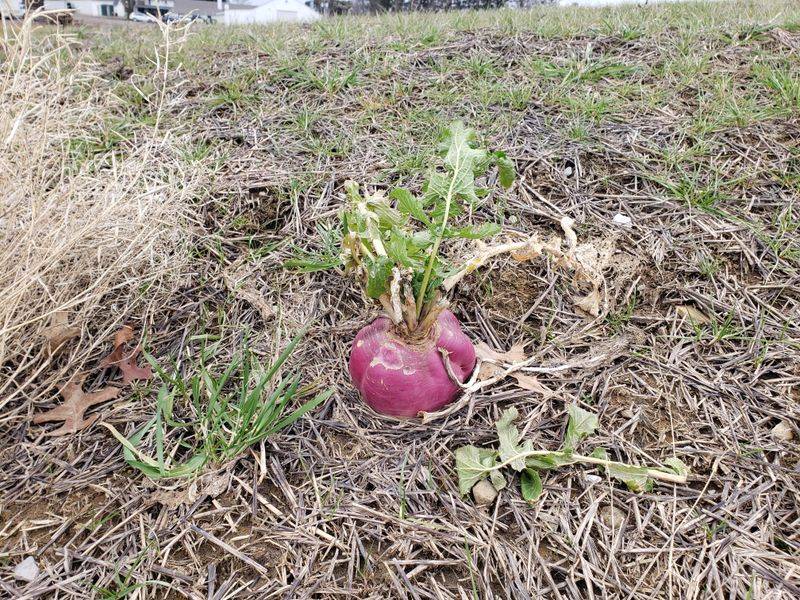
Thirsty turnips are tough turnips. These roots need steady moisture to grow quickly, and quick growth is what keeps them tender. When the water runs short, the whole plant slows down.
During dry spells, turnips go into survival mode. Growth stalls, and the roots start building tougher, more fibrous tissue to cope with the stress. The result is a chewy, woody root that never quite reaches the size or sweetness you hoped for.
The fix is simple and doesn’t take much time. Aim for about an inch of water per week, counting both rain and your own watering.
A cheap rain gauge stuck in the garden makes tracking this easy. When rain is scarce, water deeply about once or twice a week.
Deep soakings push moisture down where roots can reach it, while quick sprinkles only wet the surface. Watering early in the morning also helps, since less water is lost to the sun and wind.
Mulch is your best friend here. A layer of straw, shredded leaves, or grass clippings around the plants holds moisture in the soil and keeps it from drying out so fast. It also keeps the soil cooler, which turnips love.
North Carolina falls are often drier than people expect. October in particular tends to bring long stretches of sunny, rain-free days that look lovely but leave garden beds parched.
Keep a close eye on your turnip patch during these weeks, and your roots will stay crisp and juicy instead of turning stringy.
4. Crowded Plants Grew Too Slowly
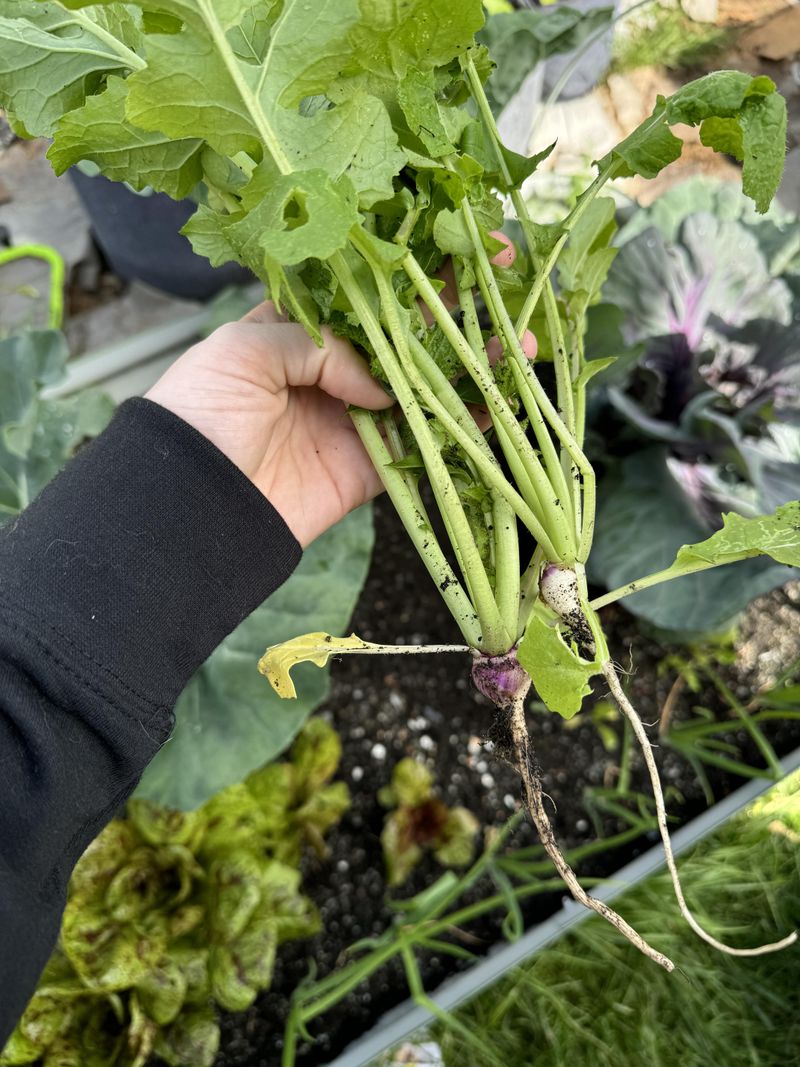
Sprinkling turnip seed by the handful is a time-honored Southern habit. The trouble starts when all those seeds sprout and nobody thins them out. A packed row looks lush, but underground it’s a different story.
Crowded turnips fight each other for water, sunlight, and nutrients. With so much competition, every plant grows slowly.
Slow-growing roots tend to turn woody before they ever reach a nice eating size, so you end up with lots of small, tough turnips instead of a few great ones.
Thinning solves the problem, and it’s easier than it sounds. Once seedlings have a few true leaves, pull extras so the remaining plants sit about 3 to 4 inches apart. Do it early, before roots start to swell and tangle together.
Gently pinch or snip unwanted seedlings at soil level if pulling them disturbs their neighbors. Thinning on a damp day also helps, since moist soil lets roots slide out without much fuss.
Best of all, nothing goes to waste. Those thinnings make wonderfully tender greens. Toss them into a salad, stir them into soup, or sauté them with a little garlic for a quick side dish.
Many North Carolina gardeners grow turnips mainly for greens, so they sow thickly and skip thinning on purpose.
That works fine for a greens patch. If you want roots too, though, try planting separate rows, one thick for greens and one thinned for roots, so you get the best of both.
5. Hard, Compacted Soil Held Roots Back
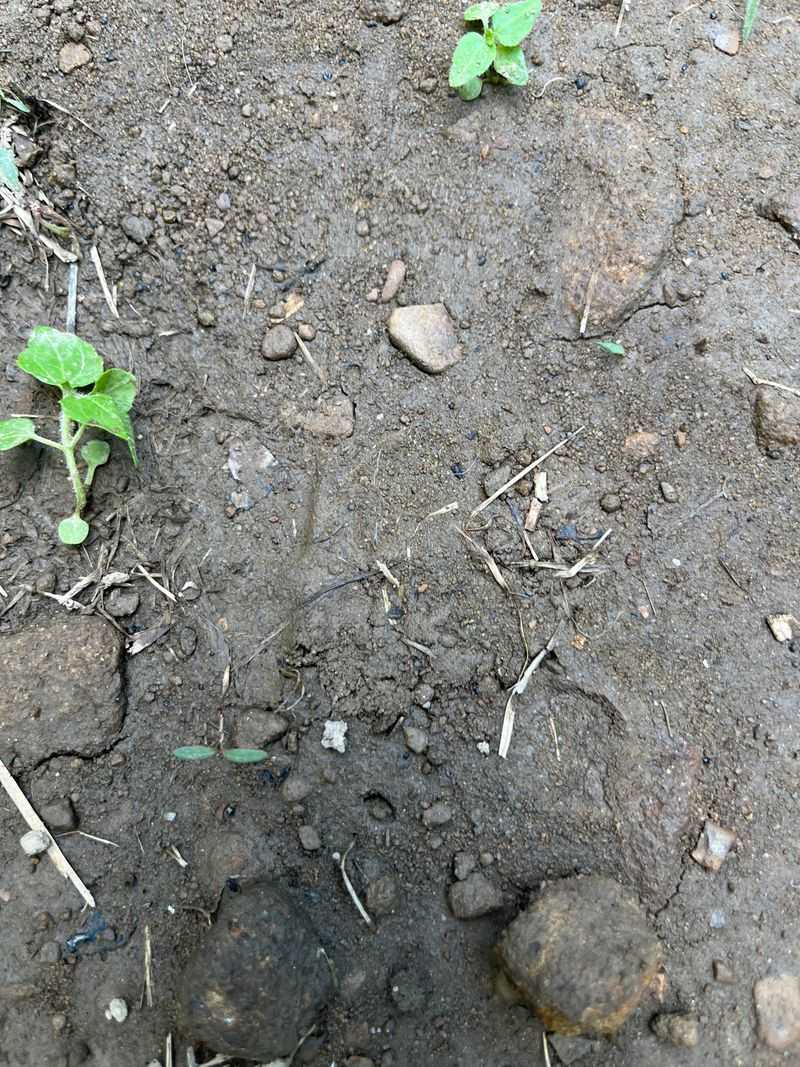
Dig a shovel into a Piedmont garden, and you might hit something closer to brick than dirt. That famous red clay can be tough on root crops, and turnips feel it right away.
Turnips grow best in loose, well-drained soil where roots can swell easily. Compacted or heavy clay soil pushes back against that growth.
Roots struggle to expand, development slows, and you end up with small, lumpy, misshapen turnips that are tough to bite into.
Wet clay brings another problem. It holds water and stays soggy after rain, which can leave roots stressed and stunted. Then in dry weather, the same clay bakes hard and squeezes roots even more.
Before sowing, loosen the soil several inches deep with a garden fork or broadfork. Skip working it when it’s soaking wet, since that only packs it tighter. Wait until a handful crumbles instead of forming a sticky ball.
Compost is the real game changer. Working in a few inches of compost improves soil structure over time, helping clay drain better while still holding enough moisture. Add more each season, and your soil will get softer and darker year after year.
If your clay feels hopeless, raised beds offer a great shortcut. Fill them with a mix of quality topsoil and compost, and your turnips will have loose, crumbly ground from day one.
Plenty of North Carolina gardeners swear by raised beds for carrots, beets, and turnips because the difference in root quality is easy to see and taste.
6. Plants Started To Bolt
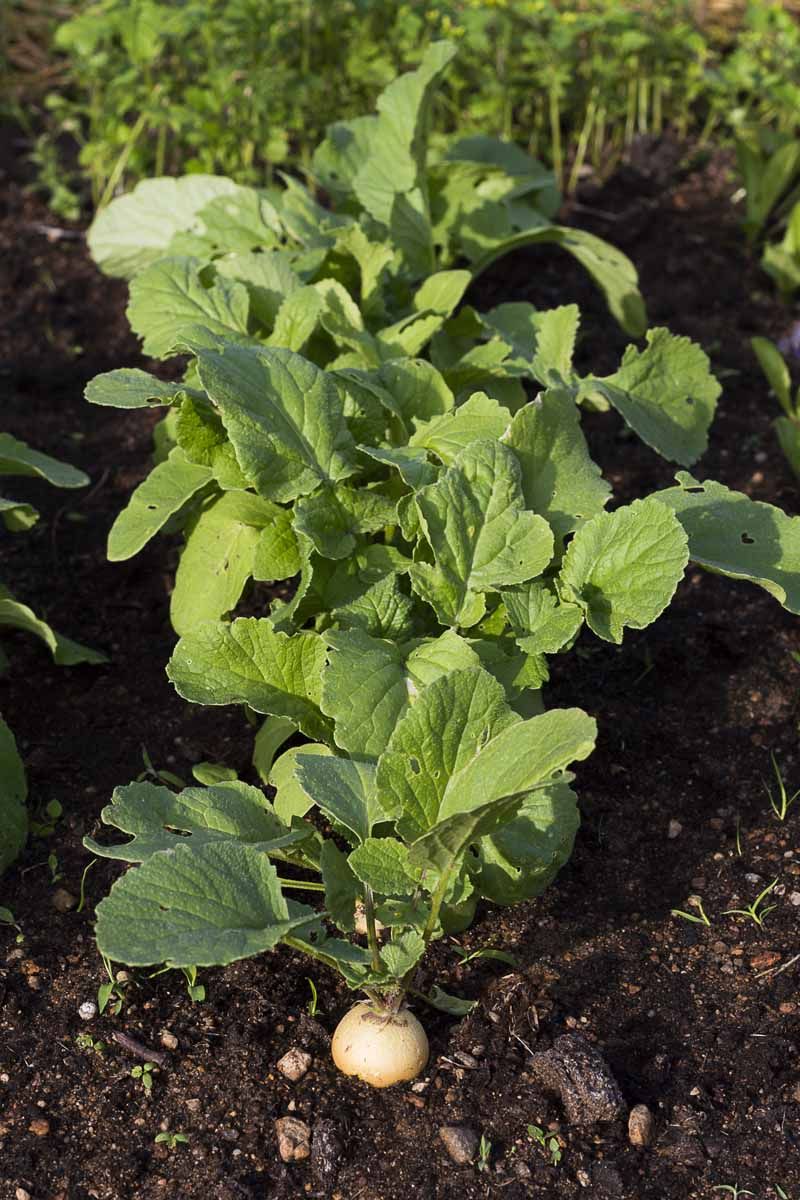
Spot a tall stalk topped with little yellow flowers in your turnip bed? Those cheerful blooms are pretty, but they signal trouble for the roots below. That plant has bolted.
Bolting happens when a turnip switches from growing roots to making seeds. All the energy that once went into building a sweet, juicy root now flows up into flowers. The root pays the price, turning woody, hollow, or pithy and losing much of its sweetness.
Turnips are biennials, which means they naturally want to flower after a period of cold. Warm temperatures and longer spring days push them toward bolting even faster. Once a stalk starts rising, there’s no turning back.
Harvest timing is your best defense. Pull spring turnips before warm weather and lengthening days kick in. For turnips that spent the winter in the garden, harvest them in late winter, before they have a chance to flower.
Walk your garden often in early spring. If you see a plant sending up a stalk, pull it right away and check the root. Sometimes you can still salvage it for cooking if you catch it early.
In much of North Carolina, mild winters let turnips survive outdoors through the cold months. That’s a nice perk, but those same overwintered plants often bolt early once spring sunshine returns.
Plan to clear them out by late February or early March, and you’ll enjoy their best texture before the flowers take over.
7. Low Fertility Slowed Development
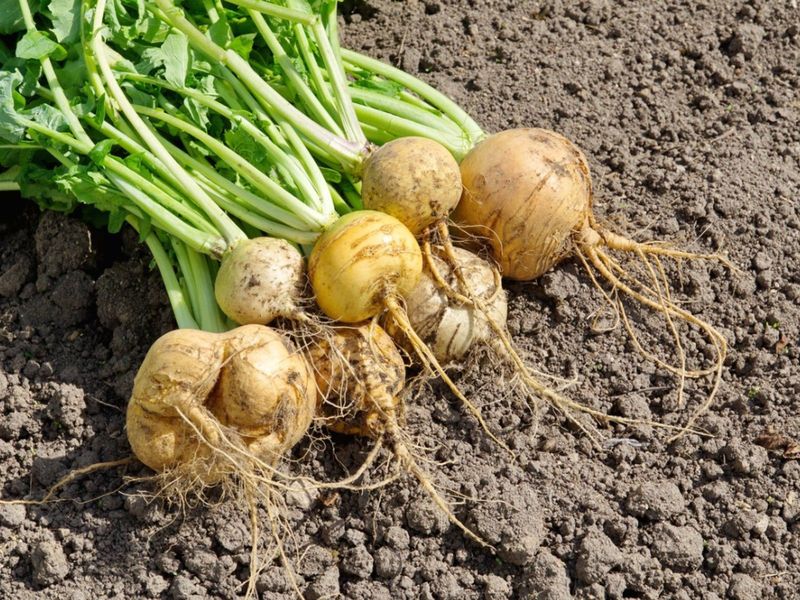
Hungry soil grows hungry plants. Turnips need a steady supply of nutrients to grow fast, and fast growth is the key to a tender root. Poor soil puts the brakes on everything.
When nutrients run low, turnips crawl along at a slow pace. That sluggish growth gives roots more time to build up fiber, so they often turn woody before they ever reach full size. You may notice pale leaves and small roots as warning signs.
The smartest first step costs very little. Have your soil tested before planting so you know exactly what it needs. In North Carolina, the Department of Agriculture offers soil testing, and it’s free for much of the year, with a small fee during the busy season.
Your results will tell you if lime is needed. Turnips like a soil pH around 6.0 to 6.5, and lime helps raise acidic soil into that sweet spot. Apply it ahead of planting, since it takes time to work.
Next, mix in compost along with a balanced fertilizer at the rates your test recommends. Go easy on nitrogen, though. Too much pushes big, leafy tops while the roots stay small and disappointing.
Many North Carolina soils are naturally acidic and low in organic matter, especially in sandy Coastal Plain fields and worn Piedmont clay.
That combination can quietly hold back root crops year after year. A little testing and steady soil care can turn that around and reward you with plump, tender turnips.
8. The Variety Wasn’t Suited To Tender Harvests
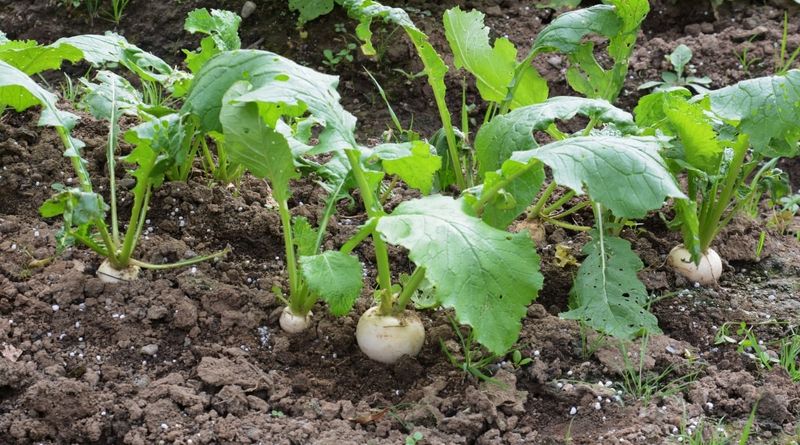
Not every turnip is built the same way. Some are bred to grow big and store well, while others are made to be eaten small, crisp, and even raw. Picking the wrong type for your goals can lead to a tough surprise.
Purple Top White Globe is a classic for good reason. It’s hardy, reliable, and stores nicely through the winter. As it sizes up, though, the root naturally becomes firmer and denser, which is great for stews but not for nibbling raw.
Salad turnips are a whole different treat. Japanese varieties like Hakurei and Tokyo stay smooth, sweet, and tender when harvested small. Many people slice them raw into salads or eat them straight from the garden like an apple.
Even their greens are mild and soft. Choosing the right seed starts with how you plan to cook. Want crunchy roots for salads and snacks? Grab a salad type.
Prefer roasting, mashing, or storing turnips for later? Traditional varieties work wonderfully, as long as you harvest them young.
Growing both is a fun way to compare. Plant a short row of salad turnips beside your favorite storage type, and taste the difference yourself.
North Carolina gardens have a long history of traditional Southern turnips, often grown from seed passed down or sold at local farm stores.
Gardeners sometimes expect those sturdy varieties to taste like delicate salad types. Knowing what each one does best helps you enjoy every turnip at its peak.