7 Ways to Protect Young Trees From Deer Rubbing in Michigan During the Rut
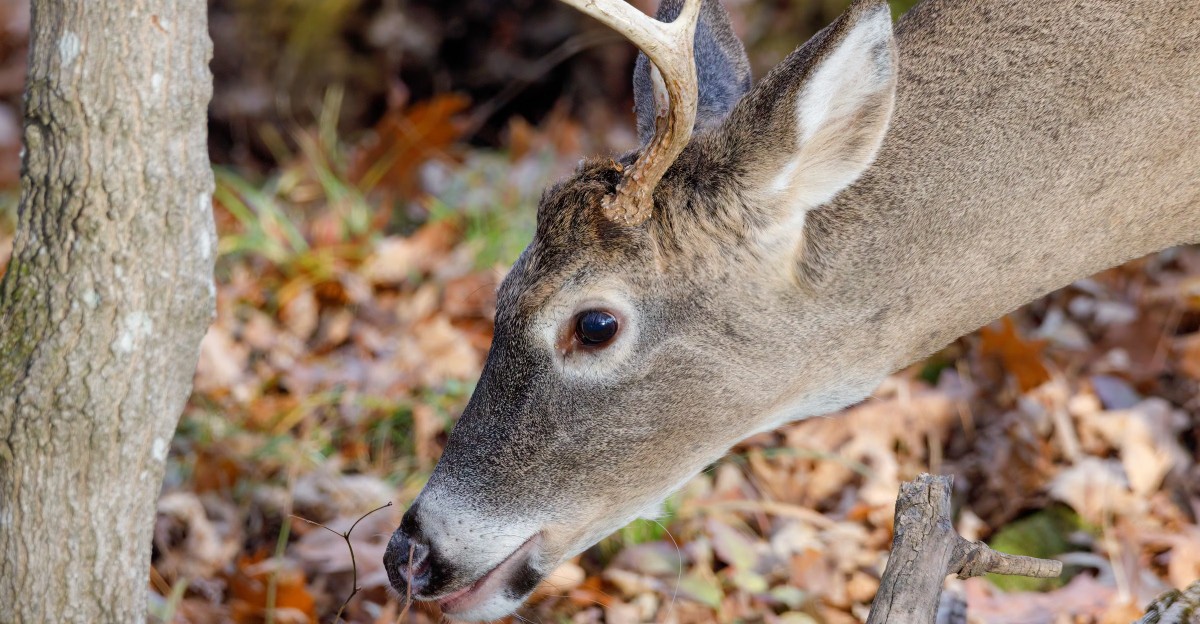
One wild visitor can scar several hundred tree trunks in a single autumn, according to long-running wildlife studies. The damage often shows up overnight, leaving pale stripped wood where smooth bark stood the evening before.
Young trees with skinny trunks seem to attract the most attention, especially those about as thick as a broom handle. Around Michigan, the busiest stretch arrives in early to mid-November, when cooler nights stir up autumn restlessness.
I lost a young serviceberry this way years ago, and I still wince walking past that spot. You may be surprised how quickly one rough night can undo three seasons of careful watering and mulching.
Luckily, Michigan gardeners have plenty of clever, affordable ways to keep those slender trunks safe until spring.
1. Wrap Skinny Trunks With Plastic Tree Guards
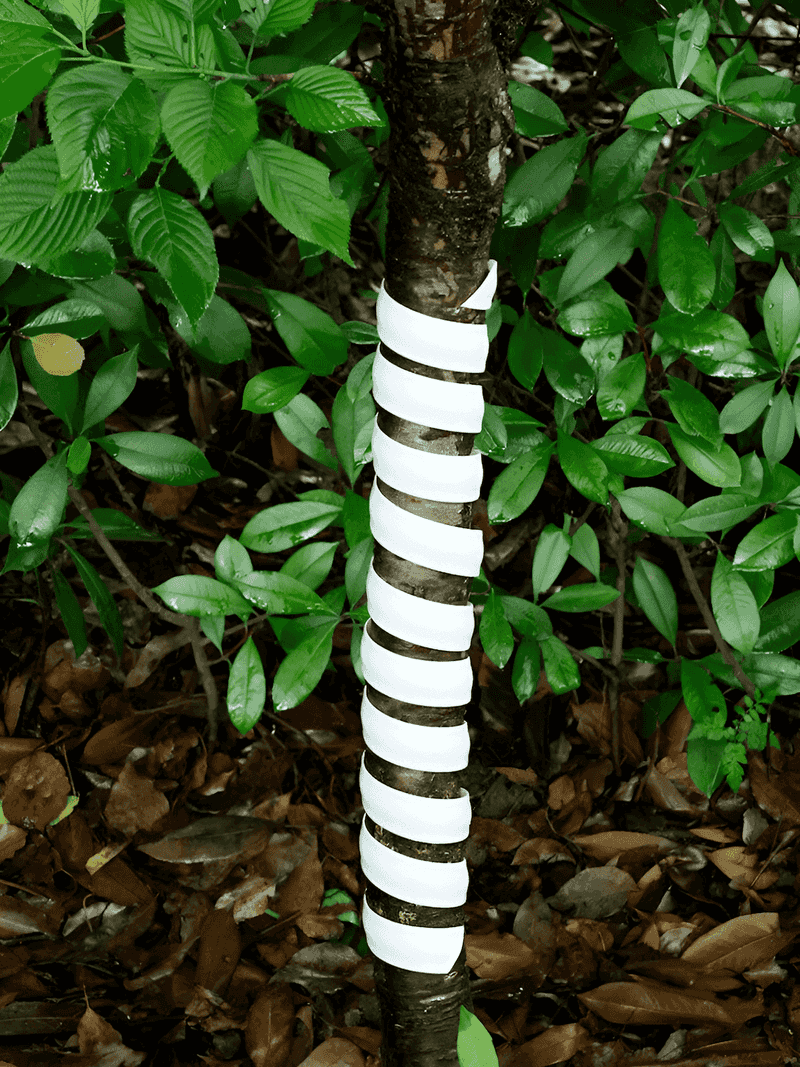
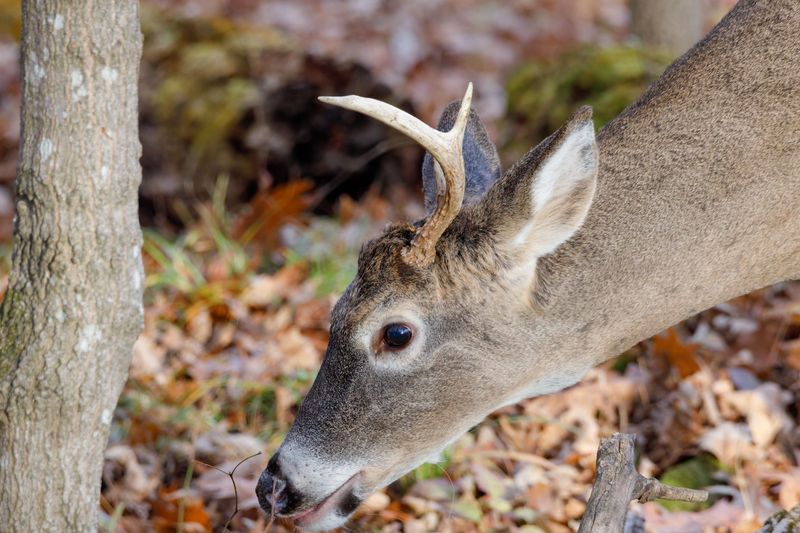
Bucks rub antlers against trunks to leave scent from forehead glands, and thin bark tears like wet paper. A simple spiral of plastic or a slit section of drain pipe takes most of that punishment instead.
In my yard, corrugated drain pipe from the hardware store has become my favorite cheap trunk armor. Cut a piece about four feet long, then slice it lengthwise so it slips easily around the trunk.
Most rubbing happens below about four feet, so that height covers the zone where antlers do their work. Choose white or light-colored guards, since dark plastic can trap extra heat against tender bark on sunny days.
Leave a little gap between guard and bark so air can move and moisture does not collect underneath. Damp, stuffy pockets can invite insects and fungal trouble, which is the opposite of what we want here.
Timing matters more than many folks realize, because guards work best when installed before rubbing season ramps up. If you missed that window, wrapping vulnerable trunks right now still beats leaving them exposed through November.
Spring is the moment to pull them off, since a forgotten wrap can squeeze a growing trunk over time. I set a phone reminder for April so my guards do not quietly turn into a girdling problem.
Guards like these suit trunks up to a few inches thick, which happens to match what bucks prefer. Once bark thickens and the tree outgrows that size, rubbing damage usually becomes far less serious.
2. Surround Saplings With A Sturdy Wire Mesh Cage
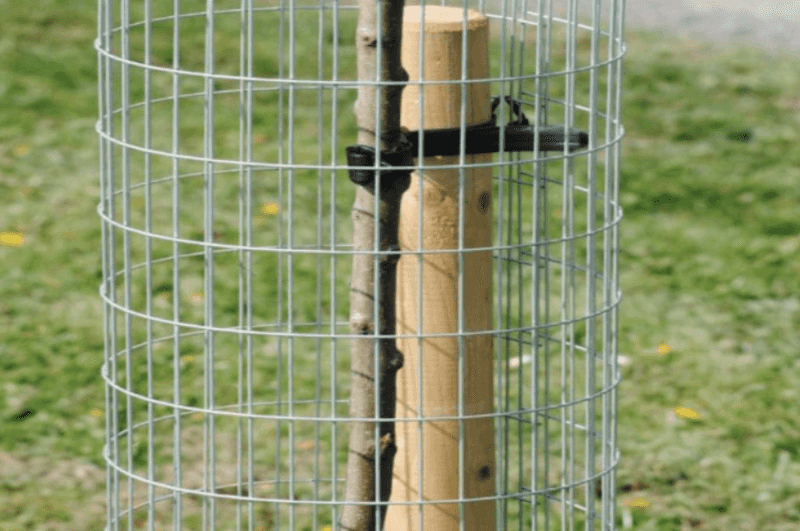
Antlers cannot scrape what they cannot reach, and a wire cage turns that simple idea into real protection. Welded wire or woven fencing wrapped into a cylinder keeps a buck’s head politely away from the bark.
Spacing is the secret that many people overlook when they first build one of these cages. Keep the wire at least a foot away from the trunk, so antler tips cannot poke through the gaps.
A cage around four to five feet tall covers the rubbing zone and blocks plenty of nibbling too. Taller cages help where hungry deer stretch for buds, which happens often during snowy Michigan winters.
Anchor the cage with two or more metal posts, because a determined buck can shove a loose cage aside. I learned that lesson after finding one of mine flattened beside a young oak one frosty morning.
Hardware cloth works for very small seedlings, though its tight mesh can get pricey for larger cages. For bigger saplings, two-by-four welded wire offers a nice balance between strength and cost in my experience.
Check each cage every few months, especially after heavy snow, which can bend wire inward toward tender branches. Widen the circle as the tree grows, so branches and bark do not end up rubbing against metal.
Cages may look a little clunky at first, but they fade into the view surprisingly fast. Honestly, I would much rather admire a caged sapling than mourn a shredded one when spring arrives.
3. Slide Tall Tree Shelters Over Tiny Seedlings
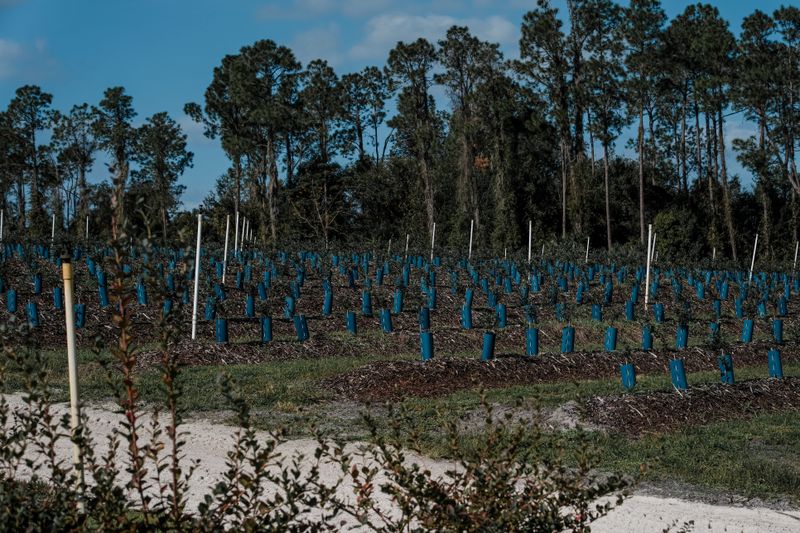
Those tall plastic tubes you see in reforestation plots look odd, yet seedlings inside them often grow remarkably fast. Each tube shields a skinny stem from antlers while also blocking the nibbling that tiny trees attract.
Translucent walls let light through and trap a bit of warmth, creating a cozy little greenhouse around the plant. Research on hardwoods like oak has shown quicker early height growth inside shelters compared with open ground.
Shelters commonly come in heights from about four to five feet, and taller versions exist for heavy deer pressure. I like five-foot tubes for oaks and chestnuts, since those trees seem to draw every curious visitor nearby.
Drive a sturdy stake beside each tube and fasten it with ties, because wind and bucks both push hard. Many tubes include mesh caps or flared rims that keep birds from tumbling inside, which is worth checking.
Peek inside occasionally, since mice sometimes nest at the base and chew bark where you cannot easily see. Pressing the tube bottom slightly into the soil helps keep those little rodents from slipping underneath.
Trees that sprout quickly inside tubes can grow thin and wobbly, since they skip the trunk-building sway of wind. Once the crown sits well above the tube and the trunk thickens, remove the shelter to let it strengthen.
Swap in a wire cage or trunk guard at that stage if bucks still patrol your yard each fall. That simple handoff keeps your young tree covered through the years when it tempts rubbing bucks the most.
4. Ring Each Sapling With Sturdy Wooden Stakes
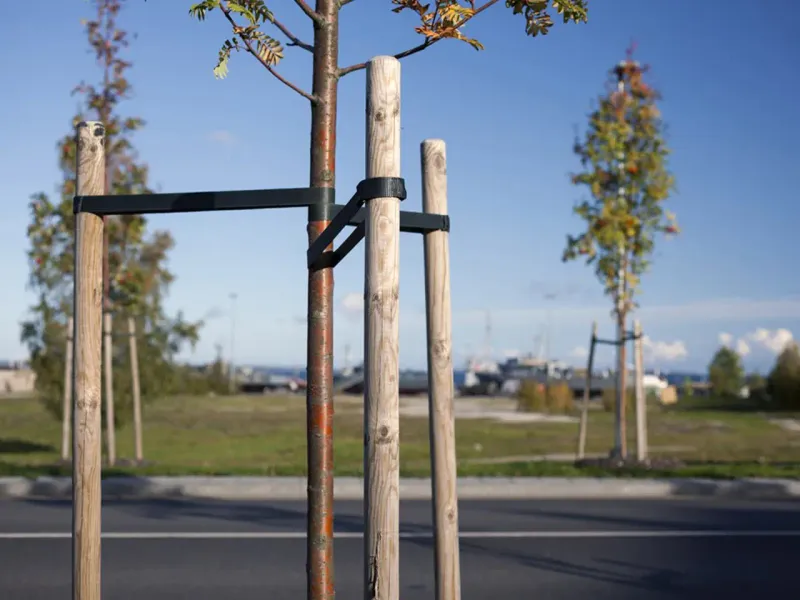
Sometimes the cheapest fix is a handful of sturdy stakes pounded into the ground around a vulnerable trunk. Extension experts often suggest this trick, since nearby posts make it awkward for a buck to swing antlers.
Set three or four stakes in a tight circle, roughly a foot or so away from the bark. Each stake should stand about four to five feet tall, so it rises above the usual rubbing height.
I love how this method uses scraps, since old fence posts and leftover lumber work just fine here. Steel T-posts last longer, though they cost more and need a driver to sink them deeply enough.
Hammer them in before the ground freezes, because November soil in northern areas can turn stubborn fast. A post that wiggles practically invites a pushy buck to lean in and test your weekend handiwork.
Some gardeners string a little wire or flagging tape between the stakes for extra coverage on breezy sites. That added barrier closes gaps that a narrow-beamed young buck might otherwise slip his antlers through.
Stakes look tidier than cages in front yards, which matters if your neighbors notice every change you make. They also let you mow and mulch close to the tree without wrestling a bulky wire cylinder.
Keep in mind that stakes discourage rubbing more than browsing, so pair them with repellents where nibbling is common. Pulling them in spring is optional, though I leave mine until the trunk outgrows antler-tempting size.
5. Build An Eight Foot Deer Fence Around Your Planting Beds
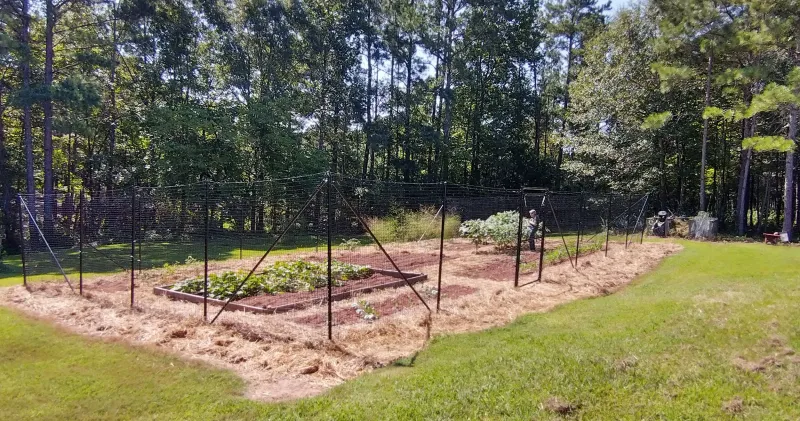
White-tailed deer can clear surprisingly tall obstacles, and a startled one may sail over a six-foot fence. That athletic streak is why experts usually recommend about eight feet for a reliable permanent deer fence.
Fencing a whole yard takes effort, yet it protects every young tree at once instead of one by one. Wildlife specialists often call well-built fencing the most dependable long-term answer when deer pressure runs high.
Woven wire and heavy polypropylene mesh are popular choices, and both hold up well when stretched between solid posts. Plastic mesh blends into the landscape nicely, which I appreciate when a fence lines my backyard garden.
Deer tend to test the bottom edge, so stake the mesh down firmly or bury a few inches. Gaps under a fence are like an open door, and clever deer find them faster than most homeowners do.
Electric polytape offers a cheaper seasonal option, and some extension guides suggest baiting it with peanut butter. A curious nose touches the tape, gets a quick zap, and learns to keep a respectful distance afterward.
Before building, check local zoning rules and any homeowner association guidelines, since some communities limit fence height. Several Michigan cities have specific fence ordinances, so a quick call to your township office saves headaches later.
Gates deserve as much attention as the fence itself, because one propped gate can undo months of work. I keep a spring-loaded latch on mine, and it has spared my apple saplings more than once.
6. Spray Smelly Deer Repellent On Young Tree Bark
Rotten egg sprays smell awful to us, and deer seem to find them just as unpleasant up close. Many commercial repellents use putrescent egg solids, which signal danger to a browsing animal’s sensitive nose.
I should be honest, though, because repellents work far better against nibbling than against determined antler rubbing. A buck marking territory during the rut is driven by hormones, not appetite, so bad taste rarely stops him.
That said, sprays still earn a place as a backup layer alongside physical barriers like guards or cages. Fewer deer lingering near your trees means fewer chances for a passing buck to start scraping bark.
Apply them on a dry day above freezing, since many products need time to dry and stick properly. Late-fall weather here swings wildly, so I watch the forecast for a calm afternoon before spraying anything.
Rain and melting snow wash many formulas away, so reapply according to the label instructions on your bottle. Rotating between scent-based and taste-based products helps prevent deer from getting used to one particular smell.
Spray the trunk from the ground up to about four feet, plus any low buds within easy reach. Read the label carefully on fruit trees, since some products are not approved for use on edible crops.
In my garden, repellents shine most in winter, when hungry deer start eyeing tender twigs and evergreen needles. For rut season, I treat them as helpful seasoning rather than the main course of protection.
7. Help Scarred Tree Trunks Recover After A Buck Rub
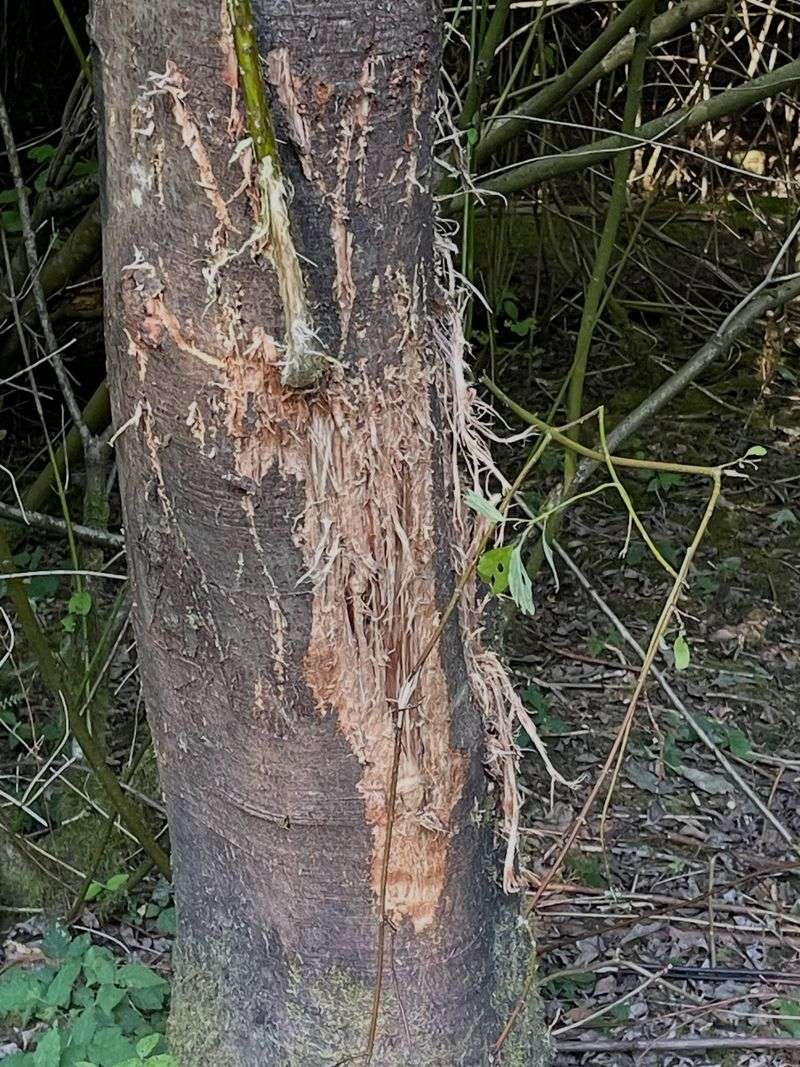
Finding a rub feels like a punch in the gut, with curled bark strips hanging like ribbons from the trunk. Still, plenty of scarred saplings pull through, especially when the damage does not circle the whole stem.
Walk your yard every week or so during the rut, looking for pale scraped wood and shredded bark. Spotting early damage lets you wrap or cage that tree before a returning buck finishes the job.
Bucks often revisit the same rub lines year after year, so a scarred tree hints at future trouble too. I mark those spots in my garden notebook and protect nearby saplings early the following season.
Gently trim away loose, ragged bark with a clean sharp knife, leaving firmly attached bark in place. Smooth edges help the tree form callus tissue, which slowly rolls inward over the wound like a collar.
Skip the wound paint or tar, since university research shows these coatings rarely help and may slow healing. Fresh air and patience usually do more good than any sticky sealant you might find at the garden center.
If bark is stripped around most of the trunk, the tree may struggle and could need replacing next spring. Some young deciduous trees resprout from the base after damage, which can offer a welcome second chance.
Water damaged trees deeply before the ground freezes, since a well-hydrated tree handles winter stress much better. Come spring, a fresh flush of leaves on a scarred sapling feels like a small triumph worth celebrating.