What It Means When You Uncover Toads Buried In Your Michigan Garden Soil
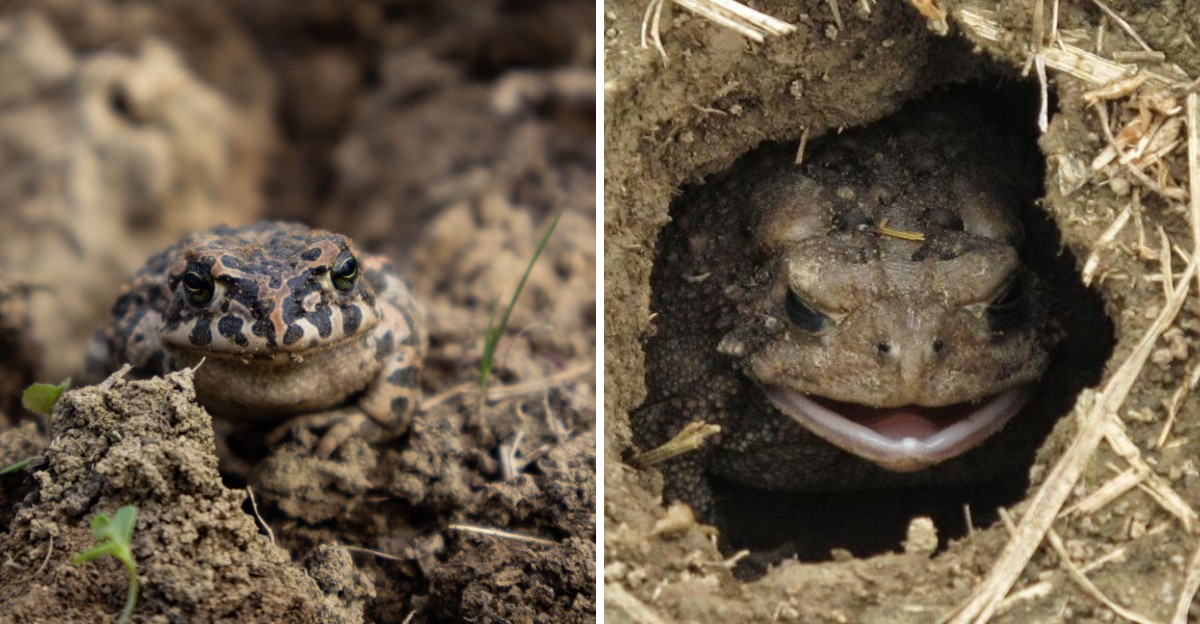
A lump of soil just blinked at me last October. That clump had eyes, a heartbeat, and very strong opinions about being disturbed.
Here’s something worth knowing about that little digger. It shoves backward into the dirt using hard, spade-like bumps on its hind feet, and it can keep sinking lower as the frost works its way down through winter.
It’s a surprisingly tidy disappearing act.
In Michigan, gardeners turn up these hidden sleepers while planting bulbs, edging beds, or loosening cold soil in early spring. I’m constantly surprised by how calm they look, like someone who simply overslept.
What I find fascinating is what the discovery says about your yard. Your soil, your insects, and even your habits with sprays all play a part in why one chose to move in.
So, should you celebrate, rebury it, or worry a little?
1. That Sleepy Lump In Your Garden Bed Is A Burrowing Toad With A Plan
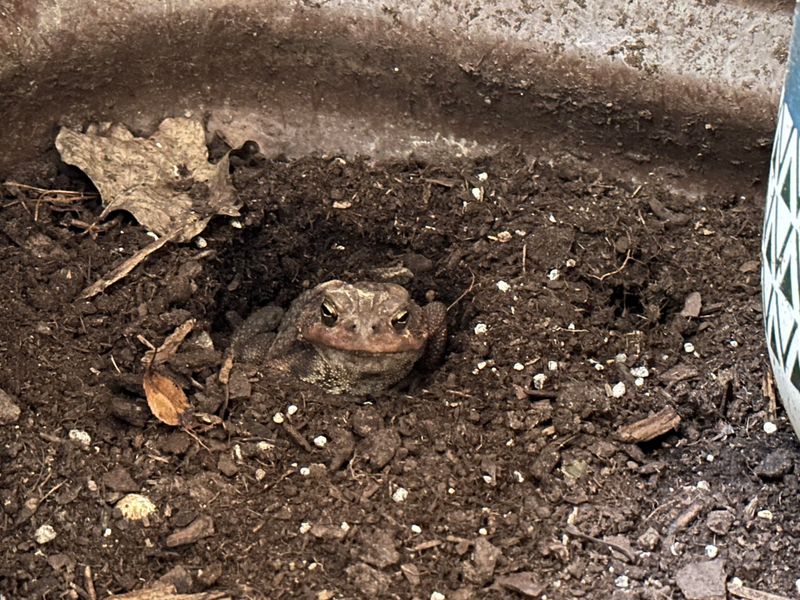
Nine times out of ten, that motionless brown bump in your flower bed is an Eastern American Toad. It’s the most common toad across the state, and it treats loose garden soil like a cozy mattress.
Toads aren’t lost or trapped when you find them underground. They choose to be there on purpose.
Each hind foot carries a hard, dark bump called a tubercle, and toads use it like a tiny shovel to scoot backward into the dirt.
Within a minute or two, a toad can wiggle out of sight, leaving barely a dimple on the surface. Soft, crumbly beds, compost-rich borders, and freshly worked vegetable rows are favorite spots because they’re easy to dig.
So what does finding one really mean? Mostly, it means a toad is resting, hiding, or settling in for the cold months.
Depending on the season, it might be avoiding heat, staying safe from predators, or starting its long winter rest.
In the southern Lower Peninsula and along sandy Lake Michigan shorelines, you could also meet Fowler’s Toad. A quick tip helps tell them apart.
American toads usually have one or two warts in each large dark spot, while Fowler’s toads often have three or more.
2. Gently Tuck The Toad Back Into The Soil Where You Found It
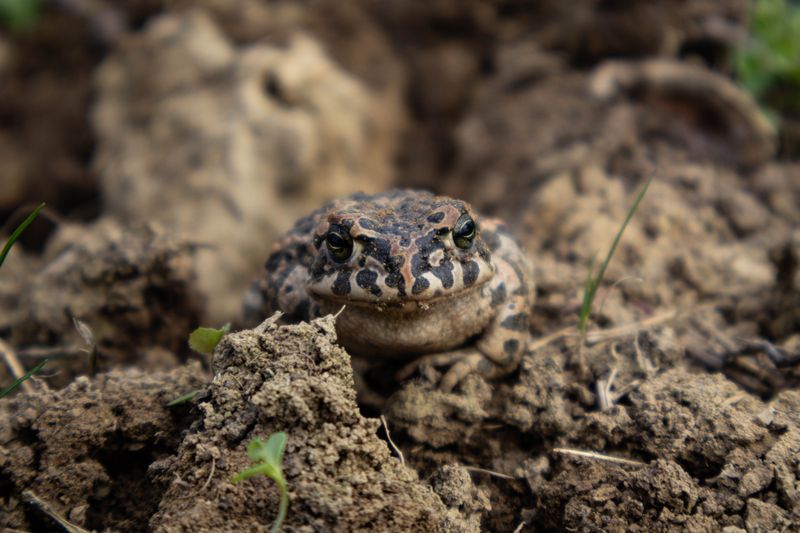
Okay, deep breath. You just scooped up a cold, sleepy toad with your shovel, and it’s blinking at you like you woke it from a nap.
Mostly, the fix is simple.
First, wet your hands or slip on clean gloves. Toad skin absorbs what it touches, so lotion, sunscreen, bug spray, or fertilizer on your fingers can cause real harm.
Next, look at the season. In late fall or winter, a toad you uncover is likely in its cold-weather rest.
Dig a hole close to the same spot, at least as deep as where you found it, and set the toad inside. Cover it loosely with soil and add a blanket of leaves on top.
Moving it indoors sounds kind, but it can backfire. A warm house wakes the toad up when it has nothing to eat and nowhere to go.
In spring or summer, things are easier. Place the toad in a shady, damp corner under a plant, a board, or leaf litter, and it will burrow on its own.
Finally, mark the area with a stick so you don’t dig there again. Your future self will thank you.
3. American Toads Ride Out Michigan Winters Below The Frost Line
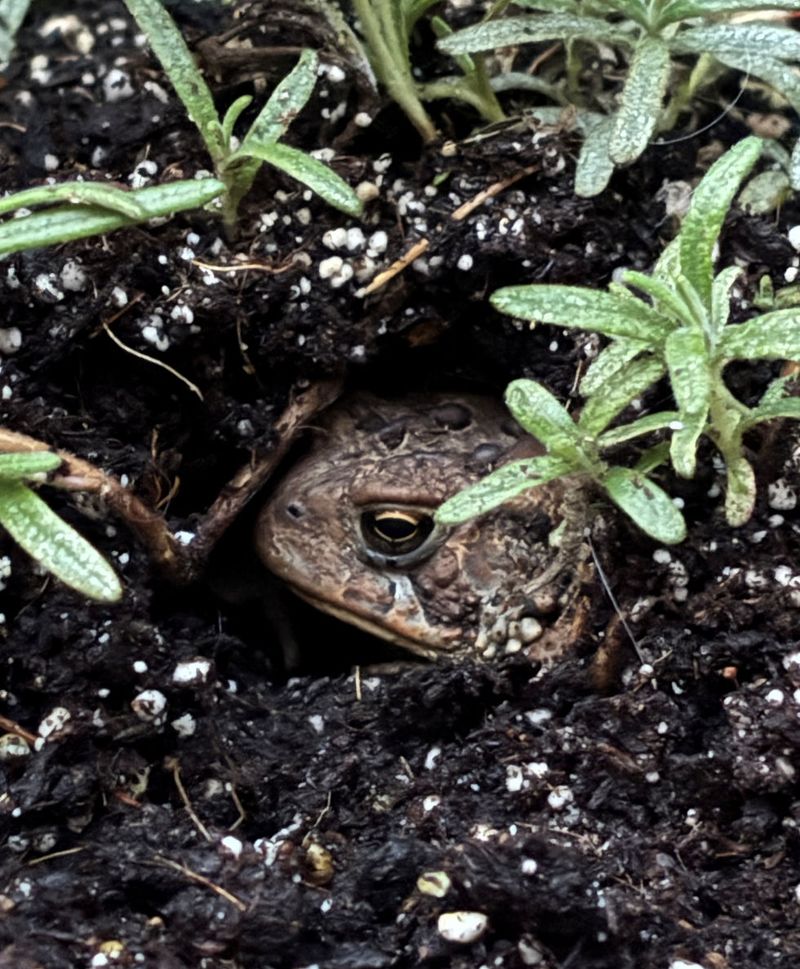
Some frogs can freeze solid and thaw out fine in spring. Toads can’t pull off that trick, so they dig instead.
As fall nights chill in September and October, American toads look for soft soil and burrow down. Scientists call this cold-weather slowdown brumation, the amphibian version of hibernation.
Their heart rate and breathing drop way down, and they live off stored energy until spring.
What amazes me is how they handle the creeping cold. As frost pushes deeper into the ground during a hard winter, toads can keep digging lower to stay ahead of it.
Researchers have found them resting a few feet down in some northern areas.
Timing varies across Michigan. In the Upper Peninsula and northern Lower Peninsula, frost arrives earlier and settles deeper, so toads tend to tuck in sooner.
Down near Detroit or Kalamazoo, they may stay active a little longer into fall.
Most toads won’t reappear until April or May, when soil warms and spring rains arrive. That’s also when you’ll hear males trilling from ponds.
So if you’re planting garlic or tulip bulbs in October, dig with a little extra care. A sleeper might be right beneath your trowel.
4. Summer Toads Dig In To Dodge Heat And Hungry Predators
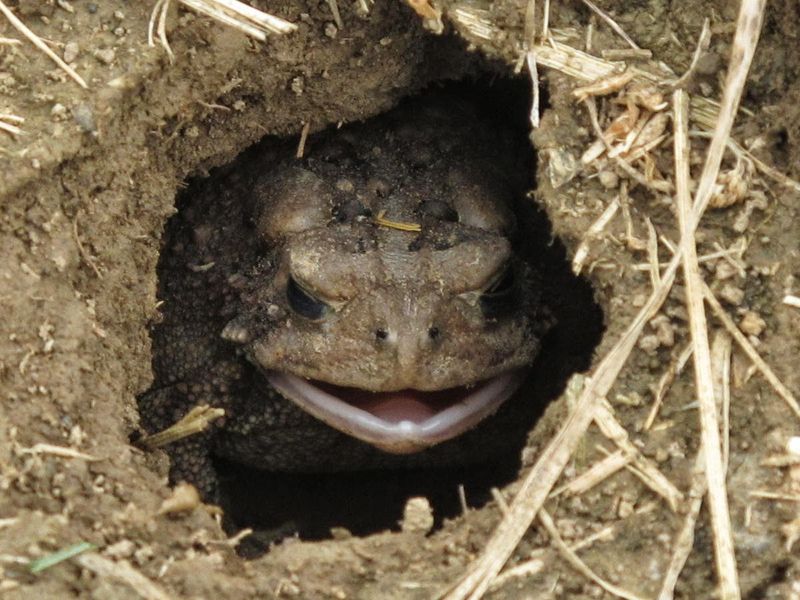
Toads are night owls with sensitive skin. That combo explains why you might unearth one in July just as easily as in November.
Unlike us, toads don’t drink water through their mouths. They soak moisture in through their skin, especially a special patch on their belly.
A hot afternoon in full sun can dry them out fast, so they burrow into cool, damp soil and wait.
Daytime hiding also keeps them away from hungry eyes. Garter snakes, hawks, crows, and raccoons would happily snack on a toad.
A few inches of dirt makes a pretty good invisibility cloak.
Once the sun drops, they pop back up to hunt. You may spot them under your porch light at dusk, gobbling up moths and beetles drawn to the glow.
Here’s a fun little fact. During dry spells, a toad may return to the same shady burrow day after day, almost like a favorite chair.
That’s why summer finds often happen in shaded beds, under hostas, beside rain barrels, or along damp foundation edges. If you spot one, let it be and water nearby plants in the evening.
Damp soil gives it an easier hideout.
5. A Buried Toad Says Good Things About Your Garden Soil
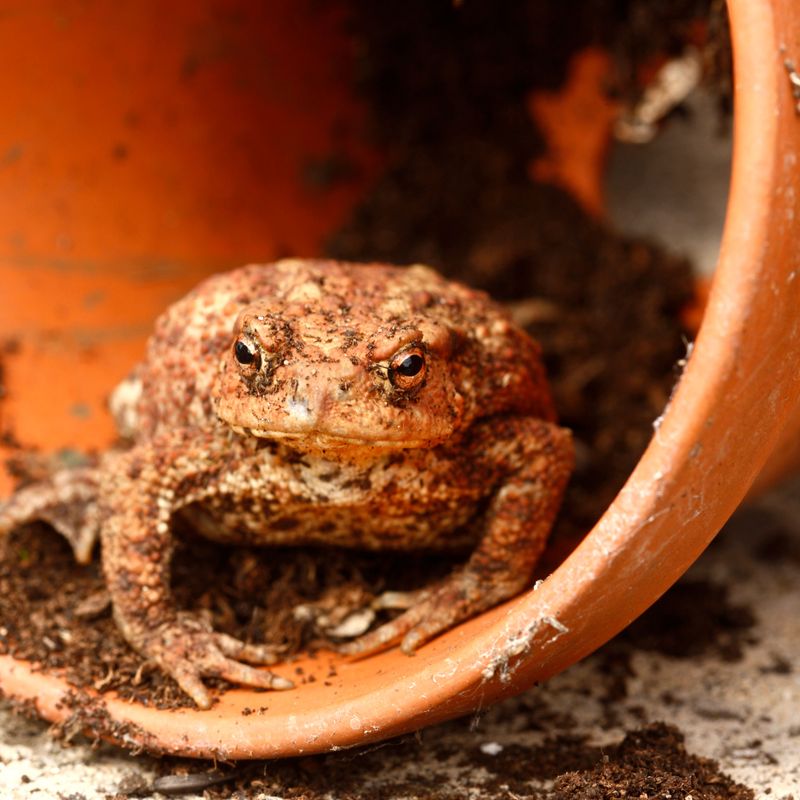
Honestly, finding a toad feels a bit like getting a gold star from nature. I take it as a compliment every time.
Amphibians are known as indicator species. Their thin, absorbent skin makes them sensitive to pesticides, herbicides, and polluted water.
A toad that settles into your beds is a sign your yard offers food, shelter, and conditions it can tolerate.
Toads also need loose, workable soil to burrow. Heavy, compacted clay or ground baked hard by the sun gives them trouble.
If a toad is digging in comfortably, your soil probably has decent structure and organic matter.
Then there’s the menu. A toad sticks around where bugs are plentiful, and it pays rent by eating them.
Garden toads snack on slugs, cutworms, beetles, earwigs, ants, and other crawlers. Some sources estimate one toad may eat thousands of insects over a summer, though the exact number varies.
That doesn’t mean your garden is pest-free. It means a helpful predator is on duty, working the night shift for free.
One more thing. Breeding toads need ponds or wetlands in spring, so your toad may have traveled a surprising distance to find you.
6. Those Warty Toad Bumps Deserve Respect, Not Fear
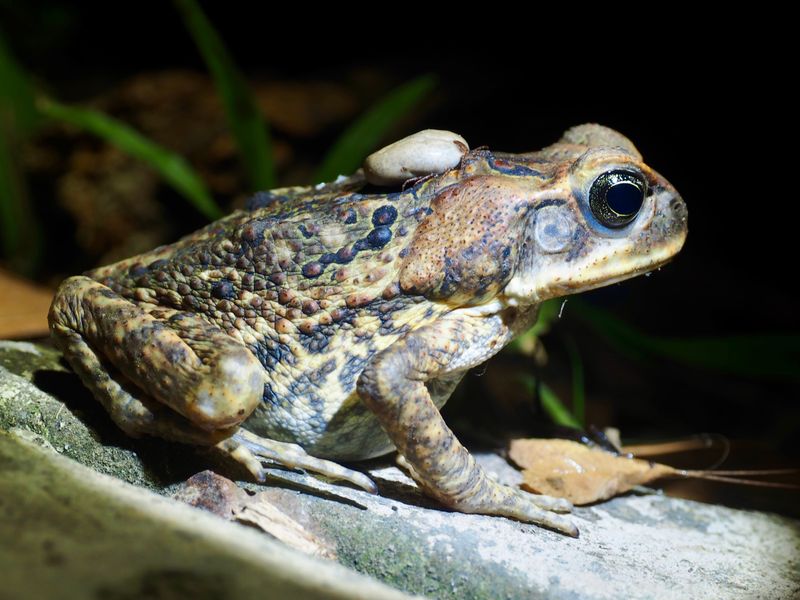
Let’s clear up an old schoolyard myth right away. Touching a toad won’t give you warts.
Human warts come from a virus, not from amphibians.
Still, those bumps are more than decoration. Look behind a toad’s eyes and you’ll see two big oval swellings.
These are parotoid glands, and they release a milky, bitter substance when the toad feels threatened.
For people, it’s mostly an irritant. Washing your hands after handling a toad, and keeping them away from your eyes and mouth, is plenty of protection.
Dogs are another story. A curious pup that mouths an American toad may drool heavily, paw at its face, or vomit.
Michigan doesn’t have the very toxic cane toad found in warmer states, but call your vet if your pet seems unwell after a toad encounter.
Kids love toads, and honestly, so do I. Teach little ones to hold them low over soft ground with wet hands, for just a minute or two.
A frightened toad may also pee on you when lifted. It’s a defense move, and it can help it lose weight and slip away.
Laugh it off, rinse your hands, and set it down gently.
7. Leaf Piles And Toad Houses Keep These Garden Helpers Coming Back
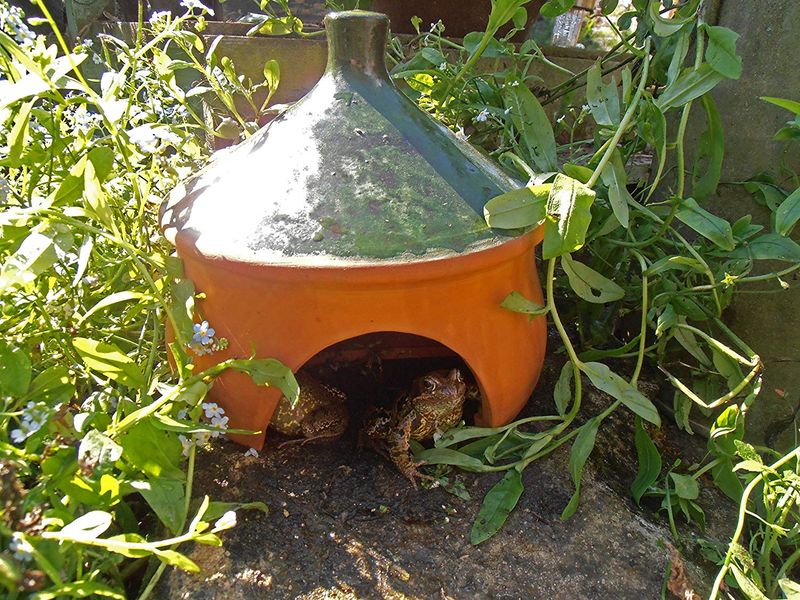
Want more of these bumpy bug hunters around? Good news for lazy gardeners like me, because the best toad habitat looks a little messy.
Start by leaving some fall leaves in your beds instead of bagging them all. Leaf litter keeps soil soft and moist, shelters insects, and gives toads a cozy roof for winter.
A toad house is a fun weekend project. Turn a clay pot on its side and half bury it in a shady spot, or prop a pot up on a few stones so there’s a gap.
Flat rocks and old logs work nicely too.
Add a shallow saucer of water set into the ground, and refresh it often. Toads soak rather than sip, so they’ll appreciate a little bath.
Go easy on chemicals. Skipping or reducing pesticides, slug baits, and herbicides protects their sensitive skin and their food supply.
Finally, slow down with power tools. Check tall grass before mowing, and use a hand fork instead of a tiller in fall when toads are bedding down.
Do these few things, and that surprise lump in your soil may become a familiar neighbor season after season.