Box Tree Moth Reached Long Island. How New York Homeowners Can Check Their Boxwoods Now
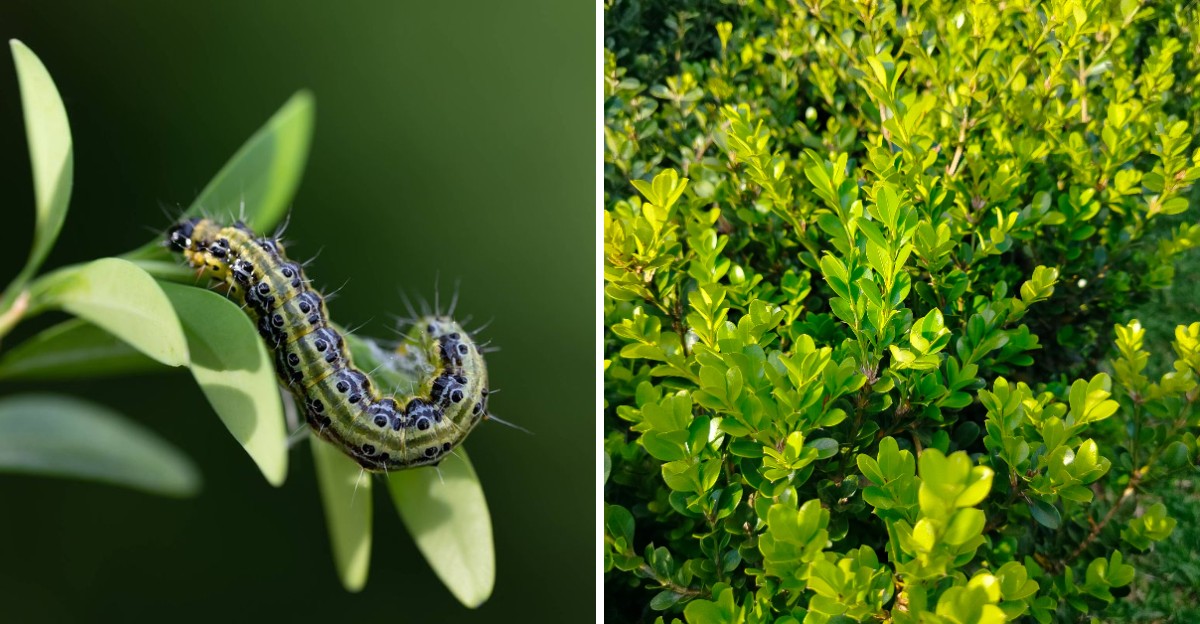
A caterpillar no longer than a paper clip can strip a hedge down to bare twigs in a few weeks. One of those leaf-munchers has now been reported in Nassau County, far from the upstate zone where officials had tried to keep it.
State agriculture officials in New York say the find came in mid-September. The insect hails from East Asia, and its caterpillars eat almost nothing except one classic evergreen shrub. That shrub happens to line half the front walks I know.
Truth be told, I went outside with a flashlight the evening I read the news. My hedges looked fine from the sidewalk. Up close, deep inside the branches, is where this pest likes to hide.
So how would you know if yours has company? The clues are small, but they are surprisingly easy to spot once you know the pattern.
A Hungry Boxwood Caterpillar Has Traveled Well Past The Upstate Quarantine
Nassau County was not supposed to see this pest so soon. The box tree moth had been held to a quarantine zone covering 34 upstate counties, set up after earlier finds near the Canadian border.
State officials confirmed the Long Island detection in mid-September 2026. That makes it the first confirmed find outside the quarantine area in the state.
Experts suspect the moth crossed from Canada, where it has spread in Ontario, and that infested nursery plants may help it hitch rides farther.
Here is why gardeners are paying attention. The caterpillars feed almost only on boxwood, the tidy evergreen used for hedges, edging, and formal gardens across Long Island.
Heavy feeding can strip shrubs bare, and repeated attacks can push a plant into serious decline.
In Europe, where the moth arrived around 2007, it spread quickly through gardens and wild boxwood stands. Many homeowners there lost beloved hedges before they understood what was happening.
Nobody knows yet how widespread the Long Island population is. One detection might mean a small, early foothold, or it might hint at more hiding nearby.
That uncertainty is the reason your eyes matter right now. Officials rely heavily on homeowners and landscapers to spot new cases early, while control is still realistic.
Part Those Boxwood Branches And Shine A Flashlight Inside
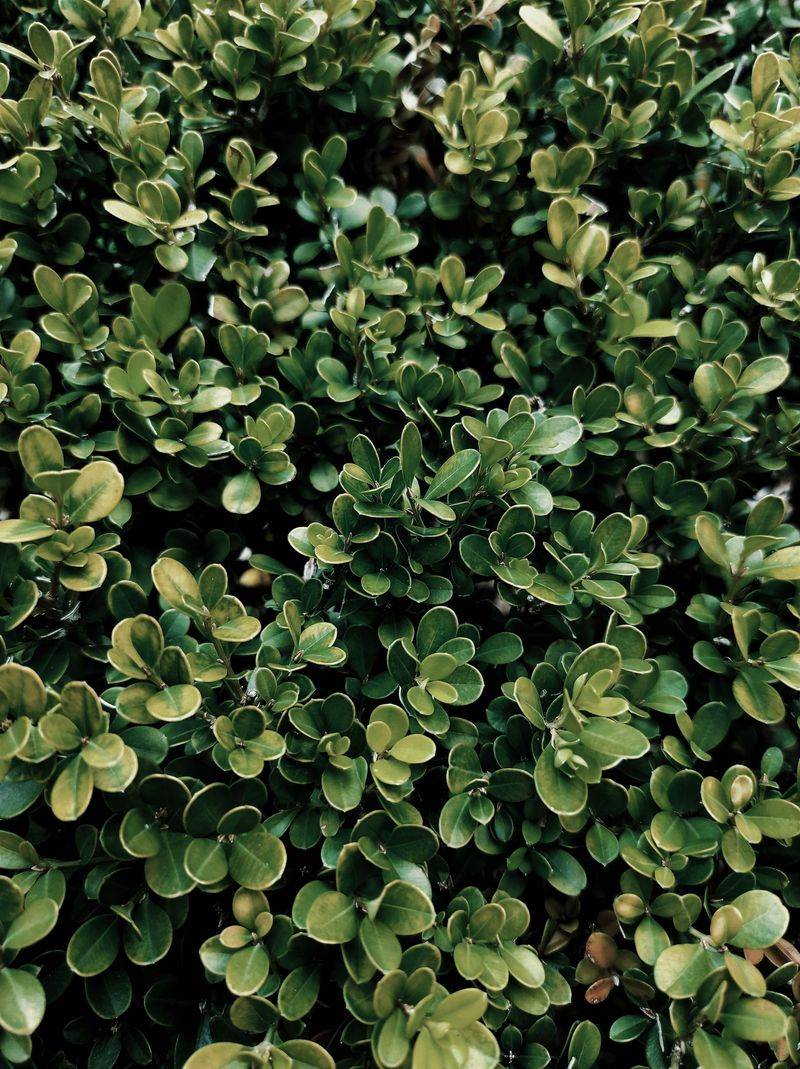
My first check took about five minutes per shrub, and I felt a little silly crouched by the hedge with a flashlight. It worked, though.
Early box tree moth damage usually starts deep inside the plant. The outer leaves can look perfectly green while caterpillars feed quietly on the inner canopy.
A quick glance from the driveway will not tell you much.
Start by gently spreading the branches with both hands. Look down into the center of the shrub, especially along inner twigs and the undersides of leaves.
A small flashlight helps a lot, even in daylight, because boxwood interiors are dense and shady.
Work your way around each plant instead of checking just one side. Caterpillars may cluster in one section, so a full circle gives you a better chance of catching them.
Pay attention to branch tips too. In fall, young larvae often tuck themselves into little shelters made by tying leaves together with silk near the ends of stems.
Plan to repeat this check every couple of weeks while temperatures allow. If you have a long hedge, split it into sections and check a few each weekend.
Gloves are a nice touch, since boxwood leaves can irritate some people. Bring a phone, too, so you can snap clear photos of anything odd.
Green Caterpillars With Shiny Black Heads Are The Ones To Watch
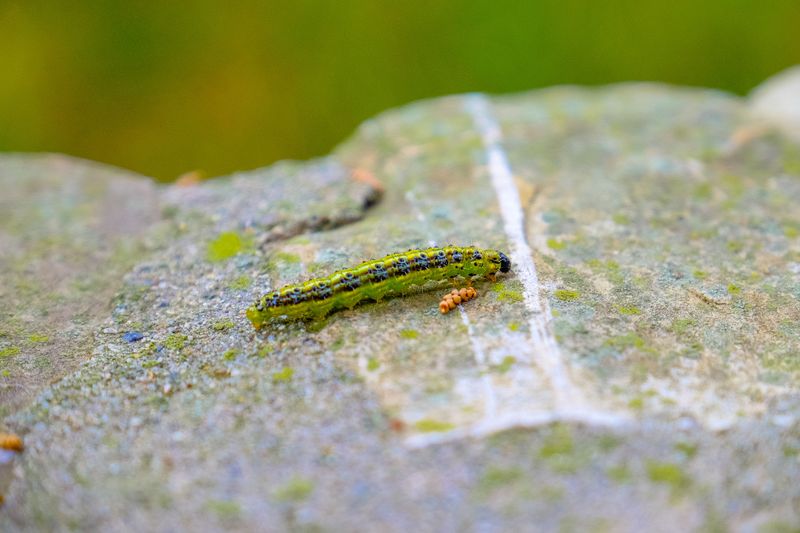
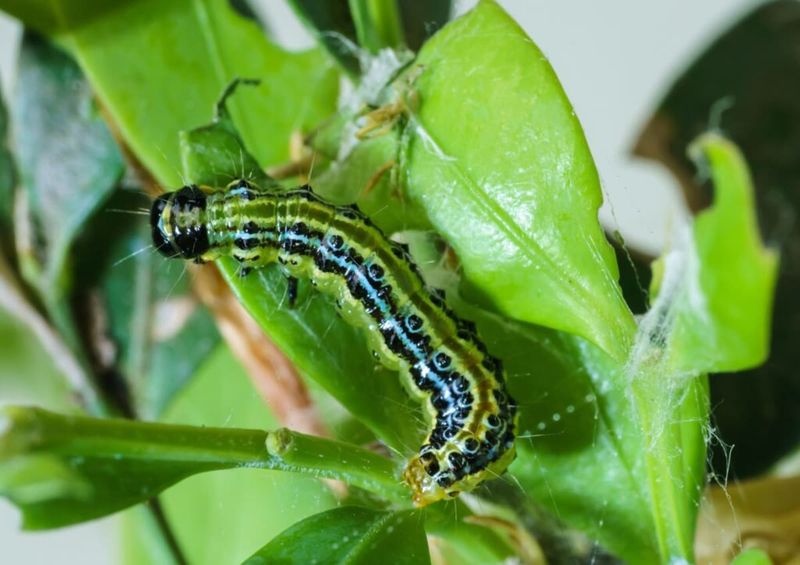
Once you see one, you will not mistake it. Box tree moth caterpillars are light green to greenish yellow with a glossy black head.
Look for thick black stripes running down the body, along with black spots outlined in white. Fully grown larvae reach about 1.5 inches long, which is surprisingly chunky for something hiding in a hedge.
Young ones are much smaller and paler, so look closely.
Adults are easier to notice in summer. Most have white wings with a wide brown border and a small white spot on each forewing.
Some moths are mostly brown, which can throw you off.
The wingspan runs roughly 1.5 to 1.75 inches. Adults rest on the undersides of leaves and are active at night, so you might spot them near porch lights.
Eggs are another clue, though they are tricky to find. Females lay flat, pale yellow clusters on the undersides of boxwood leaves, overlapping a bit like fish scales.
Funny thing is, plenty of harmless caterpillars wander through gardens. The key detail here is location.
A green and black caterpillar feeding on boxwood leaves deserves a photo and a report, while a random green caterpillar on your tomato plant is a different story.
Silky Webbing And Green Frass Inside Boxwoods Tell The Story
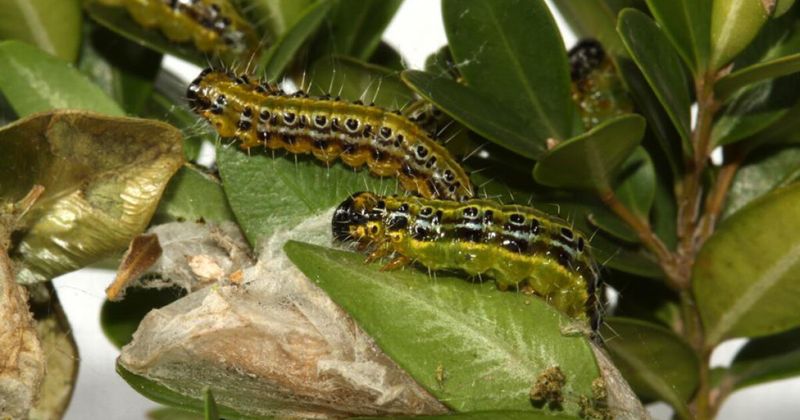
Sometimes the caterpillars stay out of sight, but their mess gives them away. Damage leaves a trail that is easy to read once you know the signs.
Start with the leaves. Look for chewed edges, leaves cut partway through, or leaves with the soft tissue eaten away so only a thin skeleton of veins remains.
Badly hit shrubs can look tan or scorched, almost as if a torch passed over them.
Next, check for webbing. Larvae spin white, silky threads among the branches and use them like shelters while they feed.
Webbing on boxwood is a big red flag.
Then look for frass, which is the polite word for caterpillar droppings. These tiny green to blackish pellets often stick to the webbing or pile up on lower branches and the ground beneath the shrub.
Another clue shows up in heavy infestations. Caterpillars may chew the green bark off stems after leaves run out, which can leave branches girdled and struggling.
If you ask me, frass is the most underrated sign. It is easy to miss on a quick look but hard to explain away once you notice it.
Webbing plus frass plus chewed leaves on a boxwood is a combination worth reporting right away.
Tiny Overwintering Larvae Hide In Boxwood Branch Tips This Fall
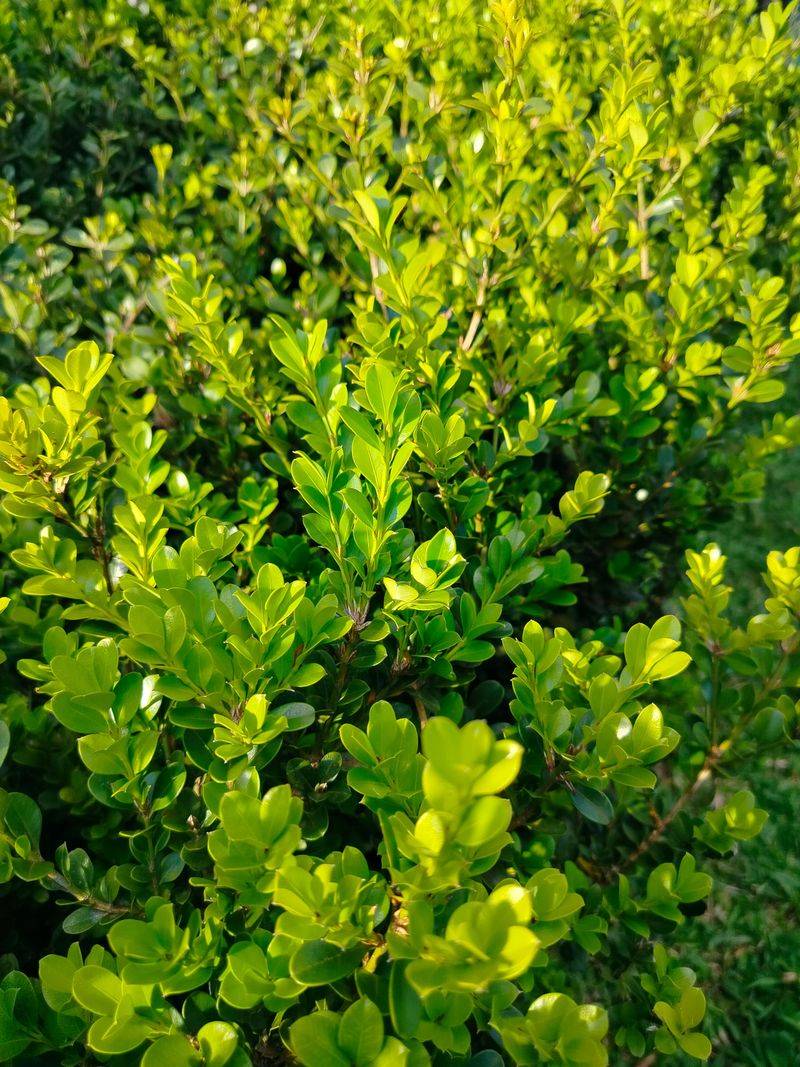
Cold weather does not send this pest packing. Box tree moth larvae spend winter right on the shrub, tucked into small silk shelters.
As fall settles in, young caterpillars stop feeding and spin a cozy hideout. They usually tie a few leaves together near the tips of branches, creating a tight little pocket.
Inside, the larva rests until spring warms things up.
That makes now, through late fall, a useful window for checking. With less new growth and fewer distractions, those tied-together leaves can stand out if you look for them on purpose.
Activity picks back up as temperatures rise, often around March on Long Island. Overwintered larvae start feeding hungrily, and that early spring burst can cause fast damage on plants that looked fine in fall.
Through the warm season, the moth can produce two or three generations. Each new round of caterpillars means another wave of feeding, so problems can stack up quickly by late summer.
My garden taught me that winter pests often just get clever about hiding. A quick look in November and another in March can catch trouble before it snowballs.
Mark both on your calendar and pair them with your summer checks for good year-round coverage.
Snap A Photo And Report Boxwood Caterpillars Before Treating Anything
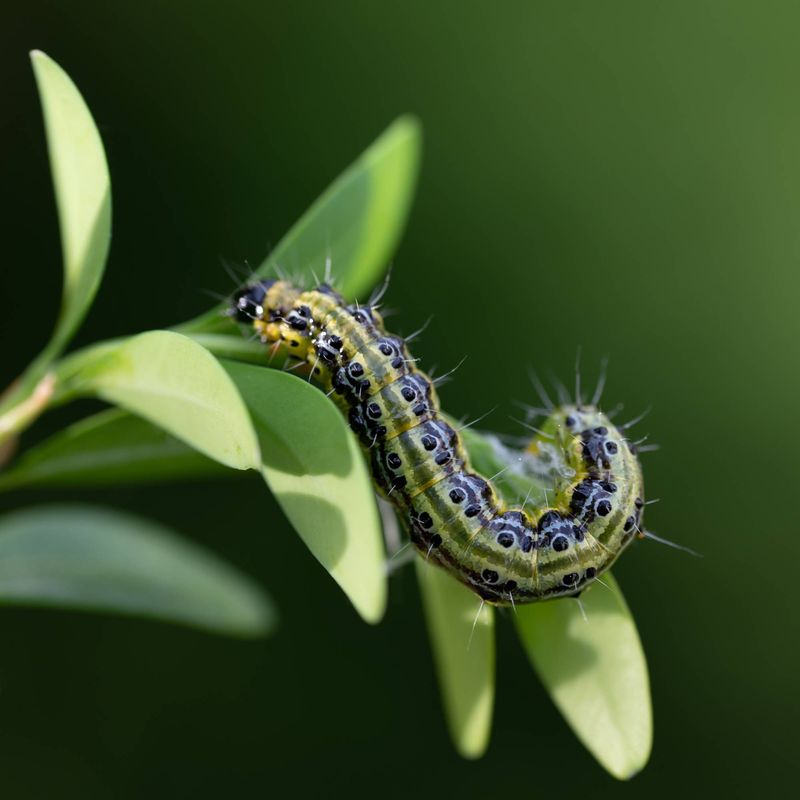
Found something suspicious? Grab your phone before you grab the pruners.
Take clear photos of the caterpillar, webbing, damage, and the whole shrub. Note your address and the date.
Then report it through the New York State Department of Agriculture and Markets online reporting form, or call your local Cornell Cooperative Extension office for help.
Reporting matters more than it might seem. Every confirmed sighting helps officials map the spread and decide where quarantine rules or extra surveys are needed.
A homeowner report could be the clue that keeps a neighborhood ahead of the problem.
For a light infestation, hand-picking works well. Drop caterpillars into a bag or a container of soapy water, and prune out the worst webbed branches.
Bag everything you remove, then double-bag it and put it in the trash. Skip the compost pile and yard waste bins, since larvae can survive and move on from there.
For larger outbreaks, extension experts often point to Bacillus thuringiensis, a bacterial product sold as Bt, or spinosad. Both target caterpillars and work best on young larvae.
Read the label carefully, and consider calling a licensed arborist for big hedges. Treat only when you see caterpillars or fresh feeding, not as a preventive spray.
Boxwood Blight And Leafminers Can Fool A Worried Gardener
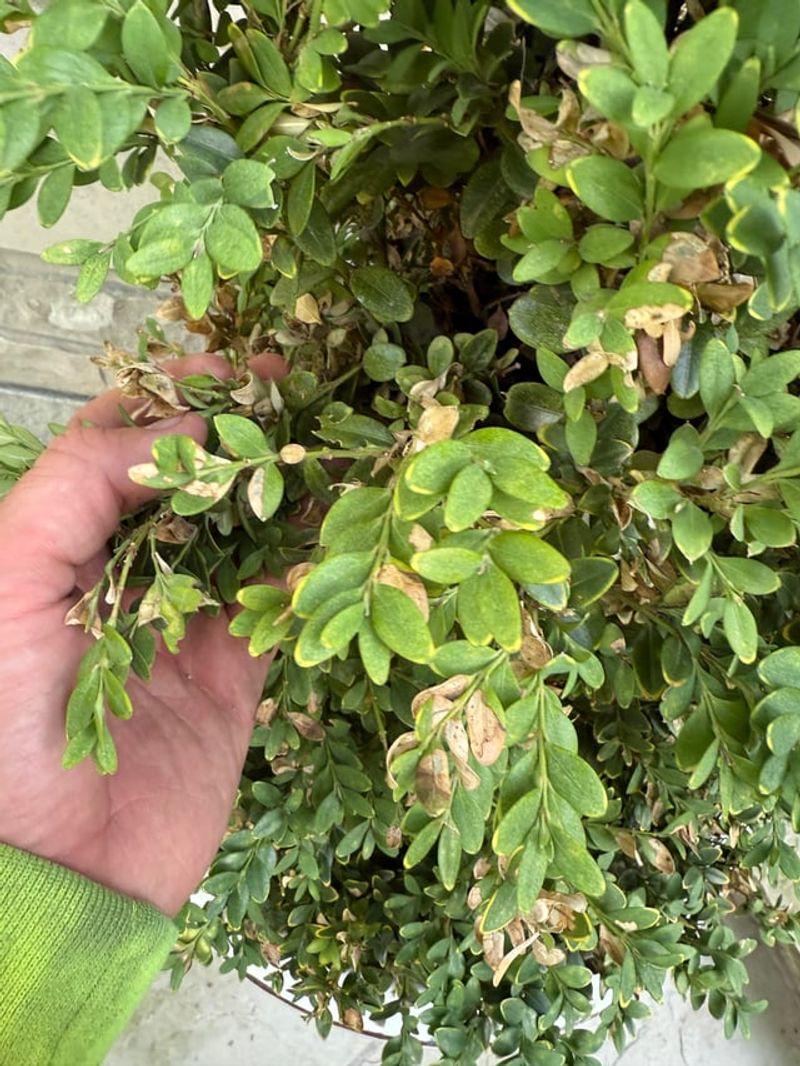
Not every sad boxwood has caterpillars. A handful of common problems can look alarming, and knowing the difference saves you a lot of worry.
Boxwood leafminer is the classic look-alike. Tiny fly larvae feed inside leaves, leaving puffy blisters and yellow blotches, but you will not find chewed edges, webbing, or frass.
Boxwood blight is a fungal disease. It causes dark brown leaf spots, rapid leaf drop, and black streaks on stems.
There are no caterpillars, only diseased foliage, often after warm, humid weather.
Then there is boxwood psyllid, which makes new leaves cup inward, and boxwood mites, which leave pale, speckled foliage. Winter burn can also brown leaves on the sunny or windy side of a shrub.
Here is a simple rule of thumb. Chewing plus silk plus droppings points toward the moth, while blisters, spots, or speckling usually point elsewhere.
Still unsure? Send photos to your county Cornell Cooperative Extension office.
Nassau and Suffolk both have horticulture staff who handle these questions, and they would much rather see a false alarm than miss a real case. A clear picture of the leaf top, leaf underside, and inner branches gives them the best chance at an accurate answer.
Inkberry Holly Makes A Smart Native Backup For Boxwood Hedges
Steady habits will protect your boxwoods better than any spray. Regular checks, quick reports, and careful shopping go a long way.
Inspect hedges every few weeks from spring through fall, plus once in late fall for overwintering shelters. Look deep inside, not just at the surface.
When buying new boxwoods, ask the nursery where the plants came from and inspect them before planting. Moving infested nursery stock is one of the main ways this pest travels, so a careful look at the garden center pays off.
Some gardeners hang pheromone traps in summer. These lure male moths and can show whether the pest is nearby, though they will not solve an infestation alone.
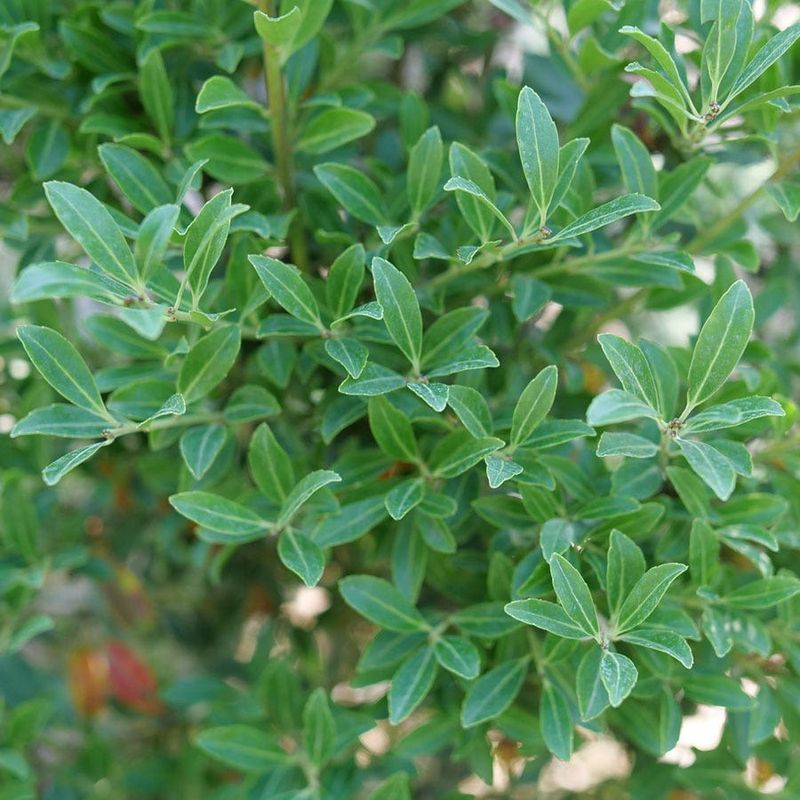
Planning a new hedge? Consider mixing in inkberry holly, Ilex glabra, a shrub native to Long Island and much of the East Coast.
Compact varieties offer small, glossy evergreen leaves and take shearing reasonably well, so they fill a similar role.
Mountain laurel and bayberry are other native options for less formal spots. Variety in your plantings means one pest cannot take out the whole look of your yard.
Treasured boxwoods are still worth keeping. Watch them closely, act early, and share what you learn with neighbors.
A street full of alert gardeners is the best defense Long Island has.