8 Late September Tasks New York Rose Owners Should Finish Now
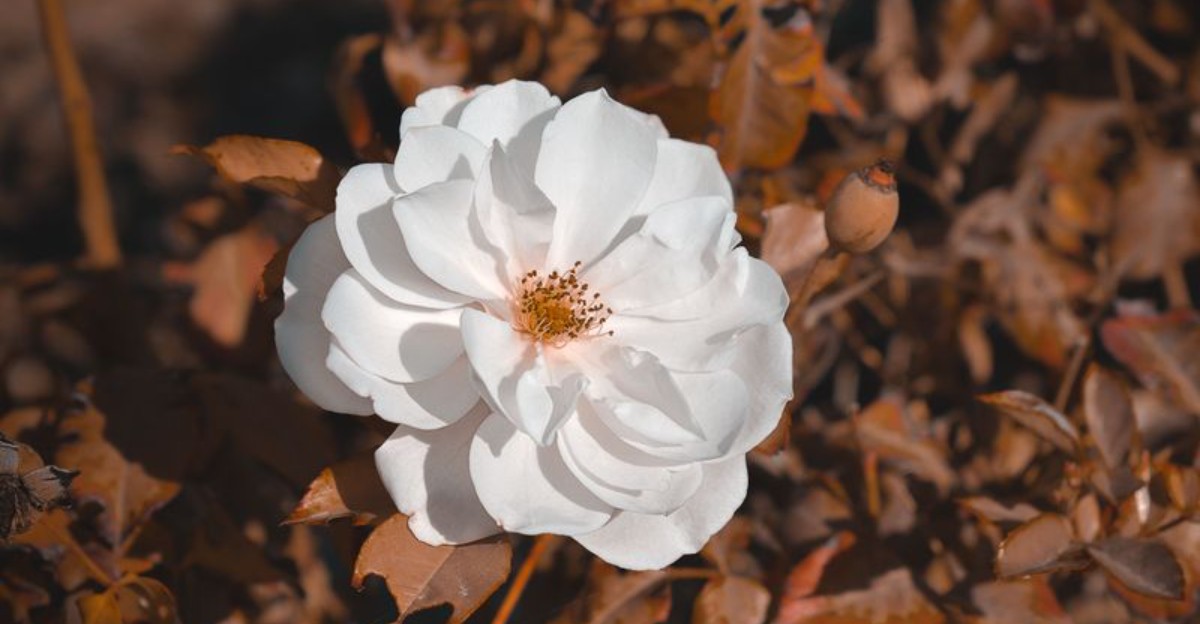
Cool mornings in New York sneak up on rose growers faster than any aphid. One weekend brings armloads of blooms, and the next brings blotchy leaves and stalled buds.
Late September is the quiet turning point of the rose year. Small chores right now decide how your bushes look and bloom next June.
Skip them, and spring greets you with brown canes and plenty of guesswork. Tackle them, and your roses face winter with strong roots, clean soil, and firm wood.
None of this takes fancy gear or a whole Saturday afternoon. A rake, sharp pruners, a hose, and a little patience handle nearly everything.
The tasks below are worth finishing before October settles in and the real chill arrives. Your June blooms will be all the proof you need.
1. Clean Up Diseased Rose Leaves Around The Base
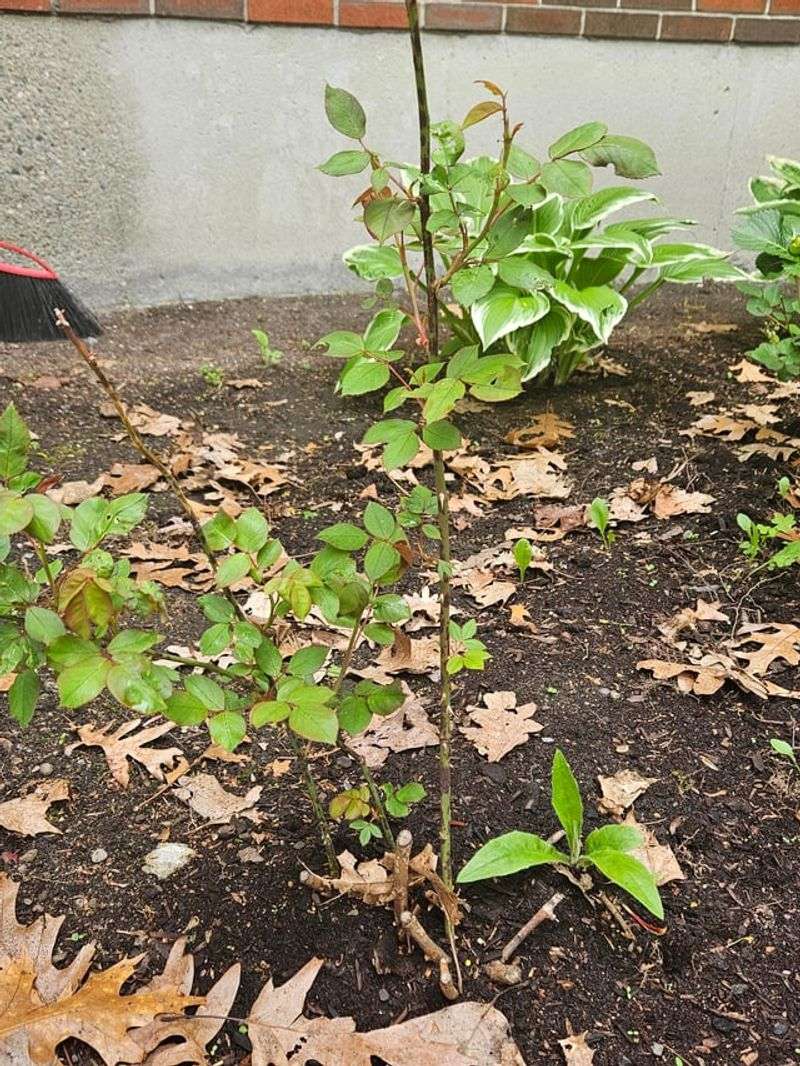
Black spot spores hide in damp leaf litter like unwanted houseguests. Clearing that mess now saves you real trouble next spring.
Start by clipping off spotted, yellowed, or blotchy leaves still clinging to the canes. Use small snips instead of tugging leaves free by hand.
Pulling tears tiny wounds in the stem, and fungal spores love those openings. Clean cuts heal faster and keep your plant safer.
Next, rake every fallen leaf from the soil surface under each bush. Old mulch that looks matted and moldy should come out too.
Bag the debris and send it out with the trash, not the compost pile. Backyard compost rarely gets hot enough to handle black spot spores.
Gardeners across New York deal with humid summers, so fungal problems pile up by September. A thorough sweep breaks the cycle before winter arrives.
Open space around the base also helps air move and dry foliage faster. Damp, crowded crowns are where mildew and rust usually get started.
Wipe your hands and blades before moving to the next bush. Spores travel easily on gloves, sleeves, and metal.
Fresh mulch can wait until the ground cools and the cleanup is finished. Layering clean material over infected debris simply traps the problem underneath.
Snap a quick photo of trouble spots so you remember which plants struggled. That record helps you plan spraying and spacing next season.
Ten minutes per bush is usually enough for a solid fall tidy. Your roses will show the payoff in cleaner, greener leaves.
2. Water Roses During Dry Fall Spells
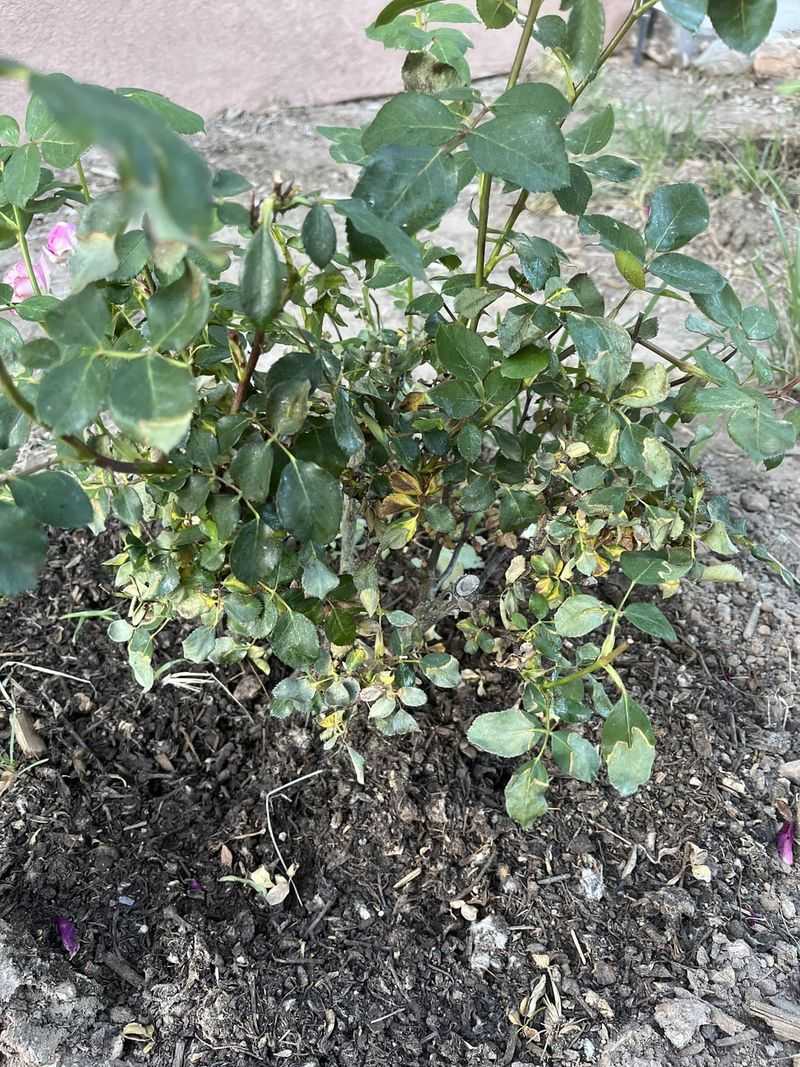
Autumn rain can be generous one week and stingy the next. Roses still drink deeply, even as the nights turn crisp.
Aim for roughly one inch of water weekly from rain or the hose. A cheap rain gauge takes all the guesswork out of it.
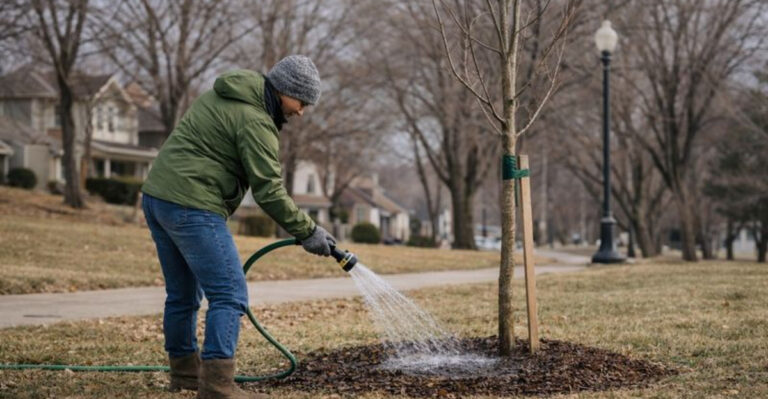
Slow, deep soaking beats a quick sprinkle every time. Moisture that reaches eight inches down pulls roots lower, where soil stays warmer.
Morning is the smartest watering window during fall. Leaves dry before evening, which cuts down on fungal headaches.
Keep spray off the foliage and aim the water at the soil. Soaker hoses and drip lines handle this beautifully.
Your New York Garden Changes Every Week. Your Plan Should Too.
Gardening in New York changes quickly throughout the season. Every Friday you’ll receive a simple weekly plan showing exactly what to plant, prune, fertilize, harvest, and protect so you never miss the right timing.
Container roses dry out much faster than bushes planted in the ground. Poke a finger into pots every couple of days.
Continue watering until the ground starts to freeze hard. Hydrated roots handle icy wind far better than thirsty ones.
One final deep soak after the first hard frost is a trick many growers swear by. Think of it as filling the tank before a long trip.
Winter wind pulls moisture from canes, and dehydrated wood shrivels fast. Steady fall watering keeps those canes plump and flexible.
Skip the hose when soil already feels soggy an inch down. Roses dislike sitting in cold, waterlogged ground.
Sandy beds near the coast drain quickly, while clay soils upstate hold moisture longer. Adjust your schedule to what your own soil tells you.
3. Check Canes For Cankers And Damaged Growth
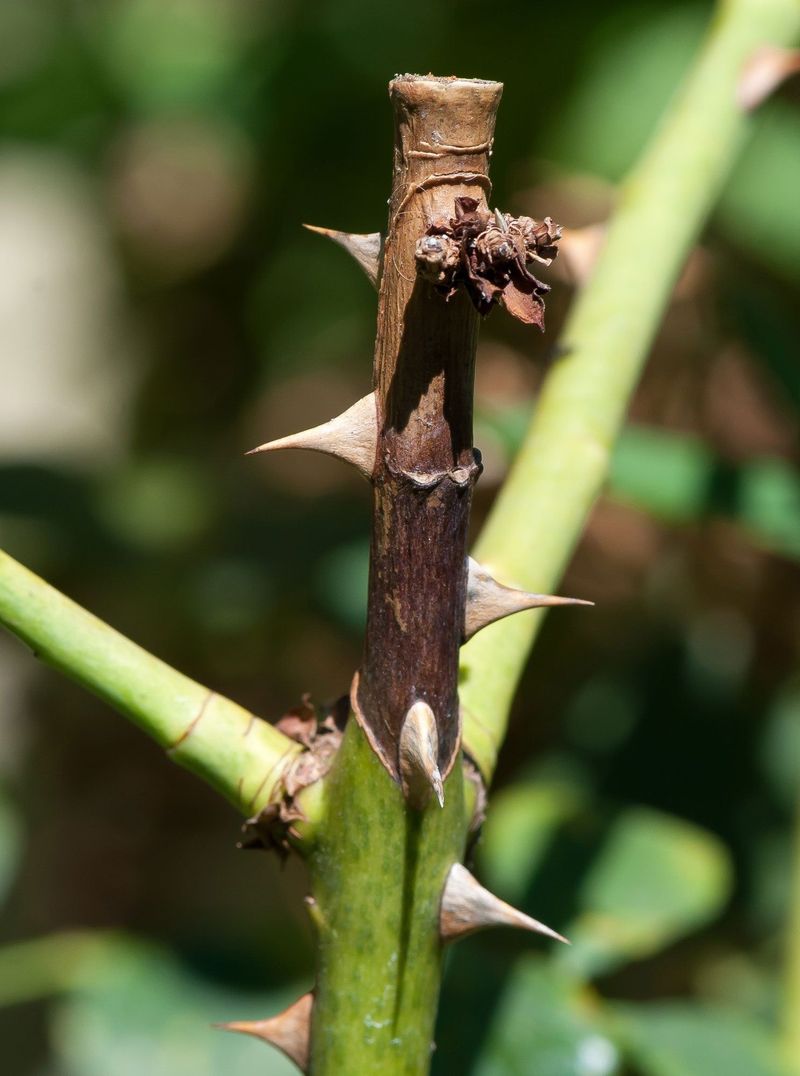
Run your eyes down each cane and look for sunken patches of brown, purple, or black. Canker starts small and spreads quietly.
A healthy cane feels firm and shows green under a light scratch of bark. Infected wood looks dull, wrinkled, or oddly discolored.
Late September suits inspection because the foliage has thinned out. You can finally see the real structure of the plant.
Mark trouble spots with garden tape so you remember them at spring pruning. Memory fades over a long winter.
Cut out badly cankered wood now if damage creeps toward the crown. Go a few inches below the discolored area into clean, white pith.
Broken canes from summer storms deserve attention as well. Cracked wood whips around in wind and tears the crown open.
Crossing canes that rub each other create wounds where disease slips inside. Removing one of the pair solves the issue neatly.
Look closely at graft unions on hybrid teas for soft or split tissue. Damage there affects the entire plant.
Tiny holes in cut cane tips may mean boring insects moved in. A dab of white glue on fresh cuts blocks them.
Keep the cutting light, since heavy work now invites tender growth. Save major shaping for spring when buds swell.
Jot notes about which bushes had the most damage. Patterns often point to poor drainage or a windy spot.
4. Sanitize Shears Before Cutting Diseased Wood
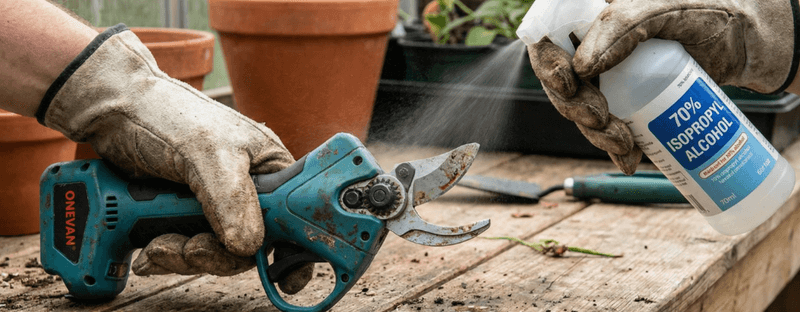
Dirty pruners are one of the easiest ways to spread infection. One contaminated blade can carry canker across an entire rose bed.
Keep a jar of rubbing alcohol or a spray bottle in your garden basket. A ten second dip between cuts does the job.
Household disinfectant wipes work well when you are moving quickly. They tuck into a pocket and dry within seconds.
Bleach solutions clean effectively but corrode metal over time. Rinse and oil your blades afterward if you go that route.
Sanitize before you start, between plants, and after every cut into infected wood. Skipping steps defeats the whole purpose.
Sharp blades matter just as much as clean ones. Crushed, ragged cuts heal slowly and invite rot.
Wipe sap and grit off first, because grime blocks disinfectant from touching metal. A rag and wire brush handle stubborn buildup.
Loppers, pruning saws, and even your gloves deserve the same treatment. Spores cling to fabric surprisingly well.
Once the season ends, oil the pivot bolt and store tools indoors. Rust ruins good shears during a damp winter.
Plenty of rose growers keep two pairs so one is always ready. Small habit, big payoff next June.
Fun bit of history: rosarians were disinfecting blades long before home gardeners caught on. They learned the hard way that tools carry trouble.
5. Skip Heavy Pruning Before Winter
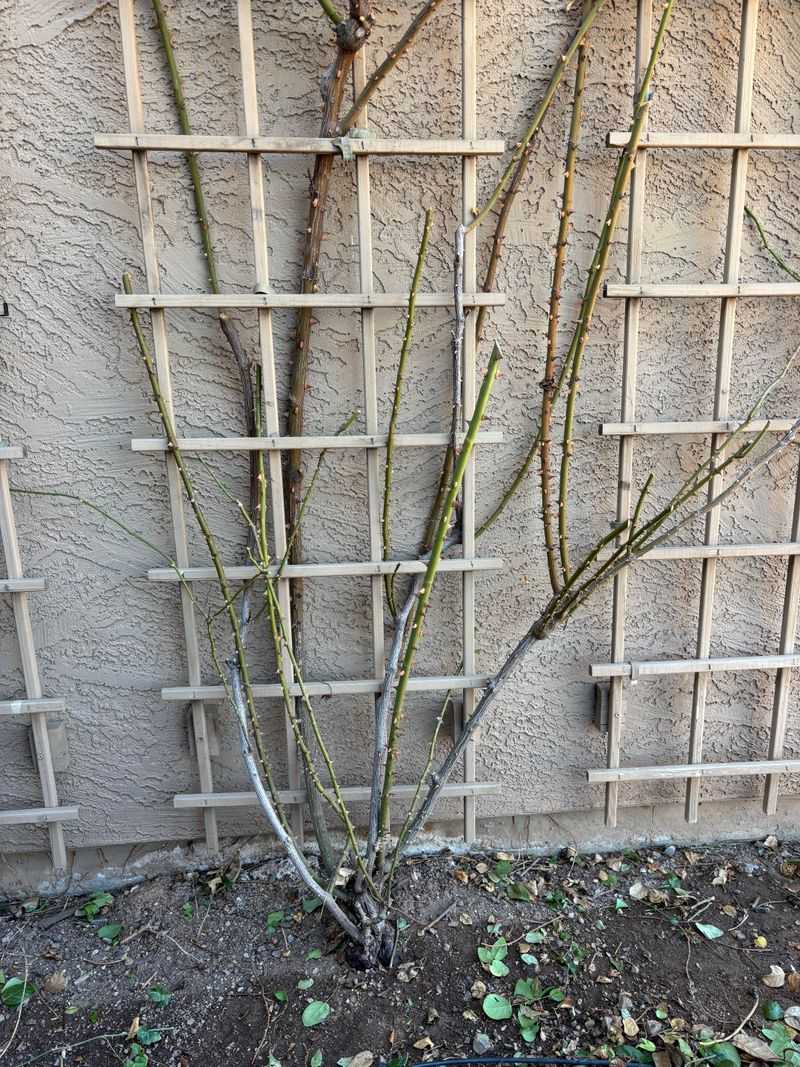
Hands itching to shape those leggy canes? Put the pruners down for now.
Heavy cutting signals the plant to push fresh shoots. Tender growth cannot harden before the first freeze arrives in New York.
Soft shoots blacken quickly, and the damage often travels down the cane. You lose wood you actually wanted to keep.
Pruning also drains energy that roses should be storing in their roots. Fall is a season for saving, not spending.
Light trimming is perfectly fine, though. Shorten very tall canes by about a third so wind cannot rock the plant loose.
Removing broken or clearly infected wood counts as sensible maintenance. Structural shaping belongs in spring.
Wait for forsythia to bloom or for buds to swell before serious cutting. That timing works well across most of the state.
Leaving canes long gives you insurance against winter tip damage. You simply cut back to healthy wood in April.
Stop trimming around now and let rose hips form naturally. Hip formation tells the plant the season is winding down.
Bright orange hips look cheerful against snow and feed hungry birds. A little wildness in fall genuinely pays off.
Climbers and old garden roses have their own rules, so check your variety. Many bloom on last year’s wood.
6. Let Healthy Growth Harden Before Cold Arrives
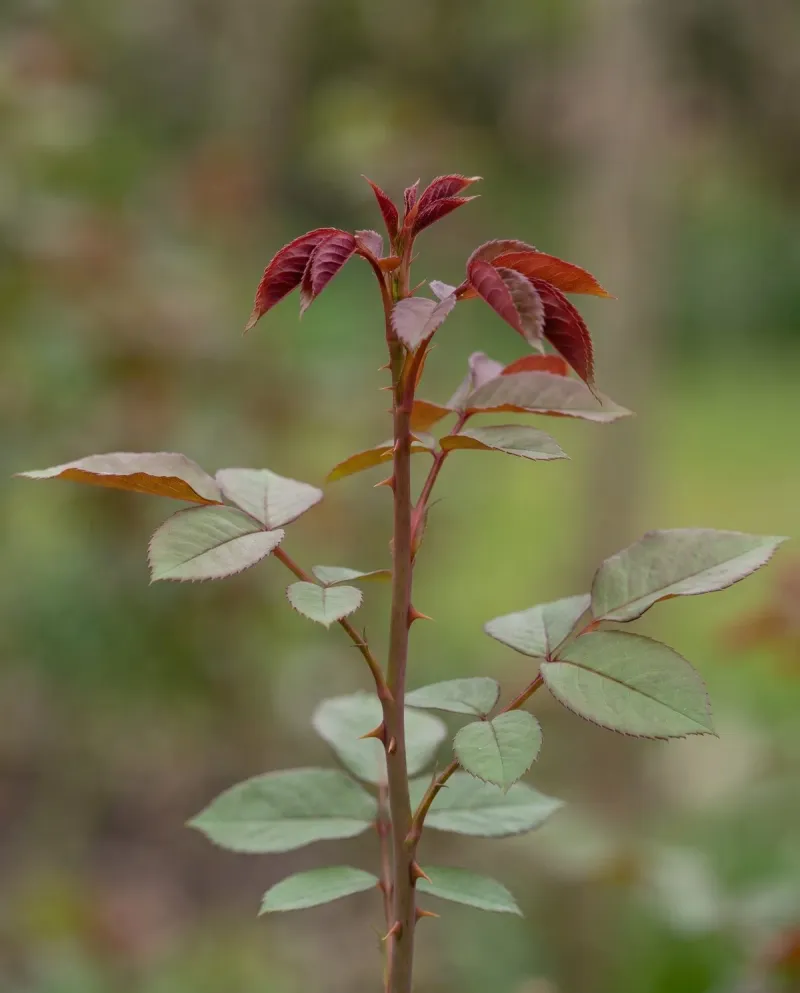
Hardening off sounds technical, but it just means canes toughening for the cold. Roses manage it naturally once you stop pushing them.
Put away the nitrogen fertilizer, since feeding now triggers a flush of soft shoots. The final feeding should have happened around mid August.
Some growers apply a low nitrogen product with added potassium in early fall. Potassium strengthens cell walls and improves cold tolerance.
Let the last flowers fade on the bush instead of snipping them. Seed formation nudges the plant toward its resting phase.
Shorter days and chilly nights do most of the work for you. Canes grow woodier and darker as sugars concentrate inside.
Avoid deep cultivation or digging around the root zone. Root disturbance interrupts the whole storage process.
Hold off on transplanting until the plant is fully asleep, usually late fall. Moving an active rose sets it back badly.
Enjoy any surprise blooms during a warm October. Just resist the temptation to feed for more.
Grafted roses need extra attention because the bud union is sensitive. Firm, mature wood above it handles cold much better.
By November, well hardened canes feel stiff and look almost bronze. That is exactly the color you want to see.
Think of it as the plant packing a lunch for a long nap. Everything it stores now fuels next year’s first flush.
7. Mulch Around The Root Zone After The Ground Cools
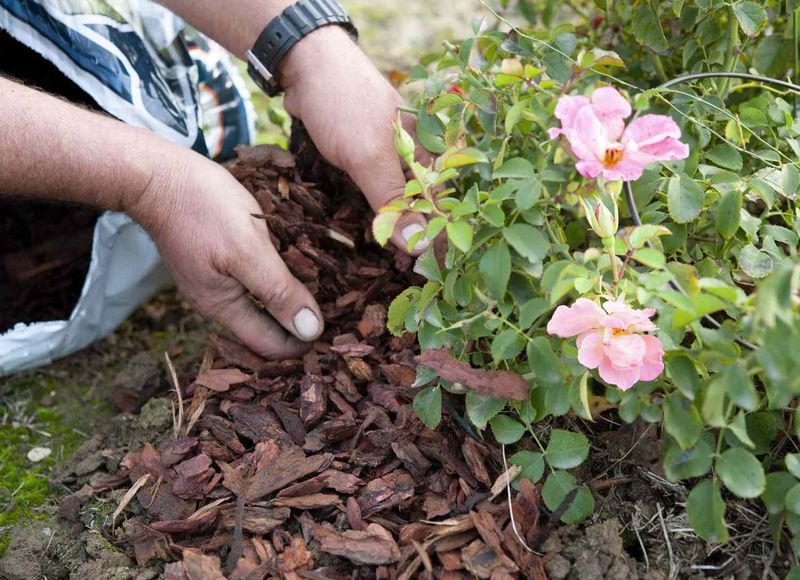
Timing beats quantity when it comes to winter mulch. Piling it on too early keeps soil warm and confuses the plant.
Wait until the ground cools and stays near freezing, often late November across New York. Rodents usually settle elsewhere by then.
Mound soil or aged compost about ten to twelve inches deep around the base. Chopped leaves, pine needles, or bark can go on top once it freezes.
Cover the crown and bud union first, since those parts matter most. Pack the mound right around the lower canes, since that’s the wood you’re saving.
Mulch is not really about adding warmth. Its true job is preventing repeated freezing and thawing that heaves roots upward.
Whole oak leaves mat down and trap water, so shred them first. One quick pass with the mower does it.
Skip fresh manure and thick grass clippings, which can burn tissue and turn sour. Finished compost is the safer pick.
Some gardeners set a collar of chicken wire and fill it with soil. That method holds the mound steady through storms.
Spread or remove the mulch gradually in spring once hard freezes pass. Pulling it all at once shocks tender new shoots.
Label your mounded roses so nobody tramples them during a snowy cleanup. Small markers prevent big mistakes.
Keep spare mulch bagged in the garage for touch ups. Wind and wildlife scatter mounds more than you expect.
8. Protect Vulnerable Roses From Winter Exposure
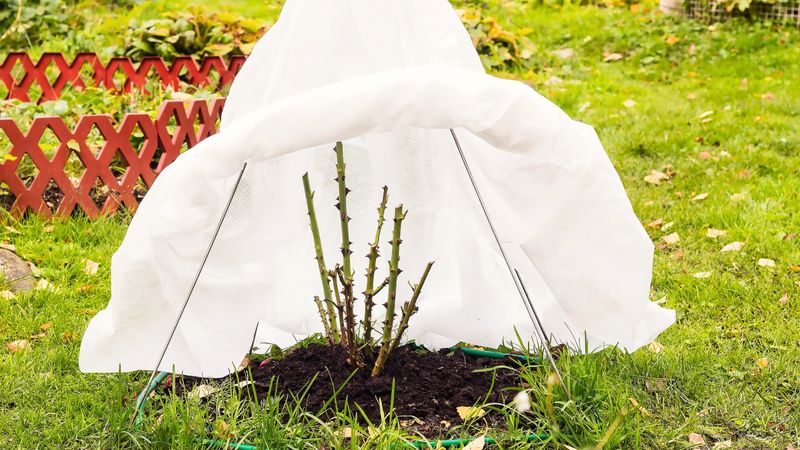
Not every rose needs pampering, but tender varieties appreciate the help. Hybrid teas, grandifloras, and young plants top that list.
Wind causes more trouble than cold in many gardens. Dry gusts strip moisture from exposed canes all season.
Burlap screens on the windward side make a genuine difference. Stake them loosely so air still moves around the plant.
Climbers can be untied and laid down, then covered with soil or evergreen boughs. Landscape pins hold the canes in place.
Container roses face the roughest conditions since roots freeze from every side. Move pots into an unheated garage or shed.
Group containers against a sheltered wall if indoor space runs short. Wrapping the pots with bubble insulation helps too.
Rose cones look tidy but can overheat plants on sunny days. Cut a few vents near the top if you use them.
Own root roses recover from the base even after rough damage. Grafted plants depend on that union staying protected.
Check ties and wraps after heavy storms throughout the season. Loose burlap flaps around and does more harm than good.
Finish these late September chores and your New York roses wake up strong. Spring rewards the gardener who planned ahead.