Spiky Brown Balls Covering Maryland Sidewalks Come From One Familiar Tree
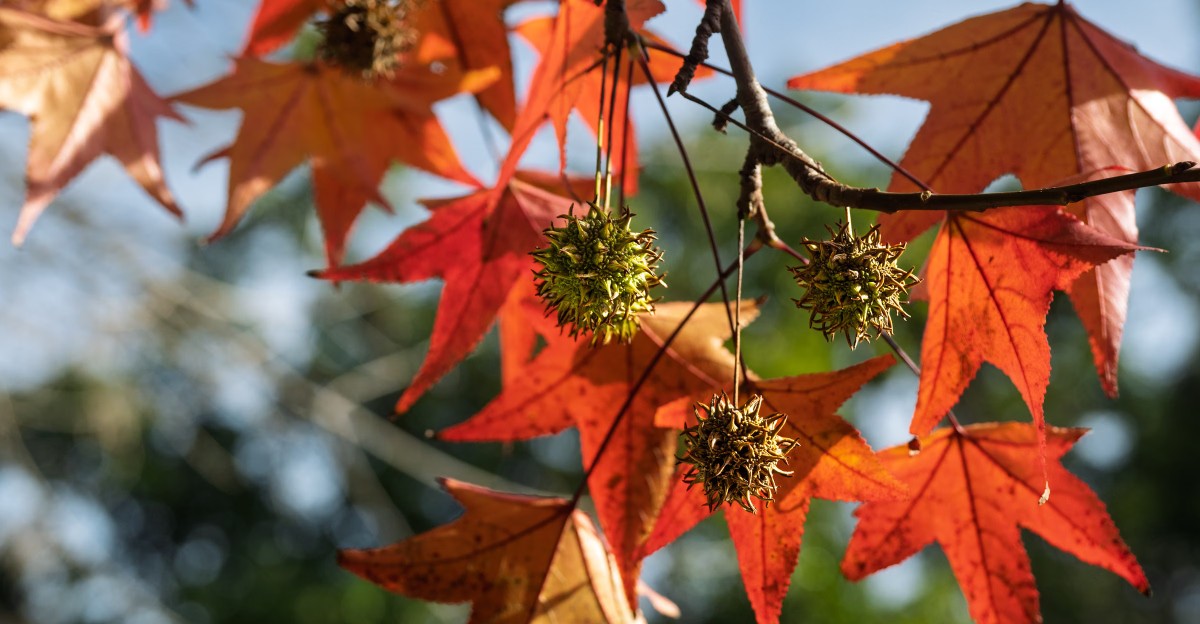
Some of the spiky brown balls on Maryland sidewalks right now held up to 50 or more tiny seeds before they ever hit the ground. Each one started the summer as a soft green globe. By late fall, it had turned into a woody little ankle trap.
I’ll be honest, I once stepped on one in socks while hauling out the trash. The yelp was loud enough to bring the dog running. Lesson learned, and my slippers now live by the back door.
Here’s what gets me about them. Squirrels, chipmunks, and goldfinches seem to love the things, while people mostly grumble and reach for a rake. Crafters even save them by the bucket.
So which tree drops these prickly little spheres every year, and why does it get to keep its spot on so many streets? You might already walk past it every single morning.
Those Prickly Sidewalk Gumballs Have a Surprising Source
Crunch, roll, wobble. That trio of sounds tells you a gumball has found your shoe again, and it happens on sidewalks all over the state each fall.
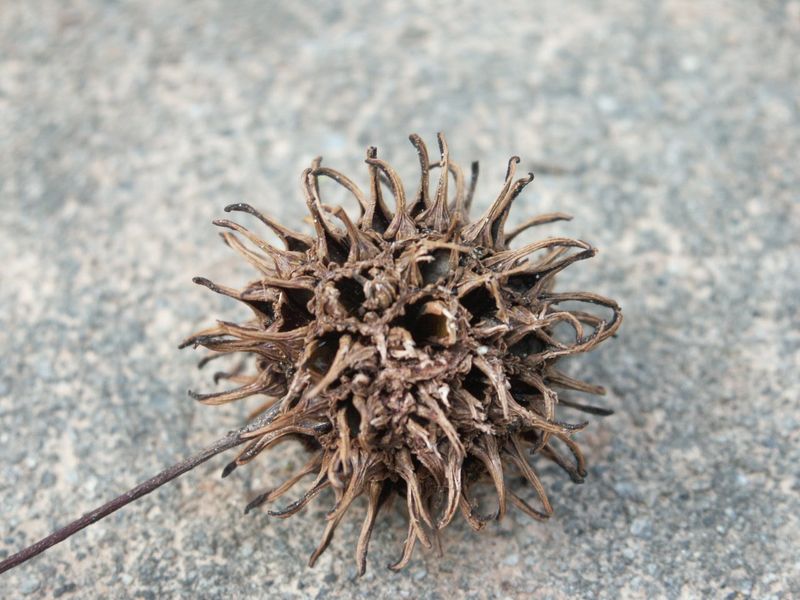
Those little brown spheres are about 1 to 1.5 inches wide. They feel like wood, and they are covered in stiff, sharp points that poke through thin soles. Strollers bump over them, bikes skid, and walkers often roll an ankle when one slides underfoot.
People call them gumballs, monkey balls, or sweetgum balls. Kids sometimes call them space viruses because of their spiky look. Whatever name you use, they all come from the same tree, and you have probably admired it in October without connecting the dots.
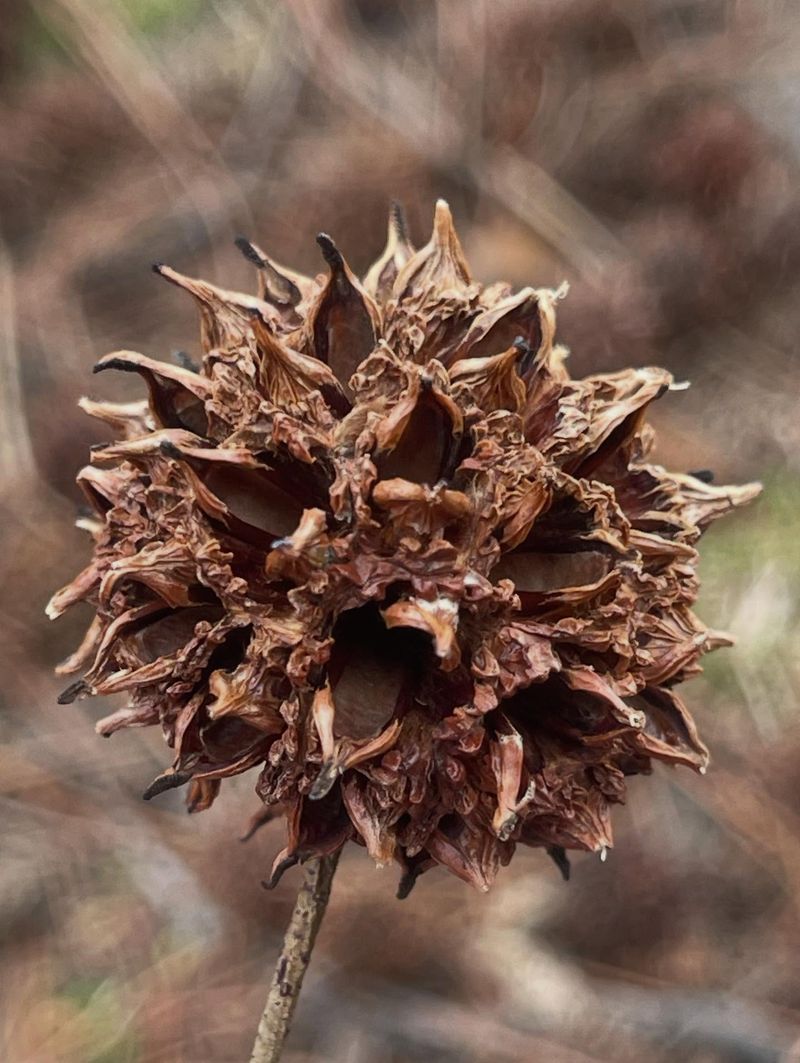
Each ball is a cluster of many tiny fruits fused together. Look closely and you will see small holes between the spikes. Those openings once held seeds, and most of them have already dropped out by the time the ball lands.
That explains why an empty gumball still sticks around for months. Its hard shell breaks down slowly, so one tree can leave a lumpy carpet from autumn into spring.
Once you know what you are looking at, you will start spotting them everywhere, especially near parks, schools, and older streets.
The American Sweetgum Tree Drops Those Spiky Balls
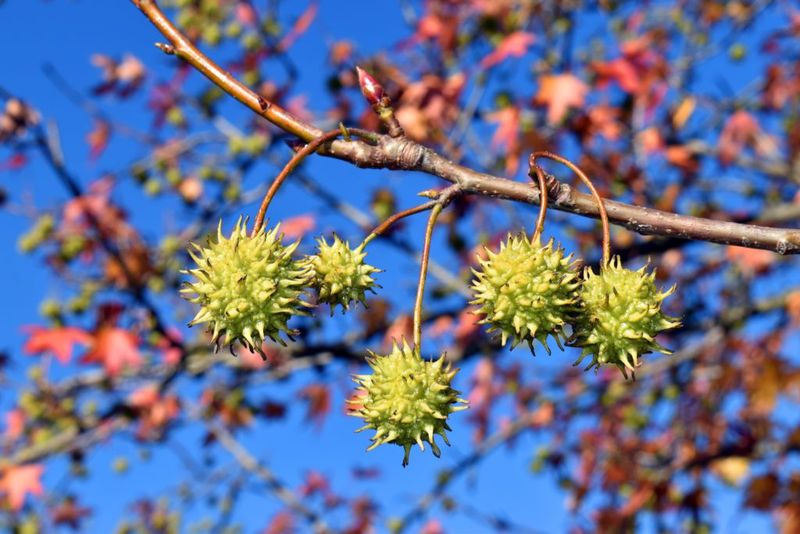
Sweetgum is the answer, plain and simple. Its scientific name is Liquidambar styraciflua, and it is a native tree across much of the eastern United States, including much of Maryland.
The tree grows quickly and often reaches 50 to 80 feet tall. Its trunk is straight, and older bark looks gray-brown with deep, rounded ridges. Young twigs sometimes grow corky wings, which is a fun clue when leaves are gone.
Why is it on so many streets? Cities and builders planted sweetgum for decades because it grows fast, handles many soils, and puts on a fantastic fall color show. Nobody seemed to think much about the gumballs back then.
The name comes from its sap. Cut the bark and you get a sticky, sweet-smelling resin called storax. Native peoples and early settlers used it as a chewing gum and in home remedies.
In the wild, sweetgum loves bottomlands, stream edges, and the sandy soils of the Coastal Plain. It also pops up in old fields because its winged seeds travel well on the wind.
So that tall tree with the star leaves by your curb? It is almost surely your gumball factory.
Star-Shaped Sweetgum Leaves Make Identification Easy
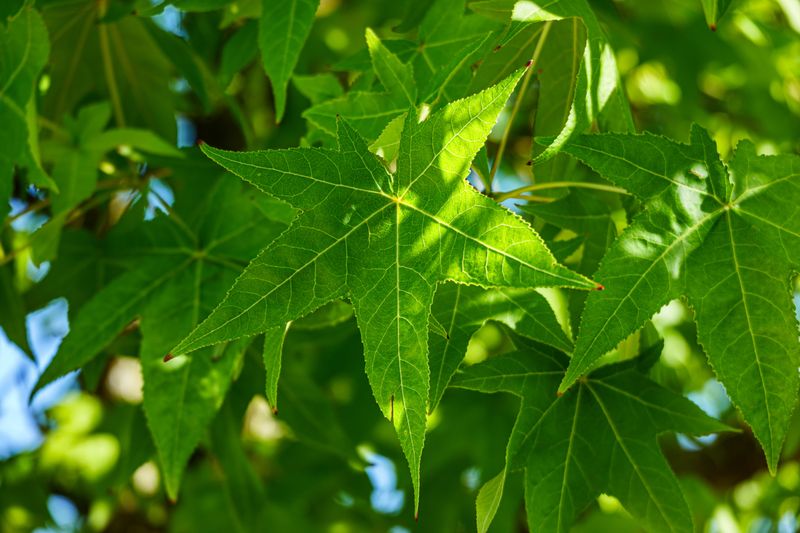
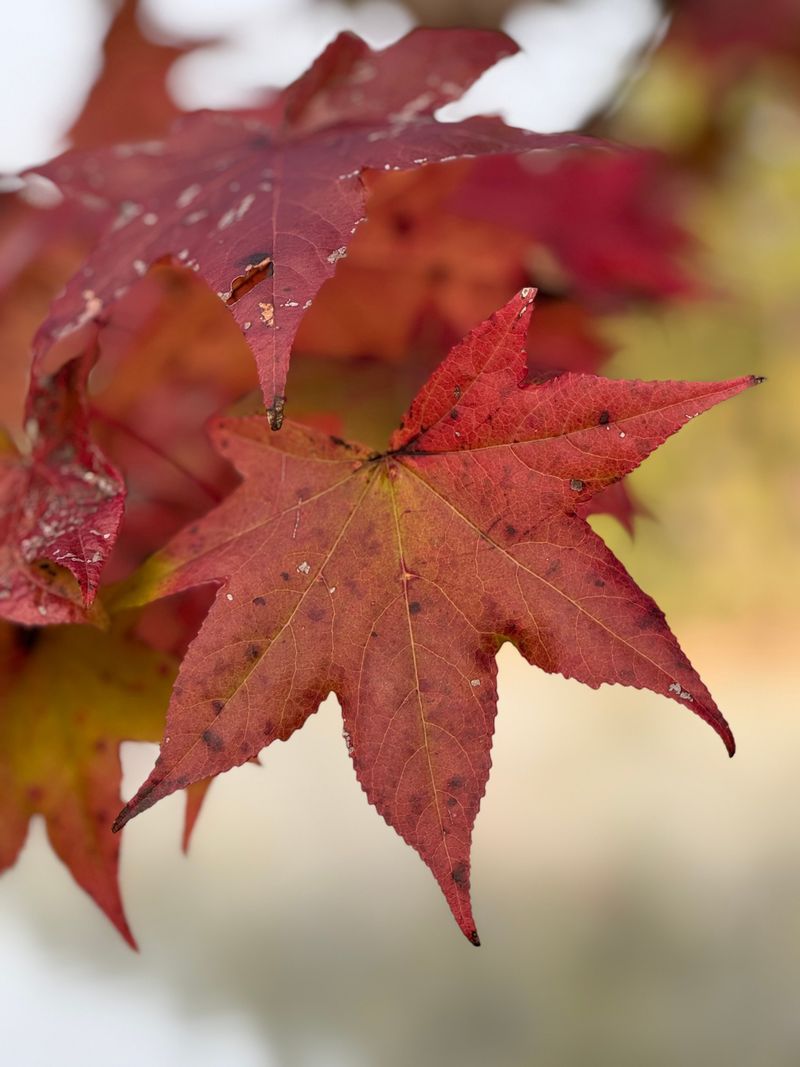
My favorite trick for spotting a sweetgum is to grab a leaf and count its points. Most have five sharp lobes, and some show seven, so the whole leaf looks like a glossy green star.
Maples have lobed leaves too, which confuses plenty of folks. Here is the quick difference. Maple leaves grow in pairs across from each other on the twig, while sweetgum leaves alternate up the stem.
Crush a sweetgum leaf and sniff it. You will notice a light, piney, slightly sweet scent that maple leaves lack.
Fall is when this tree truly shows off. One canopy can hold yellow, orange, scarlet, and deep burgundy leaves at the same time. Some trees even look purple from a distance.
That mix of colors happens because each leaf responds to sunlight and cool nights a little differently. Sunny outer leaves often turn red first, while shaded inner ones stay golden longer.
In winter, look for the gumballs still hanging high on bare branches. They dangle on long stems like tiny ornaments, which makes sweetgum easy to spot even in January. Keep an eye out on your next walk.
Green Sweetgum Pods Turn Brown Before the Big Drop
Back in spring, sweetgum flowers are so small that most people miss them. The female blooms form little round heads that slowly swell into green, slightly soft balls during summer.
By early fall, those green balls start to dry and turn brown. Their tiny chambers open, and small winged seeds flutter out on breezy days. A single ball can release dozens of seeds.
In central Maryland, heavy gumball drop usually starts around mid-October and runs into November. Many balls stay on the branches, though, and they keep falling through winter and into early spring. Storms and strong wind shake loose extra batches.
Some years seem much worse than others. Trees often produce bigger crops in certain years, and weather during flowering can play a part. That means your sidewalk mess might change from fall to fall.
Younger trees produce fewer balls. Sweetgums usually start bearing heavy fruit once they reach roughly 20 to 30 years old, which is why mature street trees create the biggest mess.
Plan your cleanup around this schedule. A big sweep in late November, plus a few quick passes after winter storms, handles most of the load without making it a weekly chore.
Goldfinches and Squirrels Love Those Spiky Seed Pods
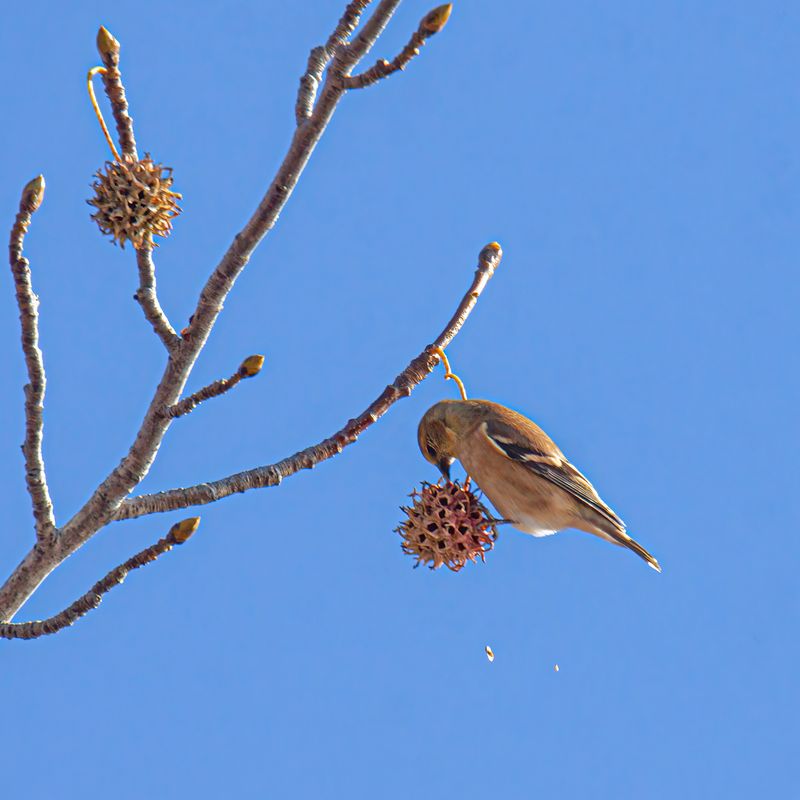
Grumble all you like, but the birds are thrilled. American goldfinches hang upside down on sweetgum branches and pick seeds right out of the dangling balls.
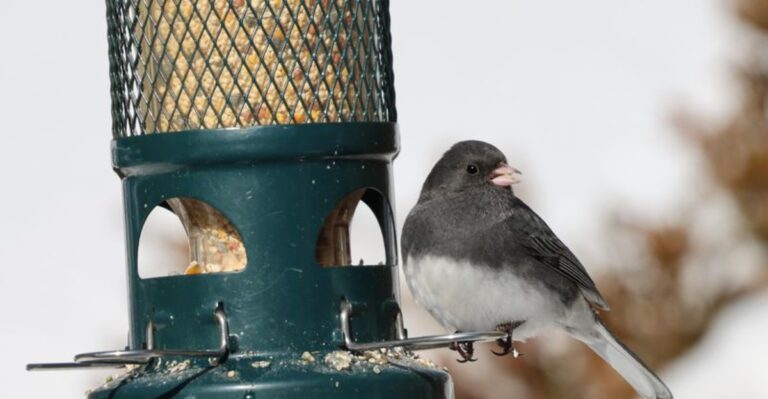
Chickadees, purple finches, sparrows, and juncos also eat the seeds. Squirrels and chipmunks gather them too, and wild turkeys snack on fallen ones in wooded areas. In winter, when food runs low, that steady supply matters.
The tree helps insects as well. Sweetgum leaves feed the caterpillars of several moths, including the striking luna moth. More caterpillars mean more food for nesting songbirds in spring.
A mature sweetgum also offers shade, shelter, and nesting spots. Its spreading roots hold soil along streams, and it handles wet ground better than many trees.
So before you curse at the gumballs, try a little experiment. Watch the tree on a cold morning for ten minutes. You might catch a flash of yellow goldfinch or a busy chickadee working the branches.
Fun fact: the seeds inside are tiny, about a quarter inch long with a little wing. Birds have to work hard for each one, which makes their acrobatics even more fun to watch.
Raking Sweetgum Balls Gets Easier With the Right Tools
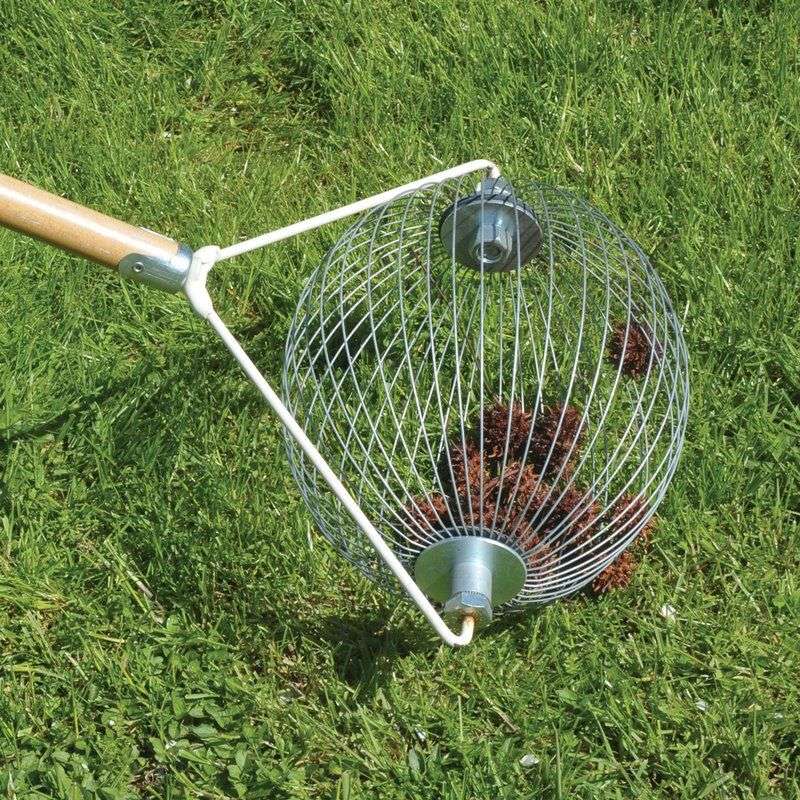
Raking gumballs with a regular leaf rake feels like herding marbles. They roll away, slip through the tines, and hide in the grass.
A rolling nut gatherer changes everything. It is a wire cage on a long handle that you roll across the lawn, and the balls pop inside. Most models empty with a quick squeeze into a bucket.
For sidewalks and patios, a stiff push broom works better than a rake. A leaf blower can push balls into a pile fast, and some mulching mowers break them up on the lawn, though they can wear blades.
Safety comes first near steps and walkways. Gumballs act like ball bearings, so clear entries and driveways where people carry groceries or kids run around. Older adults and anyone with balance issues deserve a clear path.
Wear sturdy shoes with thick soles while you work. Gloves help too, because those spikes are tougher than they look.
Where do the balls go? Yard waste programs in many Maryland counties accept them. You can also tuck them in a back corner pile, where they break down slowly and offer shelter for small critters.
Crafty Gardeners Turn Sweetgum Balls Into Treasures
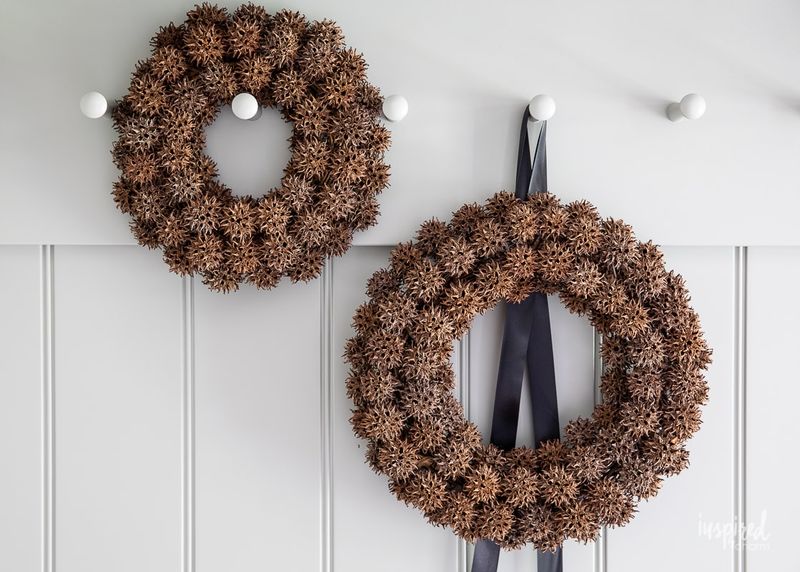
Grandma had a basket of gumballs by her fireplace, painted silver for the holidays. I thought it was odd as a kid, and now I make the same ornaments every December.
Gumballs are free, sturdy, and oddly charming. Spray them gold or white for wreaths, glue them onto foam cones for mini trees, or pile them in a bowl with pinecones. Kids love dipping them in glitter or turning them into tiny critters with googly eyes.
Bird lovers can roll gumballs in peanut butter, then press them into birdseed. Hang them with twine for a simple winter feeder. Use natural peanut butter without added sugar or salt.
Some gardeners scatter gumballs around beds to discourage cats from digging. Others use them as a bottom drainage layer in large outdoor pots, which saves soil and lightens the load.
Many folks claim they deter moles, voles, or slugs. Results vary, and science has not backed this up well, so treat it as an experiment rather than a sure fix.
Before crafting, let the balls dry indoors for a week. A quick bake at low heat helps drive out moisture and hidden bugs.
Fruitless Sweetgum Varieties Keep Fall Color Without the Mess
Love the color but hate the spikes? You have options.
Plant breeders offer sweetgum varieties that produce few or no gumballs. The best known is Rotundiloba, which has rounded leaf lobes and rarely sets fruit. Happidaze is another fruitless choice found at some nurseries.
You get the same native tree, the same fast growth, and that famous fall glow. You just skip most of the sidewalk cleanup. Ask your local nursery or check with University of Maryland Extension for availability.
Already have a fruiting tree? Some arborists can spray growth regulators in spring to reduce fruit. Timing is tricky and results vary, so hire a certified arborist instead of trying it yourself.
Removing a healthy native tree just for gumballs is rarely worth it. Sweetgum provides shade, wildlife food, and stormwater help that take decades to replace. Many towns also have rules about street trees, so check before cutting.
Planting new? Give sweetgum space. Its roots spread wide and can lift sidewalks, so place it at least 15 to 20 feet from paving.
A little planning, a good nut gatherer, and some craft ideas turn this prickly neighbor into a tree you can enjoy.