What to Do When Your Florida Garden Is Underwater (A Plant Recovery Guide)
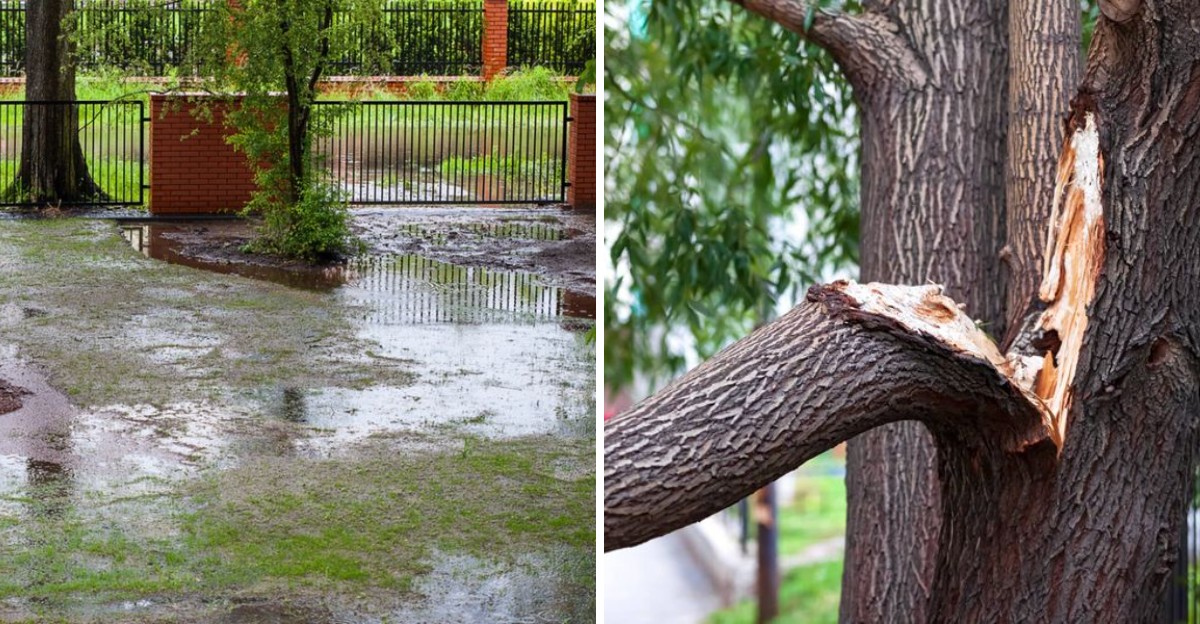
Plant roots need oxygen, and a flooded yard can cut off their supply within just a few days. Florida storms can drop so much rain that even sandy soil turns into a soupy mess overnight.
The trouble often starts quietly, too, with yellowing leaves sometimes appearing weeks after the water is gone. Floodwater also carries mud and salty grime that can coat foliage and seep deep into the root zone.
It’s tempting to rush outside with a shovel the moment the rain stops, and plenty of us have done just that. More often than not, though, the smartest first move is to pause, wait, and keep a close eye on those soggy beds.
The good news is that Florida gardens are tougher than they look, and many plants recover with the right care. Here’s how to help your yard bounce back, and which common cleanup habits are better left skipped.
1. Check For Downed Power Lines Before Wading Into The Yard
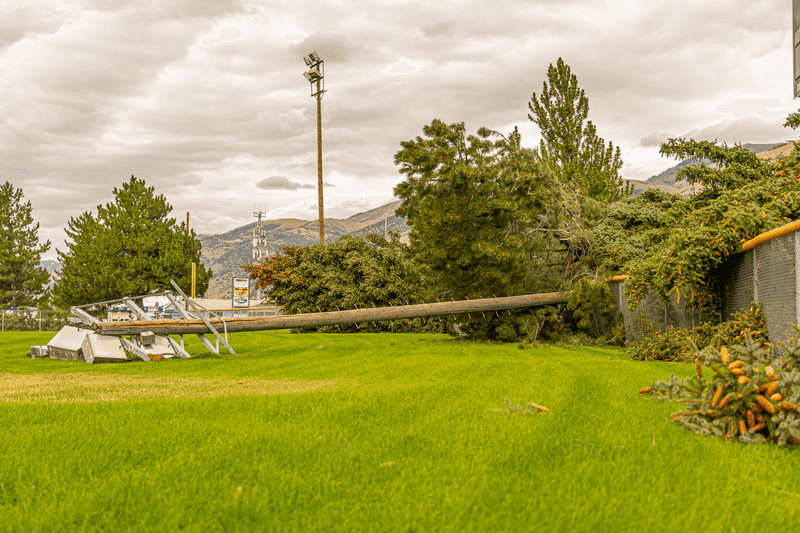
Floodwater hides more than mulch, and a single submerged extension cord can turn a puddle into real danger. Before you set one boot in the yard, scan for sagging power lines and report them to your utility.
Rubber boots and thick gloves are your best friends right now, because broken glass and nails love murky water. Snakes and fire ants also look for higher ground during floods, so watch where you reach and step.
I like to grab my phone and snap photos from several angles before touching anything in the garden. Those pictures help with insurance claims, and they also let you compare recovery progress over the coming weeks.
Next, take a slow lap and look closely at trees for cracked trunks or limbs hanging by a thread. A dangling branch over a walkway deserves attention first, while a slightly tilted shrub can usually wait a bit.
Large trees near your house or power lines are a job for a certified arborist, not a ladder adventure. Calling a pro might feel excessive, but it keeps you safe and protects the tree’s long-term structure.
Exposed roots dry out fast in our hot sun, so toss some soil or mulch over them for now. That quick cover buys time until you can decide whether the plant needs staking or a fresh planting spot.
Most of all, take a deep breath before grabbing the rake or the pruning saw from the shed. Landscapes recover on their own schedule, and a calm first look sets you up for smarter decisions later.
2. Rinse Mud And Salt Off Muddy Leaves With A Garden Hose
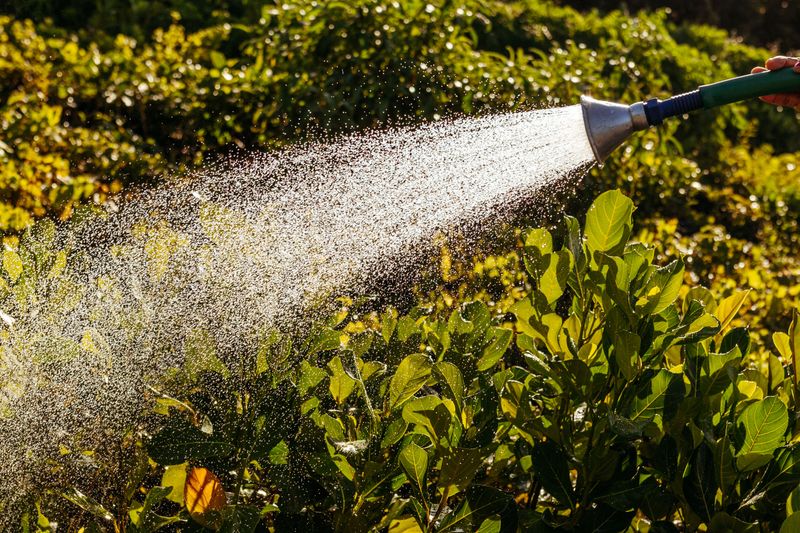
Salt spray dries into a crusty film on leaves, and that film can scorch tender foliage within days. Mud does its own sneaky damage by blocking sunlight, so your plants struggle to make the food they need.
Extension experts suggest rinsing foliage with fresh water soon after a storm, ideally within the first two or three days. Grab a hose with a gentle spray nozzle and work slowly from the top of each plant downward.
Flip the leaves over and rinse the undersides too, since grime hiding there can be just as harmful. I find it oddly satisfying to watch gray, crusty hibiscus leaves turn glossy green again after a good shower.
While you clean, pull fallen branches and soggy leaf piles away from the base of your shrubs. Clearing that clutter lets air move through the garden, which helps foliage dry faster and discourages pesky fungus.
Try to stay on paths or stepping stones, because saturated soil squishes down easily under your weight. Compacted ground squeezes out air pockets, and roots already starving for oxygen do not need that extra trouble.
Vegetable gardens need a stricter approach, since floodwater can carry sewage and harmful bacteria onto every leaf and fruit. Food safety experts recommend tossing any produce that touched floodwater, even if it looks perfectly fine to you.
Root crops like carrots and radishes sit right in contaminated soil, so they belong in the trash bin too. It stings to lose a harvest, but your family’s health matters far more than a basket of tomatoes.
3. Dig Shallow Trenches To Drain Standing Water From Flower Beds
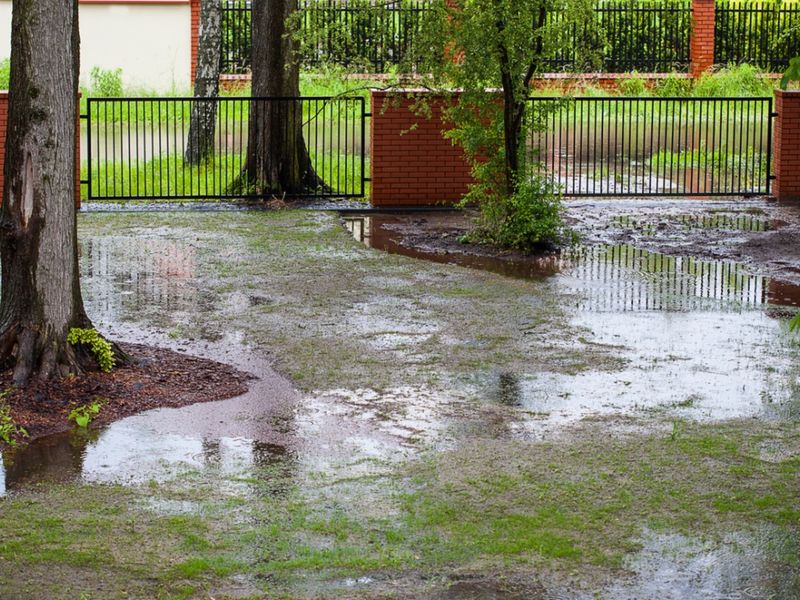
Sandy soil usually drains fast, yet a low spot in the yard can hold water like a backyard pond. I have watched my own side bed stay soggy for nearly a week after one stubborn summer downpour.
Your first job is mostly patience, letting the water seep away naturally before you start any heavy work. Tilling or rolling a wheelbarrow over wet ground presses soil particles together and makes drainage even slower afterward.
If puddles stick around for days, dig shallow trenches that guide water downhill and away from plant roots. Even a narrow furrow made with a hand trowel can move a surprising amount of water toward the lawn.
Once the soil dries enough to crumble in your hand, push a garden fork in and rock it gently. Those little openings let fresh air reach the root zone, which helps roots breathe and absorb nutrients again.
Compost is a quiet hero here, because organic matter improves soil structure and helps water drain more evenly. Work a thin layer into the top few inches of your beds rather than burying it deep underground.
Floods often wash mulch into neat little piles against fences, so rake it back where it belongs. Aim for a layer about two to three inches thick, and keep it pulled away from stems and trunks.
Mulch piled against bark traps moisture and invites rot, which is the last thing a stressed plant needs. If certain beds flood every rainy season, consider raised beds or moisture-loving natives for that tricky spot.
4. Trim Broken Branches With Clean Sharp Pruners
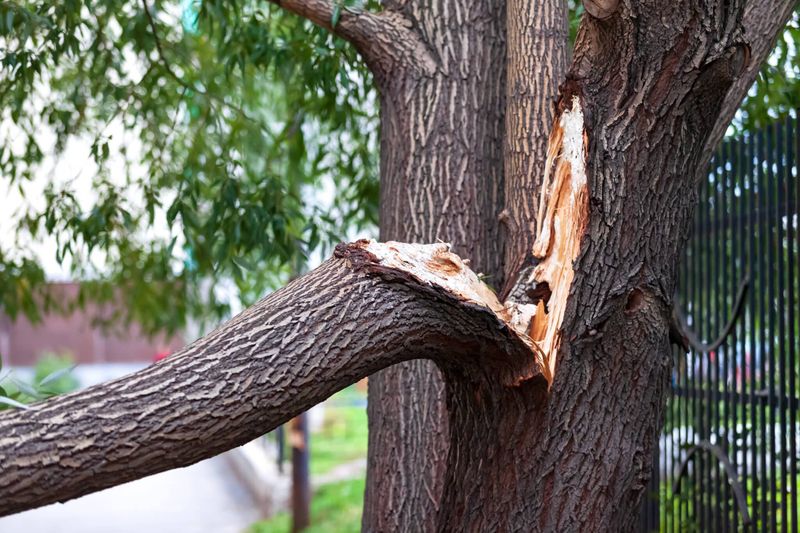
Those snapped branches dangling from your crape myrtle are begging for a trim, and honestly, they have a point. Jagged breaks invite decay organisms, so a clean cut helps the plant seal the wound on its own terms.
Reach for sharp bypass pruners or a clean saw, and cut back to healthy wood just outside the branch collar. That slightly swollen ring where a branch meets the trunk holds tissue that helps trees close wounds naturally.
Skip the wound paint or tar, since research shows trees wall off damage well without those sticky coatings. I wouldn’t necessarily call sealants harmful in every case, but they rarely help and can trap moisture underneath.
Topping trees, which means chopping big limbs back to stubs, causes weak sprouts that break easily in future storms. Hurricane season returns every year in this part of the country, so strong branch structure is worth protecting now.
Brown leaves alone are not a reason to prune, because stressed plants often drop foliage and regrow it later. Scratch a twig gently with your fingernail, and green tissue underneath tells you that stem still has life.
Waiting a few weeks lets new buds show you exactly where healthy growth is coming back. Then you can thin crowded branches lightly, which lets sunlight and breezes reach the inner parts of the shrub.
Remember that every cut is another small stress for a plant already recovering from soggy, oxygen-starved roots. A light hand now usually pays off with fuller, sturdier growth by the time cooler months finally arrive.
5. Watch Soggy Leaves For Fungal Spots And Root Rot
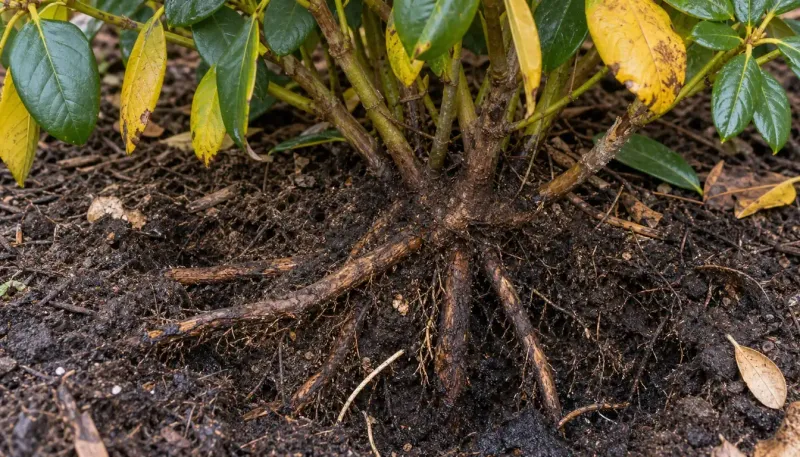
Warm, wet soil is a playground for water mold organisms like Pythium and Phytophthora, which attack plant roots. Root rot often hides underground, so the first clue might be wilting leaves even when the soil feels soaked.
That combination confuses many gardeners, because wilting usually means thirst, but here it signals roots that cannot work properly. Gently dig near a struggling plant and check the roots, since healthy ones look firm and pale inside.
Mushy brown roots with a sour smell point toward rot, and badly affected annuals are often best pulled and replaced. Leaving them in place can spread trouble to neighbors, especially in crowded beds where soil stays damp.
Above ground, keep an eye out for leaf spots and fuzzy mildew during the humid weeks after flooding. Pick off infected leaves promptly and bag them rather than tossing them onto your compost pile at home.
Clean your pruners between plants with a solution of one part household bleach to nine parts water. Rinse and oil the blades afterward, because bleach can corrode metal if it sits on your tools too long.
Stressed plants also attract opportunistic insects such as aphids and scale, which love tender, weakened growth. I’m often surprised how quickly pests find a struggling shrub, so inspect leaf undersides at least once a week.
Once things dry out, water in the morning so foliage has the whole day to dry off. Spacing plants for airflow helps too, giving fungus fewer damp, still pockets where it can settle in.
6. Stake Leaning Young Trees And Cover Exposed Roots
A young tree lying on its side looks like a lost cause, but many bounce back surprisingly well. Trees with trunks under about four inches in diameter are usually good candidates for standing back up.
Speed matters here, since exposed roots lose moisture quickly under the hot sun and steady coastal breezes. Cover them right away with moist soil or damp burlap until you are ready to replant them properly.
Wait until the ground firms up a bit, then gently tilt the tree upright without yanking on the trunk. Pack soil back around the root ball and water lightly to settle air pockets that formed during the shift.
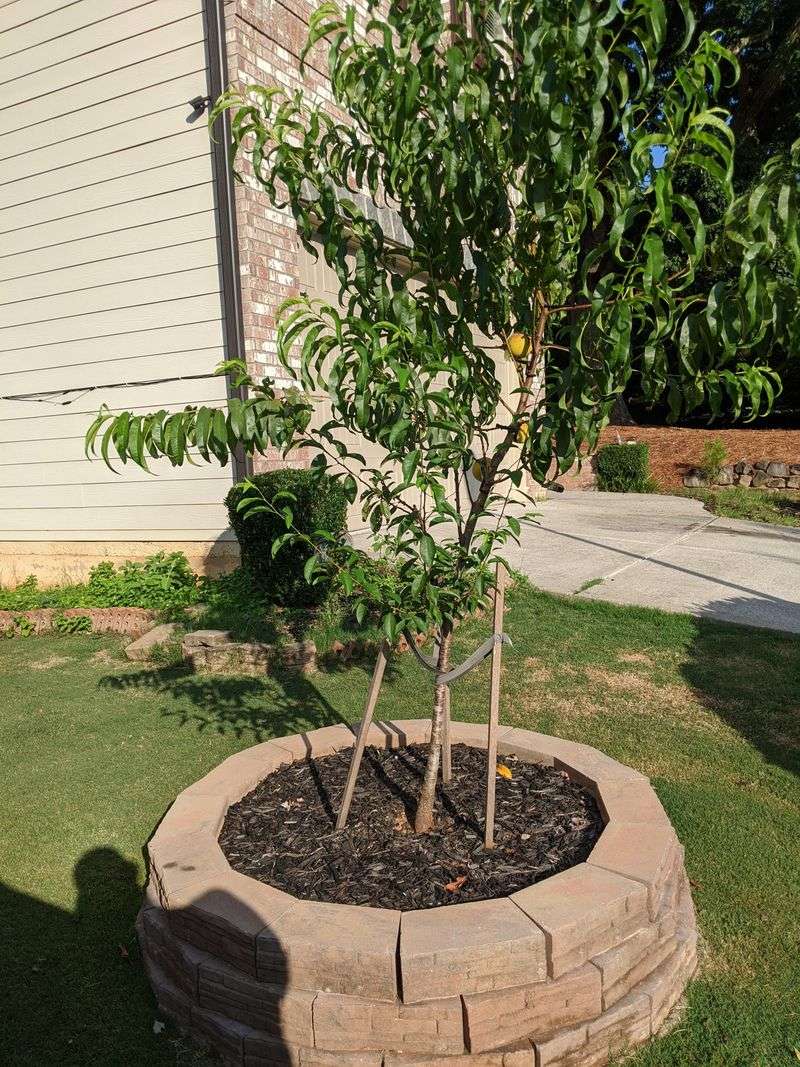
Drive two sturdy stakes outside the root zone, then connect them to the trunk with soft, flexible ties. Wide straps or old bicycle inner tubes work nicely, since thin wire can cut into bark as trunks sway.
Leave a little slack so the trunk can bend slightly, because gentle movement actually encourages stronger wood. I like checking the ties every month, loosening anything that starts to pinch as the tree keeps growing.
Most trees need support for about one growing season, so plan to remove stakes within a year. Leaving them too long can make trees lazy, and the trunk may not develop the strength it needs.
Large mature trees that topple are a different story, and an arborist should judge whether they are safe. Their massive root plates rarely reattach well, and a leaning giant near your roof is not worth the risk.
7. Put The Fertilizer Bag Away Until New Leaves Appear
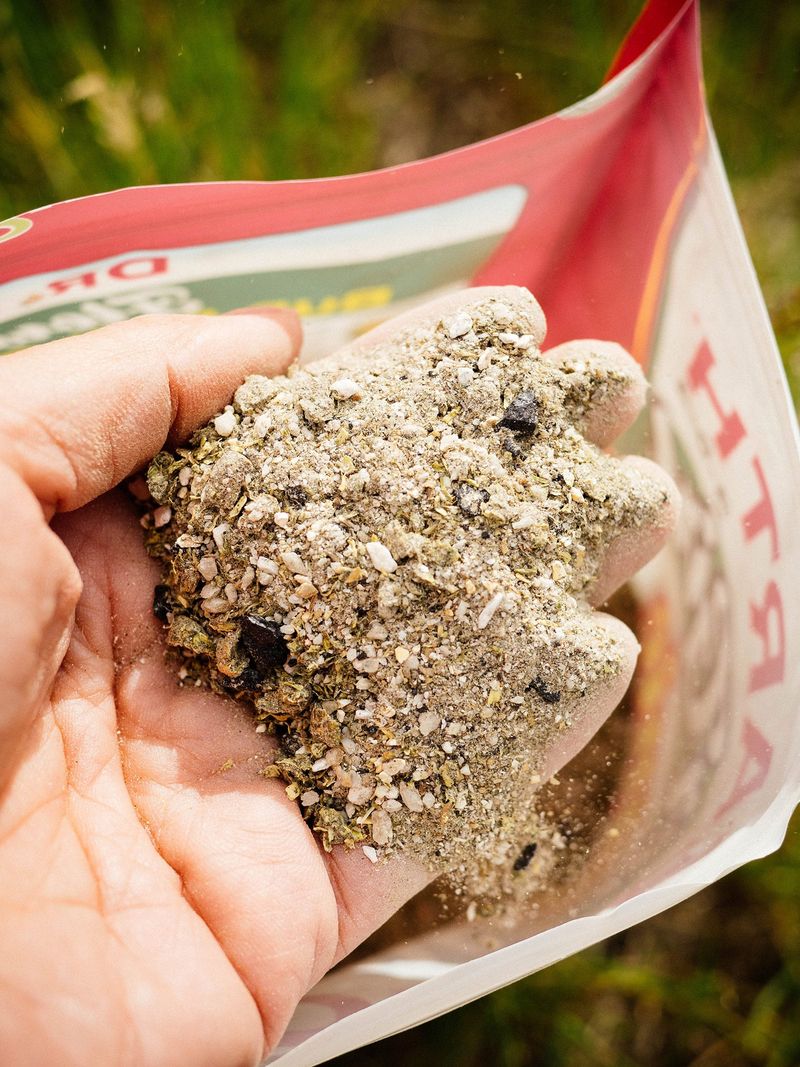
Fertilizer seems like a kind pick-me-up for droopy plants, yet it can actually add stress right now. Most fertilizers are salts, and extra salts pull moisture away from roots already struggling to function.
Coastal gardens that took on saltwater need extra care, since salt buildup is already a serious problem there. Soaking those beds with fresh water from rain or irrigation helps leach salts down and away from roots.
Feeding a stressed plant also pushes leafy top growth before damaged roots can supply enough water to support it. That imbalance often leads to more wilting, which is the exact opposite of what you were hoping for.
Many Florida counties and cities also restrict nitrogen and phosphorus fertilizer during the summer rainy season, typically June through September. Those rules protect lakes and springs from algae blooms, so check your local ordinance before buying anything new.
A soil test through your county extension office can show which nutrients your yard actually needs after flooding. UF/IFAS offers affordable testing, and the results keep you from guessing or wasting money on the wrong product.
Instead of feeding, watch patiently for signs of real recovery like fresh buds and steady new leaves. I can’t get enough of that first flush of bright green growth after weeks of sad, droopy branches.
Once healthy growth looks strong for several weeks, a light slow-release feeding can help plants finish rebuilding. Some damage may show up months later, so keep watching your yard with patient, curious eyes.