Those Yellow Striped Balls Along Arizona Roadsides May Be Fingerleaf Gourds
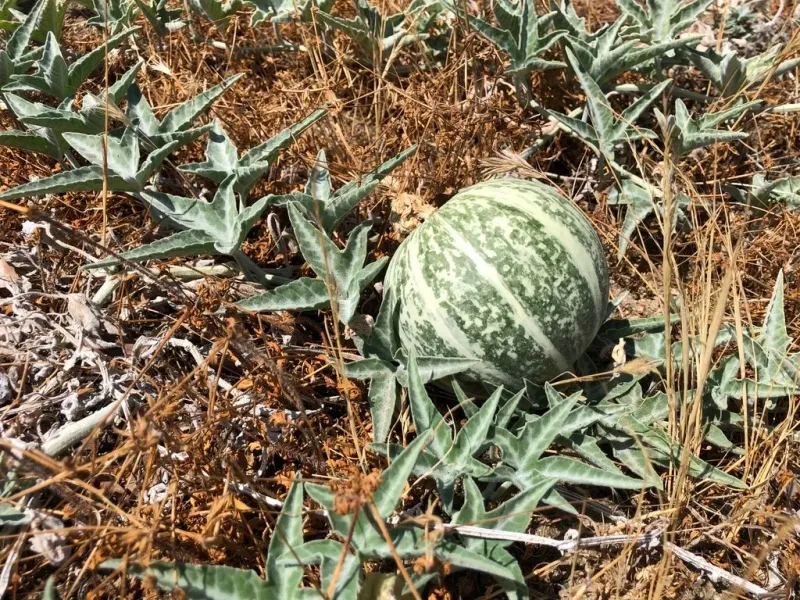
Those round, striped fruits scattered along Arizona roadsides can make you slow down and wonder. Many look like tiny melons, but they are not snacks.
A native vine is a likely suspect, though fruit alone cannot prove it. Here is how to take a closer, safer look.
Those Striped Fruits May Be Fingerleaf Gourds
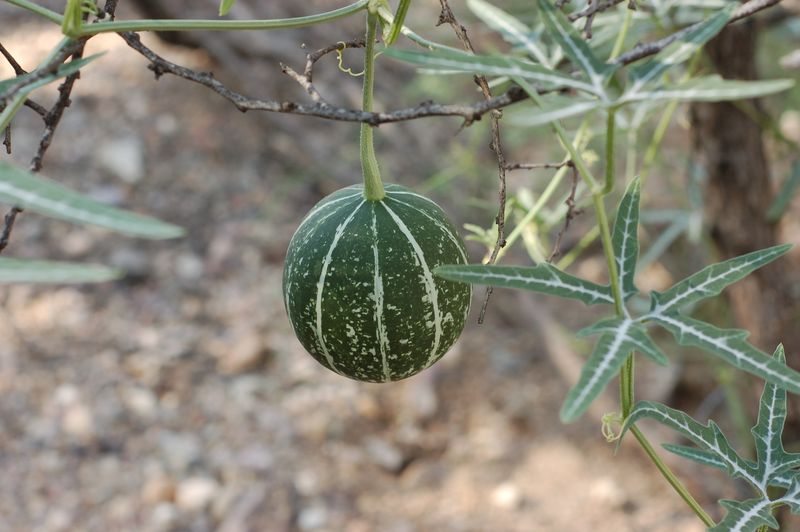
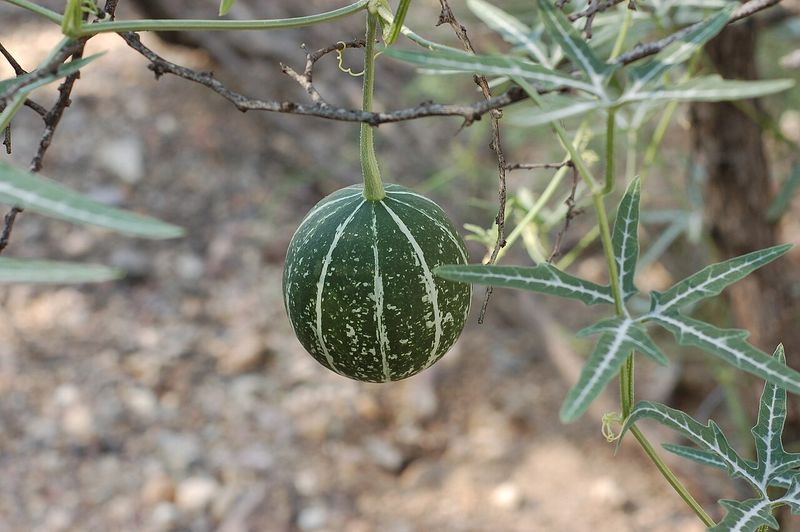
A field guide from the University of Arizona Press, An Illustrated Guide to Arizona Weeds, describes fingerleaf gourd (Cucurbita digitata) growing along Arizona roadsides. It reports mature fruits as yellowish green with pale-yellow stripes.
That matches what many drivers notice on the shoulder.
So fingerleaf gourd is a plausible match for the striped balls you spotted. The word to hold onto is plausible.
Several related gourds also make striped fruits, so a fruit by itself cannot confirm the species.
The University of Arizona Yavapai County plant guide adds helpful detail. It describes green, striped fruits that turn yellow, along with narrow, deeply divided leaves.
Those leaves are the better clue, and the next section shows how to read them.
Think of the fruit as a good first hint, like a footprint. It tells you who might have passed by, but it does not give you a name.
A photo of the whole vine will help much more than a photo of one gourd.
Check the Leaves and the Vine
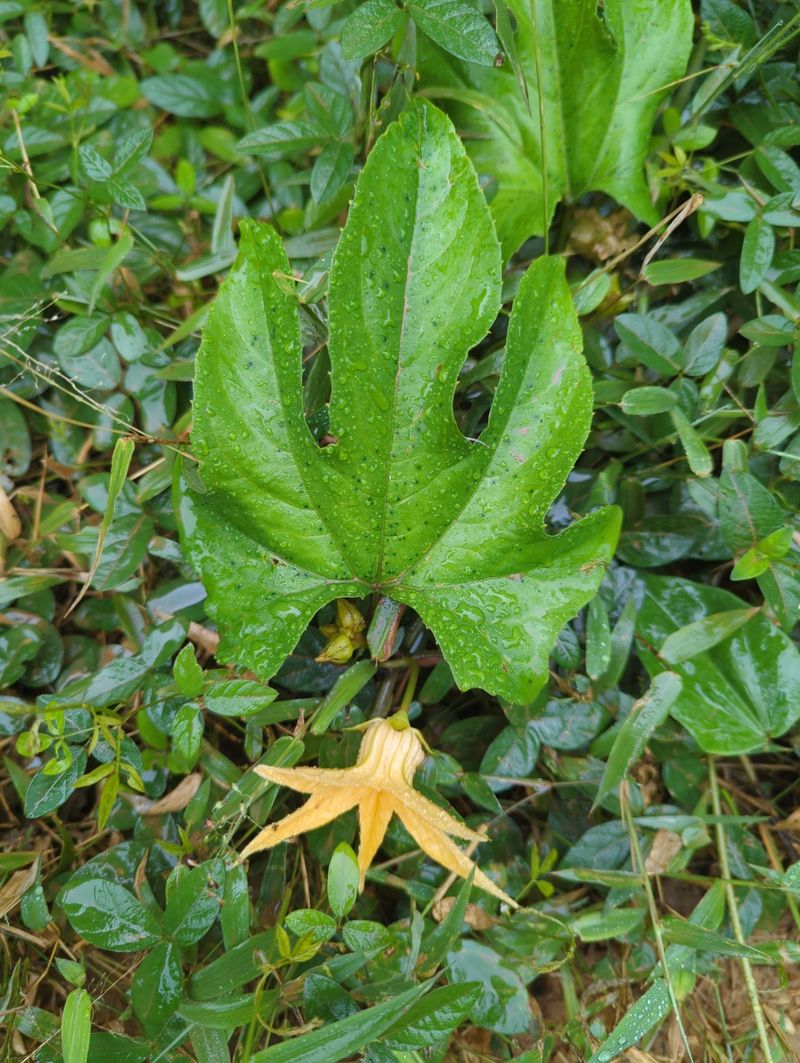
Leaves are where the real detective work starts. Fingerleaf gourd has leaves divided nearly to the base into about five narrow, fingerlike lobes, as described in the Yavapai County plant guide.
Picture a skinny hand with its fingers spread wide.
The stems also matter. This vine trails along the ground, and the stems can grow quite long.
If you see one fruit with no vine attached, you are missing a big piece of the puzzle.
Why do leaves beat fruit? Related gourds can share striped fruits, but their leaf shapes differ.
The Arizona-Sonora Desert Museum notes that a close relative has broader lobes, so shape is a useful comparison.
Be honest about what you can see, though. A fast glance from a car, a dried-out vine, or a plant without leaves may not settle anything.
In that case, call it a possible fingerleaf gourd and leave it at that.
The Fruits Change as They Mature
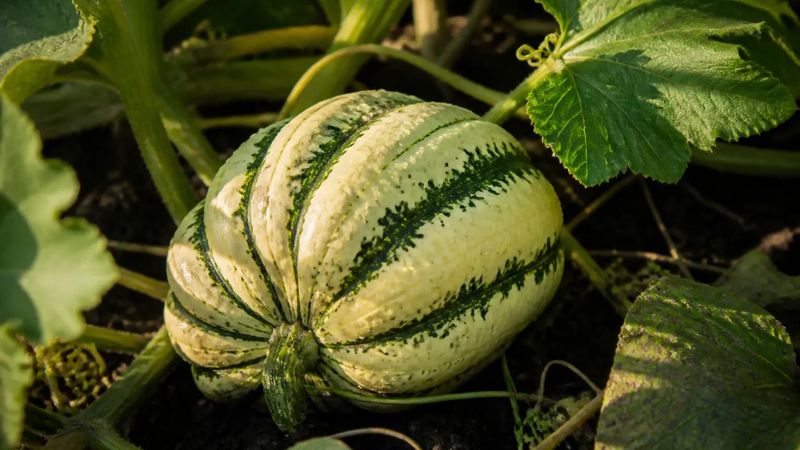
The story begins with a yellow flower. Those blooms are followed by small round fruits, and the fruits keep changing for weeks.
That is why two gourds on the same roadside can look different.
The Arizona-Sonora Desert Museum’s natural history guide describes young gourds as green with yellowish stripes. They later mature to a straw color.
The Arizona weed guide describes mature fruit as yellowish green with pale-yellow stripes.
Notice that the sources use slightly different words. That is a good reminder that color is a range, not a fixed recipe.
Sun, age, and drying can all shift the shade you see.
So use color as a loose guide only. A green-striped gourd and a pale straw one might be the same kind of plant at different stages.
Pair what you see in the fruit with the leaves and vine before you decide.
A Native Vine That Grows in Varied Arizona Settings
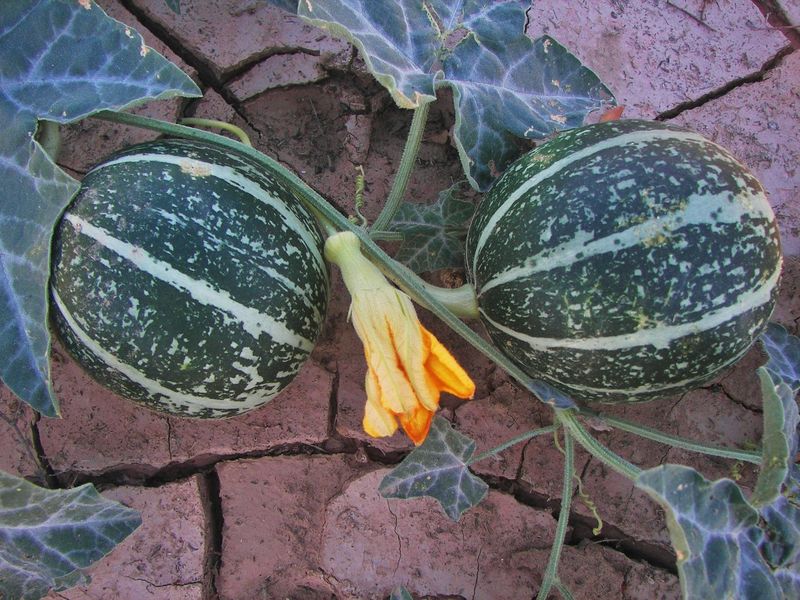
Fingerleaf gourd is a native, perennial vine. It does not need a pampered garden bed to thrive.
It shows up in sandy or gravelly ground, in washes, on plains and mesas, and in disturbed places.
The Arizona weed guide reports it across southern and central Arizona, including roadsides. Roadsides make sense because the soil there is often bare and disturbed.
A trailing vine can spread out in that open space.
The same guide calls it a native weed that can become troublesome in irrigated agricultural settings. That is a narrow claim about farm fields.
It does not mean the plant is a problem in every yard or desert landscape.
Because it is perennial, a vine you spot this fall may return in a future season. Checking the same spot again later, from a safe place, can show you more of its growth habit.
Other Striped Gourds Can Look Similar
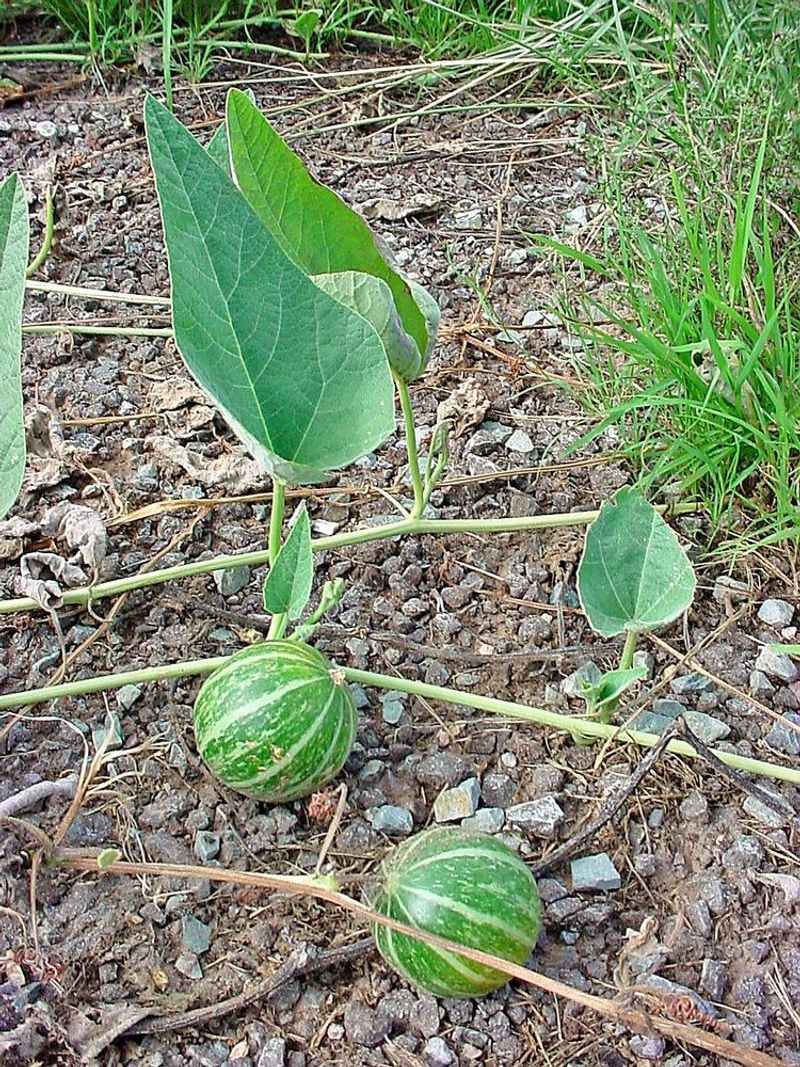
Buffalo gourd (Cucurbita foetidissima) is another roadside relative with striped fruits. Its leaves are generally larger and triangular rather than finger-divided.
The Desert Museum also notes a rank odor when the leaves are bruised.
New Mexico State University’s weed circular covers buffalo gourd as a troublesome plant in that state. It gives a useful comparison for leaf shape.
Still, you do not need to crush leaves to check, and a quick look is enough.
Then there is Cucurbita palmata, which has broader lobes than fingerleaf gourd. The two can intergrade in the western Sonoran Desert.
That means some plants may fall between the descriptions.
Treat all of these traits as comparison clues, not guarantees. A plant with mixed features may stump even experienced observers.
When in doubt, a local botanist or Cooperative Extension office can help with a clear photo of leaves, vine, and fruit.
Common Names Do Not Confirm a Species
Common names can be slippery. The Arizona Native Plant Society uses coyote gourd for Cucurbita digitata.
Other sources apply coyote gourd or coyote melon to different Cucurbita species.
Desert gourd has the same problem. It is a general label, not the name of one species.
Calling a roadside fruit a desert gourd tells you very little about which plant it is.
That is why the scientific name is handy. Use Cucurbita digitata when you mean fingerleaf gourd specifically.
It keeps everyone talking about the same plant.
If all you have seen is a fruit, keep your wording tentative. Saying it may be a fingerleaf gourd is accurate and honest.
You can upgrade that statement later if leaves, vine, and location all line up.
Observe Wild Gourds; Do Not Eat Them
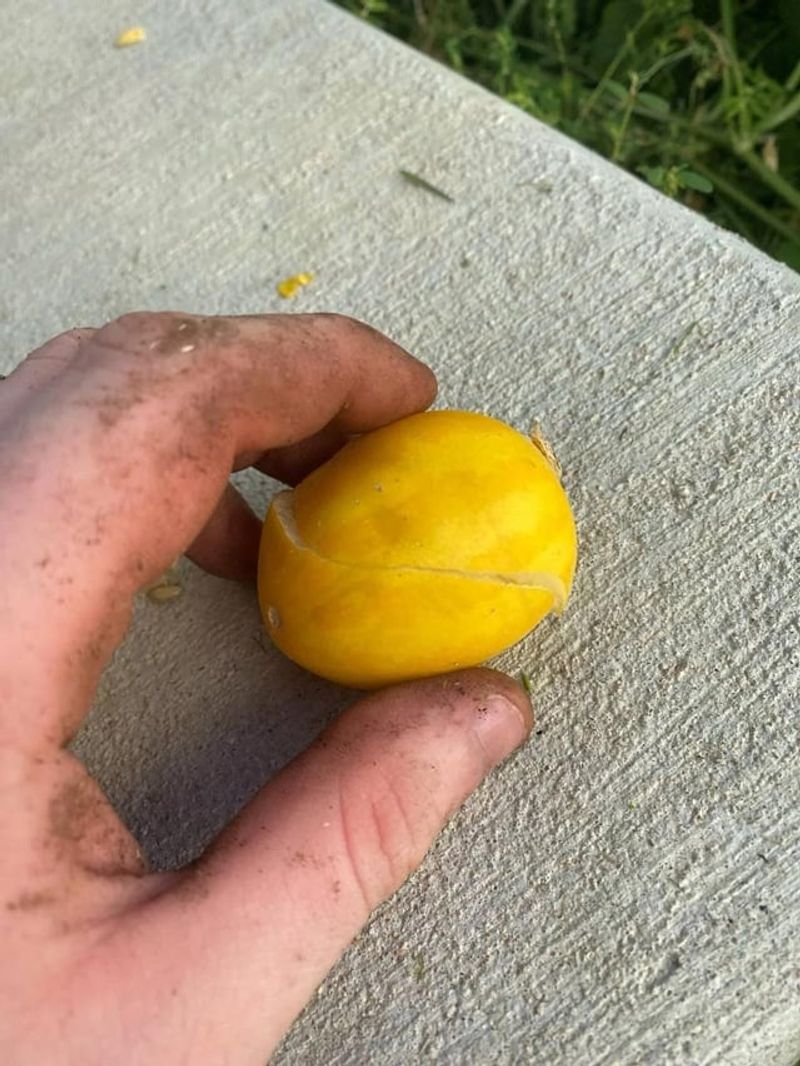
Please leave roadside and unidentified wild gourds uneaten. Do not taste one to test it, either.
Wild gourds can be extremely bitter for a reason.
Poison Control explains in its toxic squash syndrome article that cucurbitacins in bitter squash can cause serious gastrointestinal illness. Cooking does not remove the toxin.
The agency advises against eating wild squash.
You also do not need to collect anything. Skip stopping on a narrow shoulder, and stay off private land.
Collection rules vary by location, so a photo from a safe, permitted spot is the better souvenir.
Take notes on the leaves, the vine, and the place. A fruit-only guess stays a guess.
Sometimes the best way to appreciate a tough desert vine is to let it keep its gourds.