Turn Berry Seeds From Your Kitchen Into New Plants In Georgia This Fall
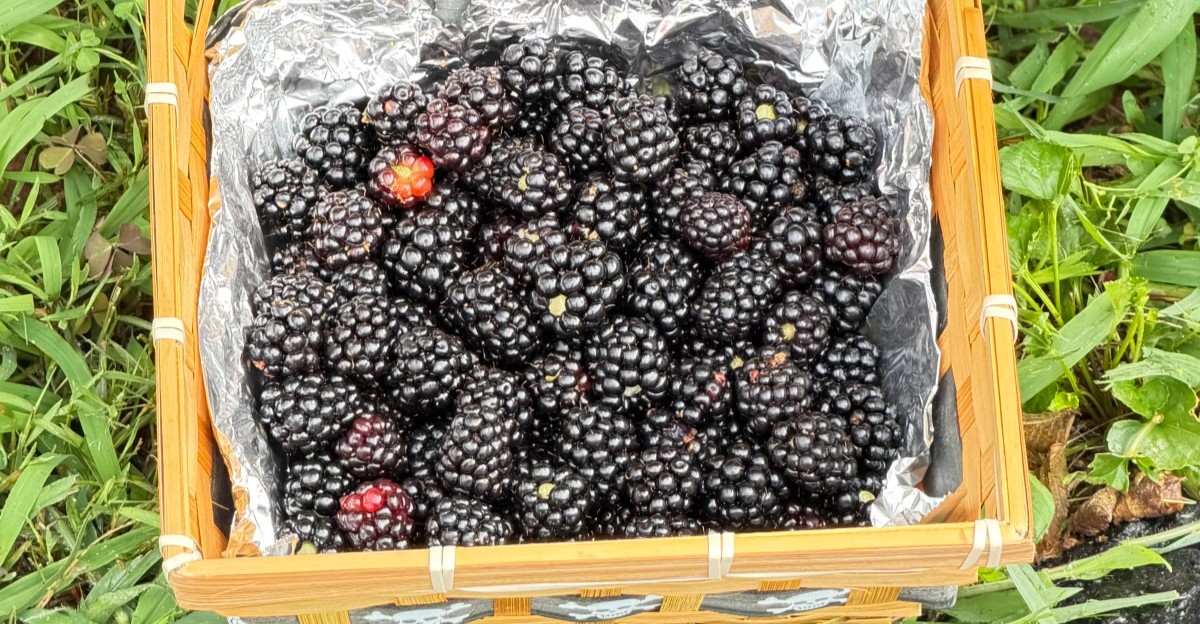
A single blackberry is actually a cluster of tiny fruits, and each little bump can hold its own seed. That means one handful from the grocery store might carry dozens of future plants.
I love that thought. The leftovers in your colander could become a backyard patch with no nursery trip at all.
Those seeds just need a long, cold, damp rest before they agree to sprout.
Georgia winters happen to offer that rest for free in most parts of the state. You won’t need special lights, fancy gear, or a greenhouse.
A few pots, some sandy mix, and patience will carry you most of the way.
I find the surprise factor irresistible. Seedlings rarely match the parent fruit, so your patch could hold flavors nobody has tasted before.
Which berry will you save first?
1. Those Berry Seeds Are Waiting For A Winter Wake-Up Call
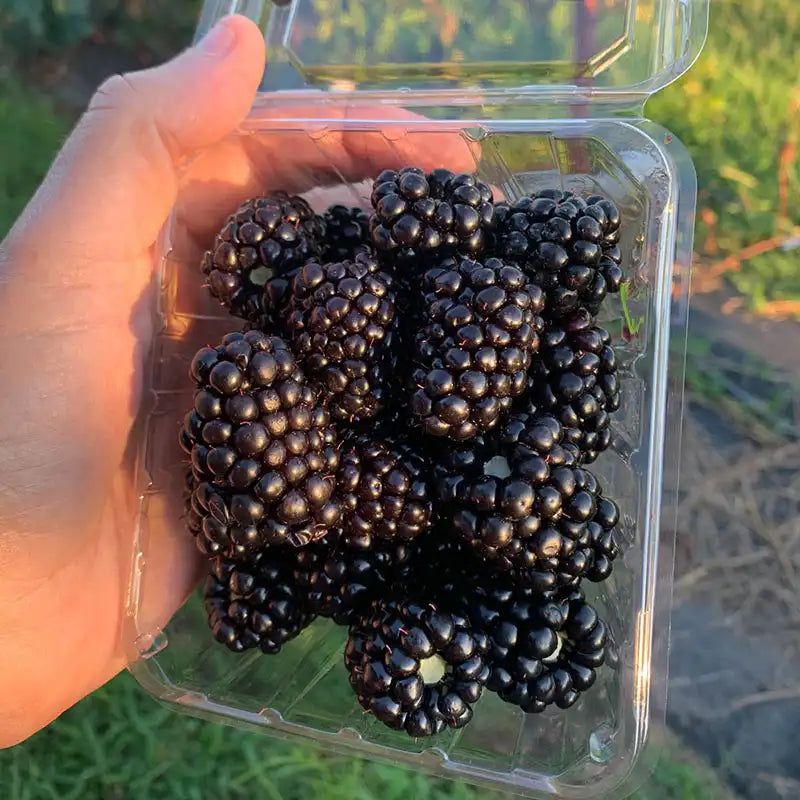
Nature built a clever safety lock into bramble seeds. Blackberry and raspberry seeds carry a tough coat and an internal dormancy that keeps them from sprouting the moment they hit soil.
Without that lock, a seed might germinate during a warm October week and then face a hard January freeze as a fragile sprout. Instead, the seed waits for a long stretch of cold, moist conditions that tells it winter has passed.
Gardeners call this process cold stratification.
Most university guides suggest bramble seeds need roughly three months of chilling around 33 to 41 degrees. Some growers also nick or soften the hard coat first, because that shell can slow water from reaching the embryo inside.
Here in the South, fall timing works in your favor. Seeds sown outdoors in late October or November soak up the cool, wet months and get the signal to grow once spring warms the soil.
So when your kitchen seeds refuse to sprout on a sunny windowsill, nothing is wrong with them. They are following an ancient schedule.
Your job is simply to give them a believable winter, and the season itself handles much of that work for you.
2. Blackberries And Raspberries Make The Best Kitchen Seed Candidates
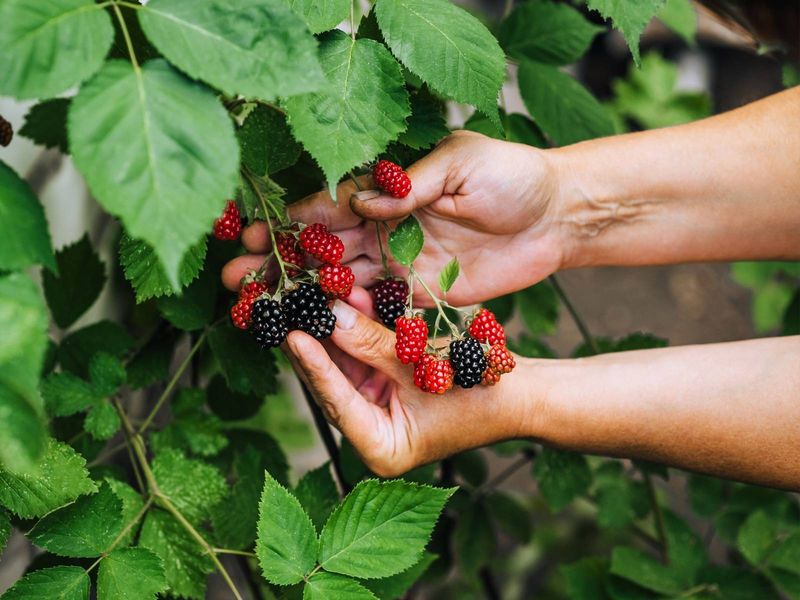
Honestly, blackberries steal the show for Georgia seed savers. Wild blackberries already grow along fence lines across the state, which tells you how well they handle the local heat, humidity, and clay.
Raspberries are a fun experiment too, though they need more caution. Many red raspberry types struggle with long, steamy summers, so they tend to do better in the cooler mountain counties of north Georgia than in the hot coastal plain.
Blueberries are worth a try as well, since rabbiteye and southern highbush types are Georgia favorites. Their tiny seeds germinate without a long chill in many cases, so they make a nice side project.
Choose fresh, fully ripe fruit with deep color and soft texture. Organic or farm stand berries are a smart pick, because some store fruit is picked early and may carry weaker seeds.
Keep one fact in mind before you start. Commercial berries are usually hybrids, so seedlings will not be exact copies of the parent.
Some may turn out thornier or more sour, while others might surprise you with sweet, juicy fruit. That gamble is part of the charm, and plant breeders start new varieties this exact way.
3. Mash, Rinse, And Dry Your Tiny Bramble Seeds
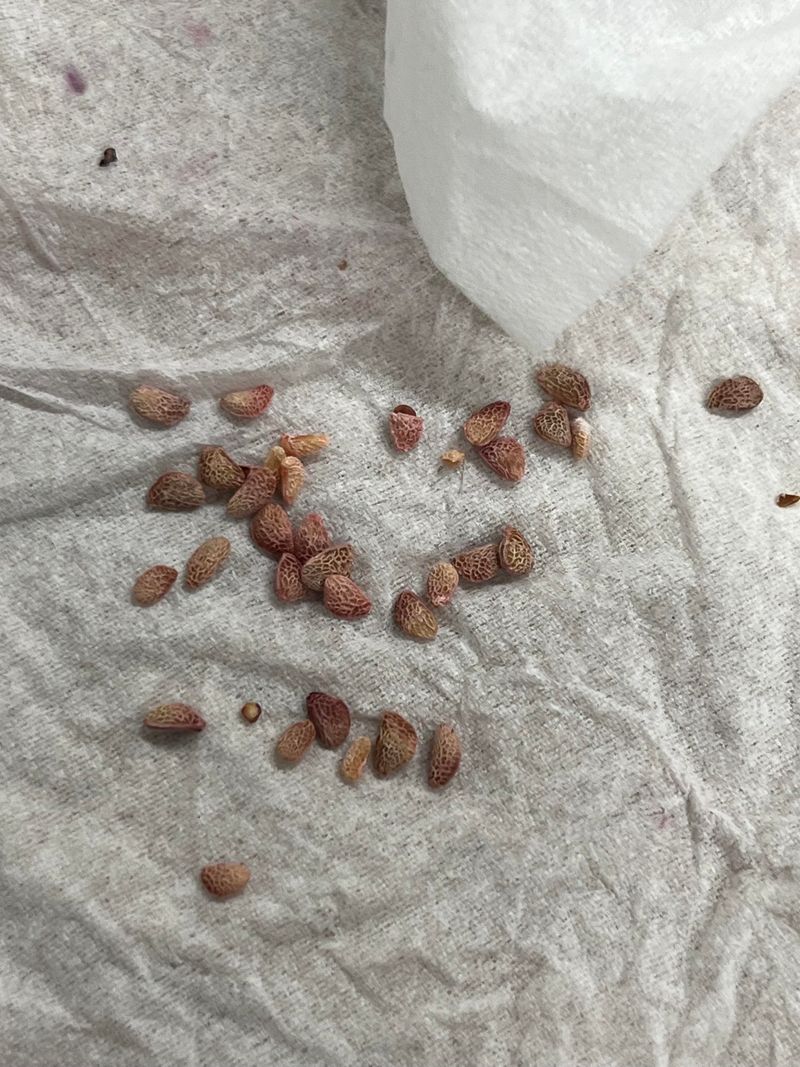
Sticky fingers are guaranteed, so grab an apron. Seed cleaning is messy, a little purple, and surprisingly satisfying.
Drop a handful of ripe berries into a bowl and mash them with a fork or potato masher. Add water and stir well.
Some seeds may sink while others float, but floating is not a reliable way to determine whether blackberry or raspberry seeds are viable.
Pour off the floating bits slowly, then add fresh water and repeat a few times. A fine mesh strainer helps catch the seeds as you rinse away the last of the juice.
Leftover pulp can grow mold during chilling, so a thorough rinse pays off.
Some gardeners soak blackberry seeds in water for a day or two before drying them. That soak can help soften the coat a bit and wash off sugars that slow germination.
Spread the clean seeds on a coffee filter or paper towel and let them air dry for about a day. Skip the oven or hair dryer, because heat can harm the embryo.
Once dry, store seeds in a labeled paper envelope in a cool spot if you are not sowing right away. Write the berry type and date on it, since dark seeds all look alike.
4. Sandy Pots On A Shady Porch Make A Cozy Winter Bed
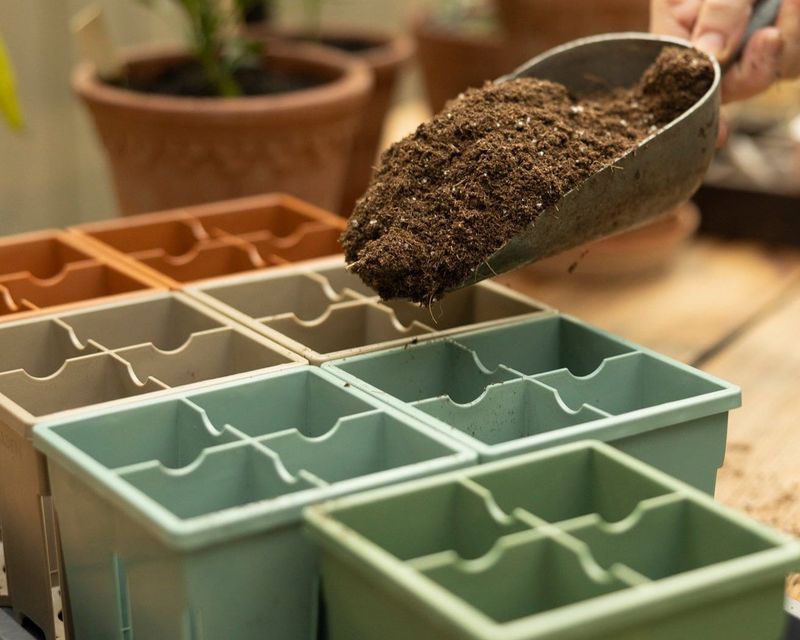
My favorite setup costs almost nothing. A few four-inch pots, a bag of seed starting mix, and some coarse sand will do the trick.
Blend the mix with sand in roughly equal parts so water drains freely. Soggy soil invites rot, and brambles hate wet feet even as seeds.
Scatter the seeds about half an inch apart, press them in, and cover them with a thin layer of mix.
A sprinkle of fine gravel on top helps keep heavy fall rains from washing seeds away. Label every pot with the berry type and sowing date.
Set the pots in a sheltered, shady spot outdoors, like the north side of the house or an unheated porch. Shade keeps the soil cool and steady.
Cover the pots with hardware cloth so squirrels, mice, and birds cannot snack.
Check moisture every week or two. The mix should feel damp like a wrung-out sponge, never dry and never dripping.
South Georgia gardeners may get fewer cold days than needed. If so, try the refrigerator method instead, mixing seeds with damp sand in a sealed bag for about three months before sowing in late winter.
5. Bramble Seedlings Take Their Sweet Time Popping Up
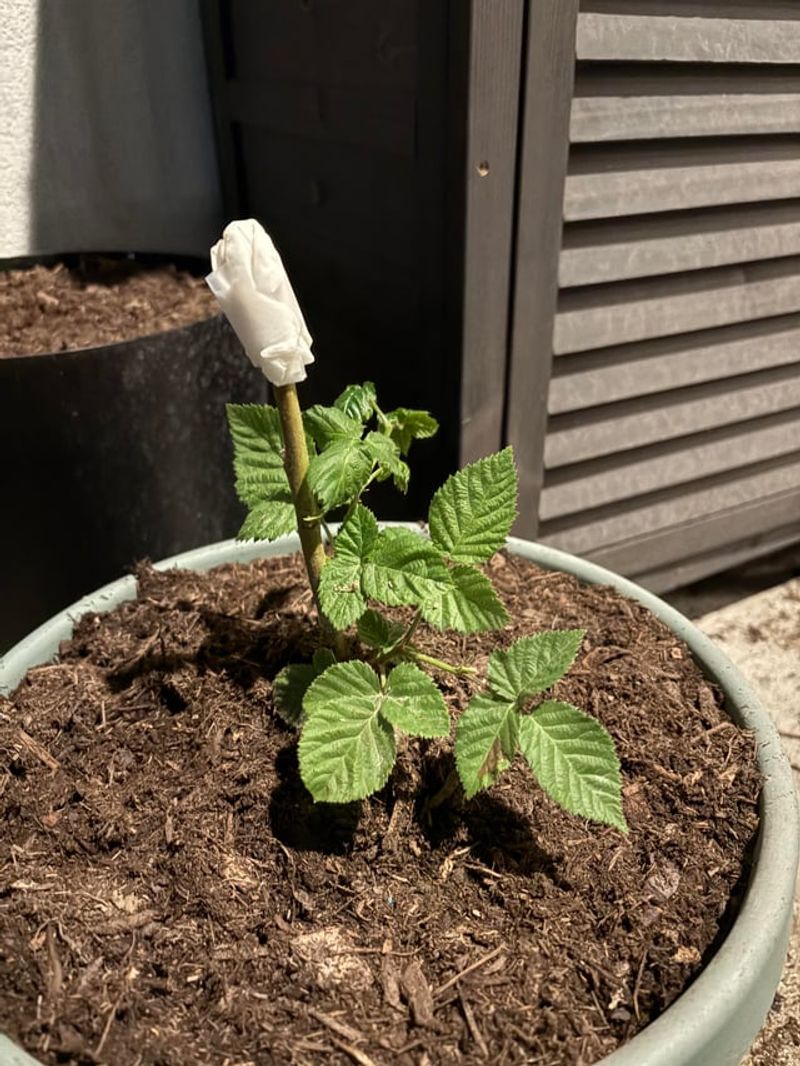
Patience is the secret ingredient nobody mentions on the seed packet. Once spring warms up, bramble seeds can sprout over several weeks, and some may wait another full year.
Expect uneven results. A few green loops might show up in March, while their neighbors stay quiet until May.
Germination rates for blackberry seeds are often low, so sowing plenty helps your odds.
The first leaves you see are seed leaves, small and rounded. Real bramble leaves come next, with serrated edges and sometimes tiny prickles even on babies.
Keep the pots in bright light once sprouts appear, but ease them into full sun over a week or so. Young leaves can scorch if they jump straight into an April afternoon blast.
When seedlings have two or three sets of true leaves, move each one into its own pot. Lift them gently by a leaf, never the stem, since stems bruise easily.
Do not toss pots that show no growth right away. Keep them moist and shaded through summer.
Plenty of gardeners report surprise sprouts after a second winter, which feels like finding money in an old jacket.
6. Sunny Garden Rows Help Young Berry Canes Settle In
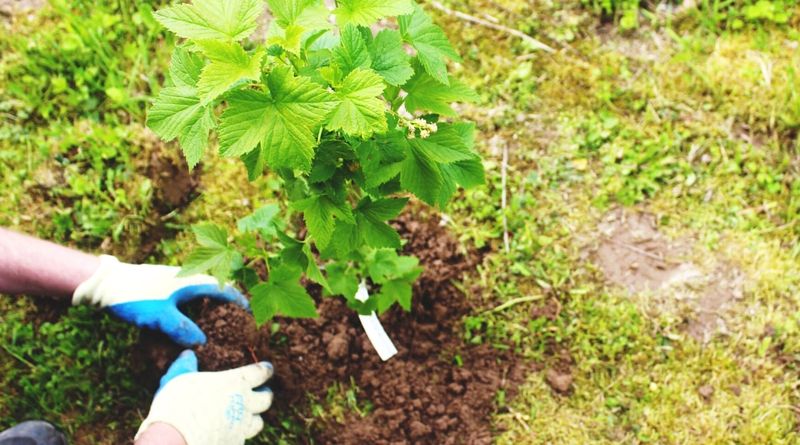
Moving day arrives when your seedlings stand about six inches tall with roots filling their pots. That usually lands in late spring or the following fall.
Pick the sunniest spot you have. Brambles want at least six to eight hours of direct sun for strong canes and better fruit.
Good air flow helps reduce leaf diseases in humid summers.
Georgia clay holds water, so drainage matters. Work in compost or plant on a slightly raised bed.
UGA Extension notes blackberries do well in soil with a pH around 5.5 to 6.5, and a soil test through your county office is cheap and helpful.
Dig a hole wider than the root ball, loosen circling roots, and plant at the same depth as in the pot. Water deeply right after planting.
Spread two to three inches of pine straw or shredded bark around each plant. Mulch keeps roots cooler and holds moisture through steamy July stretches.
Give each plant a few feet of space and plan for a simple trellis. Many brambles sprawl fast, and a sturdy wire support makes picking far easier on your arms.
7. Wild Berry Thickets Can Teach You A Few Lessons
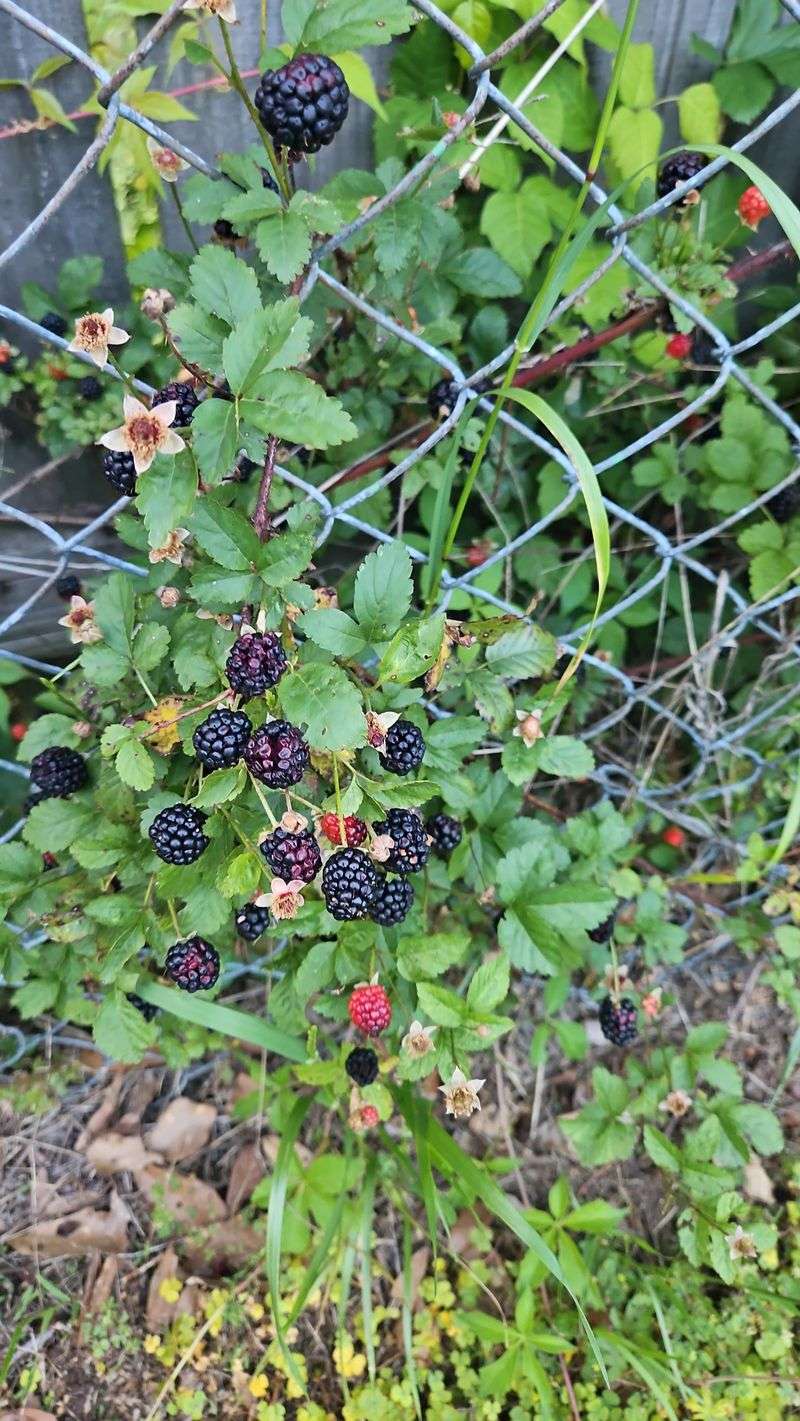
Drive any back road in late May and you will spot blackberry tangles blooming along ditches. Those wild plants spread mostly by birds, which eat berries and drop seeds far away.
Bird digestion actually helps those seeds. The trip scuffs the hard coat, and the seeds land in soil just in time for a winter chill.
Your fall sowing simply copies that natural rhythm.
Wild thickets also show the downside of brambles. Many types spread by root suckers and tip rooting, so an unmanaged patch can creep into lawns and beds.
Plan borders or mow around the edges.
Keep away from invasive species too. Wineberry and Himalayan blackberry are aggressive spreaders in parts of the Southeast, so avoid saving seeds from those plants if you know what you picked.
Wild plants can carry viruses and pests, which is one more reason seed-grown starts appeal to some gardeners. Most bramble viruses are not passed through seed, so seedlings often begin life cleaner than dug-up suckers.
Treat the roadside patch as a classroom rather than a source. Watch when it blooms and ripens, and you will learn plenty about your own local timing.
8. Your First Homegrown Blackberry Harvest Is Worth The Wait
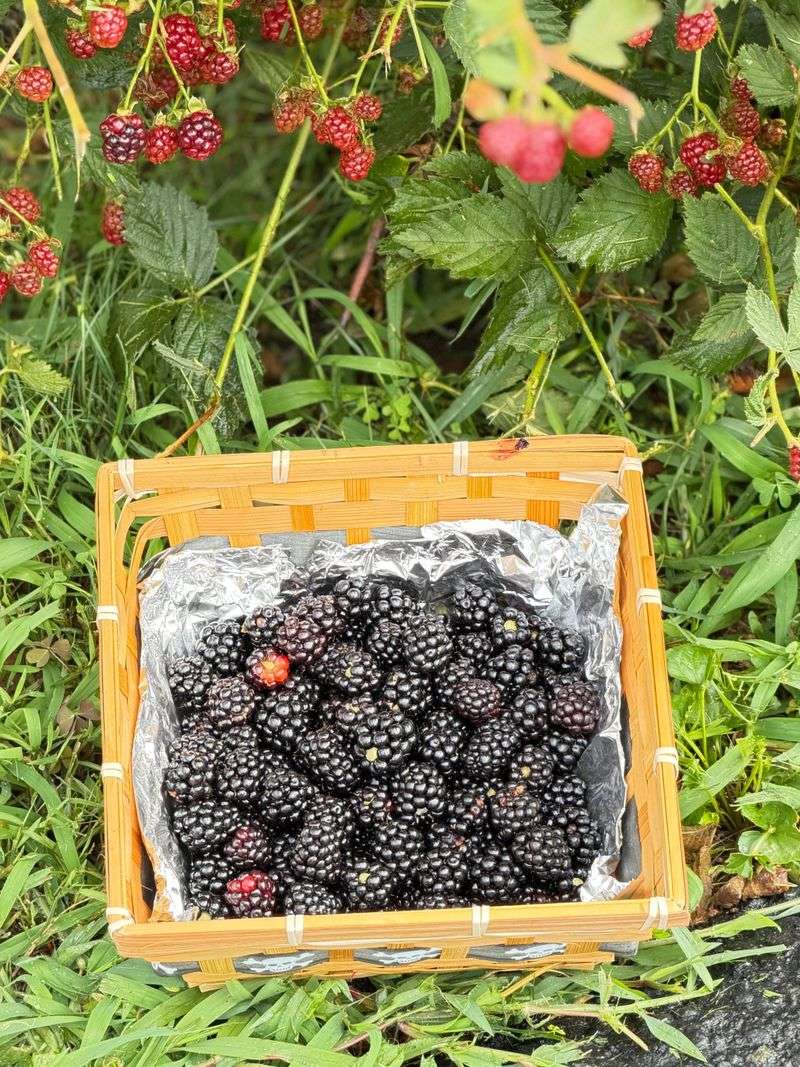
Mark your calendar with a little humor. Most seed-grown brambles need about two to three years before they bear a real crop.
Blackberry canes usually grow leaves the first year, then flower and fruit the second. After fruiting, those canes fade, and fresh canes take over.
Prune the old ones out after harvest to keep plants tidy and productive.
Taste every seedling’s berries and keep notes. A few may be sour or seedy, and those can go to the compost pile.
Others might be winners worth sharing with friends through cuttings or tip layering.
Here is a fun bit of history. Many popular thornless blackberries came from university breeding programs that started with seeds, much like yours.
Breeders grew thousands of seedlings and kept only the best handful.
For a backup plan, pair your seed project with one or two named Georgia-friendly varieties from a nursery. That way you get reliable berries while your experiment grows.
Start this fall with one bowl of berries and a few pots. In a couple of summers, you could be picking a berry that exists only in your yard, and that story beats any store label.