8 Things Florida Homeowners Should Know Before Removing Raccoons From Their Yard
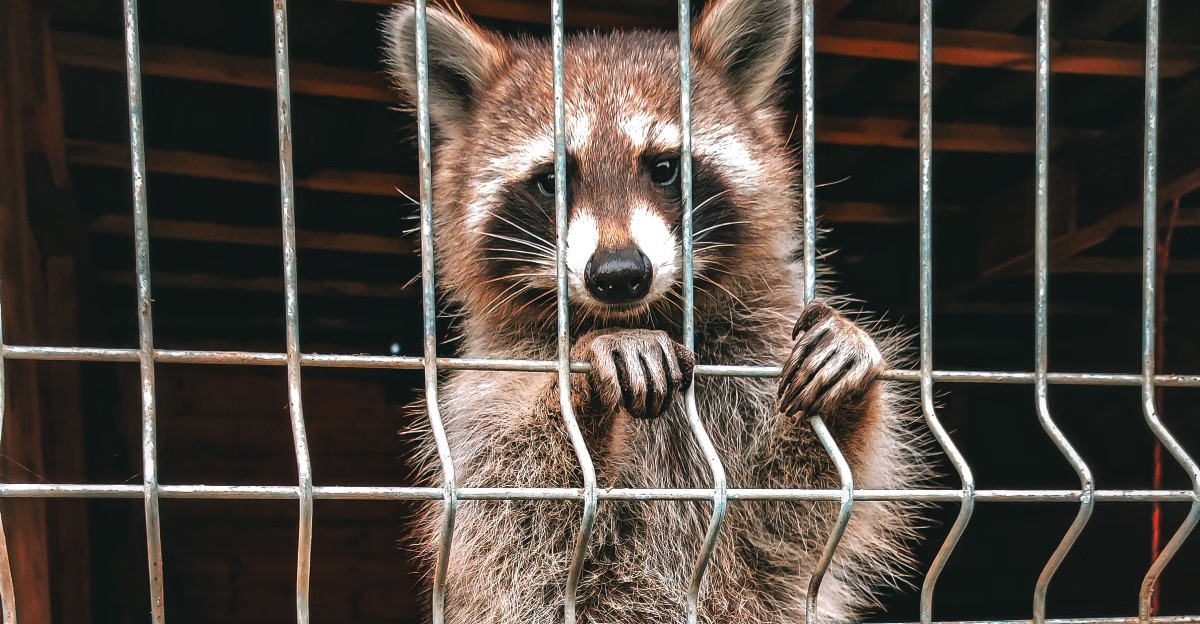
A masked visitor can squeeze through a gap about four inches wide, which explains plenty of attic surprises. Those nimble front paws can also pry off loose trash lids and peel back flimsy screen corners at night.
In Florida, the rules for moving these night raiders are stricter than most homeowners expect from a backyard nuisance. State wildlife officials set firm limits on where a trapped animal goes and how long it waits.
I have to admit my first instinct was grabbing a cage and driving the culprit far away. You might notice that plan sounds simple, yet it can break Florida law and spread serious illness.
Missing tomatoes and a toppled trash can don’t have to end in a legal headache. A few clever, law-friendly moves can send your masked bandit packing without a single road trip.
1. Masked Raccoons Are Regulated Wildlife With Clear Rules
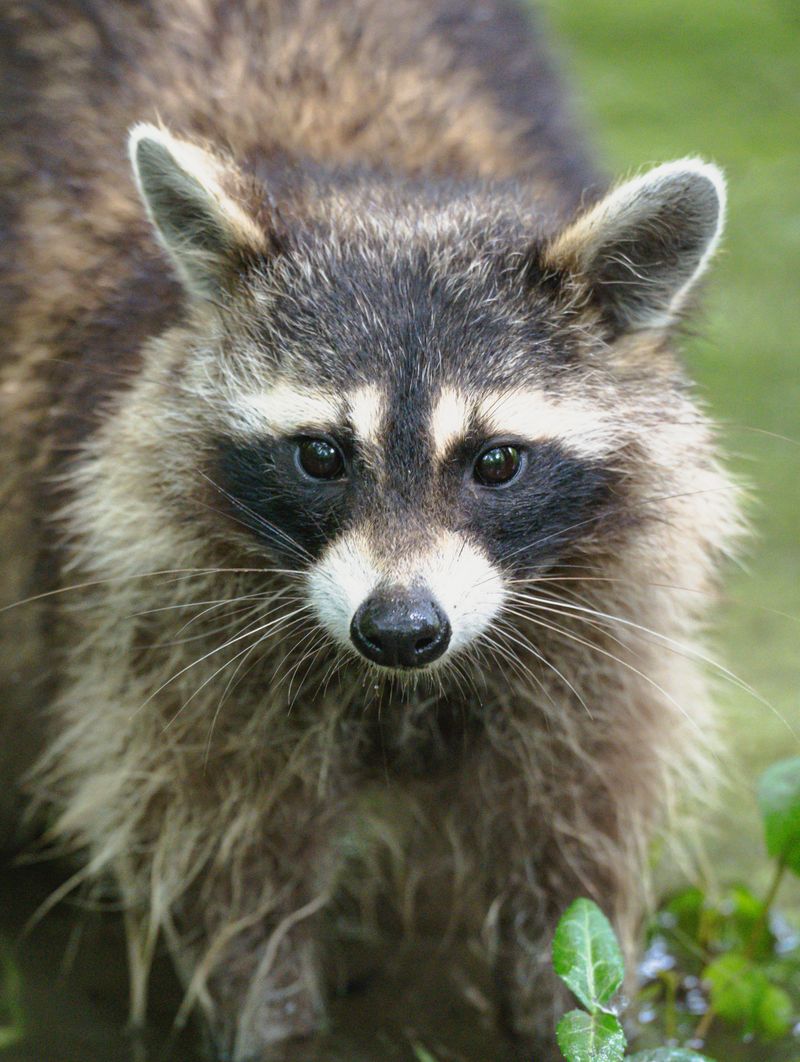
Honestly, I used to assume a raccoon raiding my compost was mine to handle however I pleased. State wildlife rules disagree, and learning that early saved me from a costly mistake one humid summer night.
The Florida Fish and Wildlife Conservation Commission treats raccoons as furbearers, which places them under specific nuisance wildlife rules. Homeowners may trap a raccoon causing problems on their own property, but the methods must follow those guidelines.
You do not need a special permit for basic live trapping on your land in most situations. Your city or county might still add local ordinances, so a quick phone call is worth making first.
Poisons are off the table because no toxicant is registered for raccoon control in the state. Using one could harm pets and hungry owls that share your garden with those masked visitors after sunset.
Firearms bring another layer of trouble, especially in suburbs where local rules often limit discharging guns near homes. I would much rather keep things calm and quiet than explain a loud bang to the neighbors.
Think of these rules as guardrails rather than roadblocks, because they protect people and wildlife alike. Once you understand them, every other decision about removal becomes clearer and far less stressful for everyone involved.
Before setting anything out, check the official commission website for current nuisance wildlife guidance and updates. Rules can shift over time, and reading the source yourself beats trusting a random comment online.
2. Relocating A Trapped Raccoon Is Tightly Restricted
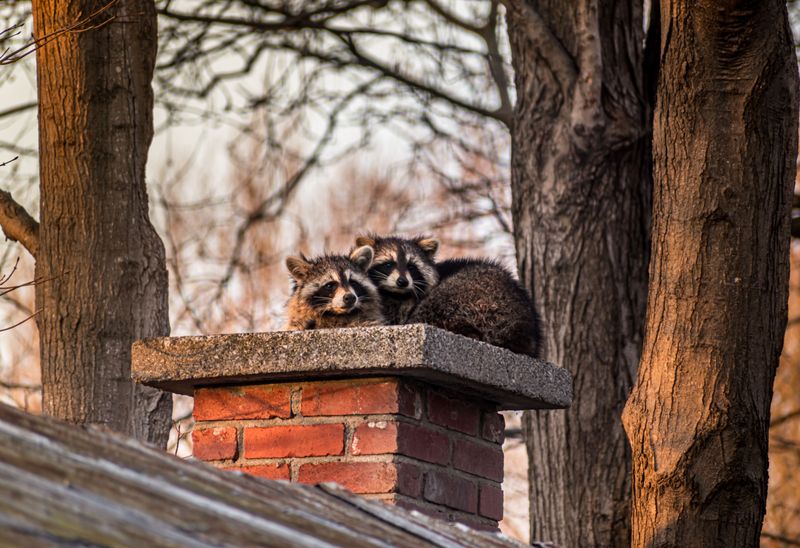
Driving a caged raccoon to a far-off park feels like a happy ending, yet it usually breaks the rules. That popular move ranks among the most common mistakes homeowners make when dealing with nuisance wildlife.
Under state rules, a trapped nuisance raccoon must be released on the same property within twenty-four hours. The other option includes relocation that meets a very specific set of conditions.
Relocation must stay inside the same county and land on a property of at least forty contiguous acres. You also need written permission from the owner of that land before the raccoon ever leaves your yard.
Finding forty acres with a willing owner is tough in most suburban neighborhoods, so few homeowners qualify. Public parks and conservation areas are generally off-limits, which surprises plenty of people who truly mean well.
Health officials also discourage moving raccoons because relocation can carry rabies into new areas and new populations. A moved raccoon often struggles in unfamiliar territory, where resident raccoons may chase it away from food.
Personally, I find releasing on site paired with sealing entry points works better than any road trip. The raccoon keeps its familiar range, and your home simply stops offering an easy place to settle.
Write down your plan before trapping so the twenty-four-hour clock does not catch you off guard. A little preparation turns a stressful morning into a calm, lawful decision you can feel good about.
3. Raccoons Carry Rabies And Roundworm Risks
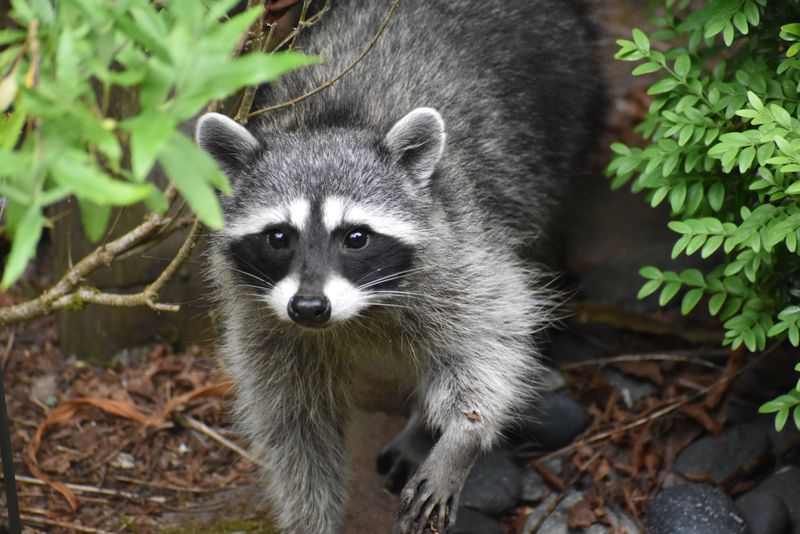
Few backyard visitors carry as much hidden baggage as a raccoon waddling across your patio at dusk. Those adorable masks hide some serious health concerns that deserve your full attention before any removal attempt.
The Florida Department of Health identifies raccoons as a primary wildlife source of rabies across the state. A raccoon acting strangely in daylight, stumbling or unusually bold, should be reported rather than approached.
Raccoon roundworm, known scientifically as Baylisascaris procyonis, adds another worry that many busy gardeners easily overlook in their yards. Its microscopic eggs pass in raccoon droppings and can stay infectious in soil for several years.
Raccoons often return to shared bathroom spots, called latrines, on decks or flat roofs near favorite trees. Children playing outdoors face the highest risk because they may touch soil and then their mouths.
Wear disposable gloves and a mask when cleaning droppings, and bag everything carefully before tossing it out. Boiling water or careful heat treatment helps on hard surfaces, since ordinary bleach does not reliably inactivate roundworm eggs.
Leptospirosis can also spread through raccoon urine, especially around standing water after heavy summer storms in many yards. I keep my garden boots by the door and wash my hands after weeding near raccoon trails.
Bites or scratches deserve a call to your doctor and county health department the same day. Quick action matters with rabies exposure, and treatment works very well when started promptly after any contact.
4. Leaving Food Out For Raccoons Can Break The Rules
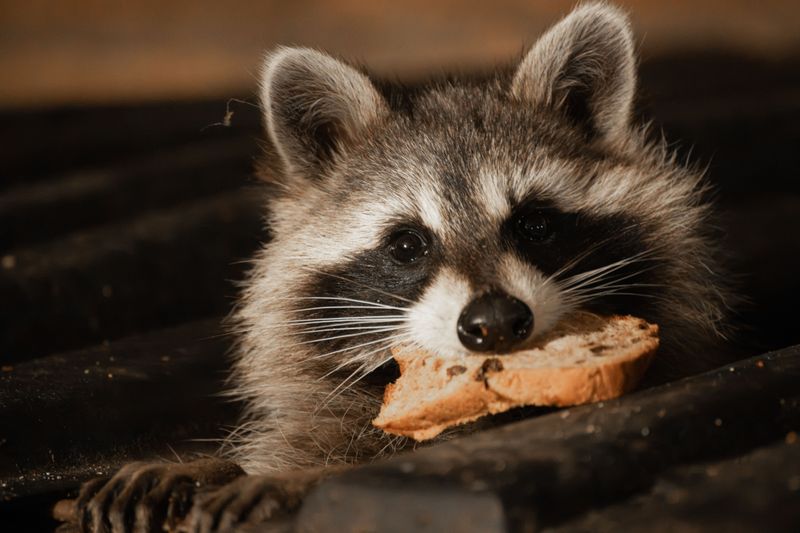
Tossing leftover dinner rolls to a curious raccoon feels sweet, but it can land you in legal trouble. FWC rules prohibit feeding raccoons in ways that cause them to gather and become a nuisance.
The rule aims to keep raccoons wary of people while slowing the spread of diseases between crowded animals. Raccoons that lose their natural caution often start demanding snacks or squabbling with curious pets on porches.
Accidental feeding counts as a problem too, even if you did not mean to host a nightly buffet. Pet bowls left outside overnight rank among the most common raccoon magnets in suburban neighborhoods across the region.
Bird feeders draw raccoons as well, since spilled seed and suet make a tasty midnight snack. I bring my feeders inside before dusk and sweep up scattered seed beneath them each evening.
Fallen fruit from citrus and mango trees also tempts hungry raccoons into tidy backyard gardens after dark. Picking up dropped fruit daily during harvest season keeps your yard far less interesting to them.
Compost piles with meat or dairy scraps act like an open invitation, so stick with plant material only. A closed bin with a secure lid adds another layer of protection without much extra work.
Removing the food source often solves the problem before any trap becomes necessary at all in my experience. Raccoons are practical creatures, and they tend to move on once easy meals disappear from your property.
5. Live Raccoon Traps Need Checking Every Day
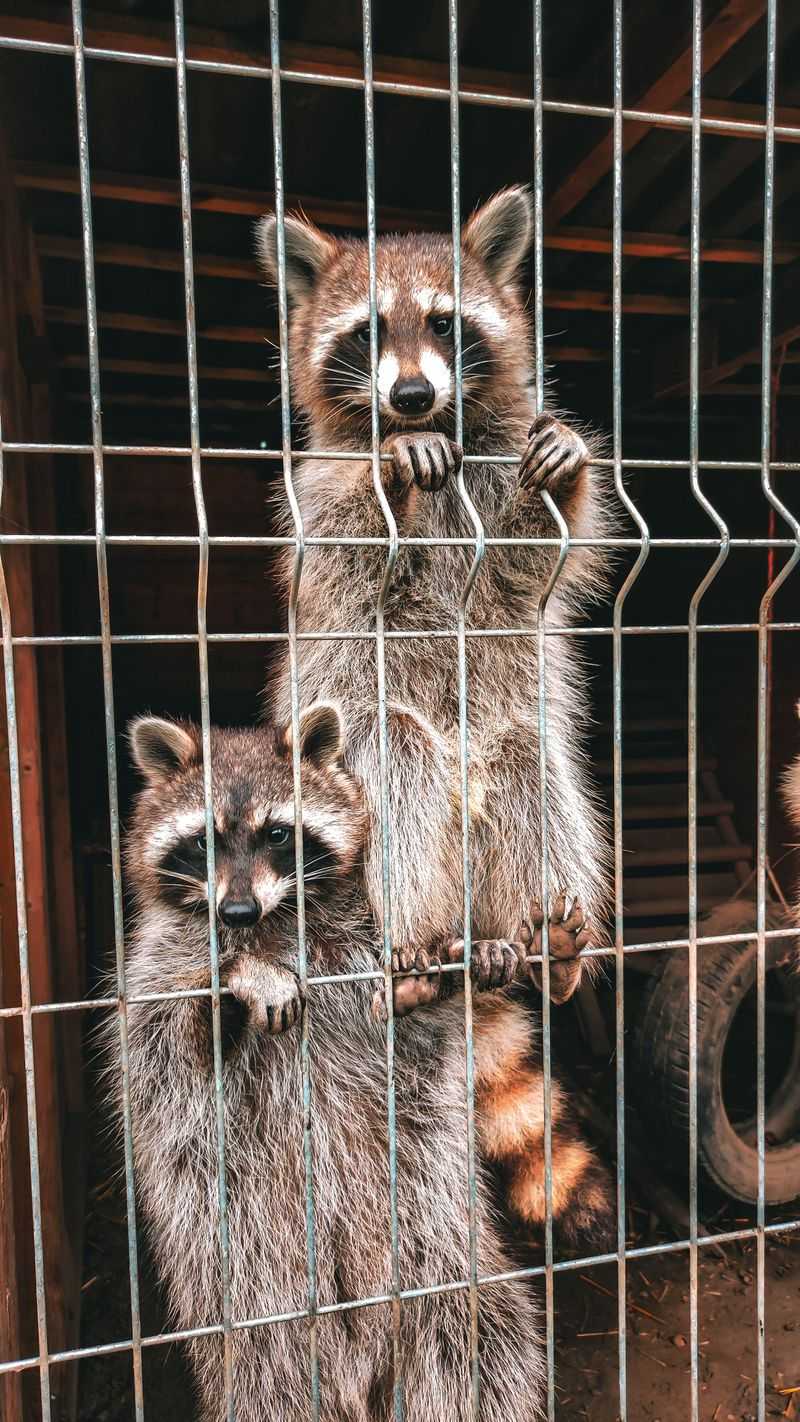
Spending a sweltering afternoon inside a wire cage would make anyone cranky, and raccoons feel the heat too. State rules require that live traps be checked at least once every twenty-four hours for good reason.
Florida sun can turn an uncovered trap into an oven by midday, especially during the long summer months. Placing traps in shade and covering part of the cage with a towel helps keep trapped animals calmer.
Once you find a raccoon inside, the clock starts for deciding its fate under nuisance wildlife rules. Release on site or another approved option must happen within that same twenty-four-hour window.
Drowning a trapped animal is illegal under the state animal cruelty statute, and it is unnecessary anyway. Leaving a cage unchecked for days can also bring cruelty charges, along with an unhappy, hungry raccoon.
You may also catch the wrong guest, since opossums and neighborhood cats love the same smelly bait. Checking early each morning lets you release those surprise visitors quickly before the day warms up.
I set a phone reminder whenever a trap is out, because busy mornings make forgetting surprisingly easy. Heavy gloves are a must, since a frightened raccoon can bite or scratch through cage openings quickly.
Close the trap at night if you plan to travel or cannot check it the next day. Responsible trapping is mostly about timing, and a little daily attention keeps everyone safer and much calmer.
6. Mother Raccoons With Kits Need Extra Patience

A chorus of tiny chirps and squeals from your attic usually means a mother raccoon has moved in. Those sounds can be oddly sweet, yet they signal the trickiest time of year for any removal plan.
In Florida, raccoons may breed from late winter into summer, so litters can arrive across several months. Most mothers raise two to five kits, which stay in the den for about two months.
Trapping the mother alone leaves her babies stranded, and that creates a heartbreaking situation for everyone. A desperate mother will also tear through roofing or soffits trying to reach her hidden kits.
Professionals often locate kits first, sometimes using thermal cameras to find them tucked inside walls or insulation. The kits are removed by hand and placed in a warm box where the mother can retrieve them.
Many mothers carry their babies one at a time to a backup den nearby within a night or two. Afterward, a one-way exclusion door lets any remaining adults leave without allowing them back inside the attic.
Personally, I think waiting a few weeks makes sense when the kits are tiny and damage is minor. Young raccoons begin following their mother outdoors at around two to three months, which simplifies everything.
Seal every opening only after confirming the attic is empty, or you will trap a family inside. A careful listen at night, plus a flashlight check, helps confirm the space is quiet and clear.
7. Locked Trash Cans Keep Raccoons From Visiting
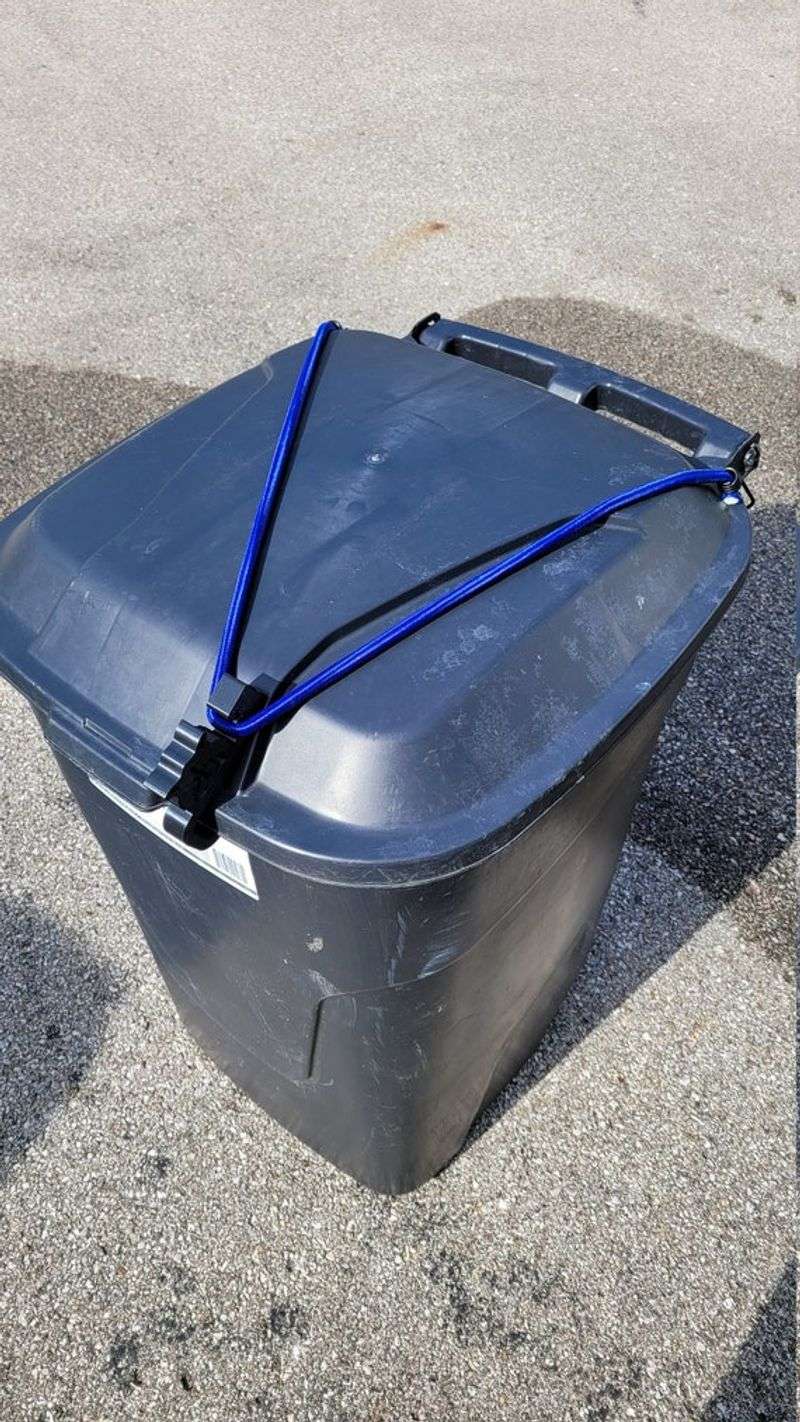
Locking lids may be the most underrated tool in any gardener’s shed, at least where raccoons are concerned. Those clever hands can open loose lids in seconds, so a simple strap or latch changes the whole game.
Raccoons mostly visit yards offering reliable meals along with a cozy spot to sleep during the day. Taking away those comforts often works better than any trap, and it costs very little money.
Store garbage cans in a garage or shed until pickup morning whenever space allows in your home. Bungee cords across the lid work well too, especially if the can is fastened to a fence post.
Check your roofline for gaps near soffits and vents, since raccoons happily climb trees and pull at weak spots. Trim branches back several feet from the roof so climbing raccoons lose their easy bridge to your attic.
Screen crawlspaces and the gaps under decks with sturdy hardware cloth buried a few inches into the soil. Raccoons dig less than armadillos, yet a buried edge still discourages determined critters from squeezing underneath your porch.
Motion-activated sprinklers or lights may startle raccoons for a while, though many learn to ignore them eventually. I like rotating these tricks every few weeks so the visitors stay unsure and less comfortable.
Pond fish and backyard chickens need protection too, since raccoons are skilled hunters around water and coops. Sturdy latches that require two steps to open will frustrate even the smartest masked bandit in town.
8. Experienced Wildlife Pros Handle Tricky Raccoon Removals
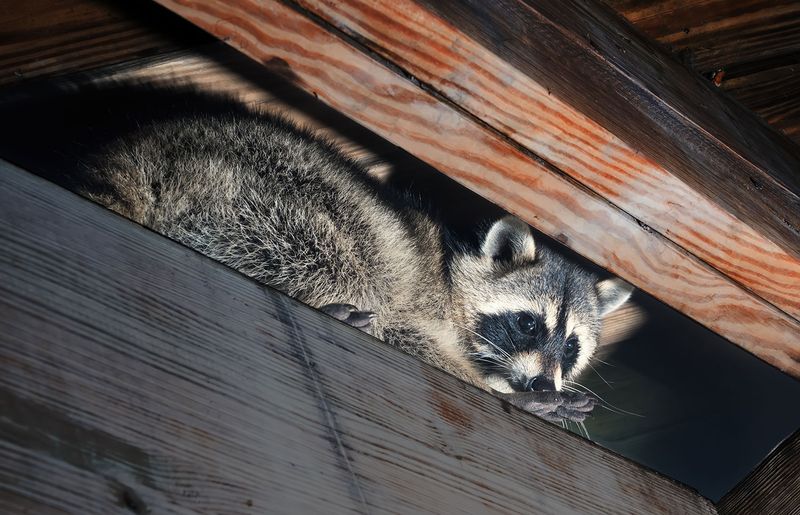
A good wildlife pro reads a roofline the way a mechanic reads a sputtering engine, spotting trouble quickly. That experience matters when a raccoon family has settled into tight spaces you cannot safely reach yourself.
FWC does not issue a special license for nuisance wildlife trapping, so homeowners should ask careful questions. Ask about insurance coverage and how the company handles release or relocation under current state rules.
Reputable companies explain the twenty-four-hour rule and the forty-acre relocation requirement without being prompted. If someone promises to drive raccoons to a faraway forest, that should raise a bright red flag.
Professionals usually combine removal with exclusion work, sealing entry points after the animals are safely out. Many also clean contaminated insulation, which matters because roundworm eggs can linger in attics for years.
Pricing varies widely by region and job size, so get a few written estimates before agreeing to anything. The cheapest quote is not best when the work involves your roof and your family’s health.
I like companies that offer a warranty on their exclusion repairs, since raccoons often test old entry spots. A warranty shows confidence in the work and gives you someone to call if trouble returns later.
Sick or injured raccoons, especially ones acting oddly, call for your county animal services rather than DIY efforts. Getting the right help early keeps your garden peaceful and lets those clever neighbors stay wild elsewhere.