8 Last-Mow Secrets For The Healthiest Grass Come Spring
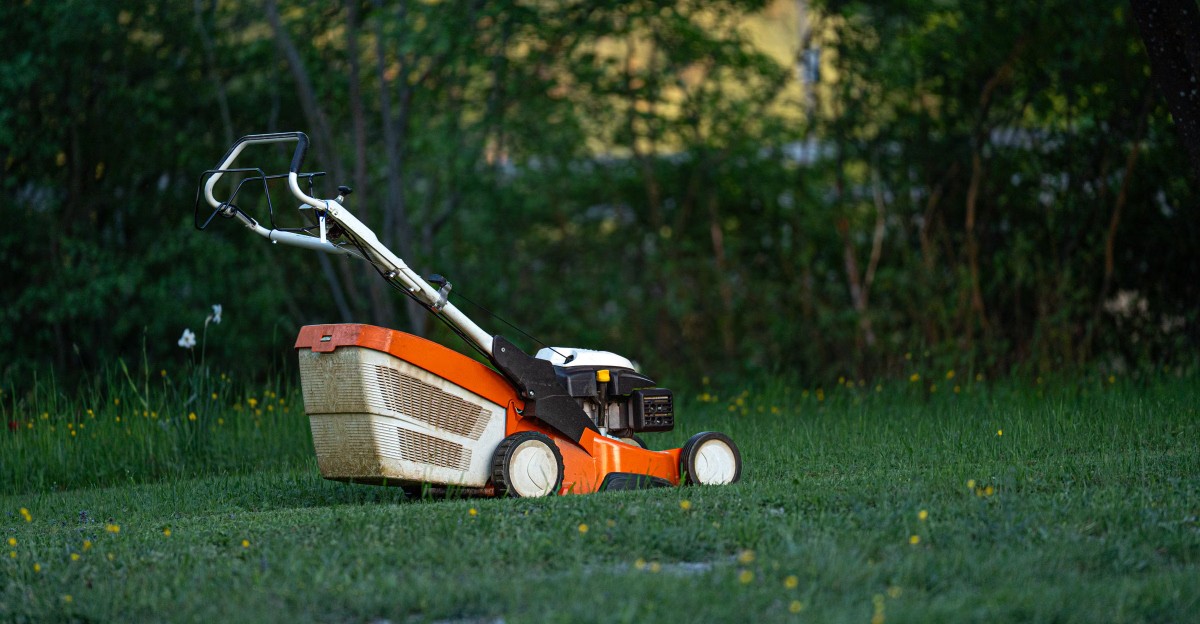
Cool-season grass really keeps growing in fall until the soil cools to around 40 degrees Fahrenheit. That means your mower might still have real work to do well after the sugar maple leaves turn red.
Roots stay busy underground even when the blades above them barely seem to move at all. Those cool weeks quietly decide whether your Indiana yard wakes up thick and green or thin and patchy.
I skipped my final lawn chores during one hectic autumn and paid for it with matted gray spots. You build your spring lawn in late fall, long before the first robin starts hunting for worms.
A few small habits around that last mow can change how your grass handles a long Indiana winter. So which easy steps make the biggest difference once the cold finally settles in for good this year?
1. Drop Your Mower Deck For The Final Lawn Cut
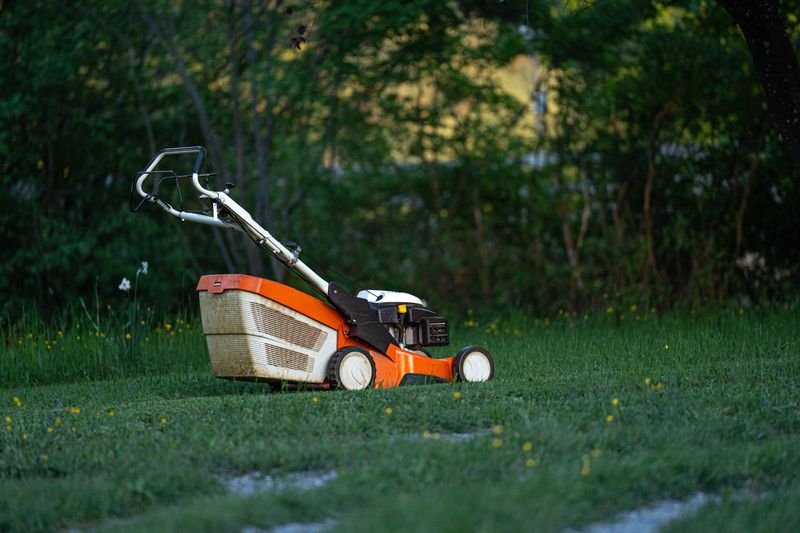
My favorite fall sound is the mower humming one last time while crunchy leaves skitter across the driveway. That final pass matters more than most people think, because grass height affects how blades handle winter weather.
Many turf experts suggest lowering your deck about half an inch to an inch for the last cut. For a lawn usually mowed at three and a half inches, aim for roughly two and a half to three.
Shorter blades are less likely to flop over and mat down under heavy snow or soggy leaves. Matted grass holds moisture against the crown, which gives snow mold fungi a cozy place to spread.
Scalping is the opposite mistake, and it can hurt just as much as leaving things shaggy. Cutting too low exposes the crown to harsh cold and weakens the stored energy grass needs for spring.
Stick with the one-third rule even during this last mow, removing only a third of the blade at once. If the lawn got tall, step the height down across a couple of mowing sessions instead.
Timing is mostly about watching the grass rather than the calendar on your kitchen wall. Keep mowing as long as it grows, which in Indiana often stretches into late October or even November.
I like to sharpen my blade before this final pass so the tips get a clean slice. Ragged, torn edges lose more moisture and turn brown faster as the weather keeps getting colder.
2. Shred Fallen Maple And Oak Leaves Right Into The Turf
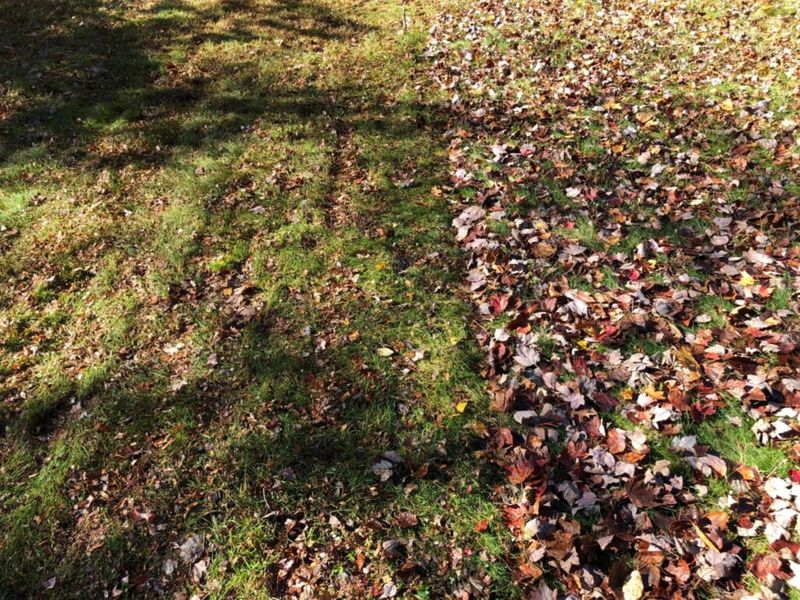
Michigan State University researchers found that mowing leaves into turf did not harm grass quality in their trials. Their work even suggested fewer dandelions popped up where shredded maple leaves were mowed in regularly.
Whole leaves are a different story when they pile up and sit on the lawn for weeks. A soggy layer blocks sunlight and traps moisture, so the grass underneath turns pale and weak.
Running your mower over dry leaves chops them into dime-sized pieces that slip down between the blades. You should still see plenty of green grass poking through once you finish each pass.
Those tiny flakes break down over winter and add organic matter to the soil below your feet. Earthworms and soil microbes treat them like a slow snack, pulling bits underground as they work.
Thick drifts under big trees may need a second pass or a quick rake to thin things out. Extra leaves can go straight into a compost pile or get spread as mulch around shrubs.
Dry afternoons work best, since wet leaves clump together and clog the mower deck in a hurry. A mulching blade helps, but a regular sharp blade handles light leaf cover surprisingly well too.
I stopped bagging leaves a few years ago, and my back has thanked me every single autumn since. Honestly, watching a brown carpet disappear into the lawn feels a little bit like a magic trick.
3. Feed Cool-Season Grass One Last Time Before The Ground Freezes
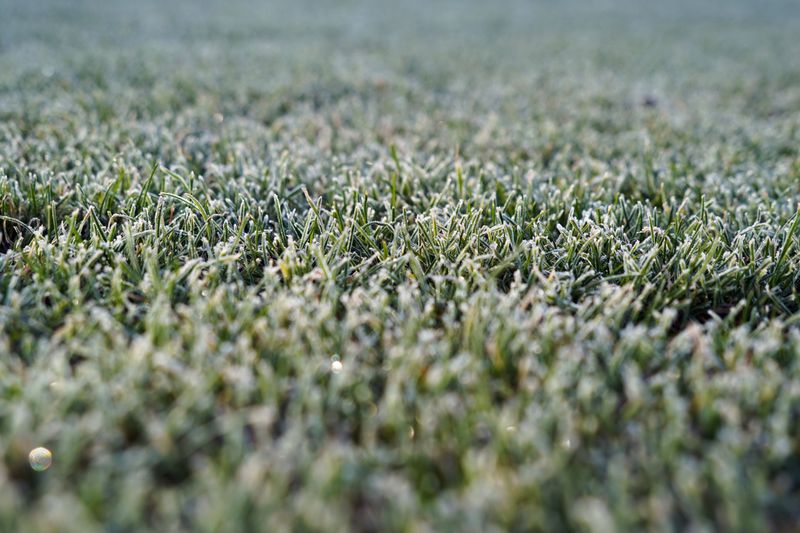
Grass blades may stop growing in late fall, but the roots and crowns keep soaking up nutrients underground. That hidden appetite is why a late fall feeding can pay off weeks before you see any change.
Purdue University turf specialists have long recommended a late season nitrogen application for cool-season lawns in Indiana. In central parts of the state, that window often falls around early to mid-November.
Apply it once the grass has mostly quit growing but the leaves are still green and the soil unfrozen. The nitrogen gets stored as carbohydrates, giving roots a snack bank for the cold months ahead.
Lawns fed this way often green up earlier in spring without a big flush of soft top growth. That steadier start means less mowing in April and a turf that handles summer stress more easily.
Rate matters, so follow the bag directions closely and avoid adding extra just for good measure. Too much quick-release nitrogen applied too early can push lush growth that welcomes snow mold over winter.
Potassium can help with cold tolerance, but only add extra if a soil test shows your lawn needs it. Many lawns already hold decent potassium levels, so testing first can save you real money.
Sweep any granules off sidewalks and driveways back onto the grass when you finish spreading. Fertilizer left on hard surfaces can wash into storm drains and feed algae in nearby streams and ponds.
4. Knock Back Dandelions And Creeping Charlie In Late Fall
Dandelions spend autumn sending sugars down into their thick taproots to fuel next year’s sunny yellow flowers. Spray a broadleaf herbicide now, and those weeds carry it right down into the roots for you.
Purdue and other Midwest extension programs point to fall as the best season for controlling perennial broadleaf weeds. Mid-September through early November usually works well, as long as weeds are still green and growing.
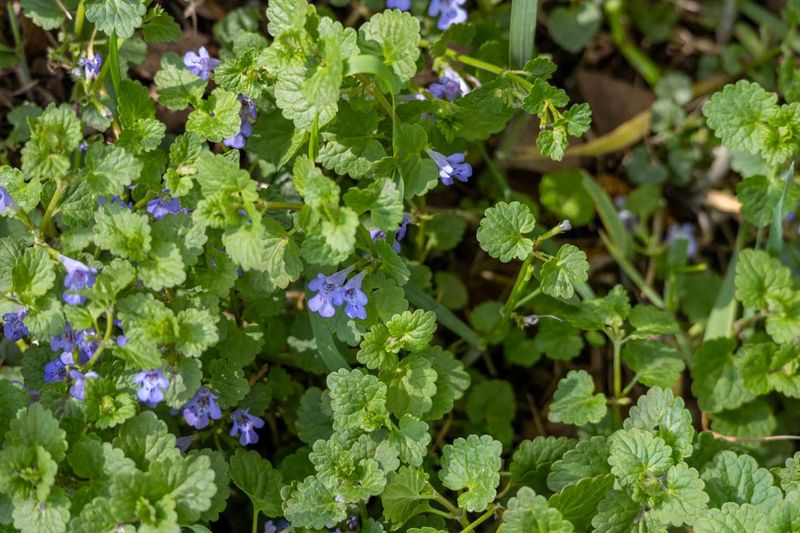
Creeping Charlie, also called ground ivy, is one of the toughest lawn weeds in shady yards. Fall treatments often work better on it than spring sprays, though stubborn patches may need a follow-up.
Winter annuals like henbit and common chickweed sprout in fall and then bloom early in spring. Catching these small seedlings now keeps them from setting seed when your lawn is just waking up.
Pick a calm, mild day when temperatures sit above about fifty degrees for the best results. Rain soon after spraying can wash product off the leaves, so check the forecast before you start.
Spot treating individual weeds uses far less product than blanketing the entire yard with spray. A small hand sprayer or a weeding tool works nicely for scattered dandelions popping up here and there.
Read every label carefully, because rates and waiting times before seeding differ between products. Honestly, I find a thick, well-fed lawn is the best weed blocker I have ever owned.
5. Pull Soil Cores With An Aerator To Loosen Packed Ground
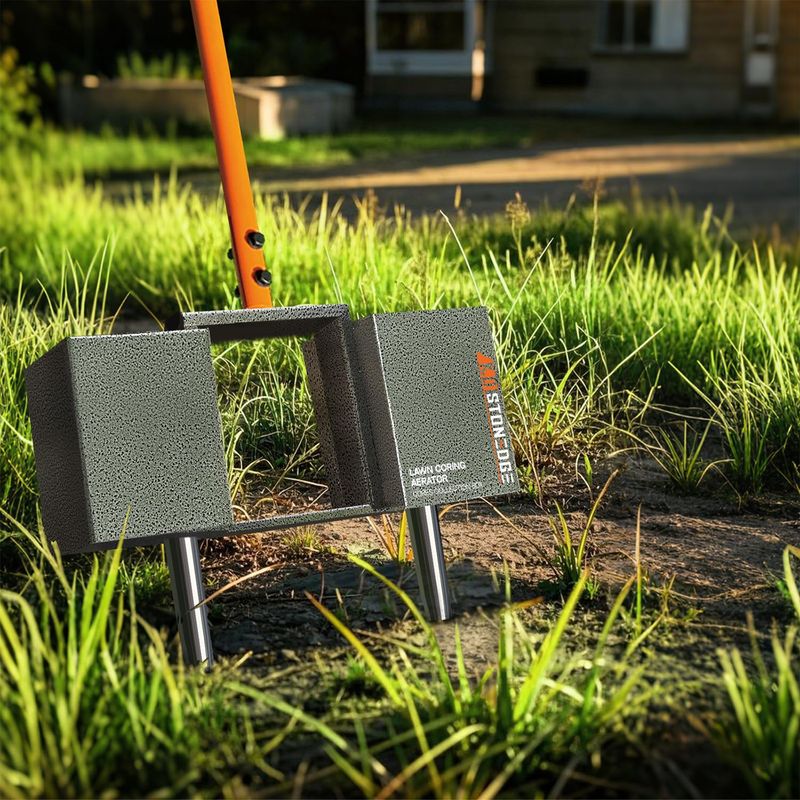
Those little soil plugs scattered across a freshly aerated lawn look a bit like a goose visited overnight. Silly as they appear, each hole opens a path for air and water to reach thirsty roots.
Heavy clay is common across much of the Midwest, and it packs down easily under feet and mowers. Compacted soil squeezes out air pockets, so roots stay shallow and struggle during hot, dry spells.
Core aeration works best for cool-season grass from late August through September in most northern areas. That timing gives the lawn several weeks of active growth to fill holes before cold weather arrives.
Aerating right before your final mow is usually too late for full recovery, so plan ahead on the calendar. Treat it as an early step that sets up everything you do at the end of the season.
Water the lawn a day or so beforehand if the ground feels dry and hard underfoot. Moist soil lets the tines go deeper and pull clean plugs instead of just poking shallow dents.
Leave the cores on the grass where they fall, because they crumble back into the soil within a couple of weeks. Rain and mowing break them apart faster, returning helpful microbes to the surface.
Fall aeration pairs wonderfully with overseeding thin patches, since seeds settle right into those open holes. I tried it on a worn path by my garden gate, and the difference by May impressed me.
6. Clear Leaf Piles And Snow Mounds To Stop Snow Mold
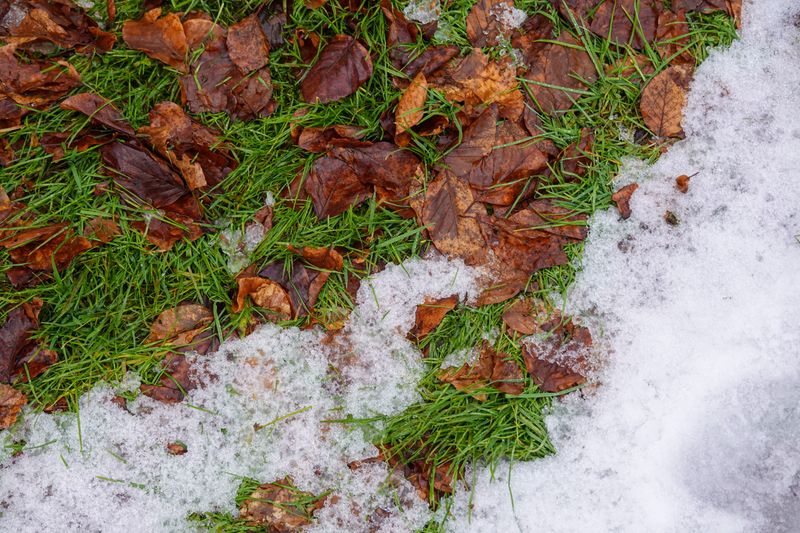
Melting snow sometimes reveals circles of crusty, straw-colored grass matted together like an old, flattened doormat. That ugly surprise is often snow mold, a group of fungi that thrives under cold, wet cover.
Gray snow mold, caused by Typhula fungi, usually needs long periods of snow cover to cause trouble. Pink snow mold, caused by Microdochium nivale, can show up with or without snow during cool, damp stretches.
Gray snow mold mostly damages leaf blades, so many patches recover once spring sunshine warms things up. Pink snow mold can reach the crowns, which sometimes means slower recovery or a bit of reseeding.
Prevention starts with removing leaf piles, tarps, and forgotten toys that sit on the grass all winter. Anything that holds moisture against the blades creates the damp hideout these fungi seem to love.
Shoveling habits matter too, so spread snow around rather than building one giant mound on the same spot. Big piles melt last, keeping the grass underneath soggy far longer than the rest of the yard.
Heavy thatch layers also trap moisture, so consider dethatching earlier in fall if yours tops half an inch. A shorter final cut and moderate fertilizer rates round out a solid prevention plan.
Come spring, gently rake matted spots to fluff the blades and let fresh air reach the crowns. In my yard, that quick raking helps those patches bounce back within a few warm weeks.
7. Give Thirsty Fall Grass A Deep Drink Before Freezing Weather
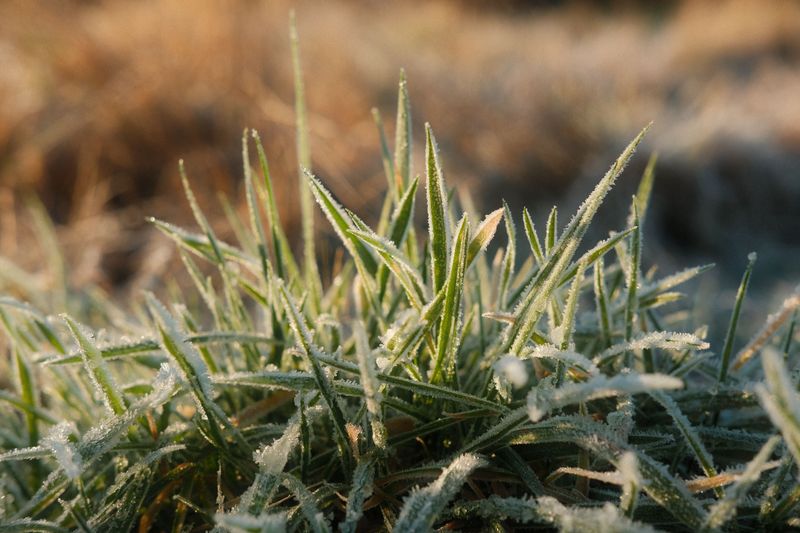
Crunchy footprints that stay visible on the lawn are a quiet sign your grass is getting thirsty. Fall droughts happen more often than people expect, and dry turf heads into winter with weaker roots.
Cool-season grass usually needs around an inch of water per week while it is still actively growing. Rainfall counts toward that total, so a simple rain gauge saves you from guessing each week.
Once growth slows, cut back on watering so the soil does not stay soggy for days. Wet, cool conditions can invite fungal problems, and roots need air just as much as they need moisture.
If autumn has been unusually dry, one deep soaking before the ground freezes can help a lot. Moist soil holds warmth better than dry soil, giving crowns a little extra protection from harsh cold.
Water early in the morning so the blades dry off well before the chilly evening air arrives. Nighttime moisture on cold grass encourages disease, so I try to finish watering before mid-morning.
Sprinkler systems need attention too, since water left in pipes can freeze and crack the fittings. Many homeowners schedule a blowout before the first hard freeze to avoid a costly spring repair.
Garden hoses deserve some care as well, so drain them and store them somewhere sheltered. I learned that lesson after a split hose sprayed me right in the face on a chilly April morning.
8. Send A Soil Sample To The Lab Before Spring Arrives
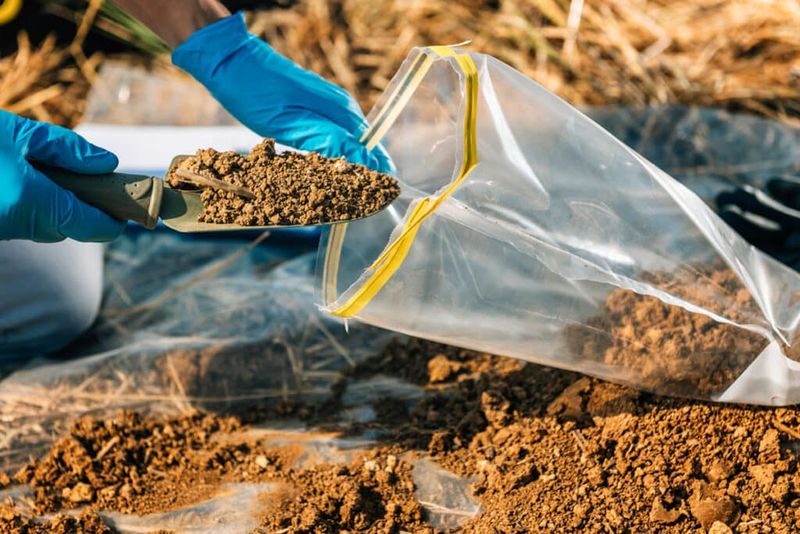
A small bag of dirt can tell you more about your lawn than years of guessing ever could. Soil tests reveal pH and nutrient levels, showing exactly what your grass needs and what it can skip.
Fall is a great time to sample because many labs are less busy than they are in spring. You get results back with plenty of time to plan lime or fertilizer before the growing season starts.
Use a soil probe or trowel to collect samples from about ten different spots across the lawn. Dig roughly three to four inches deep, mix everything in a clean bucket, then send a portion.
Purdue Extension can point Indiana gardeners toward approved soil testing labs and explain how to read the results. Many labs include fertilizer suggestions based on your grass type, which makes the numbers far less confusing.
Skip sampling right after fertilizing, since fresh nutrients can skew the results for a while. Frozen or waterlogged soil is also tricky, so pick a day when the ground crumbles easily in your hand.
Lime takes months to change pH, which is why fall testing and spring planning go hand in hand. Adding lime without testing can push soil too alkaline, making some nutrients harder for roots to use.
Testing every three to five years keeps you on track without much effort or expense. I keep old reports in a folder, and comparing them over time feels like reading my lawn’s diary.