Giving A Neighbor Cuttings Of This Popular Evergreen Groundcover Is Against Indiana State Law
Handing over the wrong garden cuttings is against Indiana’s invasive plant rule, and selling them can bring a hefty fine for every plant, every day. I nearly fell off my porch step when I read that.
The plant in question is no exotic rarity. It carpets shady yards, old cemeteries, and church grounds all over Indiana, and plenty of us have dug up a clump to share without a second thought.
I’ll admit it, I have done exactly that. Sharing cuttings from your own yard feels like the most neighborly thing a gardener can do.
So why would the state treat a little bag of green runners like contraband? The answer has a lot to do with what happens once those runners slip past the fence line, and it might change how you look at your own shady corners.
That Glossy Evergreen Carpet Hides A Legal Surprise
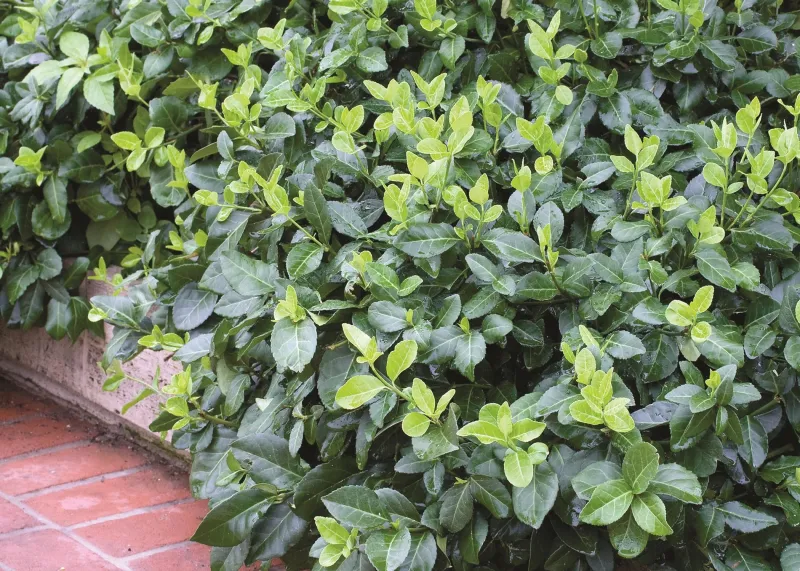
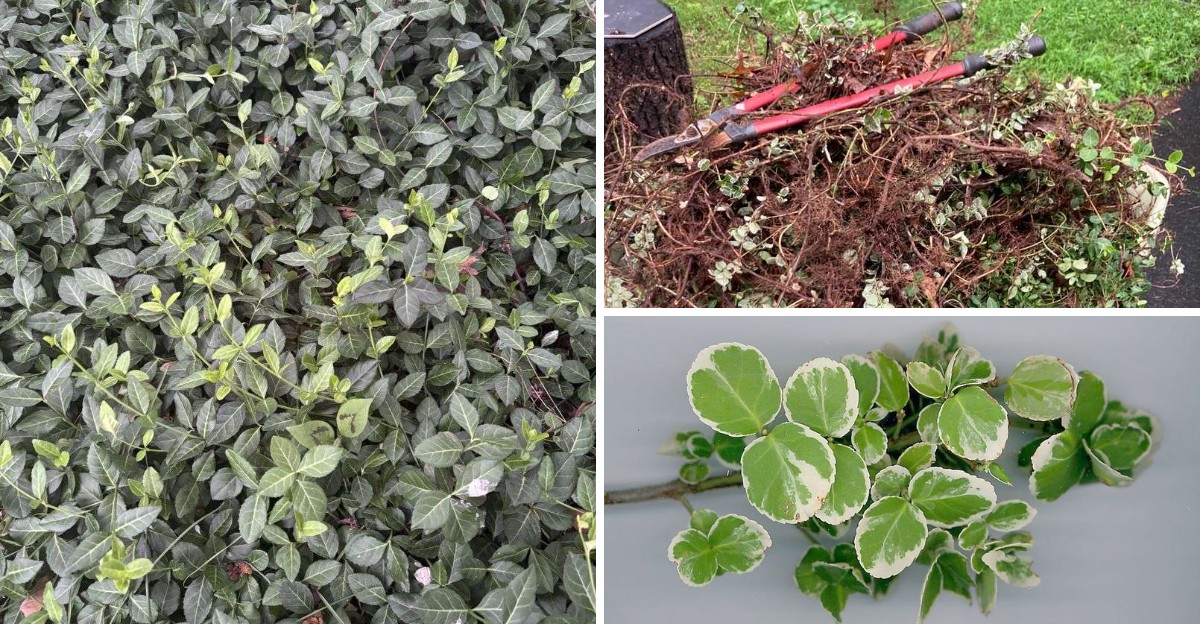
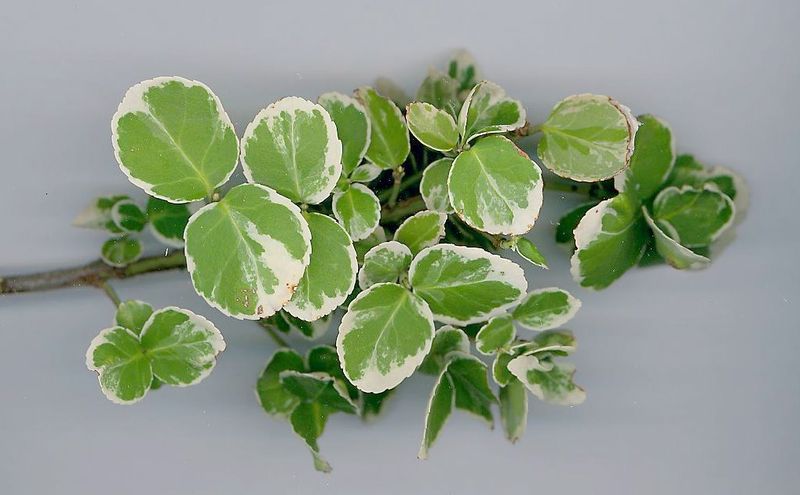
Wintercreeper, Euonymus fortunei, is a groundcover most Indiana gardeners have seen, even if they never learned its name. Its glossy evergreen leaves stay green through winter, and some forms show gold edges or purple winter color.
For decades, it was the go-to fix for shady spots where grass refused to grow. Garden centers sold it as edging and groundcover, and grandparents passed it along in coffee cans.
Here is the twist that catches people off guard. Wintercreeper is listed as an invasive species under the Indiana Terrestrial Plant Rule, officially known as 312 IAC 18-3-25.
That rule names 44 plants that the state considers harmful to natural areas. Wintercreeper sits on that list next to familiar names like Japanese barberry and Japanese honeysuckle.
Not going to lie, I was surprised the first time I saw it there. The plant looks so tidy and harmless in a flower bed.
The trouble starts when it escapes. Wintercreeper creeps along by rooting stems, and it easily wanders into woodlands, where it forms thick mats that crowd out wildflowers.
So that pretty evergreen carpet carries more ecological weight than most of us realized. Knowing what it is gives you the power to make smarter choices with it.
Handing Over Wintercreeper Cuttings Counts As Distributing A Regulated Plant
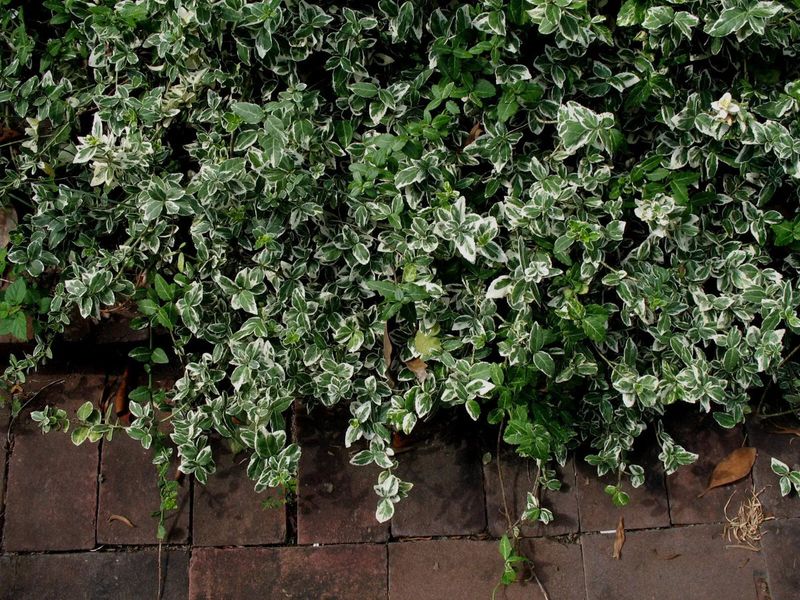
Gifting is the key word in this whole story. The Indiana rule makes it illegal to sell, gift, barter, exchange, distribute, transport, or introduce listed plants without a permit from the Indiana DNR Division of Entomology and Plant Pathology.
Read that list again and the problem becomes clear. Passing a bag of wintercreeper cuttings over the fence fits neatly under gift and distribute.
Money doesn’t have to change hands. A free swap at a garden club, a plant sale fundraiser, or a casual trade with a coworker all fall into the same category.
The rule became fully enforceable on April 18, 2020, after a grace period that let nurseries and stores clear out their stock. Since then, sharing these plants has been off the table for regular gardeners.
I get it, this feels a little strange. Swapping plants is one of the oldest traditions in gardening.
Still, the logic holds up. Every shared clump becomes a new starting point for spread, and the law aims to stop those new starting points from popping up in fresh neighborhoods.
The simple takeaway is easy to remember. If a plant is on the list, keep it out of your giveaway box, no matter how generous you feel.
Periwinkle And English Ivy Are Not On The Restricted List
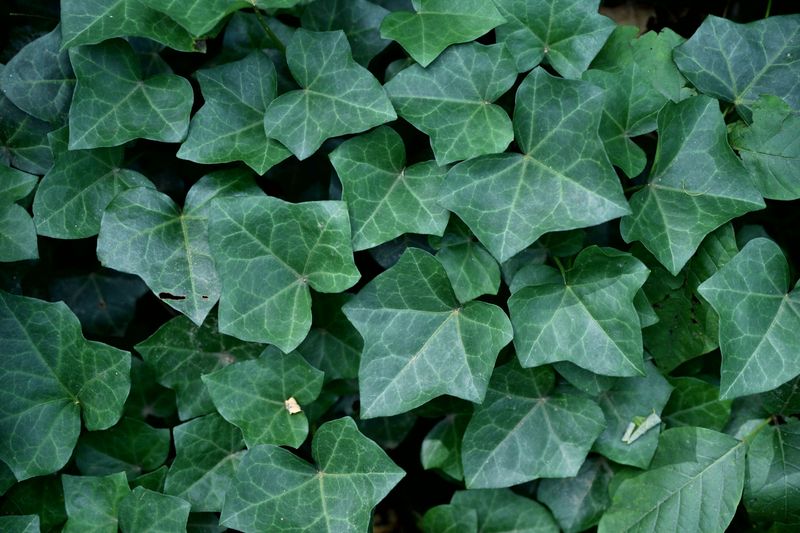
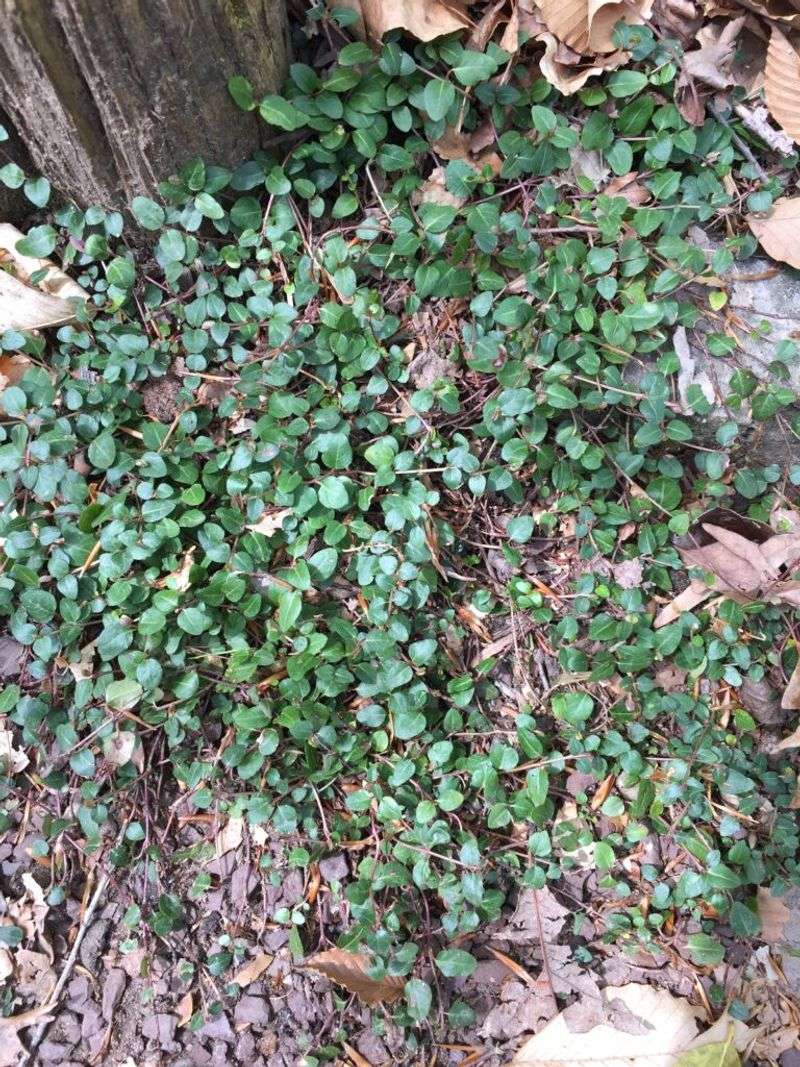
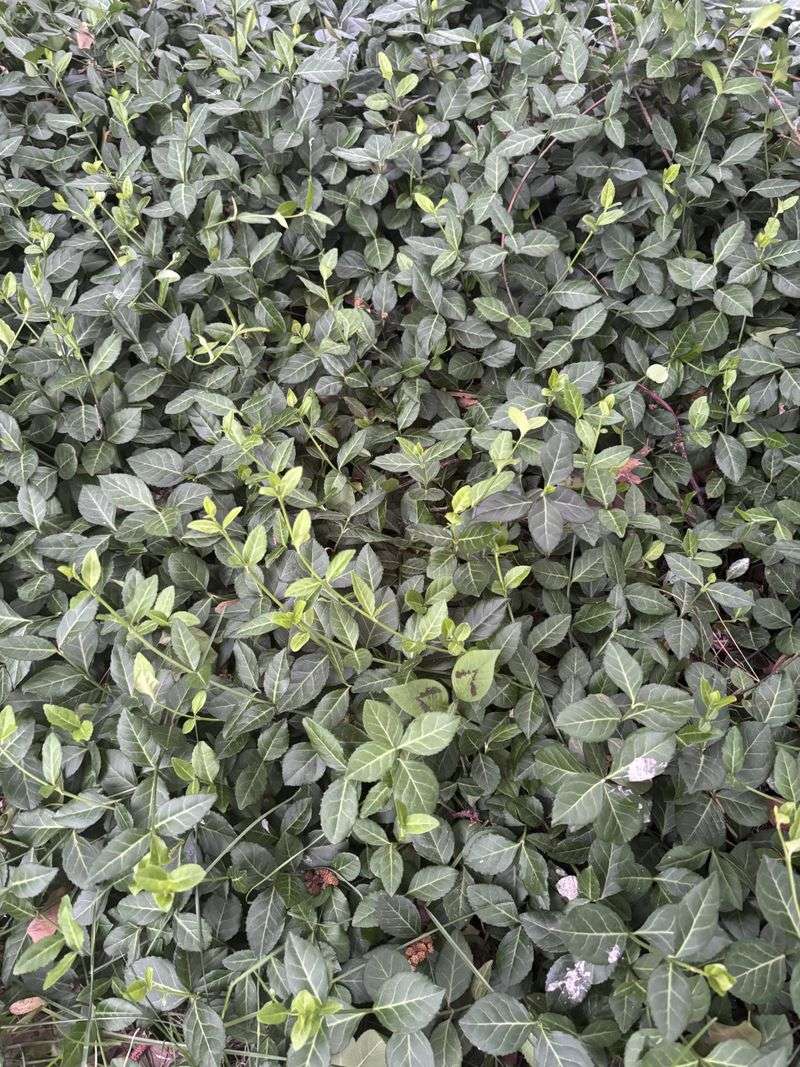
Wintercreeper isn’t the only evergreen groundcover people lump together. Periwinkle, Vinca minor, and English ivy, Hedera helix, often get grouped with it, but neither appears on the state’s restricted list.
English ivy has those classic lobed leaves you see on brick walls and old college buildings. On the ground it spreads in a dense mat, and on trees it climbs high, adding weight and blocking sunlight from the bark and branches.
Periwinkle has shiny leaves and little blue-violet spring flowers. It creeps along by rooting stems and can wander out of beds into nearby woods.
Wintercreeper is the sneakier one. Many people bought it as a variegated shrub or edging plant, never guessing it can run along the ground and climb trunks like a vine.
Fair warning, wintercreeper has a habit of hiding in plain sight. Purple-leaved and gold-edged forms are still common in older landscapes, and birds can carry its seeds into nearby woods.
Of the three, only wintercreeper falls under this rule. Giving away wintercreeper cuttings, rooted pieces, or potted starts without a permit is not allowed.
So before you split anything leafy and evergreen for a friend, take a closer look. A quick check against the DNR list can save you from an awkward mistake.
Knowing these three by sight covers a big chunk of the groundcover problem in Indiana yards.
Wintercreeper Mats Smother Spring Wildflowers On The Forest Floor
Walk an old Indiana woods in April and you’ll find trillium, spring beauty, and Virginia bluebells popping up through the leaves. Now picture that same ground buried under a solid mat of glossy green wintercreeper, and the problem gets obvious fast.
Invasive groundcovers spread aggressively and form what scientists call monocultures. That just means one plant takes over a space where dozens of species once grew.
Fewer native plants means less food for native bees, moths, and caterpillars. Those insects feed birds, so the effects ripple up the whole food chain.
I learned the hard way how far wintercreeper travels. A patch I ignored for a few summers slipped past my yard and into the creek bank behind it.
Many of these plants arrived through the nursery trade, chosen because they grow fast and stay green. Those same traits help them win against slower native plants.
The state and landowners spend millions of dollars every year controlling invasive plants. Some of that effort goes to pulling groundcovers out of parks and nature preserves.
Seen that way, the sharing ban makes more sense. It’s less about punishing gardeners and more about protecting the woods we all love to wander.
Those Steep Fines Target Sellers And Distributors Of Invasive Plants
A fine from the Indiana DNR is counted per day and per plant, so it adds up fast. The agency says it can follow a Notice of Violation for selling listed plants.
Nurseries face another risk too. A business that keeps selling banned plants can have its nursery license revoked by the state.
Now for some honest perspective. Enforcement mostly focuses on businesses, plant sales, and repeated distribution, not on grandmothers sharing a coffee can of cuttings.
That said, the law makes no special exception for small, friendly gifts. Being unlikely to get caught isn’t the same as being allowed.
Call me cautious, but I’d rather skip the risk entirely. Organized plant swaps and fundraiser sales are the places where a listed plant could draw real attention.
If you run a garden club sale, a quick screening step helps a lot. Check every donated pot against the DNR list before the tables go up.
Volunteers can learn the most common offenders in minutes. Wintercreeper should top any watch list, along with the other plants on the DNR’s list.
A little homework keeps your event friendly, legal, and stocked with plants that won’t cause headaches for anyone down the road.
Existing Wintercreeper Beds In Your Yard Can Legally Stay Put
Relax for a second, because nobody is coming to rip out your shady corner. The Indiana rule does not require homeowners to remove invasive plants already growing on private property.
That surprises a lot of people. The focus is on stopping new spread through selling, gifting, transporting, and planting, not on forcing cleanup.
Keeping it, though, comes with a little responsibility. Wintercreeper won’t stay politely inside a bed unless you help it.
Edge your patch every year with a sharp spade. Pull runners that creep toward lawns, fences, or wooded areas.
Watch where trimmings end up too. Tossing clippings over the back fence or into a ravine is basically planting them somewhere new.
Bag rooted pieces and send them out with household trash rather than a compost pile, since wintercreeper can root from stem bits. Check with your local waste program for any specific rules.
I’m the first to admit my own edging gets sloppy by August. A quick monthly walk around the border keeps things from getting out of hand.
Living with an old patch is fine. Letting it wander off is where gardeners can quietly add to a bigger problem.
Wild Ginger And Native Sedges Make Great Swap-Worthy Groundcovers
Swapping plants with neighbors doesn’t have to end. You just need better candidates for the giveaway box.
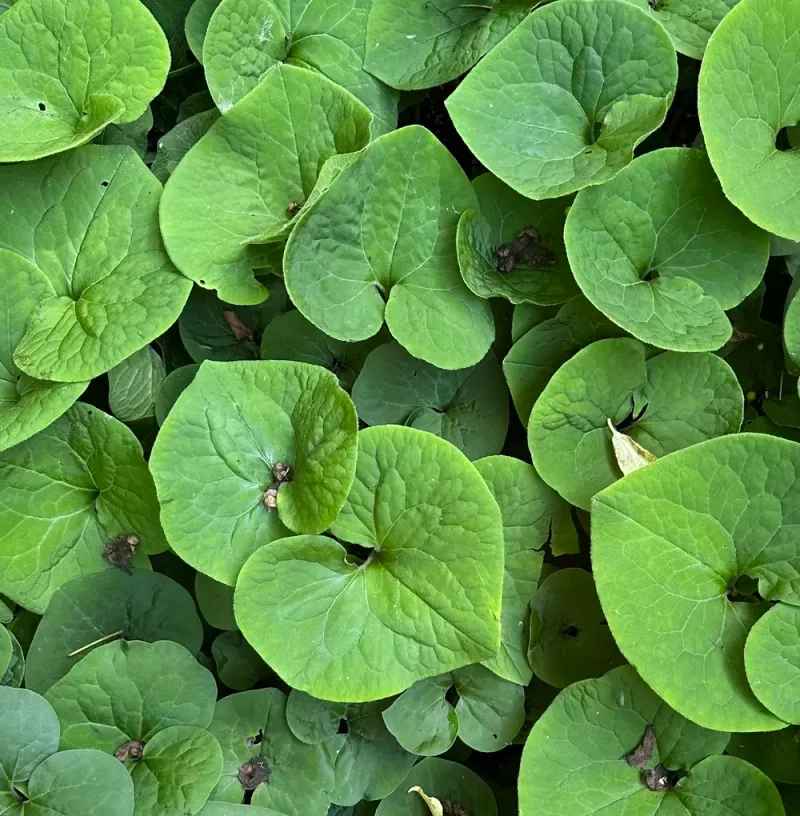
Wild ginger, Asarum canadense, is one of my favorites for shade. Its soft heart-shaped leaves form a low carpet, and it spreads at a pace that feels friendly rather than pushy.
Pennsylvania sedge, Carex pensylvanica, makes a fine-textured, grassy look under trees. It handles dry shade and needs very little mowing.
Other native choices to consider include golden ragwort, green and gold, foamflower, and woodland phlox. Each brings flowers, texture, or seasonal color to spots where wintercreeper once ruled.
Many of these plants support local pollinators in ways wintercreeper can’t. Golden ragwort’s bright spring blooms, for example, attract early native bees.
Here’s a tip I wish I’d known sooner. Native groundcovers often fill in slower the first year, so plant them a little closer together and mulch between clumps.
Groups like the Indiana Native Plant Society share lists and host sales where you can find these plants. Once they settle in, you can divide them and share freely.
That’s the best part. Your neighborly tradition keeps going, and the local woods get a helping hand too.
Swapping Out Wintercreeper Patches Gives Your Shade Garden A Fresh Start
Ready to take things one step further? Replacing an old invasive patch is one of the most satisfying shade projects you can tackle.
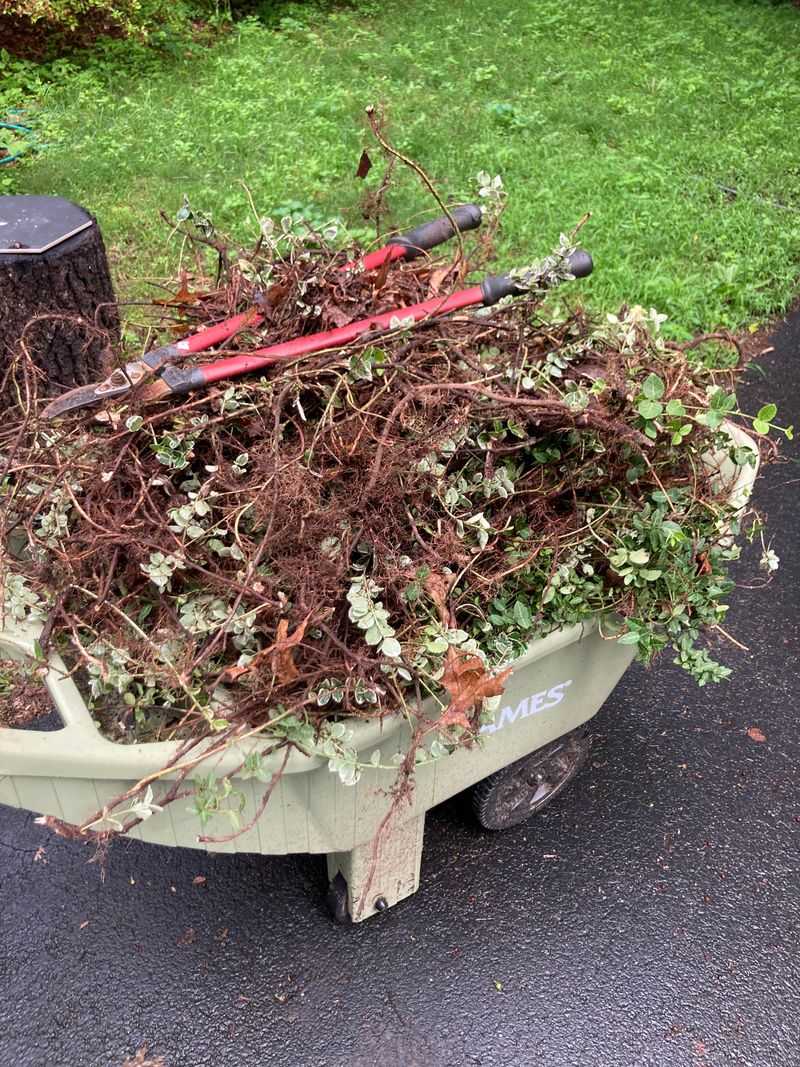
Start small with a section about the size of a doormat. Hand-pull wintercreeper when the soil is moist, following runners back to their roots.
Wintercreeper climbing trees takes more muscle. Cut vines at chest height and pull the ground mats, letting the upper vines wither in place.
Spring and fall are comfortable times for this work in Indiana. Cooler weather makes digging easier, and new native plants settle in well then.
Expect some stubborn regrowth. Check the area every few weeks for the first year and yank any green shoots that pop back up.
Once a patch is clear, plant your natives right away. Bare soil invites weeds, so a layer of shredded leaves or mulch helps hold the ground.
Purdue Extension and the DNR both offer helpful guides on identifying and controlling invasive plants. Your county extension office can answer local questions too.
Trust me on this one, the first spring your wild ginger unfurls where wintercreeper used to sprawl feels like a real win. And this time, sharing divisions with neighbors is perfectly legal.