Can You Feed Deer In Your Michigan Yard? What The State Rules Say
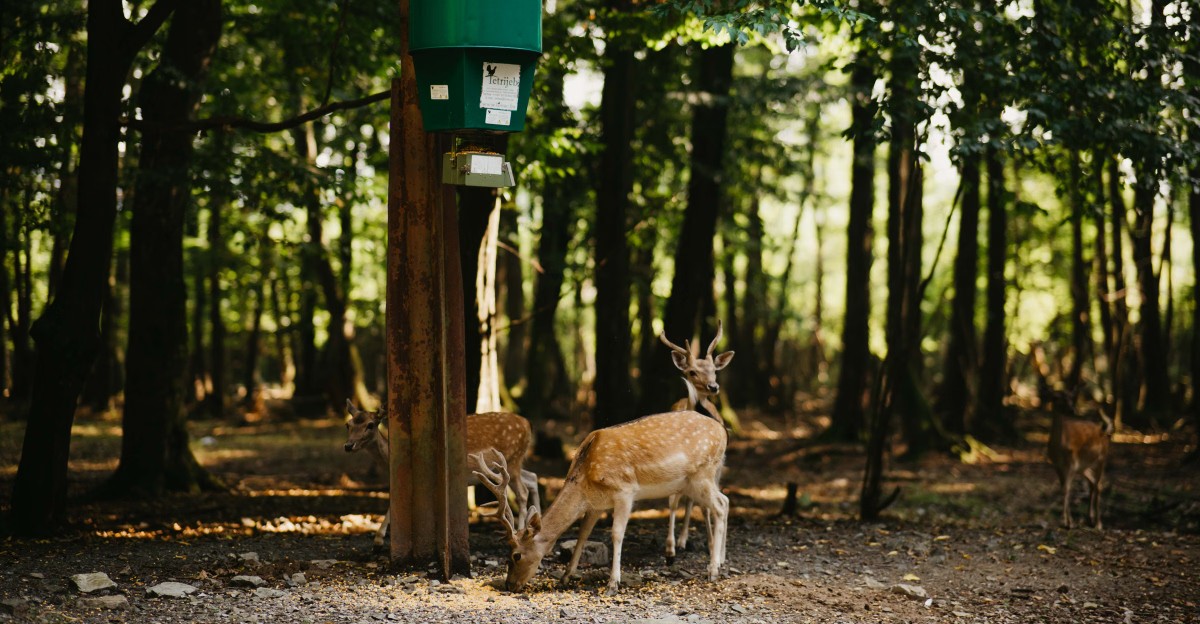
A bird feeder hanging low in your yard could once count as a wildlife violation across a big chunk of Michigan. The problem wasn’t the chickadees. It was the hoofed, big-eared visitors who wandered over at dusk and helped themselves.
I’ll admit it, I’ve been tempted. A bucket of corn by the back fence seems like the kindest thing in the world when snow is piled up and those soft brown faces are staring at your hostas.
Lawmakers have now changed the picture, and plenty of gardeners are scratching their heads. Some neighbors swear it’s fully legal again. Others insist nothing changed at all.
Trust me on this one, the truth sits somewhere in the middle. It depends on where you live, how much you put out, and how close it sits to your house. So which side of the line is your yard on?
A Low-Hanging Bird Feeder Used To Get Deer Feeders In Trouble
Back in January 2019, a rule quietly changed how a lot of folks in the Lower Peninsula treated their backyards. The Natural Resources Commission banned both baiting and feeding deer across the whole region.
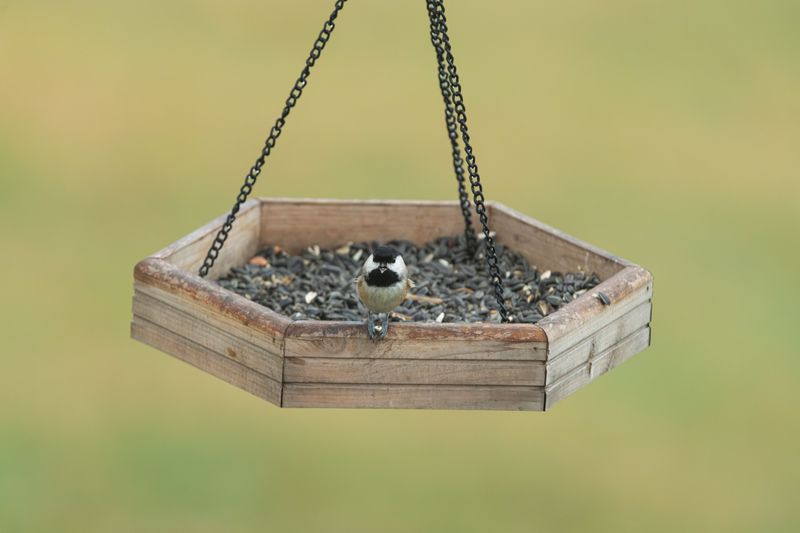
The rule went further than most people expected. Any food a deer could reach counted, even seed spilling from a bird feeder or apples stacked in a pile. Bird feeding stayed allowed, but only if the feeder sat high enough or was set up so deer couldn’t get to it.
I remember neighbors raising their feeders on taller poles and sweeping up spilled sunflower seeds every morning. It felt a little silly at first. Still, conservation officers could write tickets if a yard turned into an obvious deer diner.
The goal behind the ban was simple. Officials wanted to stop deer from crowding together at food sites, where illness spreads more easily from nose to nose.
For years, this rule shaped how families in the southern and northern Lower Peninsula watched wildlife. Many people simply gave up on feeding altogether. Others kept doing it quietly and hoped no one noticed, which is never a great plan with game laws.
Two Gallons Of Corn Near Your Back Porch Is The New Limit
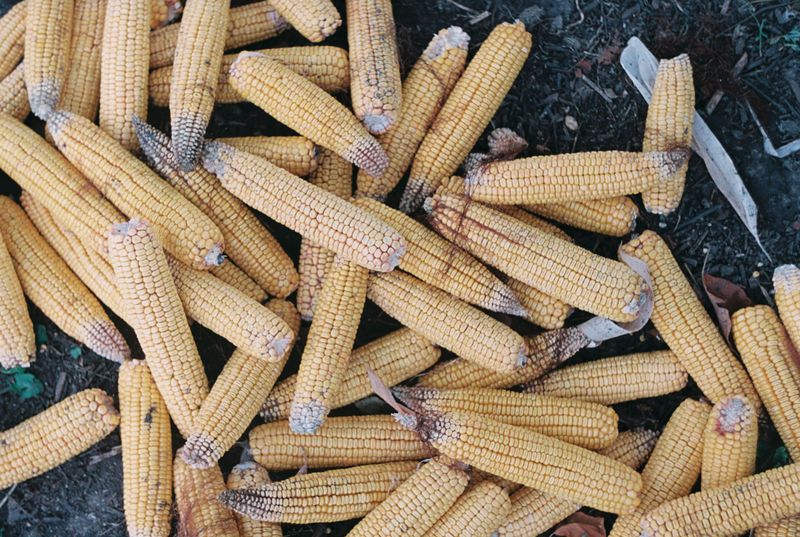
Recent reporting from outlets like Bridge Michigan and Michigan Farm News describes a new law signed by Governor Gretchen Whitmer that loosens the old ban. Under it, homeowners can put out a small amount of food for deer near their homes.
The details matter a lot here. The feed must total no more than two gallons at a time, including any already out, and it has to sit within 300 feet of your residence. The purpose should be recreational viewing or helping deer through hard conditions, like a rough winter.
Two gallons is less than you might picture. It’s roughly the size of a small pail, not a heaping wheelbarrow of corn. Spread it out a bit so deer aren’t jammed together at one tiny spot.
I’d also suggest a quick check before you start. Rules can shift as the DNR updates regulations, and some areas may still carry local restrictions tied to disease control.
The Michigan DNR website and your local DNR field office are the best places to confirm what applies to your address. A five-minute phone call beats an awkward chat with a conservation officer in your driveway.
Hunting Bait Piles Still Play By Stricter Rules
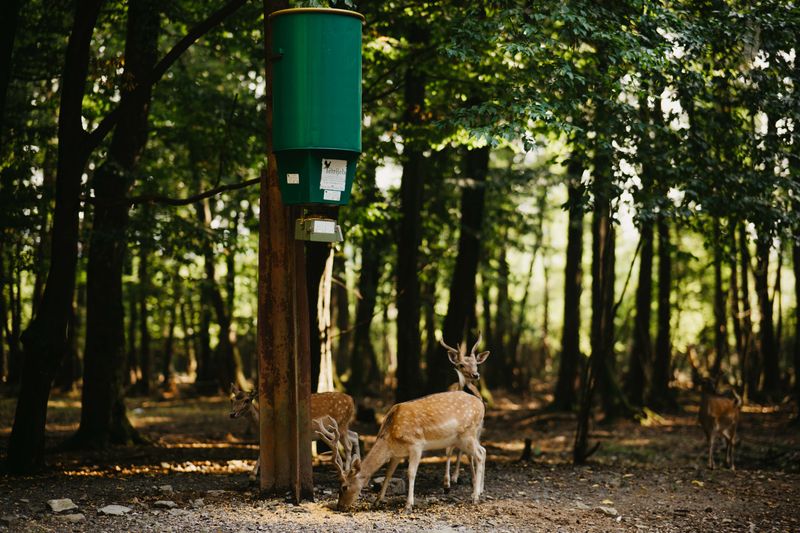
Hunters, this one’s for you. A small pile of corn by the kitchen window and a bait pile in front of a tree stand are not the same thing in the eyes of the law.
According to news coverage of the new legislation, baiting deer for hunting in the Lower Peninsula remains illegal. The backyard feeding change is aimed at viewing and wildlife welfare, not at drawing a buck into range.
So what’s the difference in practice? Location and intent are a big part of it. Feed near your house for watching deer is treated differently from feed placed in hunting areas to attract animals during the season.
A friend of mine learned this the confusing way. He assumed the new rule meant he could dump corn near his blind on a back forty. It doesn’t, and the fines for illegal baiting can add up fast.
If you hunt and also enjoy watching deer at home, keep the two activities separate. Check the current Michigan Hunting Digest each year, since baiting rules can be adjusted season to season. When in doubt, skip the bait and rely on scouting, food plots where allowed, and good old patience.
Chronic Wasting Disease Is Why Crowded Deer Feed Piles Worry Experts
Here’s a fact that stopped me cold. The germ behind chronic wasting disease isn’t a virus or bacteria at all. It’s a misfolded protein called a prion, and it can linger in soil for years.
CWD affects the brain and nervous system of deer, elk, and moose. Infected animals slowly lose weight, act strangely, and eventually succumb. There is currently no cure and no vaccine.
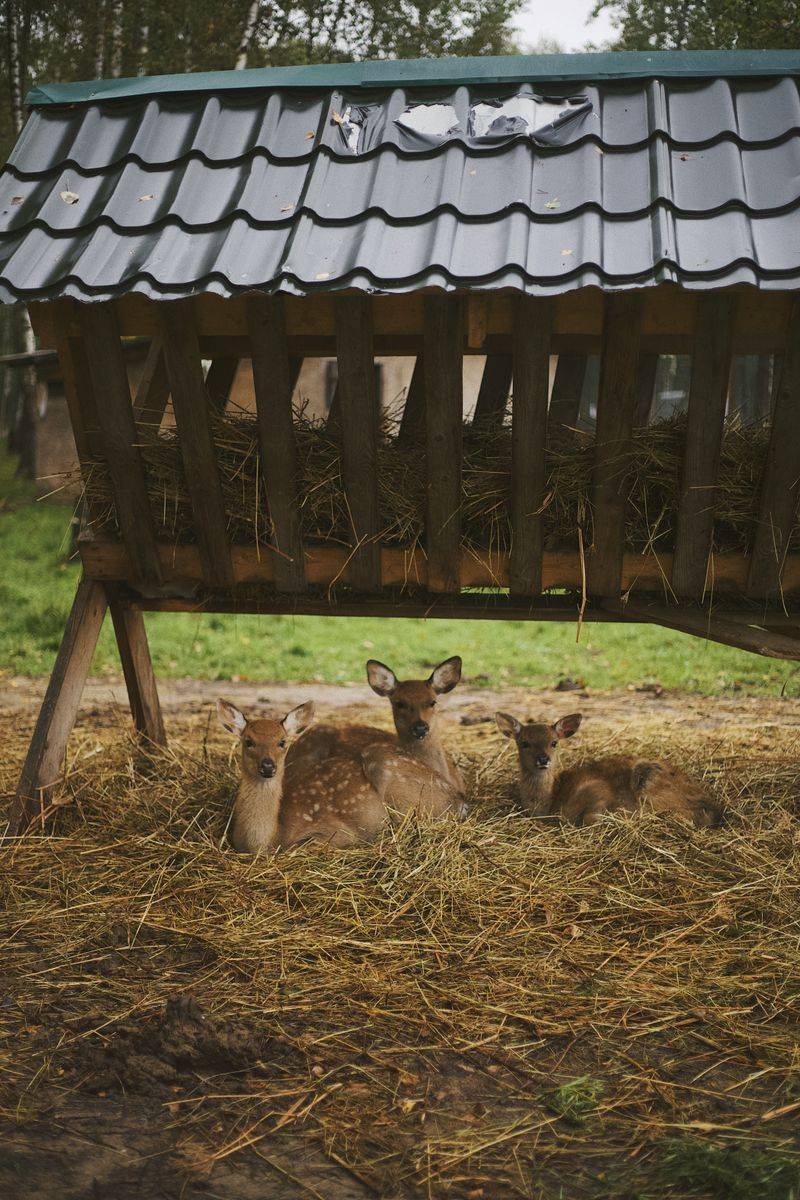
Deer pass prions through saliva, urine, and droppings. When dozens of animals share one feed pile, they swap those fluids constantly. The ground around the pile can stay contaminated long after the corn is gone.
That’s the main reason wildlife biologists from the DNR and Michigan State University have pushed back on feeding. One pile in one yard may seem harmless. Thousands of piles across a county add up to a lot of close contact.
If you choose to feed under the new rules, a few habits help. Scatter the food thinly, move the spot now and then, and stop if you see a deer that looks thin, wobbly, or oddly unafraid. Report sick-looking deer to the DNR so biologists can test them.
Bovine TB Keeps Northeast Lower Peninsula Deer Under Extra Watch
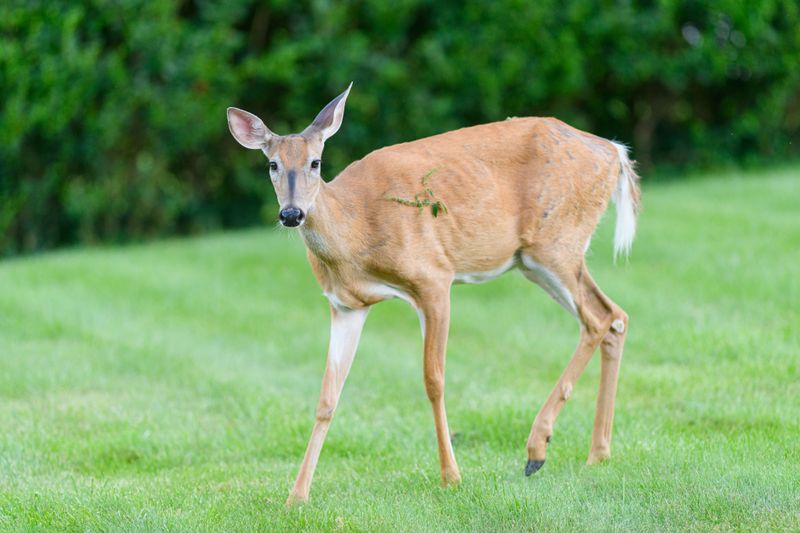
Long before CWD made headlines, another illness had farmers in the northeast Lower Peninsula on edge. Bovine tuberculosis was found in wild deer there in the mid-1990s, and it can jump to cattle.
The hot spot centers on Alcona, Alpena, Montmorency, and Oscoda counties. Deer feeding and baiting in that region were restricted earlier than in the rest of the state for that very reason.
Why should a gardener care? TB spreads well when deer share food and breathe on each other at close range. A cattle herd testing positive can mean big losses for a family farm and trouble for the state’s dairy and beef trade.
Michigan works with federal regulators at the USDA under agreements meant to keep TB in check. Reports on the new feeding law note those agreements may still limit feeding in high-risk areas, even after the bill was signed.
So if you live up near Alpena or Oscoda, don’t assume the statewide change covers you. Call the DNR or check its baiting and feeding page first. Your local farmers will appreciate the extra care, and so will the deer herd.
Upper Peninsula Deer Rules Differ From The Lower Peninsula
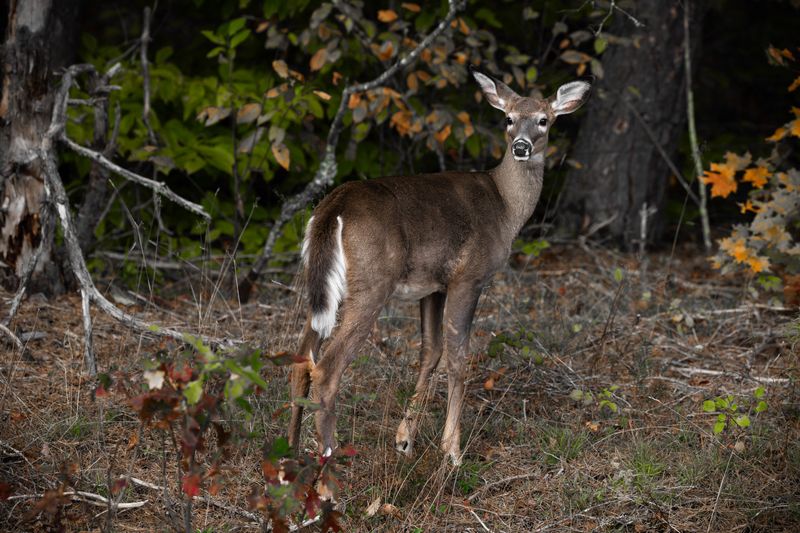
Cross the Mackinac Bridge and the deer rules shift under your tires. The Upper Peninsula has generally allowed baiting and feeding, within limits, even while the Lower Peninsula ban was in place.
U.P. winters are brutal, with deep snow that can make finding food tough for deer. Many residents have a long tradition of putting out feed, and the rules there reflected that history.
There used to be a big exception, though. A core CWD surveillance area covering parts of Dickinson, Menominee, and Delta counties once had a ban on baiting and feeding, but the DNR lifted it in 2023. CWD was confirmed in a deer in Dickinson County, which triggered the stricter rules.
Standard limits still apply, so read the current regulations before hauling out a sack of corn. Amounts, timing, and placement can all be regulated.
I find it helpful to check the DNR’s current rules rather than guessing based on what a neighbor told me. Rules can change from one hunting season to the next, and what held last year may not hold now.
A quick look online can save you from a headache, and it keeps the U.P. herd healthier for everyone who loves seeing those deer along snowy back roads.
Well-Fed Deer Tend To Snack On Your Hostas Next
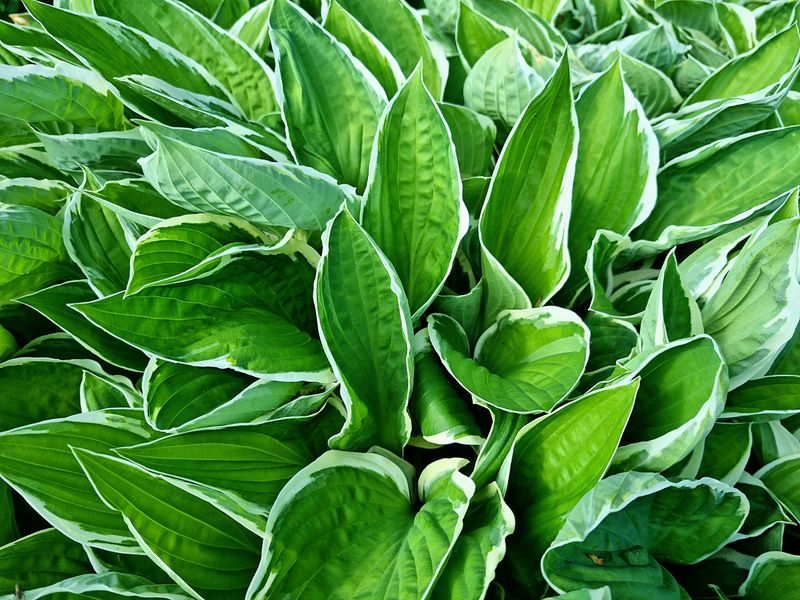
Guilty as charged, I once thought feeding deer might keep them away from my flower beds. The opposite happened. Once they learned my yard meant dinner, they stuck around and sampled everything.
Wildlife officials warn that regular feeding teaches deer to lose their fear of people. They start bedding down near houses, crossing busy roads more often, and treating gardens like a salad bar. Hostas, daylilies, arborvitae, and tulips usually top their menu.
More deer near homes can also mean more vehicle collisions. Michigan already sees tens of thousands of deer-car crashes each year, with peaks in fall during the breeding season.
There’s a health angle for the deer, too. A sudden switch to lots of corn in winter can upset their digestive system, a problem called acidosis. Their stomachs adjust slowly to new foods, so a big corn feast can actually do harm.
If you feed, start small and stay consistent rather than dumping a huge pile after a snowstorm. Keep feed well away from roads. And protect your favorite plants anyway, because a deer that visits for corn will rarely pass up dessert in your garden.
Native Shrubs And Smart Fencing Beat A Bucket Of Corn
After all the rule-checking, my favorite way to enjoy deer is still from a comfy chair with a cup of coffee. You can get great views without making your yard a feeding station.
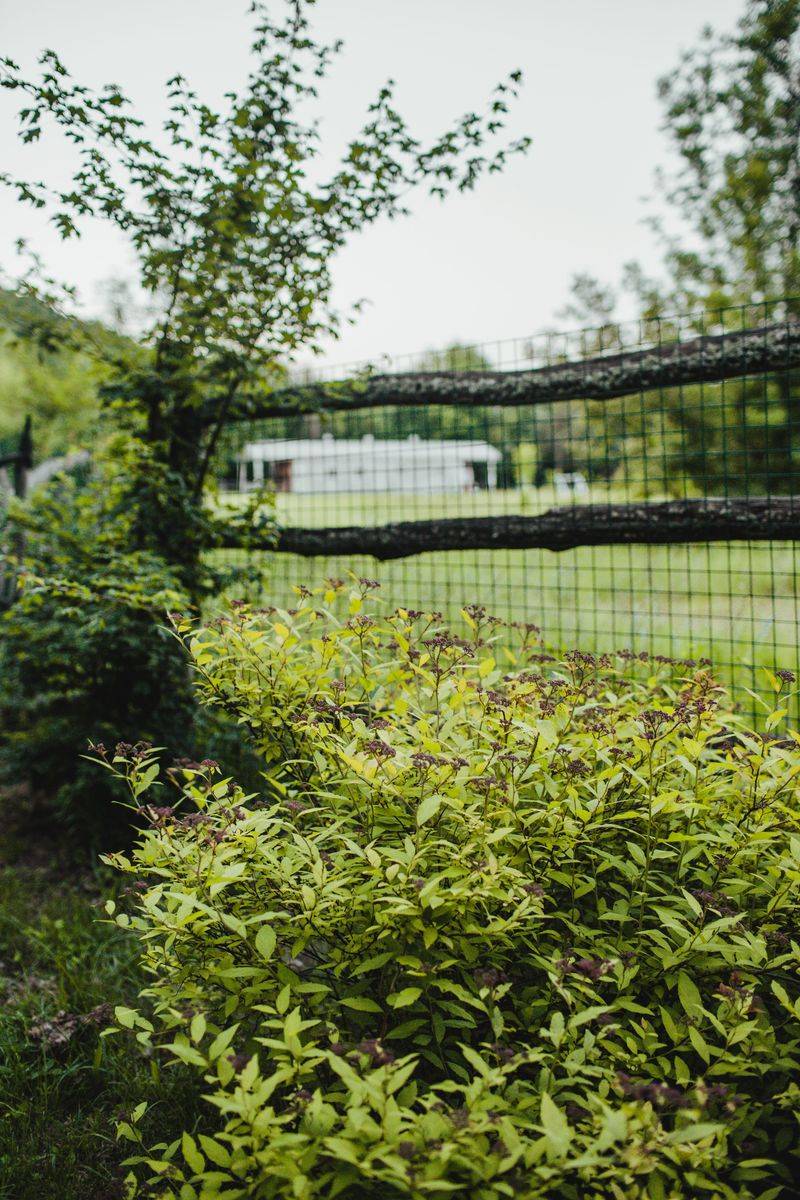
Native plants give deer natural food in wild corners of your property. Serviceberry, gray dogwood, and native viburnums offer browse and berries, though deer may nibble them too. Leaving a brushy edge along the back of your lot creates cover that wildlife love.
Meanwhile, guard the plants you treasure. A fence about eight feet tall works best, since deer jump surprisingly high. Repellent sprays help if you rotate them and reapply after rain, and netting over young shrubs buys time.
If you decide to feed under the new law, keep it to two gallons or less, within 300 feet of your house, and spread thin. Confirm your area isn’t under extra disease limits first.
A quick checklist helps. Visit the Michigan DNR baiting and feeding page, report sick deer, and talk with your MSU Extension office about deer-resistant plantings. That way you get the wildlife moments you crave and keep your garden and the herd in good shape.