Michigan Gardeners, Prune These 7 Plants In October For A Head Start On Next Season’s Garden
October is not the month to put the pruners away. Most Michigan gardeners pack up their tools the moment the first frost hits, and then spend the following spring wondering why certain beds look tired, weedy, or disappointingly behind.
A few well-timed cuts right now can change that story completely.
Peonies, iris, bee balm, daylilies, raspberries, hostas, and asparagus all respond well to fall attention, and each one has a specific reason why October is the right moment rather than a convenient one.
The cuts are quick, the payoff is real, and the whole job takes less time than raking the driveway.
The only thing worth knowing before you start is which plants actually want this treatment and which ones will punish you for trying.
1. Peonies Love A Fall Haircut
Grandma probably grew peonies, and she likely cut them down every fall. She knew a trick that still works in Michigan gardens today.
Peony leaves often carry a fungus called botrytis by October. If you leave the old stems standing, the spores can spend winter right next to the roots.
Cutting them back removes that hiding spot. It gives the plant a fresh, clean start when red shoots poke up in spring.
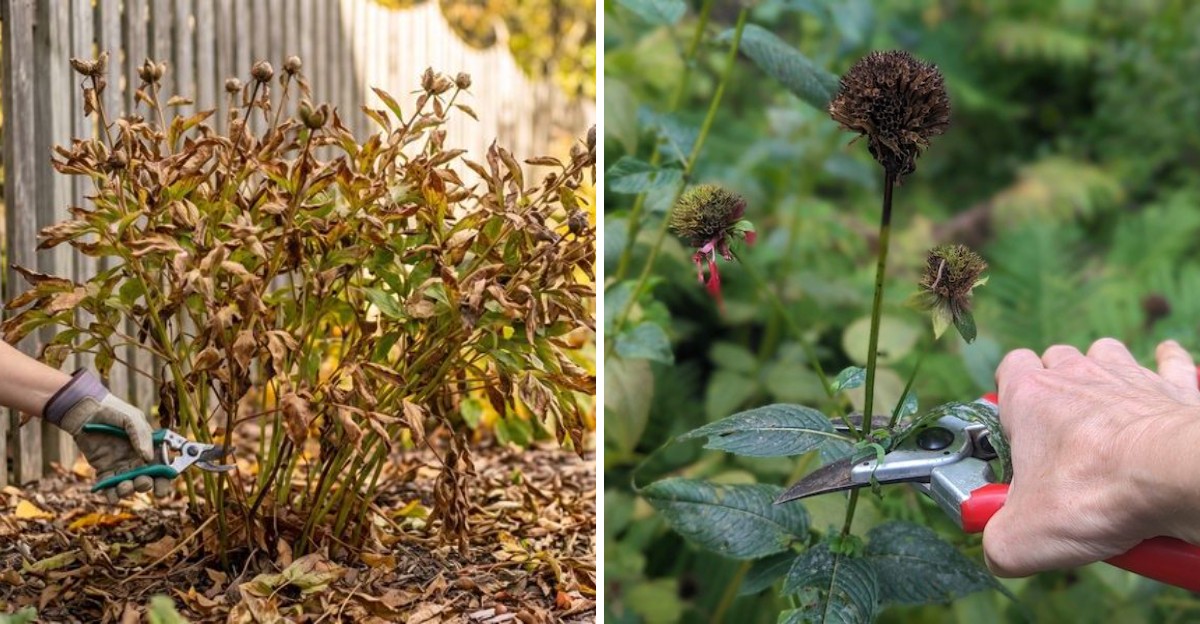
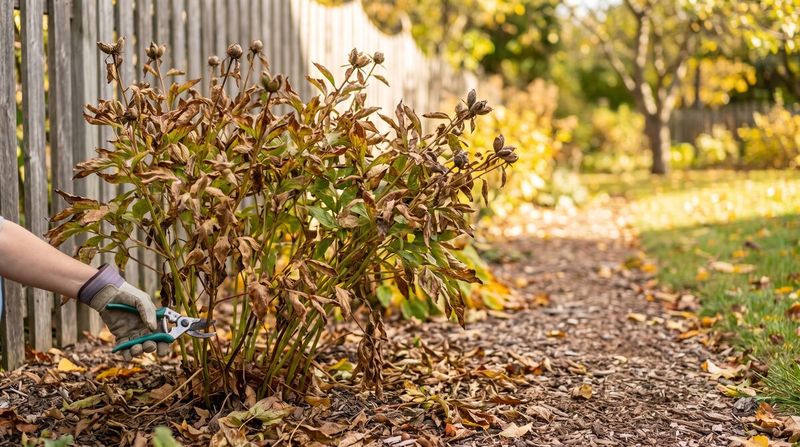
Wait until the leaves turn yellow or brown after the first light frost. Use clean, sharp pruners and snip each stem to about one to two inches above the soil.
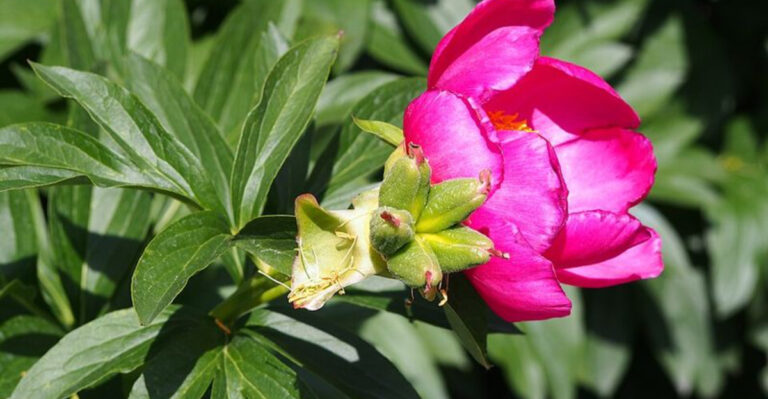
Be careful not to cut too low. The pink buds, called eyes, sit just under the surface and hold next year’s flowers.
Bag the stems and toss them in the trash instead of your compost pile. Home compost piles rarely get hot enough to destroy the fungus.
A thin layer of shredded leaves on top can help in colder parts of the state. Pull it back in early spring so the shoots can breathe.
Some peony plants live for over 100 years. A little fall care helps yours reach that kind of age.
Wipe your blades with rubbing alcohol between plants. Clean tools keep any leftover spores from traveling around your yard.
2. Bearded Iris Gets A Fan Trim
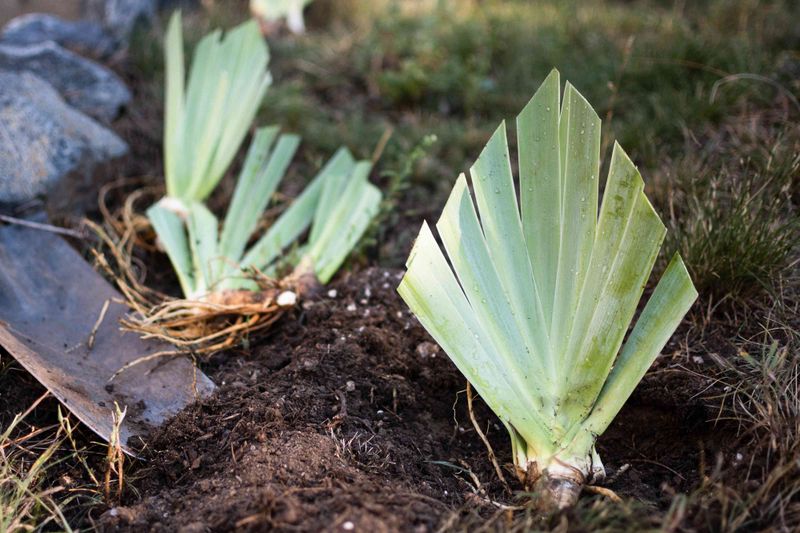
Flat little fans of green look adorable in a fall flower bed. Bearded iris can look that way with just a few minutes of work.
Many Michigan gardeners battle the iris borer, a sneaky pest. Its moth lays eggs on old iris leaves in autumn, and the young larvae tunnel down in spring.
Trimming the leaves takes away those egg sites. You get fewer pests and healthier plants with almost no effort.
Cut each leaf fan down to about six inches tall. Many people like to snip them into a pointed shape, like a little upside down V.
Remove any brown, mushy, or spotted leaves all the way to the base. Rake up the trimmings and get them out of the garden.
Look at the rhizomes while you are down there. These thick roots should sit right at the soil line, like ducks floating on a pond.
Your Michigan Garden Changes Every Week. Your Plan Should Too.
Gardening in Michigan changes quickly throughout the season. Every Friday you’ll receive a simple weekly plan showing exactly what to plant, prune, fertilize, harvest, and protect so you never miss the right timing.
If they are buried deep, gently brush some soil away. Rhizomes enjoy sunshine on their backs, and soggy soil can lead to rot.
Skip heavy mulch around iris over the winter. A light layer of evergreen boughs is plenty if your area gets bitter cold.
Healthy iris clumps can be split every three to four years. A tidy fall trim makes spotting crowded clumps much easier, too.
3. Hostas Deserve A Cleanup Before Snow
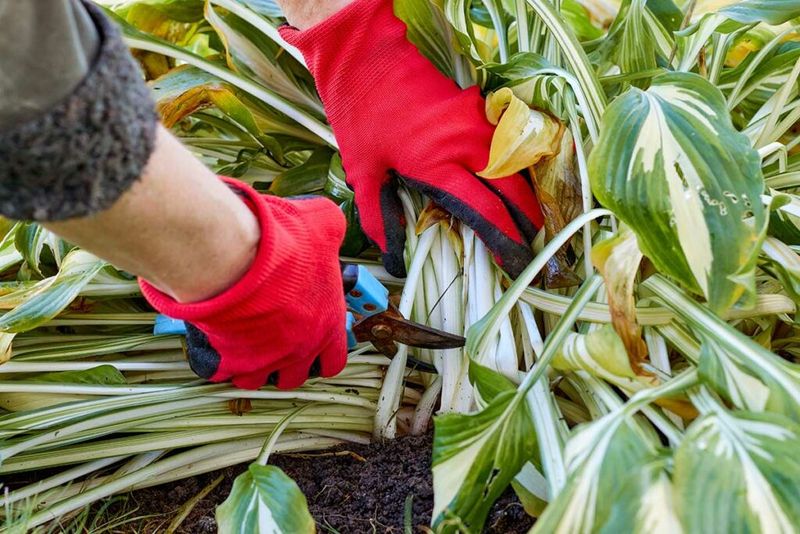
Ever stepped on a pile of slimy hosta leaves in spring? It is not fun, and slugs feel the same way about it in reverse, because they adore that mess.
Hostas are shade stars all over Michigan. After a hard frost, their big leaves collapse into a soggy blanket on the ground.
That blanket is a five-star hotel for slugs and their eggs. It also traps moisture that can lead to crown rot over winter.
Once the leaves turn yellow and flop, cut them off near the ground. Most stems pull away easily, so sometimes you barely need tools.
Leave about an inch or two of stem. Those little stubs remind you where each plant sits, which helps when you plant bulbs nearby.
A few gardeners leave hostas alone until spring, and that is okay in dry spots. In damp shade, though, a fall cleanup usually pays off.
Hosta shoots are considered edible and are eaten as a vegetable in parts of Japan and Korea, where they are harvested young in spring. The flowers are also edible, though the young shoots are the more commonly used part in cooking.
Dropping hosta leaves into compost is usually fine if they look healthy. Throw away any leaves with odd yellow streaks, since that may be a virus.
Next spring, you will see fresh spears rising from clean soil. Your slug battle will start off a lot easier.
4. Bee Balm Benefits From An October Snip
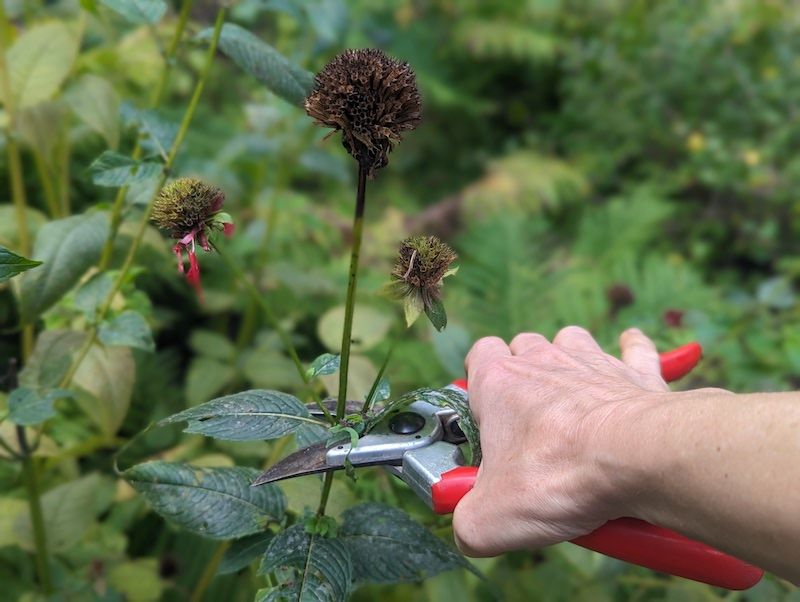
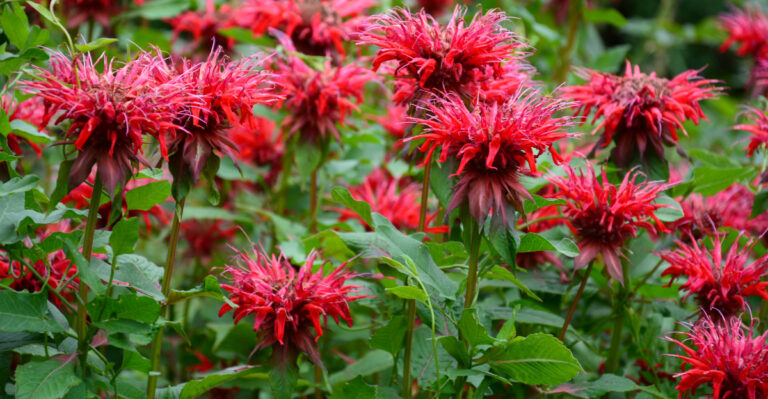
Bee balm brings the hummingbirds in July. By October, though, the leaves often look dusted with flour.
That white coating is powdery mildew, a common problem in humid Michigan summers. It usually does not harm the plant much, but it can return year after year.
Cutting stems back in fall removes a lot of those spores. Fewer spores mean a better shot at clean, green leaves next summer.
Snip the stems down to two or three inches above the soil. A pair of hand pruners or even sharp kitchen scissors will do the job.
Toss the cuttings in the trash or yard waste bin. Avoid your home compost, where mildew can hang around.
Bee balm spreads quickly through underground runners. While you trim, notice if the patch is creeping into places you do not want it.
You can dig up those wandering pieces now or in spring. Share them with neighbors, since bee balm makes a great gift for pollinator fans.
Did you know the plant is also called Oswego tea? Early settlers learned from Native peoples to brew the leaves into a minty drink.
For better air flow next year, thin crowded clumps by about a third. Good spacing is one of the easiest ways to keep mildew low.
5. Daylilies Look Tidier With A Fall Trim
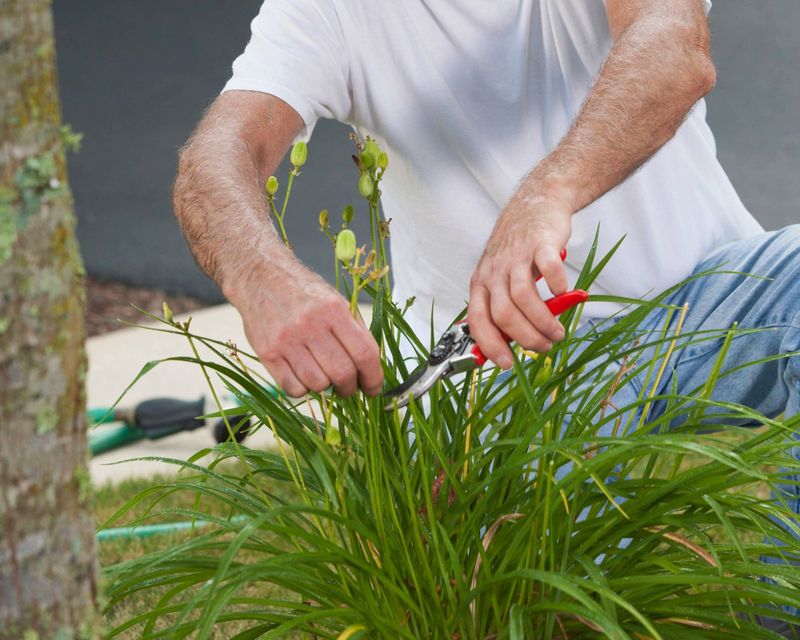
Ditch lilies line country roads across Michigan, tough as old boots. Even the fancy garden kinds share that easygoing spirit.
By October, daylily leaves turn tan and floppy. They are not hurting the plant, but they can hide slugs and look messy all winter.
A quick trim gives your beds a crisp, finished look. It also makes spring cleanup much faster when life gets busy.
Grab a handful of leaves and cut them about three to four inches above the ground. Hedge shears work well for big patches along driveways.
Pull out the old flower stalks, called scapes, too. They often snap right off with a gentle tug.
Some newer daylilies stay partly green in winter. These are called semi-evergreen, so just remove any brown parts and leave the rest.
Fall is a good time to divide crowded clumps. If flowers were fewer this summer, the plant may be asking for more room.
Dig the clump, split it with a spade, and replant pieces at the same depth. Water well and they will settle in before the ground freezes.
Each daylily bloom lasts just one day, which explains the name. A single stalk can carry many buds, so the show keeps going for weeks.
6. Raspberry Canes Need Attention In Michigan Gardens
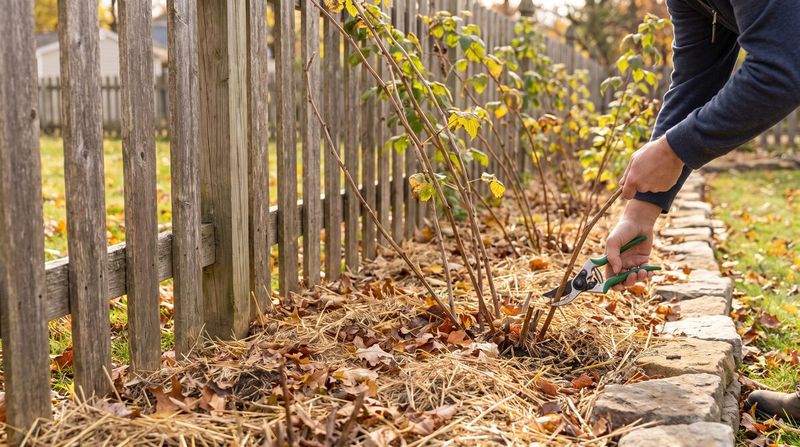
Sun-warm raspberries straight off the cane are summer treasure. A smart fall trim can mean more of them next year.
Summer bearing raspberries grow canes that fruit in their second year. After fruiting, those old canes are spent and will not produce again.
Many Michigan berry growers remove them in fall. Old canes are gray and woody, while new ones look green or reddish and smooth.
Cut spent canes right at ground level with sturdy loppers. Wear thick gloves, since prickles can be fierce.
Then thin the young canes, leaving about four to six per foot of row. Pick the strongest, thickest ones and remove the skinny ones.
Fall bearing types work a bit differently. Some gardeners mow them all to the ground after harvest for one big crop next fall.
Not sure which kind you have? If berries showed up in late summer through frost, you likely have a fall bearing variety.
Get rid of cuttings rather than leaving them in the patch. Cane borers and diseases like to hide in old wood.
Keep the row about one to two feet wide. Narrow rows dry faster after rain and make picking a whole lot easier on your arms.
7. Asparagus Ferns Come Down After Frost
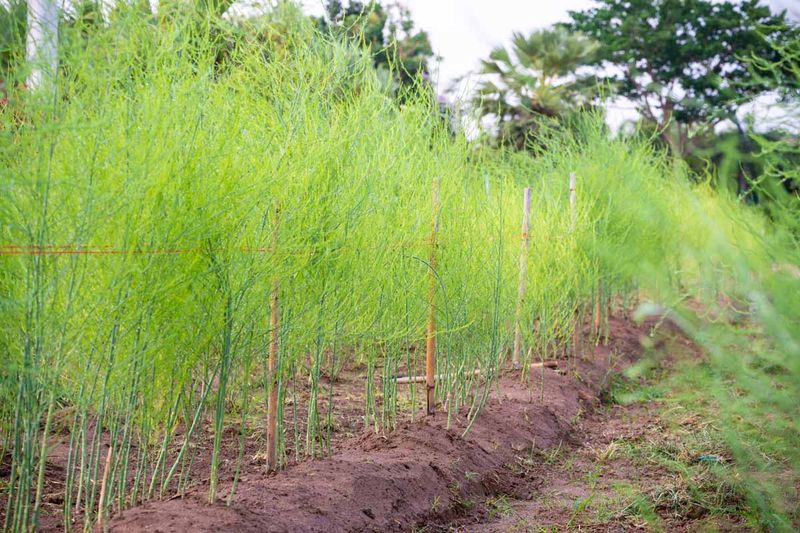
Feathery asparagus ferns can grow taller than a kid by fall. They look wild, but they did important work all summer long.
Those ferns gathered sunlight and sent energy down to the roots. That stored energy is what pushes up tender spears in a Michigan spring.
So patience matters here. Wait until frost turns the ferns completely brown before you cut.
Once they are brown, snip stems to about two inches tall. Clean up any fallen berries, since they can sprout into crowded weedy seedlings.
Asparagus beetles also like to spend winter in old ferns. Removing them now means fewer beetles chewing on spring spears.
After cutting, spread a few inches of compost or shredded leaves over the bed. That layer feeds the soil and protects the crowns from deep cold.
Healthy asparagus beds can keep producing for 20 years or more. That kind of long-term payoff makes fall care feel very worthwhile.
Michigan grows a huge share of the asparagus sold in the United States. Oceana County, known as the asparagus capital of the world, even hosts the National Asparagus Festival each June, drawing visitors from across the region.
Mark your bed corners with stakes before winter. In spring, you will know exactly where to look for those first purple green tips.
8. Skip Pruning Spring Bloomers In Michigan Right Now
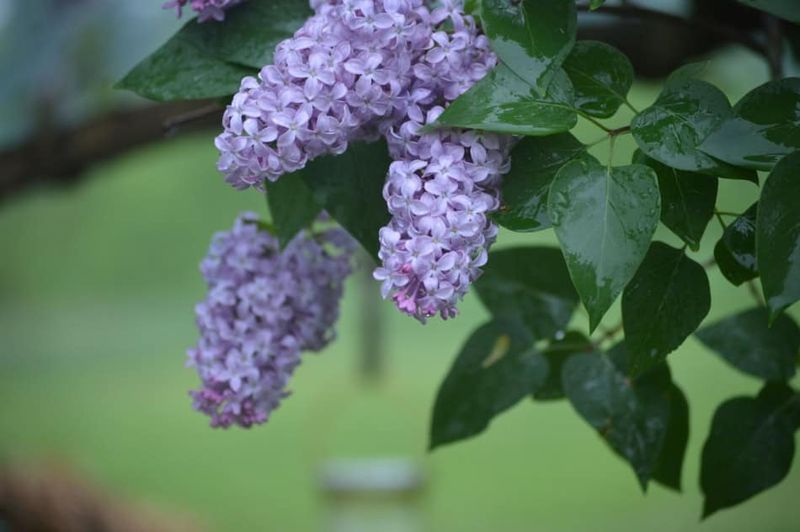
Not every shrub wants a fall haircut. Some will punish you with a flowerless spring if you snip at the wrong time.
Lilacs, forsythia, and many azaleas form flower buds in summer. Those buds sit on the branches all winter in Michigan, waiting for warm days.
Prune them in October and you cut off next year’s blooms. It is a classic mistake, and plenty of gardeners learn it the hard way.
The easy rule is simple. Trim spring flowering shrubs right after they finish blooming, usually in late spring.
Big leaf hydrangeas also fall into this group in many cases. Panicle and smooth hydrangeas bloom on new wood, so they are more forgiving.
You can still remove broken or rubbing branches anytime. Safety comes first, especially before heavy snow loads arrive.
Fall pruning can also wake up shrubs at a bad time. New growth may sprout and then get nipped hard by an early freeze.
Spend this month watering your shrubs deeply instead. Moist roots handle winter winds much better than thirsty ones.
Write down which shrubs bloom in spring on a garden calendar. Future you will be grateful when shears start calling again.
9. Smart Tools And Habits For Michigan Fall Pruning
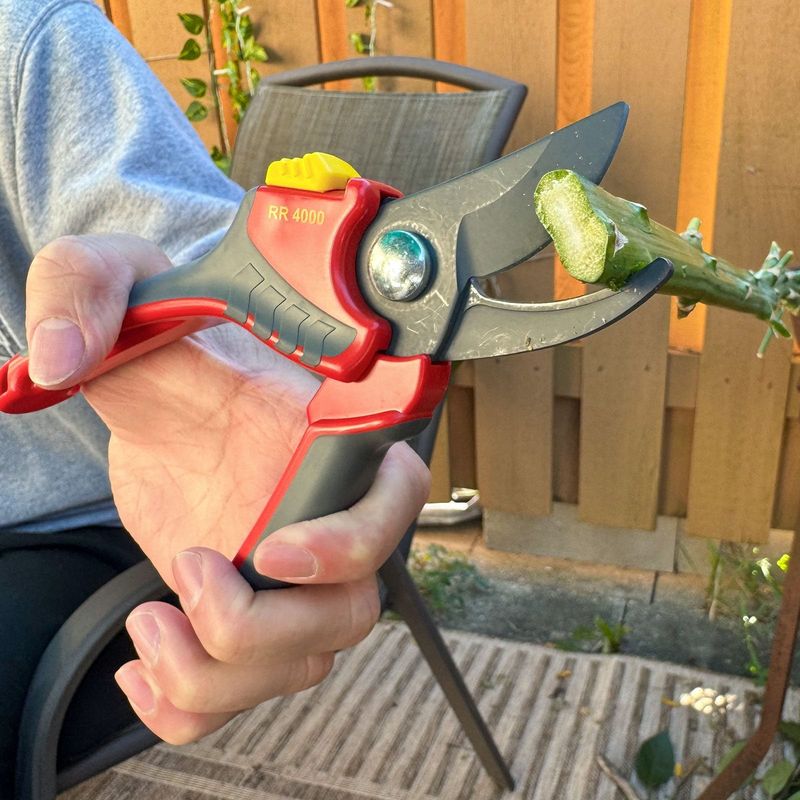
A good pair of pruners feels like an old friend in your hand. The right tools turn fall chores from a struggle into a pleasant afternoon.
Bypass pruners work best for live stems because they cut cleanly. Anvil pruners squash tissue a bit, so save them for dry, woody material.
Loppers handle branches up to about an inch and a half. For anything bigger, a small folding saw is safer and easier.
Sharp blades make healthy cuts that seal quickly. Run a sharpening stone along the edge a few times before you start.
Clean tools between plants with rubbing alcohol or a mild bleach mix. That small habit stops diseases from hitching a ride across your yard.
Pick a dry day to work. Wet leaves spread fungus spores, and Michigan fall weather often gives plenty of rainy afternoons to avoid.
Keep three buckets nearby. One for healthy compost, one for diseased trash, and one for tools and gloves.
Leave some seed heads like coneflowers and black-eyed Susans standing. Birds such as goldfinches snack on them all winter.
When you finish, oil your blades and hang them up. Rust free tools will be ready the moment spring rolls around.