A Venomous Violin Is Hiding Behind Your Illinois Cardboard Boxes
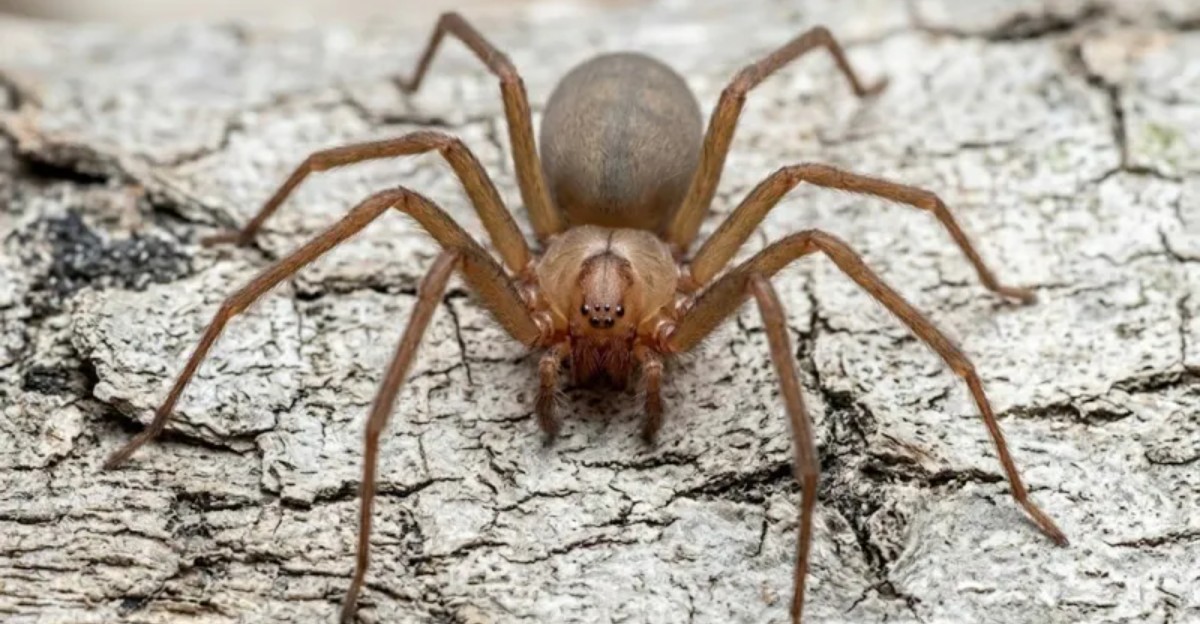
A spider can go without food for six months or more. Some survive close to a year on nothing at all, tucked inside a quiet box nobody has opened since last spring.
I found that fact while sorting seed packets in my Illinois garage, and I set the box down very slowly. The culprit wears a dark mark shaped like a tiny fiddle. It has six eyes instead of eight, and it prefers paper folds to open air.
In Illinois, this shy hunter mostly lives in the southern and central parts of the state. It rarely bites, yet its venom can cause a sore that heals slowly. You might notice nothing at all for years.
So how do you tell a harmless garage roommate from the one worth respecting? The answer starts with a closer look at that fiddle.
That Little Fiddle Mark Behind The Spider’s Eyes Tells A Story
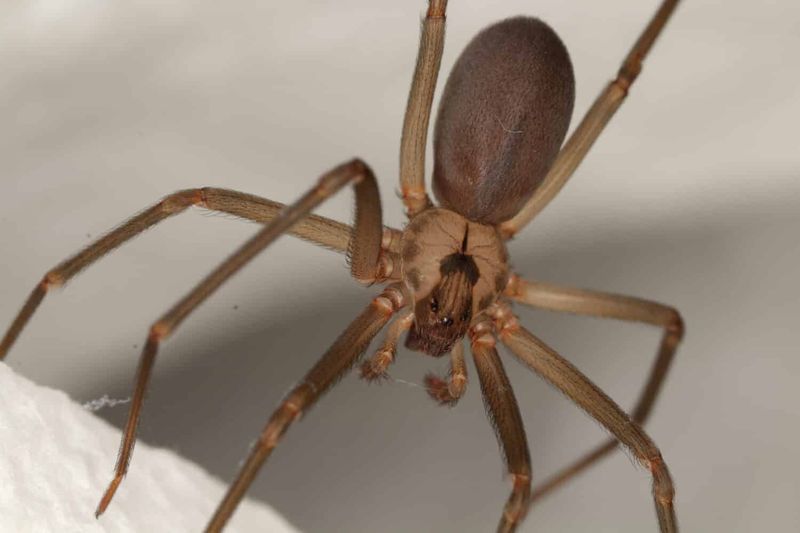
Musicians would be proud of this spider’s costume. A dark brown shape on the front body section points backward like the neck of a violin, which explains the nicknames fiddleback and violin spider.
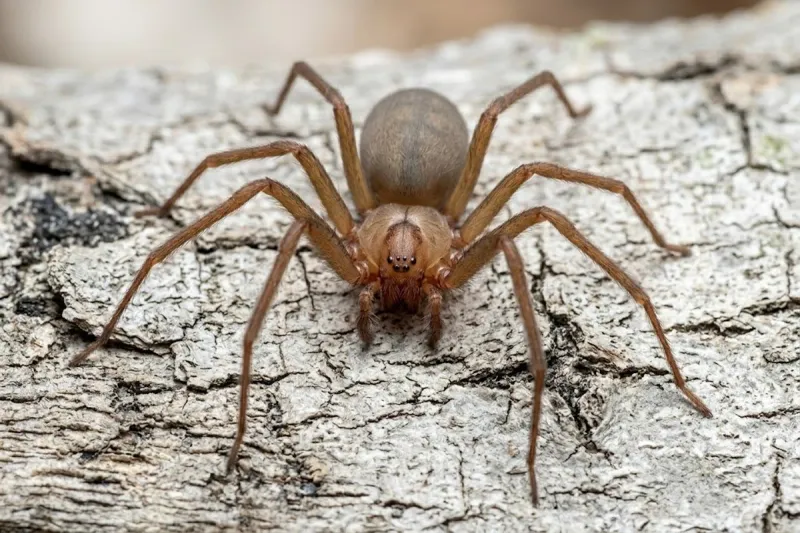
The brown recluse is the spider behind those names. Adults are small, roughly the size of a quarter with legs stretched out, and their bodies range from tan to medium brown.
The fiddle sits on the cephalothorax, the part where the legs attach, with the narrow end pointing toward the abdomen.
That mark is a helpful first clue, though it is not proof. Several harmless spiders carry dark patterns that look a bit like instruments, especially to a nervous eye. Young recluses may also show a faint mark that is hard to see.
University of Illinois Extension notes that this species is a true homebody. It spends daylight hours hidden and hunts small insects at night, so many families live near one without ever spotting it.
My advice is simple. Admire the fiddle from a polite distance, and use a jar or a photo to get a better look. A calm observation beats a panicked swat, and it helps you confirm what you actually found.
Cardboard Boxes Are A Brown Recluse Hotel

Cardboard is basically a five-star resort for this spider. The corrugated layers, folded flaps, and dark gaps give it tight spaces that feel safe and dry.
Brown recluses favor places people rarely disturb. Basements, closets, attics, crawl spaces, sheds, and garages all fit the bill, especially when boxes sit untouched for months.
Extension experts note they also tuck into gaps behind baseboards, under furniture, and inside stored clothing. Webs offer another clue. These spiders do not spin big, neat circles.
They build small, loose, messy retreats used as resting spots, often in a corner or along the seam of a box.
Gardeners have extra reasons to pay attention. Seasonal supplies like holiday decorations, seed trays, spare pots, and folded tarps tend to sit in the same pile for half the year. That pile becomes prime habitat.
I once lifted a box of old plant labels and spotted shed spider skins tucked in a crease. Those cast skins are a common sign that recluses are living and growing in a spot.
Wear gloves when you sort stored items, and lift boxes slowly. A good flashlight helps you check corners before your fingers go exploring.
Count The Eyes Before You Blame The Spider
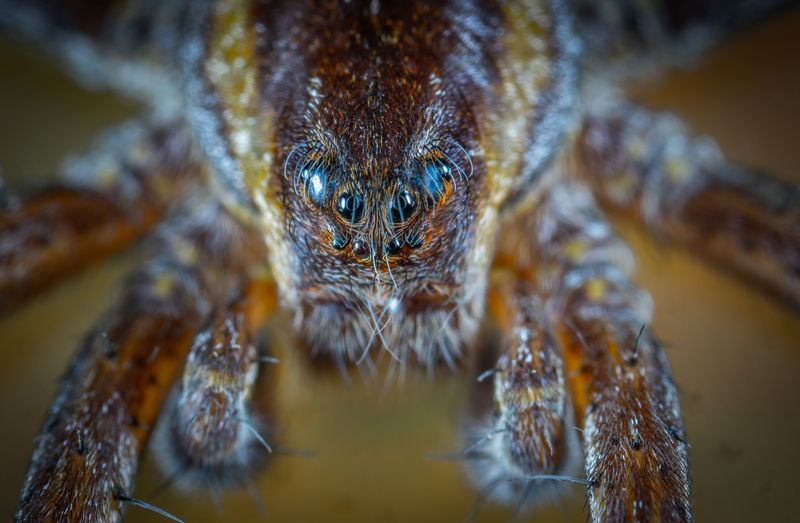
Here comes the detail that separates guessers from real spider sleuths. Most spiders have eight eyes, but the brown recluse has only six.
Those six eyes sit in three pairs arranged in a curved line, one pair in front and one pair on each side. You will likely need a magnifying glass or a zoomed phone photo to see them clearly.
Experts consider this pattern one of the most reliable identification features. Legs give more clues. Recluse legs are long, thin, and evenly colored, without stripes or bands.
They also lack thick spines, carrying only fine hairs that make them look smooth. The abdomen is plain too. It has no stripes, spots, or patterns, just a uniform soft brown or grayish color.
Misidentification happens all the time. Wolf spiders, cellar spiders, and grass spiders often get blamed, yet they are not considered medically significant.
Many spider experts say most suspected recluse reports in northern Illinois turn out to be other species.
If you want certainty, snap a clear photo and contact your local Extension office. Trained staff can confirm the spider, which saves you worry and helps you choose the right next step.
A Recluse Bite Often Starts Out Quietly
Surprisingly, many people feel little or nothing at the moment of a bite. The trouble, when it happens, tends to show up a few hours later.
Bites usually occur when a spider gets pressed against skin. Common examples include slipping on a glove, pulling on a boot, or rolling over onto a spider in bedding. The spider is defending itself, not hunting people.
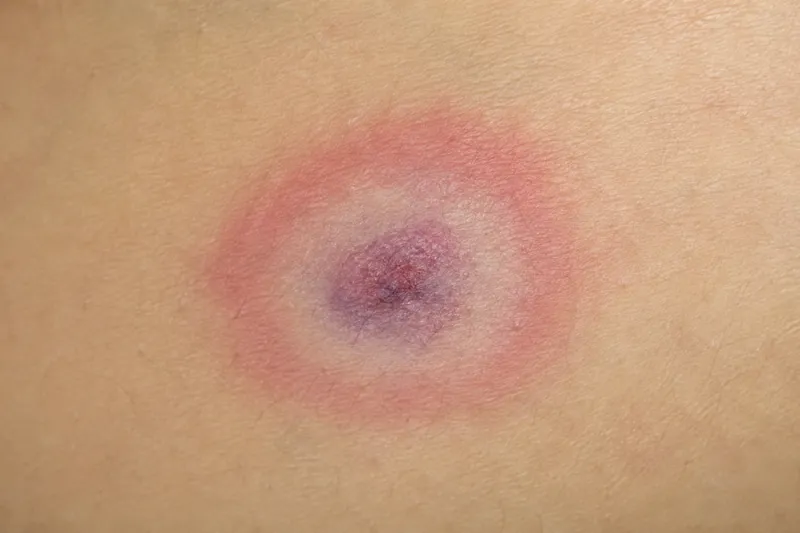
According to health agencies, the site may become red, itchy, or painful after two to eight hours. A blister can form, and some bites develop a darkened center surrounded by redness.
In a smaller number of cases, the tissue breaks down into an open sore that heals slowly over weeks.
Most bites heal on their own without serious problems. Fever, chills, body aches, or nausea are uncommon, but they call for prompt medical care.
Wash the area with soap and water, apply a cool compress, and keep the spot raised if possible. Contact a doctor or the Illinois Poison Center at 1-800-222-1222 for guidance.
Bring the spider in a sealed jar if you can do so safely. Skip home remedies like cutting or suction. Medical professionals advise against them.
Swap Those Boxes For Sealed Plastic Bins
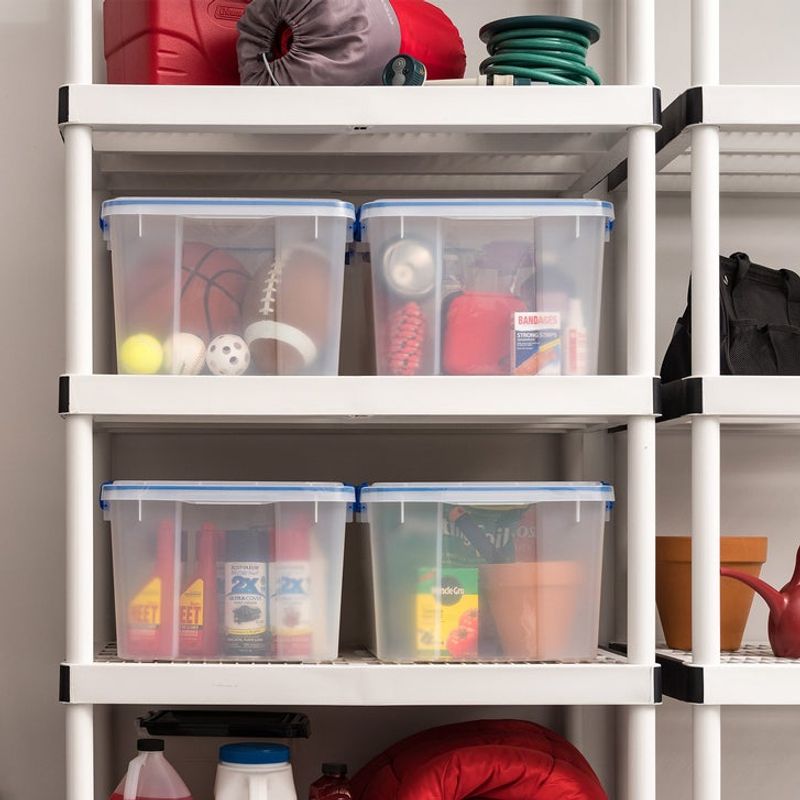
My favorite fix costs a weekend and a few storage tubs. Trading cardboard for plastic bins with snug lids removes a huge share of hiding spots in one swoop.
Extension specialists recommend tight-fitting containers because spiders struggle to squeeze inside. Clear bins add a bonus, since you can see the contents without opening them blindly.
Tape around lid edges adds extra protection for long-term storage. Start with the areas you visit least. Garage shelves, basement corners, and attic stacks usually hold the oldest boxes.
Move items into bins outdoors on a bright day, wearing gloves, and shake each item gently before packing it away.
Gardening gear deserves special attention. Gloves, boots, knee pads, and hats that sit for months make tempting shelters. Hang them on hooks, or store them inside a sealed bin between seasons.
Keep stored items off the floor and away from walls when possible. A small gap makes spiders easier to spot and reduces cozy dark edges.
Recycle old cardboard rather than stacking it for later. Flattened boxes leaning in a corner still create layered shelters. Fewer shelters usually means fewer recluses settling in, and much calmer cleaning days.
Sticky Traps Reveal Where These Spiders Roam
Want proof instead of guesses? Glue traps act like tiny security cameras for your floor. Brown recluses wander at night, often traveling along walls and baseboards.
Placing flat sticky traps in those paths catches roaming spiders and shows you where activity is highest. University entomologists frequently recommend this method for monitoring.
Set traps behind appliances, under shelves, beside furnace areas, and near stored boxes. Check them every week or two and replace them when they get dusty or full. Write the date on each one so you can track changes over time.
Traps also help confirm identification. A captured spider sits still for a close look at its eyes and markings, which is much easier than chasing one across a shelf.
Pair traps with regular vacuuming. Running a vacuum along corners, under furniture, and around storage removes spiders, egg sacs, and the small insects they eat.
Empty the canister or bag outside promptly. Fewer insects means less food for recluses. Sealing gaps around doors and windows helps with that too.
If traps keep filling up, consider a licensed pest professional. They can target cracks and voids that sprays from a store rarely reach.
Southern Illinois Gardeners Should Check Garden Sheds More Often
Geography matters with this spider. The brown recluse is native to the south-central United States, and its range reaches into the southern and central parts of Illinois.
Illinois Department of Public Health information describes recluses as most common in the southern two-thirds of the state. Northern areas, including the Chicago region, see far fewer established populations.
Occasional spiders arrive there by hitching rides in boxes, furniture, or moving trucks. Season plays a role as well. These spiders stay active indoors year-round, but people often notice them more during spring cleaning and fall storage chores.
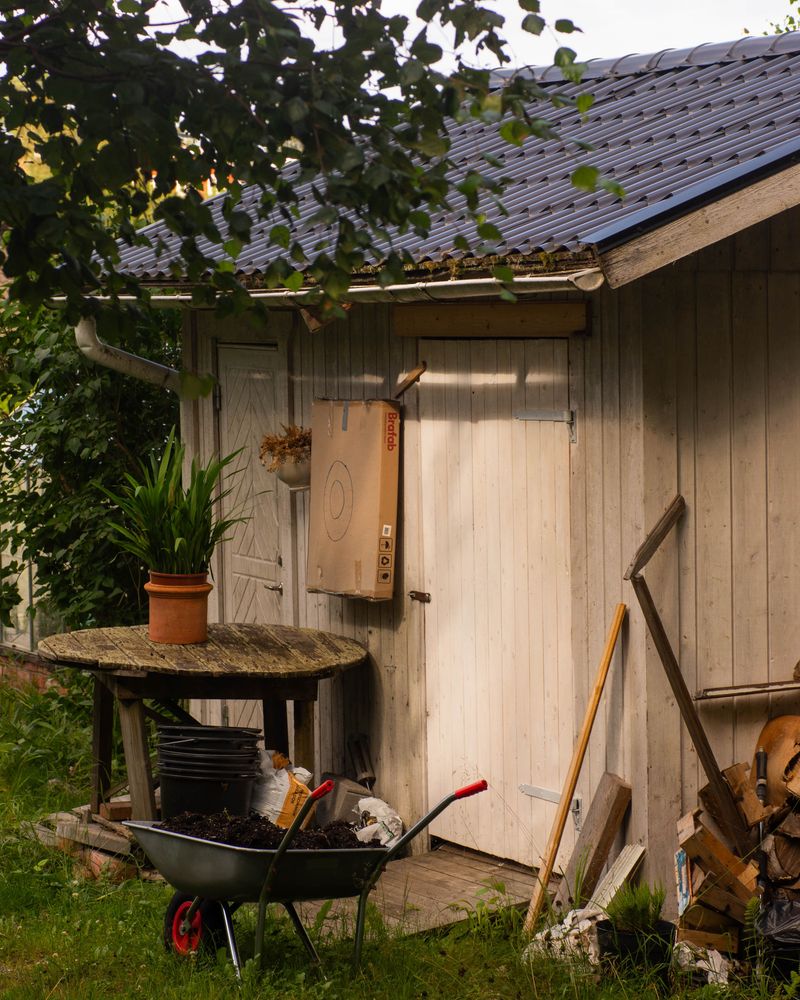
Mating season in summer can bring more wandering males into view. Sheds and detached garages deserve regular checkups. Shake out gloves and boots every time, tap tool handles before grabbing them, and look under stacked pots.
A quick pause adds only seconds to your routine. Remember that recluses are shy and bites remain uncommon, even in homes with many spiders. Respect, not fear, is the right attitude.
Small habits make the biggest difference. Store gear in sealed bins, keep clutter low, and check before you reach. Your garage stays friendlier for you and much less welcoming for that hidden fiddler.