Should You Prune a Newly Planted North Carolina Tree to “Balance” the Roots?
A freshly dug nursery tree can lose a huge share of its roots before it ever reaches your yard. Old garden books had a tidy fix for that loss. Grab the loppers and cut the top back by a third or even half.
I followed that advice once, and I still wince about it. My little red maple sulked for two full summers. It pushed out a mess of weak sprouts and barely grew a new inch of trunk.
Researchers have tested the old rule many times since then. Their findings surprised plenty of gardeners, including me. Those leaves you want to snip off are doing far more work than you might guess.
If you just planted a tree in North Carolina, your next move matters a lot. So should those pruners stay in the shed, or is there one small job they still need to do?
That Old Root Balancing Trick With Loppers Has Been Tested
Grandpa probably swore by it. Cut back the crown of a new tree so the shrunken roots can keep up with the leaves.
The idea made sense on paper. A balled-and-burlapped tree can leave most of its roots behind in the nursery field, so trimming the top seemed fair. Many guides once suggested removing up to half of the branches at planting time.
Scientists put that rule to the test. Studies summarized by Washington State University and the International Society of Arboriculture found that heavy pruning at planting did not help trees settle in. In many cases, the trimmed trees grew roots more slowly than trees left alone.
NC State Extension shares the same message for local gardeners. Their tree planting advice says to limit pruning at planting to broken, damaged, or diseased limbs. The rest of the canopy should stay put.
So the short answer is no. You do not need to balance the roots by chopping the top.
That might feel strange if you grew up hearing the opposite. Still, I find it a relief. Less work at planting time, and a healthier tree in the end, sounds like a fine trade to me.
Every Leaf on Your New Tree Is Feeding Its Roots
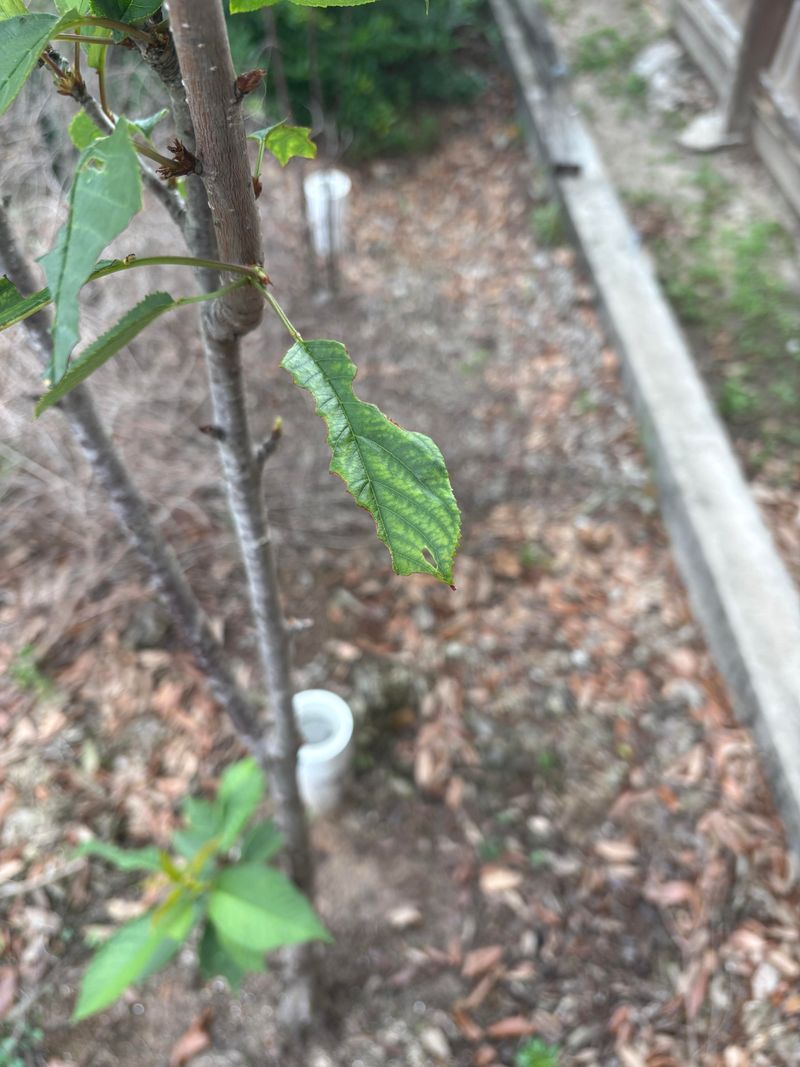
Leaves are tiny solar panels. Each one turns sunlight, water, and air into sugars through photosynthesis.
Those sugars travel down the trunk and power new root growth. A freshly planted tree needs a lot of that energy because it has to rebuild its root system fast. When you cut off branches, you shut down part of the power plant right when the tree needs it most.
Buds play a role too. The growing tips of branches make a hormone called auxin. Auxin moves downward and helps signal roots to grow. Snip off lots of tips, and that signal gets weaker.
Heavy cuts can also cause a strange reaction. Some trees answer by pushing out a flush of soft, crowded sprouts. Those sprouts use up stored energy that could have gone into roots.
I like to think of a new tree as a busy kitchen. The leaves cook, and the roots eat. Close half the stoves and nobody gets fed well.
Keeping the canopy whole gives your tree its best shot. Water and mulch will handle the stress that pruning once tried to solve.
Snip Only the Broken or Torn Branches at Planting Time
Trucks, car trunks, and wheelbarrows are rough on young trees. By the time yours goes in the ground, a twig or two may be snapped or scraped.
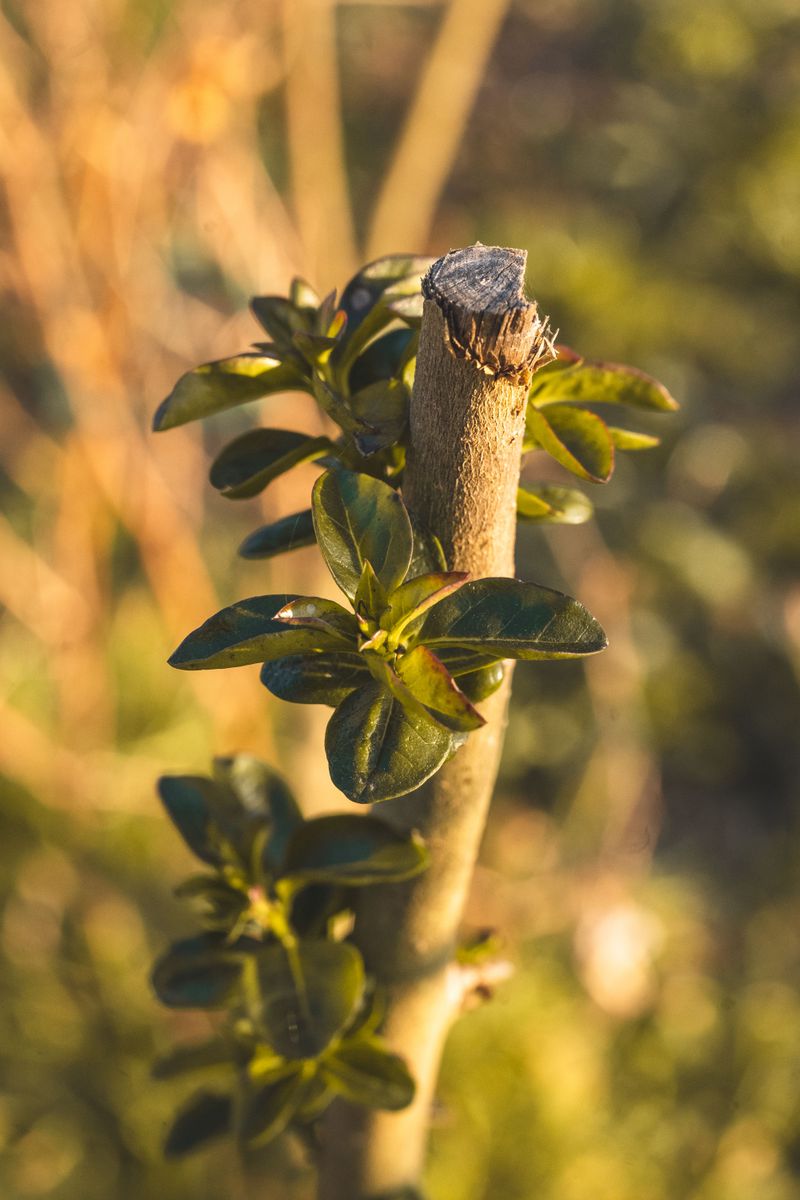
Those are the cuts worth making right away. Remove branches that are broken, cracked, torn, or show signs of disease. Clean wounds seal better than ragged ones.
Make each cut just outside the branch collar. That is the slightly swollen ring where a branch meets the trunk or a bigger limb. Cutting there helps the tree close the wound naturally.
Skip the wound paint. Research shows tree dressings do not speed healing and can trap moisture. A smooth, clean cut is all your tree wants.
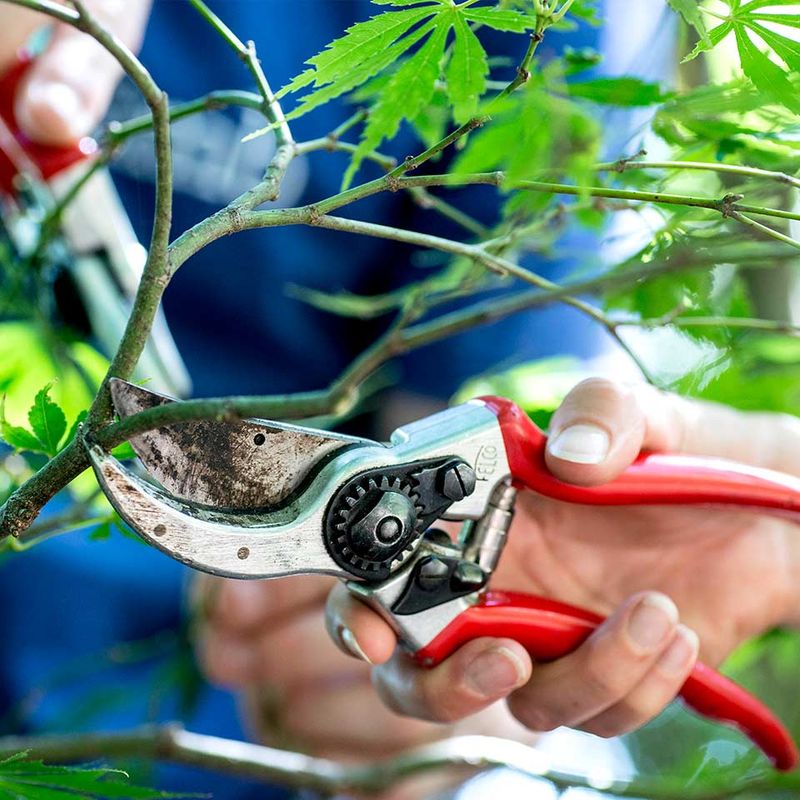
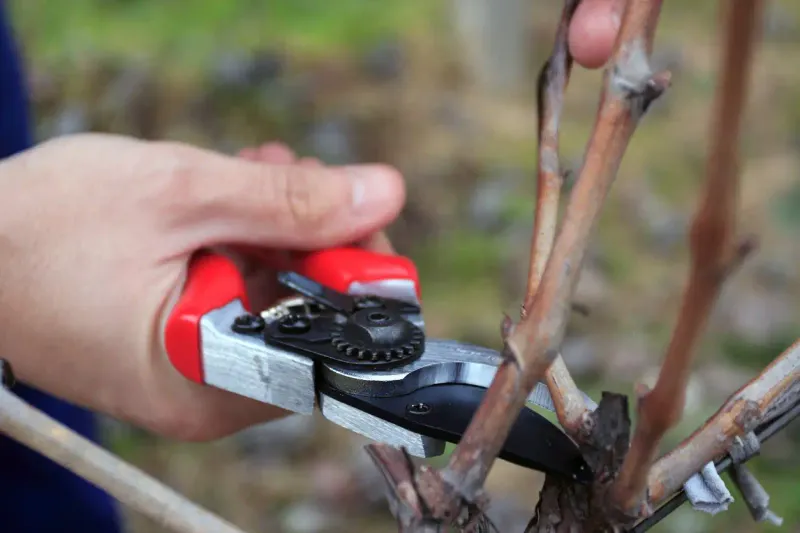
Use sharp bypass pruners for small twigs. Dull blades crush the bark instead of slicing it.
Check one more spot before you finish. Look for a second leader competing with the main trunk. If two tops are fighting for space, leave the correction for the structural pruning you will do in a year or two.
That is it for planting day. A few careful snips, then put the pruners away and enjoy your new tree.
Structural Shaping Can Wait a Year or Two
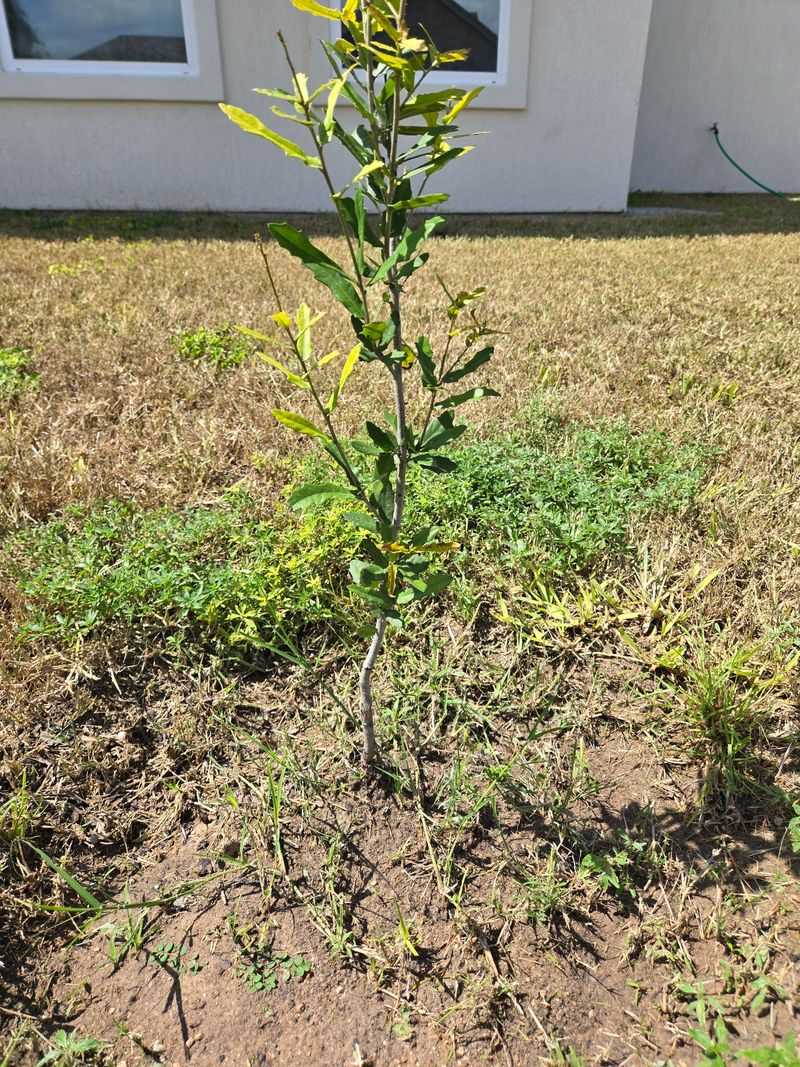
Patience pays off with young trees. After a tree has spent a season or two settling in, light structural pruning becomes a smart move.
Training cuts help a tree grow strong for decades. You want one clear central leader on most shade trees. You also want branches spaced along the trunk instead of bunched together.
Look for these trouble spots:
Branches that cross and rub against each other. Narrow, tight V-shaped crotches that can split later. Shoots growing straight down or back toward the center.
Lower limbs can stay for now. Those low branches feed the trunk and help it thicken. Raise the canopy slowly over several years, aiming for the lowest permanent limbs to sit high enough for mowing and walking.
A good rule from arborists is to remove no more than about a quarter of the live canopy in one year. On young trees, less is usually better.
I keep a small notebook for each tree I plant. Jotting down which branch I plan to remove next year keeps me from getting carried away. Small cuts now prevent big, ugly wounds when the tree is twenty feet tall.
Late Winter Is Prime Pruning Season in North Carolina
February in North Carolina has a quiet magic for tree lovers. Leaves are gone, and you can see every branch clearly.
NC State Extension points to late winter, before buds break, as the best time for most structural pruning. Wounds start closing quickly once spring growth kicks in. You also spot problem branches much faster without foliage in the way.
Timing shifts a bit across the state. The mountains warm later, so you can prune into early March there. Down east and along the coast, trees often wake up sooner, so aim earlier.
Oaks need extra care. Oak wilt has been confirmed in parts of North Carolina, and fresh cuts can attract the beetles that spread it. Prune oaks in winter and avoid cutting them in spring and early summer.
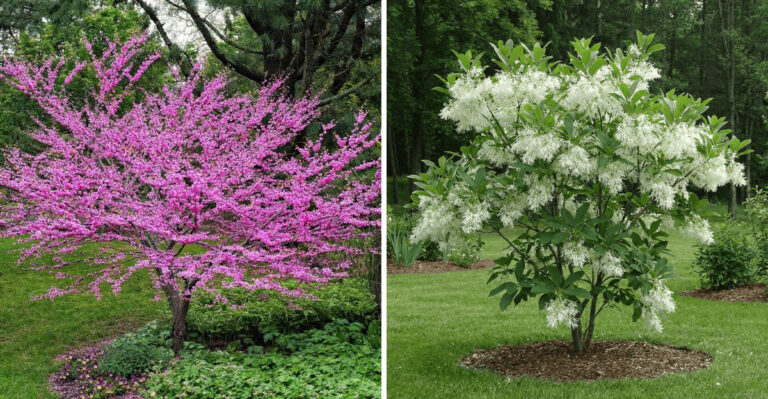
Spring-flowering trees like dogwoods and redbuds are a special case. Pruning in winter removes flower buds, so many gardeners wait until right after bloom.
Broken branches are the exception to all this. Storm damage can be cleaned up any time of year. Just skip heavy pruning during hot, dry spells in summer, when trees are already stressed.
Root Flare, Water, and Mulch Matter More Than Your Pruners
Here is a confession from my own yard. The trees I fussed over with pruners often did worse than the ones I simply watered well.
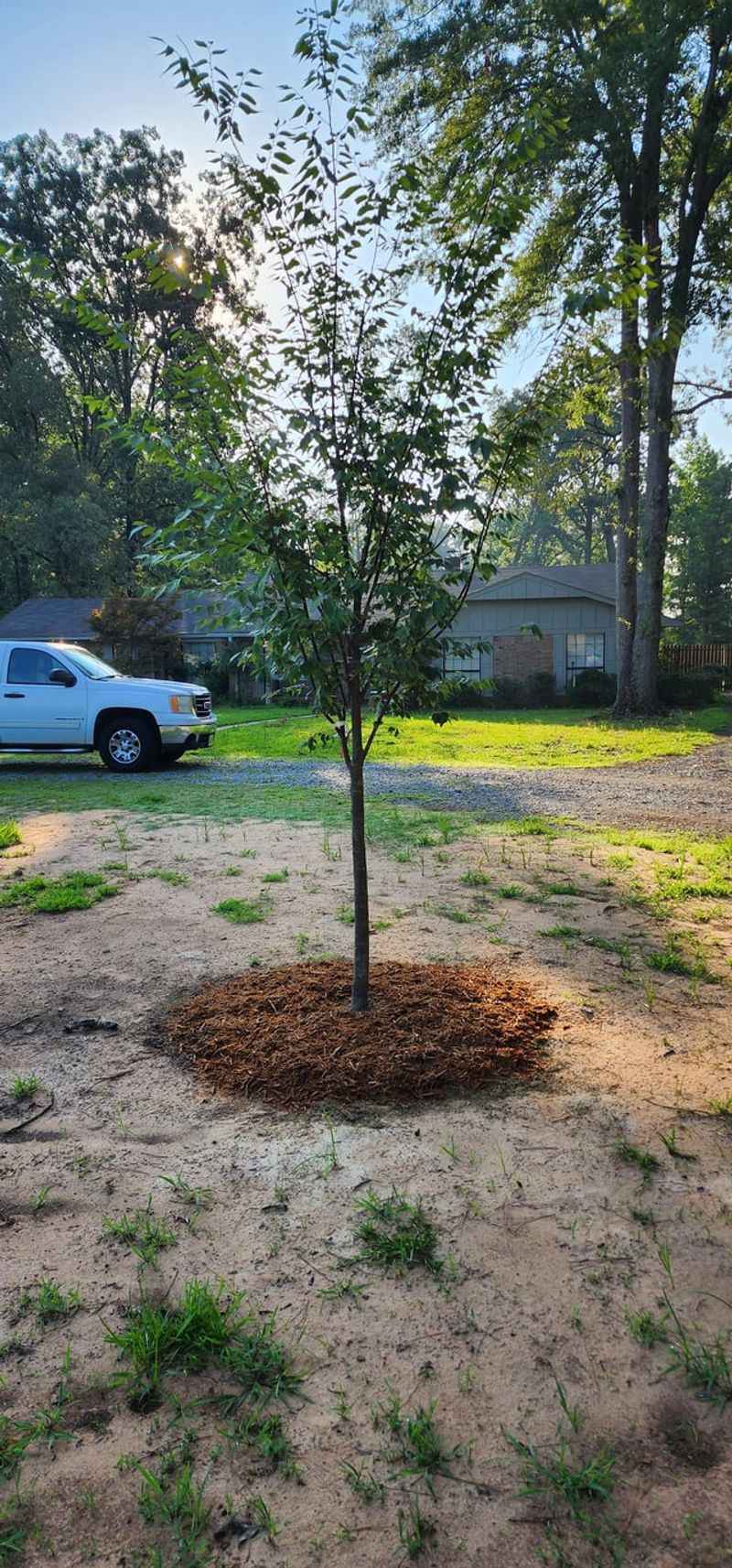
Planting depth is the big one. Find the root flare, the spot where the trunk widens into roots. It should sit at or slightly above the soil line. Trees buried too deep often struggle for years.
Dig the hole two to three times wider than the root ball but no deeper. North Carolina red clay can act like a bowl, so wide and shallow helps roots spread out.
Water deeply and regularly. A common guideline is a few gallons per inch of trunk diameter, given slowly at the root ball. Do this often during the first growing season, then taper off as the tree settles in. Check the soil with your finger before watering, since soggy clay can harm roots too.
Spread two to three inches of wood chip mulch in a wide ring. Pull it a few inches away from the trunk. Mulch volcanoes piled against bark invite rot and pests.
Get these basics right, and your tree will handle root loss on its own.
Your Young Tree Grows Stronger When You Hold Back
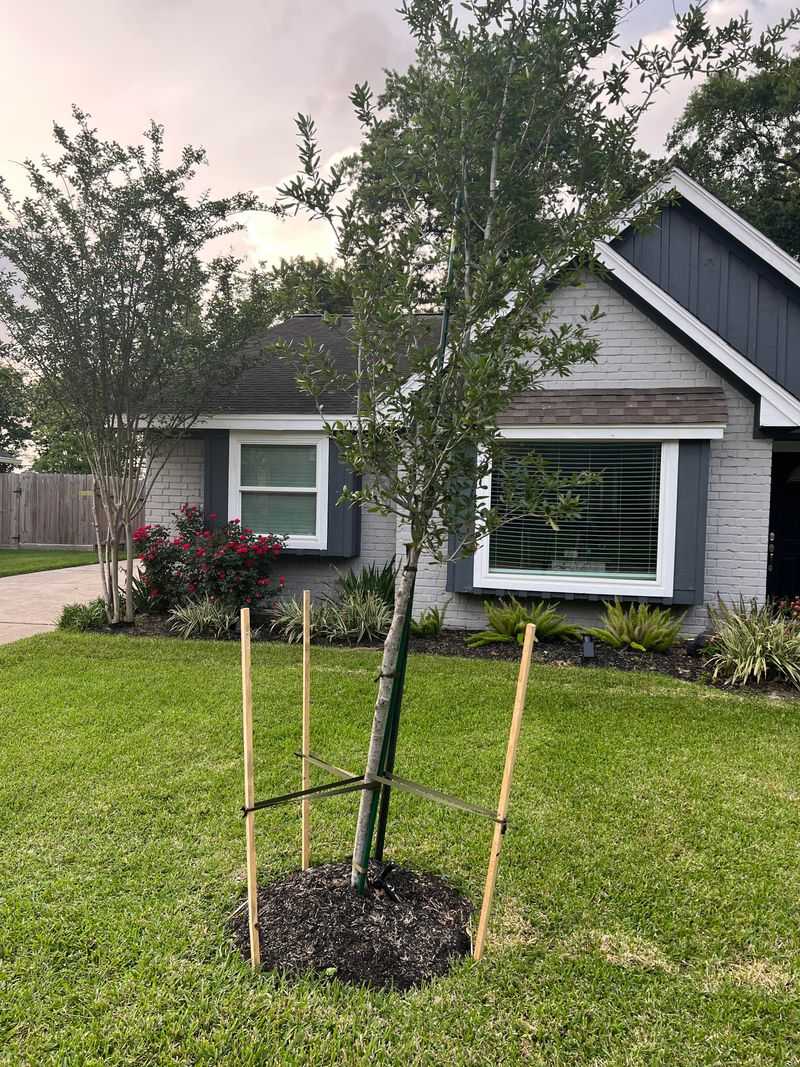
Trees are tougher than we give them credit for. Given leaves, water, and time, they repair root loss on their own schedule.
Establishment takes a while. A common guideline says a tree needs roughly a year for every inch of trunk diameter to fully settle in, a bit faster in warm climates. During that stretch, your main jobs are watering, mulching, and watching.
Keep an eye out for warning signs. Scorched leaf edges, early fall color, or wilting on hot afternoons often point to water stress. Those clues call for a hose, not loppers.
Remove nursery tags and wires so they do not girdle the trunk. If you staked the tree, loosen or remove stakes after the first year.
Got a bigger tree or a tricky shape? An ISA Certified Arborist can help. You can search for one in your area through the TreesAreGood website.
My best advice is simple. Plant it right, cut only what is broken, and let the leaves do their quiet work. Your North Carolina tree will reward that restraint with stronger roots and decades of shade.