9 Houseplants That Can’t Handle New York Radiator Heat
New York City landlords must keep apartments at 68 degrees during winter days when outdoor temperatures dip below 55. That rule keeps people cozy, but many radiators clank away far hotter than anyone actually asked for.
Old steam systems often run hard, so tenants crack windows open even during January cold snaps.
Meanwhile, the indoor air can drop to desert-level humidity, sometimes falling well under thirty percent on heated days.
I’m a big fan of tropical foliage, and I’ve watched more than one leaf turn crunchy beside a radiator. You might be surprised how quickly a rainforest plant sulks when that dry blast hits its tender edges.
Some of the most popular plants in New York apartments are the very ones that struggle most with this heat.
So which leafy favorites deserve a new spot before the next round of radiator hissing begins?
1. Calathea
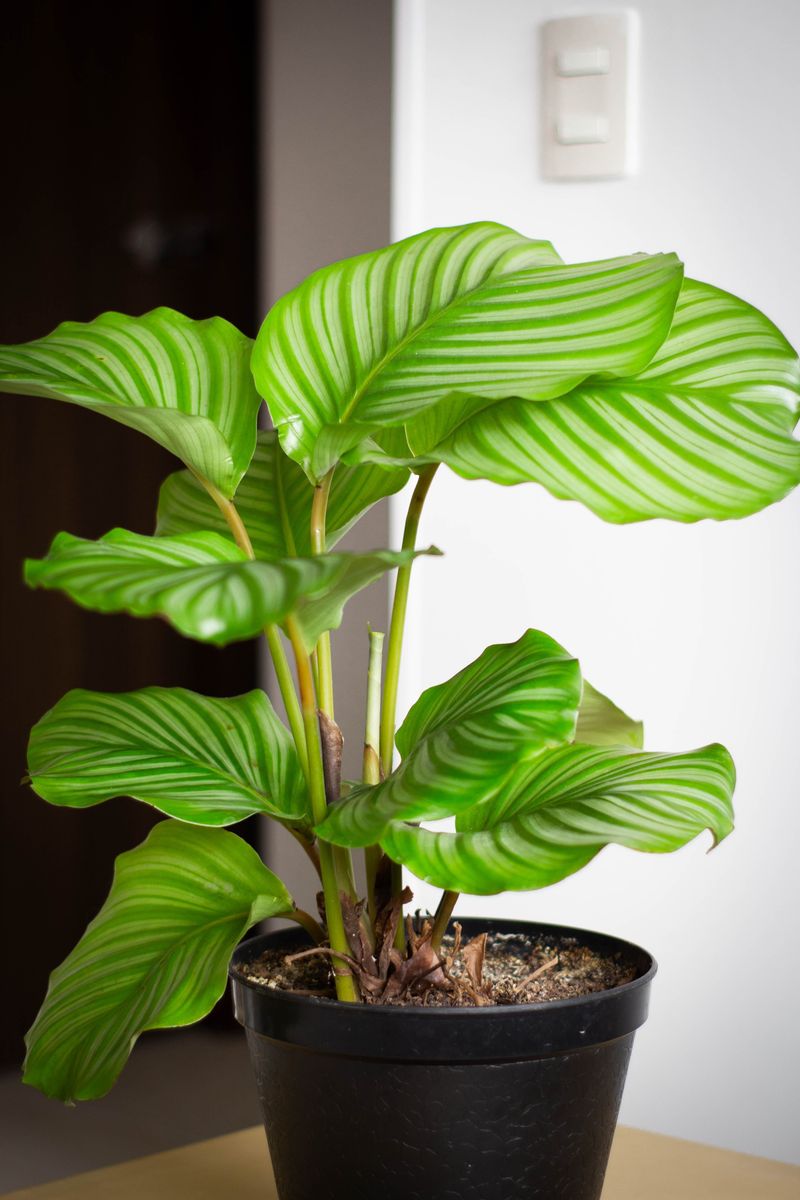
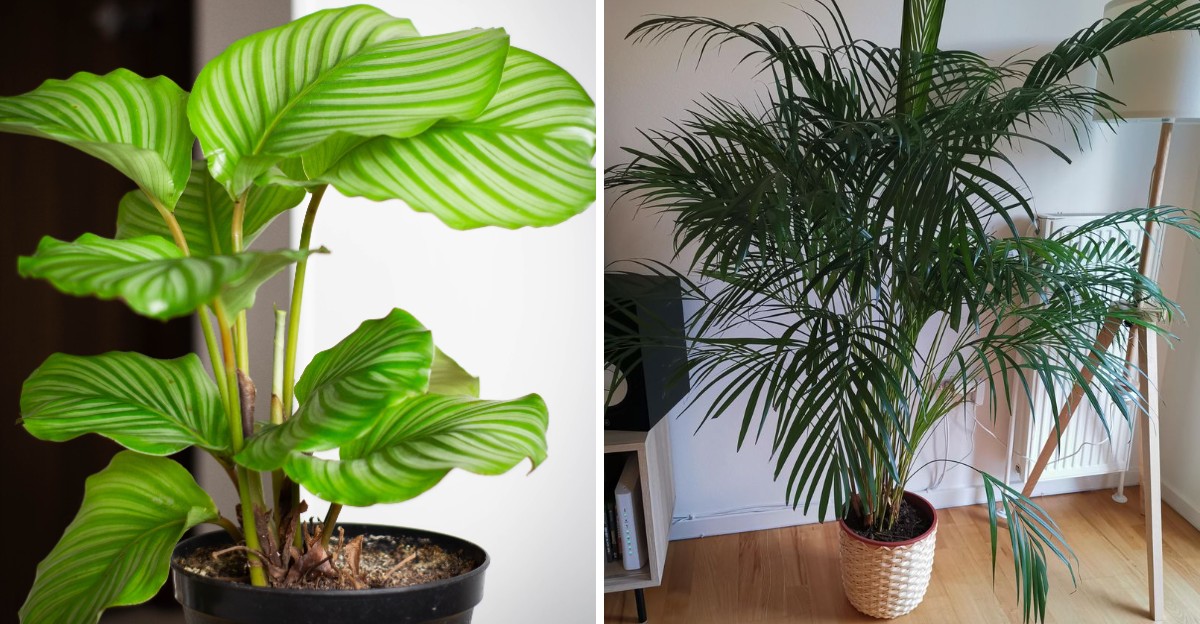
Few houseplants put on a nightly show quite like a calathea, lifting its painted leaves as darkness falls. I love catching that slow movement, but a hot radiator turns the performance into a crispy, curled mess.
Botanists have moved many popular calatheas into the genus Goeppertia, though stores still use the older name. Either way, these plants come from tropical American forests where the air stays soft and damp most days.
Growers usually recommend humidity around fifty percent or higher, which heated apartments rarely reach during the coldest months. Brown edges and tightly rolled leaves are the first signals that your calathea feels parched and stressed.
Keep it at least a few feet from the radiator, and aim for steady temperatures between 65 and 80 degrees. Sudden swings from a cracked window can stress it just as much as the dry heat itself.
Grouping it with other leafy plants creates a small pocket of moist air that calatheas genuinely appreciate. A small room humidifier works even better, especially in a bedroom where the steam pipes run hot overnight.
Tap water can also cause brown tips, since these plants are sensitive to fluoride and dissolved salts. I switch to filtered or distilled water for mine, and the new leaves come in noticeably cleaner.
Bright, indirect light suits them best, because direct sun can fade those gorgeous stripes and feathered patterns. As a bonus, the ASPCA lists calatheas as nontoxic, so curious cats can sniff around without much worry.
2. Boston Fern
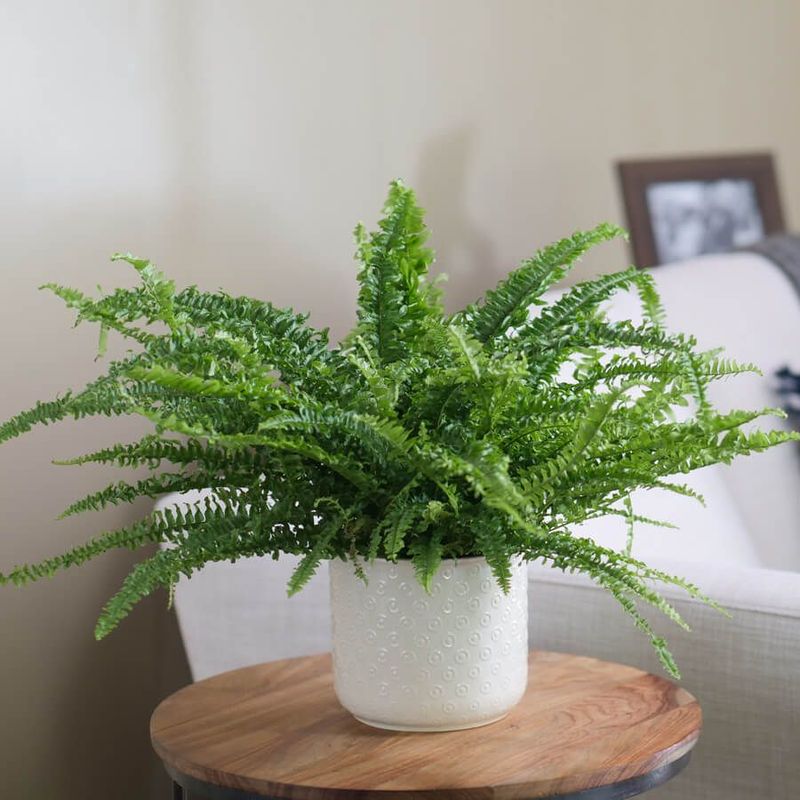
Grandma’s porch fern may have looked effortless, but indoors that same lush plant turns into a shedding machine. Set a Boston fern near a hissing radiator, and you’ll be sweeping up brown leaflets by the handful.
Known to botanists as Nephrolepis exaltata ‘Bostoniensis,’ this variety turned up in a fern shipment to Boston in 1894. Its wild parent grows in humid tropical regions, so dry indoor air feels like a harsh climate change.
Ferns lack the thick, waxy coating that helps some houseplants hold onto moisture in heated rooms. Their fine leaflets lose water quickly, which explains the gray, papery tips that show up each winter.
Keep the soil evenly moist, checking it with your finger every few days once the heat comes on. A pot that drains well matters too, because soggy roots can rot just as fast as dry ones crisp.
Many apartment gardeners find that bathrooms with a bright window make the happiest winter home for these ferns. Daily showers add steam, and the room usually stays cooler than the living area near the radiator.
Misting gives only a brief boost, so I’d rather rely on a pebble tray or a humidifier nearby. Ferns prefer moderate temperatures in the 60s to low 70s, not the toasty air hugging a steam pipe.
Trim away brown fronds at the base, and fresh fiddleheads should unfurl once conditions improve in spring. Pet owners can relax a little, since Boston ferns appear on the ASPCA list of nontoxic plants.
3. Fittonia
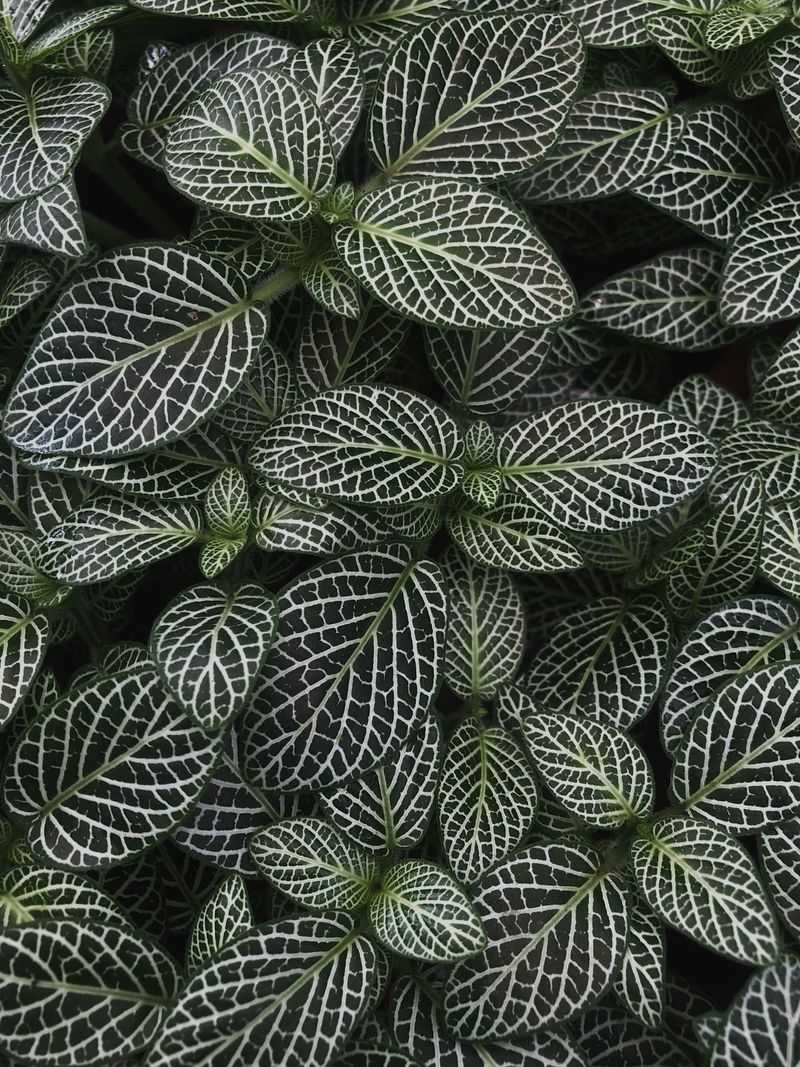
Nobody does dramatic fainting quite like a nerve plant, which can flop over flat when its soil dries out. I still laugh at how quickly it perks up after a drink, usually within a few hours.
Fittonia albivenis grows low along the floors of South American rainforests, especially in Peru and nearby countries. Those bright white or pink veins look hand-painted, and they really stand out against deep green leaves.
Down on a forest floor, the air stays heavy with moisture and sunlight arrives only in soft patches. A sunny sill above a clanking radiator offers the opposite, so the leaves shrivel and crisp at the edges.
Small size makes fittonia a perfect candidate for a terrarium or a glass cloche on a bookshelf. The enclosed glass traps humidity around the leaves, which solves most of the winter dryness problem.
Out in the open, keep the potting mix lightly moist and check it more often during heating season. Frequent fainting spells are stressful for the plant, even though it bounces back quickly after watering.
Bright, filtered light keeps the vein colors vivid, while harsh direct sun bleaches and burns the foliage. Temperatures between the mid-60s and around 80 degrees suit it, as long as cold drafts stay away.
Pinch off the little flower spikes and leggy stem tips to keep the plant bushy and full. Fittonia is considered nontoxic to pets, which makes it a friendly choice for homes with nosy cats.
4. Monstera Deliciosa
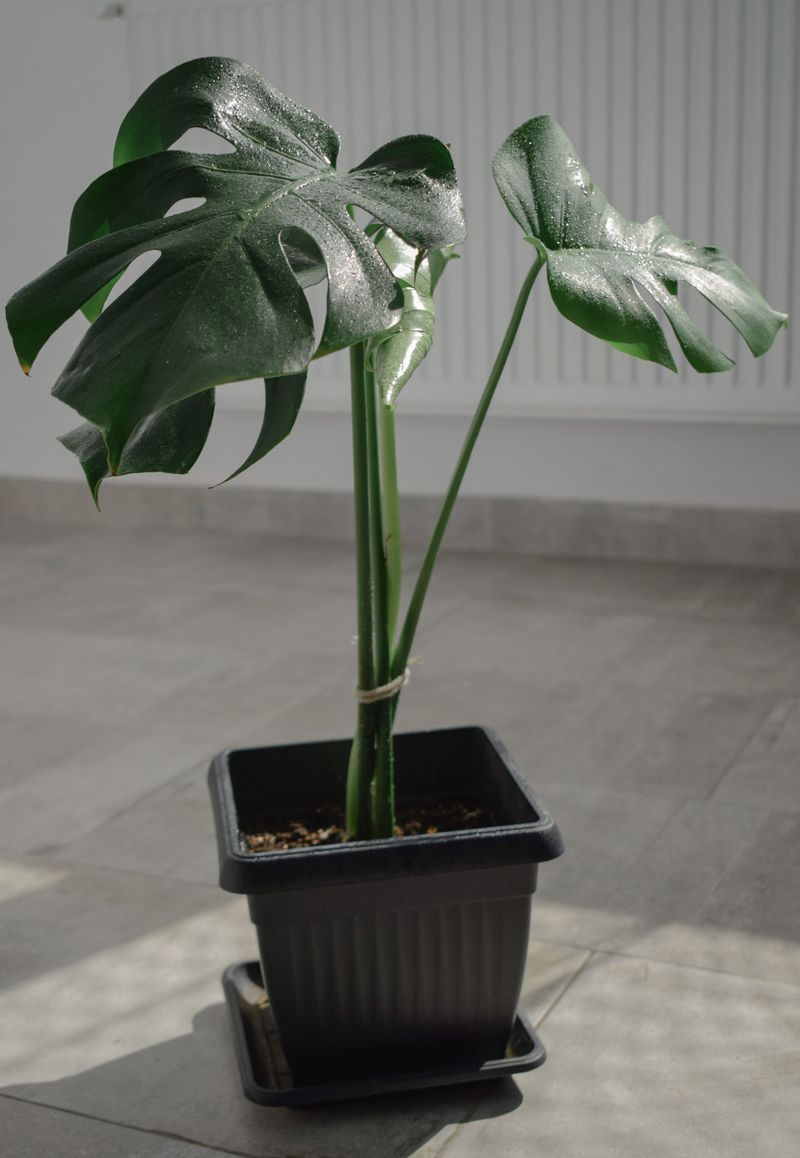
Those famous holes in monstera leaves aren’t decoration for our photos, and scientists still debate exactly why they form. One popular idea suggests the splits help leaves catch scattered sunlight under a thick forest canopy.
Monstera deliciosa climbs trees in the warm, humid forests of southern Mexico and parts of Central America. It’s tougher than many tropicals, yet a spot beside a blasting radiator still pushes it too far.
Dry heat leads to brown, crispy patches along leaf edges and can slow the growth of new leaves. Sometimes a fresh leaf even gets stuck while unfurling, tearing as it struggles to open in parched air.
I’d move a monstera at least several feet from the heat source, ideally near a bright east window. Bright, indirect light fuels bigger leaves, and bigger leaves are usually the ones that develop those splits.
Water when the top couple of inches of soil feel dry, then let the excess drain away fully. Winter growth slows down, so resist the urge to water on a schedule just because the air feels dry.
A moss pole gives the aerial roots something to grab, and it mimics the tree trunks back home. Wiping dust off the broad leaves with a damp cloth also helps them breathe and soak up light.
Keep this beauty away from nibbling pets, since its leaves contain calcium oxalate crystals that irritate mouths. Humidity around fifty percent or a bit higher should keep your monstera looking glossy until spring returns.
5. Anthurium
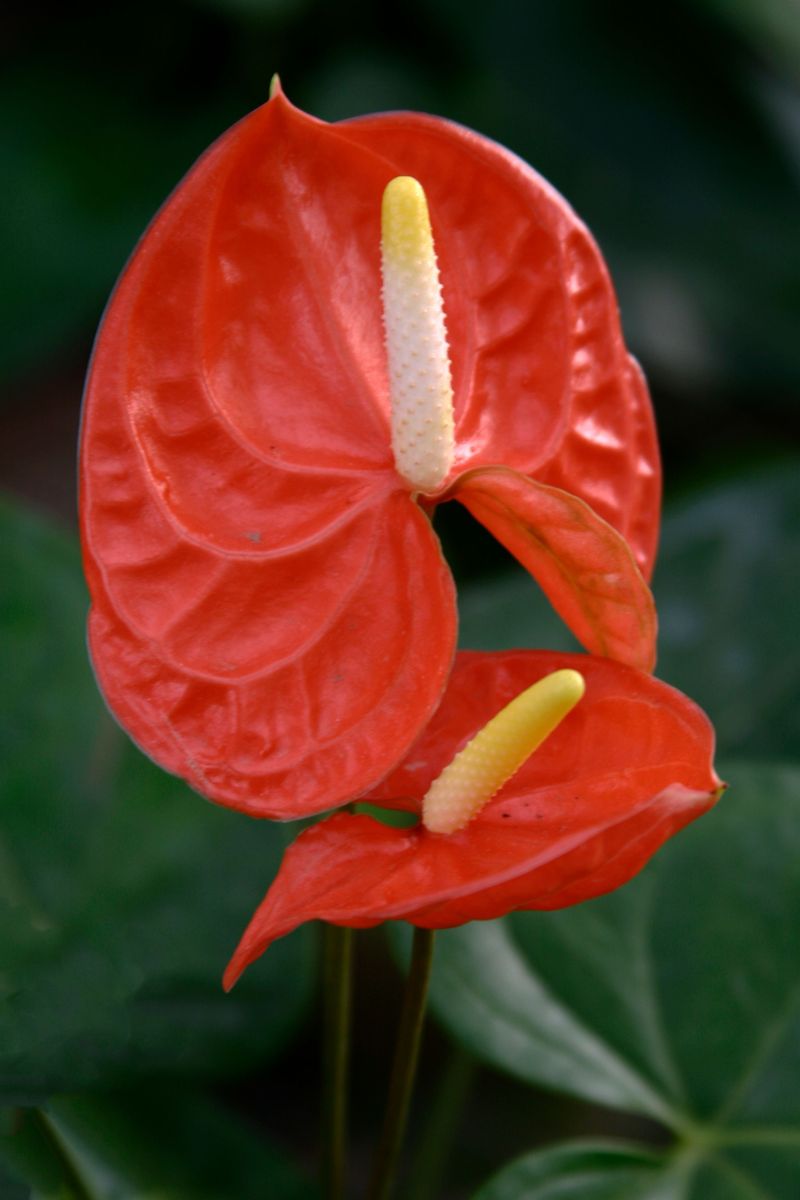
What looks like a shiny red flower on an anthurium is actually a waxy leaf called a spathe. The real flowers are tiny dots packed onto the spike in the middle, which surprised me the first time.
Anthurium andraeanum, the classic florist type, comes from humid, misty mountain forests in Colombia and Ecuador. Many grow as epiphytes, clinging to tree bark where their roots soak up moisture from the damp air.
That background explains why a radiator corner frustrates them so much in the middle of winter. Leaf tips turn brown and crunchy, while new blooms often stop showing up for several long months.
Anthuriums like it warm, ideally between 65 and 80 degrees, but they want that warmth to feel gentle. Nights below 60 degrees near a drafty window can be just as troublesome as radiator blasts.
Medium to bright indirect light keeps the blooms coming, while hot direct sun can scorch the glossy leaves. I’ve had the best luck a few feet back from an east window, safely away from the pipes.
A chunky mix with orchid bark suits their airy roots far better than dense, heavy potting soil. Water once the top inch feels dry, and add a humidifier when indoor readings dip toward thirty percent.
Handle these plants with a little care, because their sap contains calcium oxalate and can bother sensitive skin. Keep them out of reach of chewing pets, and enjoy those heart-shaped spathes from a safe distance.
6. Areca Palm
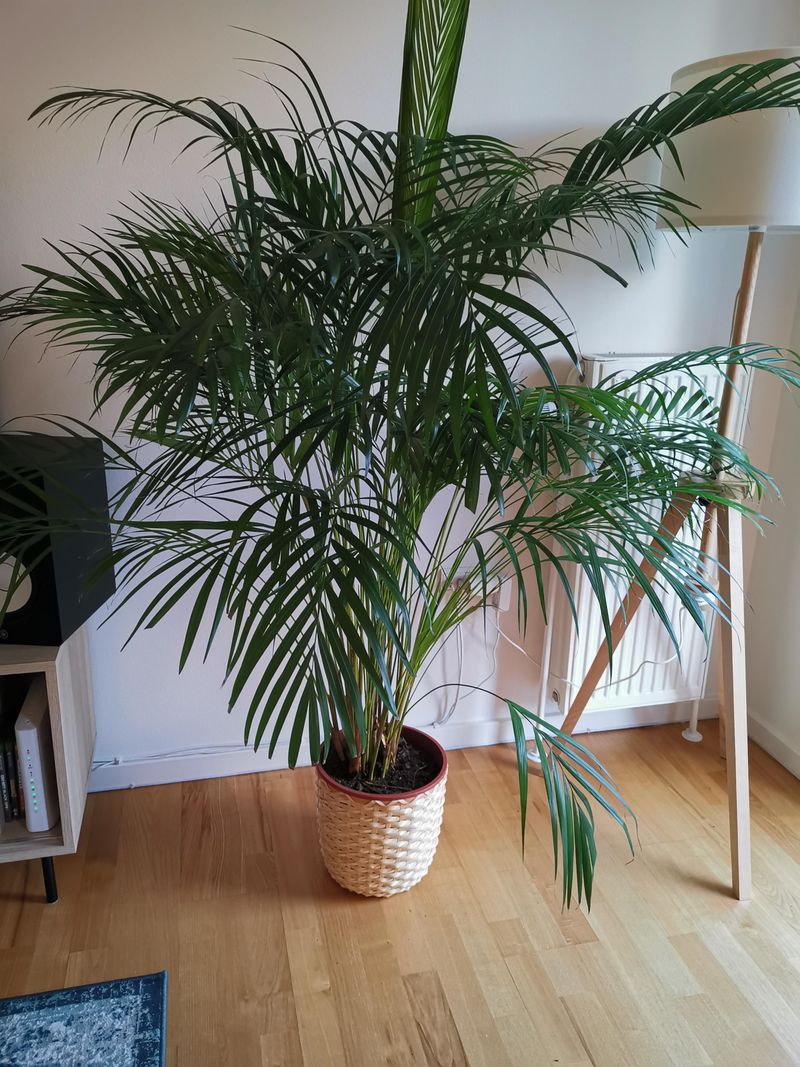
Brown tips on areca palms are so common that people assume the plant is supposed to look that way. It really isn’t, and a healthy one in good conditions shows soft, feathery fronds that stay green to the tips.
Dypsis lutescens comes from Madagascar, where it forms clumps of slender, golden stems that resemble bamboo. That sunny island climate gives it a taste for warmth, but also for steady moisture in the air.
Radiator heat dries the long, thin leaflets fast, and the damage shows up first along the tips. Once a tip turns brown, it stays brown, so prevention matters more than any cleanup afterward.
Fluoride and salts in tap water add to the problem, since palms can be sensitive to both. Rainwater or distilled water is a simple swap, and flushing the pot occasionally helps clear built-up minerals.
Bright, indirect light keeps arecas lush, so a spot near a sheer-curtained window usually works nicely. Just check that the radiator isn’t tucked under that same window, which happens in plenty of New York apartments.
Let the top inch of soil dry before watering, because constantly wet roots invite rot in winter. Spider mites love dry indoor air too, so peek under the fronds now and then for fine webbing.
Trim fully brown fronds at the base, but leave partly green ones since they still feed the plant. Areca palms are considered nontoxic to cats and dogs, which earns them extra points in my book.
7. Peace Lily
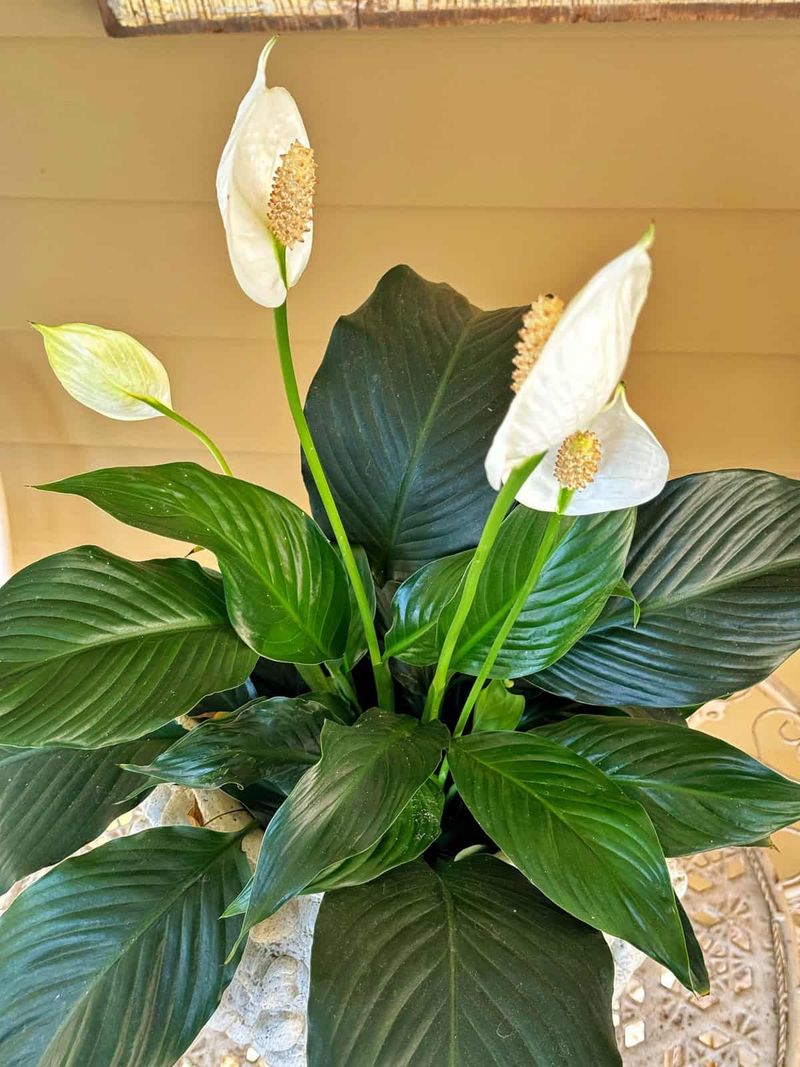
Despite the name, a peace lily isn’t a true lily at all, and it belongs to the arum family instead. Its white spathes look like little flags, and its leaves droop dramatically the moment it gets thirsty.
Most Spathiphyllum species grow in tropical forests of Central and South America, often in shady, damp spots. They handle average indoor humidity better than some plants here, yet radiator heat still pushes their limits.
Beside a hot radiator, the soil dries in record time and the leaves collapse again and again. Each wilting episode costs the plant energy, and you’ll soon spot yellow leaves along with crispy brown tips.
I treat that droop as a helpful alarm, but I’d rather not hear it ring twice a week. Moving the pot a few feet away usually stretches the time between waterings in a noticeable way.
Peace lilies prefer temperatures between about 65 and 80 degrees and dislike chilly drafts below 55 degrees. Medium to bright indirect light encourages those white blooms, while dim corners mostly produce leaves alone.
Water when the top inch of soil feels dry, and empty the saucer so roots don’t sit soaking. Filtered water helps here as well, since brown leaf tips can come from minerals building up in the pot.
Pet owners should know that peace lilies contain calcium oxalate crystals, which irritate mouths when chewed. They aren’t as dangerous to cats as true lilies, but a high shelf is still a smart home.
8. Phalaenopsis Orchid
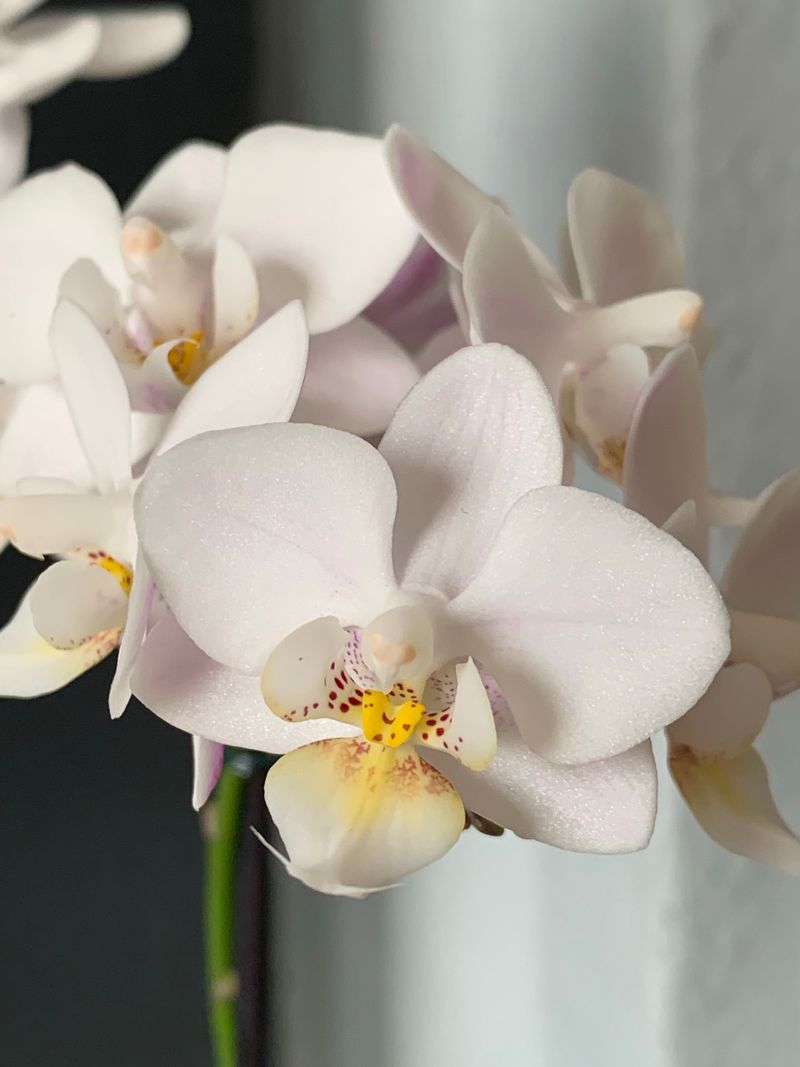
A moth orchid can hold its flowers for two or three months, which makes losing buds feel especially painful. Radiator heat is one of the classic reasons those plump buds shrivel and drop before they ever open.
Phalaenopsis orchids grow on tree branches in Southeast Asia and nearby regions, gripping bark with silvery roots. Those thick roots absorb moisture from humid air and rain, so a dry apartment leaves them thirsty.
Growers often recommend humidity around fifty to seventy percent, which feels like a fantasy during heating season. A humidity tray filled with pebbles and water under the pot gives a modest but welcome boost.
What I find interesting is that cooler nights actually help these orchids produce new flower spikes in autumn. Nighttime temperatures in the low 60s for a few weeks often trigger blooming, while constant radiator warmth can delay it.
Daytime temperatures in the 70s suit them nicely, so the goal is gentle warmth rather than baking heat. An east-facing window offers soft morning light, as long as no radiator sits directly below it.
Water thoroughly once the bark mix feels nearly dry, usually about once a week in a heated home. Morning watering lets the leaves dry by evening, which helps prevent rot where water collects in the crown.
Clear plastic pots let you see root color, with green roots meaning hydrated and silver meaning time to water. Moth orchids are listed as nontoxic to pets, so a curious cat sniffing the blooms isn’t cause for alarm.
9. Alocasia
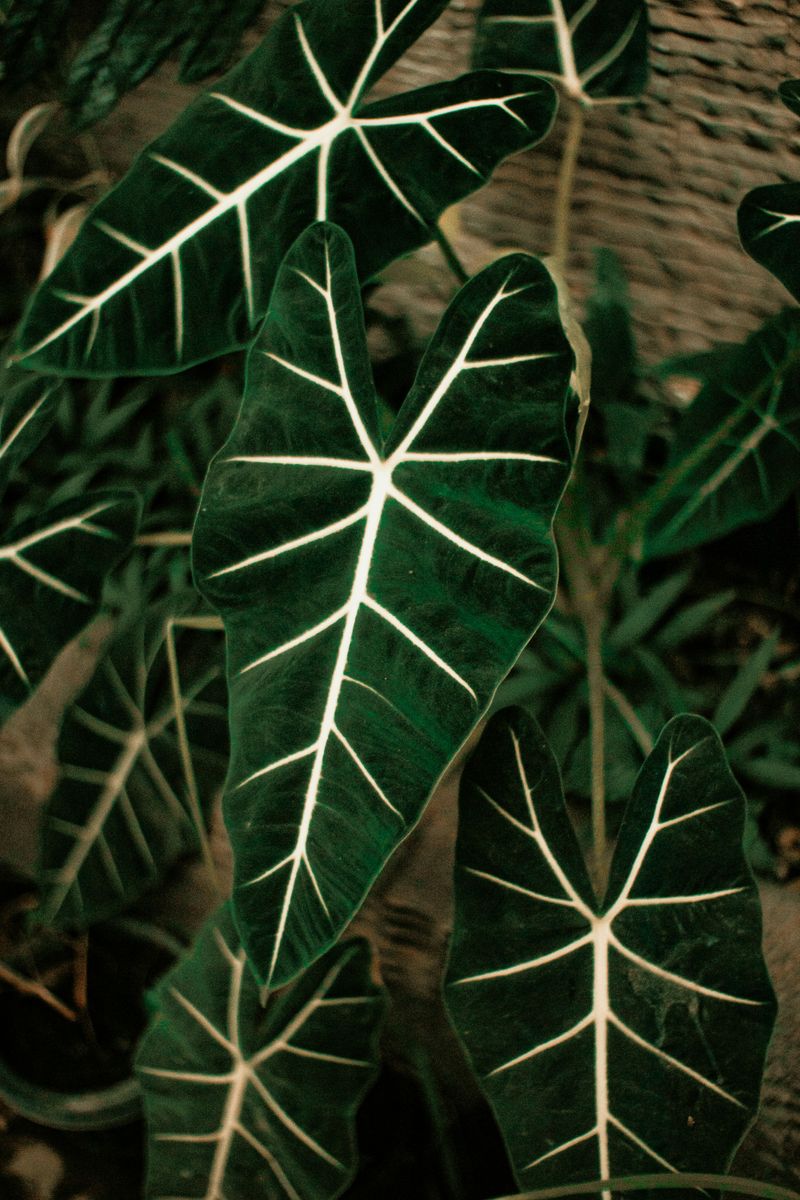
Alocasias have a sneaky habit of dropping leaves and vanishing into dormancy when conditions turn rough in winter. Plenty of gardeners toss the pot in a panic, not realizing a living rhizome may still be resting inside.
These dramatic elephant ears come from tropical Asia and nearby regions, where they grow in humid, shaded forests. Some types, like the popular Alocasia amazonica hybrid, sport arrow-shaped leaves with bold white veins that look almost metallic.
I’m still surprised by how fast an alocasia reacts to radiator heat, often within days of the boiler starting up. Leaf edges crisp quickly, and spider mites often move in to enjoy the dry, warm air.
Aim for humidity of at least sixty percent if you can, and run a humidifier nearby during heating season. Temperatures between 65 and 85 degrees keep them growing, while anything below 60 tends to trigger sulking.
Bright, indirect light suits them best, though strong direct sun can scorch those big leaves fairly quickly. In many New York apartments, a spot near a south or west window but away from the radiator works well.
Water when the top inch or two feels dry, using an airy mix that drains fast and stays loose. If your plant goes dormant, cut back watering sharply and wait patiently for fresh shoots in spring.
Like their aroid cousins, alocasias contain calcium oxalate crystals that can irritate mouths and skin when handled carelessly. Wearing gloves during repotting and choosing a pet-free shelf make living with these showstoppers much easier.