Who Pays To Remove A Declining Tree On A Shared Property Line In California
A single tree trunk can belong to two households at the same time. Cut it down alone, and a court can order you to pay up to triple its value.
I didn’t expect a law written in 1872 to matter in my backyard. Yet California still uses that old code to decide who owns the wood, the shade, and the headache. Honestly, it reads more like a property puzzle than a gardening rule.
Now add a split trunk, a few bare limbs, and a crew quoting several thousand dollars to take it down. Suddenly that friendly wave over the fence feels a little stiff, and every fallen leaf looks like evidence.
I get it. Nobody wants to be the neighbor who picks the fight or the one stuck with the whole bill. So who really reaches for the checkbook when the shared shade starts to fade?
Where The Tree Trunk Sits Changes Everything
Grab a tape measure and walk out to the trunk, because that spot on the ground decides almost everything. Under Civil Code Section 834, a tree whose trunk stands partly on two properties belongs to both owners in common.
Roots and branches do not count the same way. Section 833 says a tree with its trunk wholly on one lot belongs only to that owner, even if the roots wander next door and half the canopy shades your patio.
So the first question is not who loves the tree more. It is where the trunk meets the soil, measured at ground level against the true property line.
Fences are notoriously poor guides here. Many were built a foot or two off the real boundary, so a tree that seems to sit on the line may actually belong to one household.
If you are unsure, check your deed, your parcel map, or old survey markers. A licensed land surveyor can stake the line for a few hundred to a couple thousand dollars, and that small fee can prevent a much bigger argument.
Once you know ownership, the payment question gets far easier to answer.
Neighbors Usually Split The Removal Bill For A Shared Boundary Tree
Most neighbors land on a fifty-fifty split, and that habit has solid legal logic behind it. When two people own a boundary tree in common, they share the duty to care for it, including removing it once it turns unsafe.
California statutes do not spell out an exact cost formula, though. Nothing in the code says you owe precisely half, so the final split usually comes from conversation, not a rulebook.
Some neighbors divide the bill based on how much of the trunk or canopy sits on each side. Others agree that whoever benefits most, perhaps by gaining room for a new garage or sunnier vegetable beds, covers a bigger share.
A quick reality check helps. Removing a large, mature tree can cost anywhere from about one thousand dollars to well over five thousand, depending on height, access, and whether a crane is needed.
Get two or three written bids before anyone agrees to a number. Ask whether stump grinding, debris hauling, and permit fees are included, since those extras often appear later.
If the tree belongs to only one of you, that owner generally pays. A neighbor can still pitch in voluntarily, and sometimes a modest offer smooths things along.
Cracked Limbs And Visible Decay Shift The Blame To Whoever Ignored Them
Storms do not hand out blame evenly. When a healthy tree topples in a freak windstorm, each owner’s homeowners insurance usually handles damage on its own side.
A tree with obvious trouble tells a different story. Under the general negligence rule in Civil Code Section 1714, an owner who knew, or reasonably should have known, about a hazard and did nothing can be held responsible for the damage.
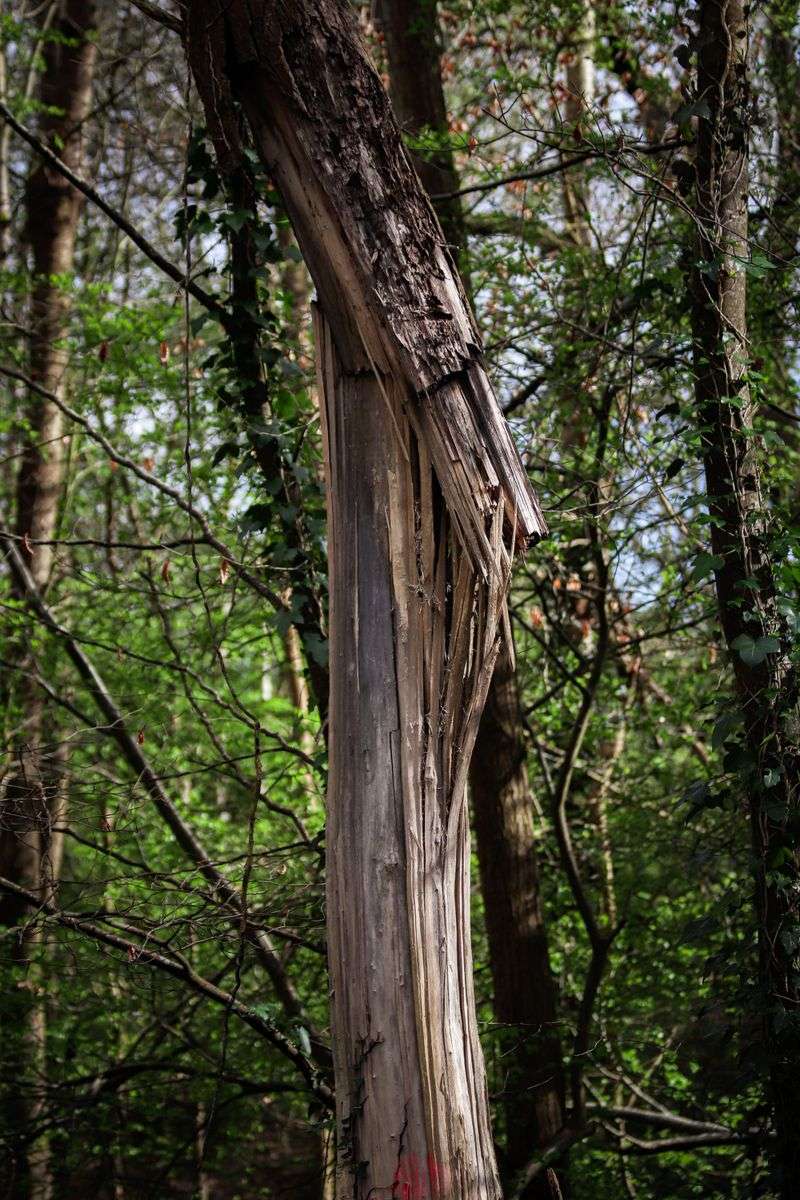
Warning signs worth noticing include large cracks in the trunk, mushrooms or conks near the base, hollow cavities, sudden new leaning, and big limbs with no leaves in spring. Peeling bark and soil heaving around the roots also deserve a closer look.
With a jointly owned tree, both owners may share that responsibility. Yet the neighbor who received a clear warning and refused to act often ends up carrying more of the blame.
Insurance companies pay attention too. Many policies limit coverage when damage traces back to neglected maintenance, so ignoring a struggling tree can leave you paying out of pocket.
Walk around the trunk every season and snap a few photos. That simple habit protects your home and your wallet.
A Chainsaw Without Permission Can Cost You Triple The Tree’s Value
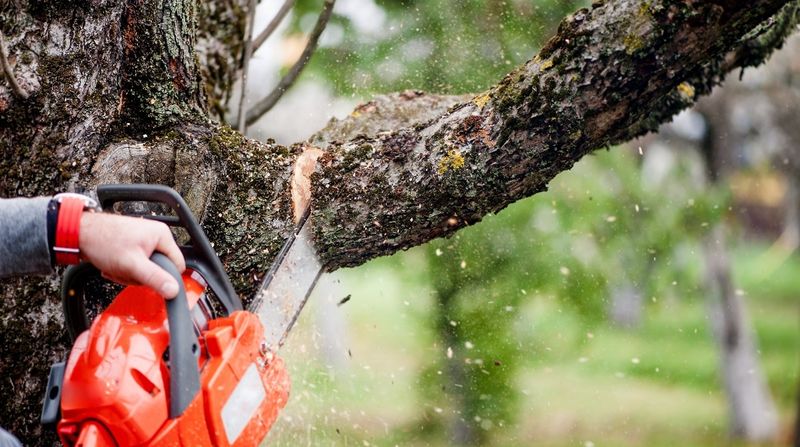
Fair warning, this section is the one that keeps tree lawyers busy. Removing or seriously harming a shared tree without your co-owner’s consent counts as wrongful injury to trees under California law.
Civil Code Section 3346 and Code of Civil Procedure Section 733 allow triple damages for wrongful injury to a tree, or double damages when the harm was casual or involuntary. Those multipliers apply to the actual loss, which can be high for a mature tree.
Heavy pruning carries risk as well. Topping a shared tree or chopping one side so hard that it declines can trigger the same penalties as removal.
You can generally trim branches hanging over your side, up to the property line, as long as you do not injure the tree’s overall health. Reaching over the line or onto your neighbor’s land without permission is a separate problem.
Patience pays here. A written agreement before the saw starts is far cheaper than defending yourself afterward.
A Certified Arborist Report Settles More Arguments Than Shouting Over The Fence
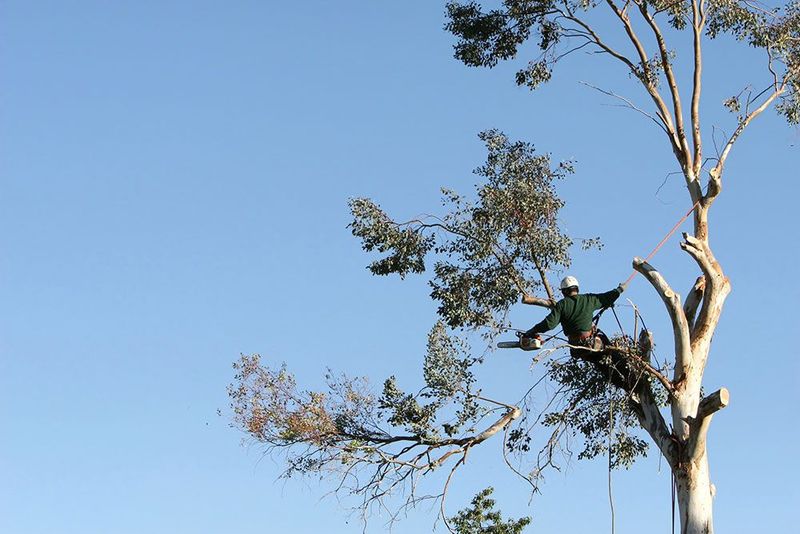
Opinions about a tree get loud, but an arborist report tends to quiet the room. A certified arborist through the International Society of Arboriculture can assess structure, decay, and risk with trained eyes and proper tools.
Many arborists hold a separate Tree Risk Assessment Qualification, often called TRAQ. That credential means they follow a standard method for rating how likely a tree or limb is to fail and what it could hit.
Ask for the findings in writing, with photos and clear recommendations. A good report states whether pruning, cabling, or treatment could save the tree, or whether removal is the safer choice.
Splitting the inspection fee is a smart first step for both households. Expect roughly a few hundred dollars for a basic assessment, though detailed reports cost more.
Follow up with a polite written note to your neighbor that shares the report. That letter creates a record showing the hazard was disclosed, which matters greatly if a limb later falls on a car or roof.
Keep copies of emails, texts, and photos in one folder. Sometimes the friendliest thing you can do is stay organized.
Your City May Require A Permit Before That Oak Or Heritage Tree Comes Down
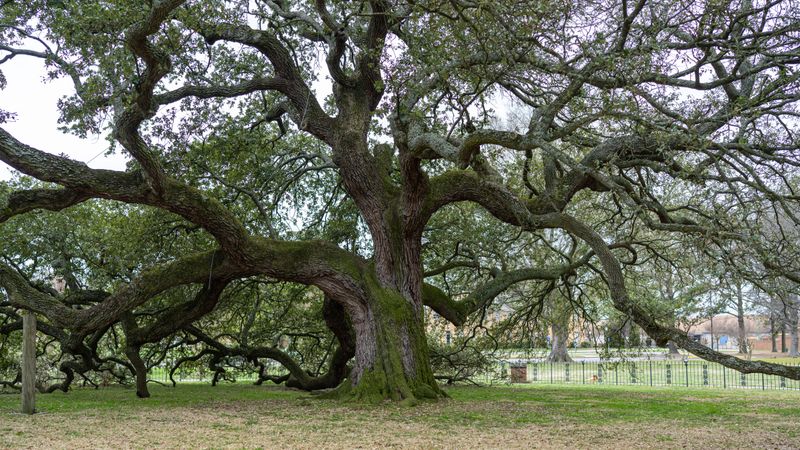
Owning half a tree does not mean you get the final say, because many cities want a vote too. Communities across California protect native oaks, heritage trees, and large specimens through local ordinances.
Los Angeles, for example, protects native oaks, western sycamore, and toyon, among others. Many Bay Area cities require a permit once a trunk passes a certain diameter measured at chest height.
Hazardous trees often qualify for faster approval, but you may still need paperwork. Some cities ask for an arborist letter before granting an emergency removal.
Skipping the permit can bring fines and replacement planting requirements. Those penalties may land on both co-owners, so check with your city or county planning office first.
Homeowners associations sometimes add their own rules about tree removal and replanting. Pull out your community rules and read the landscaping section before scheduling a crew.
Fire country adds another twist. Defensible space rules can require clearing hazardous vegetation near homes, so call your local fire district if you live in a high fire hazard zone.
Once approved, the permit fee can be split the same way as the removal bill. Treat it as part of the total cost, not an afterthought.
Nesting Birds In The Tree Canopy Can Pause Your Removal Plans
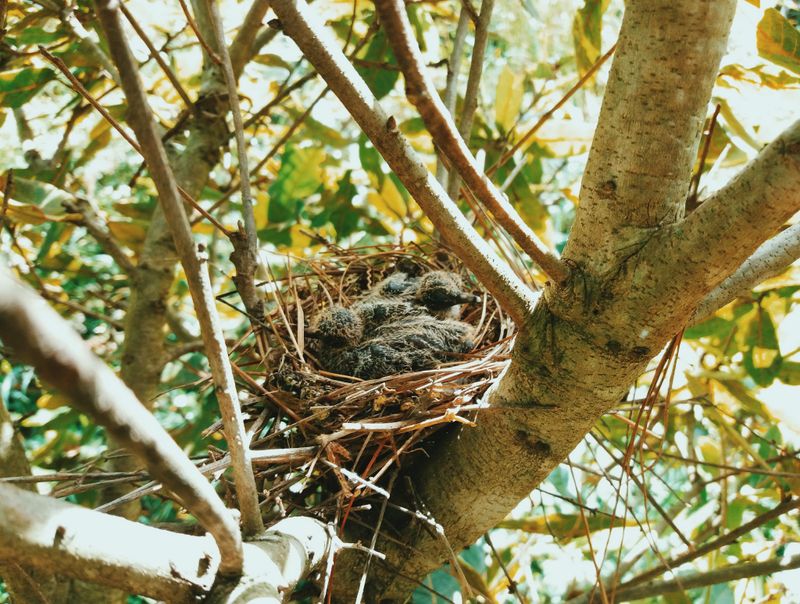
Spring brings a twist that catches plenty of homeowners off guard. State Fish and Game Code Section 3503 makes it unlawful to needlessly harm bird nests or eggs, and the federal Migratory Bird Treaty Act protects most native species as well.
Nesting season generally runs from about February through August. Many cities and tree companies recommend a nest survey before cutting during those months.
Declining trees are especially popular with wildlife. Woodpeckers carve cavities in softening wood, and owls, bluebirds, and nuthatches often move into those holes afterward.
A good arborist will look for nests before work begins. If an active nest is found, the crew may need to wait until the young birds fledge, unless the tree poses an immediate danger.
Timing matters for your budget too. Scheduling removal in fall or early winter, before the stormy months, avoids nest delays and often lands better crew availability.
Bees and raccoons may also claim a hollow trunk. Call a beekeeper for swarms rather than spraying, since many will relocate a colony for free or a small fee.
Talk this through with your neighbor early. A shared calendar plan keeps both households from feeling rushed.
Mediation, Small Claims, And A Signed Tree Agreement Bring Peace Back To The Fence
Sometimes the friendliest chat still ends in a stalemate. Before hiring lawyers, try community mediation, which many counties offer free or at low cost through programs funded under the state Dispute Resolution Programs Act.
A trained mediator helps both sides talk about cost, timing, and replanting. Many tree disputes settle in a single session once the arborist report is on the table.
If that fails, small claims court handles disputes up to 12,500 dollars for individuals in California. Neither side needs a lawyer, and filing fees stay modest.
Larger damage claims or ownership fights may call for a real estate attorney. Bring your survey, arborist report, photos, and every written notice you sent.
Whatever path you take, finish with a signed agreement. Spell out who hires the crew, how costs are split, what happens to the stump and wood, and whether a new tree gets planted.
Replanting gives the story a happier ending. Choose a native or climate-suited tree placed well inside one property, so the next generation of owners avoids this whole puzzle.
A shared tree ends up teaching patience, paperwork, and good fences all at once.