Should You Cut Back Milkweed In Winter To Help California Monarchs?

A pretty orange-and-red flower sold at many garden centers can quietly trick butterflies into skipping their winter rest. Researchers have found it keeps some butterflies laying eggs when they should be resting on the coast.
Western monarchs once gathered by the millions along the California coast each winter.
Volunteers counted fewer than 10,000 at those coastal groves in 2024. Every healthy butterfly matters now, and your backyard can play a bigger role than you might guess.
I’ll admit I loved my evergreen patch for years. I liked how it bloomed in January and kept chubby striped caterpillars munching all season. Then I learned about a tiny parasite that hides on those very leaves.
So what should a caring gardener do with pruners in hand this winter? The answer is simpler than you think, and it depends a lot on which kind you grew.
That Evergreen Tropical Milkweed Is Sending Monarchs Mixed Signals
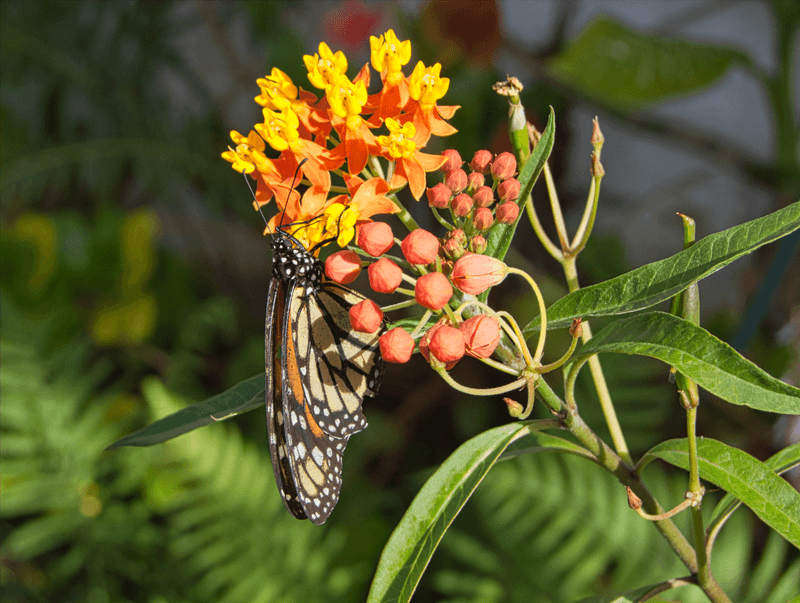
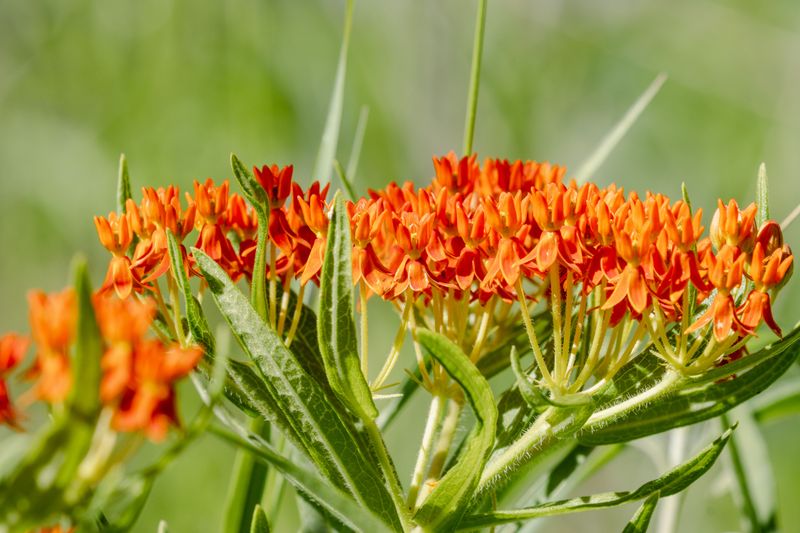
Most milkweeds take a long nap when the weather cools. Tropical milkweed, the one with bright red and orange flowers, often skips that nap in mild coastal winters.
Its official name is Asclepias curassavica, and it comes from Mexico, Central America, and South America.
In frost-free spots, it stays green, keeps blooming, and keeps offering fresh leaves month after month. To a monarch, that looks like an open invitation to lay eggs.
Native milkweeds behave very differently. Their leaves yellow, dry out, and drop as fall turns to winter. That seasonal shutdown is part of the rhythm monarchs evolved with over thousands of years.
So when a tropical plant stays lush in December, it can confuse butterflies that should be heading to the coast or resting in a cluster.
Scientists who study western monarchs, including teams with the Xerces Society, have linked year-round milkweed to two big concerns. One is a parasite that builds up on leaves.
The other is winter breeding, which pulls butterflies out of their normal migration pattern. Neither problem is your fault for planting a popular flower. It simply means the plant needs a little extra care once the days get short.
Yes, Cut Your Tropical Milkweed Down To A Few Inches
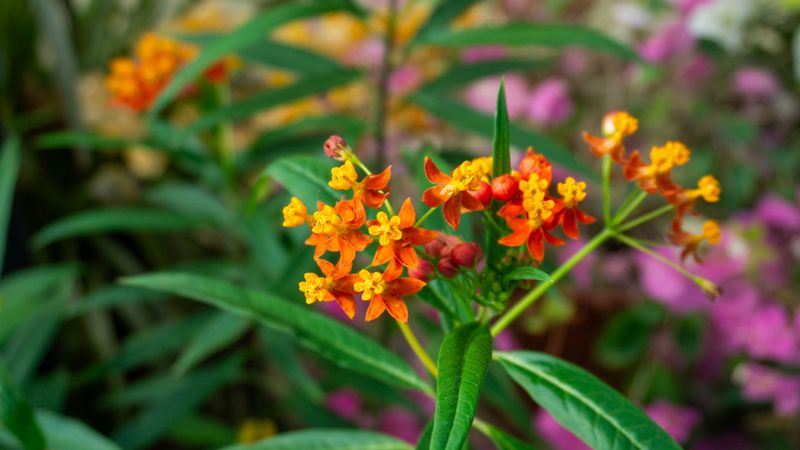
Short answer? Yes, if you grow tropical milkweed, a hard winter trim is one of the most helpful things you can do for western monarchs.
The Xerces Society and other monarch groups suggest cutting tropical milkweed down to about four to six inches above the ground.
Aim to do this starting in October or November, and keep the plants trimmed back through February. The goal is a plant with no leaves left for spores to sit on or for butterflies to lay eggs on.
Tropical milkweed is tough. It usually sends up new shoots within a few weeks, so one cut may not be enough. Many gardeners trim a second or third time during winter whenever fresh green growth pops up.
Does this harm the plant? Not really. It bounces back in spring, ready for the breeding season when monarchs actually need it.
Native milkweeds are a different story, and we’ll get to those soon. For now, focus on any plant with those flashy red-and-yellow blooms. If you aren’t sure what you have, snap a photo and ask your local nursery or UC Master Gardener program.
Tiny OE Spores Pile Up On Leafy Winter Milkweed
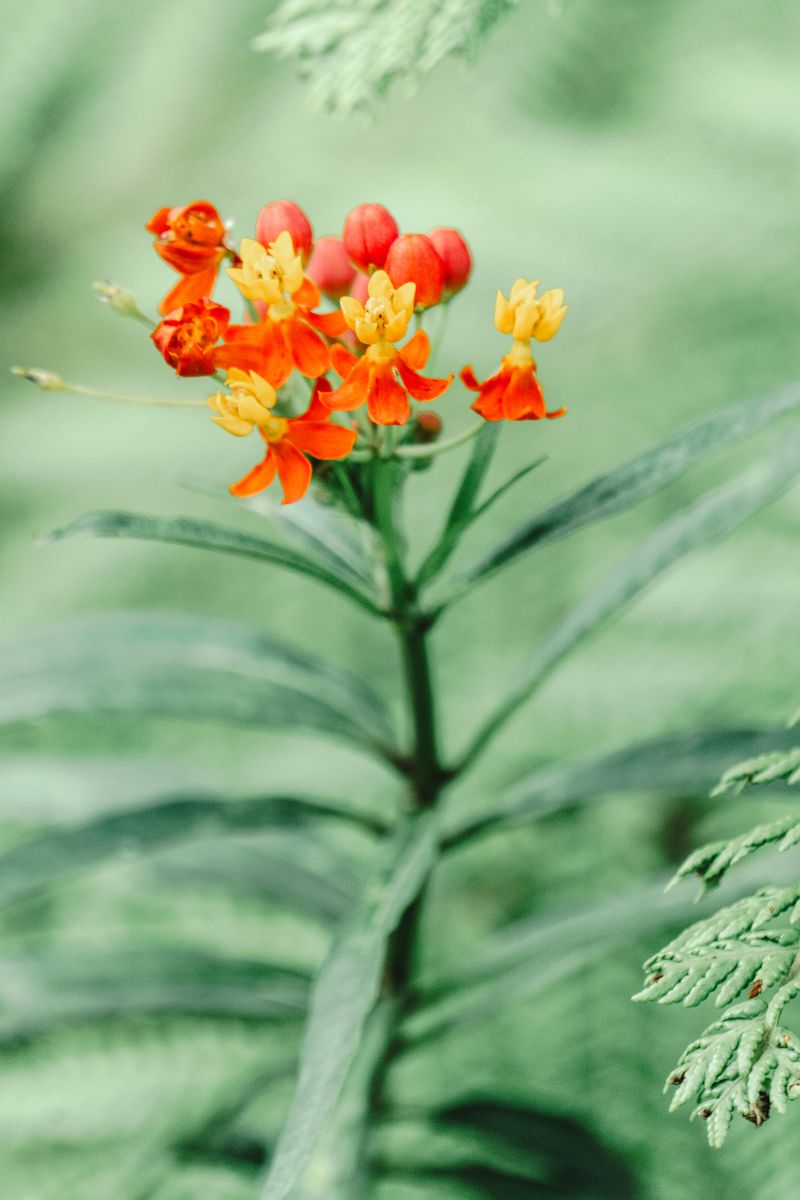
Here comes the sneaky villain of the story, and you can’t even see it. It’s a single-celled parasite called Ophryocystis elektroscirrha, or OE for short.
Infected adult monarchs carry OE spores on their bodies.
When they land on milkweed to lay eggs or sip nectar, spores fall onto the leaves. Hungry caterpillars then swallow those spores along with their lunch.
Inside the caterpillar, the parasite multiplies. Butterflies with heavy infections can come out of the chrysalis with crumpled wings, smaller bodies, and weaker flight. Some can’t even break free of their chrysalis.
On native milkweed, the leaves drop away each winter, which clears out much of that spore buildup.
Tropical milkweed that stays leafy can keep collecting spores season after season. Research from the University of Georgia and others found higher OE rates in monarchs that breed on year-round tropical milkweed.
Fun fact: OE spores are so small that hundreds can fit on a single butterfly scale. Scientists check for them by pressing clear tape on a monarch’s belly and counting spores under a microscope. Cutting your plants back takes away the stage where this tiny troublemaker does its work.
Monarchs Clustering In Coastal Groves Need A Winter Break
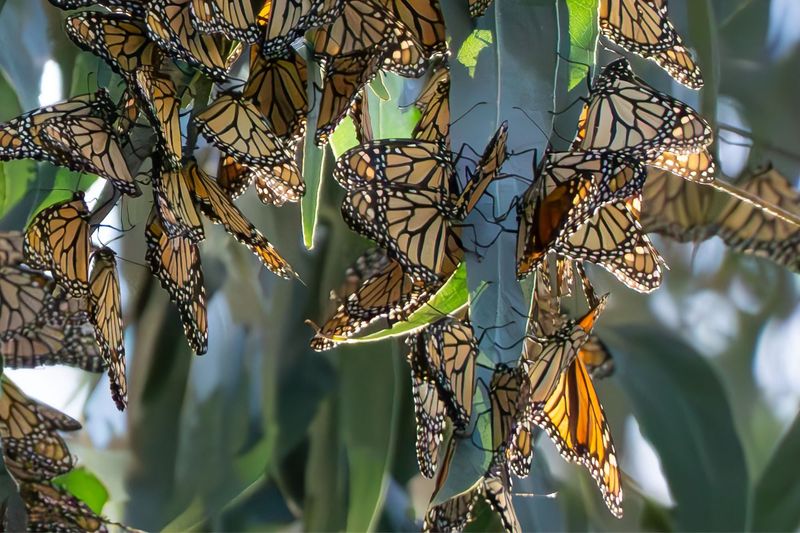
Few sights beat a branch dripping with orange wings in a foggy coastal grove. From roughly October to February, western monarchs gather at sites like Pismo Beach and Pacific Grove to wait out the cold.
During this time, most of them are in a resting state called reproductive diapause. They don’t mate or lay eggs much. Instead, they save energy, cluster for warmth, and wait for spring.
Green, leafy milkweed nearby can change that plan. Scientists have documented a growing number of monarchs breeding through winter in urban parts of the state, especially where tropical milkweed thrives. Some researchers think these winter breeders may stay put rather than join the normal migration.
Why does that matter? Winter-breeding monarchs tend to carry more OE, and their offspring may face tougher odds. The full picture is still being studied, so experts call this a concern rather than a settled fact.
Still, the safest choice follows nature’s schedule. A bare patch of milkweed in January gently tells butterflies that this isn’t the season for babies. They can rest, cluster, and fuel up on nectar instead. Think of your trim as turning off the porch light.
Grab Sanitized Pruners And Trim Milkweed Stalks The Right Way
Good tools make this job quick, and clean tools make it safer. Before you start, wipe your pruners with a 10 percent bleach solution, which is one part bleach to nine parts water.
Wear gloves, too. Milkweed oozes a sticky white sap that can irritate skin and is especially harsh if it reaches your eyes. Rinse your hands well when you finish.
Cut each stem about four to six inches above the soil. Remove every leaf you can, because leftover foliage still offers a spot for spores and eggs. Clean the blades again between plants if you have several patches.
Now, where should the clippings go? Toss them in your city green waste bin rather than your home compost pile. Backyard compost may not get hot enough to break down OE spores, and you don’t want to spread them around your beds later.
Set a phone reminder for every three or four weeks through February. Tropical milkweed regrows fast in warm spells, so a quick follow-up snip keeps things tidy. The whole routine takes maybe ten minutes per plant, which feels like a small price for healthier butterflies next spring.
Check Milkweed Leaves For Monarch Eggs And Caterpillars First
Slow down before that first snip. A monarch egg is about the size of a pinhead, cream-colored, and usually tucked on the underside of a leaf.
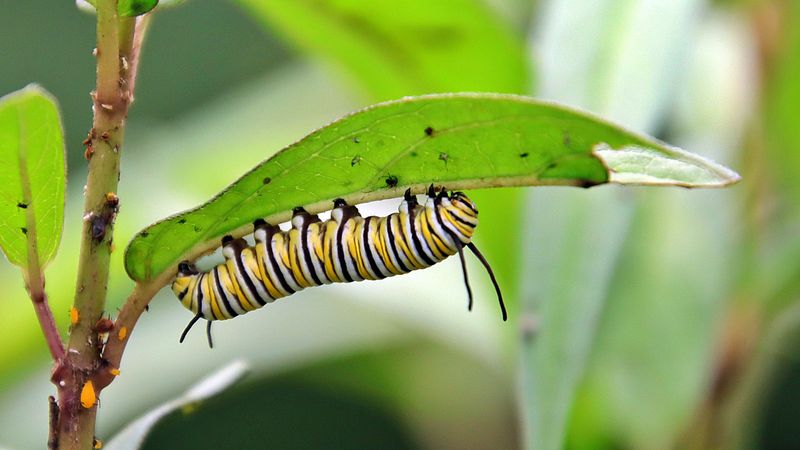
Flip a few leaves and look closely. You may also spot tiny caterpillars, which start out pale gray and soon show their famous yellow, black, and white stripes. In mild winters, finding a few is pretty common on leafy tropical plants.
So what do you do if you find some? Many gardeners simply wait a couple of weeks until the caterpillars finish growing and wander off to form a chrysalis. Then they cut the plant.
Another option is leaving one small stem standing until the little ones are done. Once they move on, trim that last piece too. Try to avoid bringing caterpillars indoors in large numbers, since crowded rearing can spread OE quickly.
I find this step oddly relaxing. It’s a nice excuse to sit with a coffee mug and really study your plants. You might even catch a female monarch mid-flutter, carefully placing one egg at a time. Watching that up close makes the whole effort feel worthwhile.
Native Narrowleaf Milkweed Takes Care Of Itself In Winter
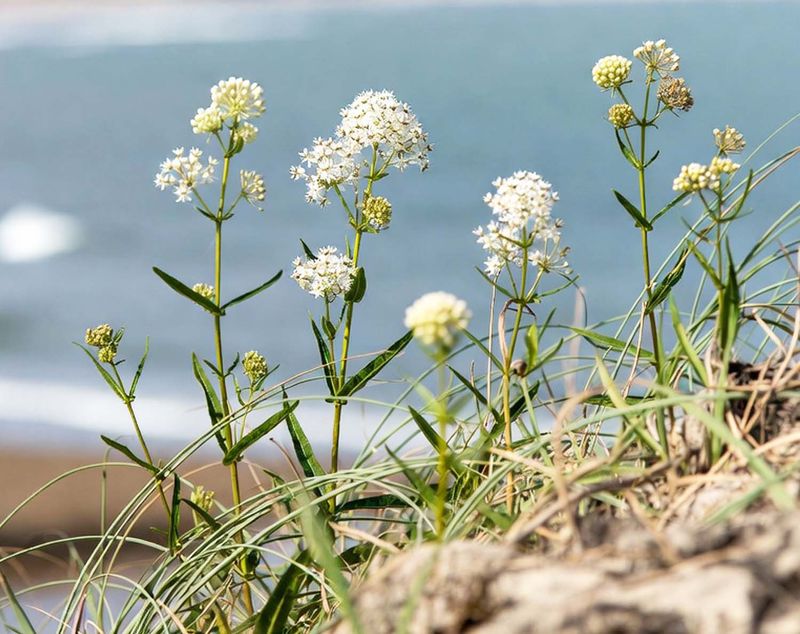
Lucky you if your garden holds native milkweed. Narrowleaf milkweed, showy milkweed, woollypod milkweed, and heartleaf milkweed all follow the seasons on their own.
As fall arrives, their leaves turn yellow and brown, then wither away. The roots stay alive underground and send up fresh shoots in spring. That natural rest clears away old leaves and lines up nicely with the monarch calendar.
You don’t need to rush in with pruners. Once the stems turn dry and brown, you can cut them near the ground for a neater look. Some gardeners leave a few stalks standing, since native bees sometimes nest in hollow stems.
Seed pods add another bonus. Those fluffy silk parachutes are fun to collect, and you can share seeds with friends or local native plant groups. Just stick with species that grow naturally in your part of the state.
Narrowleaf milkweed is one of the easiest to find and handles heat and drought well. Showy milkweed does great in many inland and northern areas. Your nearest California Native Plant Society chapter can help you choose the type that suits your neighborhood best.
Swap Tropical Milkweed For Native Plants And Nectar Flowers Monarchs Love
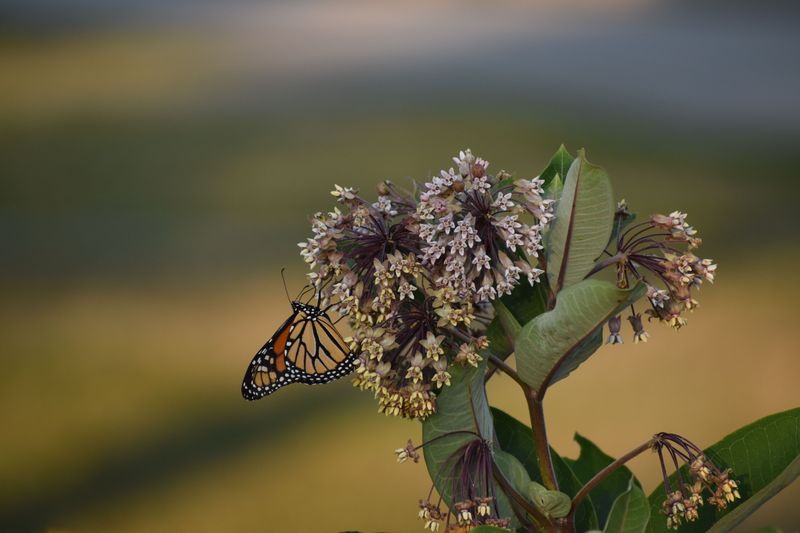
Trimming works, but switching to natives works even better over time. The Xerces Society recommends gradually replacing tropical milkweed with milkweed species native to your area.
You can do this slowly. Plant natives in fall or early winter, when rain helps their roots settle in. Then remove the tropical plants once your new ones are growing well.
Location matters too. Xerces advises against planting milkweed within about five miles of coastal overwintering sites in central and southern parts of the state. Those areas historically had little milkweed, and monarchs there need nectar more than egg-laying spots.
Nectar plants help everywhere. Winter and early spring bloomers like California lilac, manzanita, and native sages feed hungry butterflies when flowers are scarce. Coyote mint, goldenrod, and buckwheat keep the buffet going later in the year.
Here’s my takeaway after years of fussing with my own patch. Cut tropical milkweed hard each winter, let native milkweed rest on its own, and fill the gaps with nectar flowers. Those small choices add up, and western monarchs could use every helping hand California gardeners can offer this season.