The Gold-Striped Mystery Minnesota Pretends It Can’t Hear
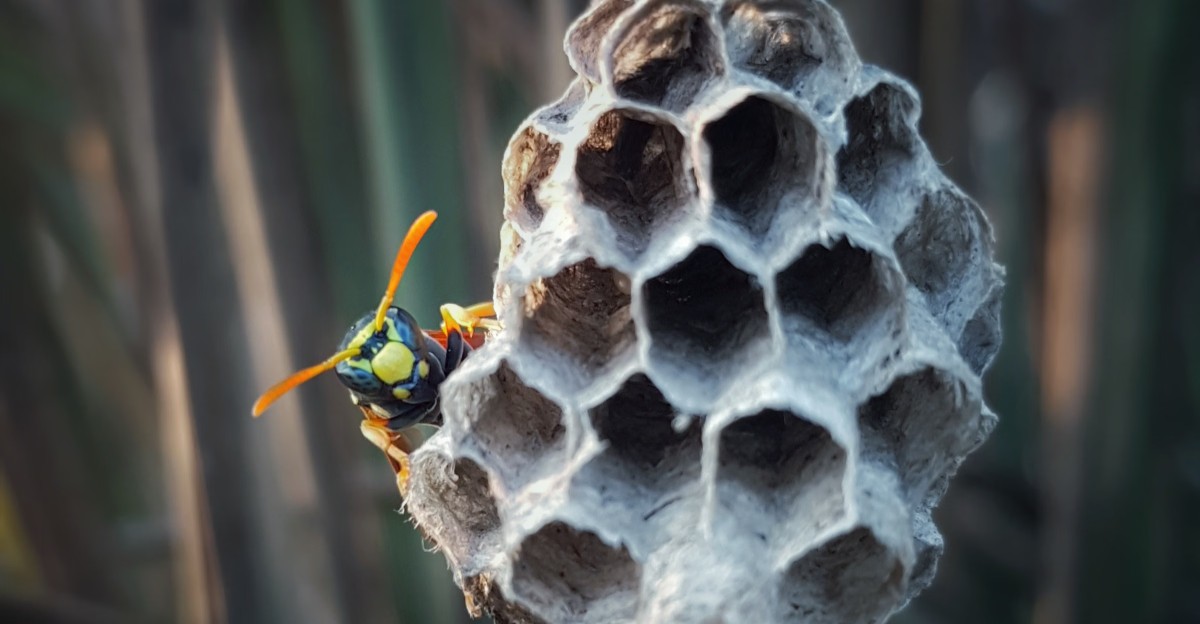
A single late summer nest can hold thousands of striped workers, and almost none of them are planning to survive the winter. Only the young queens make it to spring.
I am surprised how many Minnesota gardeners shrug off that steady hum near the patio. We swat, we shuffle our plates, and we keep talking like nothing is happening. Then someone takes a sip from a soda can and learns a hard lesson.
You might notice the buzzing gets louder right as the tomatoes ripen and the apples start dropping across Minnesota yards. That timing is no accident.
Something inside those hidden paper homes changes in August, and it turns polite hunters into pushy picnic crashers.
After I learned what drives the shift, my backyard felt a lot less like a powder keg of nerves. So why do these striped visitors suddenly care so much about your lemonade?
Those Striped Wasps Get Bolder When August Arrives
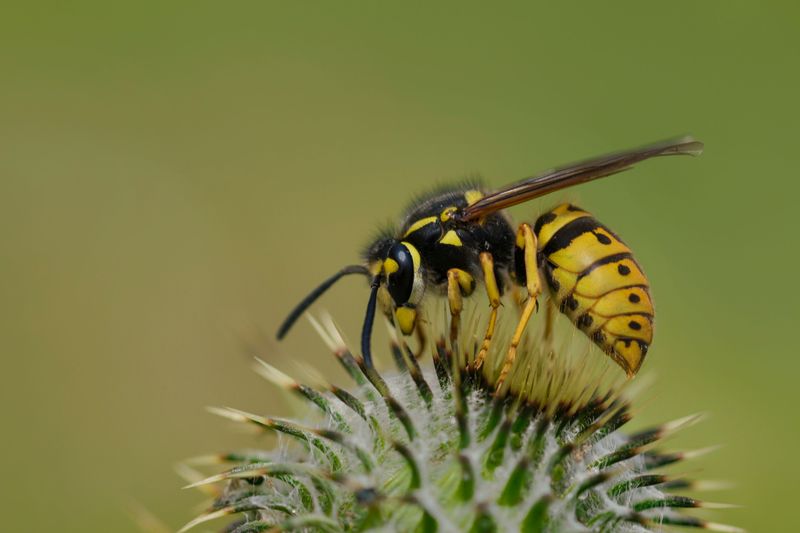
Lots of folks call them bees, but yellowjackets are wasps with smooth, shiny bodies and almost no fuzz. Honey bees look fuzzy and golden brown, while yellowjackets wear crisp black and bright yellow bands.
University of Minnesota Extension notes that these insects show up all summer, yet they become far more noticeable from late July through September. That surge is not your imagination.
Colonies start in spring with one queen and grow all season, reaching their largest size near the end of summer.
A colony that began with a single queen in May can hold hundreds or even thousands of workers by August. More workers means more foragers flying around your deck, garden, and trash bins. It is simple math with stingers attached.
Most common Minnesota species, like the eastern yellowjacket and German yellowjacket, behave in similar ways. They are social, they defend their nests hard, and unlike honey bees, they can sting more than once.
Once you know this pattern, the late summer buzz feels less random. Your yard has not been invaded overnight.
You are simply seeing a colony at the peak of its yearly cycle, right when you want to eat outside.
A Sugar Craving Pulls Yellowjackets Toward Your Picnic Plate

Early in the season, workers act like tiny hunters. They chase caterpillars, flies, and other soft insects, then chew them up to feed the growing larvae back home.
A neat trade happens inside the nest. The larvae give the adult workers a sugary liquid in return for those protein meals. It works like a built-in snack bar that keeps the grown-ups fueled.
By late summer, the queen slows and then stops laying eggs. Fewer larvae means that sweet supply dries up, and the workers go looking for sugar somewhere else.
Ripe fallen fruit, open soda, sweet desserts, and smelly garbage cans suddenly look amazing.
Extension experts point to this switch as the main reason yellowjackets become such pests near people. Their goals change, not their personality.
Hungry workers just become persistent, and they hover close because your food smells like the reward they lost.
I find it helpful to see them as foragers, not villains. That shift in thinking changes my actions.
Instead of flailing my arms, which can make things worse, I cover the sweets and move calmly. A wasp that finds nothing to eat usually heads off to search a different spot.
Keep Lids On Trash Cans And Fallen Apples Off The Lawn
My favorite trick costs nothing at all. Remove the snacks, and you remove most of the visitors.
Start with your garbage and recycling. Keep lids tight, rinse out soda cans before tossing them, and clean sticky spills on decks or patio tables right away. A bin that smells sweet can draw a steady parade of foragers.
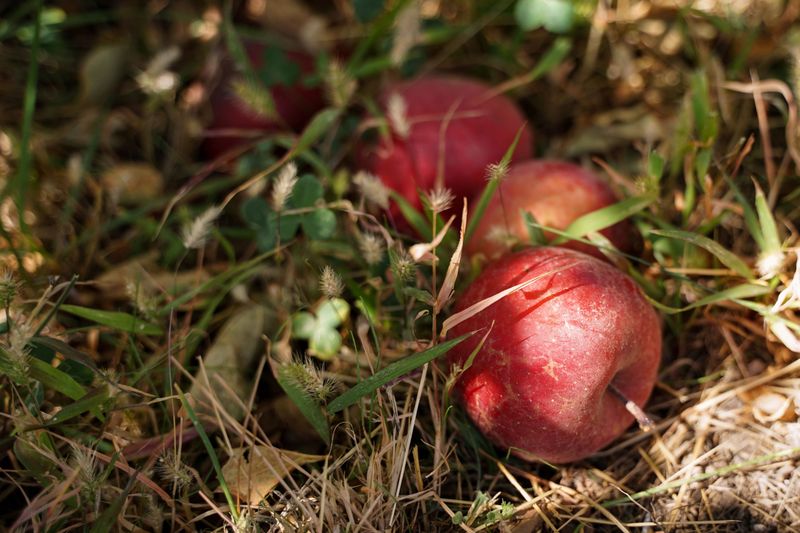
Fruit trees and berry patches deserve extra attention in late summer. Pick apples, plums, and raspberries when they ripen, and gather fallen fruit every day or two.
Rotting fruit on the lawn acts like an open buffet, and it puts you at risk of stepping near feeding wasps.
At outdoor meals, keep food covered until you serve it. Use cups with lids or straws, and peek inside cans before drinking. A sting inside the mouth or throat can be serious and needs quick medical care.
Hummingbird feeders can attract them too. Feeders with bee guards and no yellow parts help, and moving the feeder a few feet sometimes breaks the habit.
Pet food bowls left outdoors are another sneaky magnet, so bring them in after mealtime. Small habits add up fast during the busy weeks of August and September.
That Hole In The Lawn Might Be A Yellowjacket Doorway
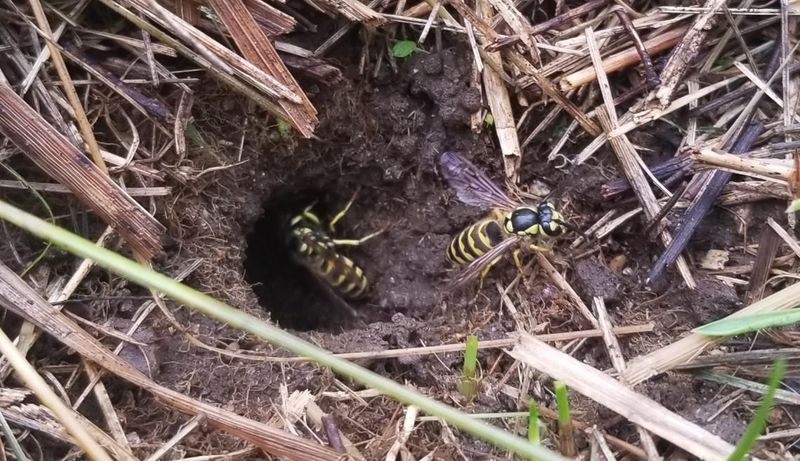
Watch a small hole in the grass for a minute, and you may spot a busy stream of wasps flying straight in and out. That steady traffic is the classic sign of an underground nest.
Yellowjackets in Minnesota often nest in the ground, sometimes using old rodent burrows. They also build inside hollow logs, landscape timbers, compost piles, sheds, and even wall spaces or attics.
The nest itself is made of gray paper the wasps create by chewing wood fibers. Ground nests cause plenty of trouble because people bump into them by accident. Running a mower over the entrance or kneeling to weed nearby can trigger a fast defensive response.
Many workers may come out at once. Before mowing in late summer, walk the yard slowly and watch for flight lines. Wear shoes, and keep kids aware of any marked spots. A small flag next to a known nest helps everyone steer clear.
Indoors, listen for a faint buzzing or scratching sound inside a wall. Some homeowners even notice wasps appearing in a room near a light fixture.
Do not seal the entrance from outside, since trapped wasps may chew their way into your living space instead.
Caterpillar-Hunting Wasps Quietly Help Your Vegetable Garden
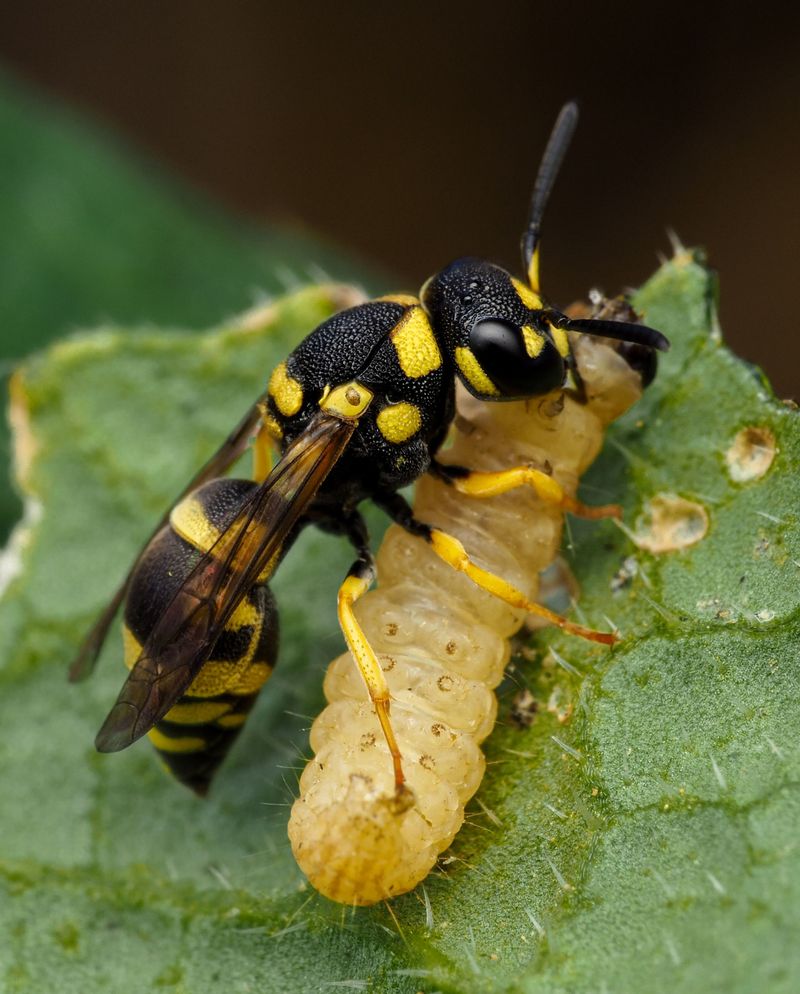
Credit where it is due, these striped hunters spend months working for your garden. Few people notice because they are busy grabbing pests rather than our sandwiches.
During June and July, workers hunt caterpillars, flies, and other insects to feed their young. That includes some of the munchers that chew holes in cabbage, kale, and other leafy crops.
A thriving colony can collect a large number of insects over a season. Adults also visit flowers to sip nectar. They are not as efficient at pollinating as fuzzy bees, but they still move some pollen around.
Late season scavenging on lifeless insects and fallen fruit helps break things down too. Knowing this changes how I react.
A nest at the far edge of the property, away from paths and play areas, is often worth leaving alone. The wasps keep hunting, and I keep my distance.
Broad insecticide sprays in the garden can harm helpful insects like lady beetles, lacewings, and bees along with the target. Spot solutions near a real problem nest are much wiser than coating your whole yard.
Balance matters in a healthy garden, even when one of the helpers carries a sting.
A Paper Nest Near Your Door May Need A Pro
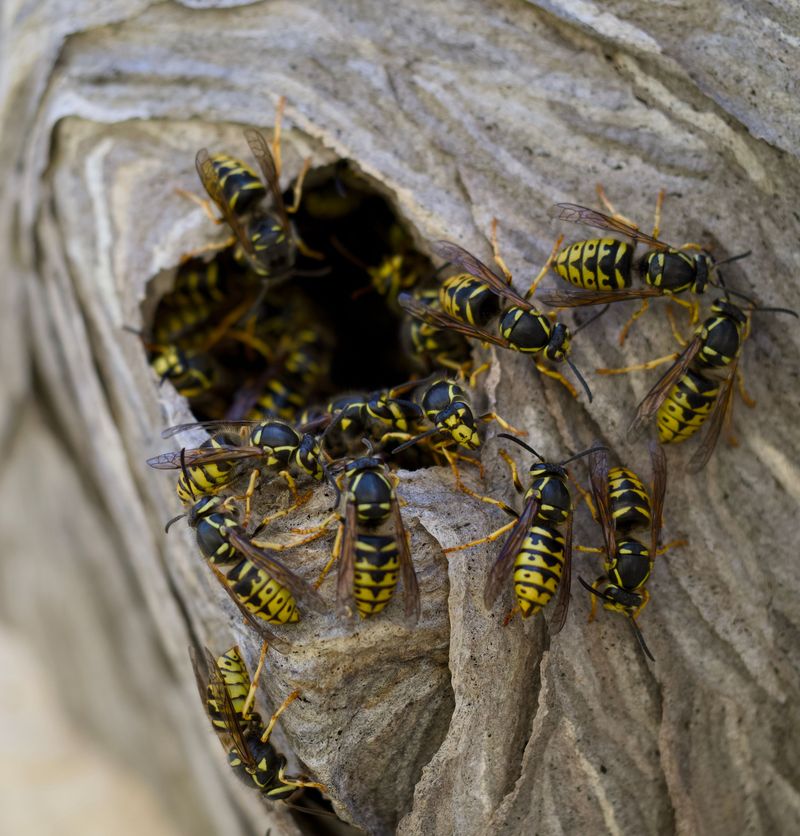
Honestly, my rule is simple. If a nest sits where people walk, play, or open doors, it needs a plan.
Stings hurt for most people, and for some they can trigger a serious allergic reaction. Anyone with trouble breathing, swelling of the face or throat, or dizziness after a sting needs emergency care right away.
People with known allergies should carry their prescribed epinephrine. For nests in high-traffic spots or inside walls, a licensed pest control professional is often the safest choice. They have protective gear and products made to reach the whole colony.
Wall nests are especially tricky, since the wrong move can push wasps indoors. If you treat a small exposed nest yourself, follow the product label exactly. Work at night when the wasps are inside and calmer, and wear long sleeves, gloves, and eye protection.
Use a flashlight with a red filter, since bright white light can draw them toward you. Out-of-the-way nests can often be left alone.
Minnesota colonies decline once hard frosts arrive, and the workers do not return to the same nest next year. Patience can be a perfectly reasonable strategy when nobody is at risk.
Spring Queens Searching For Nest Sites Set Up Next Year
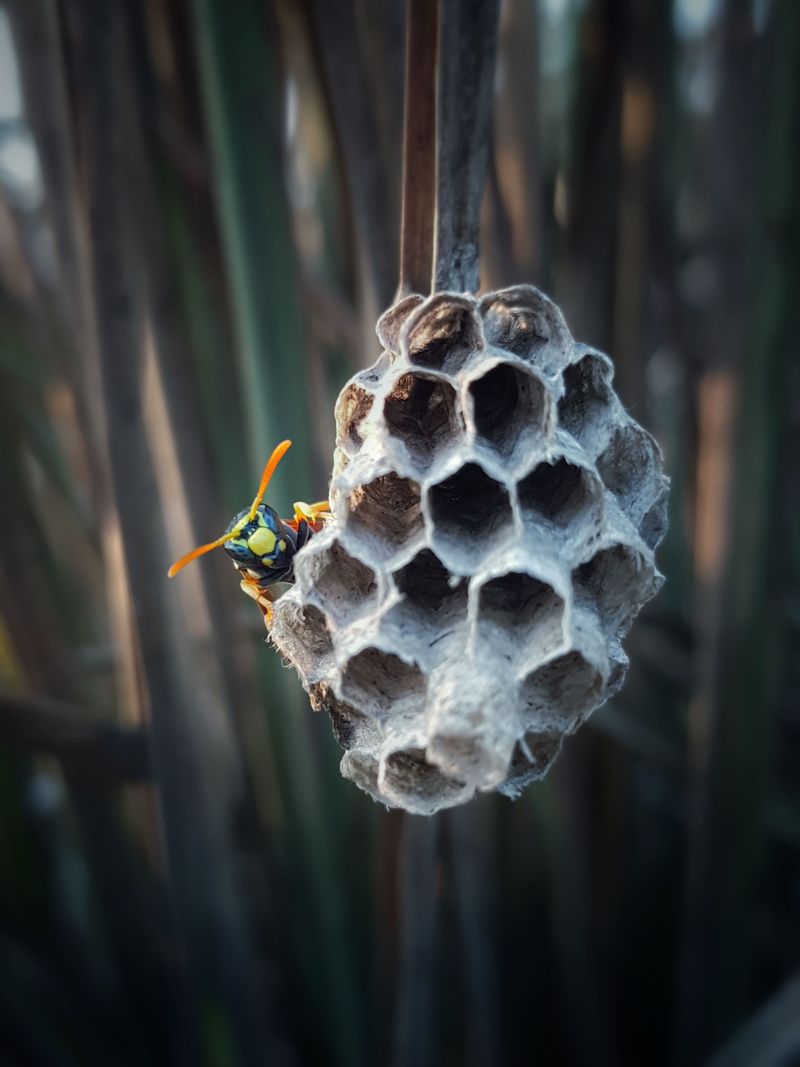
Here is a fun fact to tell at your next barbecue. Every Minnesota colony starts over each spring from one lone queen who survived the winter.
Freezing weather in fall ends the season for workers and the old queen. Newly mated queens tuck themselves into sheltered places like loose bark, rotten stumps, woodpiles, leaf litter, and gaps in buildings.
In spring, each one picks a site and builds a tiny nest about the size of a golf ball. That small starter stage is your best window. In April and May, watch sheds, eaves, deck railings, and grill covers for little paper nests.
Removing one early, when only the queen is around, is far easier than dealing with thousands of workers later.
Fall chores help too. Seal cracks around siding, vents, and window frames to limit spots where queens might shelter or start indoor nests. Repair torn screens before next summer.
Keep up the trash and fruit habits each year, and you will notice a calmer backyard. The buzzing may never fully disappear, and that is fine.
A gardener who understands the cycle can relax on the patio instead of pretending not to hear.