November Lawn Mowing Rules Every Virginia Homeowner Should Know
Crisp air tricks you into relaxing. Beneath your boots, tall fescue roots are still pushing deeper and hoarding sugar.
You have a short window across Virginia to support that growth. Roots stay active while the soil is still warm.
Mow at the right height, sharpen your blades, and tidy up before frost arrives. Fallen oak leaves can smother turf, so shred them with your mower.
Skipping these jobs can leave you with thin spots, mud, and crabgrass. Handle them well and you can build a denser, greener lawn.
Virginia winters test your turf with repeated freezes and thaws that can heave shallow roots upward. Thick, deep roots hold firm against that repeated pressure.
Build those roots now, and you may pull fewer weeds in May. Picture crisp stripes, dense blades, and neighbors pausing at your mailbox to ask questions.
Keep Your Mower Deck Set High
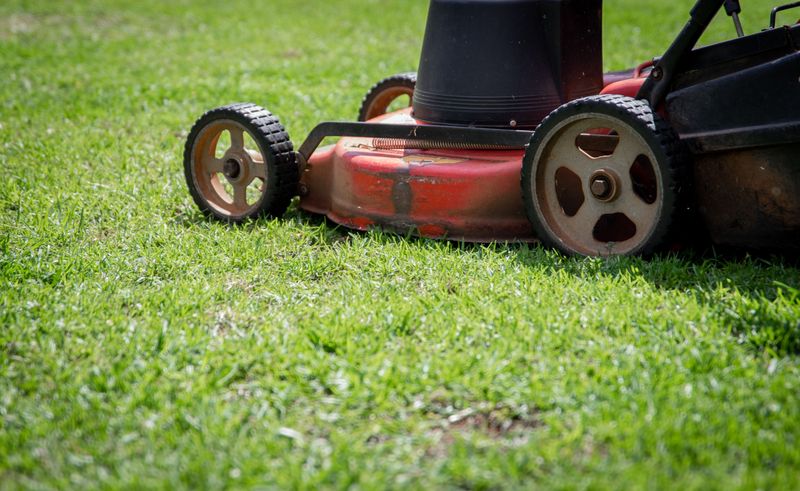
Picture tall fescue as a solar panel that absorbs autumn sunlight. The more blade you leave standing, the more energy your grass can pack away for winter.
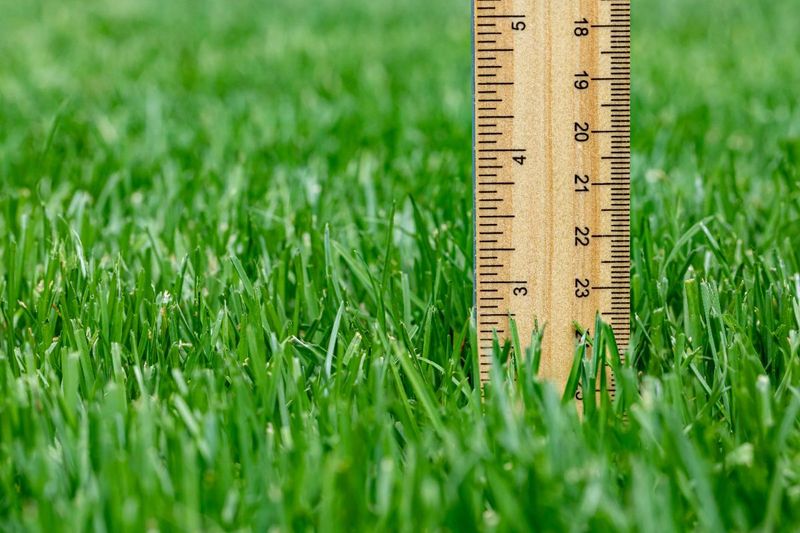
Tall fescue is common in many Virginia lawns, and this cool-season grass does well in crisp November weather. Turf guidance for tall fescue generally suggests keeping it around three to four inches tall.
Cutting lower might look neat, but it weakens the plant right when it needs strength. Short grass also lets sunlight reach the soil, which wakes up weed seeds hiding there.
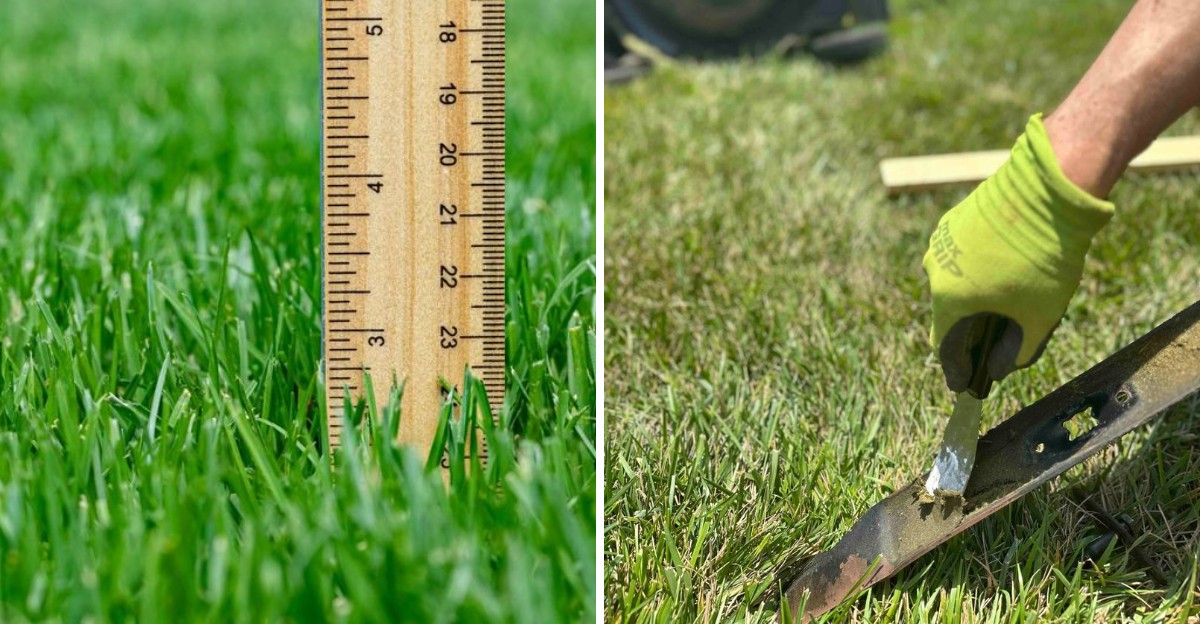
Before your next cut, check the height lever on each wheel of your mower. Measure from the ground to the bottom of the deck with a simple ruler.
If you have Bermuda or zoysia, the rules shift a little bit. Those warm-season grasses turn tan and go dormant, so they usually need little cutting now.
Fescue, bluegrass, and ryegrass keep growing slowly until the ground gets cold in December. That means you may still need to mow now and then in early November, though growth slows as temperatures drop.
Taller blades also shade the soil and help it hold moisture during dry, windy weeks. Deep roots follow tall tops, so your lawn grows tougher from the ground up.
Set a reminder on your phone so you remember to check the height before each cut. A few seconds of checking can help you avoid patchy areas later.
Think of it as tucking your yard into bed with a thick, cozy blanket. Come spring, those strong roots can reward you with a fuller, greener lawn.
Follow The One-Third Rule Each Time You Mow

Grandpa had a saying about lawns that still holds up today. Take a little off the top, he said, and the grass will thank you later.
Lawn pros call it the one-third rule, and it matters a lot in November. You should cut no more than one-third of the blade height in a single mow.
So if your fescue stands at six inches, trim it down to about four. Chopping it straight to three inches would stress the plant and slow its root growth.
Fall growth comes in sneaky spurts after a warm, rainy week. You might look outside and find your yard suddenly shaggy after a short vacation.
Resist the urge to scalp it all at once to make up for lost time. Instead, cut it down in two steps, waiting three or four days between each mow.
Scalped grass turns brown and stressed, and it struggles to bounce back before frost. Weak spots also invite moss and winter weeds like chickweed and henbit.
Following this rule also leaves smaller clippings behind on the lawn. Small bits break down fast and feed the soil instead of smothering the grass.
A quick glance at your mower height and the grass height makes this easy. Over time, you will learn to spot the right cutting moment just by looking.
Patience feels slow, but it builds a lawn that handles cold snaps with grace. Your future self, sipping lemonade in May, will be glad you listened to Grandpa.
Mulch Fallen Leaves Instead Of Bagging Them
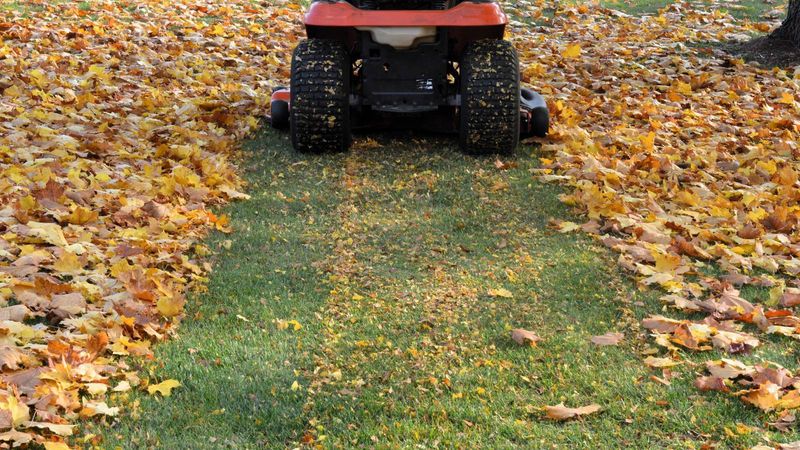
Raking piles of leaves feels like a time-consuming chore by Thanksgiving. Lucky for you, your mower can handle most of that job in a fraction of the time.
Virginia trees drop large amounts of oak, maple, and tulip poplar leaves each fall. Running over them with a mulching mower chops them into tiny, dime-sized pieces.
Those small bits slip down between grass blades and settle on the soil. Worms and microbes then break them down into free, natural plant food.
Michigan State University turf research found that mulched leaves can reduce dandelions over time. That is a useful benefit for skipping the rake.
There is one catch you should watch for, though. A thick, wet layer of leaves left whole can smother the grass and block sunlight.
Mow often enough that leaves stay light and easy to shred. If you still see big clumps after one pass, simply go over that area again.
A mulching blade or mulching kit makes the job smoother and faster. Many mowers sold today include this feature, so check your owner manual first.
When leaves pile up deeper than a few inches, bag some for your garden beds. They make useful mulch for flower beds and vegetable plots during winter.
Your back, your wallet, and your lawn all win with this simple swap. Plus, you get to skip hauling dozens of heavy paper bags to the curb.
Sharpen Your Blades Before The Final Cuts
Ever looked at your lawn and noticed tiny brown tips on many blades? That frayed look can point to a common cause hiding under your mower deck: a dull blade.
Dull blades tear grass instead of slicing it cleanly. Ripped tips lose moisture fast and leave openings for fungus to sneak inside.
By November, your mower has likely worked hard all spring and summer. Rocks, sticks, and acorns have probably nicked the edge more than once.
Mower manufacturers commonly suggest sharpening blades about every twenty to twenty-five hours of use. For many families, that means at least once or twice per season.
Before you touch the blade, unplug the spark plug wire for safety. Then tip the mower on its side with the air filter facing up.
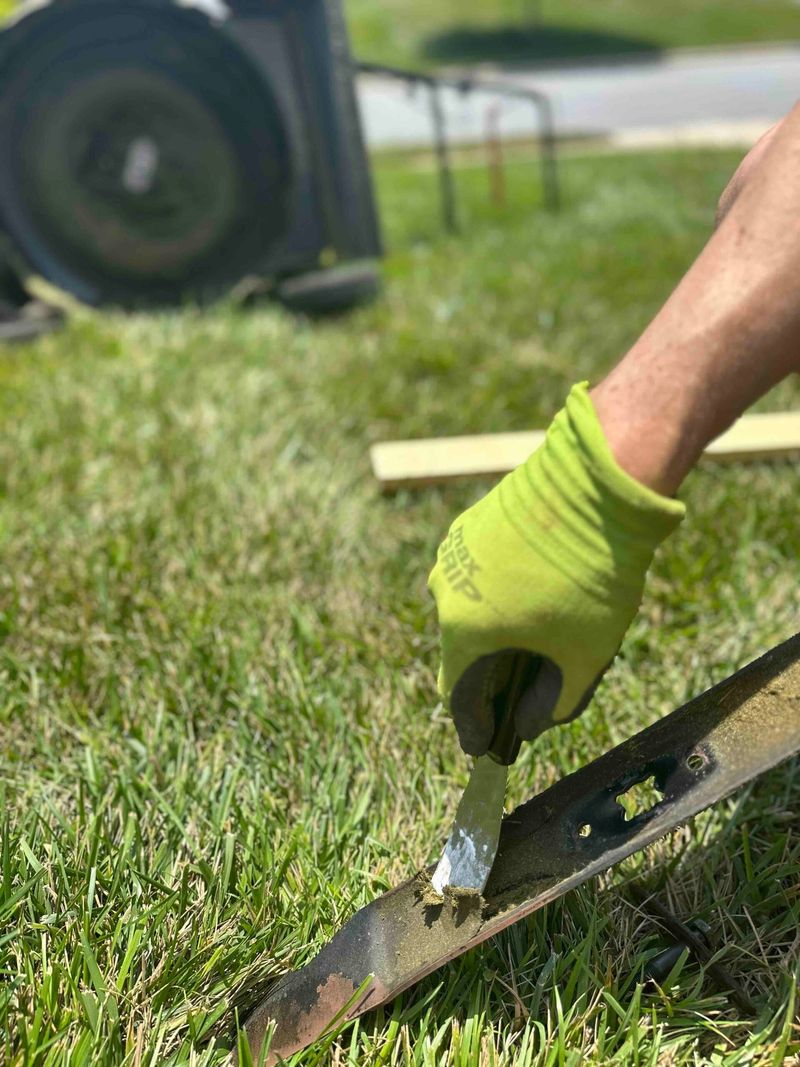
Remove the blade with a wrench and clamp it firmly in a vise. A metal file or bench grinder can bring back a crisp, shiny edge.
Balance matters just as much as sharpness, so hang the blade on a nail. If one side dips, file a little more from the heavy end.
Not handy with tools? Many hardware stores and small engine shops sharpen blades for a modest fee.
Clean cuts help grass heal quickly before cold weather settles in. Your lawn will look smoother, greener, and tidier heading into winter.
Skip Mowing When Grass Is Wet Or Frosty
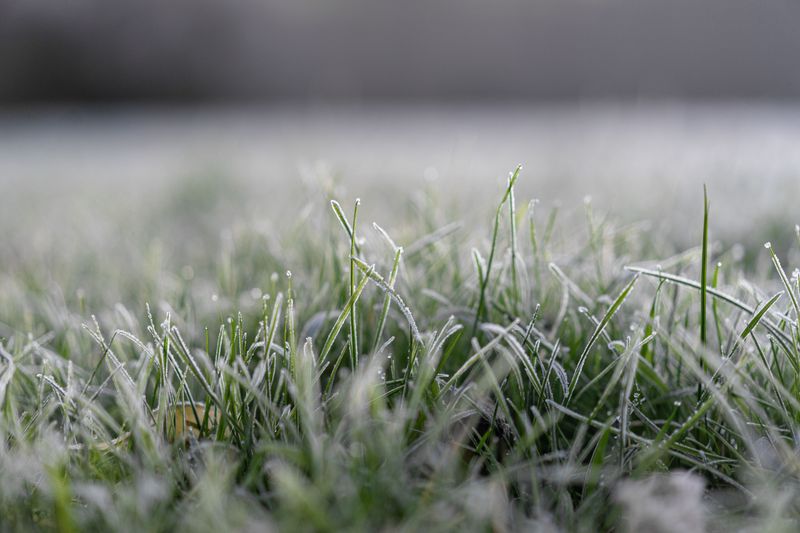
Crunch, crunch, crunch goes the frosty grass under your sneakers at sunrise. As pretty as that sound is, it warns you to keep the mower parked for now.
Frozen grass blades are full of tiny ice crystals. When wheels or feet press on them, those crystals can damage the plant cells.
A day or two later, you might see brown footprints across your lawn. Similar damage can appear along each pass your mower makes.
Wet grass brings a whole different set of headaches. Soggy clippings clump together and clog the deck, leaving messy piles behind.
Damp soil also squishes under heavy mower wheels and becomes packed down. Compacted ground makes it harder for roots to grab air and water.
On top of that, slick grass is a slipping hazard for you. Walking behind a spinning blade on a muddy slope is a real safety risk.
Virginia mornings in November often start cold and dewy. Wait until the sun melts the frost and dries the blades before starting up.
A simple test helps here. Walk across the lawn and check your shoes; if they come back soaked, give it more time.
Patience protects your grass, your mower, and your ankles. A dry afternoon cut usually gives better results than a soggy morning scramble.
Drop The Height A Notch For The Final Cut
Here is a small exception that surprises plenty of homeowners. Your final mow of the year often calls for a slightly lower setting.
After keeping fescue tall all fall, try trimming it to around two and a half to three inches. That final cut usually lands in late November or early December in Virginia.
Why the change? Long, floppy grass can mat down under snow and wet leaves during winter.
Matted grass creates a damp, dark hideout for a fungus called snow mold. It can leave gray or pink circles that look unsightly when spring arrives.
A modest trim keeps the blades upright and lets air move through the lawn. Fewer cozy hiding spots can also mean fewer voles tunneling around in your yard.
Just remember the one-third rule still applies here. Lower the height gradually over two mows if your grass is still on the long side.
Timing this final mow is mostly about watching the growth slow down. Once a week passes and the grass barely changes, you are close to the finish line.
Northern Virginia may wrap up a little earlier than Hampton Roads. Coastal areas stay milder, so growth there often stretches a bit longer.
Think of this last cut as a tidy haircut before a long winter break. Your lawn will rest easier and wake up healthier when warm weather returns.
Time Your Mowing For Dry Midday Hours
Sunday at noon might be the best appointment your lawn gets all week. November days are short, so smart timing makes a big difference.
Late morning through early afternoon usually offers the driest grass of the day. By then, dew has burned off and the air feels pleasantly warm.
Evening mowing sounds relaxing, but it comes with drawbacks in fall. Grass cut late stays damp overnight, which can encourage fungal problems.
Daylight also fades fast after Daylight Saving Time ends in early November. You do not want to finish the backyard by flashlight.
Check the forecast before planning your cut. Aim for a dry stretch with no rain expected for at least several hours.
Windy days can scatter leaves right back across your freshly mowed yard. A calm afternoon lets mulched bits settle neatly between the blades.
Temperature matters too, especially when cold fronts roll in from the west. Grass growth slows as soil temperatures approach fifty degrees, so cutting may not be needed that week.
Keep a simple lawn calendar on the fridge or on your phone. Jot down mowing dates, weather, and grass height to spot helpful patterns.
After a season or two, you will know your yard like an old friend. Smart timing turns mowing from a rushed chore into a pleasant weekend ritual.
Winterize Your Mower When The Season Ends
Your trusty mower has earned a long, well-deserved vacation. Treat it kindly now, and it will roar to life next spring without a fuss.
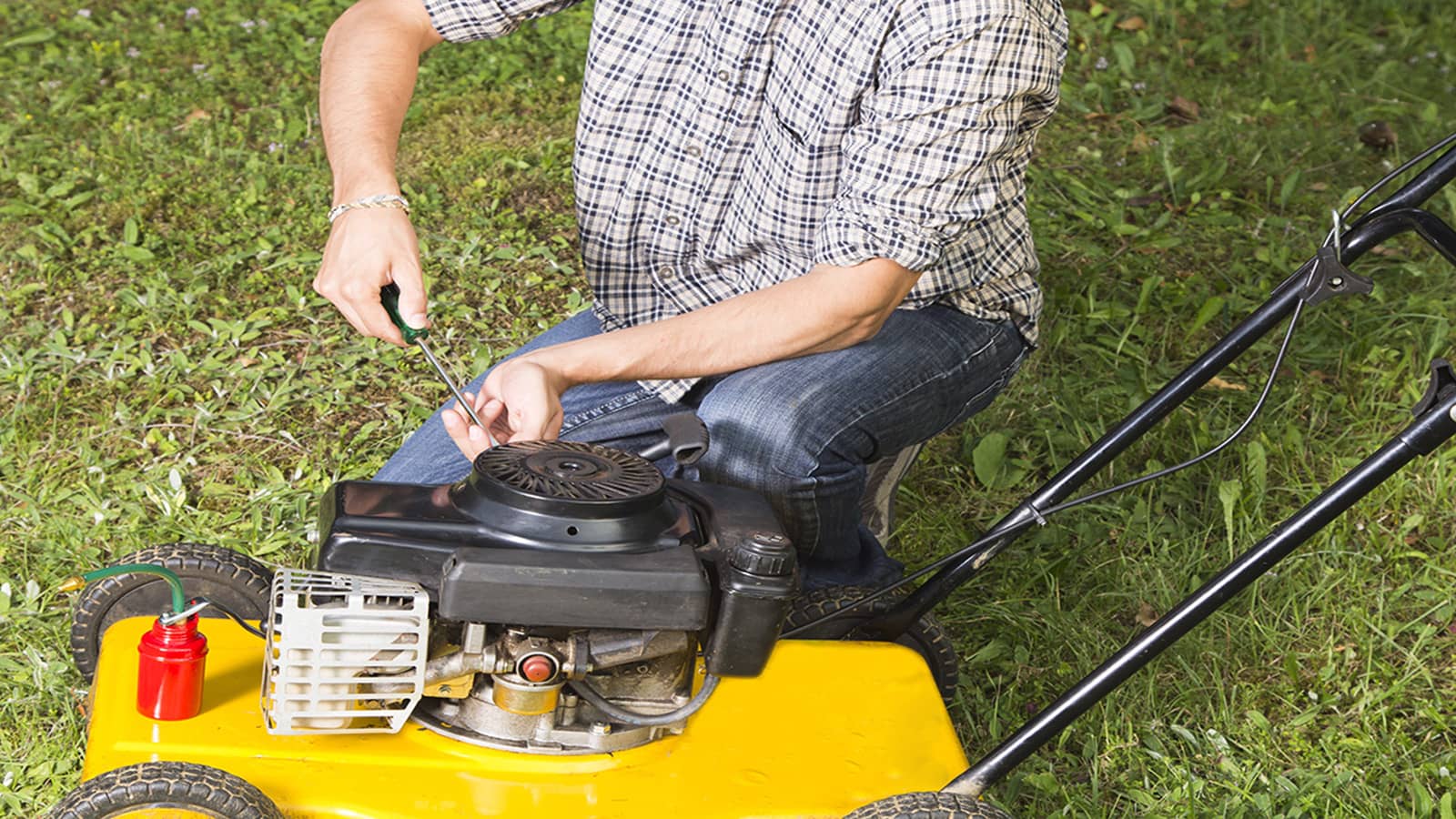
Start by disconnecting the spark plug wire, then clean the underside of the deck once the engine cools. Scrape off caked grass and leaves with a plastic putty knife or stiff brush.
Old gas is a common source of trouble for stored mowers. Fuel can turn gummy in just a few months and clog the carburetor.
You have two good choices here. Add fuel stabilizer and run the engine for five minutes, or simply run the tank empty.
Next, check the oil and change it if it looks dark or gritty. Fresh oil protects engine parts from rust during cold, damp months.
Pull out the air filter and tap it clean or replace it. A new spark plug costs very little and makes spring startups much easier.
Battery-powered mowers need care too. Store the battery indoors at room temperature, charged to around half full.
Find a dry spot in your garage or shed for storage. Cover the mower with a breathable tarp to keep dust off, and store it away from birdseed or pet food that attracts mice.
Once March rolls around, you will be ready while others struggle with stubborn engines. Few things feel better than a mower that starts on the very first pull.