7 Smells That Keep Mice Out Of Your Pennsylvania Home
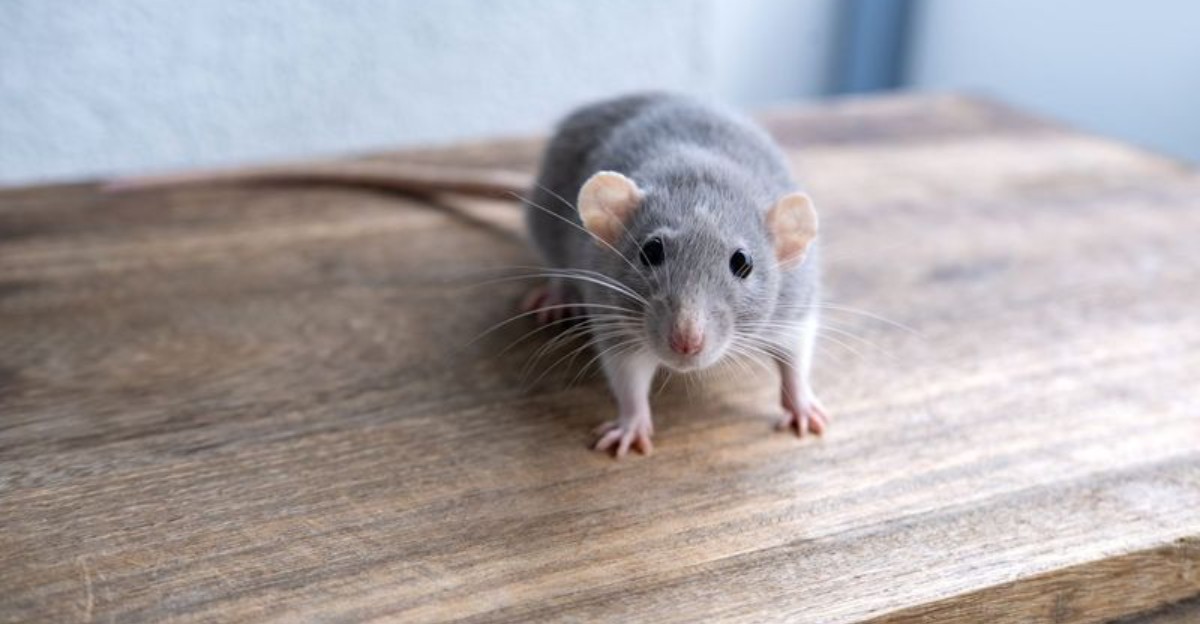
A full-grown house guest no bigger than your thumb can slip through a gap the width of a dime. That tiny opening is often hiding behind your dryer vent or under a worn garage door seal.
When Pennsylvania nights turn chilly, these whiskered wanderers start hunting for warm, crumb-filled kitchens and quiet wall spaces. Their noses guide nearly every single move, and they sniff out crumbs and danger from surprising distances.
I have to admit that I love fighting them with my spice rack instead of harsh store-bought poisons. You might notice some of these scents already sitting in your pantry or cleaning closet right now.
Scents alone rarely solve a big problem, but they can make your home far less cozy and welcoming. Which familiar smell do you think sends these little intruders scurrying back outside toward the chilly woodpile?
1. Cool Peppermint Oil Sends Mice Running

My mudroom smelled like a candy cane factory the autumn I first tried peppermint oil against mice. Those strong menthol fumes hit a mouse nose much harder than ours, since their sense of smell is remarkably sharp.
Researchers have seen mice avoid peppermint-treated spots at first, which sounds promising for anyone tired of nibbled cereal boxes.
Sadly, the effect fades as the oil evaporates within a few days and the mice get used to it.
You need to refresh cotton balls every few days to keep the scent working as a deterrent. I soak each ball with about five drops and tuck it near baseboards and behind the stove.
Cat owners should be careful because concentrated peppermint oil can be toxic to cats if licked or absorbed. Keep treated cotton balls on high shelves or inside closed cabinets where curious paws cannot reach them.
Growing real peppermint in pots near your back door adds a fresh smell, and the plant handles Pennsylvania winters well.
Keep it in containers because mint spreads aggressively by underground runners and can take over a flower bed quickly.
Buy pure peppermint oil rather than scented sprays, since fillers and perfumes weaken the punch mice actually notice. A small bottle lasts a whole season when you use it only in the trouble spots that matter.
Personally, I treat peppermint as a friendly first warning rather than a full solution for a busy mouse problem.
Pair it with sealed gaps and tidy food storage, and that minty welcome mat works much harder for you.
2. Spicy Whole Cloves Tucked Into Pantry Corners
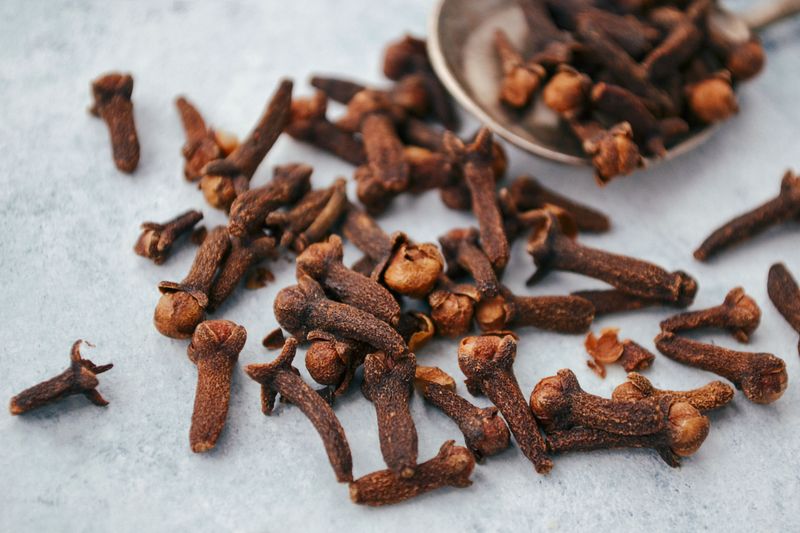
Grandma’s holiday ham and a mouse’s worst nightmare share one ingredient, and it is probably sitting in your spice drawer.
Cloves carry a compound called eugenol, which gives them that warm, numbing bite you feel on your tongue.
For a sensitive rodent nose, that spicy blast can feel overwhelming, so many mice steer clear of strongly scented spots. I like how cheap whole cloves are, especially when bought in bulk from an international grocery store.
Tie a handful of whole cloves inside a small cloth sachet and tuck it into pantry corners or drawers. You can also place a few drops of clove oil on cotton balls for a stronger, quicker scent.
Mixing clove oil with peppermint oil makes a bold blend that some homeowners swear by for tight spaces. Remember that any results are temporary, so swap out sachets and cotton balls about once every week.
Clove oil is strong stuff, and undiluted drops can irritate skin or harm pets who lick treated surfaces. Wear gloves while handling it, and keep bottles tightly capped and stored well away from children.
Old farmhouses across the Pennsylvania countryside often have stone foundations full of tiny gaps that welcome winter visitors.
Cloves can make those drafty corners less pleasant, yet steel wool and caulk do the real blocking work.
I have to say my pantry smells like gingerbread all season, which feels like a sweet bonus. Your nose gets a cozy treat while the mice get a clear message to look elsewhere for dinner.
3. Cinnamon Sticks Guard Your Kitchen Cabinets

Nothing says autumn baking like cinnamon, yet that cozy aroma can make a mouse twitch its whiskers and turn around.
Its main scent compound, cinnamaldehyde, is strong enough to bother noses far more sensitive than ours.
I believe cinnamon works best as a mild nudge in spots where you have spotted droppings or chewed packages. Evidence for it is mostly anecdotal, so treat it as a helpful extra rather than a guaranteed fix.
Whole cinnamon sticks look tidy tucked behind canisters and hold their scent longer than loose powder does. Snap them in half first, because breaking the bark releases a fresh burst of fragrant oil.
Ground cinnamon can be sprinkled along shelf edges, though it gets messy and loses strength within days.
Sweep up old powder before adding more, since stale cinnamon offers little scent and attracts dust bunnies.
Cinnamon essential oil packs the strongest punch, but it can burn skin and irritate eyes when handled carelessly. Dab only a few drops on cotton balls, and set them on saucers to protect wooden shelves.
You might notice mice simply walking around a cinnamon line if a tempting bag of birdseed waits beyond it. Store birdseed and pet food in metal or thick plastic bins with snug, tightly locking lids.
Refresh your sticks every couple of weeks, and your kitchen will smell like a bakery between batches of cookies. I can’t imagine a more pleasant way to tell uninvited guests that the buffet is closed.
4. Eucalyptus Leaves Fill The Air With A Sharp Scent

Koalas munch eucalyptus leaves all day, but mice seem far less impressed by that sharp, medicinal smell. Its main compound, 1,8-cineole, is the same one that gives cough drops their clearing, nose-tingling kick.
Some laboratory studies have found rodents avoiding areas treated with eucalyptus oil, which makes it one of the better-studied options. Results in real homes vary, though, and the scent still fades as the oil slowly evaporates.
I like using dried eucalyptus bundles in the garage, where they look pretty and add a crisp, clean aroma. Florists and craft stores sell them, and you can hang a bundle near the door you suspect.
For a stronger option, mix a small amount of eucalyptus oil with water and spray along garage baseboards. Shake the bottle before each use, since oil and water separate quickly and the scent clumps unevenly.
Growing your own eucalyptus outdoors is tricky here, because most species cannot survive Pennsylvania winters in the ground.
A few gardeners raise them in pots and bring them indoors before the first hard frost arrives.
Eucalyptus oil is toxic to cats and dogs if swallowed, and it can harm young children too. Place treated items well out of reach, and skip diffusers in rooms where pets spend long hours.
Reapply every few days for the best effect, especially after rainy spells that pull damp air into garages. Honestly, the fresh spa smell makes chores like sorting holiday boxes feel a little more pleasant.
5. Ammonia Mimics The Smell Of Predator Urine
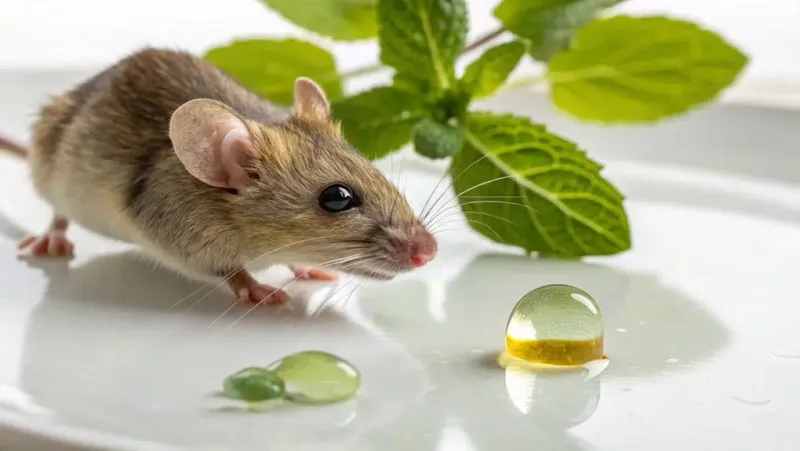
One whiff of a household ammonia bottle makes most of us step back, and mice react even more dramatically. Many pest experts say the sharp odor resembles concentrated urine, which may signal that predators are nearby.
That predator theory is popular but not strongly proven, so I treat ammonia as a short-term discomfort tool. Its harsh fumes can still make a closed shed or crawl space feel unwelcome for a while.
Soak a rag or cotton balls in diluted ammonia and set them inside an open jar lid. Place those lids in unused spaces like the garden shed, away from living areas and food.
Safety matters a lot with this one, because ammonia fumes irritate lungs and eyes in people and pets alike. Do not mix it with bleach, since the combination releases dangerous, toxic chloramine gas very quickly.
Ventilation is your friend, so open windows or doors whenever you place fresh ammonia in a workspace. Wear rubber gloves too, and label every container clearly so nobody mistakes it for plain water.
Many Pennsylvania sheds hold grass seed and fertilizer bags, and those make cozy, tasty hideouts for overwintering mice. Moving seed into lidded metal cans helps ammonia rags do their job so much more effectively.
Personally, I reserve ammonia for outbuildings and skip it indoors, where gentler scents feel safer for my family. Refresh rags weekly, and check for droppings to see whether the visitors have packed their bags.
6. Fox Urine Granules Around Your Foundation

Red foxes trot through Pennsylvania backyards more often than most people realize, and mice have every reason to fear them.
Scientists have found that mice detect special chemicals in predator odors, triggering instinctive freezing and avoidance behaviors.
Those chemical cues are called kairomones, and mice pick them up through a specialized organ inside the nose. I find it fascinating that a mouse raised in a lab still reacts to fox scent.
Garden centers sell fox and bobcat urine as liquids or soaked granules meant for scattering outdoors. Sprinkle them along the foundation and beside woodpiles where mice like to travel quietly at night.
Results can be mixed, since hungry mice may gamble on danger when food and shelter sit close by. Rain also washes the scent away, so plan on reapplying after storms and every few weeks.
Keep predator urine products outside only, because nobody wants that musky smell drifting through the living room. Your dog might also roll in treated spots, so place granules where pets rarely ever wander.
Some people worry about how the urine is collected, and that concern deserves a quick look before buying.
Check labels and company information, and choose brands that openly explain their sourcing practices on the package.
You might be pleasantly surprised if fewer mouse runs appear in your mulch after a few weeks of steady use. Think of it as a perimeter fence made of fear, guarding the outside edges of your home.
7. White Vinegar Spray Wipes Away Mouse Trails
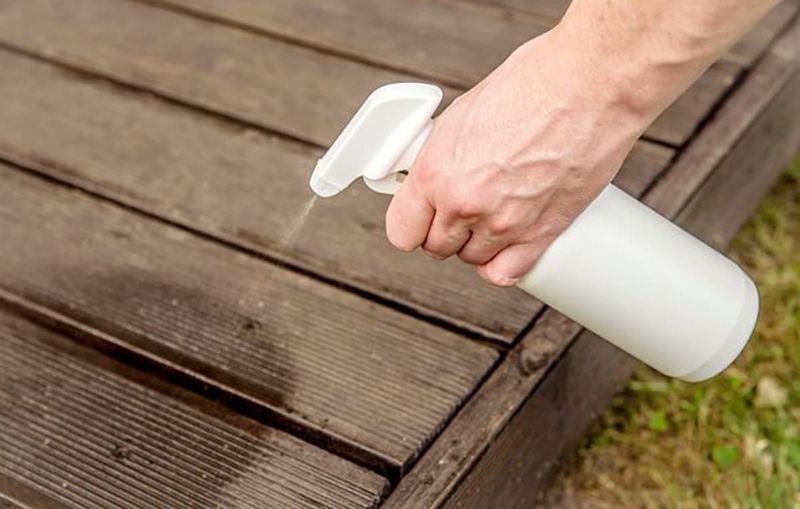
A gallon jug of white vinegar costs a few dollars, and its sour tang can make mice rethink their route. That sharp, acidic punch comes from acetic acid, which tickles human noses and bothers rodent noses far more.
I love that vinegar does double duty, cleaning counters while masking the scent trails mice leave behind. Those urine trails help other mice follow the same path, so wiping them away matters a lot.
Mix equal parts white vinegar and water in a spray bottle, then mist along baseboards and cabinet floors. Soak a few cotton balls in straight vinegar for hidden spots like the back of your pantry.
Vinegar fades quickly, often within a day or two, so a regular spray routine keeps the message fresh. Test a hidden patch first, because acid can dull natural stone counters and some wood finishes.
Wear gloves when cleaning up droppings, and soak them with disinfectant first rather than sweeping them dry. Deer mice can carry hantavirus, and dry sweeping may stir up tiny particles that people breathe in.
Vinegar is not a registered disinfectant for that job, so save it for scent work and everyday wiping. Follow CDC guidance and use a proper disinfectant or diluted bleach solution on any droppings you find.
Pair your vinegar habit with sealed cracks and tidy crumbs, and your home becomes a far tougher target. Honestly, your kitchen will smell like pickles for an hour, but that tradeoff feels worth it to me.