Are Poinsettias Really Poisonous to Cats and Dogs? The Truth Every New York Pet Owner Should Know
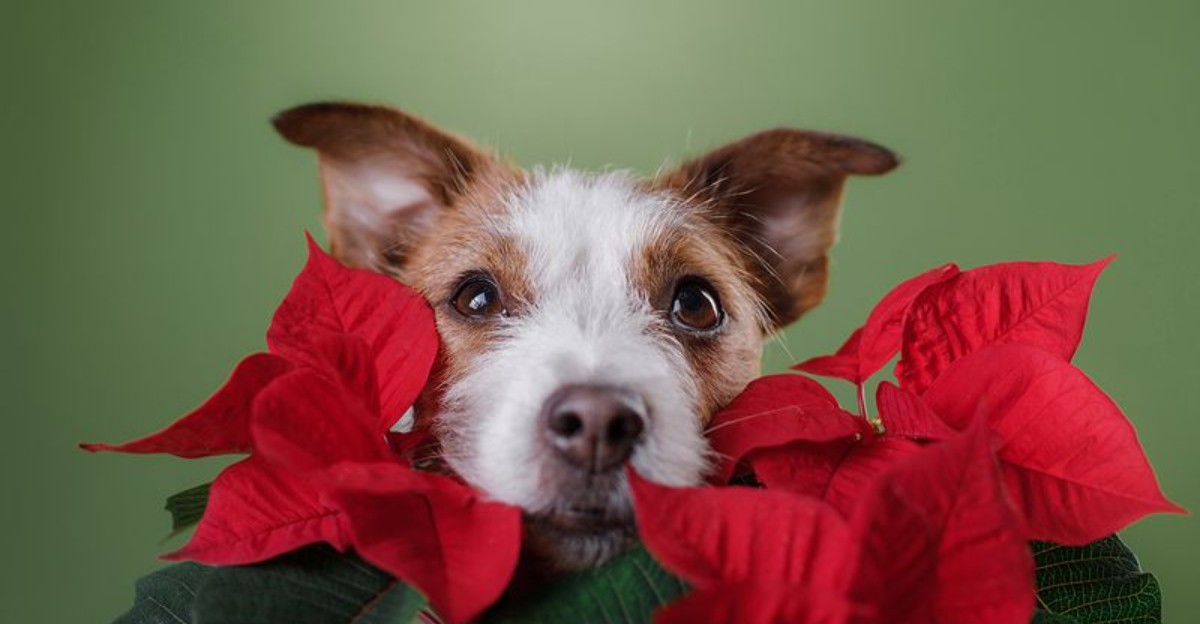
A 1919 rumor about a toddler in Hawaii helped give one famous holiday plant a scary reputation that has lasted more than a hundred years. The story was never proven, yet people still repeat it every December.
Researchers later tested the plant’s leaves on lab animals and found no serious harm, even at large doses. Poison control data backs that up too. Most cases involve nothing worse than a little drool or a cranky tummy.
Truth be told, I used to hide this plant on top of my fridge like it was a ticking clock. My cat had other plans, of course. She treats every new leaf in the house as a personal snack delivery.
If you live in New York, winter means more time indoors with bored pets and festive greenery. So which plants deserve your worry, and which ones just have a bad reputation?
That Bright Red Poinsettia Has Been Carrying an Unfair Reputation
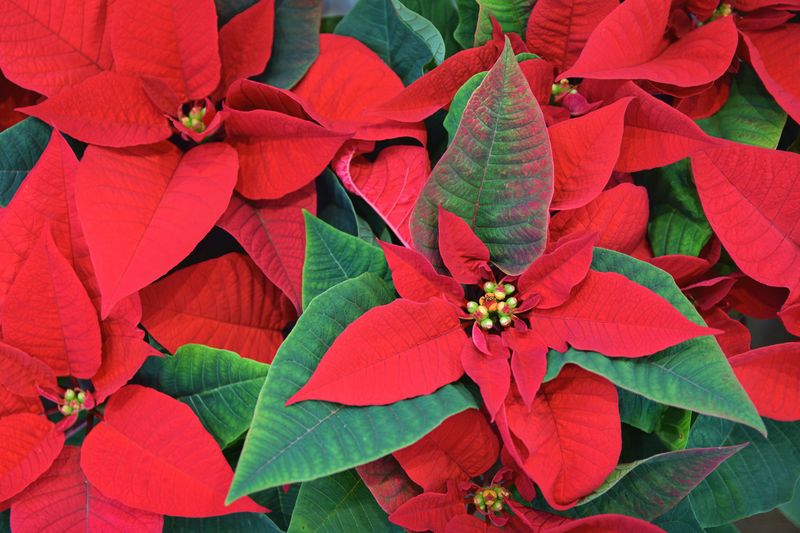
Poinsettias have been blamed for pet emergencies for generations, but the science tells a much calmer story. Most of that fear traces back to an old, unproven tale from the early 1900s.
It stuck around simply because people kept retelling it.
Fast forward to the 1970s, when researchers at Ohio State University fed large amounts of poinsettia material to lab rats. The animals showed no signs of poisoning at all.
Later reviews of poison center calls found similar results in people and pets.
So are poinsettias poisonous? Technically, yes, but only in a very mild way.
The ASPCA lists them as toxic to cats and dogs, yet the expected reaction is usually minor irritation rather than a serious illness.
I like to think of it this way. A poinsettia is more like a hot pepper than a dangerous chemical.
It can sting and annoy, but it rarely causes lasting trouble.
Fun fact for your next holiday party: the plant is named after Joel Roberts Poinsett, the first U.S. minister to Mexico. He brought cuttings home to South Carolina in the 1820s.
Back in Mexico, the plant was already a beloved part of winter celebrations.
Knowing the real story lets you relax a little. You can still enjoy those cheerful red bracts while staying smart about your curious pets.
Milky Poinsettia Sap Is the Real Troublemaker
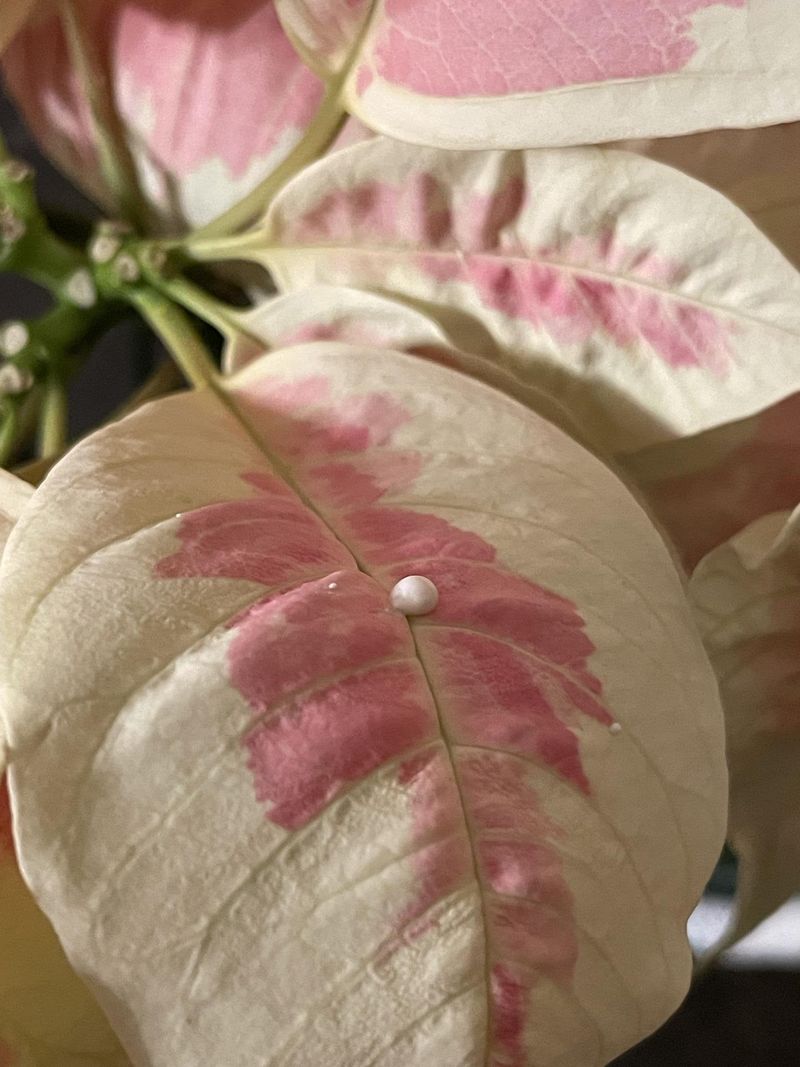
Snap a poinsettia stem and you will see a drop of white, milky sap ooze out. That sticky liquid is the part that causes problems for pets.
It is a family trait shared by many plants in the Euphorbia group.
Inside the sap are compounds called diterpenoid esters, along with soap-like substances. These chemicals irritate skin and the soft tissues inside the mouth.
They do not usually travel through the body and harm organs.
Here is a simple way to picture it. The sap works on contact, a bit like getting soap in your eye.
It feels bad right away, but the effect fades once it is rinsed off or passes through.
The bitter taste helps too. Most cats and dogs take one nibble, make a funny face, and walk away.
That natural turn-off keeps many pets from eating enough to get truly sick.
People can react to the sap as well. If you have a latex allergy, you may notice a rash after handling broken stems, since poinsettias are related to rubber-producing plants.
Wearing gloves while trimming or repotting is a smart habit.
Wipe up any sap that drips onto floors or tables. A paw that steps in it might get licked later, which brings that irritating stuff straight to your pet’s mouth.
Drooling and Lip Licking Are Classic Signs Your Dog Chewed a Poinsettia
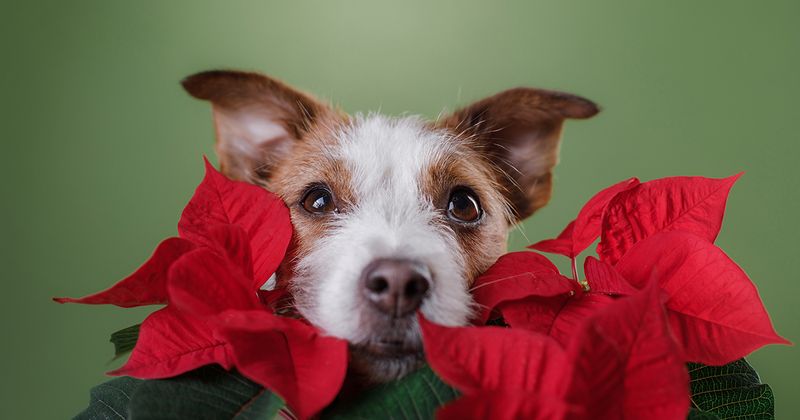
My friend’s beagle once tried a poinsettia leaf and spent the next twenty minutes smacking his lips like he had tasted lemon. That reaction is about as dramatic as things usually get.
Knowing the common signs helps you stay calm and respond quickly.
Watch for these clues after a nibble:
Excess drooling is the most common sign. You may also see pawing at the mouth, lip licking, or head shaking.
Some pets get a little redness around the lips, nose, or eyes where the sap touched skin.
Tummy trouble can follow. Mild vomiting happens sometimes, and diarrhea is less common.
A pet might seem a bit quiet or skip a meal while the irritation settles.
These symptoms often show up within minutes to a few hours. In most cases, they clear up on their own within a day.
Cats can be slightly more sensitive than dogs because of their smaller size.
Keep an eye out for pieces of leaves or bracts on the floor. Torn leaves or chew marks are often the first hint that something happened while you were busy.
Taking a quick photo of the damaged plant is helpful. If you do need to call a vet, that picture can confirm exactly what your pet ate.
Simple Home Care Helps a Cat Bounce Back After Tasting Poinsettia Leaves
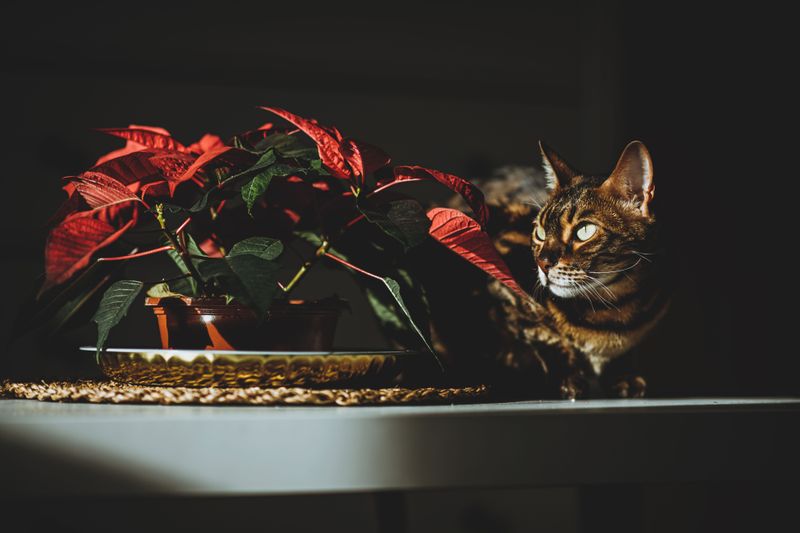
Spotting chewed leaves can make your heart jump, but most pets just need a little gentle care at home. Start by moving the plant out of reach.
Then pick up any fallen bits so nobody goes back for seconds.
Next, check your pet’s mouth. If they will allow it, wipe their gums and lips with a soft, damp cloth to remove leftover sap.
Do not force anything if your cat or dog fights you.
Offer fresh water or a small, tasty treat like a spoon of plain wet food. That helps wash away the bitter taste.
A clean face with a damp cloth can soothe any sap on the skin too.
Do not try to make your pet vomit unless a vet tells you to. Home remedies like salt or hydrogen peroxide can cause more harm than the plant itself, especially in cats.
If your pet throws up, many vets suggest skipping food for a few hours. After that, offer small, bland meals and see how things go.
Then simply watch. Most pets are back to their usual mischief within a few hours.
I find a cozy blanket and a quiet room help nervous pets settle down faster while their tummies recover.
Call Your New York Vet If Vomiting Keeps Going After a Poinsettia Snack

Mild usually means mild, but some situations call for a professional. Persistent vomiting, ongoing diarrhea, or signs of weakness are your cue to pick up the phone.
Dehydration can sneak up fast, especially in tiny pets.
Puppies, kittens, senior animals, and pets with health conditions deserve extra caution. The same goes for anyone who ate a large amount of the plant.
Watch for swelling around the eyes or mouth too.
Here are two numbers worth saving in your phone right now:
The ASPCA Animal Poison Control Center is (888) 426-4435. Pet Poison Helpline is (855) 764-7661.
Both are open 24 hours a day, and a consultation fee may apply.
New York has plenty of 24-hour animal hospitals, from Manhattan and Brooklyn to Long Island, Albany, Rochester, and Buffalo. Look up the closest one before the holidays begin.
Winter storms and holiday traffic can make a last-minute search stressful.
Be ready with details when you call. Share your pet’s weight, what they ate, how much, and when it happened.
That photo of the chewed plant comes in handy here.
Also check that the plant really was a poinsettia. Sometimes a different houseplant is the actual culprit, and that can change the advice you receive.
High Shelves and Plant Stands Keep Poinsettias Away From Curious Paws

Prevention is the easiest win of the season. A poinsettia set on a high shelf or mantel is far less tempting than one sitting on the floor near a food bowl.
Height alone solves a lot of problems.
Cats are a special challenge since they can jump almost anywhere. Try a room your cat does not visit, like a guest room you can close.
Hanging baskets also work well for climbers and jumpers.
Dogs tend to explore with their noses at ground level. Tall plant stands or tabletops usually keep them out of trouble.
A baby gate can block off a festive corner too.
Keep leaves tidy as the season goes on. Poinsettias often drop leaves when they get cold drafts, which is common near New York doors and drafty windows.
Those fallen leaves become easy snacks.
Give your pets something better to chew. A new toy, a puzzle feeder, or a safe chew can redirect bored energy during long winter days indoors.
Some owners try citrus-scented sprays on pots, since many cats dislike the smell. Results vary, so think of it as a bonus layer rather than your main plan.
Good placement still does the heavy lifting.
Lilies, Mistletoe, and Holly Deserve Far More Worry Than Poinsettias
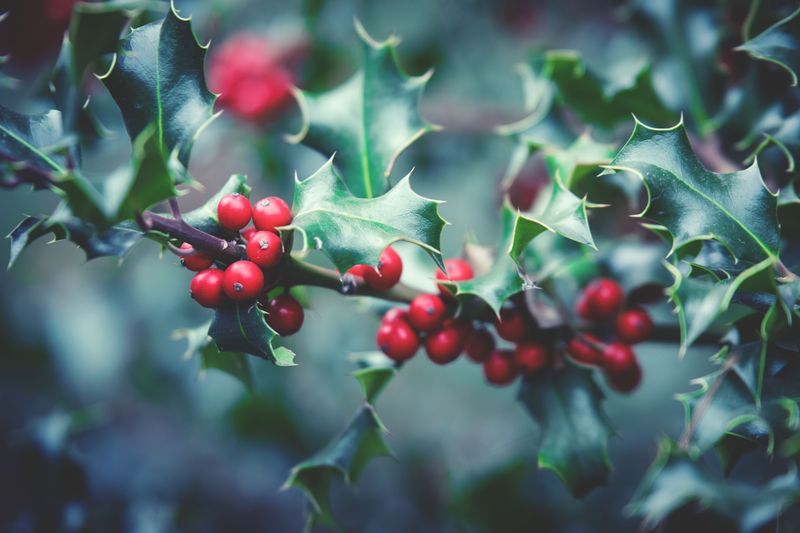
Funny how the poinsettia gets all the blame while the riskier plants slip by unnoticed. A few holiday favorites pose much bigger threats.
Knowing them can make a real difference.
Lilies top the list for cat owners. True lilies, including Easter lilies and the stargazers often tucked into winter bouquets, can cause sudden kidney failure in cats.
Even pollen licked off fur or water from the vase can be dangerous, so call a vet right away if exposure happens.
Mistletoe is another one to watch. The berries and leaves can cause vomiting and diarrhea, and large amounts may affect heart rate and blood pressure.
Hang it high or choose a fake version.
Holly berries and spiky leaves often lead to drooling, vomiting, and diarrhea. The sharp leaf edges can also scratch a pet’s mouth.
Amaryllis bulbs, popular as gifts in December, can cause stomach upset and drooling. The bulb is the most troublesome part.
Keep it covered or out of reach.
Do not forget the tree. Pine needles can upset stomachs, and tree water may hold fertilizer or bacteria.
Covering the stand helps a lot.
Before bringing new greenery home, look it up on the ASPCA toxic plant list. It takes less than a minute.
Pet-Friendly Holiday Plants Like Christmas Cactus Bring Cheer Without the Stress
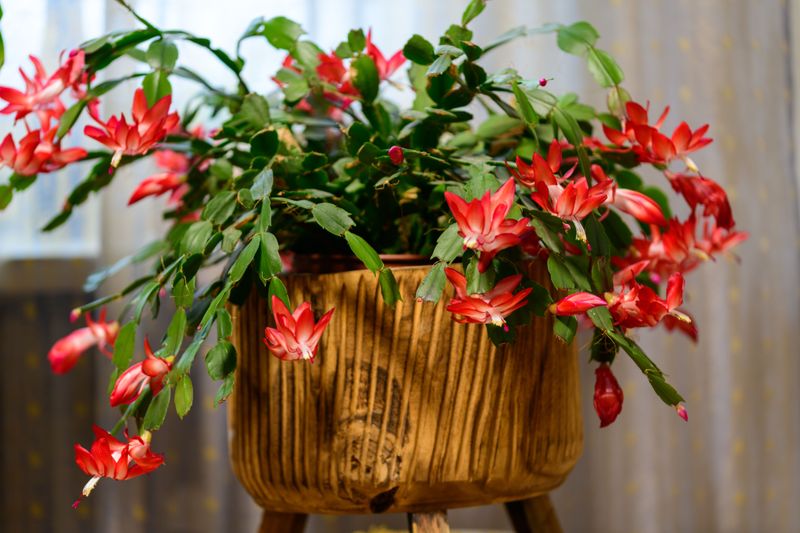
Love festive color but want fewer worries? Several cheerful plants are listed as nontoxic to cats and dogs by the ASPCA.
They can sit beside your poinsettia or replace it entirely.
Christmas cactus is a favorite in my house. It blooms in pink, red, or white and lasts for years with simple care.
A pet may get a small tummy upset from munching fibers, but it is not considered toxic.
African violets, Boston ferns, spider plants, and moth orchids are other safe choices. Rosemary trimmed into a tiny tree shape smells wonderful and looks festive on a kitchen counter.
Still keeping a poinsettia? Give it bright, indirect light and steady room temperatures between about 60 and 70 degrees.
Water when the top of the soil feels dry, and remove any foil sleeve so water can drain.
Poinsettias are tropical and cannot handle New York winters outdoors. Bring them home wrapped, since even a short walk in freezing air can cause leaf drop.
My takeaway is simple. Enjoy your poinsettia, place it wisely, and save your real concern for lilies and mistletoe.
Keep those poison hotline numbers handy, and your holidays can stay bright for everyone, whiskers and wagging tails included.