The November Cleanup Jobs North Carolina Gardeners Should Finish This Week
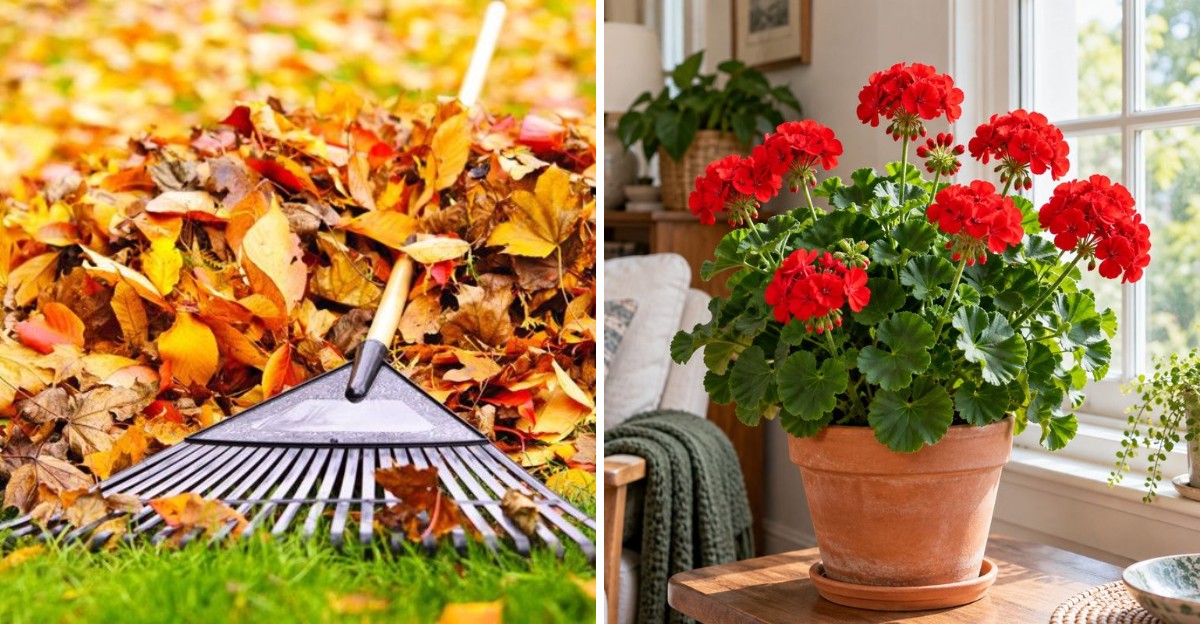
A single oak tree can drop hundreds of thousands of leaves in one autumn, and most land right where you mowed. In North Carolina, that leafy blanket often arrives just as the first hard frost creeps across the yard.
Here’s something worth knowing about this busy month in the garden: timing matters more than muscle. A few quiet chores now can spare you broken hoses, rusty pruners, and sickly beds come April.
I’m always surprised by how fast the season turns, because one weekend feels mild and the next feels raw. You can see why so many gardeners in North Carolina rush around once the frost warnings start showing up.
The way I see it, cleanup should feel useful rather than frantic, and a little planning makes that possible.
So which jobs truly deserve your attention before the cold settles in for good?
1. Rake And Shred Fallen Oak Leaves For Mulch
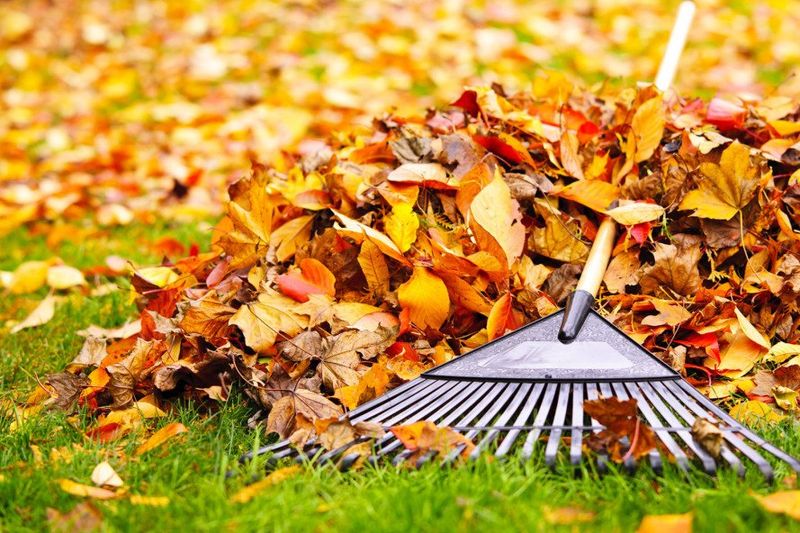
Crunchy leaves under your boots sound wonderful, but a thick soggy layer can smother lawn grass surprisingly fast. Heavy mats hold moisture against the turf and invite fungal trouble, so clearing them makes real sense right now.
I like raking piles into rows and running the mower over them a few times before bagging anything. Shredded pieces break down much faster than whole leaves, and they rarely form those slick, airless mats that block water.
Spread a thin layer of shredded leaves across garden beds, keeping them a few inches away from plant crowns. That cozy blanket helps insulate roots during cold snaps and slowly feeds the soil as earthworms pull it under.
Extra leaves belong in the compost pile, where they act as the brown carbon ingredient most piles badly need. Mix them with green kitchen scraps or grass clippings, and you will have rich, crumbly compost by late spring.
Here’s a small tip that saves my back each fall: rake when leaves are dry and the wind stays calm. Wet leaves weigh more than you expect, and breezy afternoons seem to undo half an hour of careful work.
Warm-season lawns like Bermuda and zoysia are heading toward winter dormancy, so they cannot recover quickly from heavy shading. Light, regular raking during these weeks protects the grass and still gives you plenty of free mulch for later.
Honestly, I think of fallen leaves as a gift that simply arrives in the wrong spot each autumn. Moving them a few feet, from lawn to bed, turns a chore into one of the smartest garden upgrades around.
2. Pull Frosted Tomato Vines And Spent Annuals
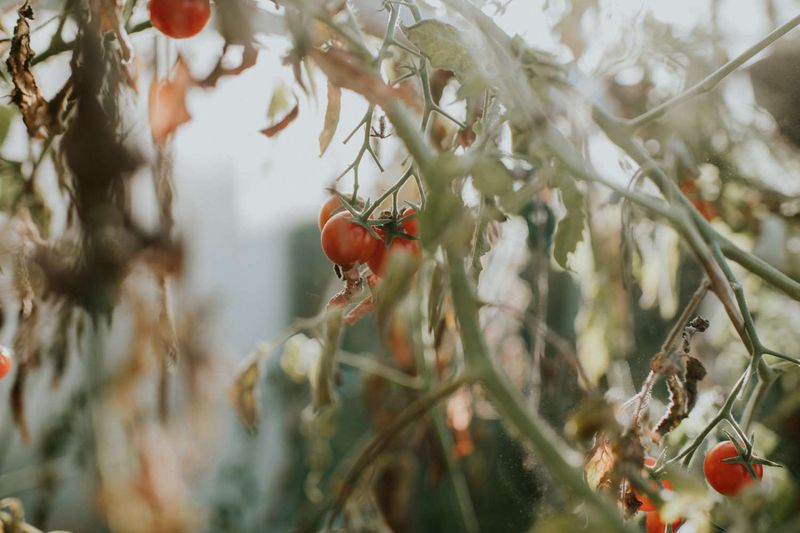
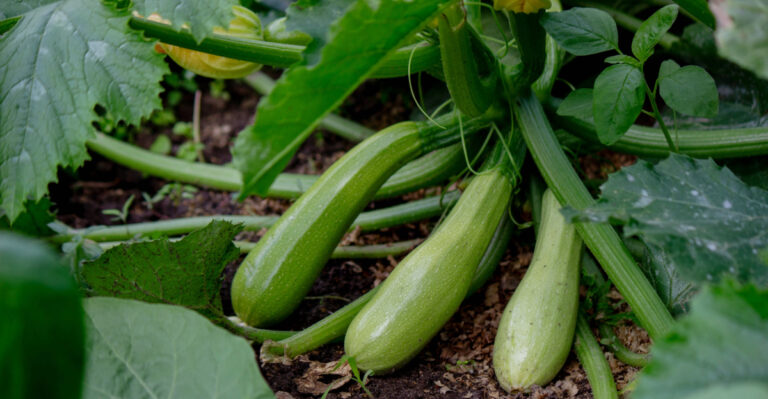
Blackened tomato vines drooping over their cages tell you the growing party has officially ended for the year. Once frost hits, those slumped plants become cozy winter hideouts for fungal spores and overwintering pests.
Pull out spent annuals like zinnias, marigolds, and summer vegetables, roots and all, while the soil still feels workable. Shake loose soil back into the bed, since that topsoil took years to build and deserves to stay put.
Diseased plants need special care, so bag anything with spotted leaves, mildew, or blight and put it in the trash. Most home compost piles do not get hot enough to reliably break down those pathogens before spring arrives.
Perennials are a different story, and I happily leave many sturdy stems standing through the colder months. Coneflower and black-eyed Susan seed heads feed goldfinches, while hollow stems shelter native bees waiting for warmer days.
Cut back only perennials with mushy, collapsed foliage or known disease problems, like peonies and bee balm with powdery mildew. Healthy ornamental grasses and sedums can wait until late winter, when fresh growth starts pushing up from the base.
Weeds deserve a final sweep too, especially cool-season troublemakers like henbit and chickweed sprouting in bare patches. Pulling them now, before they flower, saves you from thousands of seeds scattering across beds next spring.
When I finish this job, the garden looks tidy without feeling sterile, which suits me just fine. Birds keep visiting the seed heads, and I get a calmer start once planting season rolls around again.
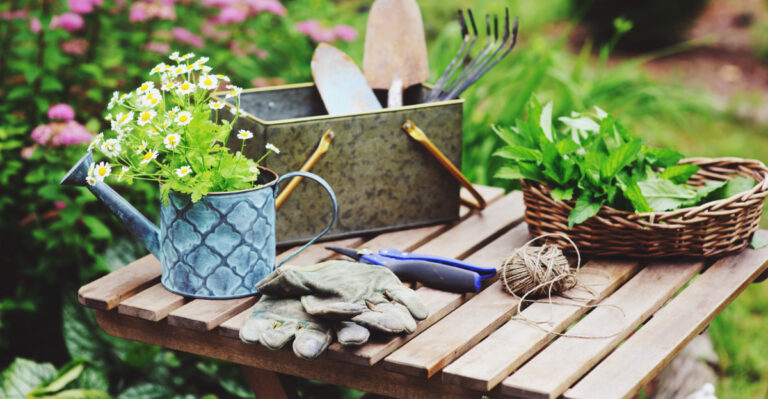
3. Clean And Oil Pruners, Shovels, And Trowels
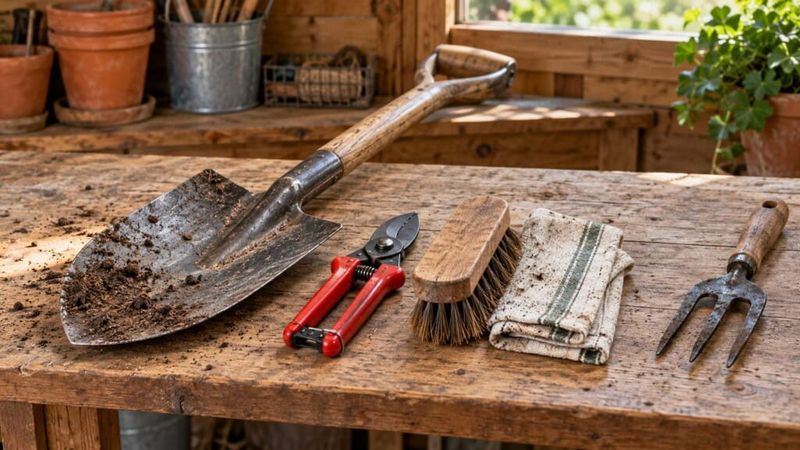
Nothing ruins a sunny spring morning quite like grabbing pruners and finding the blades frozen shut with orange rust. A quick tool session in late fall prevents that frustration and honestly feels oddly satisfying once you start.
Begin by knocking caked soil off shovels, hoes, and trowels with a stiff brush or a blast from the hose. Dry everything thoroughly with an old towel, because trapped moisture is exactly what rust loves during long storage.
Next, sharpen pruners and loppers with a small file or sharpening stone, following the original angle of each blade. Sharp edges make cleaner cuts, which helps plants heal faster and makes your hands far less tired.
Wipe a light coat of mineral oil or vegetable oil across metal surfaces to create a simple moisture barrier. Some gardeners keep a bucket of sand mixed with oil, plunging shovels in to clean and coat them together.
Wooden handles enjoy attention too, so sand rough spots and rub in a little boiled linseed oil if they look dry. Splinters are no fun, and cracked handles often snap at the worst possible moment next season.
Gas-powered mowers and trimmers need either drained fuel or a fuel stabilizer, depending on what the manufacturer recommends. Old gasoline can gum up carburetors over winter, and repair shops get very busy once spring yard work begins.
I store my cleaned tools hanging on a pegboard in the garage, away from damp floors. Seeing them lined up, shiny and ready, gives me a strange little thrill every single time I walk past.
4. Drain Garden Hoses And Cover Outdoor Spigots
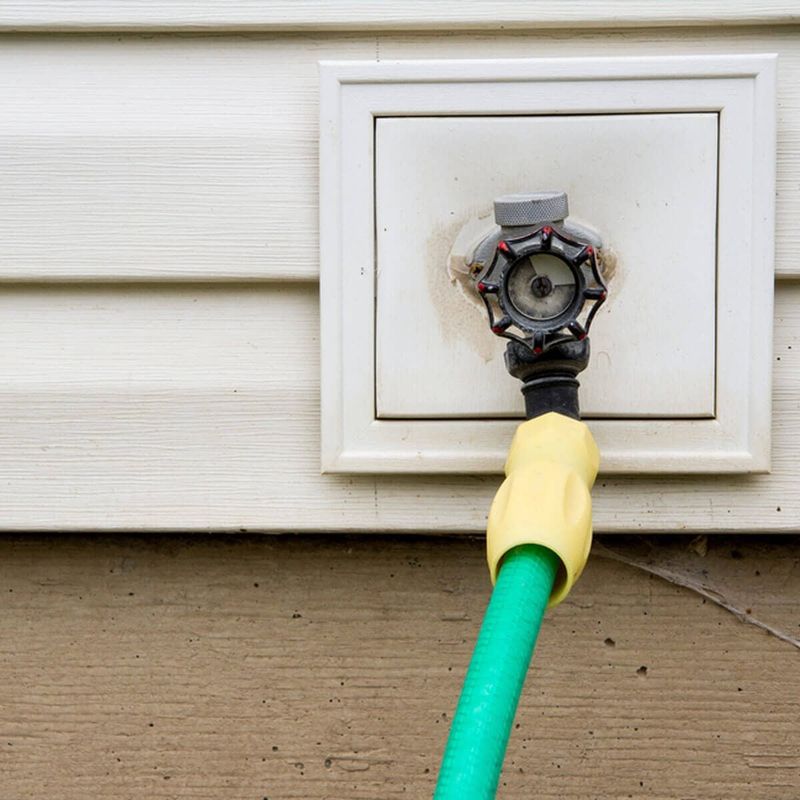
Water expands by about nine percent when it freezes, which explains why forgotten hoses sometimes split open overnight. That same expanding ice can crack outdoor faucets and pipes, leading to repair bills nobody wants around the holidays.
Disconnect every hose from its spigot first, even if the forecast still looks fairly mild for the coming week. A connected hose can trap water inside the faucet, and that trapped water freezes surprisingly fast on clear nights.
Stretch each hose down a gentle slope so the water drains out, then coil it loosely without sharp kinks. Store coiled hoses in a shed, garage, or basement, since sunlight and cold both weaken rubber over time.
Foam faucet covers cost only a few dollars at hardware stores and slip easily over outdoor spigots in minutes. They matter most in the mountains and Piedmont, where hard freezes arrive earlier and tend to last longer.
Many homes also have an indoor shutoff valve for outdoor faucets, often found in a basement or crawl space. Turning that valve off, then opening the outside tap to drain remaining water, adds another solid layer of protection.
Irrigation systems need their own winterizing routine, which usually means shutting off water and clearing lines with compressed air. If that process sounds intimidating, hiring an irrigation professional is often cheaper than replacing cracked pipes and broken heads.
I used to skip this job, figuring our winters were gentle enough to forgive a little laziness. One burst hose bib later, I became a believer, and now it lands near the top of my list.
5. Bring Potted Geraniums Indoors And Mulch New Shrubs
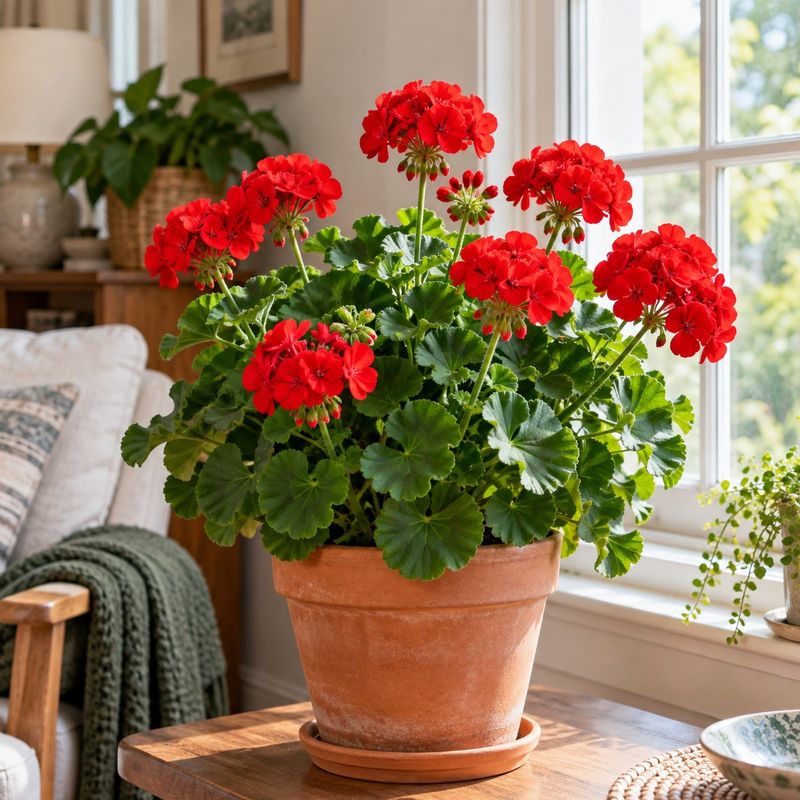
Potted plants feel cold much faster than garden plants, because their roots sit above ground with little insulation. A geranium thriving in a container can suffer badly after one hard freeze that barely bothers nearby shrubs.
Move tender container plants like geraniums, begonias, and tropical hibiscus indoors before temperatures dip toward freezing. Check leaves and soil for hitchhiking pests first, since aphids and spider mites love warm living rooms during winter.
Find the brightest window you have, ideally facing south, and water sparingly while growth slows down for the season. Most overwintering plants prefer slightly dry soil indoors, and soggy pots often lead to root rot problems.
Outdoors, newly planted trees, shrubs, and perennials appreciate a two to three inch layer of mulch. Pine straw is a classic choice across the Southeast, though shredded leaves and bark chips work just as well.
Keep mulch a few inches away from trunks and stems, creating a doughnut shape rather than a volcano. Mulch piled against bark holds moisture and can invite rot, while also giving voles a sneaky hiding place.
I also keep old bedsheets and frost cloth folded near the back door for sudden cold nights. Draping them over tender plants in the evening, then removing them the next morning, can save delicate foliage.
What I find interesting is how much difference these small steps make by spring. Plants that spent winter cozy and protected often leaf out faster, bloom sooner, and settle into the garden with fewer setbacks.
6. Mail A Soil Sample To The NC Department Of Agriculture Soil Lab
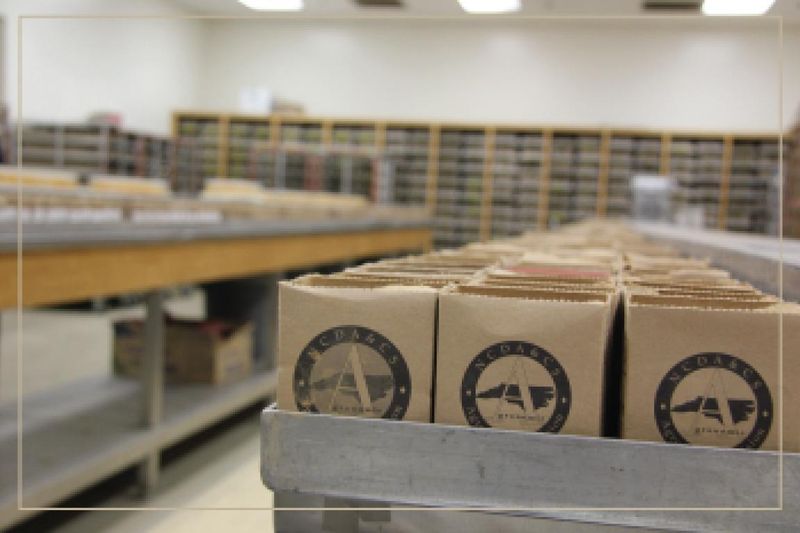
Most gardeners guess what their soil needs, but this state offers a better option than guessing every spring. The North Carolina Department of Agriculture soil lab tests home samples for free during much of the year.
Fees typically apply during the busy late fall through early spring season, so mailing samples soon can matter. Check the department website or your local NC Cooperative Extension office for current dates, boxes, and submission forms.
Collect soil from several spots in one area, digging about four to six inches deep for gardens and lawns. Mix those small samples together in a clean bucket, then fill the sample box with that blended soil.
Keep separate samples for different areas, because vegetable beds, flower borders, and lawns often need very different care. Label each box clearly, since mixing them up makes the results much harder to understand later.
Many soils across the Piedmont and coastal regions run naturally acidic, so lime often shows up on reports. Lime works slowly, which is exactly why applying it in fall gives it time to adjust pH before planting.
While you wait for results, give your compost pile a good turn with a garden fork. Mixing in air and fresh leaves keeps the pile working, even as cooler weather slows the microbes down.
I could be wrong, but I think soil testing is the most underrated chore of the entire year. Spending a few minutes now often means fewer wasted fertilizer dollars and happier plants when spring planting finally begins.