These Strange-Looking Flower Buds Fool Arizona Gardeners Into Thinking Something’s Wrong
A spiny desert shrub can drop every leaf and regrow a full set within days after a good soaking rain. Most newcomers watching those bare gray canes assume the poor thing has given up for good.
Arizona plants play by strange rules, with buds that sprout from naked stems or open only after dark. Some flowers even hide their real petals behind showy stand-ins that look a little unfinished to our eyes.
I have to admit I nearly yanked a few of these out myself before I learned what was happening. You might notice the same panic creeping in when October arrives and half your yard looks sound asleep.
Across Arizona, these odd habits help native plants survive brutal heat while feeding hummingbirds and night-flying bats. So which weird bud in your garden is quietly fooling you right now, and what should you do about it?
1. Ocotillo
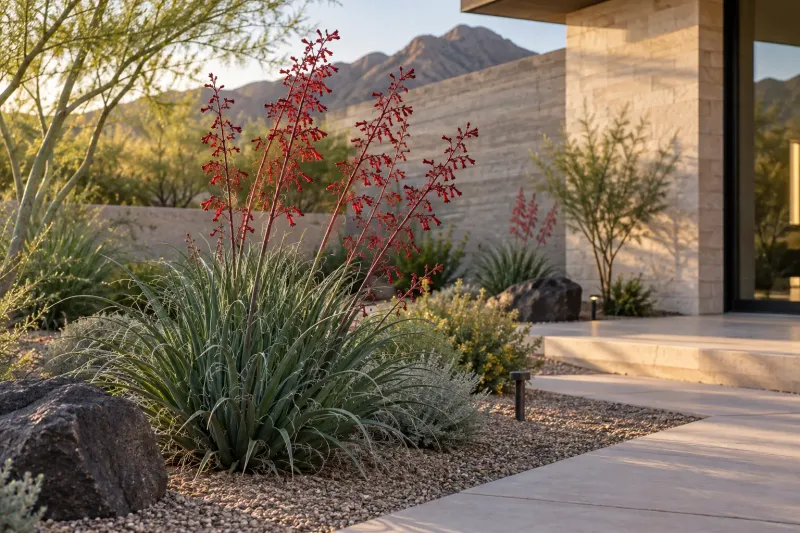
Bare, thorny canes poking out of gravel look like someone planted a bundle of old fishing poles by mistake. Then a single good rain arrives, and tiny green leaves cover every stem within a matter of days.
Ocotillo is drought-deciduous, so it drops its leaves during dry spells to save moisture for the long haul. I love how it can repeat that leafy cycle several times a year whenever the clouds cooperate.
The flower buds form at the very tips of the canes and look like tight red spikes at first. Many folks assume those knobby tips are damaged or diseased, but they soon open into bright tubular blossoms.
Hummingbirds rely on that nectar during spring migration, and carpenter bees happily join the feast as well. Desert birds also tuck themselves among the spiny stems for shelter from hawks and other predators nearby.
In October, your ocotillo may look leafless and gray, which is perfectly normal for this time of year. Skip extra watering, since soggy soil causes far more trouble than drought, and trim only broken canes.
2. Saguaro
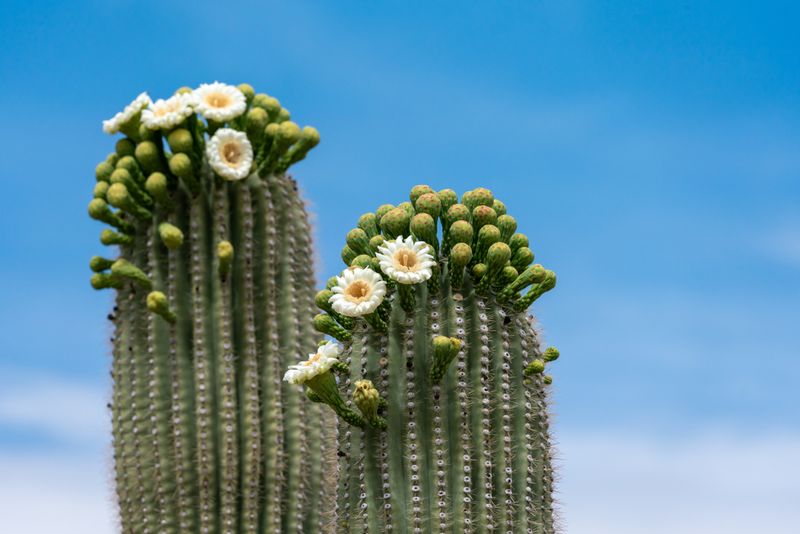
Plenty of saguaro owners swear their giant cactus has not bloomed in years, yet the flowers simply opened while everyone slept. Those big waxy white blooms unfurl after sunset and usually close by the following afternoon.
Before opening, the buds cluster around the crown like green knobs that some people mistake for odd growths. Personally, I think they resemble a crown of fat little pinecones perched on top of a tall column.
Lesser long-nosed bats visit at night to sip nectar, carrying pollen from one cactus to the next. White-winged doves take over the daytime shift, which makes this cactus a busy diner for desert wildlife.
Blooming usually happens in May and June, so October is a quiet season for admiring that sturdy form. Saguaro blossom is also the official state flower, which gives these nighttime blooms some serious local bragging rights.
Young saguaros grow painfully slowly and prefer full sun with fast-draining soil and very little supplemental water. Use a flashlight next spring and check the crown after dark, because you might catch a show worth staying up for.
3. Southwestern Coral Bean
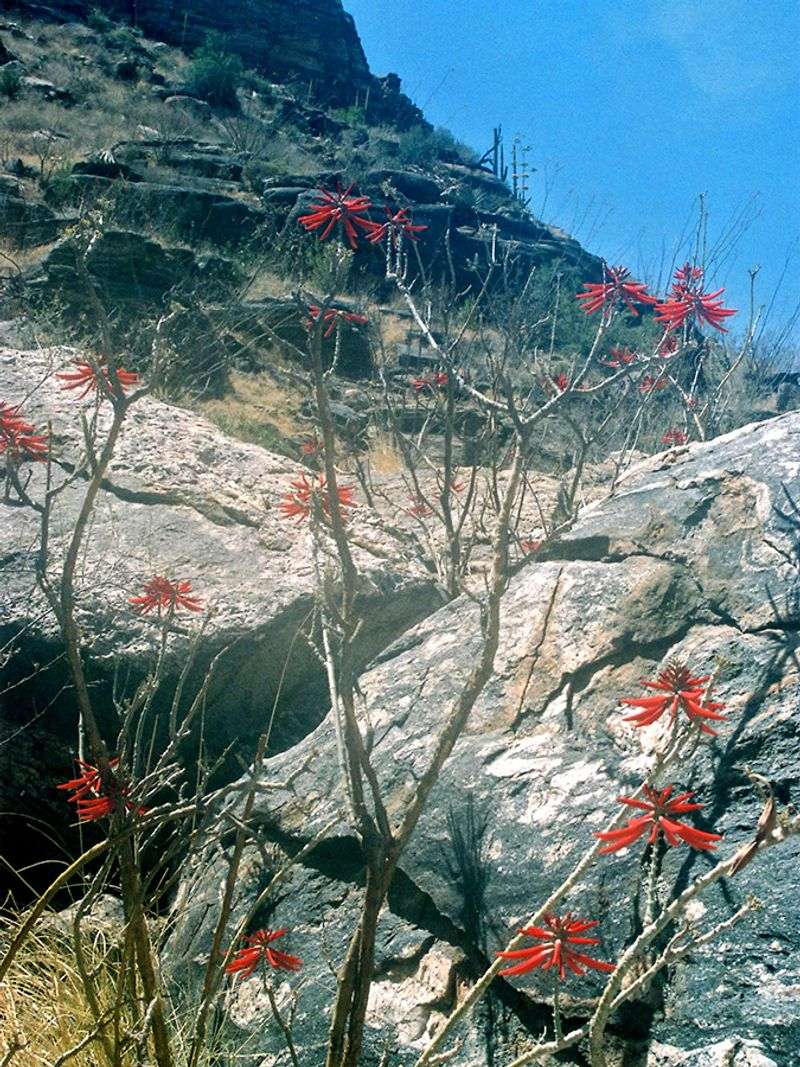
Scarlet flower spikes bursting from naked brown branches feel almost backward, like a party starting before the guests arrive. Southwestern coral bean often blooms in late winter or spring before a single leaf shows up.
For much of the year, this shrub stands leafless, and newcomers worry it has simply stopped growing. You need some patience here, because those bare twigs are quietly storing energy for that dramatic early show.
Hummingbirds adore the narrow red tubes, and the plant also hosts several moth caterpillars during warmer months. I like how such a scruffy-looking shrub turns into a nectar station that tiny birds visit again and again.
Safety matters with this one, since every part is toxic, especially the glossy red seeds inside the pods. Plant it away from play areas if children or curious pets spend time in your backyard.
By October, leaves are dropping and dry seed pods may dangle from the branches like little brown ribbons. Protect young plants from hard freezes below about 26 degrees, since next year’s flowers form on undamaged older stems.
4. Desert Anemone
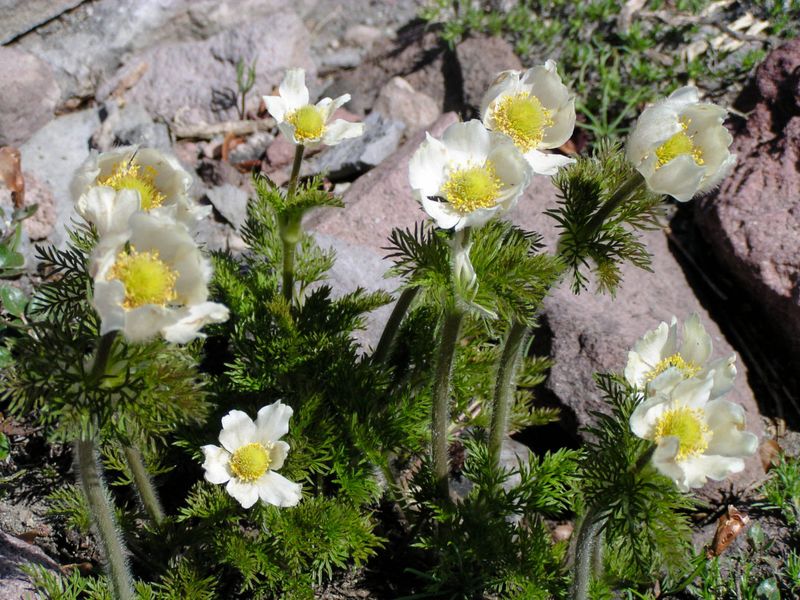
Delicate pale blooms that seem to be missing their petals can make any gardener squint in confusion. Desert anemone actually has no true petals, so those soft white or pinkish parts are colorful sepals instead.
The nodding buds look fuzzy and a bit lopsided before opening, which convinces some folks that frost nipped them. What surprises me most is how elegant the finished flower looks once those sepals finally spread wide.
Also called tuber anemone or desert windflower, it grows wild on rocky slopes and mesas across much of the state. It rises from an underground tuber, so the plant can vanish above ground for months at a time.
Flowers usually appear from February through April, followed by fluffy seed heads that drift away on breezy afternoons. Summer brings dormancy, and the foliage fades so completely that people sometimes dig up the spot by accident.
Right now in October, the tuber should be resting quietly in gritty, well-drained soil that stays nearly dry. Mark its location with a small stone so you remember where those odd spring buds will emerge later.
5. Trailing Four O’Clock
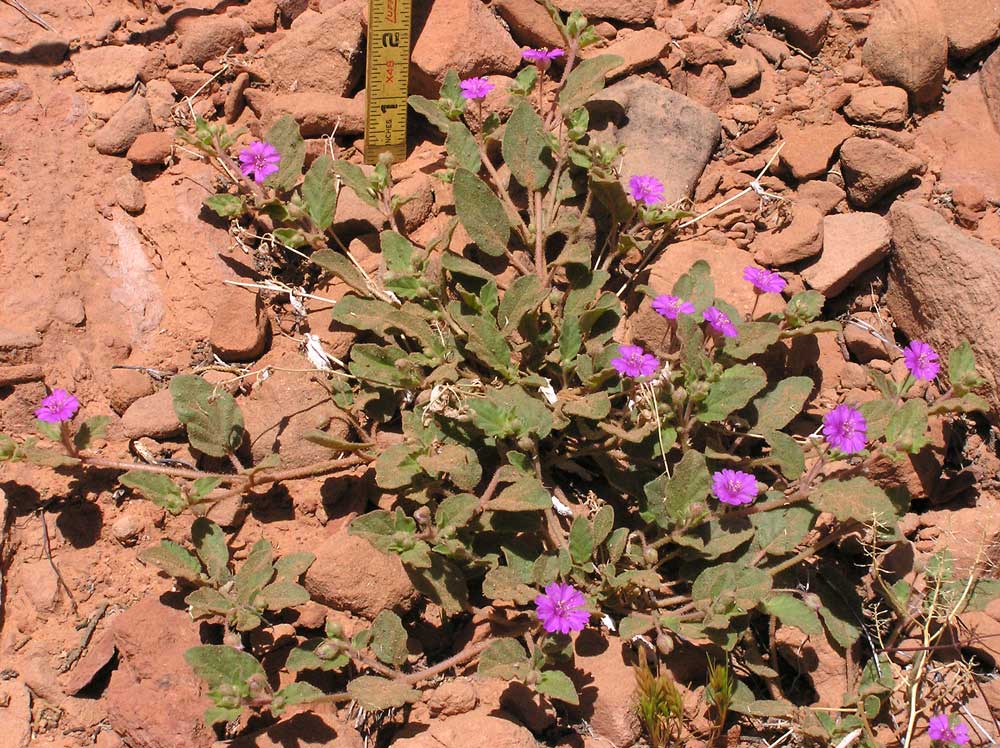
Count the petals on one magenta bloom, and you might feel like your eyes are playing tricks on you. Each apparent flower on trailing four o’clock is really a tight cluster of three smaller flowers.
Some people call it trailing windmills, which fits the pinwheel look of those bright little clusters perfectly. The buds hide together inside one bract, so they open as a single shape that fools almost everyone.
Its stems and leaves feel sticky because glandular hairs coat the surface, and sand often clings to them. Folks spotting gritty, crusty leaves sometimes suspect a pest problem, yet that sandy coating is completely natural for this plant.
Blooms appear on and off from spring into fall, especially after generous summer monsoon rains soak the ground. You might still see fresh flowers in October, attracting bees and other pollinators to your rock garden.
Give it full sun and sandy or gravelly soil, then mostly leave it alone once it settles in. Too much water invites root rot, so let rainfall handle the job whenever possible during cooler months.
6. Arizona Jewelflower
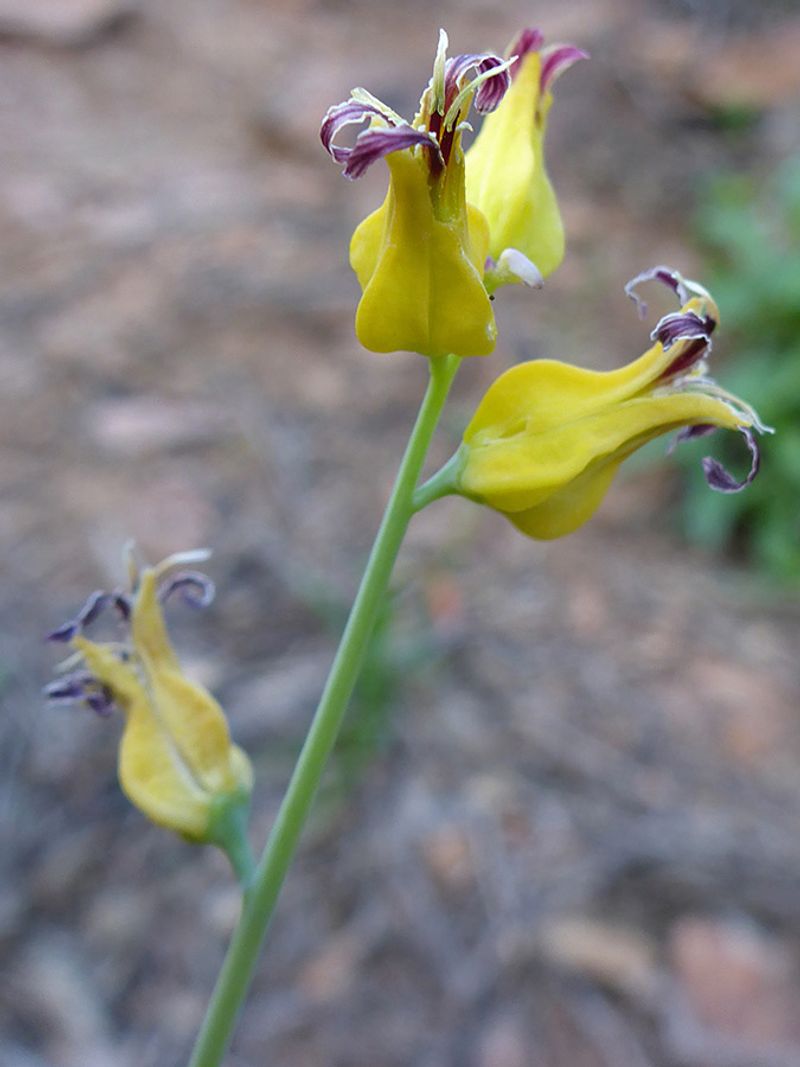
Tiny urn-shaped flowers that look half-opened can leave you wondering if the plant forgot to finish blooming. Arizona jewelflower wraps its blossoms in four prominent sepals, while the smaller petals curl just past the edges.
That swollen, closed look makes the buds seem stuck, but the flower is fully open and ready for visitors. I believe it ranks among the quirkiest members of the mustard family growing anywhere in the desert Southwest.
Early in the season, the low rosette of leaves resembles common weeds, so it often gets pulled by mistake. Learn its bluish, slightly lobed foliage now, and you will spare yourself that painful springtime regret.
This cool-season annual feeds early pollinators and serves as a larval host for the Sara orangetip butterfly. Letting a few plants go to seed means fresh seedlings will pop up on their own next year.
October is an ideal planting window, so scatter seed or tuck in small starts in sunny or bright spots. Water regularly while plants are actively growing, then let winter rains carry most of the load afterward.
7. Night-Blooming Cereus
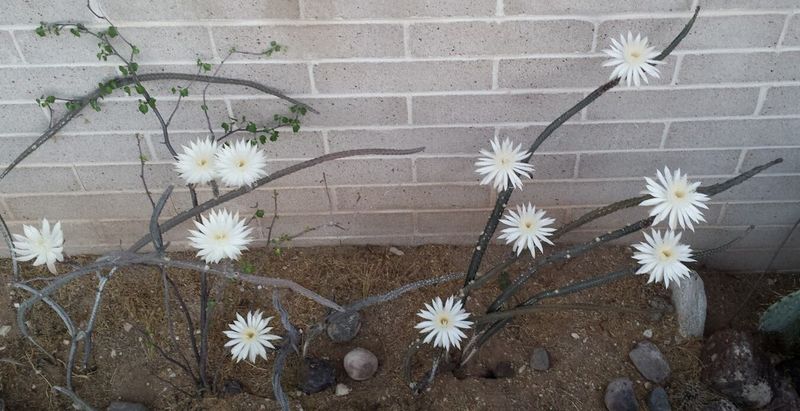
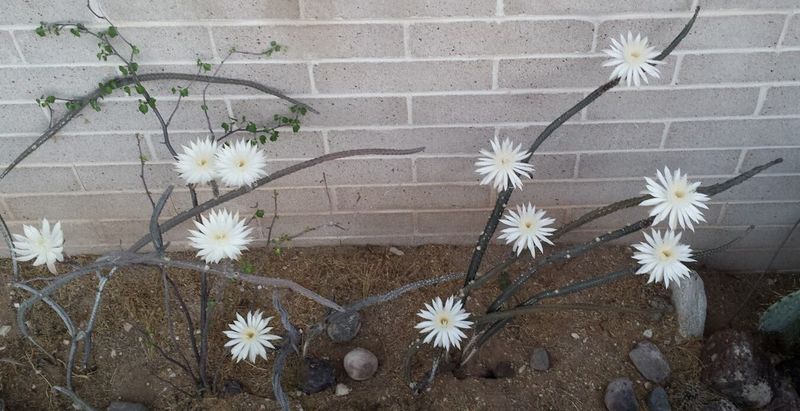
Most of the year, this cactus looks like a handful of dried gray twigs leaning against a desert shrub. Plenty of gardeners walk right past it, never guessing a spectacular bloom is hiding in those sticks.
Peniocereus greggii stores water in a large underground tuber, which explains why the visible stems stay so skinny. Its slender buds stretch out slowly for weeks, looking like odd pale fingers sprouting from scraggly branches.
Then on a warm night, usually in late spring or early summer, the big white flowers open after dark. Many plants in one area tend to bloom on the same night, earning it the name queen of the night.
The sweet fragrance draws hawkmoths, which handle pollination while most people are fast asleep indoors. You’re in for a big surprise if you ever stumble upon a patch of open blooms on a calm evening.
In October, simply leave the stems alone and resist the urge to clear them away as yard debris. Plant it beside a nurse shrub with fast-draining soil, and keep supplemental water very light through winter.
8. Desert Milkweed
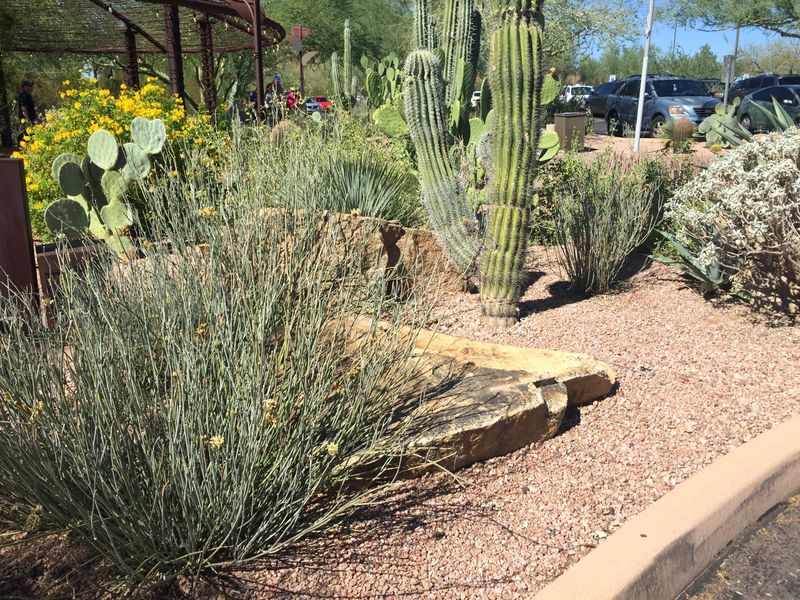
A clump of skinny, leafless green stems might look like overgrown reeds that wandered out of a pond. Desert milkweed sheds its tiny leaves quickly, leaving bare stalks that handle photosynthesis all by themselves.
Its pale yellow buds form round clusters that look more like beads than flowers before they open. When they unfold, each bloom shows a curious little crown shape that seems designed by a tiny jeweler.
Monarch and queen butterflies lay eggs on milkweeds, and the caterpillars munch the stems without harming the plant long-term. I love how a plant so plain from across the yard becomes a busy butterfly nursery up close.
Aphids sometimes gather on the stems, but a gentle spray of water usually manages them without chemicals. Avoid pesticides near milkweed, since they also harm the caterpillars you are trying to support in the garden.
Flowers can appear from spring through fall, so October may still bring a few late clusters to enjoy. Plant it in full sun with well-drained soil, and water deeply but rarely once roots get established.
9. Parry’s Agave
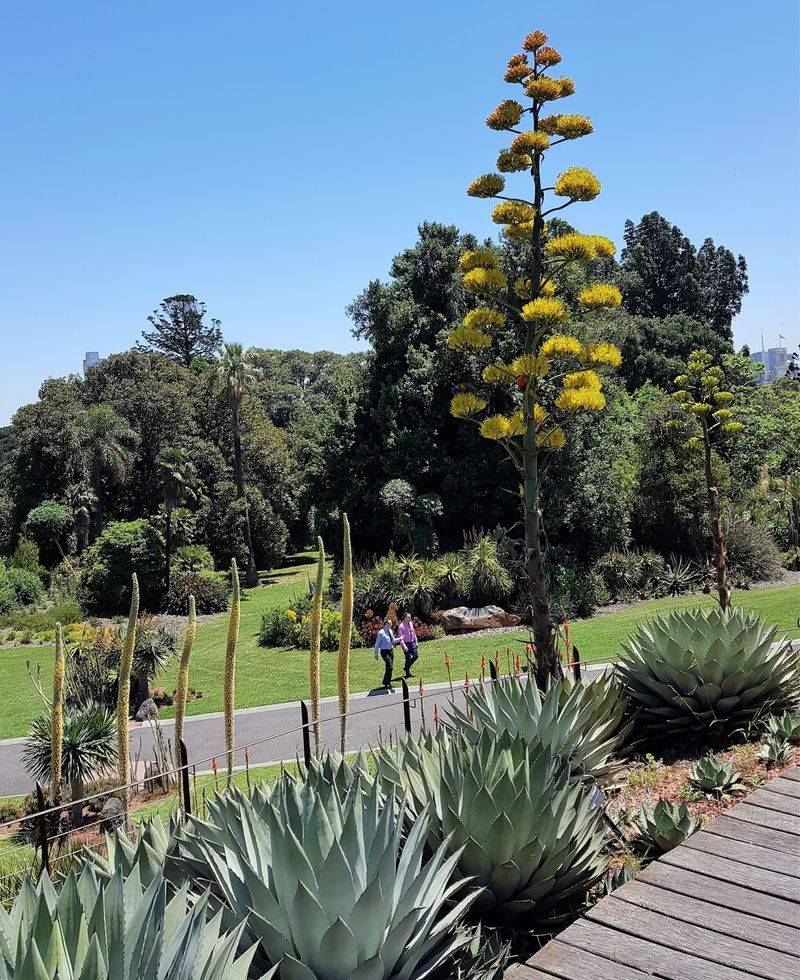
One morning you step outside, and a giant asparagus spear has shot up from the middle of your agave. That towering bud can grow surprisingly fast, sometimes adding inches per day during its main growth spurt.
Parry’s agave spends many years as a compact silvery rosette before putting all its energy into flowering. The stalk eventually branches into golden-yellow flower clusters that look a bit like candelabras against the sky.
Here is the part that upsets people, because the mother rosette declines after blooming and slowly withers away. It is a natural ending, not a disease, and the plant often leaves small pups around its base.
Bats, bees, and hummingbirds visit those tall flowers, so the final show feeds a lot of hungry neighbors. Personally, I think watching that stalk rise is one of the most exciting events in any desert garden.
October is a fine time to transplant pups into fresh spots with full sun and gritty, fast-draining soil. Hardy into colder high-desert areas, this agave suits gardens from Phoenix up toward the Prescott region.
10. Fishhook Barrel Cactus
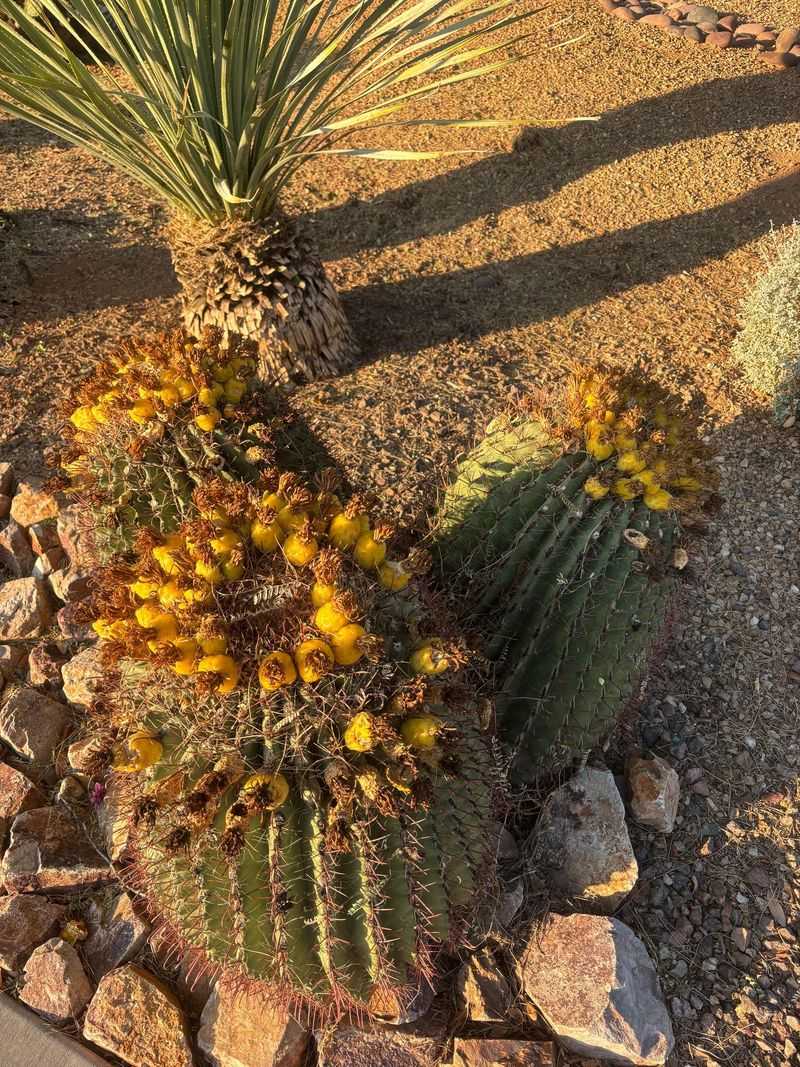
A ring of yellow knobs crowning a barrel cactus in fall often looks like some strange growth or infection. Those knobs are actually ripe fruits left over from the late summer flowers, and they can persist for months.
Fishhook barrel cactus earns its name from the curved central spines that grab sleeves with surprising enthusiasm. Its buds also form in a tidy circle on top, opening into orange, red, or yellow cup-shaped blooms.
Many barrels lean toward the south as they age, which is why some people call them compass barrels. That tilt is normal, though very tall specimens can eventually topple if roots sit in loose soil.
Javelinas, squirrels, and deer nibble the fruits, while birds pick at the seeds tucked inside each one. I can’t imagine a better snack bar for desert wildlife than a cactus wearing a crown of fruit.
In October, enjoy those fruits rather than removing them, since they add color through the cooler months. Water sparingly, provide full sun with excellent drainage, and plant it where passing legs will stay safely away.