No Buds On Your Christmas Cactus Yet? Here’s How To Fix It
High in the misty mountain forests of Brazil, one famous holiday bloomer grows perched on mossy tree branches. It sips rain and humid air instead of roasting in hot sand like the desert plants we expect.
Even stranger, this plant measures the length of each night before deciding when to open its flower buds. A single lamp flicked on at midnight can confuse it and push the colorful show back by weeks.
I used to blame my plant when it produced only a few flowers and mostly green stems. After I tested a few small changes at home, the stubborn plant finally rewarded me with dozens of blooms.
You might notice that most of these tricks cost nothing and take only a few minutes each week. So what small habits separate a plain green houseplant from a holiday centerpiece covered in bright flowers?
1. Check Whether You Own A Thanksgiving Or Christmas Cactus
Plenty of plants sold as Christmas cactus at garden centers are actually Thanksgiving cactus wearing a festive name tag. That mix-up matters because the Thanksgiving type naturally blooms several weeks earlier, often by late November.
Take a close look at the flat stem segments, which botanists call cladodes, and check their edges carefully. Thanksgiving cactus, Schlumbergera truncata, has pointed teeth along each segment that look a bit like tiny crab claws.
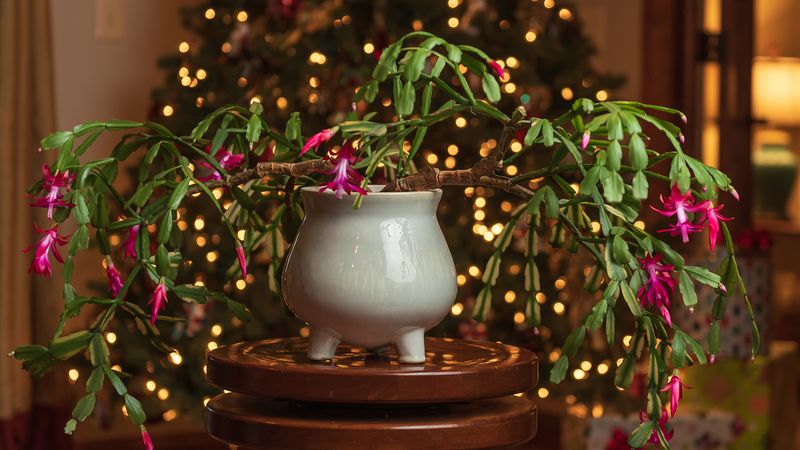
True Christmas cactus, Schlumbergera x buckleyi, has rounded, scalloped edges that feel noticeably softer under your fingertips. Its flowers also hang down more, while Thanksgiving blooms tend to stick out sideways from the stem tips.
I laughed when I finally checked my own plant and discovered it had been the Thanksgiving variety for years. No wonder it kept flowering right as the turkey came out of the oven every single November.
Knowing your type helps you plan the darkness and cool treatments with the right calendar in mind. For a Thanksgiving cactus, starting those routines in September usually gives better odds of colorful flowers by December.
Either plant makes a lovely holiday display, so there is no wrong answer in this little identity check. Both types share nearly identical care needs, which makes the rest of these tricks useful for either one.
2. Give Your Christmas Cactus Long Dark Nights In October
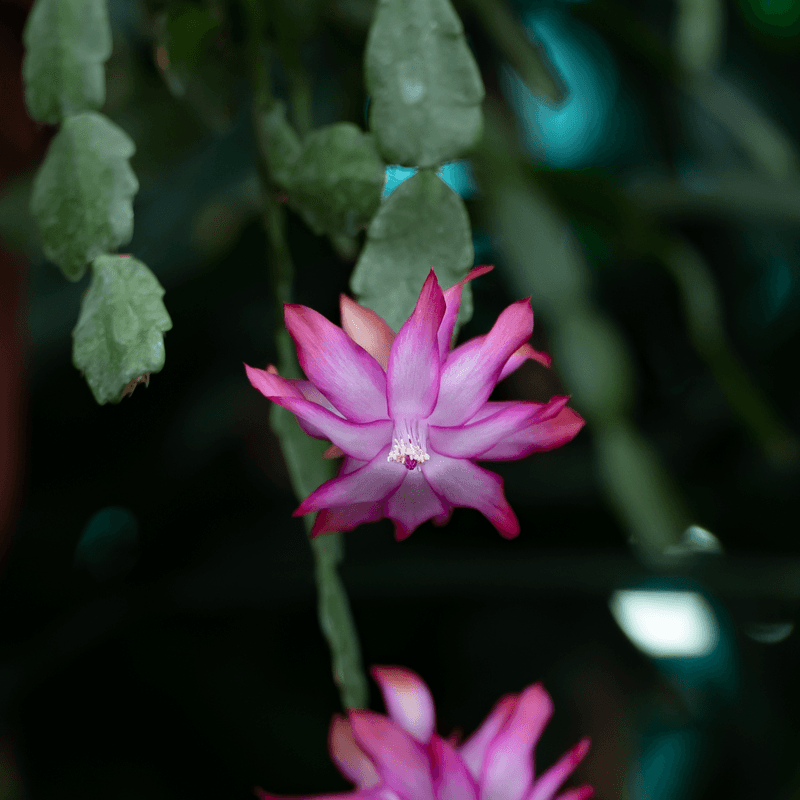
Your holiday cactus is secretly a night owl, and it decides when to bloom by counting hours of darkness. Once fall nights stretch past about twelve hours, the plant gets the signal that flower season is near.
University extension experts suggest giving the plant twelve to fourteen hours of uninterrupted darkness each night for about six weeks. Starting in early October gives buds enough time to form and open right around the December holidays.
I move mine into a spare bedroom that nobody uses after sunset, and it works like a charm. A closet works too, as long as you bring the plant back into bright light every morning.
Even a short burst of lamp light or a glowing porch light through the window can interrupt the process. Think of it like waking someone up repeatedly during the night and expecting them to feel rested.
Some gardeners cover the plant with a cardboard box each evening, which is a handy trick for small homes. Just remember to remove the box each morning so the stems still get their daily dose of light.
Once you spot tiny pink or red buds at the stem tips, the strict darkness routine can relax. Those little nubs mean your patience worked, and the plant is now busy building its holiday show.
3. Let Cool Autumn Nights Chill Your Cactus Into Bloom
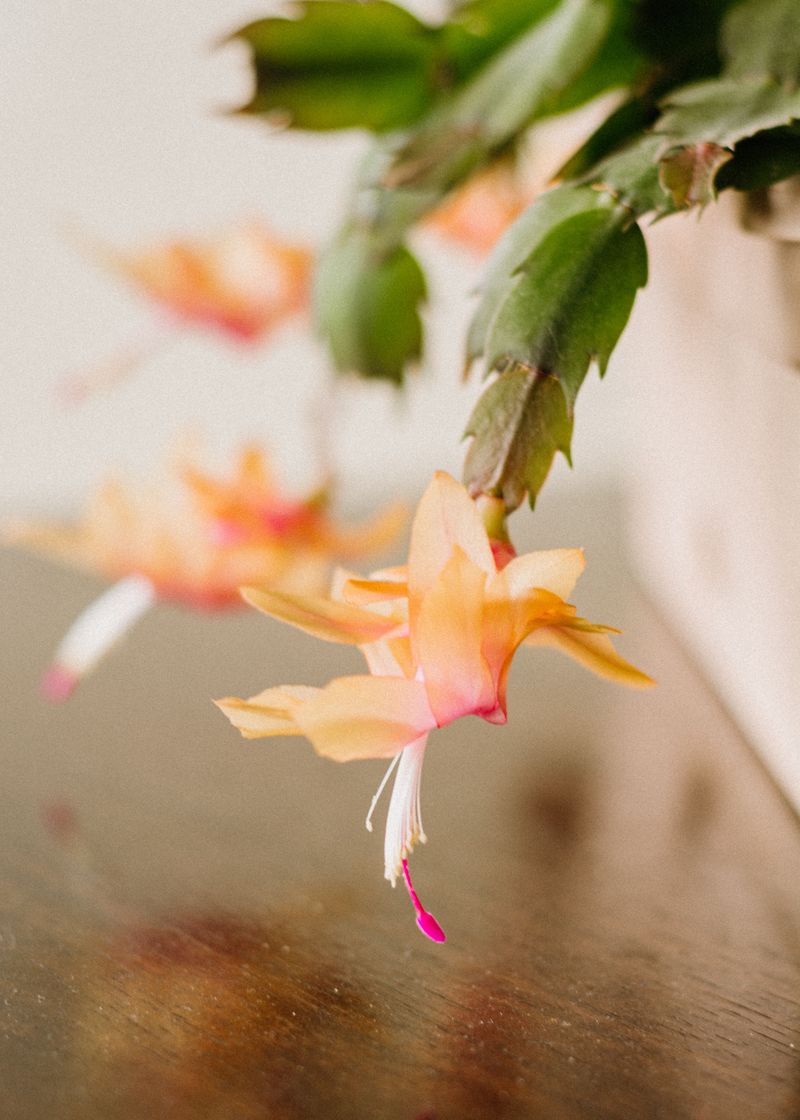
A chilly room might feel unpleasant to you, but your cactus treats cool nights like a wake-up call. Temperatures between about 50 and 55 degrees Fahrenheit at night encourage buds to form surprisingly fast in autumn.
Several extension sources note that steady cool nights can trigger blooming even when the darkness routine is less strict. Warmer rooms around 60 to 65 degrees make those long dark nights much more important for success.
My chilly back porch room became the favorite fall hangout for my cactus once I figured this out. An unheated sunroom or a cool basement window can also do the job nicely for several weeks.
Keep a close eye on the thermometer, though, because frost can harm this tropical plant very quickly. If you leave it outdoors in early fall, bring it inside before nights dip below about 50 degrees.
Daytime temperatures between roughly 65 and 75 degrees keep the plant comfortable while the cool nights work their magic. That swing between warm days and crisp nights closely copies the mountain forests where wild relatives grow.
Once buds appear, avoid sudden jumps in temperature, since big swings can make the plant drop them. Steady, moderate warmth helps those buds swell and open into the bright flowers you have been waiting for.
4. Ease Up On Watering Your Christmas Cactus In Fall
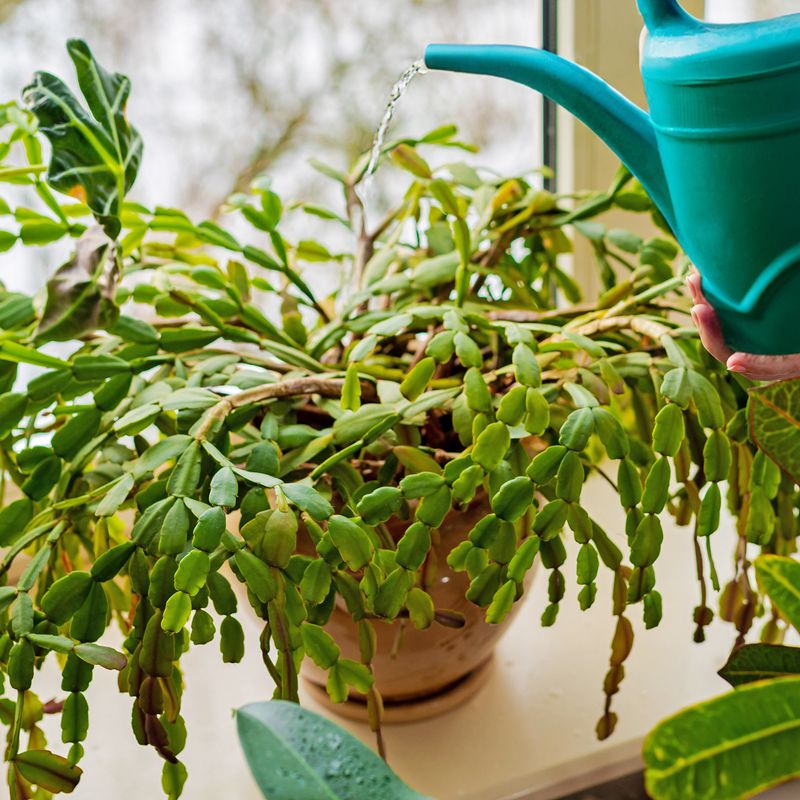
Overwatering sends more holiday cacti to the compost pile than almost any other mistake I have seen. Those shallow roots evolved to cling to tree bark, so soggy soil makes them rot surprisingly quickly.
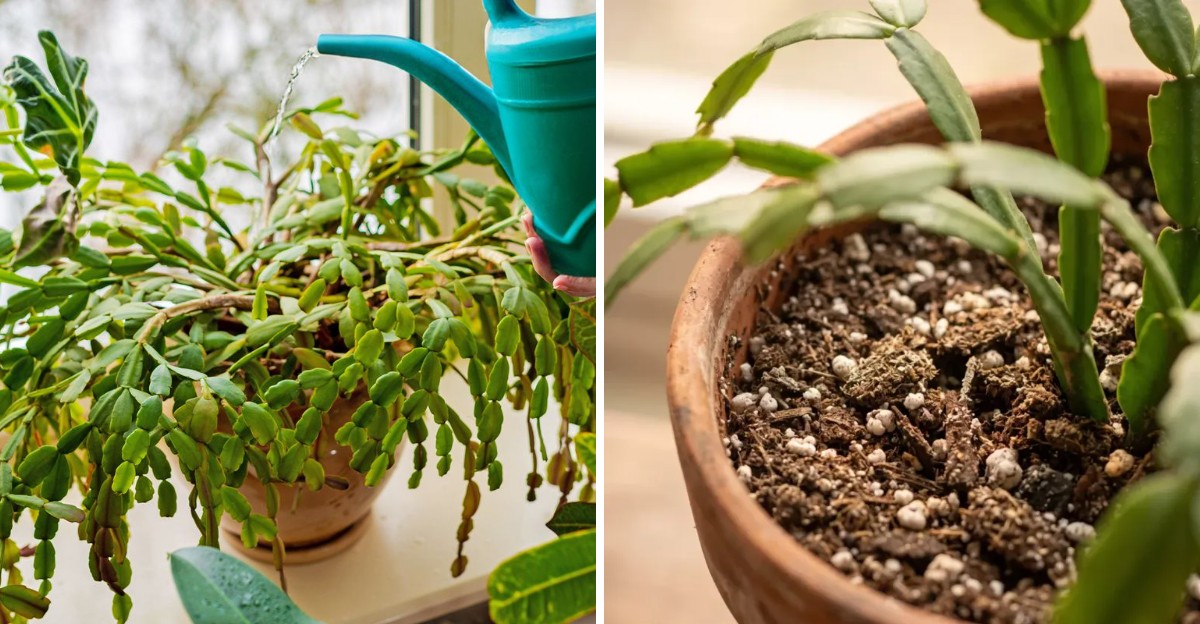
As fall arrives, cut back a little and let the top inch or so of soil dry between drinks. This slightly drier stretch helps nudge the plant away from leafy growth and toward making flower buds.
I test mine by poking a finger into the soil up to the first knuckle before grabbing the watering can. If it still feels damp, I simply walk away and check again in a couple of days.
Shriveled, limp segments can be a sign of too much water just as often as too little. Damaged roots cannot carry moisture upward, so the stems wilt even though the pot feels wet.
Once buds form, switch to keeping the soil evenly moist, because a dry spell now can trigger bud drop. Water thoroughly until it drains from the bottom, then empty the saucer so roots do not sit in puddles.
Room-temperature water is kinder than an icy blast straight from the tap on a chilly morning. It is a tiny habit, but your cactus seems to appreciate the gentler treatment during bud season.
5. Raise The Humidity Around Your Christmas Cactus With A Pebble Tray
Back home in the misty Brazilian mountain forests, these plants soak up air that often feels thick and damp. Most heated homes in winter feel more like a desert, which can leave your cactus looking stressed.
Humidity around 50 to 60 percent keeps the flat green stems plump and helps buds hold on firmly. Dry air is one common reason buds turn brown and fall off before they ever get to open.
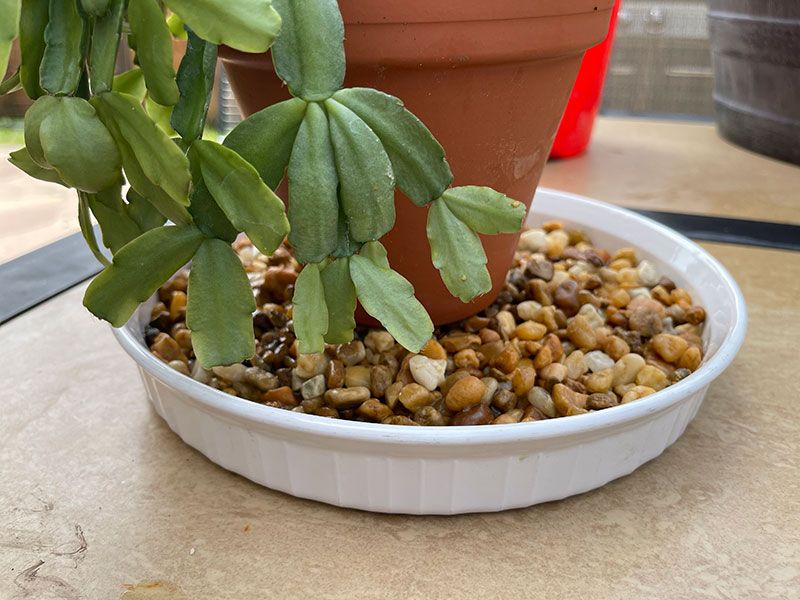
A pebble tray is my favorite cheap fix, and it takes about five minutes to set up at home. Fill a shallow dish with pebbles and water, keeping the water level just below the tops of the stones.
Set the pot on the pebbles so evaporating moisture rises around the plant without soaking the roots. Grouping several houseplants together also helps, since they release moisture and create a cozy little humid pocket.
Running a small humidifier nearby works wonders if your furnace runs often during the colder months of the year. Light misting gives a short boost, but the moisture fades quickly, so it works best as an extra.
I noticed fewer dropped buds the first winter I added a tray, and I have kept one ever since. Your cactus will reward that small effort with stems that look glossy and full instead of thin.
6. Give Christmas Cactus Roots A Light Airy Potting Mix
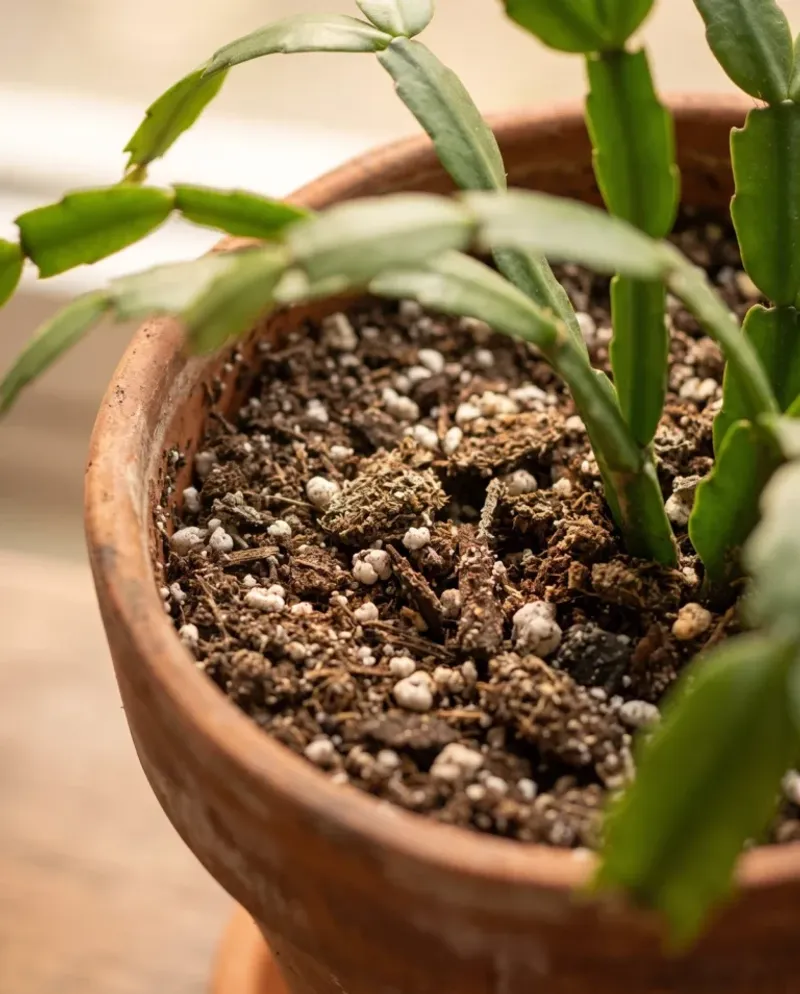
Wild Christmas cacti grow in little pockets of moss and leaf litter wedged into tree branches and rocky crevices. Heavy garden soil feels nothing like that airy home, and the roots quickly let you know they resent it.
A loose blend of regular potting soil mixed with perlite or fine bark gives roots air and steady moisture. Some growers like adding a scoop of orchid mix, which drains fast but still holds a little dampness.
I mix roughly two parts potting soil with one part perlite, and my plants seem very happy with it. Whatever recipe you choose, make sure the pot has a drainage hole so extra water can escape.
Surprisingly, these plants often bloom better when their roots feel a little crowded inside a snug container. Moving up to a giant pot can encourage leafy growth while the flowers take a back seat for a while.
Spring, after the blooms fade, is the best time to repot, and every few years is usually plenty. Repotting in fall can stress the plant right when it should be quietly setting its holiday buds.
When you do repot, choose a container only one size larger than the old one for best results. Clay pots dry out faster than plastic ones, which can help if you tend to water generously.
7. Stop Feeding Your Christmas Cactus Before Fall Arrives
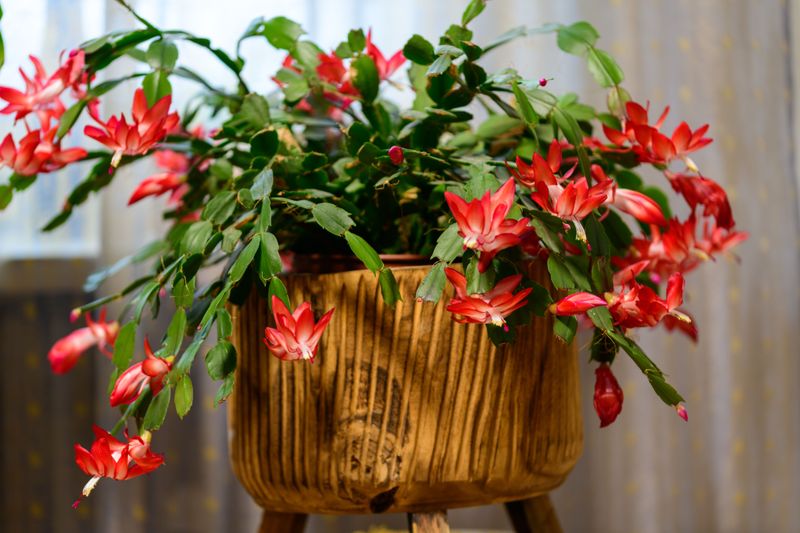
Fertilizer feels like a kind gift, yet feeding your cactus in autumn can quietly sabotage its holiday flowers. Extra nutrients late in the season push the plant toward new stem growth instead of building buds.
Spring and summer are the real feeding seasons, when the plant is actively stretching out fresh green segments. A balanced, water-soluble houseplant fertilizer mixed at half strength every few weeks usually works nicely for most growers.
I mark a reminder on my calendar for the end of summer so I remember to stop feeding. Many extension guides recommend pausing by late summer or early fall to give the plant a restful break.
Some growers also give a monthly dose of Epsom salt during the growing season to supply extra magnesium. A common suggestion is one teaspoon per gallon, but skip it if your regular fertilizer already contains magnesium.
Overfeeding can also build up salts in the soil, which may burn tender roots and leave stems looking yellowish. Flushing the pot with plain water every few months helps wash those leftover salts out through the drainage hole.
Once the flowers finish in winter, you can pick up feeding again when new growth appears in spring. That simple rhythm of feeding and resting keeps your cactus strong for many holiday seasons ahead.
8. Park Your Christmas Cactus In Bright Indirect Window Light
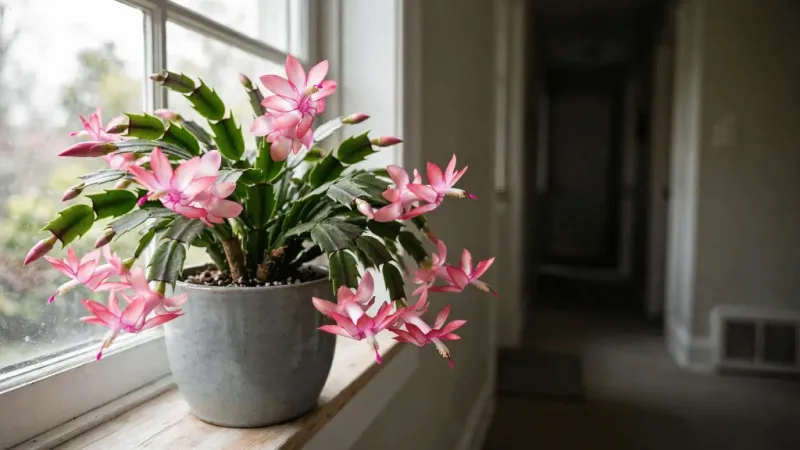
Harsh afternoon sun can bleach those glossy green stems to a sickly reddish color within just a few weeks. Under the shady forest canopy back home, these plants get dappled light rather than full, blazing sunshine.
An east-facing window is often ideal, since gentle morning light warms the plant without scorching its tender segments. A bright north window or a spot a few feet back from a sunny one can work too.
I keep mine on a small table beside my kitchen window, where it catches morning light over breakfast. It has become my favorite December view, especially when the flowers glow against the frosty glass.
Watch out for heat vents and drafty doors, because sudden blasts of hot or cold air can shock developing buds. Cold glass can also chill stems that press against it, so leave a little space near the window.
Remember that the display spot should go dark at night if you are still running the darkness routine. A sunny living room with evening lamps might look perfect but could confuse the plant before buds appear.
Pet owners can relax a bit, since the ASPCA lists Christmas cactus as nontoxic to cats and dogs. Still, curious pets nibbling on stems can cause mild tummy upset, so a higher shelf is a smart choice.
9. Leave Your Budding Christmas Cactus In One Spot
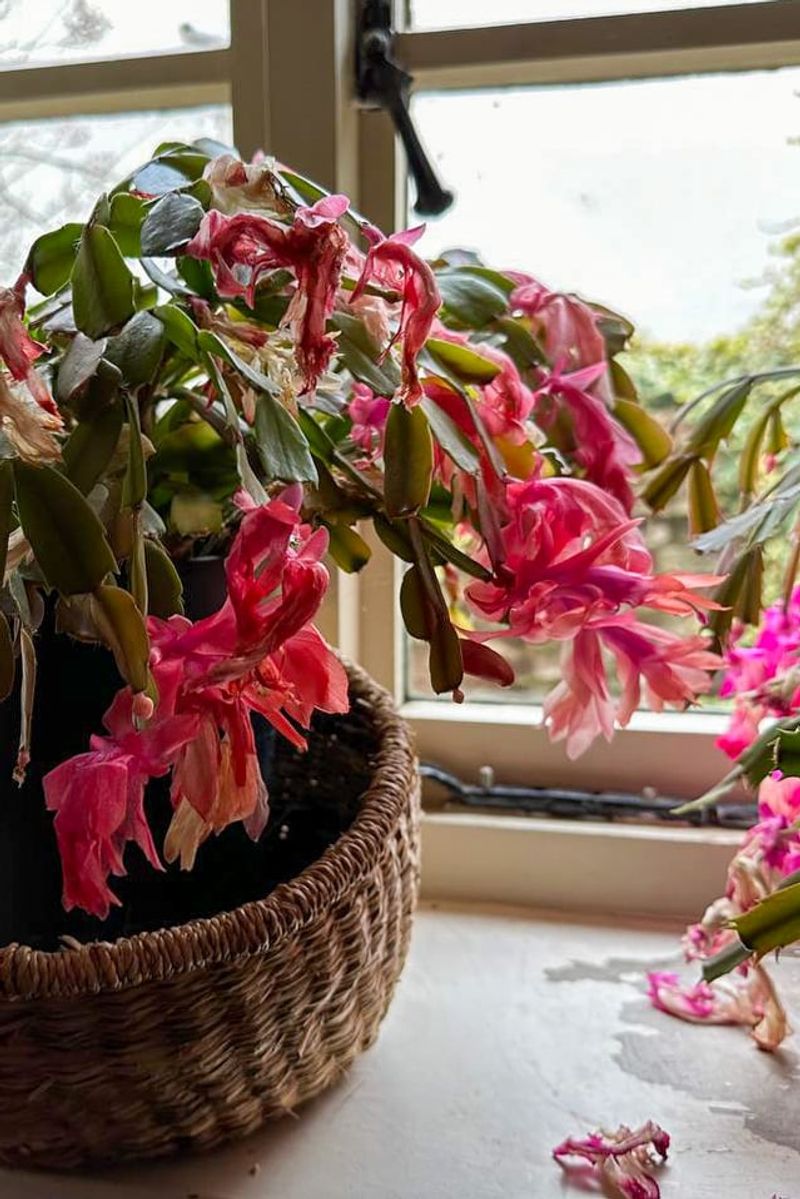
Nothing breaks a gardener’s heart quite like watching plump flower buds tumble onto the windowsill one morning. Bud drop is a common problem, and it often happens after a cactus gets moved to a new spot.
Sudden shifts in light or temperature can stress the plant just as its buds are swelling with fresh color. Many growers say that even rotating the pot can upset things, since buds seem to orient toward the light.
I learned this lesson the hard way after carrying my budding plant to the dining table for a party. Within a week, half the buds had dropped, and I sulked about it through most of the holidays.
Pick the final display spot before buds form, ideally a bright place away from drafts and heat sources. Then resist the urge to fiddle, even when a friend wants to admire the plant up close.
Store-bought plants sometimes drop a few buds after the trip home, which is normal and usually temporary. Give them steady care and a stable spot, and the remaining buds typically settle in and open.
Each flower can last several days, and a healthy plant may keep blooming for a few weeks. Sitting back and leaving it alone might be the easiest trick of all, and honestly the most rewarding.