Hawaii Has No Venomous Land Snakes, But These 8 Creatures Still Carry Venom
The only land snake found regularly in Hawaii is a tiny blind burrower that people mistake for earthworms. It arrived in potted plants decades ago, and it carries no venom at all for your fingers to fear.
Strict state laws keep other snakes out, and inspectors at airports take that job very seriously. Still, venom shows up in plenty of other bodies here, some in garden mulch and some under the eaves of your house.
Truth be told, I used to garden barefoot in the islands and felt pretty smug about it. One painful evening under a pile of old coconut fronds changed my habits faster than any warning sign.
A few of these critters hide under flowerpots, and a few build nests right above your head. So which ones deserve your respect in Hawaii, and which ones simply need a little extra space?
1. Giant Centipedes Hide Under Garden Rocks And Mulch
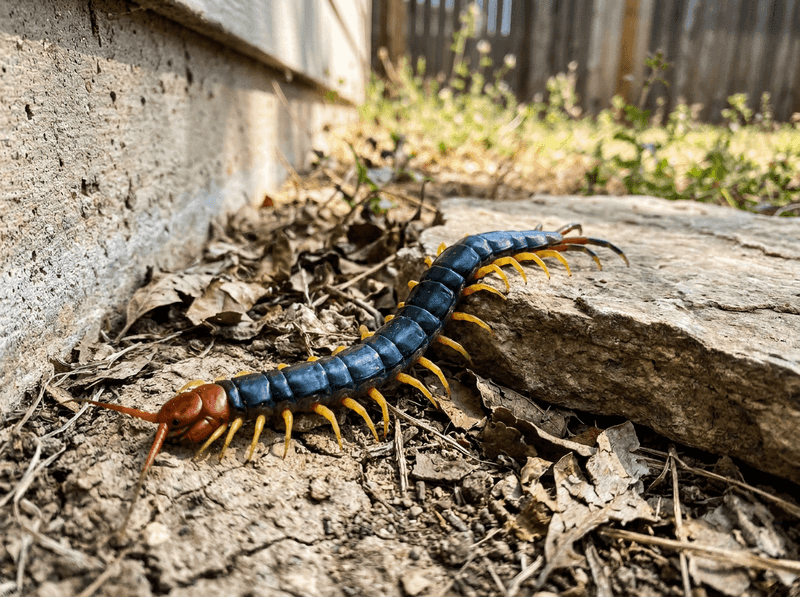
Nothing wakes you up faster than lifting a damp board and spotting a reddish centipede as long as your hand. Scolopendra subspinipes can reach about eight inches, and it moves with a speed that feels downright rude.
Locals call it kanapi, and it delivers venom through a pair of fanglike front legs called forcipules. The bite usually brings sharp, burning pain with swelling and redness that can linger for a day or two.
Serious reactions are rare for healthy adults, though allergic people and small children should get checked by a doctor. Cool compresses and gentle washing with soap and water help most bites settle down over time.
Centipedes come out at night and spend daylight hours tucked under rocks and thick piles of leaf litter. Wet weather can push them indoors, so I check bathroom corners and shower drains more often after storms.
My best advice is simple, so wear thick gloves whenever you move pots or lift bags of compost. Shake out shoes left on the lanai, because centipedes love a dark, snug hiding spot overnight.
Raking mulch away from your house foundation by a foot or so gives them fewer places to lurk. Sealing gaps under doors also helps, since a centipede can squeeze through openings that look surprisingly tiny.
Fun fact, mother centipedes curl around their eggs and guard them until the babies can fend for themselves. I find that oddly sweet, even if I still grab the tongs before relocating one outside.
2. Brown Widow Spiders Build Webs Under Patio Furniture
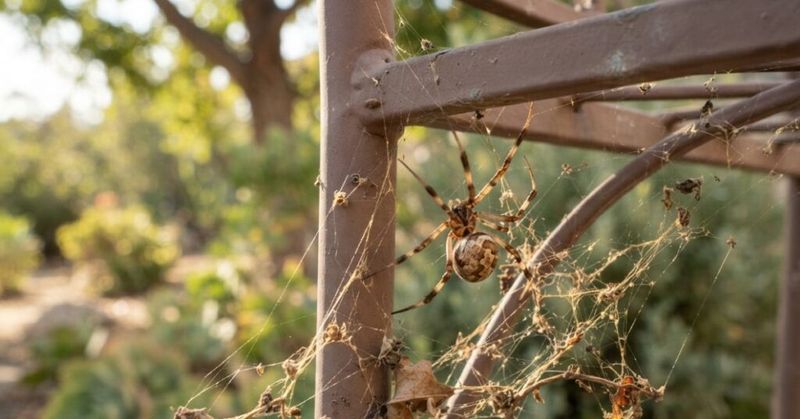
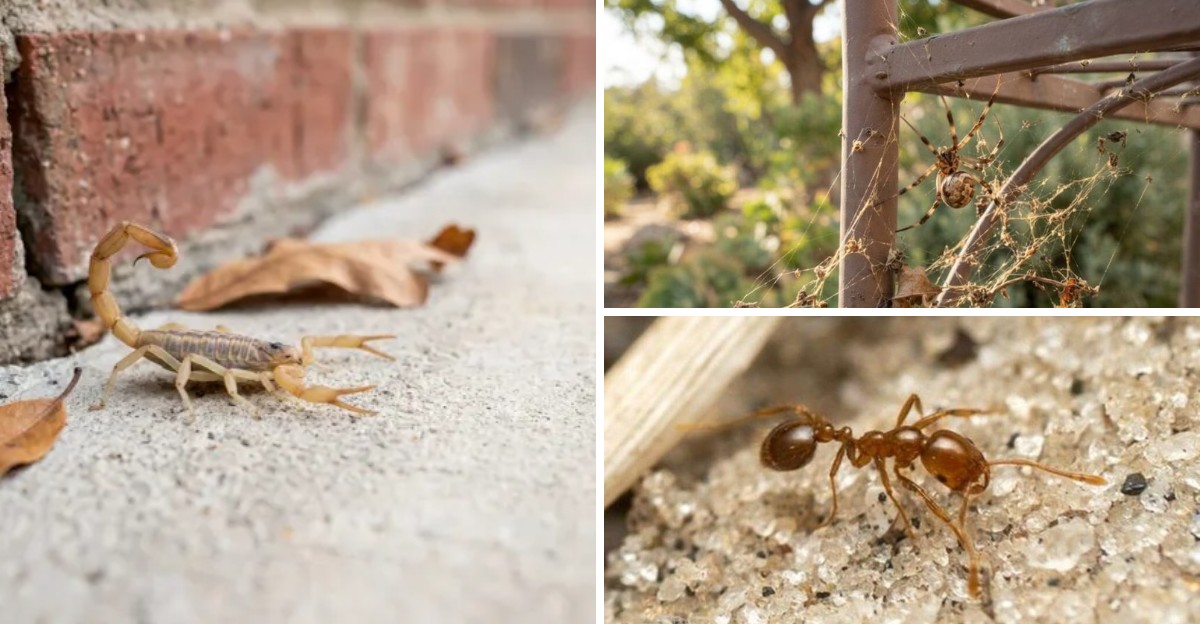
Flip a plastic patio chair in many island yards and you might spot a spiky little egg sac underneath. Those bumpy cotton balls belong to the brown widow, a tan spider with an orange hourglass on its belly.
Scientists know it as Latrodectus geometricus, and it has spread to warm regions around much of the world. Its venom is strong drop for drop, yet each bite usually delivers only a tiny amount.
Most bites cause local pain and a red mark that fades within a day or so. Strong cramps or sweating are uncommon, but those symptoms deserve a quick call to your doctor.
Honestly, these spiders are shy and would rather drop to the ground than pick a fight with you. Trouble usually starts when a hand presses against a web hidden under a rim or ledge.
Check the undersides of planters and grill lids before you reach in with bare, curious fingers. A long-handled brush works well for sweeping webs away without bringing your hand too close for comfort.
Clutter is their favorite real estate, so stacking empty pots neatly and storing them in a bin helps. Toss old egg sacs into a sealed bag, since each one can hold well over a hundred babies.
I keep a small flashlight by the back door just for these quick evening spider checks. It takes thirty seconds, and it has saved my knuckles from more than one unpleasant surprise.
3. Southern Black Widows Lurk In Woodpiles And Sheds
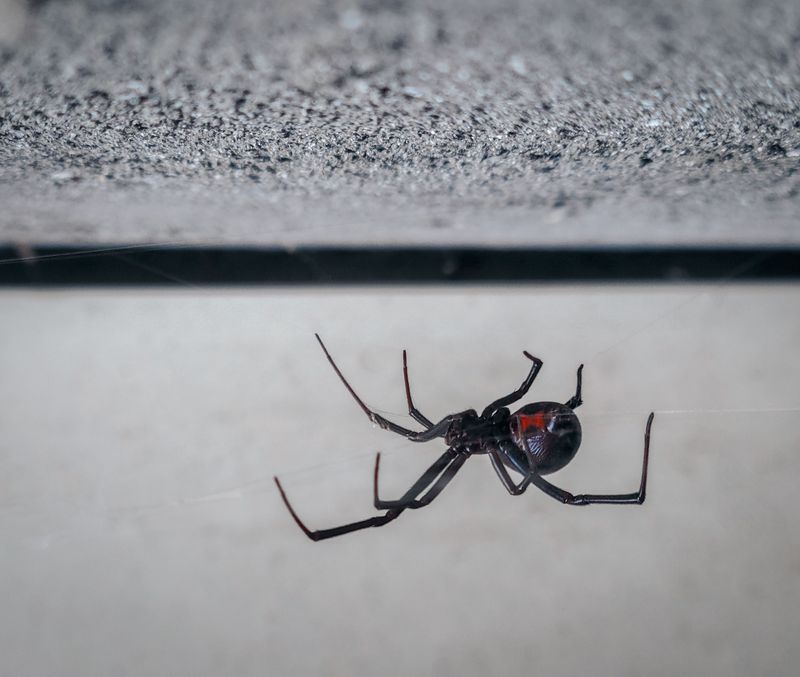
Glossy as a piano key, the female southern black widow wears a red hourglass like a warning label. Latrodectus mactans has been recorded in the islands, though it turns up less often than its brown cousin.
Its venom affects nerves, and a bite can trigger muscle cramps that spread toward the belly or back. Heavy sweating and nausea sometimes follow within an hour or two, so medical care makes sense.
Doctors can treat the pain and cramps, and an antivenom exists for the more serious cases. Calling the Poison Help line at 1-800-222-1222 is a smart first step whenever you feel unsure.
Fair warning, these spiders love dark, dry corners that nobody has touched in months or even years. Woodpiles and forgotten irrigation boxes rank high on their list of cozy spots around the yard.
Their webs look messy and tangled, and they feel unusually strong when you brush against one. That tough, sticky silk is a handy clue that a widow lives nearby, so slow down.
I wear leather gloves and long sleeves whenever I restack firewood or clean out the tool shed. Moving wood piles away from the house also keeps these spiders from wandering inside on their own.
Oddly enough, males are much smaller and paler, and their bites are not considered a medical concern. The big shiny females deserve your respect, and a little distance keeps everyone happy in the garden.
4. Lesser Brown Scorpions Shelter Under Bark And Mulch
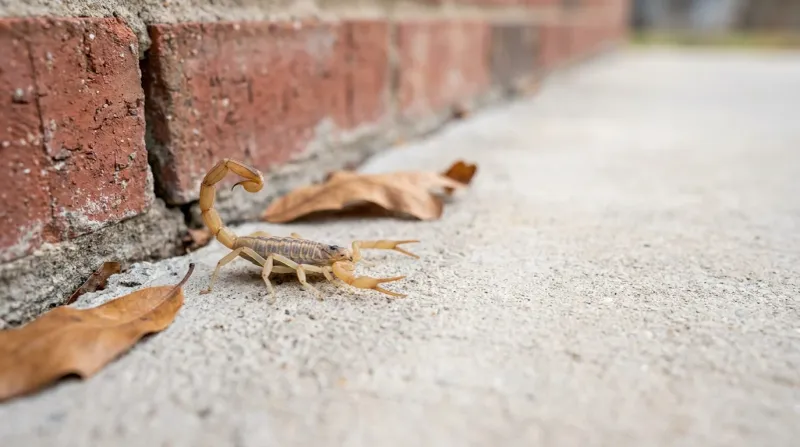
Lifting a slab of tree bark once revealed a scorpion no bigger than my pinky, tail curled and ready. The lesser brown scorpion, Isometrus maculatus, usually measures around two inches and wears a mottled tan coat.
It probably hitched rides on ships long ago, and now it lives across warm coasts around the globe. On the islands, it favors humid lowland spots with plenty of loose bark and cluttered ground.
Its sting feels a lot like a bee sting, with sharp pain and some swelling around the spot. Symptoms usually fade within a few hours, although allergic reactions need fast medical attention, just like with bees.
Scorpions are night hunters, so you will rarely see one strolling across the lawn at noon. During the day they squeeze into tight cracks or settle beneath stacked pots and mulch bags.
Okay, confession, I now own a cheap ultraviolet flashlight just for evening scorpion patrols in the yard. Scorpions glow a ghostly blue green under UV light, which makes them surprisingly easy to spot.
Wear gloves when pulling weeds near rock walls, and shake out any boots stored in the garage. Keeping firewood and lumber off the ground removes many of their favorite daytime hiding places around the house.
Scorpions also snack on cockroaches and other small insects, so they do pull some weight outdoors. I simply scoop strays into a jar and release them far from where people walk barefoot.
5. Paper Wasps Build Nests Under Eaves And Fences
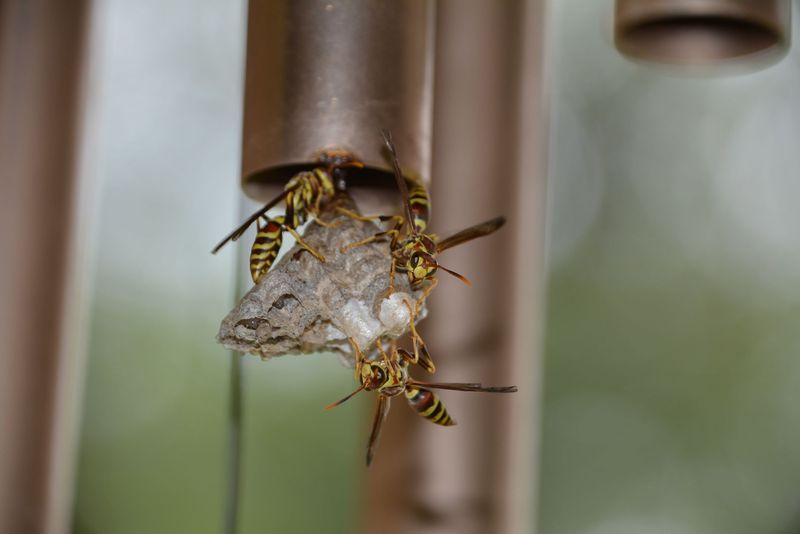
Look up under the eaves of a lanai or along a fence rail, and you may spot a gray, umbrella-shaped nest with open cells. Paper wasps build these by chewing wood fibers into pulp, and the little comb usually hangs from a single short stalk.
Several Polistes species live in the islands, and they have slim bodies with long legs that dangle in flight. Their colors range from brown to gold with yellow markings, so they are easy to mistake for other wasps.
They are not aggressive when left alone, but a nest bumped by a ladder or hedge trimmer changes their mood fast. A sting brings sharp pain and swelling, and one wasp can sting more than once.
Wash the spot with soap and water, then apply a cold compress to calm the swelling. Hives, trouble breathing, or swelling of the face call for emergency care right away.
Check eaves, railings, and dense shrubs every couple of weeks in warm months, because small nests are far easier to handle. I call a pest professional for anything larger than a fist, since a big colony can swarm out in seconds.
Fun fact, paper wasps hunt caterpillars to feed their young, so they earn a little respect in the vegetable patch. I still keep them away from doors and clotheslines, which is where most people get stung.
6. Little Fire Ants Hide In Potted Plants And Shrubs
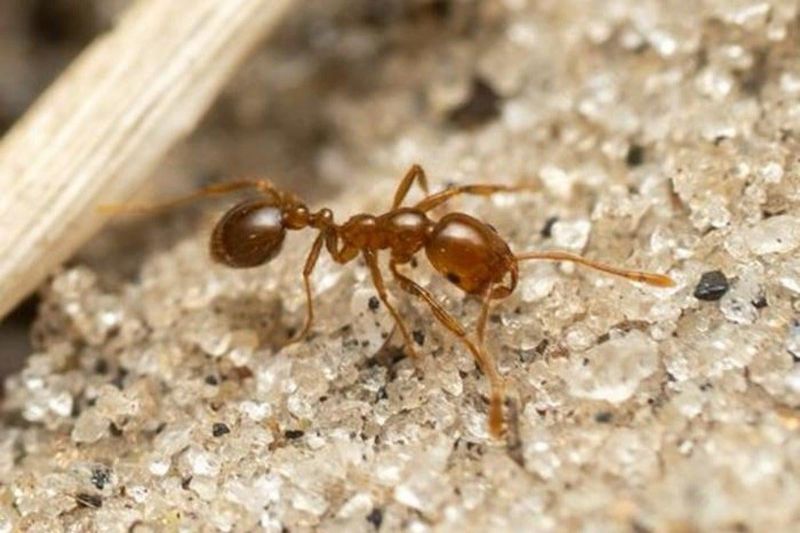
Little fire ants are tiny, barely a sixteenth of an inch long, and their pale orange-brown bodies blend into soil and leaves. They move slowly compared with other ants, which makes them easy to overlook until you feel the sting.
Wasmannia auropunctata is native to Central and South America and is now an invasive pest in Hawaii. It has been found on several islands, and it spreads mostly through infested potted plants, soil, and green waste.
Each sting feels like a sharp burn, and itchy welts or small blisters often follow and can last several days. Colonies live in trees, shrubs, and ground cover, so gardeners brush against them while pruning or picking fruit.
Wash stings with soap and water and use a cold compress, then avoid scratching so the skin can heal. Anyone with swelling beyond the sting site or signs of infection should see a doctor.
Inspect new plants before bringing them home, and skip any that arrive with ants in the pot. A dab of peanut butter on a chopstick left near your plants for about 45 minutes will attract them if they are present.
If you find them, report it to your local invasive species program rather than spraying at random. I wear gloves whenever I handle nursery plants, because these ants are hard to notice until they are already on your hands.
7. Western Yellowjackets Nest In Lawns And Rock Walls
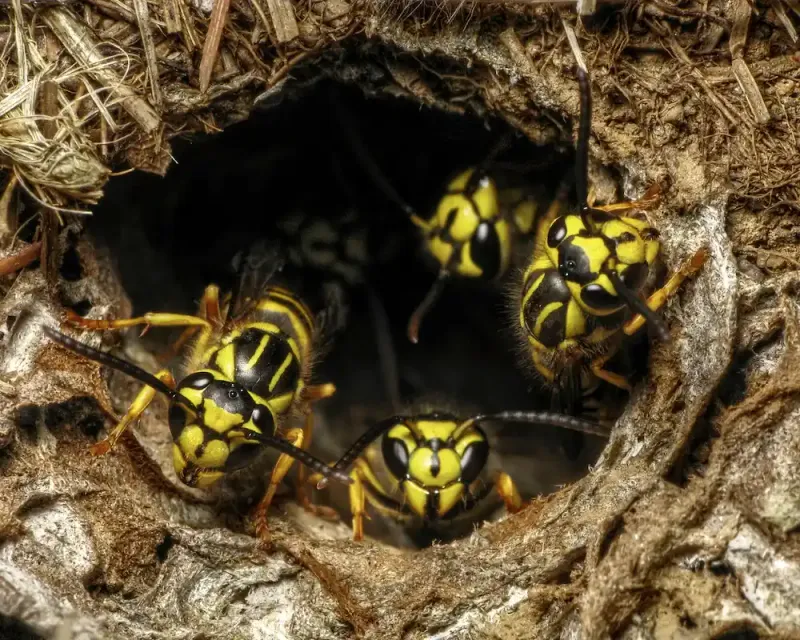
A sudden cloud of yellow-and-black wasps pouring out of a small hole in the lawn is a memorable way to meet a yellowjacket. The western yellowjacket, Vespula pensylvanica, often nests in the ground, in rock walls, or in cavities near homes.
It has established on some Hawaiian islands, where mild weather can let colonies last longer than they would in colder places. Nests can grow large, and the entrance often looks like nothing more than a dark hole.
They defend their nests fiercely, and vibration from a mower or shovel can set off a swarm. Stings hurt, and a single wasp can sting repeatedly.
If you disturb a nest, walk away calmly and shield your face rather than swatting. Wash any stings with soap and water, use a cold compress, and get emergency help for allergic symptoms.
Walk the yard before mowing and watch for wasps flying in and out of one spot. Never plug the hole or pour anything into it, and call a pest professional instead.
Yellowjackets love sweet drinks and meat, so I keep trash cans covered and soda cans closed on the lanai. Fun fact, they also hunt flies and caterpillars, which is a small bonus I appreciate from a safe distance.
8. Honey Bees Move Into Walls And Hollow Spaces
Honey bees are such a familiar part of island gardens that few people think of them as venomous. Apis mellifera carries venom in its stinger, though a sting is a last-resort defense.
Worker bees have barbed stingers that stay in the skin, and the bee dies soon afterward. Foragers on flowers rarely sting, but they will defend their hive if it is bumped or threatened.
A sting brings sharp pain, redness, and swelling that usually fades within a day or so. Scrape the stinger out quickly with a fingernail or card, then wash the area and apply a cold compress.
People with bee allergies can react severely, so trouble breathing, dizziness, or swelling of the face needs emergency help. Multiple stings at once also deserve a call to a doctor.
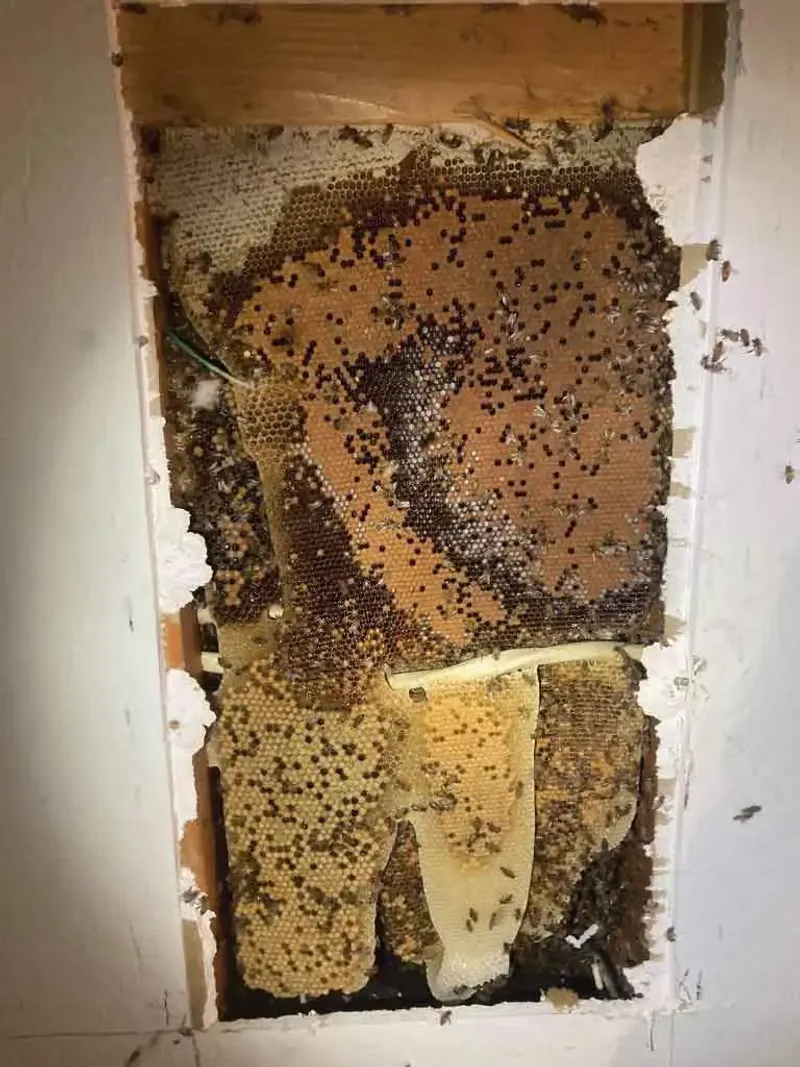
Bees sometimes move into wall cavities, water meter boxes, and hollow trees. If you hear a steady hum from a wall, call a beekeeper, and do not seal the opening, because honey and comb can melt and ooze inside.
Plant flowers a good distance from doors and seating areas so bees stay busy elsewhere. I leave foraging bees alone, since they pollinate my vegetables and almost never bother anyone.