A Spiky Egg Sac Under Your Arizona Patio Chair May Point to a Nearby Brown Widow
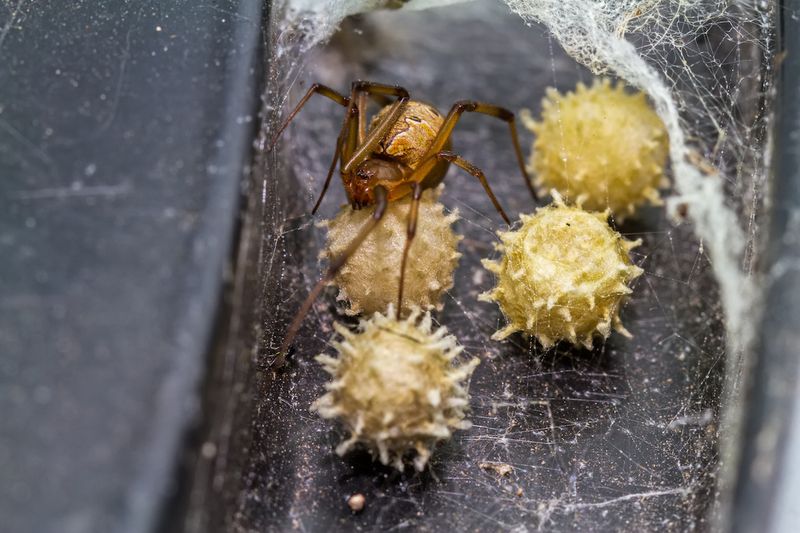
I once found a yellowish ball covered in tiny silk spikes tucked under a patio chair. It looked like a tiny sea mine, and my curiosity spiked right along with it.
That odd shape can be a real clue about which spider left it behind. It is not proof, though, and Arizona yards offer plenty of lookalikes.
I believe a calm plan beats a panicked swat every time. You need to know what to look for, and what to leave alone.
So what does a spiky sac really tell you about your patio? Let me walk you through it, one careful step at a time.
Distinctive Spikes Point Toward a Brown Widow
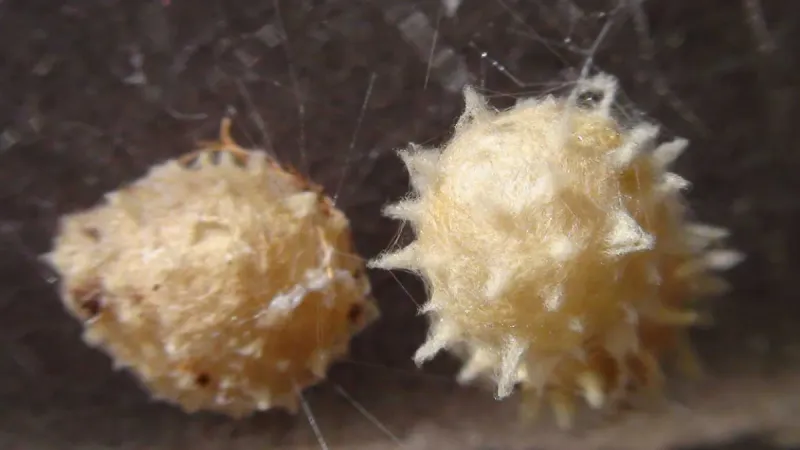
A small, rounded, yellowish sac covered in many silk projections is a strong clue for a brown widow. UC Riverside’s invasive species researchers describe brown widow sacs this way, and they set them apart from western black widow sacs, which are smooth and may be round or pointed.
Notice the word clue. Appearance is a hint, not a confirmed identification, and other spider sacs can look similar.
Some non-widow sacs can fool even experienced gardeners, so a spiky look alone does not settle the question.
Also remember that it is an egg sac, not a pile of loose eggs. The eggs are sealed inside the silk casing, which is why the outside looks like a tiny spiked ball.
If you want a second opinion, snap a photo from a safe distance. Include the sac and any nearby web or spider in the frame, then send it to your local extension office or a pest professional.
Please do not lean in closer for a better shot.
A Patio Chair Is Plausible, but Arizona Evidence Is Limited
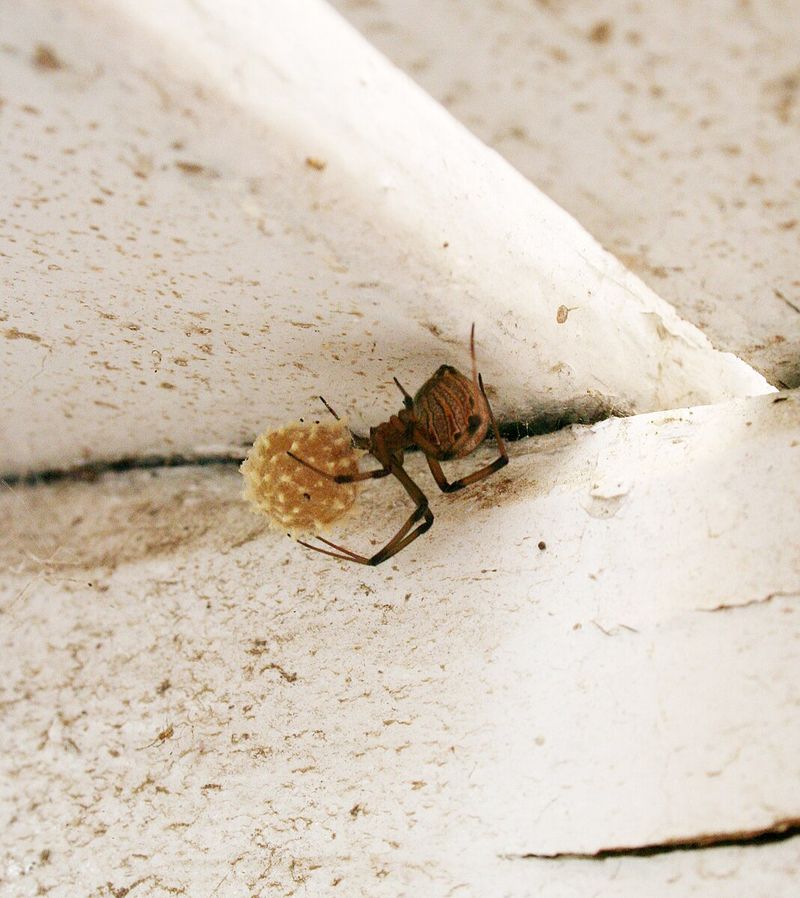
Chairs make sense as a hiding spot. A Southern California urban survey found brown widows and their egg sacs under patio chairs, so the underside of outdoor furniture is a believable place to look.
That study was done in California, though, not Arizona. It shows that chairs are a plausible hiding place, but it does not tell us how often Arizona homeowners find sacs there.
As for Arizona itself, an NMSU spider catalog lists brown widow as reported from Maricopa County. That entry is a single report, so it cannot show how widespread the spider is or suggest an outbreak.
Keep the same calm view for your own yard. One sac does not prove a large infestation, and it does not confirm that a spider is sitting there right now.
Use a Flashlight Instead of Reaching Into the Chair
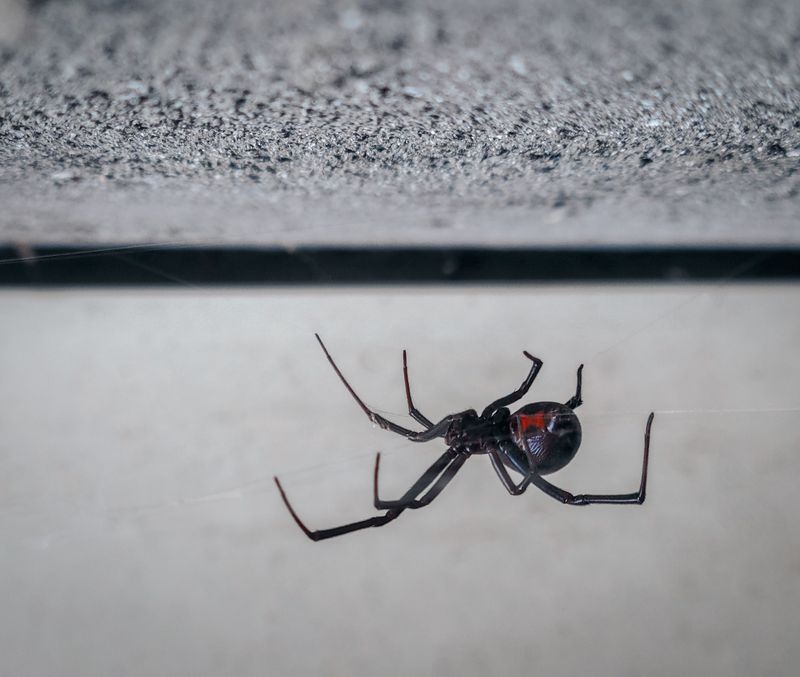
Your hands should stay out of the shadows. Grab a flashlight and shine it along the chair’s underside, the frame joints, and any tight gaps instead of reaching into them.
Before you start, keep children and pets away from the area. Do not touch a suspected sac or spider bare-handed, and never feel around blindly in sheltered corners.
The caution has a reason. Arizona Cooperative Extension advises care when moving objects in quiet, undisturbed places, because female black widows may guard their egg sacs and can bite when threatened.
A chair that has sat untouched for months fits that description. Look first, then decide whether this is a job for you or for a professional.
Choose Low-Contact Help for Removal

Arizona Extension lists a long-handled brush as a spider-control tool. Its guidance is about keeping some distance, but a tool only reduces close contact.
It does not guarantee safe removal, so do not grab or crush a sac.
Banner Health’s black widow guidance mentions gloves and recommends professional help when you are unsure. Gloves add a layer of protection, but they do not remove the risk.
Call a pest-control professional if you see multiple sacs, spot an adult spider, or find the sac in a spot you cannot reach easily. Call too if you simply feel uncertain about what you are looking at.
There is no prize for doing it yourself. A quick call is a sensible choice.
Spraying the Sac May Not Work
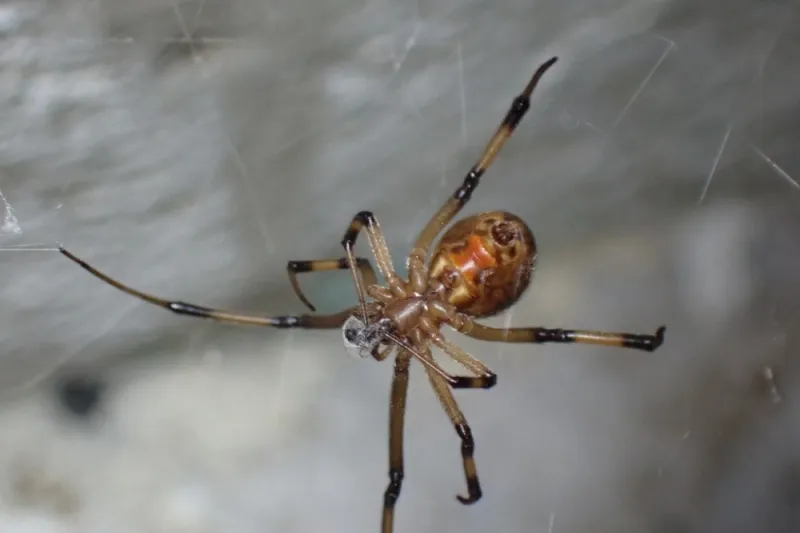
Spraying feels like action, but it may not do much to the sac. UC IPM reports a study in which water-based insecticides had no significant effect on the contents of brown widow sacs.
That finding covers the treatment and study described. It does not mean every pesticide or every method behaves the same way, so avoid drawing broader conclusions from it.
Spraying also means standing close to a possible hiding place, which is the very thing you are trying to avoid. A suspected guarding female adds another reason for distance.
If you do use any product, read and follow its label exactly. When you are unsure, the Banner Health page recommends getting professional advice rather than improvising.
Get Guidance for a Suspected Black Widow Bite
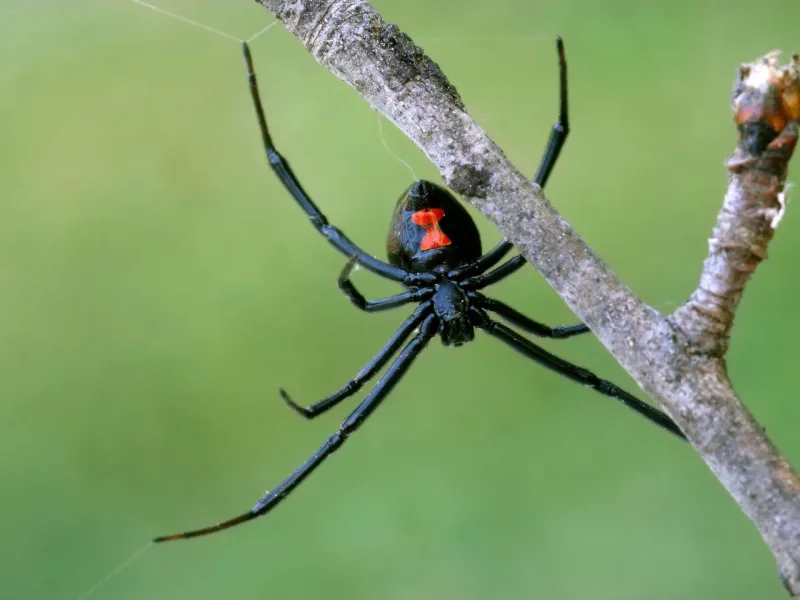
If you suspect a black widow bite, call the national Poison Center at 1-800-222-1222. The Arizona Poison and Drug Information Center lists that number and describes possible pain and muscle cramping.
Only a professional can judge what a bite is, so try not to diagnose it yourself. Describe what happened and follow the advice you are given.
Brown widow bites should not be brushed off either. UC IPM notes a verified U.S. brown widow bite with more serious symptoms and hospitalization.
So keep your distance, look with a light, and call for help when something feels off. A spiky little sac is a good reason to be careful, not a reason to panic.