Why Your Thanksgiving Cactus Keeps Dropping Its Buds
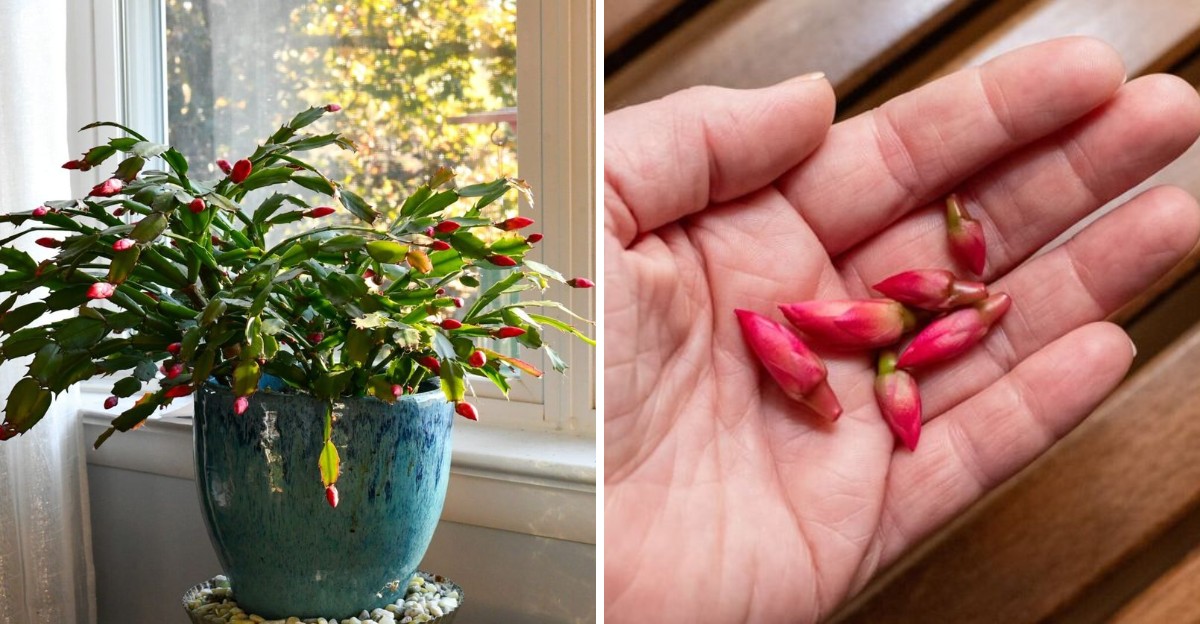
Regular light at night can interrupt the long darkness a Thanksgiving cactus needs to set buds. Truth be told, I didn’t believe how sensitive this plant was until my own windowsill proved it.
The plant in question grows wild in the coastal mountain forests of Brazil. It perches on tree branches, sips moisture from misty air, and has no love for scorching desert sun.
Last fall I counted over thirty plump pink buds, then swept half of them off the table a week later. I blamed bad luck, but plants rarely drop buds for no reason.
Here’s what gets me most. The same habits that keep most houseplants happy can quietly sabotage this one. A cozy heater, a sunny new spot, or a bowl of apples nearby might be all it takes. So which small change in your home is sending those buds tumbling?
Those Falling Flower Buds Are Sending You a Signal
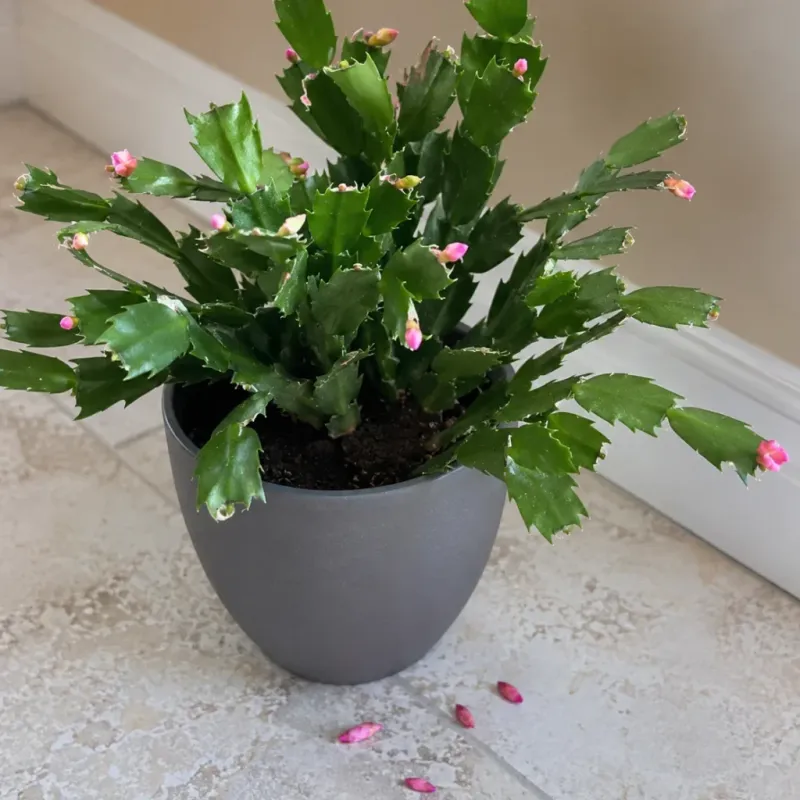
Gardeners have a name for this heartbreak. It’s called bud drop, or sometimes bud blast, and it ranks among the most common complaints about holiday cacti.
The Thanksgiving cactus, known to botanists as Schlumbergera truncata, is a tropical epiphyte. In its native Brazilian forests, it clings to trees in shaded, humid spots where conditions barely change from day to day. Your living room is a very different world.
When a budding plant senses stress, it makes a practical choice. Holding flowers takes energy, so it lets some go to protect the stems and roots. Think of it as a budget cut, not a crisis.
University extension experts, including those at Clemson and Minnesota, point to a handful of usual suspects. Sudden temperature swings, light changes, watering mistakes, dry air, and moving the plant top the list.
So relax a little. A few lost buds rarely mean your plant is in serious trouble. Most of the time, the cactus itself is healthy and simply reacting to its surroundings.
The trick is playing detective. Once you spot what changed in the days before the buds fell, you can usually fix it quickly and save the rest of the show.
A Drafty Window or Warm Heater Vent Can Shock Budding Stems
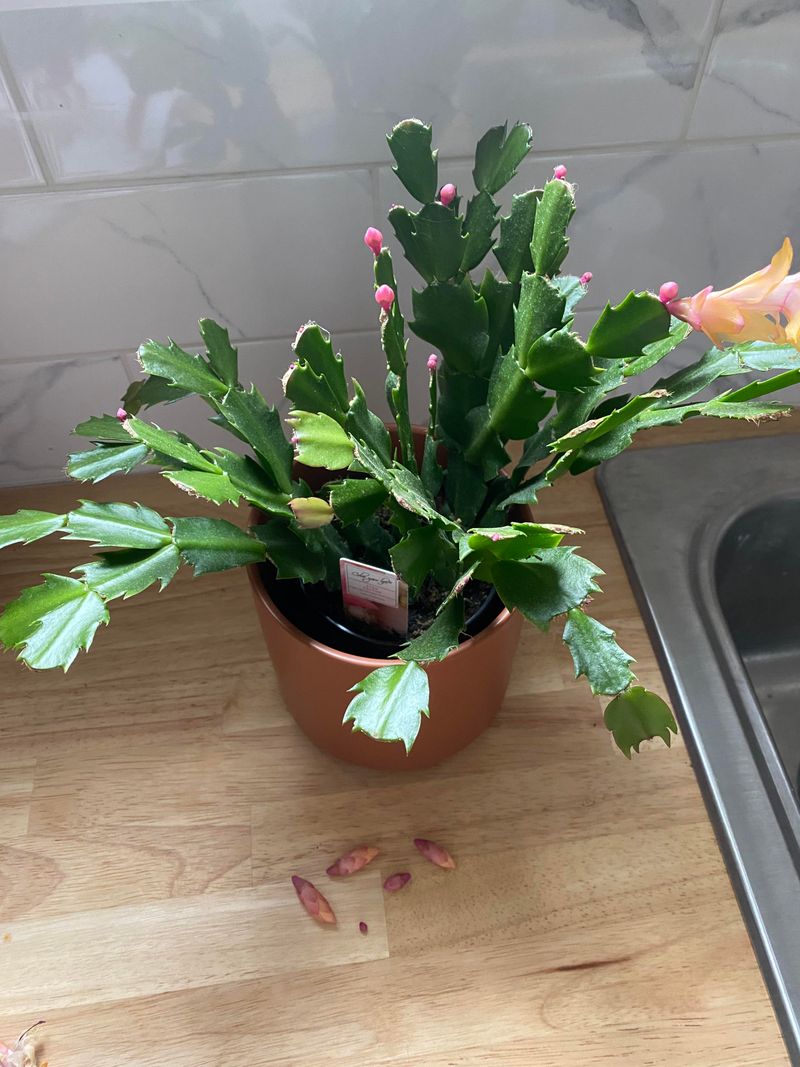
Temperature swings are often the number one trigger. I learned this after parking my cactus right above a heating register, thinking it would love the warmth. Within days, the floor was dotted with buds.
Holiday cacti prefer steady comfort. Daytime temperatures between about 60 and 70 degrees Fahrenheit suit them well, with nights a bit cooler. Cool nights in the mid-50s to low 60s actually help buds form in early fall.
Trouble starts with sudden changes. A blast of cold air from an opening door, a leaky window on a frosty night, or dry heat from a radiator can all shock a budding plant.
Try this quick test. Hold your hand near the plant for a minute. If you feel moving air, warm or cold, find a calmer spot before buds are set.
Fireplaces, space heaters, and exterior doors are the biggest offenders in many homes. Windowsills can also get surprisingly chilly in northern states once November arrives.
Pull the pot back a few inches from cold glass on freezing nights. That small shift can keep the leaf pads and buds comfortable until the flowers open.
Moving Your Holiday Cactus Once Buds Appear Is a Gamble
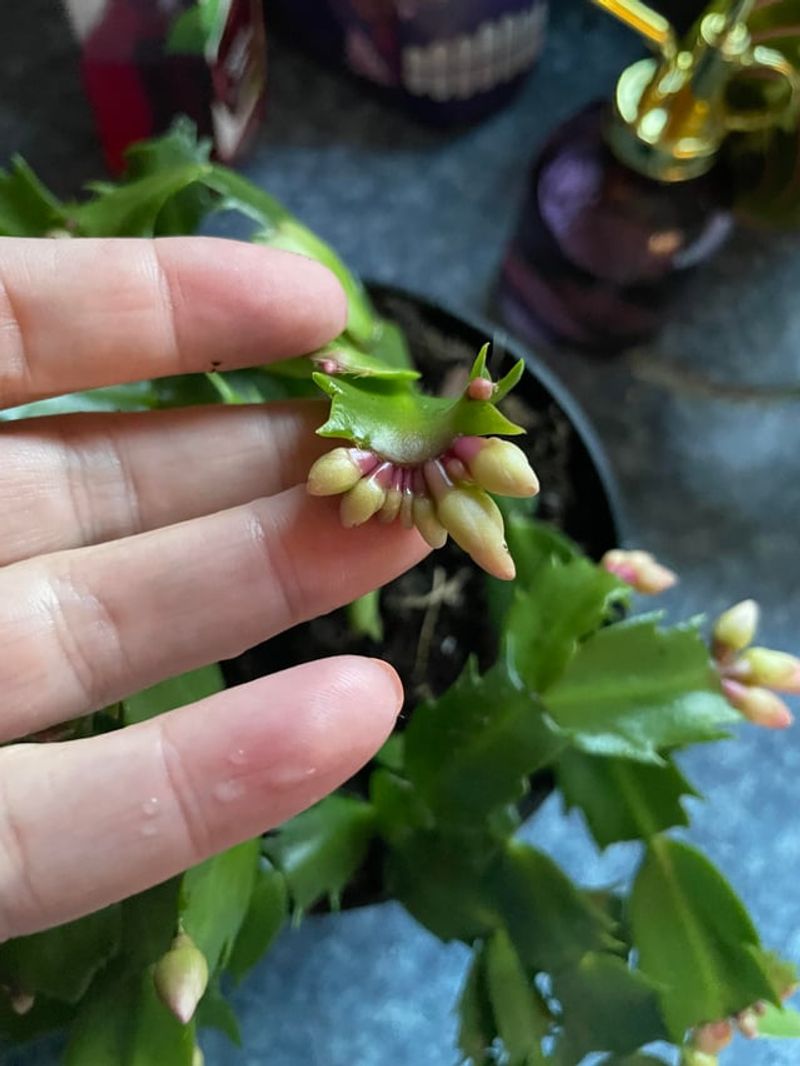
Guilty as charged. I used to carry my budding cactus from room to room, showing it off to every visitor like a proud parent.
That habit cost me plenty of flowers. Once buds form, this plant gets very attached to its spot. Moving it changes the light direction, temperature, and humidity all at once, and that combination can trigger bud drop.
Here’s a fun detail. Buds tend to grow toward the light source. When you turn or relocate the pot, the plant has to readjust, and some buds may simply give up.
The best move is no move at all. Pick a good location in early fall, before buds appear, and leave the plant there until blooming wraps up.
Bringing home a new cactus from the store? Expect a few buds to fall as it adjusts to your house. That’s normal and not a sign you did anything wrong.
If you must move it, keep the new conditions as close to the old ones as possible. Similar light, similar temperature, and no drafts give the buds their best shot at opening.
Soggy or Bone-Dry Soil Makes the Buds Let Go
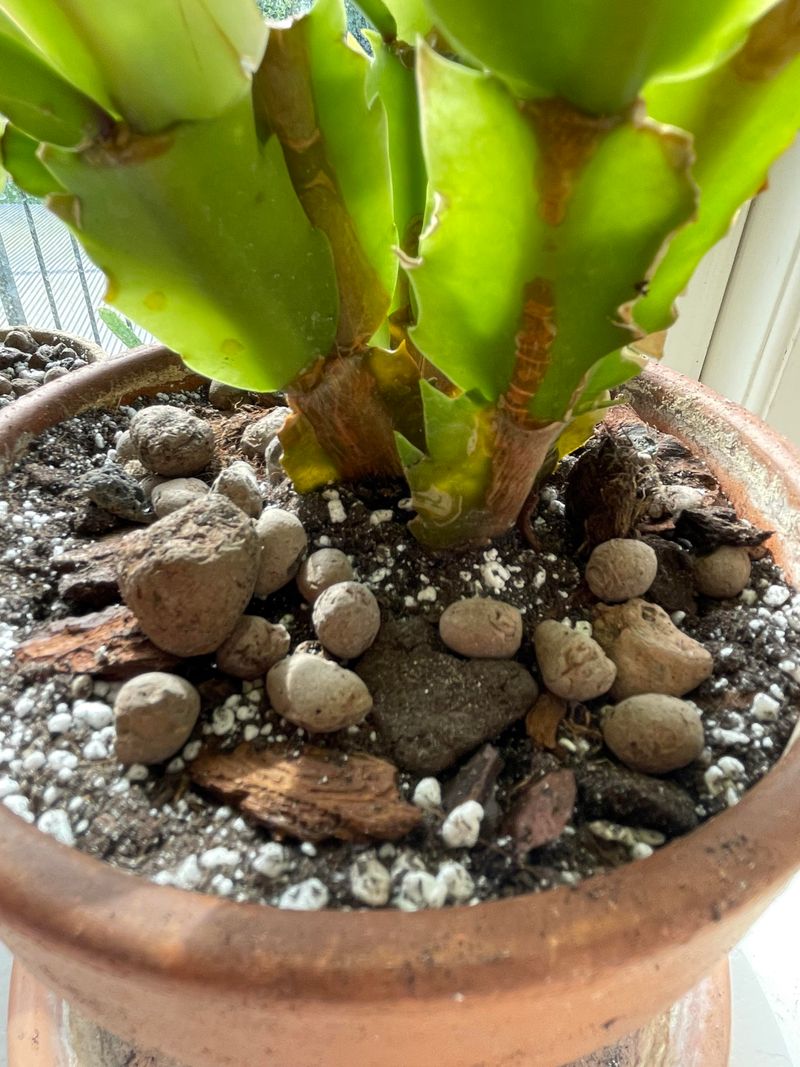
Watering this plant is a balancing act, and both extremes cause trouble. Too much water and too little can lead to the same disappointing result.
Overwatering is the sneakier problem. Soggy soil starves roots of oxygen and invites root rot. A plant with struggling roots can’t support a full crop of flowers, so the buds drop.
Underwatering hurts too, especially during bud season. Buds need steady moisture to swell, and a plant left dry for too long will shed them to save water.
My routine is simple. I push a finger into the soil about an inch deep. If it feels dry, I water thoroughly until it drains out the bottom.
Empty the saucer afterward. Letting the pot sit in a puddle is one of the fastest ways to rot those roots.
Drainage matters as much as the watering can. Use a pot with holes and a loose, fast-draining mix, like potting soil blended with perlite or orchid bark.
During bud set and bloom, aim for evenly moist, never soggy. After flowering ends, ease back a bit while the plant rests.
Late-Night Lamps Can Confuse Your Thanksgiving Cactus

Darkness is the secret ingredient most people overlook. Thanksgiving cacti are short-day plants, which means long nights tell them it’s time to bloom.
Experts generally recommend about 12 to 14 hours of uninterrupted darkness each night, starting in early fall. Combined with cooler temperatures, those long nights help the plant set buds for late November.
Here’s what surprised me. Even a reading lamp, a television glow, or a streetlight through the window can interrupt that dark period. A plant getting mixed signals may form fewer buds or drop some it already has.
Daytime light matters too. Bright, indirect light keeps the plant strong. Harsh afternoon sun can scorch the stems and add stress, especially near a south or west window.
An east-facing window often works nicely. So does a bright room you rarely use after dark, like a guest bedroom.
Once buds are well formed, the strict darkness routine becomes less critical. Still, keeping evenings fairly calm and dim helps the flowers develop without hiccups.
Dry Winter Air Can Shrivel Those Tiny Pink Buds
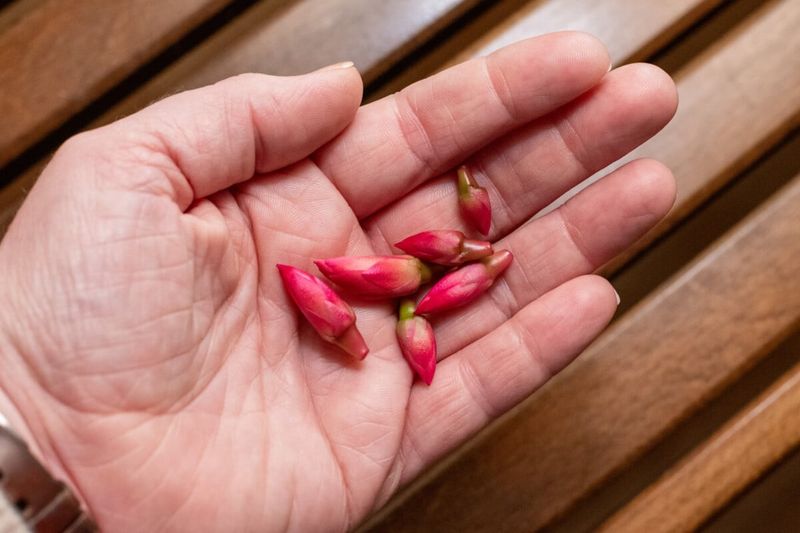
Indoor air in winter can feel like a desert. Furnaces and heaters pull moisture from the air, and humidity in many homes drops well below what this rainforest plant enjoys.
Remember where it comes from. Wild Thanksgiving cacti grow on trees in humid Brazilian coastal forests, where mist and moisture are part of daily life.
Moderate humidity, roughly 40 to 60 percent, keeps buds plump. In very dry rooms, developing buds can shrivel at the tips and fall before they open.
Boosting humidity doesn’t take fancy gear. Set the pot on a tray of pebbles with water just below the pot’s base, so the roots stay out of the water.
Grouping plants together also helps, since they release moisture into the air around each other. A small room humidifier works well if your home gets especially dry.
Not going to lie, I bought a cheap humidity gauge out of curiosity. My living room read 25 percent in January, which explained a lot.
Skip heavy misting directly on the buds. A steady humid zone works better than quick sprays that evaporate in minutes.
Ripening Apples and Hungry Mealybugs Might Be Quiet Culprits
Sometimes the cause hides in plain sight. That fruit bowl on the kitchen counter could be part of the problem.
Ripening fruit, especially apples and bananas, releases ethylene gas. This natural plant hormone speeds up ripening, and it can also encourage flower buds to drop on sensitive plants.
Keep your blooming cactus away from fruit bowls and kitchen produce. A few feet of distance and decent air circulation usually solve it.
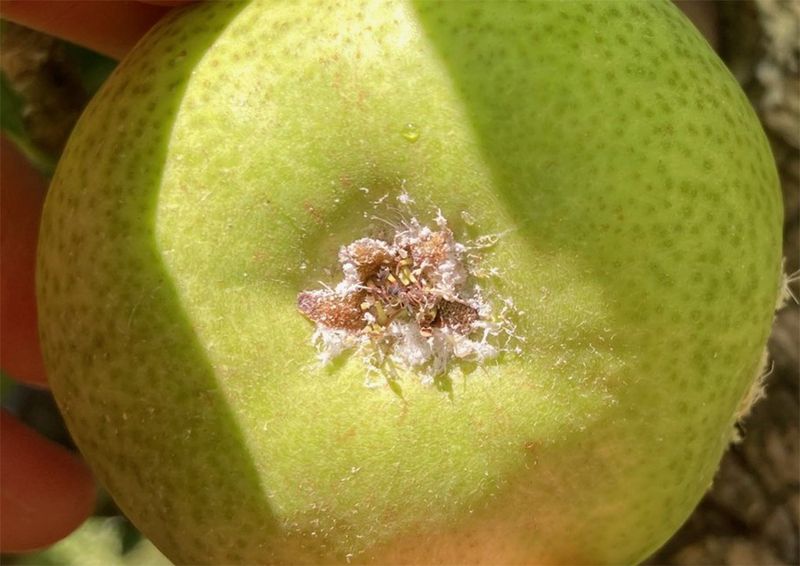
Pests deserve a look as well. Mealybugs leave fuzzy white clumps where stems join, while spider mites cause fine speckling and tiny webs. Aphids and thrips can also weaken the plant.
Check the undersides of the leaf segments with a flashlight. If you find mealybugs, dab them with a cotton swab dipped in rubbing isopropyl solution, or use insecticidal soap labeled for houseplants.
Fun fact, a plant loaded with buds may shed a few on its own. Heavy bud sets sometimes get trimmed back naturally, so the remaining flowers have enough energy.
Rough handling, bumps, and fertilizer burn can add stress too. Treat your budding plant gently, and it usually returns the favor.
Set Up Next Fall for a Cactus Covered in Blooms
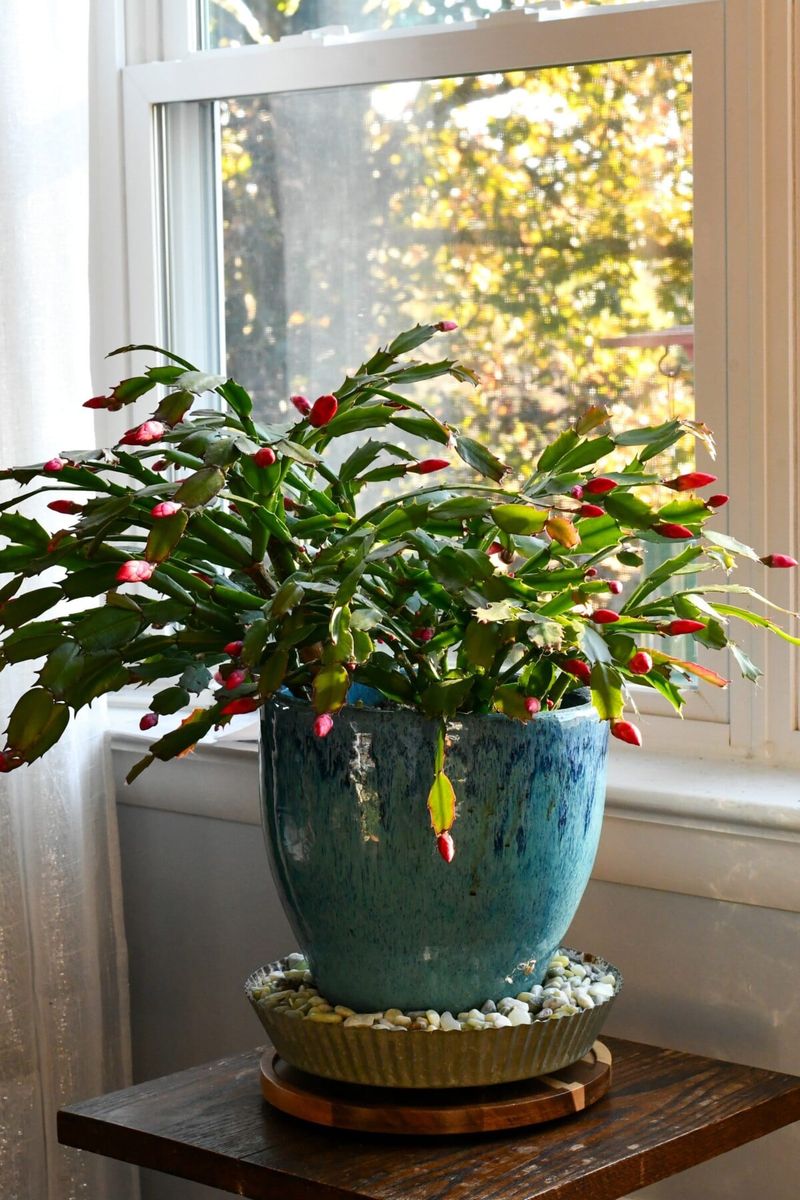
Every fall, I now follow one simple game plan, and the difference has been wonderful. Consistency is really the whole secret.
Start in September or early October. Give the plant long, dark nights and cooler temperatures around the 50s to low 60s. Ease back slightly on watering and pause fertilizer while buds begin to form.
Once buds appear, lock everything in place. Keep the same spot, steady temperatures, even moisture, and good humidity until the last flower fades.
After blooming, let the plant rest for a few weeks with a little less water. In spring and summer, resume regular watering and feed with a balanced houseplant fertilizer about once a month.
Many gardeners in mild climates set their cacti outdoors in summer, in a shady spot. Bring them inside well before nights dip into the 40s.
Repot only every few years, ideally after flowering. These plants actually like being a bit snug in their pots.
Treat it like a calm, predictable friend, and it can reward you for decades. Some families pass these cacti down for generations, flowering faithfully every November.