10 Yard Features Some Arizona Cities Are Restricting in New Neighborhoods
Scottsdale quietly made front yard grass off-limits for new homes permitted after August 15, 2023, and plenty of buyers only learned it at closing. That single rule says a lot about where landscaping in Arizona is heading.
I have to admit, some of the other restricted features on this list surprised me even more than the lawn ban. Which of your dream yard ideas might your city already be watching closely in Arizona?
1. Grass Lawns In Front Yards
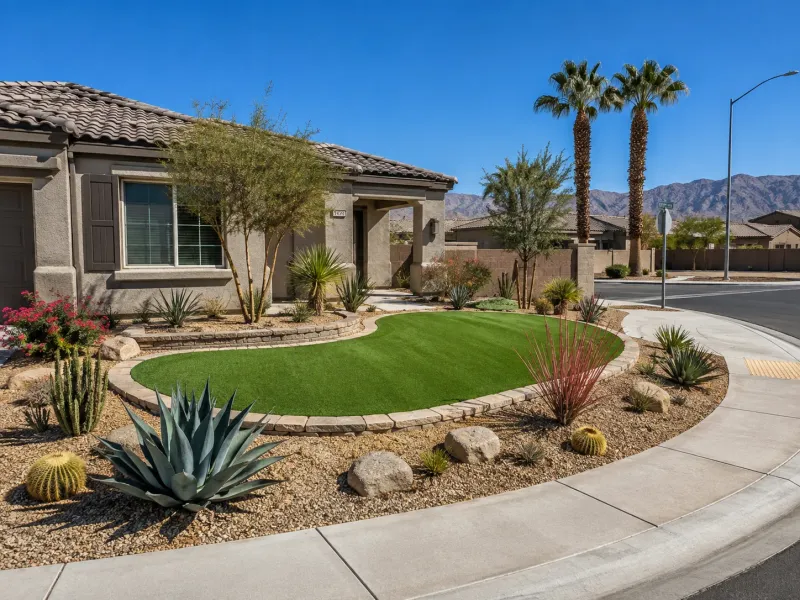
Scottsdale made headlines when it banned natural grass in front yards of new homes permitted after August 15, 2023. The rule targets water use, since thirsty turf can gulp a huge share of a household water bill.
Backyard grass is still allowed under that ordinance, so kids and dogs keep a soft patch to play on. I like that compromise, because front lawns are mostly decoration that rarely get walked on.
Phoenix takes a similar stance through its desert landscape standards for new landscaping. High-water plants like Bermuda grass are not welcome in those front yards, and native or desert-adapted plants take their place.
You might notice the shift is spreading across many valley cities that belong to the AMWUA water group. Those communities have adopted codes that push outdoor water use toward efficient, desert-friendly designs instead of wide grassy carpets.
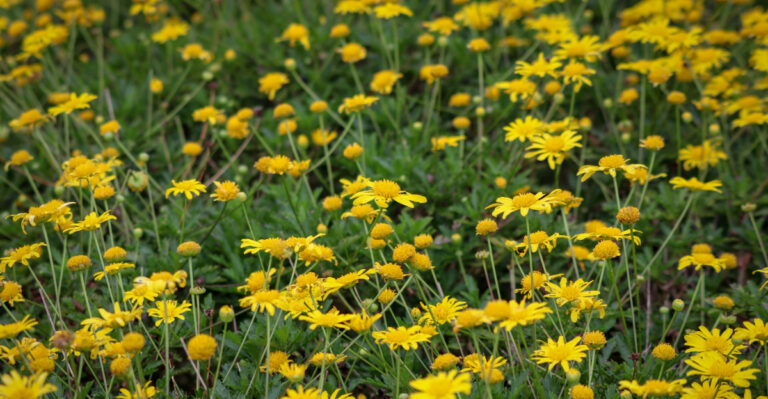
October is a lovely time to plan a lawn-free front yard, since soil temperatures stay warm for root growth. Plants like desert marigold and brittlebush settle in quickly before the mild winter months arrive in the low desert.
Personally, I think a native front yard draws more life, from quail to butterflies. A lawn mostly draws a mower, while desert plants invite visitors that are far more interesting to watch.
2. Thirsty Citrus And Palm Trees
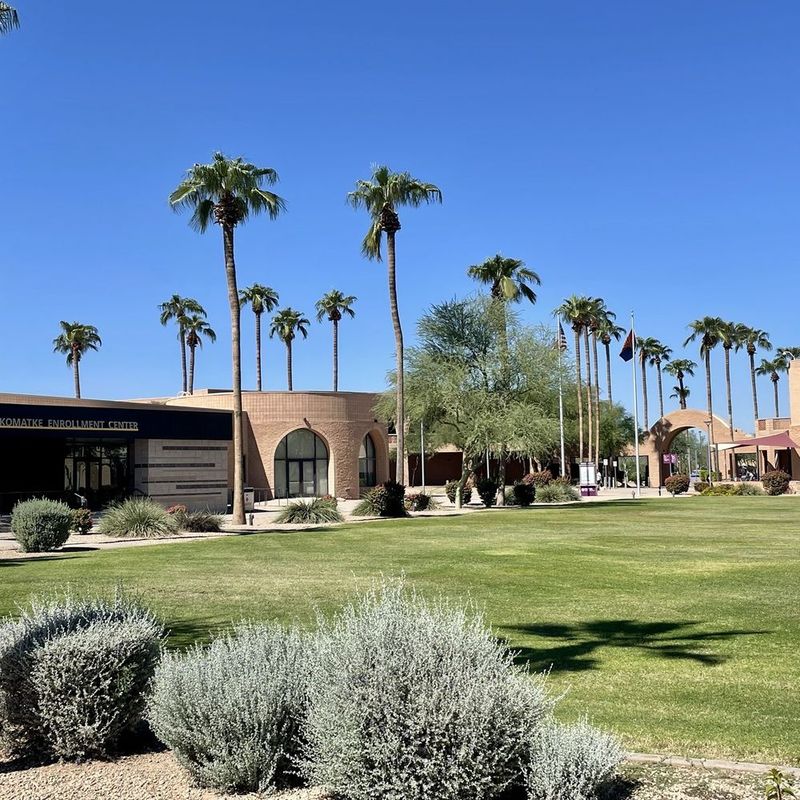
Orange blossoms smell heavenly in spring, yet some Scottsdale neighborhoods do not allow citrus trees at all. The ban applies inside the Environmentally Sensitive Lands Ordinance overlay, which covers about two-thirds of the city.
Palm trees land on the same restricted list in those designated areas. Both trees demand lots of water and clash with the native desert look the overlay is designed to protect.
Instead, landscaping there must come from an approved list of indigenous plants. Think ironwood, palo verde, and creosote, which handle heat beautifully once their roots get established in rocky soil.
Phoenix also keeps a list of prohibited high-water species for new landscaping. Up north, Coconino County requires native or drought-tolerant plant materials that suit each site’s specific elevation and climate.
What surprises me most is how much wildlife these native swaps attract over time. A blue palo verde can host native bees in spring, while birds use its branches for shade and perching.
If you crave homegrown citrus, check your address on city maps before buying a tree this fall. Many valley lots outside the overlay still welcome a lemon tree, and October planting gives roots a cool-season head start.
3. Decorative Fountains And Ponds
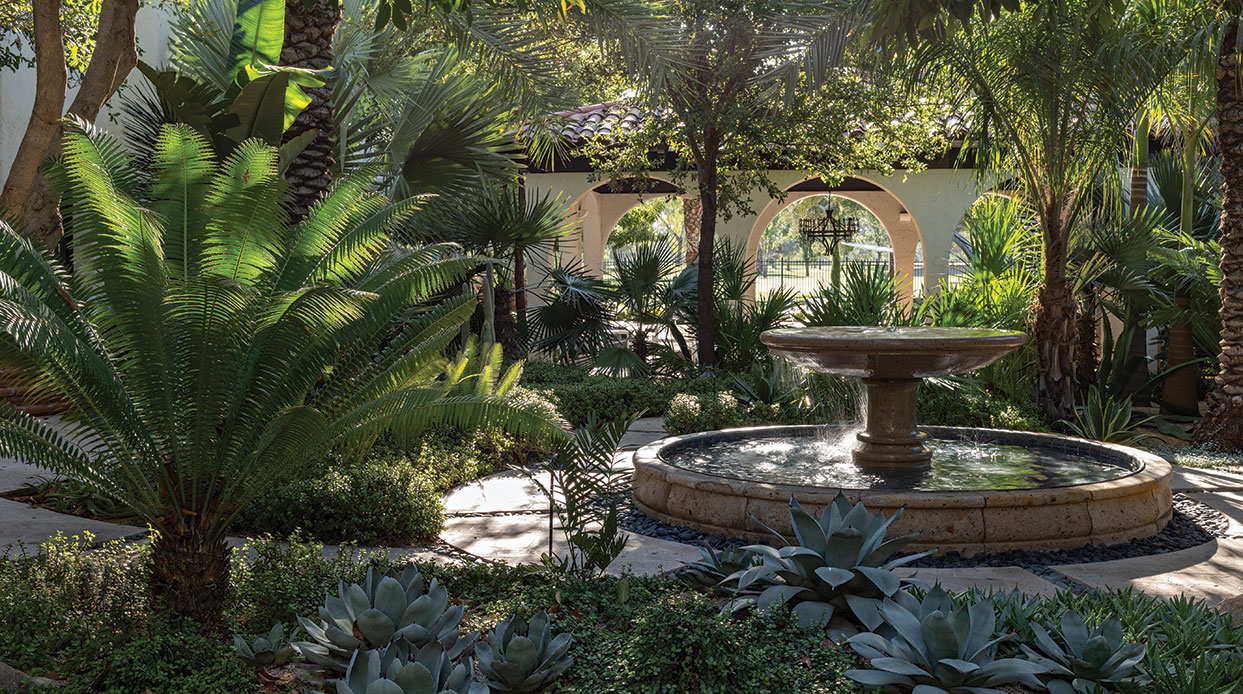
A splashing fountain sounds dreamy on a hot afternoon, but the desert sun takes its share fast. Evaporation from open water can be surprisingly steep when summer air feels as dry as an oven.
Tucson’s water-conservation rules include restrictions on ornamental water features in landscaping. The goal is simple enough, since water spent on pure decoration is water that cannot serve homes or native habitat.
Open ponds also bring a less charming side effect that many homeowners overlook at first. Still water can become a breeding spot for mosquitoes, especially when pumps fail during monsoon storms or power outages.
I believe a small recirculating bird bath gives you most of the joy with far less water. Refresh it every few days, and the routine helps interrupt mosquito larvae before they mature into biting adults.
You can also create the feeling of water using a dry creek bed lined with river rock. During monsoon rains, that channel actually moves water, guiding runoff toward thirsty trees instead of your foundation.
October brings milder evenings, so it is a pleasant month for building a dry wash yourself. Add penstemon or desert milkweed nearby, and hummingbirds or butterflies will happily replace the sound of splashing water.
4. Invasive Buffelgrass And Fountain Grass
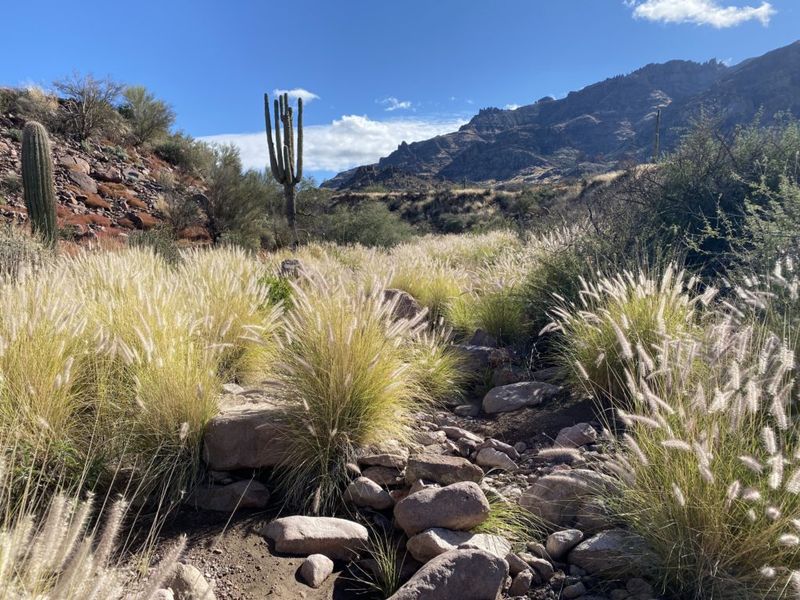
Fountain grass looks graceful swaying in the breeze, which explains why it once filled so many nursery shelves. Sadly, that pretty plume spreads seeds into washes and open desert with alarming ease.
Buffelgrass is an even bigger troublemaker, and it appears on the state noxious weed list along with tamarisk. These grasses can carry hot wildfires through desert areas where saguaros and other natives struggle to recover.
Coconino County landscaping standards specifically state that invasive plants and noxious weeds are not permitted. Promoting native or drought-tolerant choices instead helps protect local ecosystems while also trimming water use for homeowners.
I can’t imagine planting something that could outcompete the wildflowers I love seeing each spring. If you inherited fountain grass with a new house, bagging the seed heads before removal prevents spreading more seeds.
Fall is a smart time to tackle buffelgrass while the soil stays workable after summer rains. Dig out the whole crown with roots, since pieces left behind can regrow quickly in warm conditions.
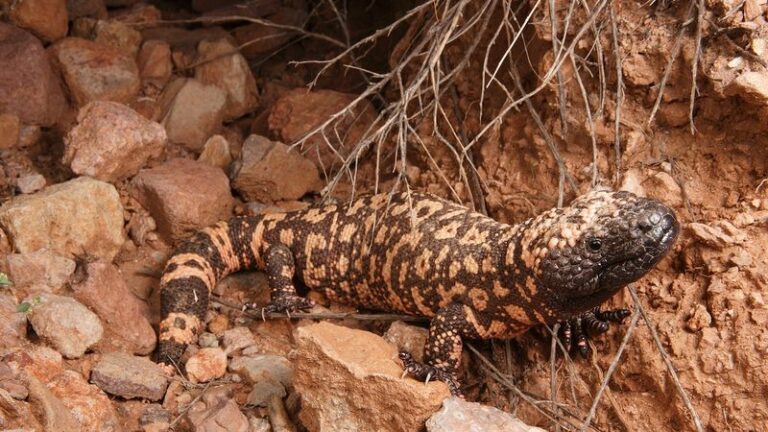
Native replacements like deergrass or bull grass give you that same airy texture without the risk. They also provide shelter for lizards, and lizards are happy to snack on insects around your garden.
5. Bulldozing Saguaros And Native Plants
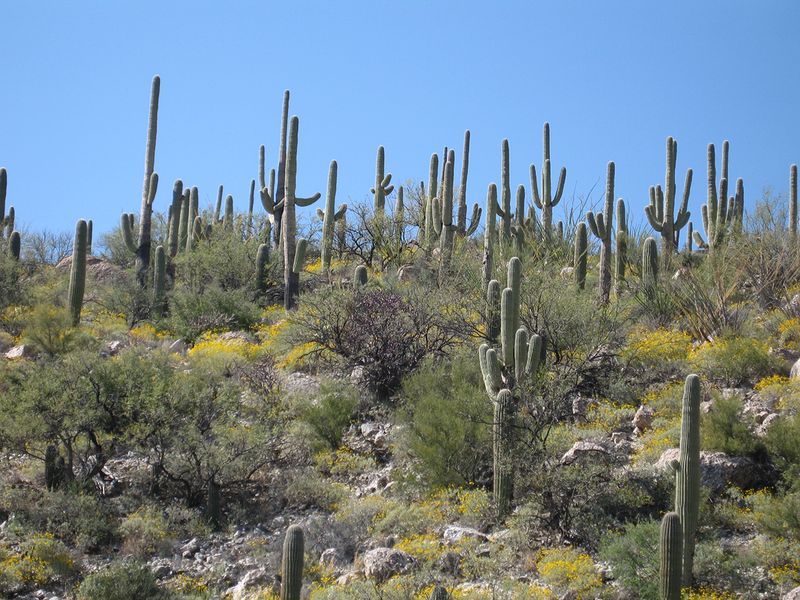
Owning land does not mean you can simply bulldoze the saguaro standing on it. The Arizona Native Plant Law protects saguaros and many other native desert plants, even on private property.
A permit from the state Department of Agriculture is required before cutting, moving, or removing protected plants. That rule surprises lots of newcomers who assume a cactus in their yard is theirs to handle freely.
Scottsdale adds its own Native Plant Ordinance for single-family projects at building plan submittal. Builders must provide a native plant inventory report and a site plan showing how those plants will be handled.
When protected plants must move, the city requires salvaging and replanting them within the same project. I love how this keeps decades of slow desert growth right where neighbors can keep enjoying it.
Saguaros grow remarkably slowly, often taking many years before reaching even a few feet tall. Preserving a mature one gives your yard instant character, plus nesting spots for Gila woodpeckers and other cavity birds.
If you are planning a project this fall, start the permit process early before any digging begins. Mild October weather is also gentler on transplanted cacti than the punishing heat of early summer.
6. Wall To Wall Gravel And Pavement
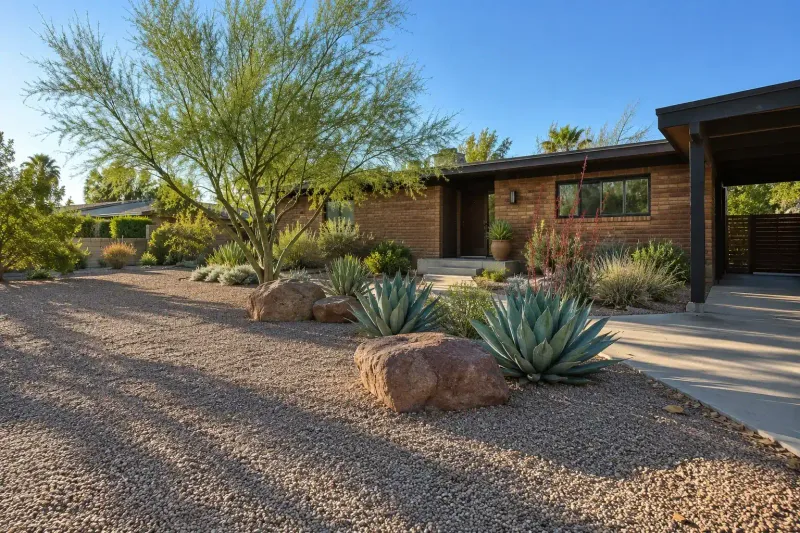
Swapping every plant for rock sounds like the ultimate low-water move, yet some rules push back on it. Coconino County says rock material must be subordinate to plant material, not a substitute for it.
Phoenix zoning limits lot coverage, which caps how much ground buildings and hard surfaces can claim. That indirectly reins in yards paved from fence to fence with concrete or tile.
Scottsdale’s sensitive lands overlay even regulates the light reflective value of exterior finishes, including hardscape. Bright, glaring surfaces can stand out against the desert and soak up heat around homes.
You need to stand barefoot on sunbaked pavers in August only once to understand why. Bare stone radiates warmth well into the night, while shrubs and trees create cooler pockets of shade.
Plants also bring helpful neighbors like roadrunners and lizards that feed on insects and even scorpions. A rock-only yard offers those predators little cover, so they tend to visit somewhere more welcoming.
October is a perfect moment to break up a gravel expanse with a few native shrubs. Try globe mallow or desert ruellia, which fill gaps gracefully and need little care once established.
7. Old School Spray Sprinklers
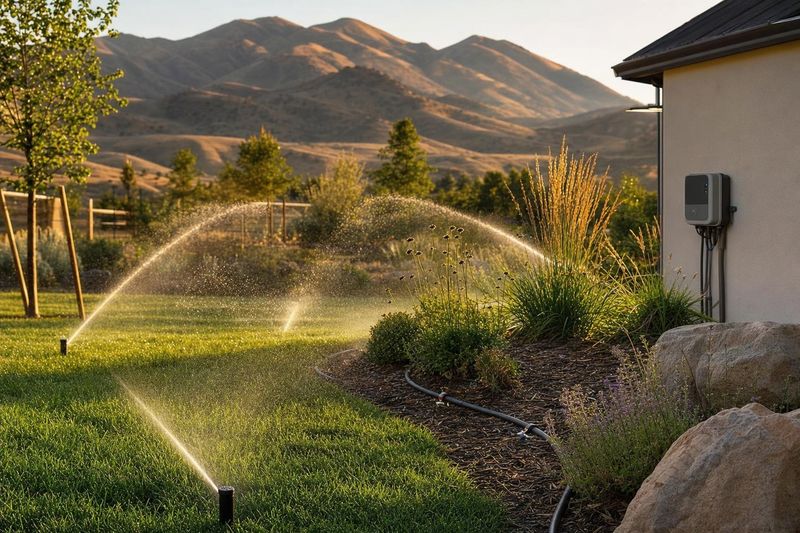
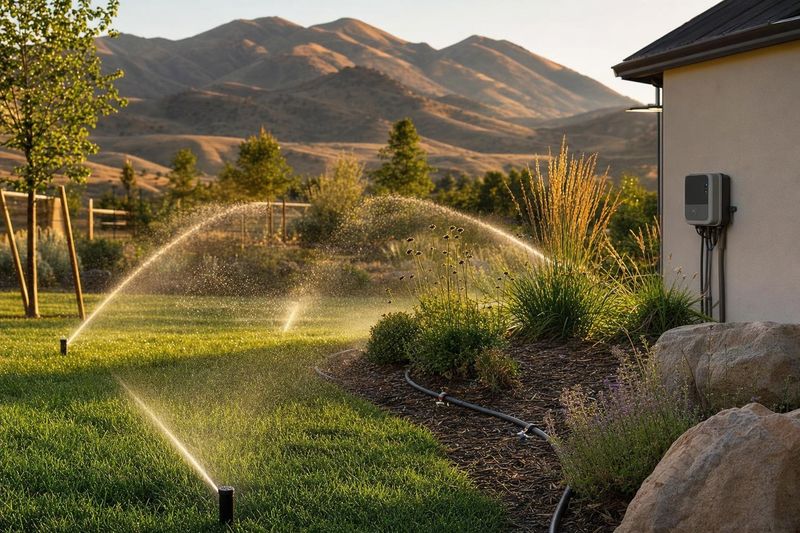
Watching sprinkler water run down the sidewalk at noon makes desert gardeners wince for good reason. Overhead spray loses plenty of moisture to wind and evaporation before reaching any roots.
Tucson’s Unified Development Code requires efficient irrigation for new commercial and multifamily landscapes. Many cities around the valley strongly encourage the same approach for homes, nudging builders away from wasteful setups.
Drip irrigation delivers water slowly right at the root zone, where plants actually use it. Phoenix also promotes smart controllers that adjust schedules automatically based on local weather conditions.
Personally, I switched to drip years ago, and my shrubs looked healthier within a single season. Deep, infrequent watering trains roots to grow downward, which helps plants handle brutal summer stretches.
Fall means it is time to reset your controller as temperatures drop through October. Most desert plants need noticeably less water now, and overwatering can lead to root rot or weak growth.
Soggy soil also invites pests you would rather keep away from the patio. Cutting back moisture near the house makes the area less inviting to crickets, which are a favorite snack for scorpions.
8. Tall Front Yard Fences And Walls
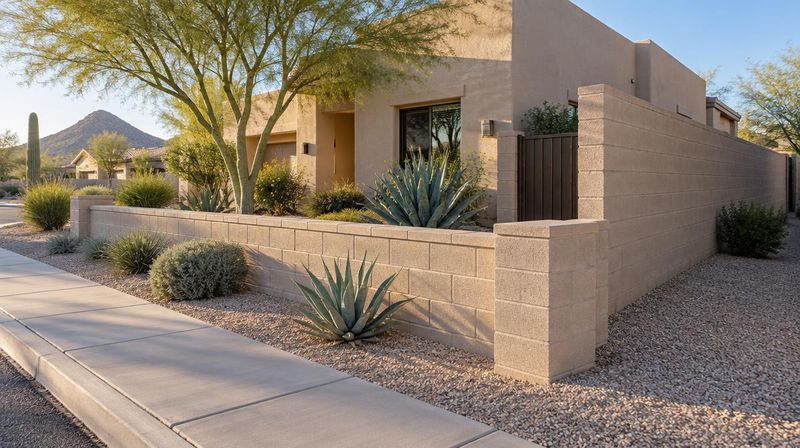
A tall privacy wall out front might feel cozy, but Phoenix has a firm height cap. Residential zoning rules limit fences in the required front yard to three feet tall.
Corner lots carry an extra safety twist that catches many homeowners off guard. Near street intersections, no fence, wall, or other obstruction can exceed three feet, keeping sightlines clear for drivers.
Setback rules also dictate how far walls must sit from property lines in new neighborhoods. Checking those numbers before construction saves you from an expensive teardown request down the road.
I have to admit, low front walls often look friendlier than towering ones anyway. They frame the yard nicely while letting neighbors wave hello as they stroll past on cool evenings.
You can soften a short wall by tucking native plants along its base. Desert spoon or red yucca add bold shapes, and hummingbirds visit the yucca’s coral blooms in warm months.
October’s pleasant weather makes masonry and planting projects far more comfortable for weekend builders. Just call before you dig, and confirm permit needs with your city or HOA first.
9. Oversized Backyard Shade Structures
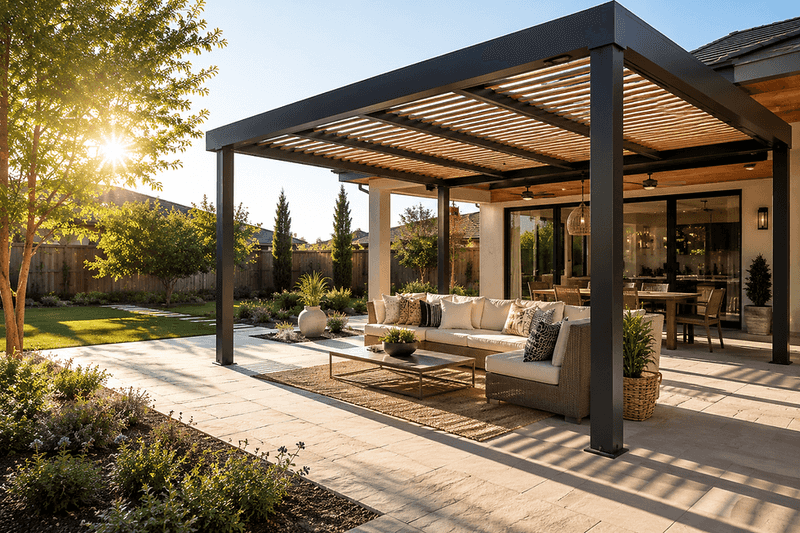
Shade is practically a survival tool in the desert, so backyard pergolas spark strong feelings. A recent state law, House Bill 2342, protects homeowners in planned communities from outright HOA bans on qualifying shade structures.
That protection still leaves room for reasonable rules about size, placement, and appearance. HOAs can set those standards, so an enormous or poorly placed structure may still face pushback.
City zoning codes also apply, especially rules covering height and setbacks from property lines. Checking both layers of rules keeps your new ramada from turning into a neighborhood dispute.
What surprises me most is how much a shade structure helps plants, not only people. Tender herbs and leafy greens appreciate filtered afternoon light during the hottest stretches of the year.
Consider pairing a pergola with a native vine like queen’s wreath’s tougher cousin, desert snapdragon vine. Native vines add living shade, and they attract pollinators while cooling the space beneath them.
Fall is an ideal season for building, since crews and homeowners avoid working under triple-digit heat. Submit plans to your HOA now, and you could enjoy finished shade before summer returns.
10. Landscapes Without Rainwater Harvesting
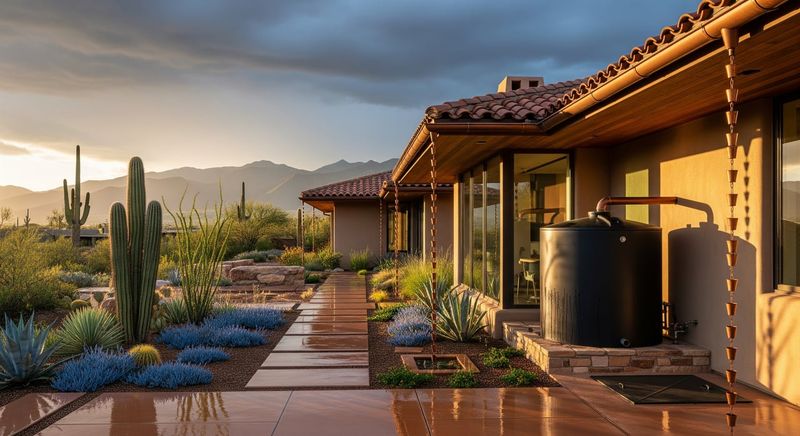
Monsoon storms can dump a startling amount of water on a single roof in minutes. Tucson decided that free rainfall was too valuable to let rush down the street.
Its Commercial Rainwater Harvesting Ordinance requires new commercial developments to meet at least half their landscape water demand with harvested rain. That effectively rules out designing those landscapes without a built-in harvesting plan.
Residential mandates are less common, but Phoenix and other communities actively encourage rainwater and graywater features in new homes. Builders increasingly include basins, swales, and cistern-ready gutters as selling points.
I love how a simple sunken basin around a mesquite can capture runoff for weeks. The tree gets a deep drink, and you skip a few irrigation cycles along the way.
Harvesting also benefits wildlife, since moist basins support native plants that feed birds and beneficial insects. Keep cisterns sealed and screened, though, so mosquitoes cannot breed inside stored water.
October is a great time to shape basins before winter rains arrive in many desert areas. Many water utilities in the state offer rebates for harvesting systems, so check your provider before buying supplies.