10 Pumpkin and Gourd Varieties That Thrive in California’s Dry Fall Climate
Every October, a small coastal town near San Francisco hosts a weigh-off where one orange giant hit 2,749 pounds. That Half Moon Bay record still makes me grin, since the fruit outweighed plenty of small cars on the road.
Most of us will not grow monsters like that, yet the same family of vines loves our sunny summers. Here’s something worth knowing about California, too: our mostly dry autumns make curing and storing the harvest wonderfully easy.
I find it fascinating that a thick rind toughens beautifully outside in warm, dry October air. Gardeners in wetter regions often fight rot at harvest time, while many of us just leave fruit in the sun.
Some favorites on my list are old heirlooms, and a couple might end up as sponges or birdhouses.
Which one do you think will claim the sunniest corner of your California garden when planting season returns?
1. Cinderella Pumpkin
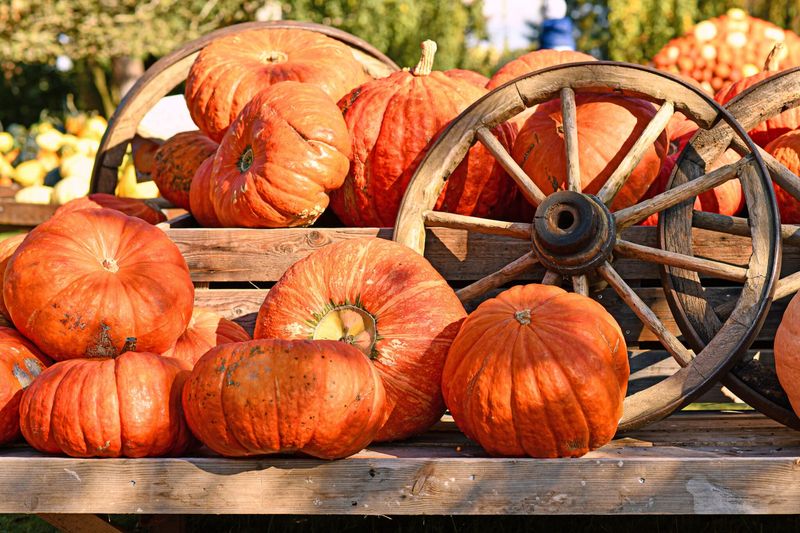
Legend says this squat red pumpkin inspired the fairy tale carriage, and one look at those deep ribs explains why. Its French name is Rouge Vif d’Etampes, which roughly means bright red from Etampes, a town near Paris.
I love how the flattened fruits look like they have been sat on by a friendly giant. Most weigh somewhere between ten and twenty pounds, so you will want a sturdy wagon at harvest time.
Plan on roughly 110 days from seed to harvest, which means sowing in late spring once soil feels warm. Give each hill plenty of room, because the trailing vines happily wander ten feet or more across beds.
Full sun and rich, well-drained soil keep these plants happy through hot inland summers and cooler coastal ones. Water deeply at the base rather than overhead, since soggy foliage invites fungal leaf spots and other troubles.
Harvest once the rind turns deep red-orange and resists a fingernail, leaving a few inches of stem attached. Our dry fall weather lets you cure them outdoors for a week or two without much worry about rot.
Many people treat Cinderella as porch decor, but the thick orange flesh bakes into a decent pie. I wouldn’t call the flavor bold, though a little cinnamon and brown sugar fix that problem quickly.
Stack one on a straw bale beside smaller white pumpkins, and your front steps suddenly look like a storybook. Kids notice it first, and they usually ask whether a fairy godmother lives somewhere nearby on your street.
2. Small Sugar Pumpkin
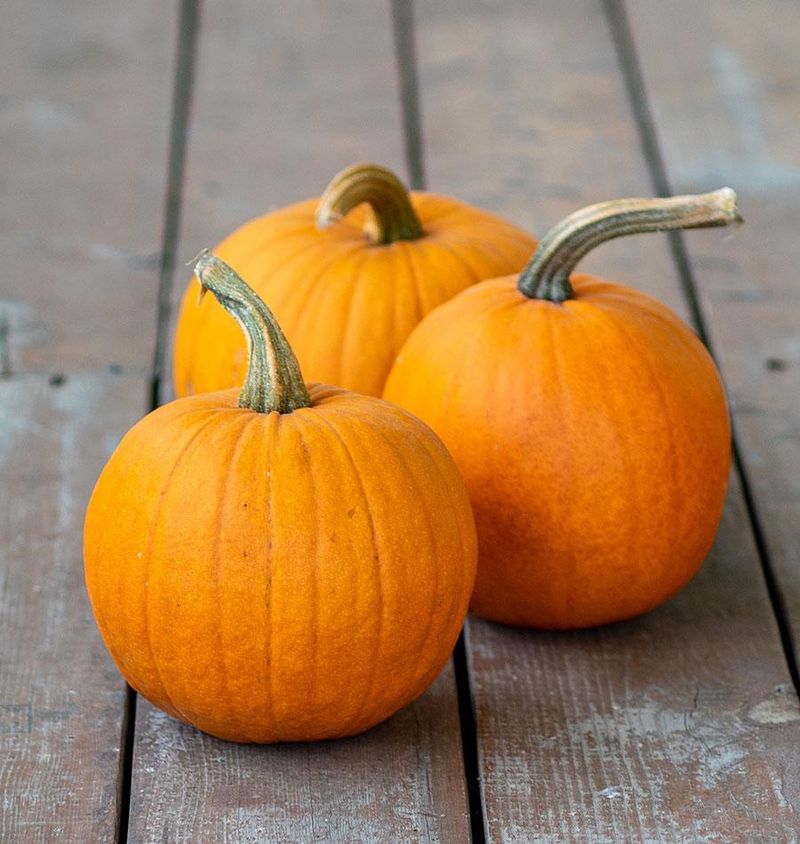
Grandma’s pie probably started with something small and humble, and this little heirloom fits that description perfectly. Seed catalogs have offered Small Sugar since the 1800s, and bakers still swear by its smooth, sweet flesh.
Each fruit usually weighs between four and six pounds, so it fits nicely on a kitchen counter. You get dense, fine-grained flesh that turns silky in pies and soups without much stringiness at all.
Sow seeds about one inch deep after frost danger passes and the soil has warmed to roughly seventy degrees. In most of California, that window opens between late April and early June, depending on your region.
Plants need six to eight hours of sun, plus about an inch or two of water each week. Drip lines or soaker hoses work wonders here, keeping moisture at the roots instead of on the leaves.
Expect ripe fruit in roughly 100 days, once the rind is hard and the stem looks dry and corky. I like to tap a few with my knuckles, and a hollow sound tells me they are ready.
Curing in warm, dry conditions for ten days or so helps toughen the skin for longer storage. Dry autumn afternoons make that step simple, so a sunny patio table often does the job beautifully.
Stored somewhere cool and dark, these pumpkins can keep for a few months and wait patiently for baking day. I usually save one for winter, because homemade pie in January feels like a delicious little secret.
3. Delicata Squash
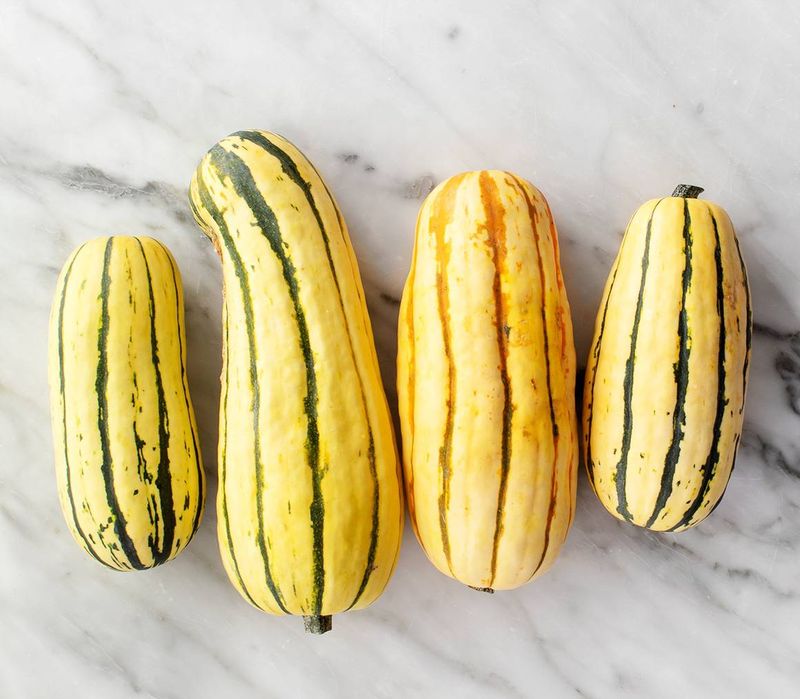
Nobody wants to peel a squash on a busy weeknight, and Delicata kindly lets you skip that chore. The thin striped skin softens in the oven, so you can slice it into rings and roast it skin and all.
Some folks call it sweet potato squash, and the creamy yellow flesh honestly earns that cozy nickname. Fruits are oblong and cream colored with green stripes, usually stretching six to nine inches long.
Like other winter squash, it loves full sun and fertile soil loaded with compost or aged manure. Wait until nights stay warm before planting, since chilly soil makes the seeds sulk and sometimes rot in the ground.
Plants usually ripen fruit in about 100 days, which leaves plenty of time for a fall harvest. Several compact strains stay fairly bushy, so they fit raised beds better than sprawling butternuts or giant pumpkins.
Ripe fruits show cream skin with deep green or orange stripes, and the rind resists your fingernail. Cut the stem with pruners instead of yanking, because a torn stem opens the door for rot.
I’ll be honest, Delicata won’t last as long as butternut in storage, thanks to that tender skin. Plan on eating your stash within about three months, which is rarely a problem in my kitchen.
My favorite trick is roasting the rings with olive oil and a pinch of smoked paprika until caramelized. Even picky kids tend to eat them like candy, which feels like a small gardening victory to me.
4. Waltham Butternut Squash
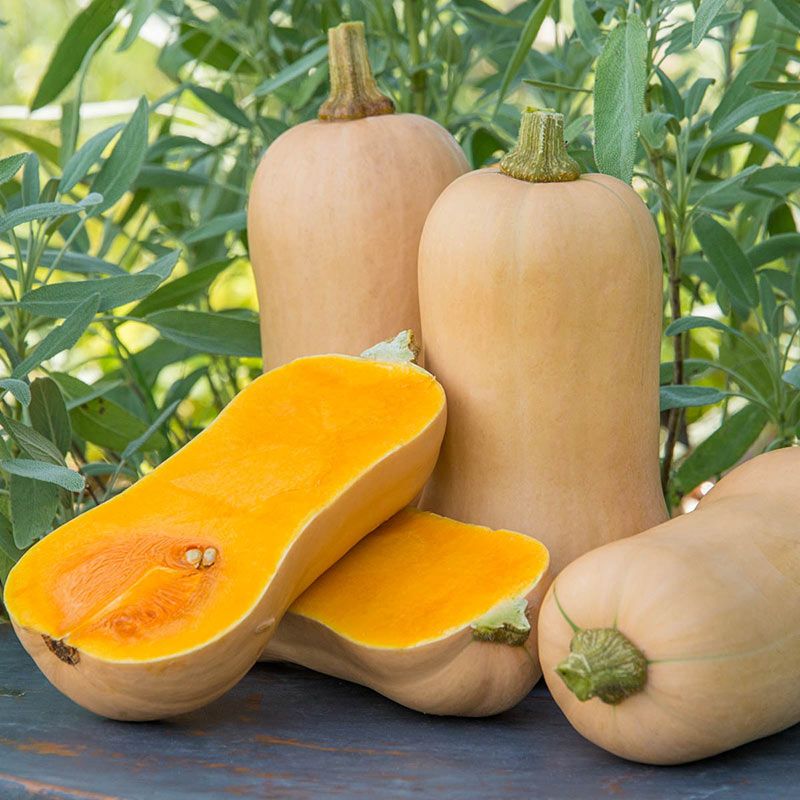
A Massachusetts gardener named Bob Young bred this tan beauty, and it won an All-America Selections award in 1970. Decades later, it remains one of the most dependable winter squash you can tuck into a home garden.
The smooth, bell-shaped fruits usually weigh four to five pounds and hide deep orange flesh with a nutty sweetness. Most of the fruit is solid neck, so you get lots of flesh and a small seed cavity.
Butternuts belong to Cucurbita moschata, a species known for handling heat better than many other squash types. Their tough, solid stems also make them less appealing to squash vine borers in places where those pests show up.
Plant seeds an inch deep once the soil reaches at least sixty-five degrees and frost is behind you. Give vines full sun and room to roam, since they often stretch six to ten feet across the yard.
Deep watering once or twice a week usually beats frequent sprinkles, especially during hot inland summer stretches. A thick layer of straw mulch keeps roots cool and stops fruit from sitting directly on damp soil.
Harvest when the skin turns an even tan with no green streaks, and the stem feels dry and woody. After curing, butternuts can keep for several months in a cool pantry, and the flavor often gets sweeter.
I can see why gardeners love finding a forgotten butternut in late winter that still looks perfectly fine. Roasted with sage and butter, it tastes like the reward for every hot afternoon you spent watering.
5. Seminole Pumpkin
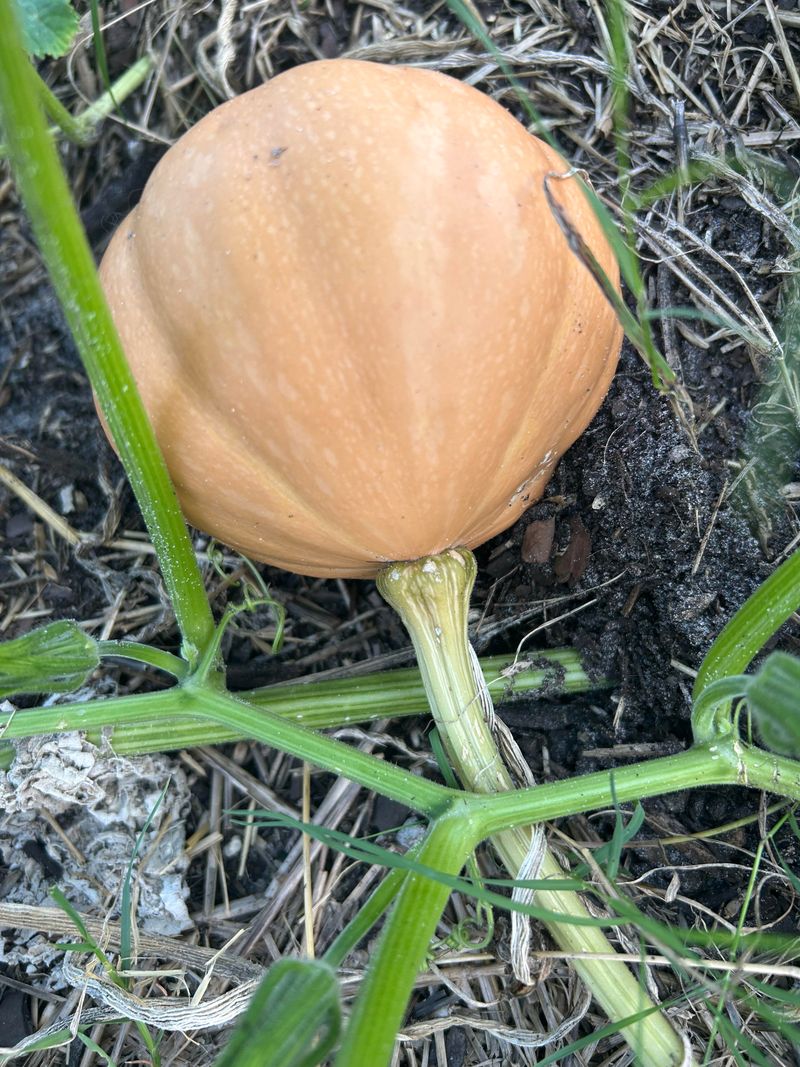
For centuries, Native peoples in Florida grew this pumpkin, sometimes letting the vines climb high into trees. Fruits hanging from branches must have looked wonderfully strange, and I still grin thinking about that sight.
You might wonder why a humid Florida native belongs in a list about dry fall weather. Heat tolerance is the answer, since this tough Cucurbita moschata keeps producing when summer temperatures soar inland.
The vines are seriously vigorous, often running fifteen feet or more if you give them a chance. A sturdy fence or arbor saves space and lifts the fruit off the ground, away from hungry critters.
Fruits are usually small and squat, with tan to buff skin and deep orange flesh that tastes sweet. Many people compare the flavor to butternut, and the flesh shines in pies or a spicy curry.
Sow seeds after frost in rich, well-drained soil, and choose the sunniest spot your yard can offer. Water deeply while flowers and young fruits form, then ease off a little as the rinds begin hardening.
Expect a harvest roughly three to four months after planting, once the skin turns tan and feels hard. Leave a bit of stem attached, and cure the fruit somewhere warm and airy for about two weeks.
Here’s what caught my attention: well-cured Seminole pumpkins can sit on a shelf for many months without spoiling. I have seen people decorate with them in October and cook the same fruit the following spring.
6. Hopi Grey Squash
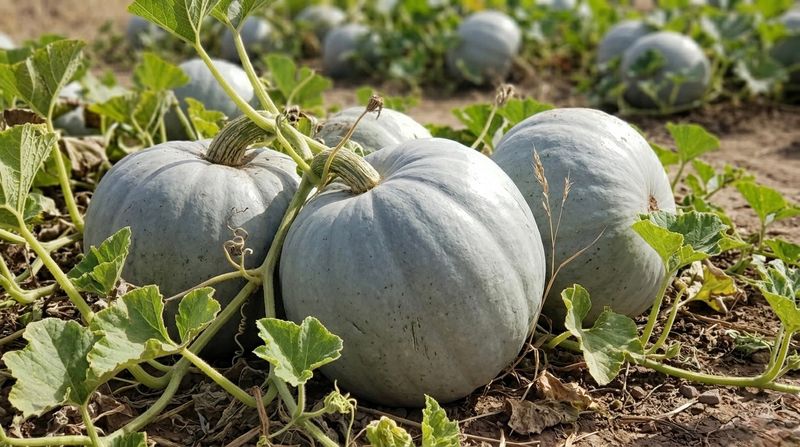
Few squash carry as much history as this pale gray heirloom, which Hopi farmers grew in the high desert Southwest. The variety nearly vanished in the twentieth century, and seed savers worked hard to keep it in gardens.
Fruits are round to slightly flattened, with a soft blue-gray rind that looks almost like weathered stone. Most weigh several pounds, and some grow large enough to make you lift with your legs, not your back.
Inside, the orange flesh is sweet and fairly dry, which makes it a dream for baking or thick soups. Dry flesh also means less watery pie filling, a small detail that serious bakers really appreciate.
Plants belong to Cucurbita maxima, so they grow long sprawling vines that need plenty of elbow room. Give them full sun and loose, rich soil, and work in compost before planting for the best results.
Desert-bred crops often handle heat and wind nicely, though garden plants still need regular deep watering here. Mulch helps hold moisture around the roots, especially when hot, dry winds blow through inland valleys in late summer.
Harvest before heavy frost arrives, once the rind is hard and the stems look dry and brown. Proper curing gives this squash impressive staying power, and many growers report it keeping well for many months.
I find it rewarding to grow a crop with such deep roots in Native farming traditions. Save a few seeds from your best fruit, and you help keep a rare heirloom alive for years.
7. Luffa Gourd
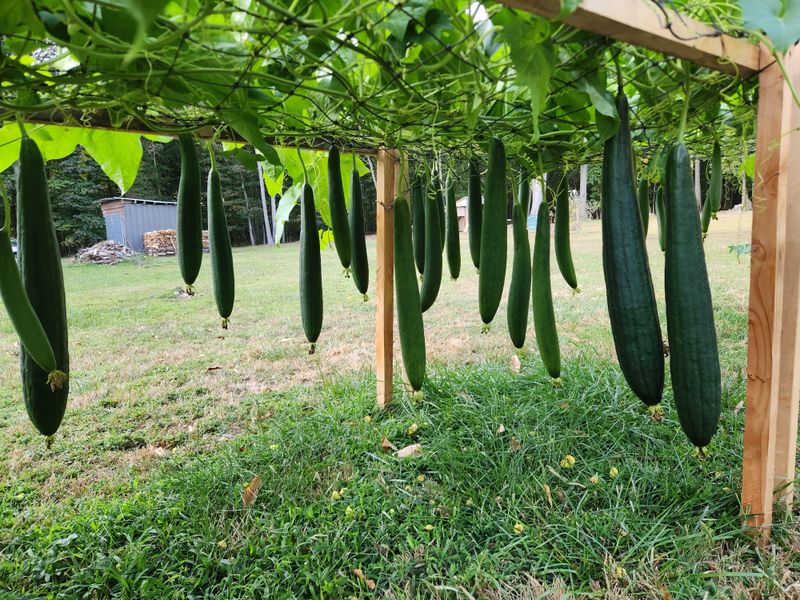
That scratchy sponge in your shower might have grown on a vine, not under the sea. Luffa is a gourd, and once the mature fruit dries, the fibrous skeleton inside becomes a natural scrubber.
Gardeners grow Luffa aegyptiaca for both purposes, since the young green fruits are tasty when cooked like zucchini. Pick them small and tender for the kitchen, because older fruits quickly turn fibrous and too tough to eat.
The catch is patience, because luffa needs a long, hot season of around 150 days or more. Inland California valleys usually provide that heat, while foggy coastal gardens may struggle to ripen sponges in time.
Starting seeds indoors a few weeks before your last frost gives the plants a valuable head start. Soaking the hard seeds overnight can speed germination, which helps when you’re eager to get growing.
Vines can climb twenty feet or more, so give them a strong trellis or a sturdy chain-link fence. Hanging fruits grow straighter and cleaner, and the cheerful yellow flowers bring in plenty of bees.
For sponges, leave fruits on the vine until the skin turns brown and the gourd feels light. Our dry fall air helps here, finishing the drying process without the mold that troubles damp climates.
Peel away the brittle skin and shake out the seeds before rinsing the fibers in warm water. Honestly, I get more excited about homegrown sponges than most of my tomatoes, and my friends think that’s hilarious.
8. Bottle Gourd
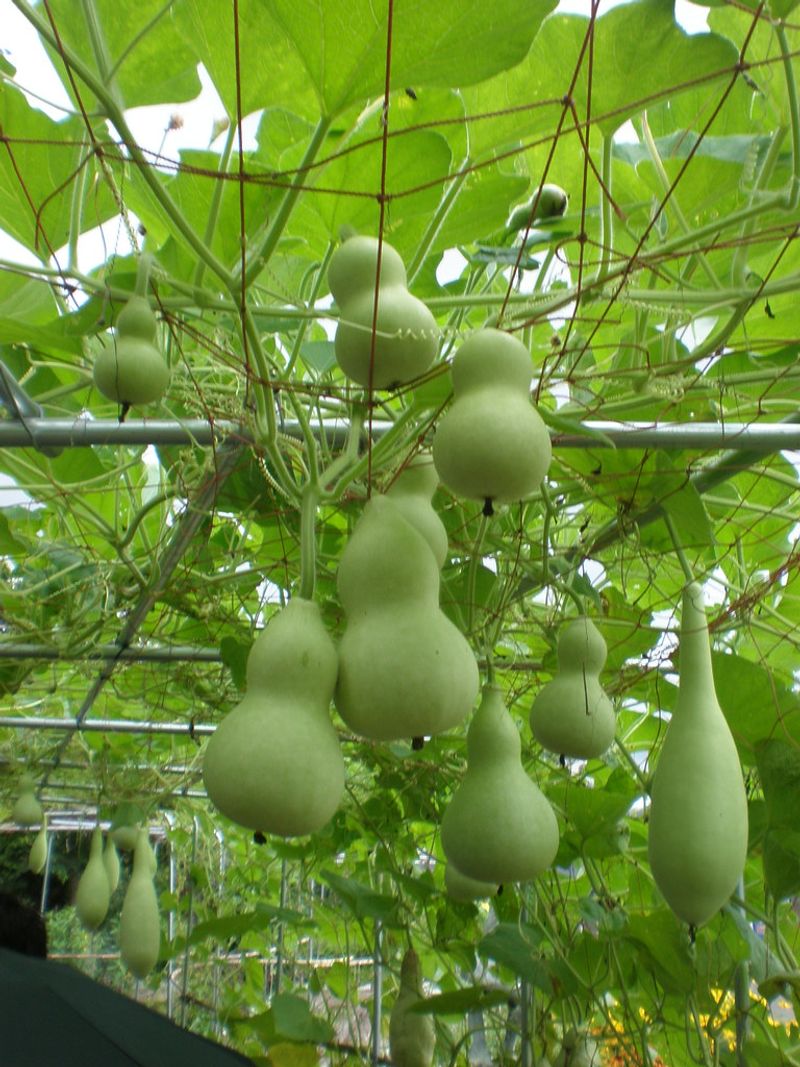
Archaeologists have found bottle gourd remains in the Americas dating back roughly ten thousand years, making it remarkably ancient. Researchers think some fruits may have floated across the Atlantic from Africa, which still amazes me.
Lagenaria siceraria goes by many names, including calabash and opo, depending on where your family’s recipes come from. Young fruits are mild and tender, and they show up often in Asian and Indian home cooking.
Unlike pumpkins with yellow blooms, bottle gourds open white flowers in the evening, attracting moths after sunset. Hand-pollinating with a small paintbrush at dusk can boost fruit set if your vines seem shy.
These plants crave heat and full sun, so wait until summer warmth arrives before planting outdoors. Rich soil with plenty of compost fuels the vines, which can easily ramble twenty feet or longer.
A strong trellis or arbor is a smart move, since mature gourds get surprisingly heavy as they ripen. Water deeply and steadily during flowering and fruiting, then back off as the season winds down.
For eating, pick fruits while they are young and your fingernail still dents the smooth green skin easily. For crafts, leave them on the vine until the stems brown and the foliage fades in autumn.
Curing takes several months in a dry, airy spot, and the seeds rattle inside when the gourd is ready. I can see why people have turned these shells into birdhouses and water containers for thousands of years.
9. Speckled Swan Gourd
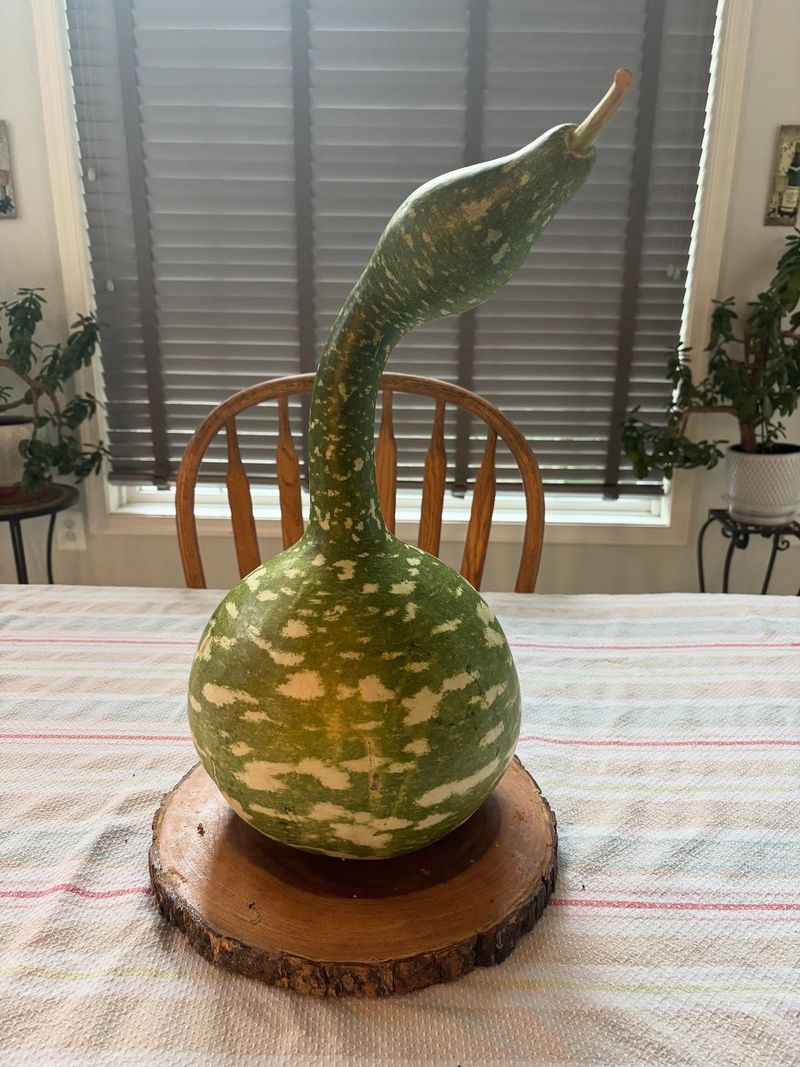
Few things make visitors stop and stare like a dark green gourd shaped exactly like a graceful swan. Speckled Swan earns its name with a plump round body and a long neck that curves like a bird.
Its creamy white speckles pop against the deep green rind, especially when fall sunlight hits them just right. I wouldn’t necessarily say it’s useful in the kitchen, but its decorative charm is hard to beat.
Botanically, it’s a hard-shelled bottle gourd, so it shares the same night-blooming white flowers and hearty appetite. Expect a long season of roughly 115 days, so plant as soon as nights stay reliably warm.
Here’s a fun twist: gourds lying on the ground tend to develop the most dramatic curved necks. Trellised fruits usually hang straighter, so let a few sprawl if you want that classic swan silhouette.
Feed the soil generously with compost, because these vines grow fast and use plenty of nutrients. Give them full sun and about an inch of water weekly, more during long heat waves.
Harvest after the stems turn brown and dry, ideally before any hard frost reaches your garden. Wipe each gourd with a mild bleach solution, then set it somewhere airy to cure for several months.
Mold spots on the skin are normal during curing, so don’t panic if your swan looks blotchy. Once it feels light and rattles, you can paint it or simply display it just as nature made it.
10. Ridge Gourd
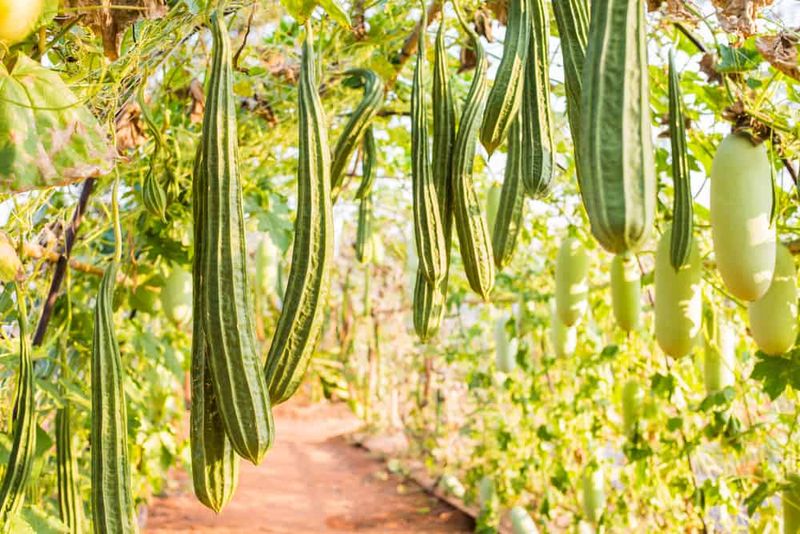
Ten sharp ridges run down the length of this skinny green gourd, giving it a look that’s almost architectural. Cooks across India and Southeast Asia prize the young fruits, which taste mild and slightly sweet.
Luffa acutangula is a close cousin of the sponge luffa, and it shares the same love for heat. In warm California gardens, the vines grow quickly and keep producing late into the season while other crops slow down.
Sow seeds after frost once the soil stays above sixty-five degrees, choosing a spot with full sun. Soaking seeds overnight softens their tough coat, and I find germination comes noticeably faster that way.
A tall, sturdy trellis matters, since dangling fruits grow straighter and stay cleaner than ones resting on soil. The bright yellow flowers open in the afternoon and evening, drawing in plenty of buzzing pollinators.
Water deeply about once or twice a week, adding mulch to keep roots cool during scorching afternoons. Steady moisture keeps the fruits tender, while drought stress can make them noticeably bitter and tough.
Pick fruits when they reach six to eight inches long, checking the vines every couple of days. Frequent picking encourages more flowers, so a single healthy plant can keep a whole family well supplied all season.
Peel the ridges lightly, then simmer the slices in a lentil stew or a quick garlic stir-fry. Any fruits you miss will harden into rough sponges, so even forgotten gourds end up being useful.