What It Means When A Hermit Thrush Scratches Under Your California Shrubs
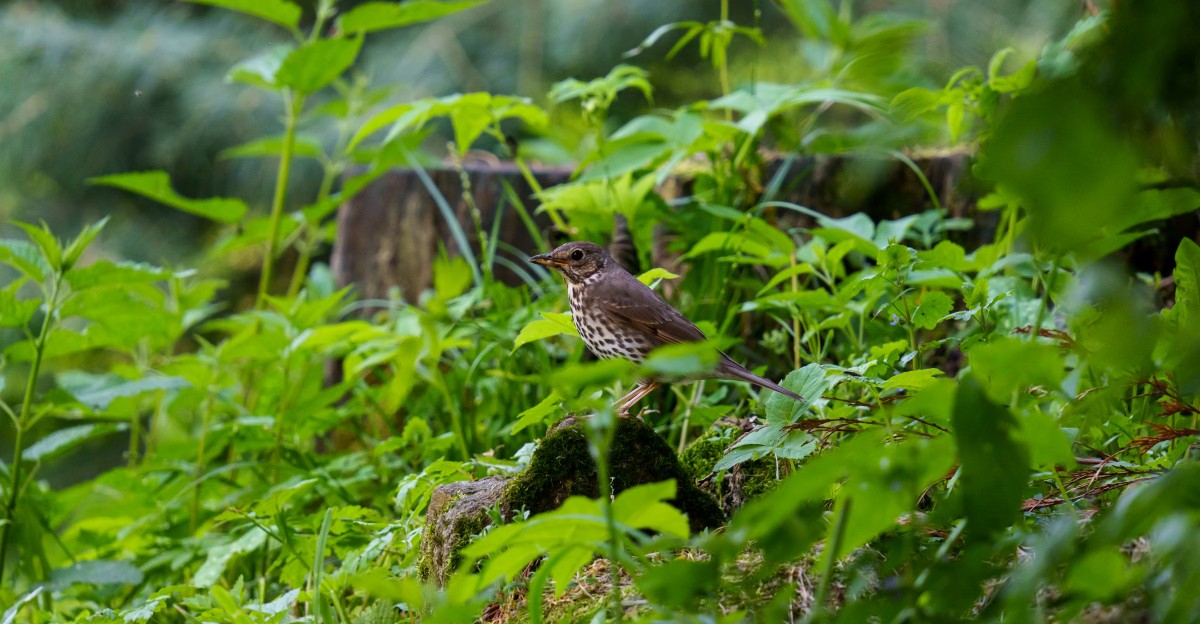
A small brown bird can shake leaves with one foot just to scare up a hidden bug. Birders call it foot quivering, and it happens right under garden shrubs.
I spent one whole winter blaming a squirrel for the rustling under my toyon. Then a rusty tail flicked out from the leaves and gave the culprit away.
The visitor is shy, quiet, and easy to miss in California yards from fall to spring. It rarely sings here, so most folks hear only scratching, a soft chuck note, and the patter of tiny feet. It also tends to bolt the second you get close.
Here’s what gets me most. That messy pile of leaves you almost raked up might be the best thing in your garden for this bird. So what exactly is it hunting down there, and what is it telling you about your yard?
That Shrub Rustling Comes From A Shy Brown Thrush Hunting Breakfast
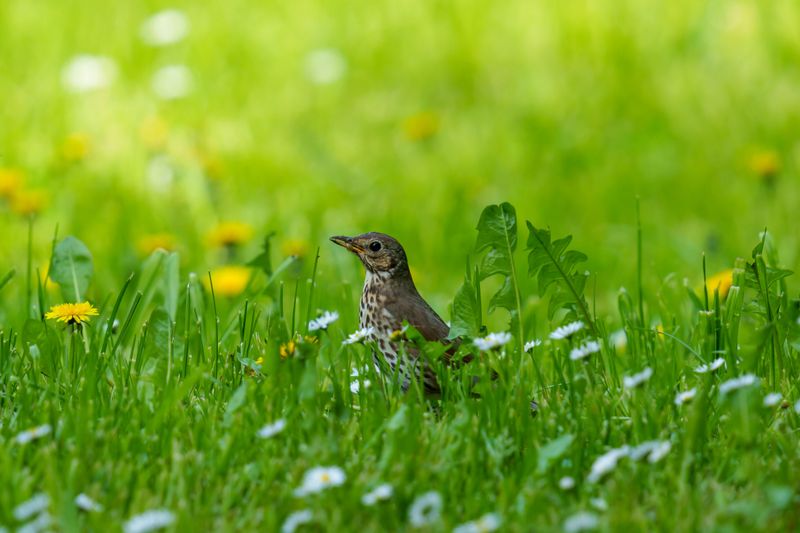
Most mornings, the rustle starts before the coffee is done. A soft scratch, a pause, then another scratch under the bushes. In a California winter yard, a Hermit Thrush is one possible source, though towhees, sparrows, and other ground feeders make similar sounds.
The bird is a ground forager. It hops through leaf litter, flips leaves with its slender bill, and scratches to uncover food. Cornell Lab of Ornithology notes it often feeds low in shaded, brushy spots, which is why your shrubs get so much attention.
Spotting one takes patience. Look for a bird a bit smaller than a robin with a warm brown back, a spotted breast, and a reddish tail. A neat habit gives it away fast. It often lifts its tail slowly and then lowers it, sometimes with a quick wing flick.
The sound alone tells you something useful. Your garden likely has enough cover, moisture, and life in the soil to attract a bird that forages on the ground. A bare, raked yard rarely gets this kind of visitor.
Try this next time you hear it. Stand still near a window for a few minutes. The thrush usually pops out to the edge of the shrub, grabs something, and slips back into the shadows.
Bugs, Spiders, And Worms Are On The Hermit Thrush Menu
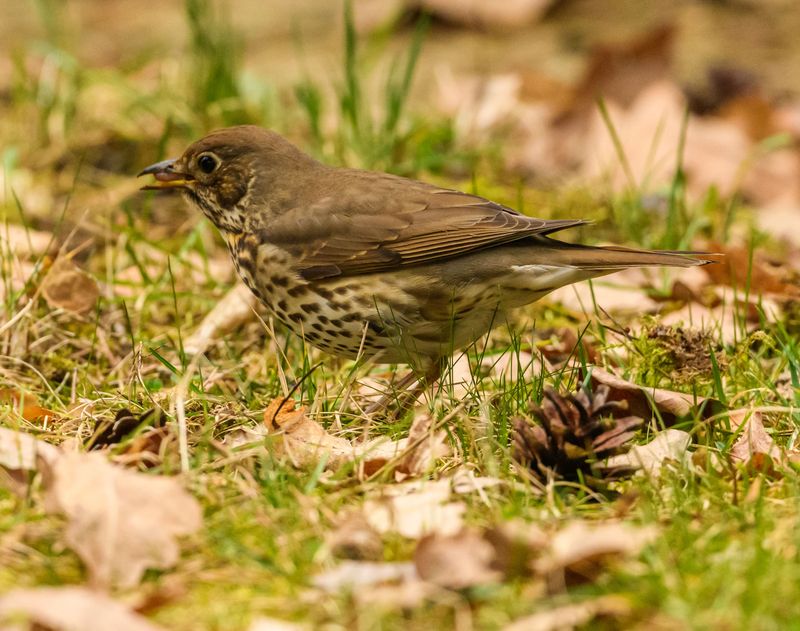
Call it free pest patrol with feathers. When a Hermit Thrush scratches under your shrubs, it is mostly hunting small invertebrates hiding in the mulch and topsoil.
Its diet includes beetles, caterpillars, ants, spiders, sow bugs, and earthworms, according to Audubon and the Cornell Lab. Many of these creatures hide under fallen leaves during cool, damp weather. The thrush knows exactly where to look.
That doesn’t mean every bug it eats is a garden villain. Plenty are harmless or even helpful decomposers. Still, a bird working your beds each day helps keep insect numbers in balance without any sprays.
Speaking of sprays, here’s a practical tip. Skip broad pesticides in the areas where thrushes feed. Those products cut down the bug supply and can expose birds to chemicals through their food.
Watching the bird’s behavior can give you a loose clue about how much food is in the ground. A thrush that lingers and scratches in one spot for a while is probably finding plenty to eat. A bird that moves on quickly may simply not be finding much to eat in that spot.
Either way, the scratching is a sign that something is crawling around down there. That’s a lively, working garden.
Your Winter Garden Is A Seasonal Stopover For Hermit Thrushes
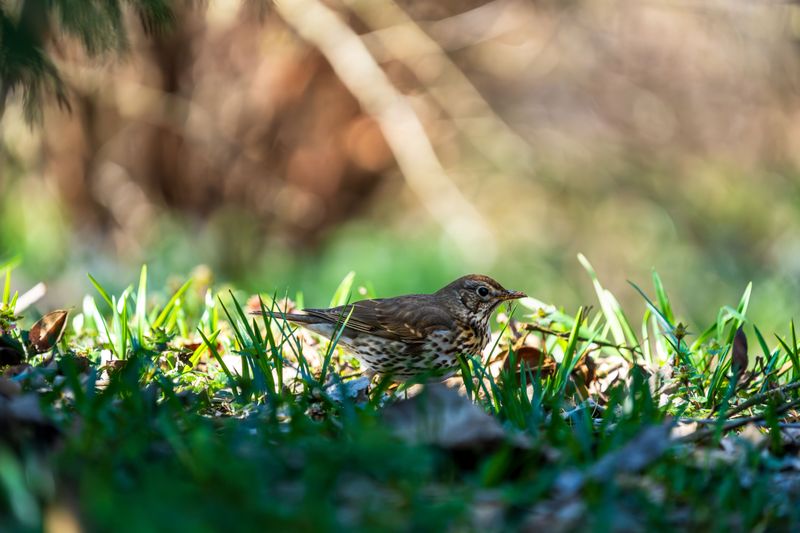
Timing tells a big part of the story. In much of lowland California, Hermit Thrushes are winter visitors, showing up around October and heading out by April or May.
These birds nest in cooler forests, including mountain areas of the West and farther north into Canada and Alaska. Once the weather turns, many slip down to milder coastal and valley regions. Your shady backyard suddenly becomes a perfect winter rental.
Not every part of the state works the same way. Some Hermit Thrushes breed in higher mountain forests like the Sierra Nevada during summer. So if you live up in the pines, you might see or hear them in warmer months too.
For most gardeners in coastal, valley, and Southern California towns, though, scratching under shrubs is a cool-season event. If you notice it in late fall, you’re likely welcoming a returning migrant. Some even come back to the same wintering areas year after year.
A fun habit to start is keeping a simple notebook. Jot down the first date you hear that scratching each fall and the last date in spring. After a few years, you’ll have your own record of the thrush’s comings and goings.
Dense Shrubs Give The Thrush A Dining Room And A Hiding Spot
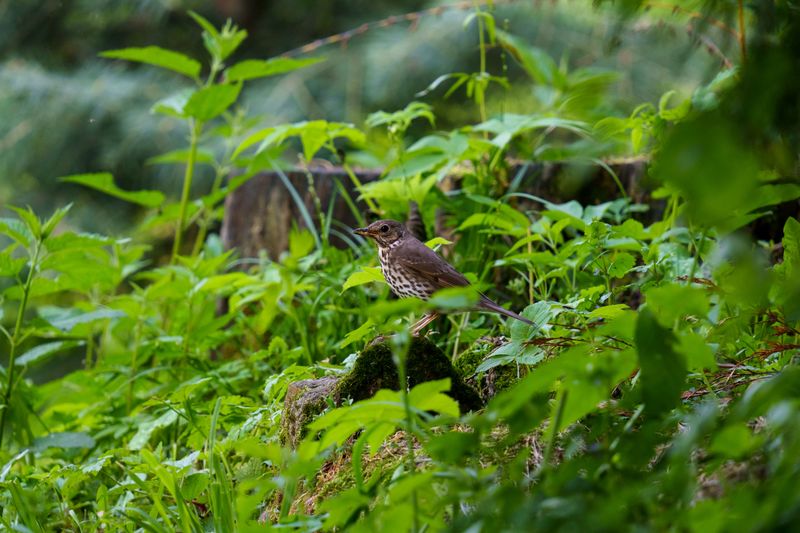
Shy birds love a good hiding place, and the Hermit Thrush is no exception. Thick shrubs give it two things at once: food on the ground and cover overhead.
Hawks, cats, and other hunters have a harder time spotting a small brown bird in deep shade. That’s why the thrush sticks close to the base of bushes instead of feeding out on an open lawn. One startle and it can vanish into the branches in a blink.
Your shrub choice matters here. Plants with layered branches that reach close to the ground work best. Native options like toyon, coffeeberry, manzanita, and California lilac create that sheltered feel while fitting the local climate.
Heavy pruning can change things fast. Lifting shrubs into neat balls or clearing out the bottom branches removes the shady pocket the bird depends on. If you want thrushes around, let a few bushes stay a little wild and full near the ground.
I’m a sucker for a messy corner, and this is my excuse. A tidy front border can sit right beside a looser back bed. The birds will figure out where they feel safest.
That Quivering Thrush Foot Shakes Bugs Out Of Hiding
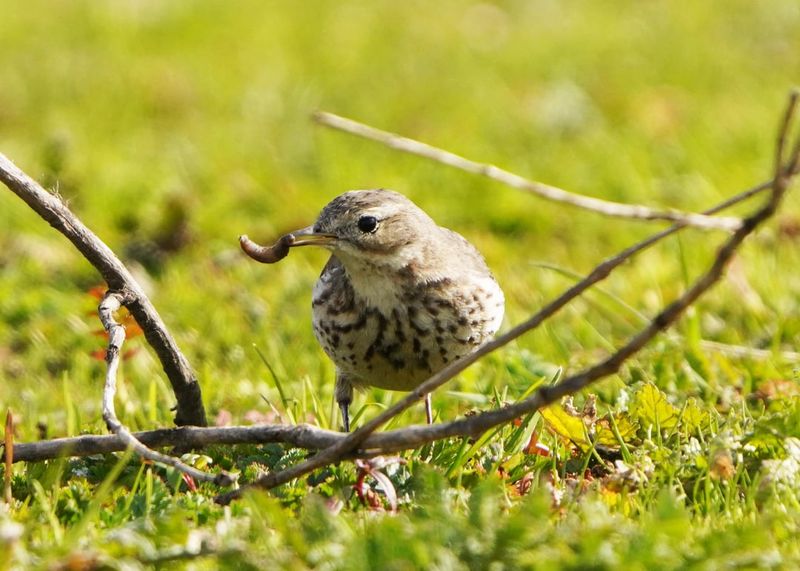
Watch closely and you may catch the strangest trick in the backyard. A Hermit Thrush sometimes stands on one leg and rapidly shakes the other foot against the ground.
Birders call this foot quivering. The Cornell Lab describes it as a way to stir up hidden insects. The tiny vibration seems to make bugs move, and movement is exactly what a hungry thrush is watching for.
It’s a quiet move, so you’ll need patience to see it. Use binoculars from a window or sit still on a porch step. Early morning and late afternoon light tend to bring the most activity.
The thrush mixes this with other habits. It hops a few times, stops, tilts its head, and then strikes at the ground. Sometimes it tosses leaves aside with its bill in quick flicks.
Kids often love spotting this behavior because it looks a little like a dance. Turn it into a game and see who notices the foot shake first. It’s a great way to teach young gardeners that birds are clever problem solvers.
Once you’ve seen it, you’ll never hear that scratching sound the same way again.
Toyon And Coffeeberry Berries Keep Hermit Thrushes Fed In Winter
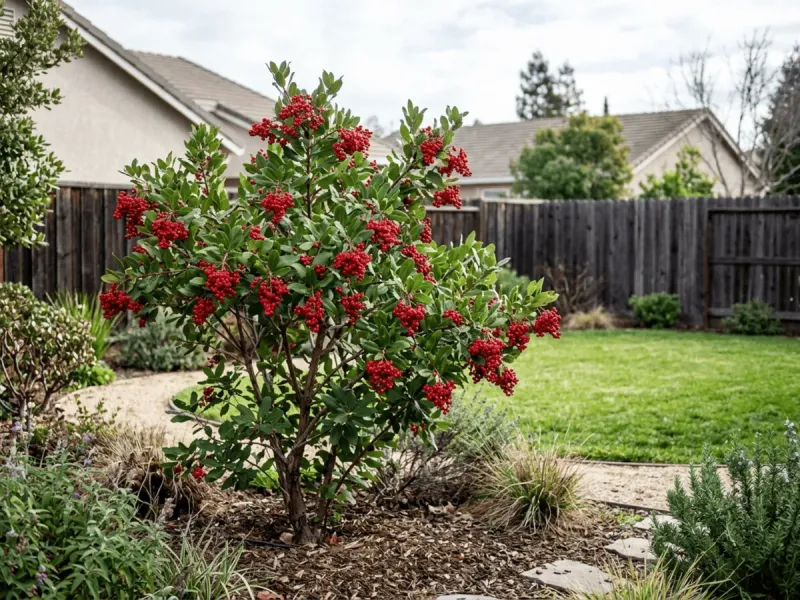
Bugs aren’t the whole picture. During the cooler months, Hermit Thrushes add a lot of fruit to their diet, especially when insects get harder to find.
California natives fit this need beautifully. Toyon produces bright red berries in winter, and birds happily feast on them. Coffeeberry, elderberry, and hollyleaf cherry are also good choices, depending on your area and space.
So the bird scratching under your shrubs may also be picking up fallen fruit. If you spot it on the ground near a berry bush, it could be grabbing dropped berries along with bugs.
Planting tip time. Fall is usually the best season to plant natives in much of California, since winter rains help roots settle in. Check with your local native plant nursery or UC Master Gardener program for plants that match your region.
One caution is worth sharing. Skip invasive berry plants like cotoneaster and some ornamental pyracantha in sensitive areas, since birds spread their seeds into wild lands. Sticking with natives keeps both your yard and nearby hillsides healthier.
A single well-placed toyon can feed thrushes, robins, and waxwings for weeks. That’s a lot of value from one shrub.
Leave The Leaf Litter And Keep Cats Inside For Happier Thrushes
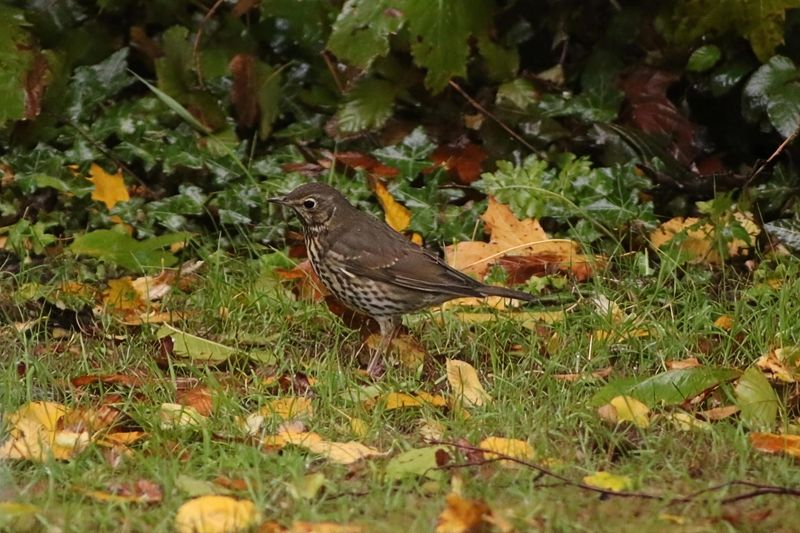
Guilty as charged, I used to rake every leaf out from under my bushes. Then I realized I was sweeping away the thrush’s whole grocery store.
Leaf litter holds moisture, shelters insects, and slowly feeds the soil. Leaving a layer under shrubs is one of the easiest ways to make your yard thrush-friendly. Just keep leaves away from house walls and follow local fire-safety rules if you live in a high fire risk zone.
Water helps too. A shallow birdbath set low and near cover gives thrushes a safe place to drink and bathe. Scrub it and refresh the water every few days to keep it clean.
Cats are a bigger issue than many people realize. Ground feeders like the Hermit Thrush are easy targets, and the American Bird Conservancy ranks outdoor cats among the top threats to songbirds. Keeping cats indoors or in an enclosed catio protects these visitors.
Finally, enjoy the show quietly. Avoid chasing the bird or using recorded calls to lure it out. Give it space, and the scratching under your shrubs may become a welcome sound every winter.