What Michigan Gardeners Should Do With Helenium After It Finishes Blooming
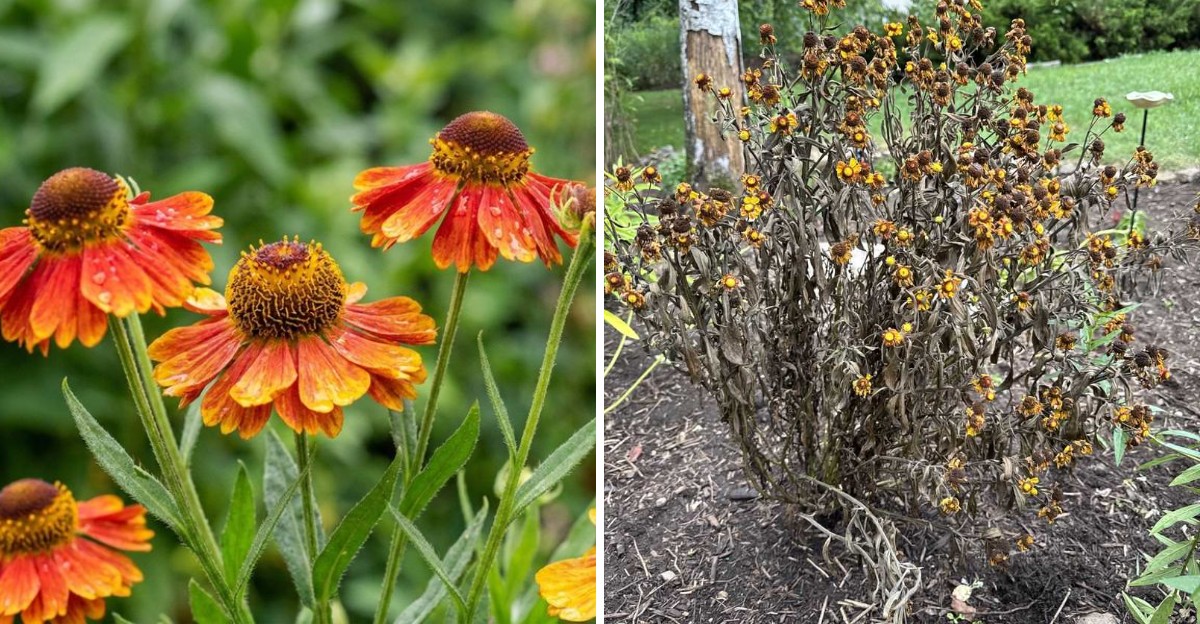
The flower nicknamed sneezeweed does not actually make you sneeze. Its name comes from an old habit of drying the leaves into snuff, which people sniffed on purpose.
What I find interesting is how much this native daisy still offers once the color fades. Those round, button-like centers turn into seed heads that small birds happily pick apart.
The hollow stems can shelter tiny beneficial insects through a long Michigan winter.
You might be surprised by how many choices you have at this stage. Snip, wait, divide, or leave it standing, and each choice shapes next summer in a different way.
I could be wrong, but most gardeners I know grab the pruners a little too fast in fall. So what should you really do with those faded blooms?
1. Those Faded Sneezeweed Flower Heads Still Have A Job To Do
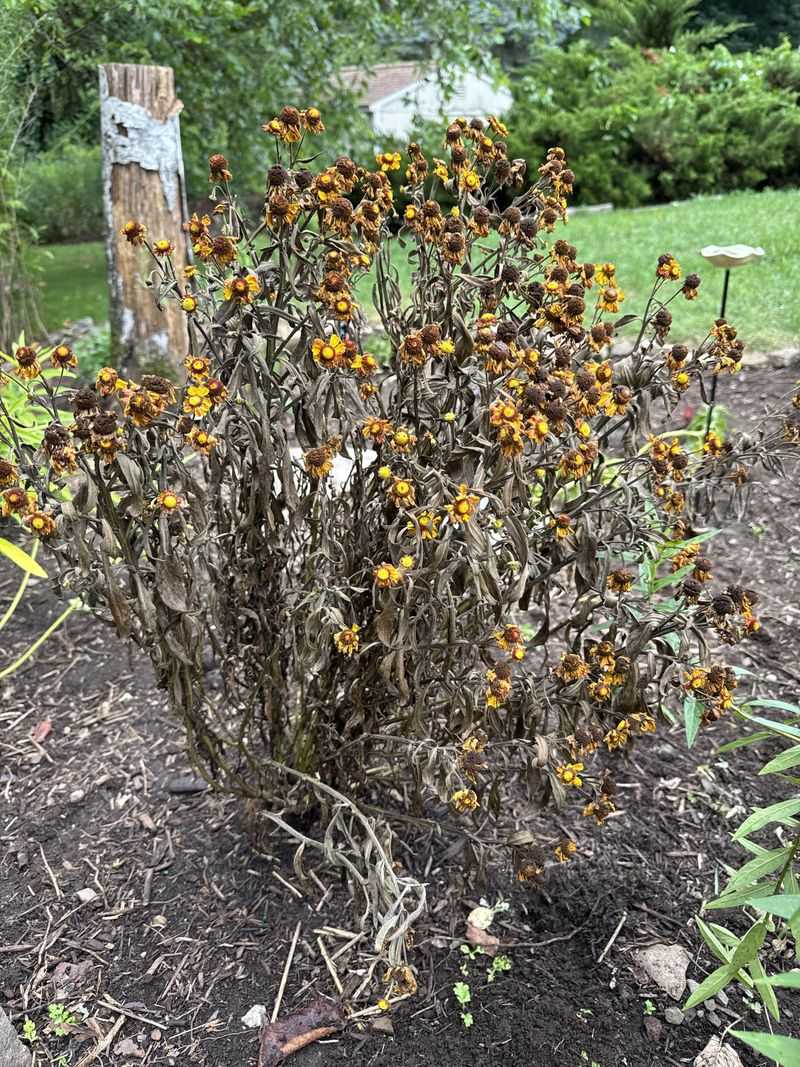
Spent flowers on helenium look a little scruffy, but they are far from useless. Each brown, rounded center is packed with tiny seeds that ripen as fall goes on.
In the wild, common sneezeweed grows in wet meadows, stream banks, and ditches across much of the eastern United States, including Michigan. It is a true native, so local wildlife has known it for a very long time.
Once the petals drop, the plant shifts its energy from showing off to making seed. You get to decide whether that seed matters to you.
If you want more blooms this season, you will remove those heads. If you want to feed birds and support insects, you will leave them alone.
Neither choice is wrong. The way I see it, the best answer depends on the calendar and on how your garden is set up.
Early in the bloom season, cutting faded flowers can push the plant to keep flowering. Later in fall, those same flower heads become a quiet winter snack bar and a hiding spot for small creatures.
A smart approach mixes both ideas. Trim the first round of faded blooms in late summer, then let the final flush go to seed.
That way you enjoy extra color and still give nature something useful once cold weather settles in.
2. Snip Spent Helenium Blooms To Coax Out A Late Encore
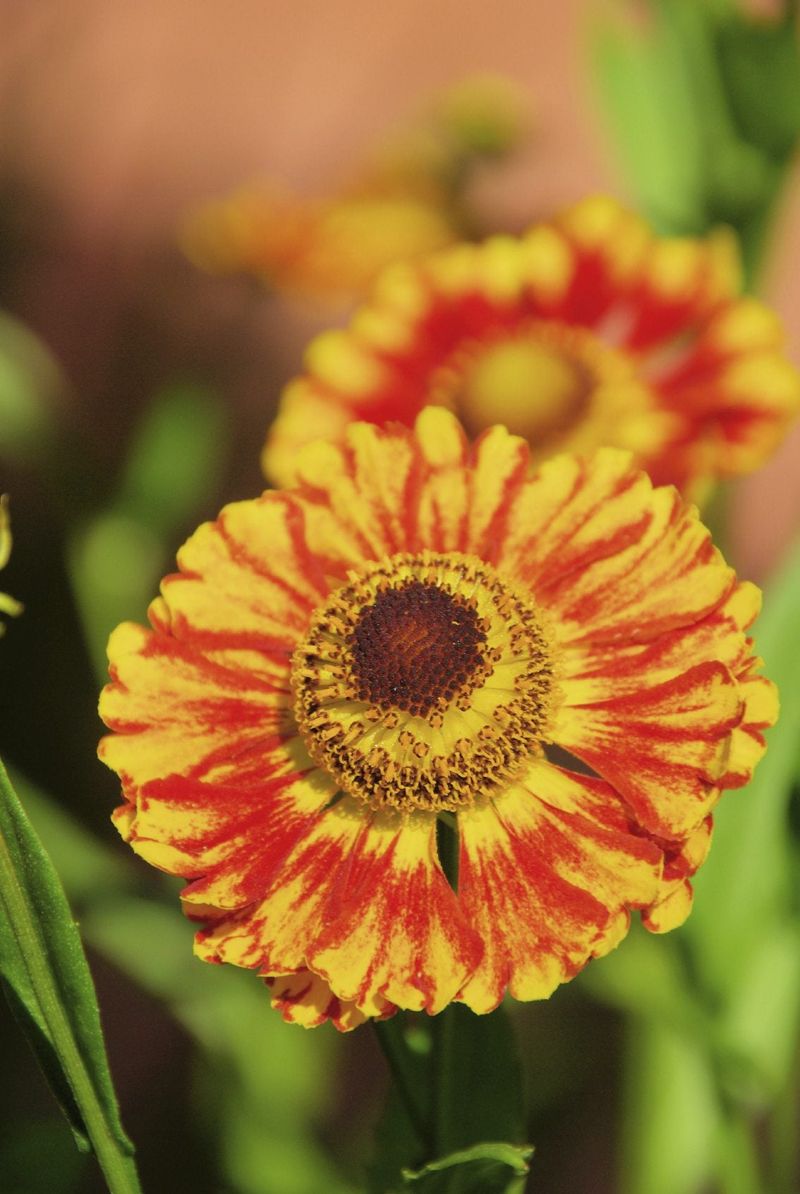
A quick trim can buy you weeks of extra color. Helenium responds well to deadheading, and many plants will keep sending up blooms into fall when you remove the faded ones.
Start in late summer when the first flowers lose their bright petals. Follow each faded stem down to the next healthy leaf or small side bud.
Make your cut just above that point.
Those side buds are the secret. Once the old flower is gone, the plant puts its effort into opening the new buds instead of ripening seed.
Clean, sharp snips make the job easier and leave tidy cuts. A pair of floral scissors works fine for thin stems.
I like to carry a small bucket so the clippings go straight to the compost pile.
Check your plants every few days during peak bloom. Helenium flowers in big clusters, so you may only need to snip a few heads at a time instead of doing one giant cleanup.
In most Michigan gardens, the first hard frost usually arrives somewhere between late September and late October, depending on where you live. Once frost is near, the reward for deadheading drops off.
That is a fine moment to put the snips away and let the last blooms stay put for wildlife.
3. Goldfinches Love Picking At Sneezeweed Seed Heads In Fall
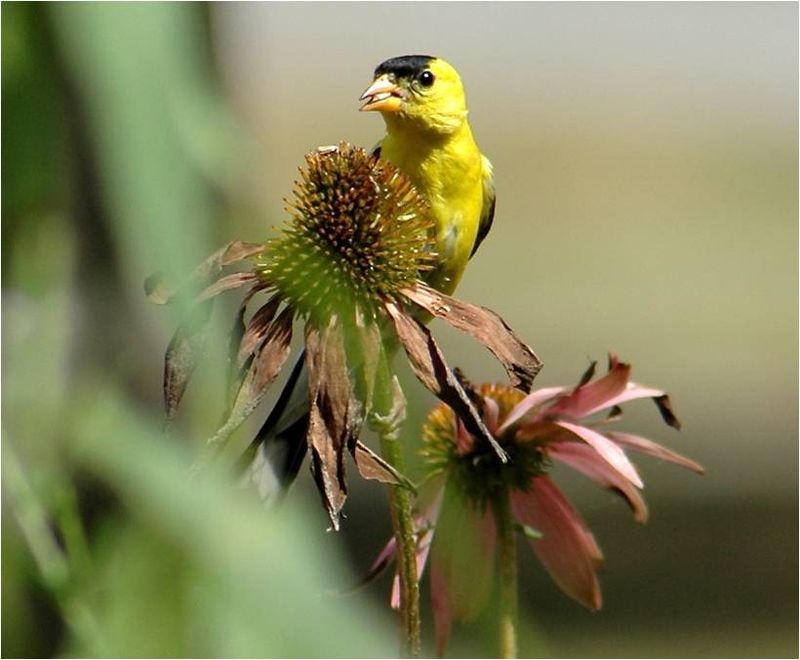
Few things beat watching a goldfinch bounce on a seed head. Leave some helenium stems standing in fall, and you just might get a front-row seat to that show.
Small seed-eating birds, especially American goldfinches, often visit the dried centers of daisy-family plants. Sneezeweed fits right into that group, along with coneflowers and black-eyed Susans.
The stems help in another way too. Many native bees and other beneficial insects spend winter tucked inside hollow or pithy stems, or in the leaf litter below.
Extension programs across the Midwest encourage gardeners to leave some plant material standing until spring for this reason.
You do not have to turn your whole bed into a wild patch. Even a few clumps left standing can make a difference for local wildlife.
Here’s something worth knowing about the look of it. Brown seed heads dusted with snow have a quiet beauty that many gardeners grow to love.
They also catch frost on cold mornings, which adds sparkle when the rest of the yard looks bare.
If neighbors wonder why your garden looks a bit shaggy, a small sign that says pollinator habitat can start a friendly chat. You might even inspire someone else to leave their stems up this winter.
4. Cutting Helenium Stems Back Depends On When Frost Arrives
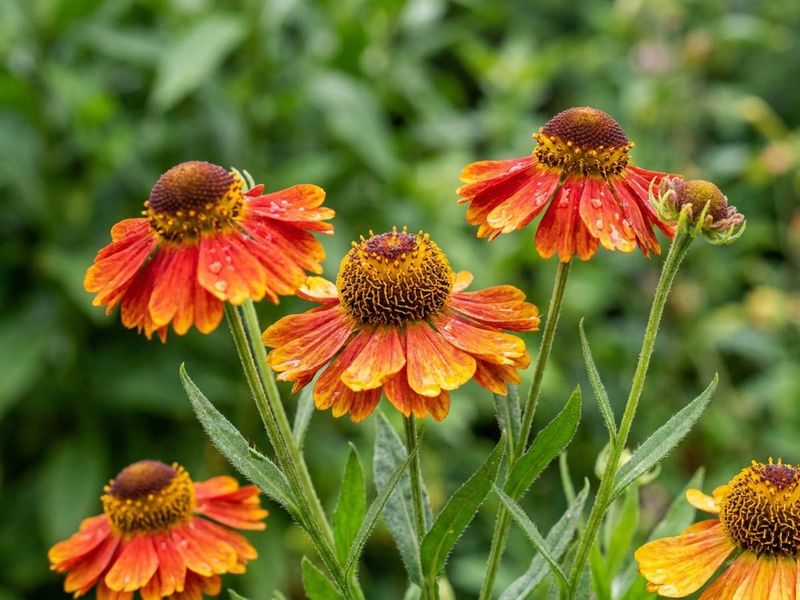
Timing your cutback is more about the plant than the date. Once a hard frost turns the leaves brown and limp, helenium has shut down for the year.
Gardeners who like a neat look can cut stems back to about 4 to 6 inches above the ground in late fall. In much of Michigan, that usually lands in October or November.
Leaving a short stub helps you remember where the plant sits. It also keeps you from accidentally digging into the crown when you plant spring bulbs nearby.
If you chose to leave stems for birds and insects, wait until spring instead. Many gardeners trim the old stalks in March or April, once temperatures are steadily warming and the first green shoots show at the base.
Not sure which path fits your yard? Think about traffic and visibility.
A front bed near the sidewalk might look better tidy, while a backyard border can stay wild.
Upper Peninsula gardeners often see frost weeks earlier than folks near Detroit or along the Lake Michigan shoreline. Adjust your plans to match your own weather instead of a neighbor’s two counties away.
Whatever you pick, toss healthy clippings in the compost. Leaves with heavy disease spots belong in the trash.
5. Spotty Or Brown Helenium Leaves Deserve A Closer Look
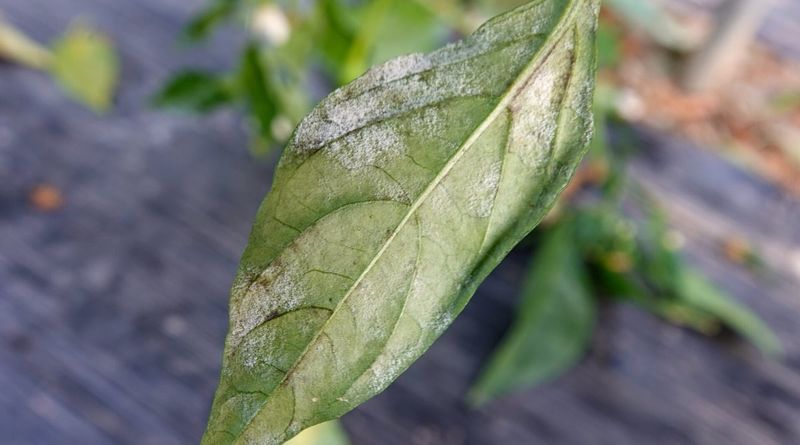
Brown lower leaves on helenium are pretty common by late summer. The plant tends to drop its bottom foliage, which leaves bare, leggy stems that look a bit sad.
Dry spells often make this worse. Sneezeweed grows naturally in moist meadows, so a hot, dry August in a sunny bed can stress it quickly.
Powdery mildew and leaf spot fungi can also show up, especially when air movement is poor. You will notice a white, dusty coating or scattered dark blotches.
After bloom is a great time to deal with this. Pick off badly spotted leaves and clean up fallen foliage around the base.
Removing infected debris reduces the fungus that can return next year.
Give crowded plants a little more room when you divide them later. Better airflow means leaves dry faster after rain, and that makes fungal problems less likely.
Water at the soil line instead of over the top. A soaker hose or a slow trickle from a hose keeps foliage dry while roots get what they need.
A clever fix for bare stems is to plant shorter companions in front. Low asters, catmint, or native grasses can hide those lower legs nicely, and you will hardly notice them by next summer.
6. Crowded Helenium Clumps Bounce Back After A Spring Division
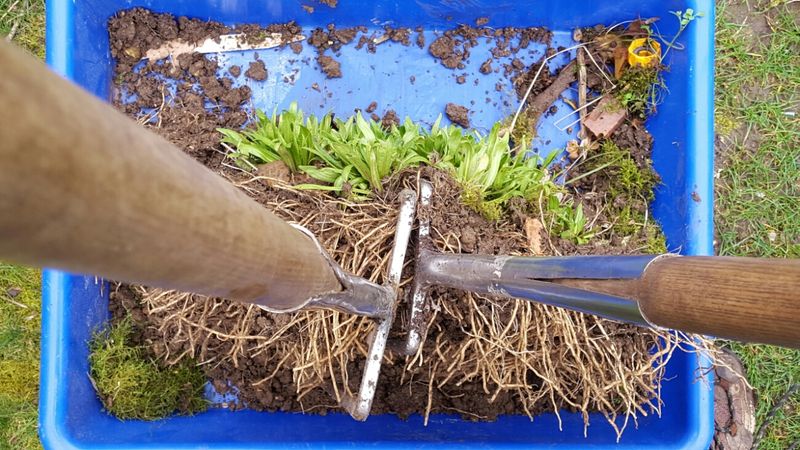
An old helenium clump can quietly run out of steam. You might see fewer flowers, floppy stems, or a hollow middle while the edges stay green.
Those are classic signs the plant wants to be divided. Most gardeners do this every two to four years or so to keep things lively.
Fall cleanup is a great time to spot the problem and make a plan. The actual digging works best in early spring, when new shoots are just a few inches tall.
Divisions settle in fast during cool, moist weather.
Early fall can work in southern parts of the state, but give the roots at least a month before the ground freezes. In colder northern areas, spring is the safer bet.
Dig up the whole clump with a sharp spade. Pull or cut apart the healthy outer sections, each with roots and several shoots.
Toss the tired, woody center.
Replant the pieces at the same depth they grew before, then water them well. Space them so air can move between plants.
I never get tired of how generous this step feels. One overgrown clump can turn into three or four fresh plants.
Share the extras with friends or start a brand new sunny bed.
7. A Light Layer Of Mulch Helps Sneezeweed Crowns Through Winter
Hardiness is one of helenium’s best traits. Common sneezeweed handles USDA zones 3 through 8, which covers every corner of Michigan with room to spare.
Still, newly planted or freshly divided clumps appreciate a little extra help their first winter. A loose layer of mulch, about 2 inches deep, can protect the crown from freeze and thaw cycles.
Those repeated swings can heave young roots out of the soil, especially during warm spells in late winter. Mulch keeps the ground temperature steadier.
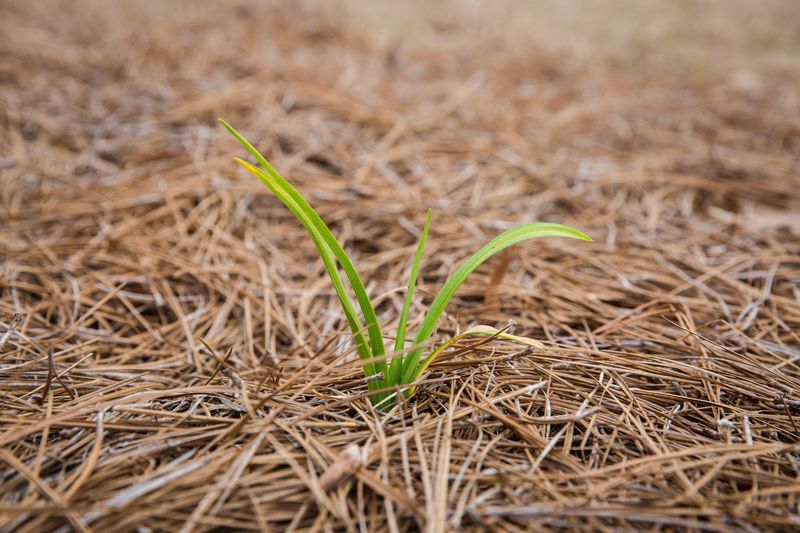
Shredded leaves, pine needles, or straw all work well. Wait until the ground has started to freeze before you spread it, usually late November in many areas.
Keep mulch from piling right against the stems. A thick, wet mound around the crown can invite rot, and helenium dislikes sitting in soggy soil during cold months.
Fall watering matters too. If autumn turns dry, give plants a deep soak before the ground freezes so roots head into winter well hydrated.
Skip the fertilizer at this stage. Feeding late in the season can push soft growth that struggles in the cold.
Come spring, pull the mulch back a little as new shoots appear so the soil can warm up.
8. Plan A Late Spring Chelsea Chop For Sturdier Helenium Next Summer
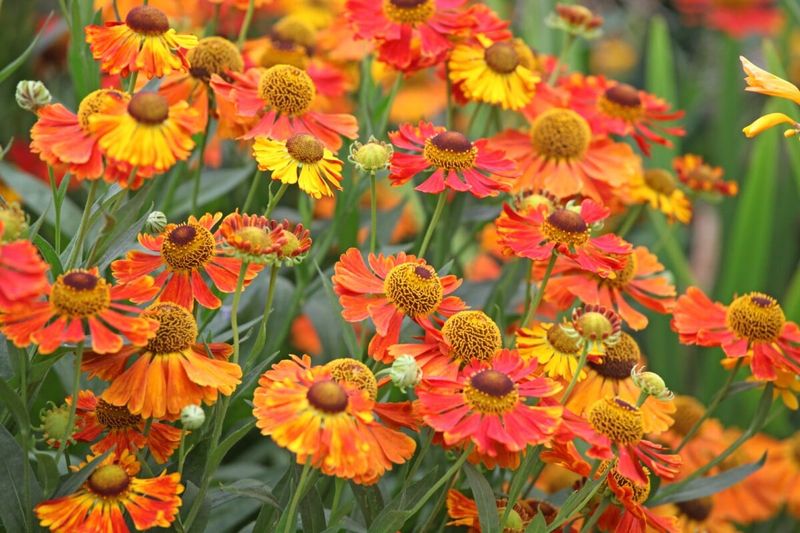
Next year’s flower show starts with a little planning now. While your helenium rests, jot down what worked and what flopped.
Tall varieties often lean over by August, especially in rich soil. A trick called the Chelsea chop can help with that.
Gardeners in England named it after the Chelsea Flower Show, held in late May. In Michigan, aim for late May or early June when stems are about a foot tall.
Cut back some or all stems by roughly one third to one half. The plant responds by branching out, giving you a shorter, bushier clump with more flower heads.
Blooms may arrive a week or two later, which can stretch the season nicely.
Some gardeners chop only the front stems. That creates a layered look, with shorter blooms in front and taller ones behind.
Site matters as much as pruning. Helenium wants full sun, at least six hours a day, and soil that stays evenly moist without turning soggy.
Too much shade leads to weak, floppy growth.
Write a quick reminder on your calendar now so you do not forget. A few simple steps after bloom, and one snip in spring, can turn a good clump into the brightest spot in your late summer garden.