Simple Tricks Michigan Plant Lovers Use To Get Fishbone Cactus To Bloom
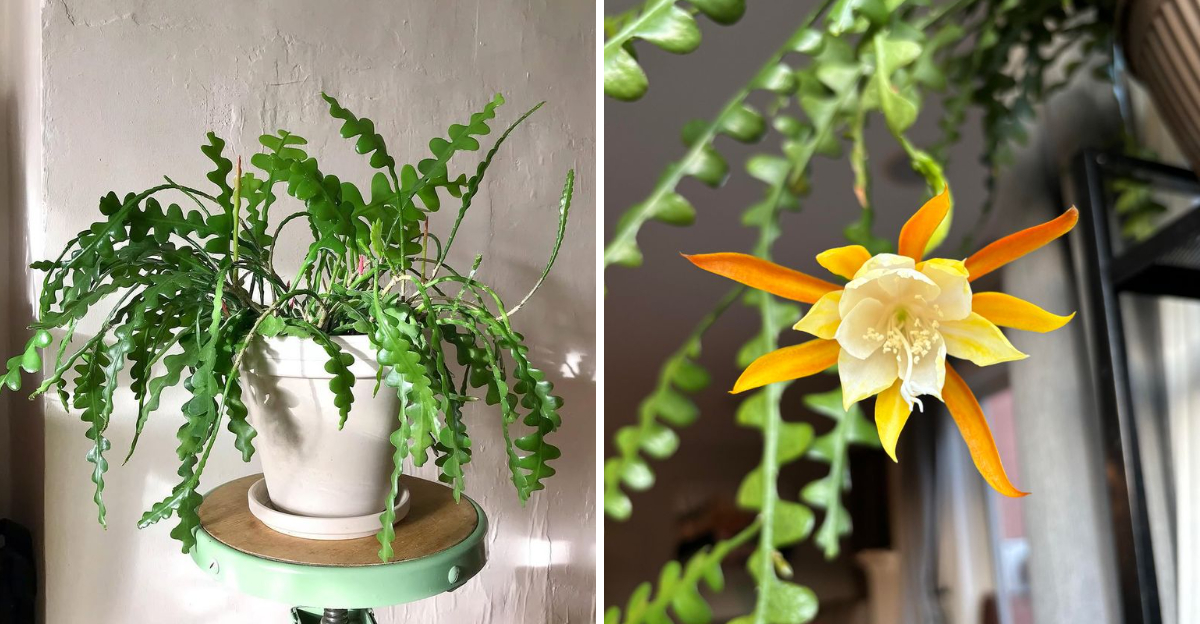
Ever feel like your fishbone cactus is just a fancy, zig-zagging green sculpture that refuses to do its one job? In Michigan, leaf envy is real – we’ve all got lush plants, but those rare, fragrant nocturnal blooms can feel like a myth.
Between our grueling winters and the dry, radiator-heated air that zaps indoor humidity, these tropical beauties often decide to stay in permanent hibernation. But don’t give up on those flowers just yet!
Local plant enthusiasts have cracked the code for the Great Lakes state. With a few simple tweaks to your light and watering routine, you can finally coax those stunning, midnight blossoms out of hiding and turn your Michigan home into a jungle paradise.
1. Provide Bright Indirect Light
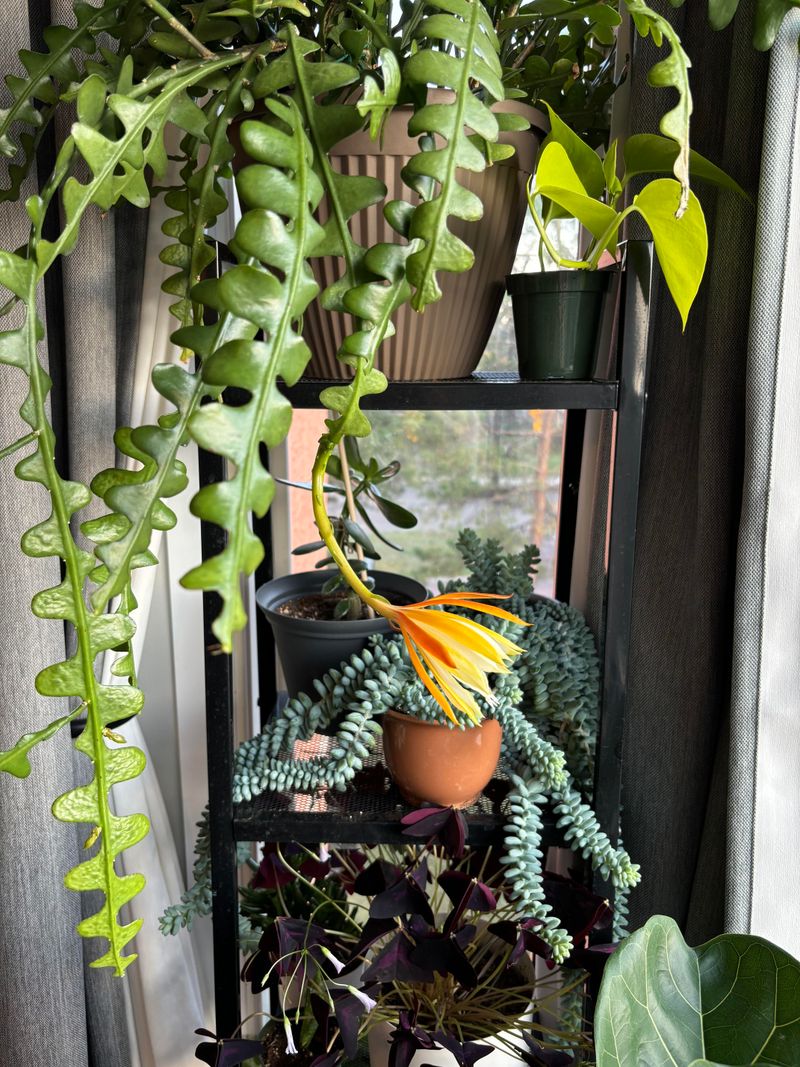
Low light is one of the biggest reasons Michigan plant owners wait years for a fishbone cactus bloom that never comes.
During Michigan winters, natural light drops significantly, and rooms that feel bright to us can actually be quite dim for a tropical plant that evolved under forest canopies.
Placing your cactus near an east-facing window is a solid starting point, since it catches gentle morning sun without the harsh afternoon rays that can scorch the delicate stems.
North-facing windows can work in a pinch, but the light may not be strong enough to trigger blooming on its own. South or west windows often provide too much direct sun, which can stress the plant rather than encourage flowering.
A sheer curtain can help filter intense light beautifully.
Many Michigan plant owners have had great success supplementing natural light with a full-spectrum grow light during the darker months between November and March.
Running a grow light for about 12 to 14 hours a day can mimic the longer daylight hours the plant craves.
Consistent, bright indirect light signals to the cactus that conditions are right for putting energy toward flower production rather than just survival.
Even small improvements in light quality can shift the plant from a purely vegetative state into bloom mode over the course of one growing season.
2. Allow A Slight Winter Rest Period
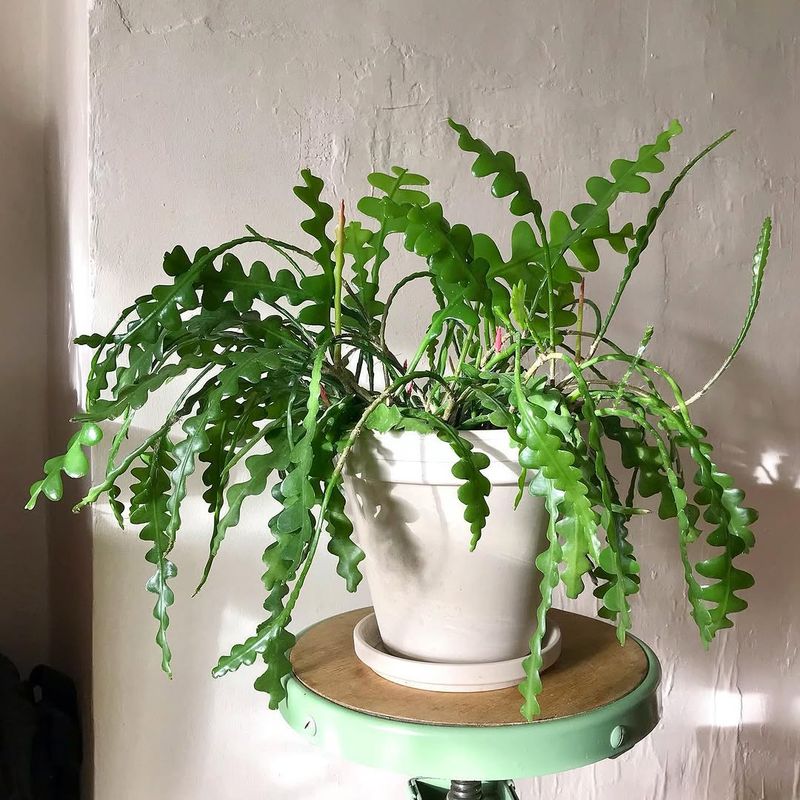
Many Michigan houseplant lovers keep their homes at the same cozy temperature year-round, which actually works against a fishbone cactus when it comes to blooming.
In its natural habitat, this plant experiences a noticeable drop in temperature and light during certain months, and that shift is what cues it to prepare for flowering.
Without that seasonal signal, the plant simply keeps growing without ever transitioning into bloom mode.
Mimicking a rest period at home does not require anything dramatic. Allowing nighttime temperatures to drop to around 50 to 60 degrees Fahrenheit near a cool window from late fall through early winter can be enough.
Many Michigan homes naturally have cooler spots near windows or in less-heated rooms, making this easier to pull off than it sounds.
During this rest period, it helps to also reduce watering and hold off on fertilizing entirely. The combination of cooler temperatures and reduced care tells the plant that winter has arrived, which sets the stage for a burst of growth and eventually blooms when warmer conditions return in spring.
Your Michigan Garden Changes Every Week. Your Plan Should Too.
Gardening in Michigan changes quickly throughout the season. Every Friday you’ll receive a simple weekly plan showing exactly what to plant, prune, fertilize, harvest, and protect so you never miss the right timing.
Plant owners who have tried this approach in Michigan often report seeing the first signs of bud development within a few weeks of warming the plant back up in late winter or early spring. Patience during this rest phase is genuinely worth it.
3. Avoid Overwatering During Dormancy
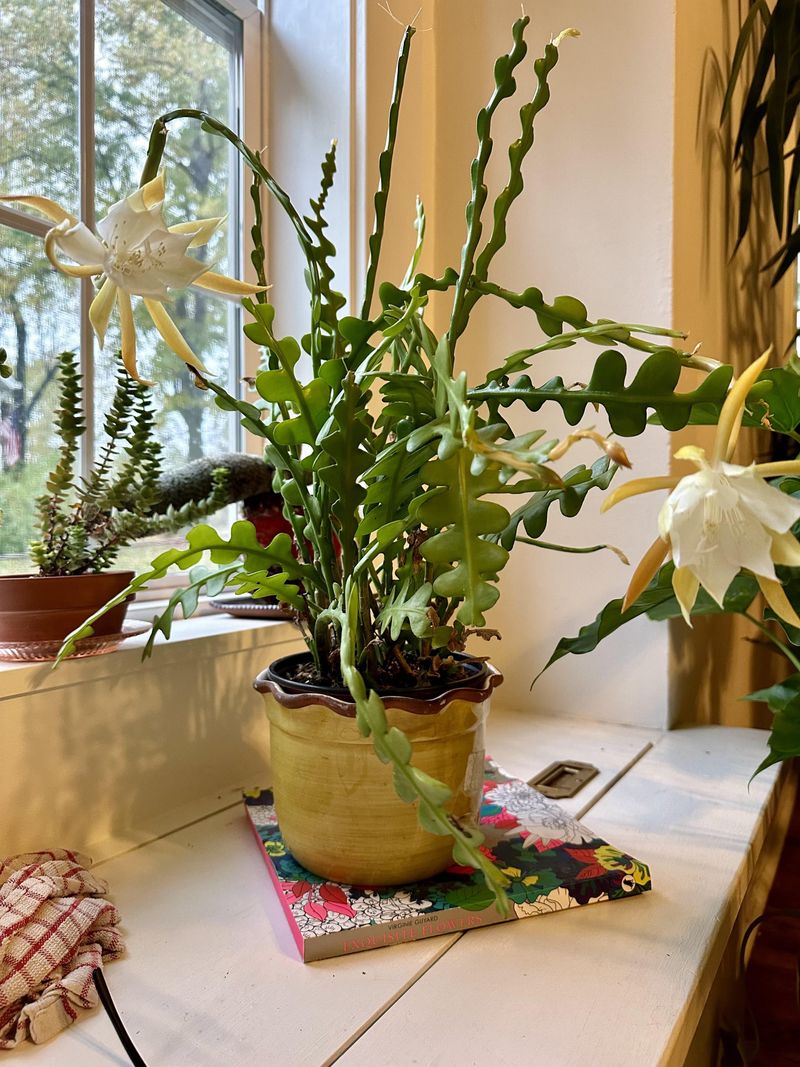
Watering habits that work beautifully during the growing season can actually cause problems once fall arrives. When a fishbone cactus enters its rest period, its roots slow down and no longer need the same moisture levels they relied on through spring and summer.
Continuing to water on the same schedule during dormancy can lead to soggy soil, which puts unnecessary stress on the root system and can interfere with the plant’s ability to bloom later on.
A good rule of thumb during Michigan’s colder months is to let the top two inches of soil dry out completely before watering again.
Depending on how dry your indoor air is – and Michigan homes running forced-air heat can get very dry – you might find yourself watering only once every two to three weeks during dormancy.
That reduced frequency is actually what the plant prefers at this stage.
Using a moisture meter takes a lot of the guesswork out of this process and is a worthwhile small investment for any serious plant enthusiast. Checking the soil rather than watering on a fixed schedule helps you respond to what the plant actually needs.
Overwatering during dormancy is one of the most common reasons fishbone cacti in Michigan homes fail to bloom, and simply pulling back on water from October through February can dramatically improve flowering results the following season.
4. Maintain Consistent Temperatures
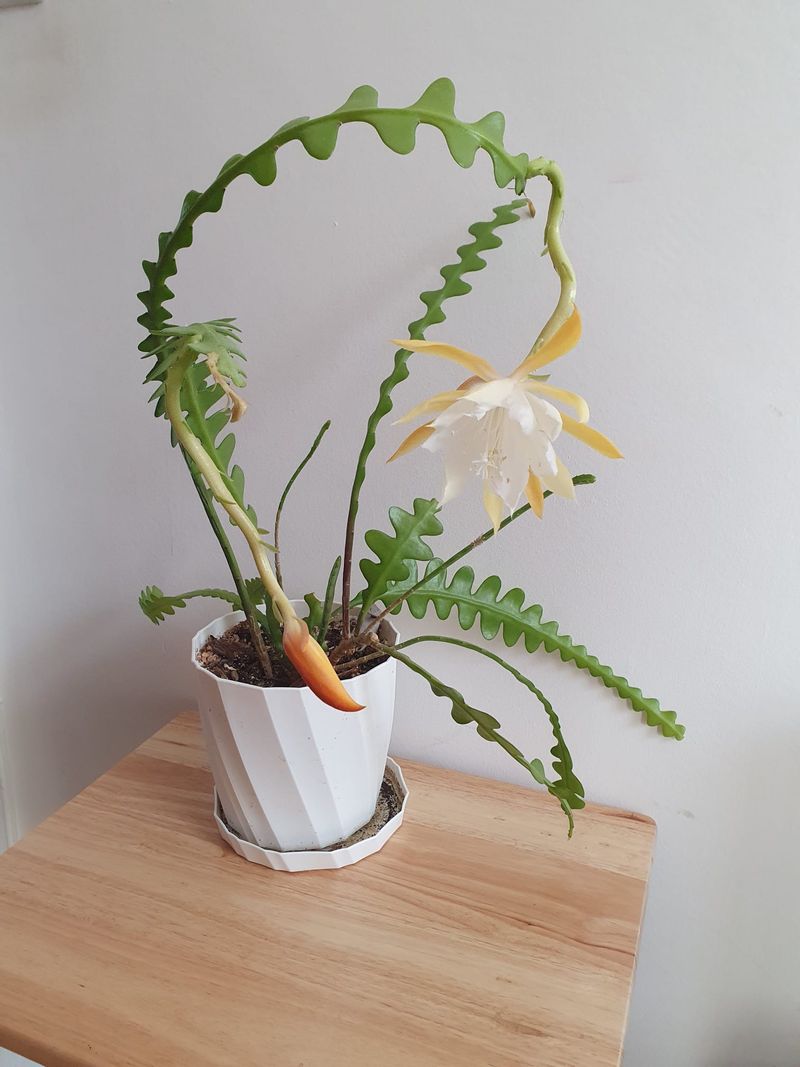
Temperature swings are something Michigan plant owners deal with more than they might realize.
Homes near drafty windows, exterior walls, or heating vents can experience temperature fluctuations of 10 degrees or more throughout the day, and a fishbone cactus notices those changes even when we do not.
Sudden cold drafts in winter or bursts of hot dry air from a heating vent can stress the plant enough to drop developing buds before they ever open.
During the active growing season, keeping temperatures somewhere between 60 and 75 degrees Fahrenheit tends to keep the plant comfortable and productive.
Avoiding spots directly above or beside heating vents is especially important in Michigan homes where forced-air heat runs heavily from November through April.
That stream of hot, dry air is tough on tropical plants that prefer more stable, humid conditions.
Once buds begin forming, temperature consistency becomes even more critical. A sudden cold snap near a window or an unexpected warm spell from cranking up the heat can cause buds to stall or abort entirely.
Placing a simple digital thermometer near the plant gives you a clear picture of what your cactus is actually experiencing throughout the day and night.
Small adjustments, like moving the plant a foot or two away from a drafty window, can make a noticeable difference in how successfully buds develop through to full bloom in a Michigan home.
5. Use A Well Draining Potting Mix
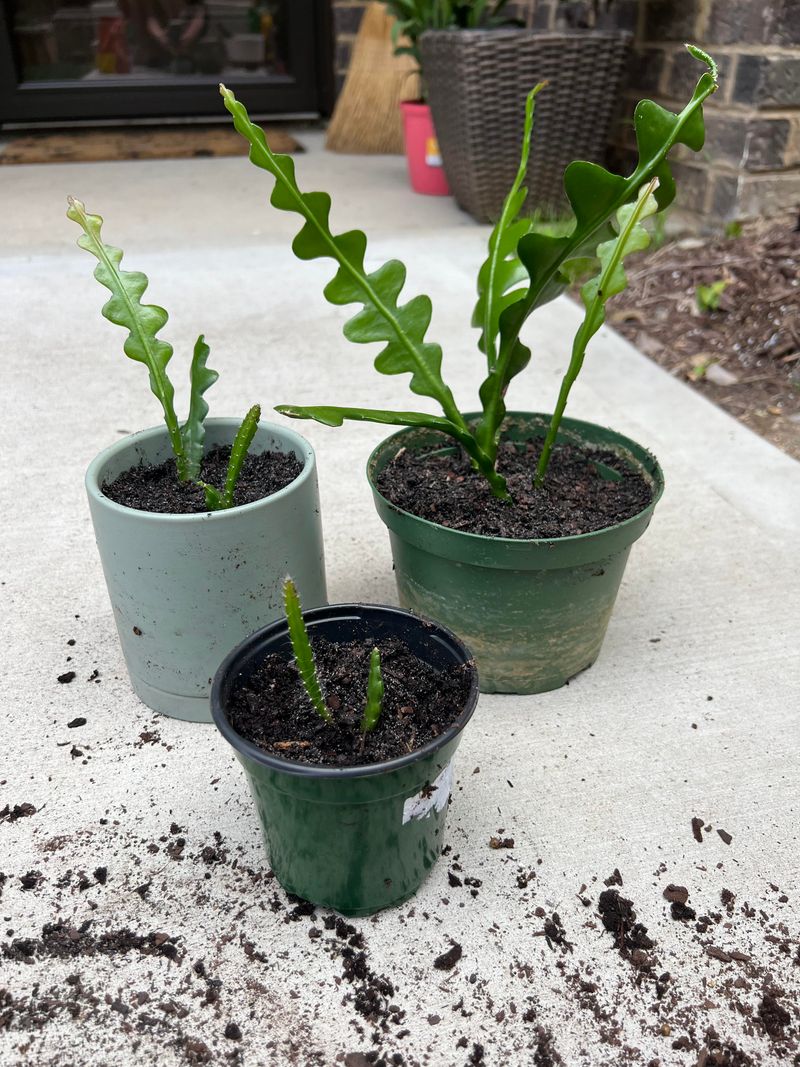
Soil choice has a bigger impact on blooming than many people expect. A fishbone cactus is an epiphyte, meaning it naturally grows anchored to trees in tropical forests rather than rooted in dense ground soil.
Its roots are adapted to dry out quickly between waterings, and when planted in heavy, moisture-retaining potting mixes, the roots can stay wet far too long. That prolonged moisture slows the plant down and makes blooming much less likely.
A mix that drains well while still holding a bit of nutrients tends to work well for this plant. Combining regular cactus mix with perlite and a small amount of orchid bark creates an airy, fast-draining blend that mimics the plant’s natural growing conditions more closely.
Many Michigan plant enthusiasts swear by this combination after struggling with standard potting soil that held too much water through the long winter months.
The pot itself matters too. Terracotta pots are a favorite among fishbone cactus growers because the porous walls allow excess moisture to evaporate more quickly than plastic or glazed ceramic options.
Making sure the pot has at least one drainage hole is non-negotiable. Even the best soil mix cannot compensate for water sitting in the bottom of a sealed container.
Getting the soil and pot combination right creates the foundation the plant needs to put its energy toward blooming rather than managing stress from poor drainage.
6. Feed Lightly During The Growing Season
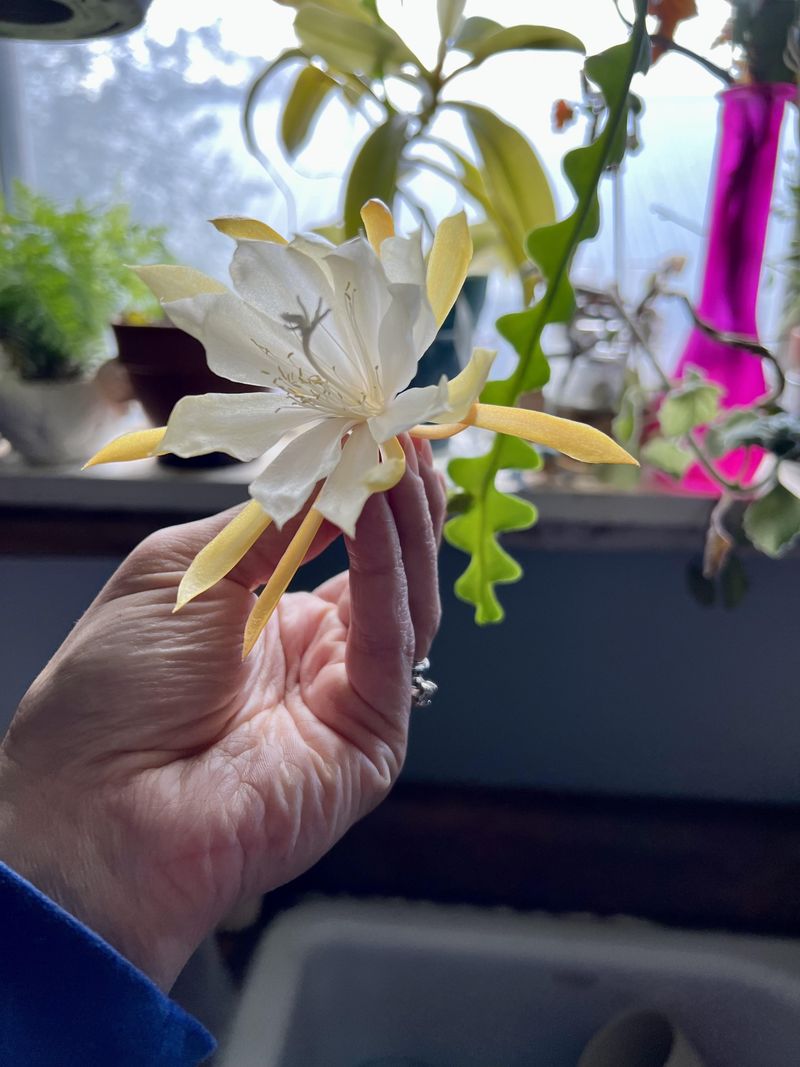
Fertilizing a fishbone cactus is one of those things where more is definitely not better. Over-fertilizing, especially with high-nitrogen formulas, pushes the plant into producing lots of lush green growth while discouraging it from putting energy toward flowers.
Michigan plant owners who fertilize heavily through the summer often end up with impressively leafy plants that bloom rarely or not at all.
A balanced, water-soluble fertilizer applied at half the recommended strength every four to six weeks during spring and summer tends to give the plant a helpful nutrient boost without overwhelming it.
Some growers prefer switching to a fertilizer slightly higher in phosphorus as summer progresses, since phosphorus supports flower development more directly than nitrogen does.
Either approach can work well depending on what your specific plant responds to.
Stopping fertilizer entirely in fall is just as important as using it correctly in spring. Feeding the plant through Michigan’s darker months keeps it in an active growth state when it should be resting, which disrupts the seasonal cycle that triggers blooming.
Giving the plant a clean break from fertilizer between September and February respects its natural rhythm and sets it up to respond well when you resume feeding in spring.
Many Michigan plant lovers have noticed a clear improvement in bloom frequency simply by adjusting when and how lightly they feed, without changing anything else about their care routine.
7. Avoid Moving The Plant Once Buds Form
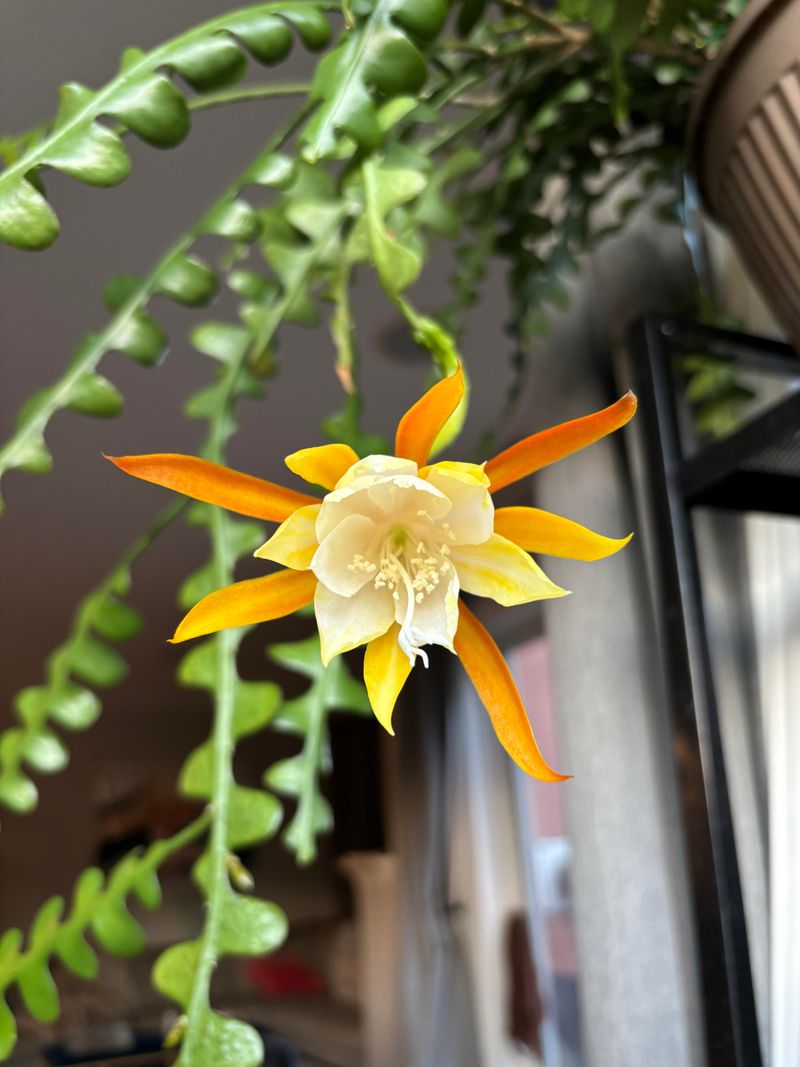
Spotting the first buds on a fishbone cactus after a long Michigan winter is genuinely exciting, and the instinct to move the plant to a better spot or rotate it for even growth is understandable.
The problem is that fishbone cactus buds are surprisingly sensitive to changes in their environment once they start developing.
Moving the plant, rotating it, or even changing the direction it faces relative to the light source can cause newly formed buds to drop before they ever open.
This sensitivity has to do with how the plant orients itself to light. Once buds begin forming, the plant has already made internal adjustments based on the light direction it has been receiving.
Shifting that orientation mid-development confuses the plant and can trigger bud drop as a stress response. It is the same reason some flowering houseplants are best left completely alone once they enter the budding stage.
Marking the spot where the plant sits with a small piece of tape or a sticky note can serve as a helpful reminder not to move it, especially when you are tidying up or rearranging your space.
Michigan winters make us want to reorganize our interiors, but once those buds appear, the best thing you can do is walk away and let the plant do its thing.
Staying hands-off during this stage is one of the simplest and most effective tricks for finally getting a full, beautiful bloom.