The Bare-Root Method For Storing Geraniums In The Basement
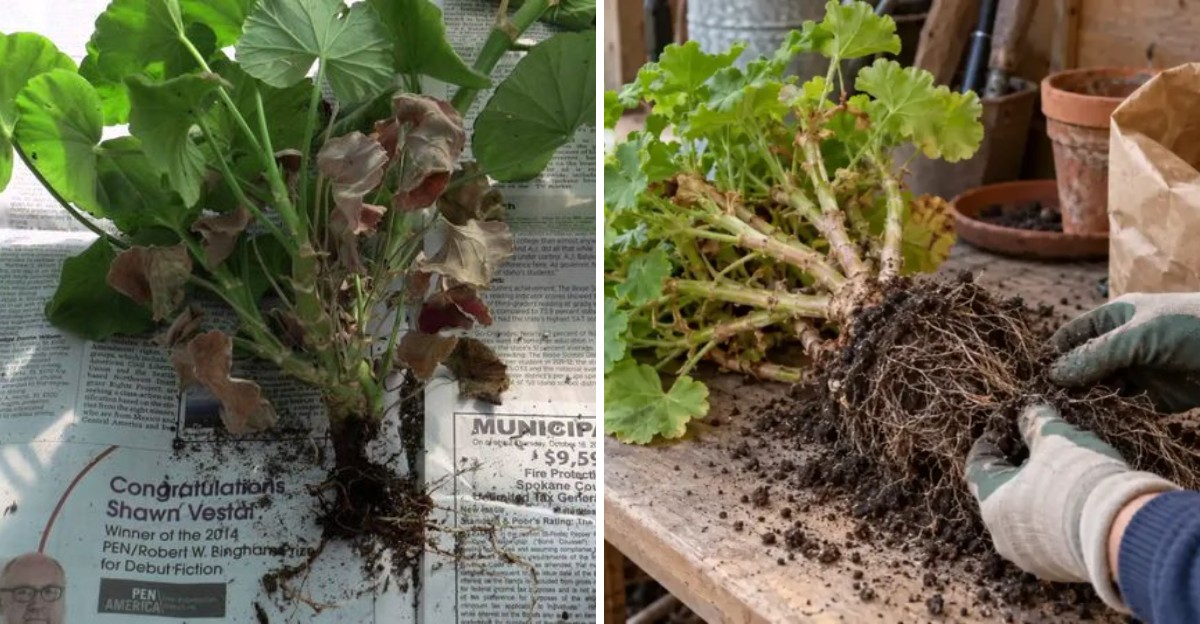
Gardeners a century ago pulled their favorite flowers out of the ground, shook off the dirt, and hung them from cellar rafters like drying herbs.
Those bare, leafless stems sat in the dark all winter. Come spring, many of them sprouted fresh green leaves again.
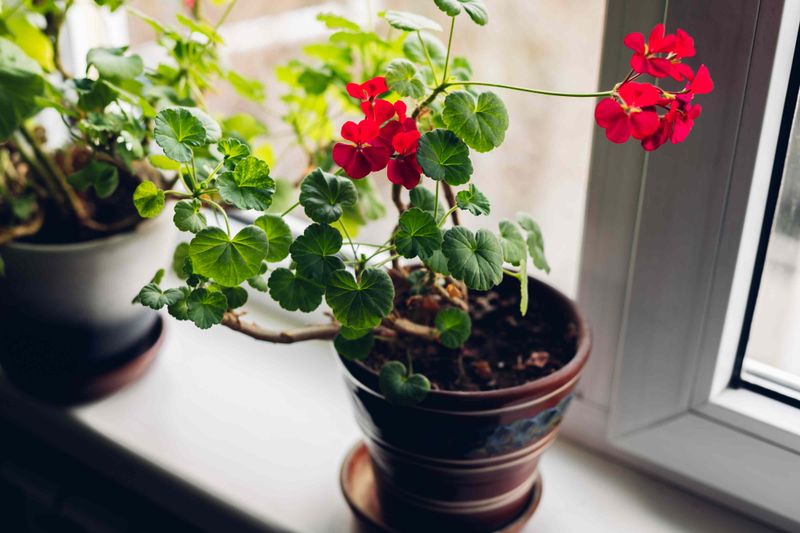
I laughed the first time I heard about it. Then I watched a friend pull wrinkled stems from a paper bag in March. A few weeks later, her kitchen window was full of red and coral blooms.
You might notice how pricey fresh flats get each May. A cool, dark corner downstairs could save you that money and keep the exact colors you loved this summer.
I skipped the garden center one spring and never looked back. So what makes a basement the perfect bedroom for a sleeping summer plant?
Those Shriveled Geranium Stems Are Just Sleeping
Old-time gardeners had a trick that sounds almost too easy. They lifted their potted favorites in fall, shook the soil off the roots, and let the plants rest in a cool, dark basement until spring.
The plants we call geraniums are really Pelargoniums, tender perennials from southern Africa. They are not hardy in cold climates, but they can go semi-dormant when they get cool temperatures, low light, and very little water.
In that state, the thick stems hold stored energy and moisture, much like a camel’s hump holds reserves for a long trip.
Iowa State University Extension and other university programs list bare-root storage as one of three accepted ways to overwinter these plants. The other two are keeping them as houseplants or rooting cuttings.
Bare-root storage takes the least space by far. Expect some losses, though. Success rates vary, and some stems will shrivel past saving. Many gardeners store more plants than they need, knowing a few may not make it.
Keep in mind this method works for zonal, ivy, and many scented types. Hardy cranesbill geraniums are a different plant and can stay in the ground through winter in most northern gardens.
Dig Your Geraniums Before The First Hard Frost Hits
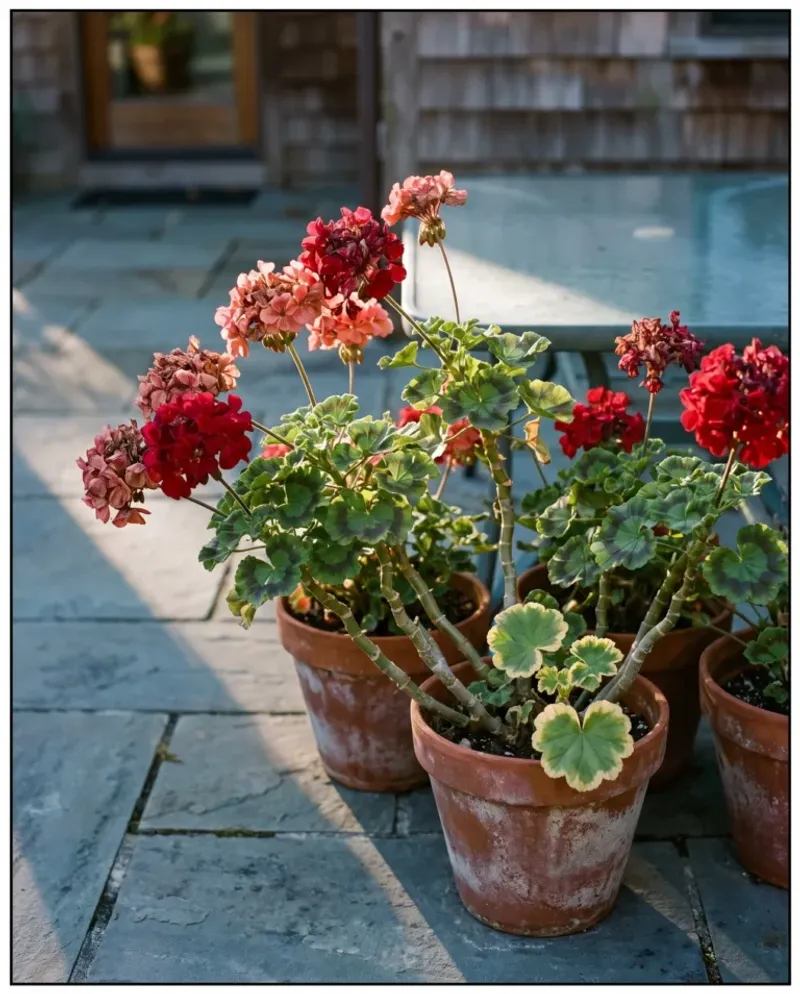
Timing is everything with this project. A hard freeze can turn soft geranium stems to mush overnight, and mushy stems rarely survive storage.
The first frost often arrives from late September to mid-October, depending on where you live. Watch your local forecast and plan to dig a few days before temperatures dip near 32 degrees.
A light frost might only nip the leaves, but why take the chance? Choose your healthiest plants. Strong, thick stems with no spots, rot, or pests have the best odds. Leave behind any plant that looks weak or diseased.
Loosen the soil around each plant with a garden fork or trowel, working a few inches out from the stem. Lift gently to keep as many roots as possible. Container plants are easier, since you can simply tip them out of the pot.
Shake off as much soil as you can. Some gardeners rinse the roots with a hose, which works fine if you let them dry in a shady, airy spot for a day or two afterward. Wet roots going into storage invite mold, and mold is the biggest problem you will face.
Paper Bags And Cardboard Boxes Usually Outperform Plastic
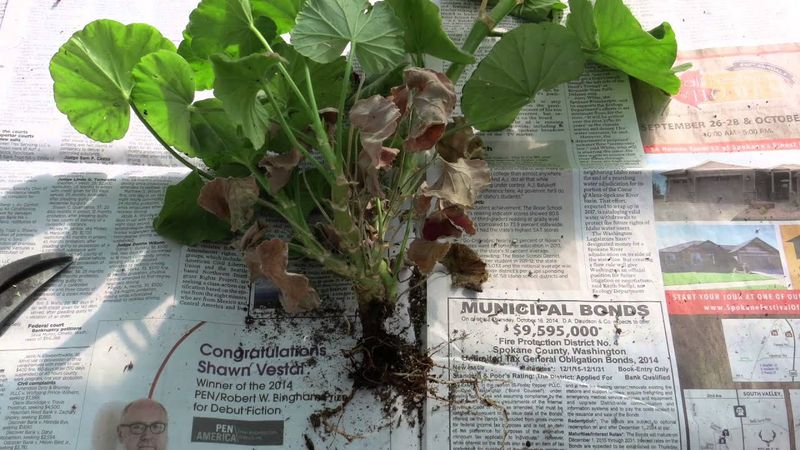
A plain brown grocery bag might be the best storage tool you own. Paper breathes, letting extra moisture escape while still keeping roots from drying too fast.
Place one or two cleaned plants in each bag, with the roots at the bottom. Fold the top loosely or leave it open for airflow.
Label each bag with the color or variety, because every bare stem looks the same by February.
Cardboard boxes work well too, especially if you have a big batch. Lay the plants in a single layer and avoid packing them tightly. Crowded stems hold humidity, and that leads to gray mold.
Skip plastic bags and sealed bins. Plastic traps moisture, and mold is the most common reason stored geraniums fail.
The classic option is hanging plants upside down by their roots from a basement joist or clothesline. My grandmother did exactly that with twine. It saves shelf space and keeps air moving around every stem.
Whatever you pick, choose a spot away from the furnace, the dryer vent, and any windows. Steady conditions matter more than the container itself.
A Cool Dark Basement Corner Around 45 To 50 Degrees
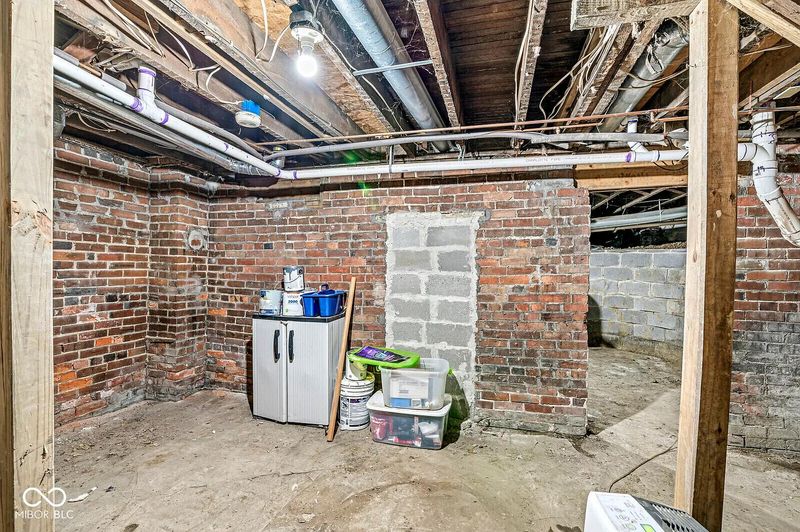
Grab a cheap thermometer before you pick a storage spot. That one small tool tells you more than any guesswork.
University extension guides suggest temperatures around 45 to 50 degrees Fahrenheit for bare-root geraniums. At that range, the plants slow down and rest without freezing.
Warmer spots, like a heated living area, push them to sprout weak, pale shoots that drain their stored energy.
Darkness helps too. Without light, the plants stay quiet instead of trying to grow. Moderate humidity is best, since bone-dry air shrivels stems and damp air feeds mold.
Many older homes have a fieldstone cellar or a cold room under the porch that fits these needs nicely. Newer finished basements often run closer to 60 or 65 degrees. If that describes your home, look for the coolest corner, often along an outside wall.
An attached garage can work in milder areas, but only if it stays above freezing. In colder regions, garages often drop below 32 degrees in January, so a basement is the safer choice.
Check the thermometer a few times through early winter. Small adjustments now save plants later.
Trim Those Geranium Stems Back By Half Before Storage
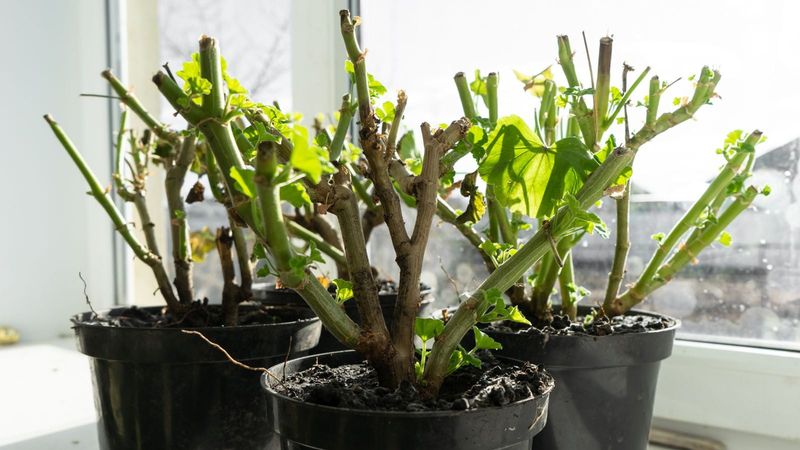
Think of this step as a fall haircut that sets your plants up to rest well. Less top growth means less tissue to rot and fewer leaves pulling water from the roots.
Snip off every flower and bud first. Blooms hold moisture and often turn moldy within days in storage. Pull off yellow, spotted, or damaged leaves, too.
Many gardeners cut each plant back by one-half to two-thirds. Aim for firm, green, healthy stems.
Some people leave a few healthy leaves attached, while others strip them all, and both approaches can work. Leaves will drop on their own over winter anyway.
Use clean, sharp pruners. Wiping blades with rubbing alcohol between plants helps reduce the spread of disease, especially bacterial blight, which can hitch a ride from one plant to the next.
Here’s a fun bonus. Those trimmed stem tips can become new plants. Take 3 to 4 inch cuttings, remove the lower leaves, and stick them in moist potting mix on a bright windowsill.
Now you have two backup plans going at once. If some bare-root plants struggle, those little cuttings can fill the gap next spring.
Your Dormant Geraniums Need A Monthly Check And Soak
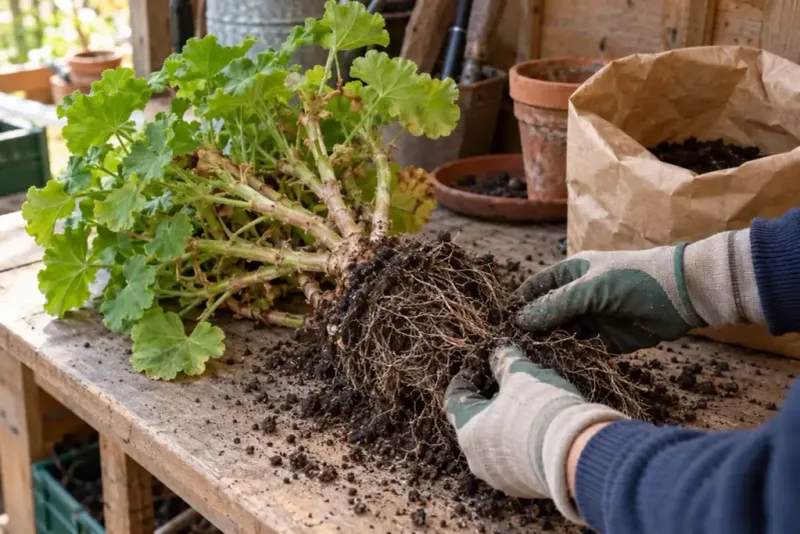
Set a reminder on your phone for the first of every month. A quick five-minute visit to your sleeping plants can catch problems before they spread.
Look for three things. Gray fuzz or soft, dark spots mean mold or rot. Badly wrinkled, papery stems mean the plants are too dry. Pale sprouts mean the spot is too warm or bright.
Remove any moldy or mushy plant right away so it does not affect the others. Trim soft sections back to firm tissue if the rest of the stem looks healthy.
For dry, shriveled plants, many gardeners use a simple soak. Submerge the roots in a bucket of room-temperature water for one to two hours.
Let them drain and dry on the surface before putting them back in their bags. Not every plant needs this. Some basements hold enough humidity that a soak is rarely required.
Others run dry because of a furnace, so plants may need a drink every month or so. Fallen leaves are normal and nothing to worry about. Sweep them out of the bag, since decaying leaves can encourage mold to creep onto healthy stems.
Wake Up Bare-Root Geraniums In Pots By Late Winter
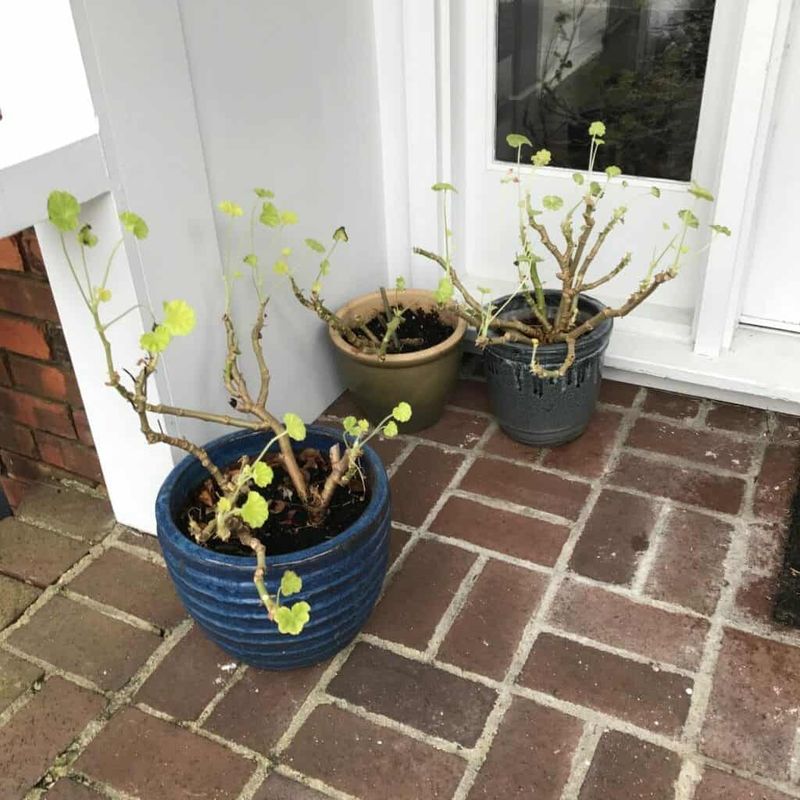
Spotting that first tiny green leaf on a bare stick is a thrill that never gets old. Late winter is when the magic starts.
Plan to wake your plants about six to eight weeks before your last frost date. If your last frost falls in early to mid-May, that usually means mid-March. Northern gardeners can wait until early April.
Soak the roots for several hours or overnight to rehydrate them. Then cut the stems back to firm, green tissue, often leaving them about 4 to 6 inches tall. Scratch a stem gently with a fingernail. Green underneath means it is alive.
Pot each plant in fresh, well-draining potting mix. Use a container just big enough for the roots, since oversized pots hold extra water. Water thoroughly once, then let the top inch dry before watering again.
Give them as much light as possible. A south-facing window works, but grow lights placed a few inches above the plants help prevent leggy growth.
Pinch the growing tips once new shoots reach a few inches. That simple pinch makes bushier plants with more flowers later.
Hardening Off Revived Geraniums Pays Off With Summer Blooms
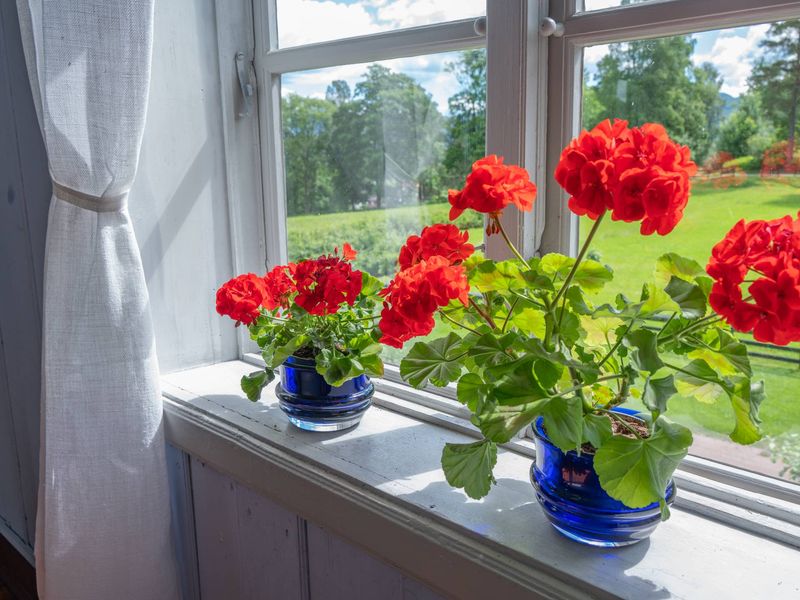
Patience in May gives you a porch full of color by June. Plants that spent months indoors need time to adjust before they face sun, wind, and cool nights.
Start hardening off about a week to ten days before planting. Set pots in a shady, sheltered spot for a few hours on the first day. Add more time and a bit more sun each day until they can stay out overnight.
Wait until nighttime temperatures stay above 50 degrees. Geraniums can handle a little chill, but frost will undo all your winter work in one night.
In colder climates, late May is often the safest window for planting out. Choose a sunny spot with well-drained soil. Geraniums bloom best with at least six hours of direct sun.
Feed them with a balanced fertilizer every few weeks once growth picks up. Overwintered plants often grow bigger and woodier than new ones from the store.
Many gardeners keep the same plant going for years, and some heirloom varieties get passed between families for generations.
Next fall, you will know exactly what to do. Your favorite colors can keep coming back, season after season.