Why Hydrangea Stems Turn Black in Fall and What It Means for Your Plant
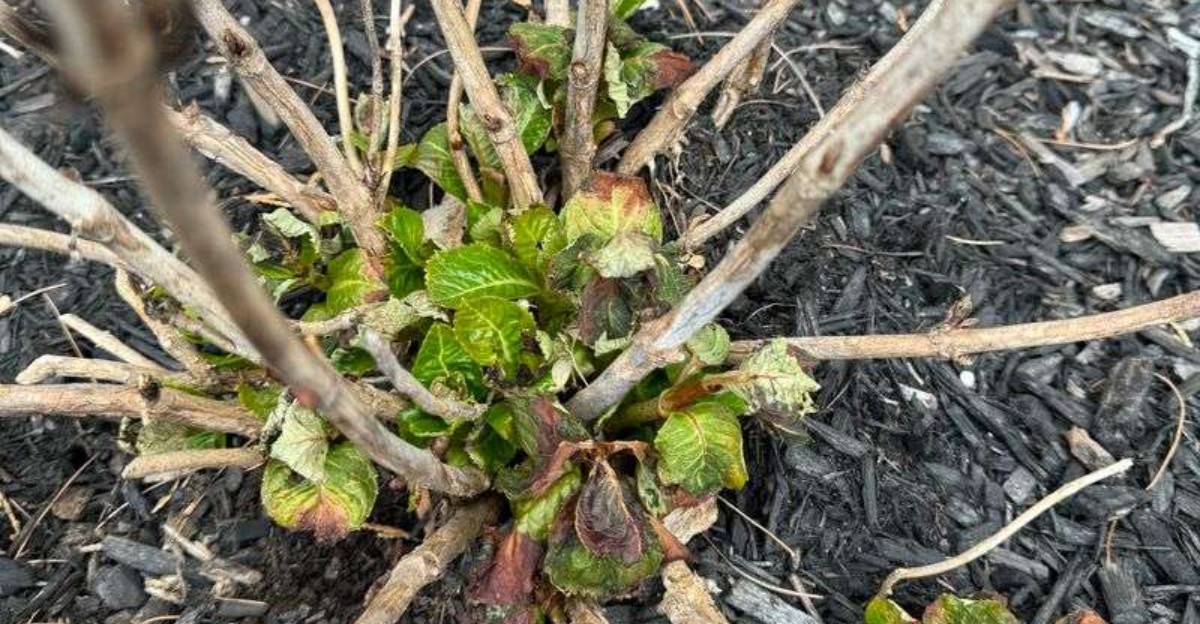
Some of the healthiest shrubs in my yard look their worst right after the first hard frost. Their stems go dark, soft at the tips, and frankly a little spooky.
Truth is, I once grabbed my pruners in a panic and cut off next summer’s flowers in about ten minutes. Bigleaf types tuck their future blooms inside those very stems, so a hasty snip can cost you a whole season of color.
Not every dark stem means the same thing, though. Frost, normal dormancy, fungal trouble, and soggy soil can all leave similar marks, and each one calls for a different response.
I get it if you are staring at a shrub right now and wondering which story yours is telling. The clues are usually right there on the bark, in the leaves, and under your thumbnail. So what is your plant trying to tell you?
Those Dark Hydrangea Stems Usually Have a Seasonal Story
Every October, my bigleaf hydrangea pulls the same stunt. One frosty morning the leaves droop, and by lunch the soft green tips look like they were dipped in ink.
In most cases, that sudden darkening is a normal reaction to cold. Freezing temperatures rupture the cells in tender, non-woody tissue, especially new growth near the stem tips. Once those cells break, the tissue turns brown or black within a day or two.
The older, woody parts of the stem usually hold up much better. Many university extension services point out that bigleaf and oakleaf hydrangeas often show tip damage after the first freeze while the lower canes stay healthy.
Shorter days and dropping temperatures also nudge the shrub toward dormancy. As it shuts down, it pulls resources from leaves and soft growth, and the stems shift from green to tan, brown, or gray.
So that eerie look is often just the plant closing up shop for winter. The key question is whether the darkening stays at the tips or creeps into the main canes.
Tip damage alone rarely needs a fix. Spreading, sunken, or oozing patches deserve a closer look, which the next sections cover.
A Quick Thumbnail Scratch Tells You What Is Still Alive
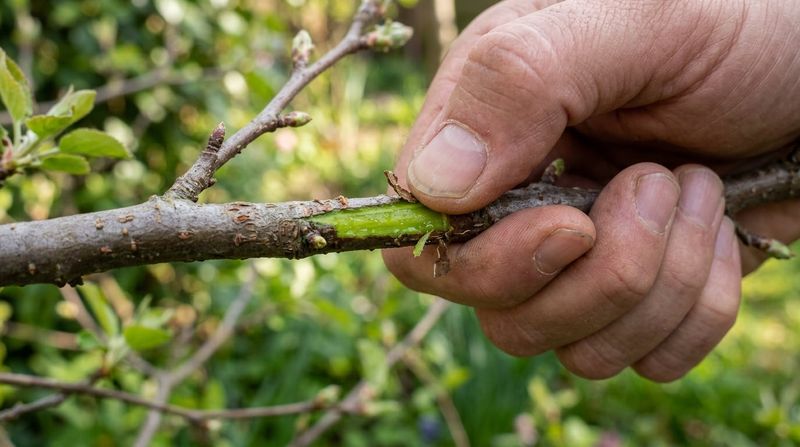
Grab one darkened hydrangea stem and give it a gentle scratch with your thumbnail. It takes two seconds, and it answers the biggest question fast.
Bright green or creamy tissue under the bark means the stem is alive and simply resting. Brown, dry, or brittle tissue means that section is no longer active.
Work your way down from the tip. Often you will find a blackened top inch or two, then healthy green wood below. That green line marks where the plant is still working hard for you.
You can also bend a thin twig. Living wood flexes, while lifeless wood snaps with a dry crack.
Fair warning, though. I recommend doing the full check in early spring rather than fall, especially on bigleaf hydrangeas. Stems that look rough in November can surprise you once the buds swell in April.
Look for plump buds along the canes too. Fat, firm buds paired with green tissue mean next summer’s flowers are probably safe inside.
Keep a few notes or tie a bit of yarn on questionable stems. Come spring, you will know exactly which ones to trim and which ones earned a second chance.
Bigleaf Hydrangea Buds Hide Inside Those Scary-Looking Canes
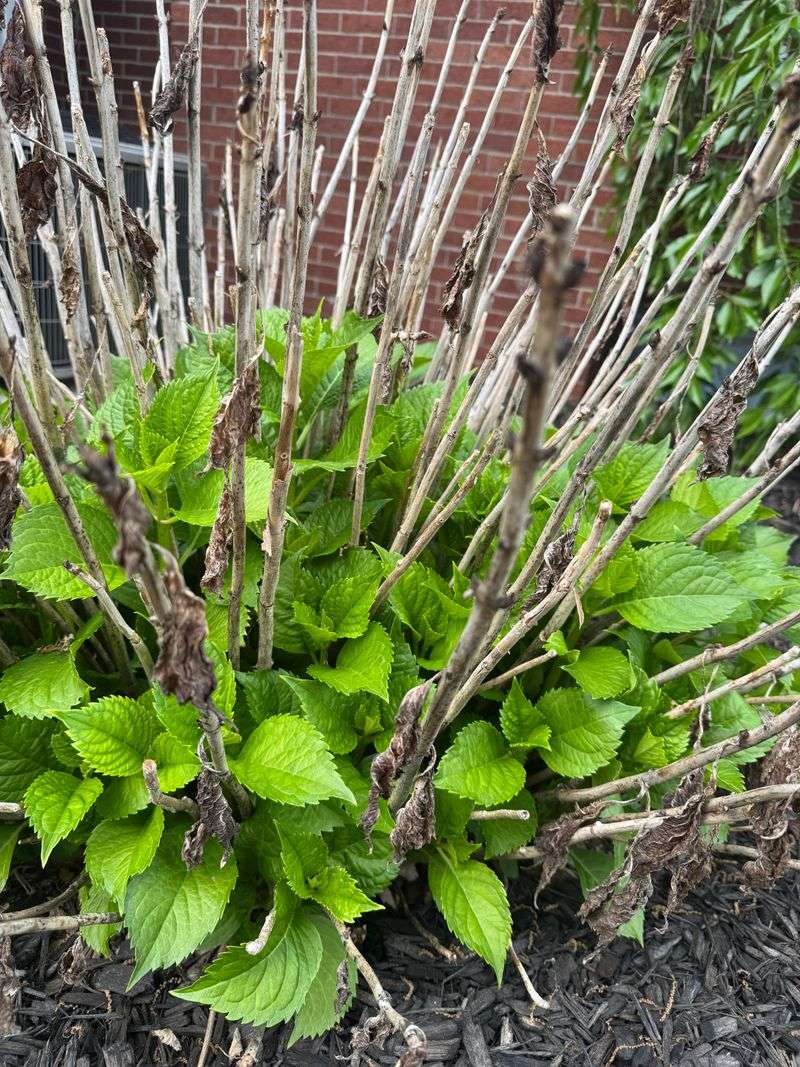
Here is a fact that changed how I garden. Bigleaf and oakleaf hydrangeas set next year’s flower buds in late summer and early fall, right on the stems you see now.
That is why cutting dark canes back in fall can be such a costly mistake. Remove the stem, and you remove the flowers that were already waiting inside it.
Gardeners call these old-wood bloomers. Mountain hydrangeas and climbing hydrangeas follow a similar pattern.
Panicle and smooth hydrangeas play by different rules. Varieties like Limelight and Annabelle bloom on new wood, meaning they form buds on growth made in spring.
For those types, a dark, frost-bitten tip is barely a bother. You can cut them back in late winter or early spring, and they will still flower that summer.
Not sure which kind you have? Leaf shape helps a lot. Bigleaf types have big, glossy, toothed leaves, oakleaf types have lobed leaves, panicles carry cone-shaped blooms, and smooth types have rounder, thinner leaves with white snowball flowers.
Knowing your type turns a scary black stem into a simple decision. It also saves you from a summer full of green leaves and zero blooms.
Gray Fuzz and Spreading Spots on Hydrangea Stems Point to Fungus
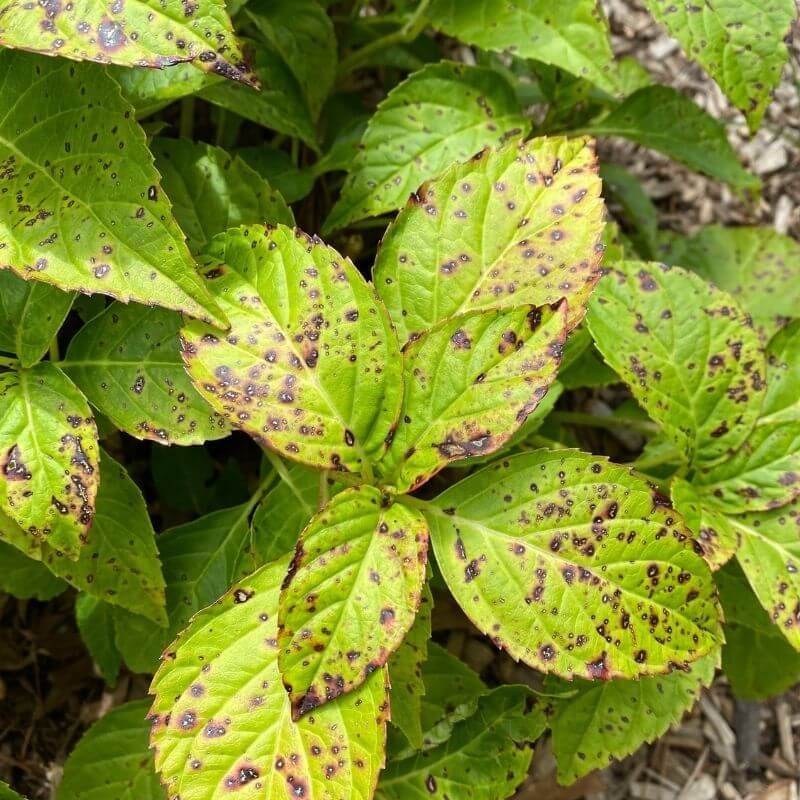
Not going to lie, some black stems do signal trouble. Fungal disease is the big one to watch, especially during cool, wet fall weather.
Botrytis blight, often called gray mold, is a common culprit. It thrives in damp, crowded conditions and often starts on fading flowers before moving into the stems. Look for brown or black patches topped with fuzzy gray growth.
Other fungi can cause stem cankers. These show up as sunken, dark, sometimes cracked areas that slowly widen over time.
Frost damage tends to appear suddenly and evenly at the tips after a cold night. Fungal damage usually spreads gradually, shows clear edges or fuzz, and can pop up in the middle of a stem.
Leaves offer clues too. Spotted, wilting leaves on otherwise green stems point more toward disease than weather.
When you spot these signs, prune the affected stem a few inches below the damage into clean, healthy wood. Wipe your pruners with rubbing alcohol or a household disinfectant between cuts.
Bag the infected pieces instead of tossing them on the compost pile. Many home piles do not get hot enough to break down fungal spores reliably.
Soggy Soil Around Hydrangea Roots Can Darken Stems From Below
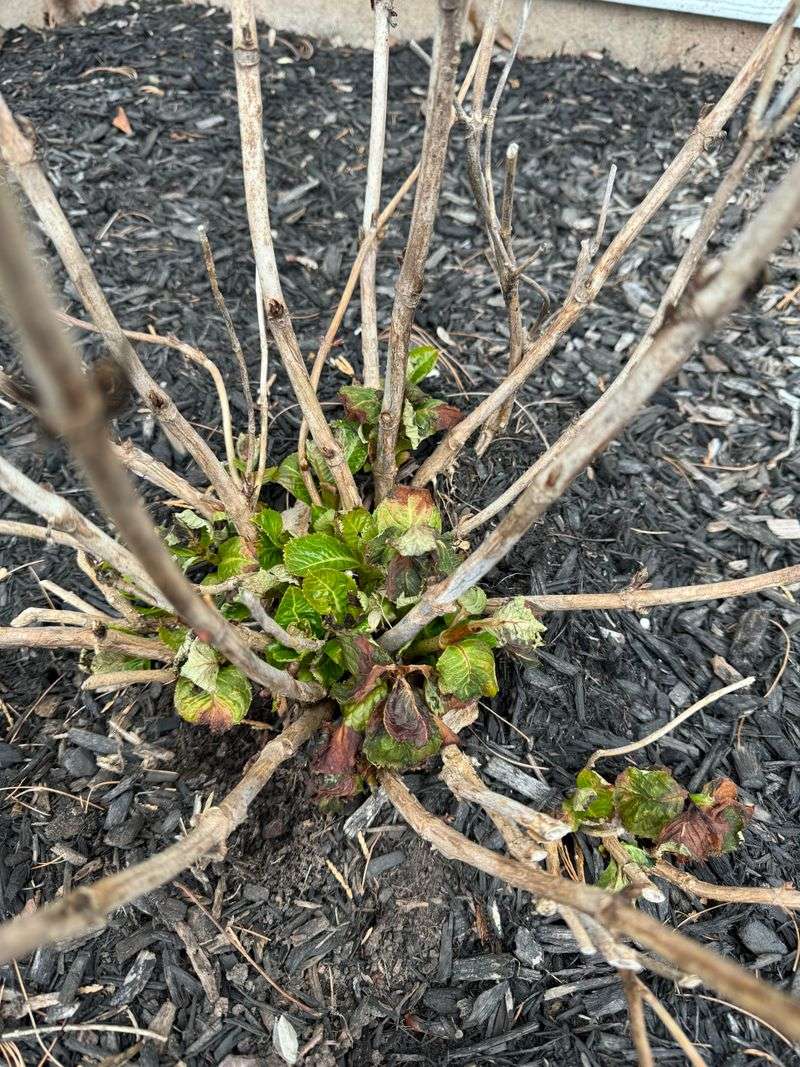
Sometimes the problem starts underground. I learned this one the hard way with a hydrangea planted at the bottom of a slope.
Hydrangeas love moisture, but they do not like sitting in water. When soil stays waterlogged, roots lose access to oxygen, and root rot pathogens such as Phytophthora or Pythium can move in.
The signs often show up above ground. Lower stems may turn dark near the soil line, leaves wilt even when the ground is wet, and the whole plant looks tired.
Gently dig near the base and check a few roots. Healthy roots look white or light tan and feel firm, while rotting ones turn brown or black and feel mushy.
Fall rains can make this worse in heavy clay. Cut back on supplemental watering once cooler weather arrives, and let the top inch or two of soil dry between drinks.
For a long-term fix, improve drainage with compost, or move the shrub to higher ground during its dormant season.
A few inches of mulch helps, but keep it pulled back from the stems. Mulch piled against the bark holds moisture right where rot likes to begin.
Leave Those Dried Hydrangea Flower Heads Alone This Fall
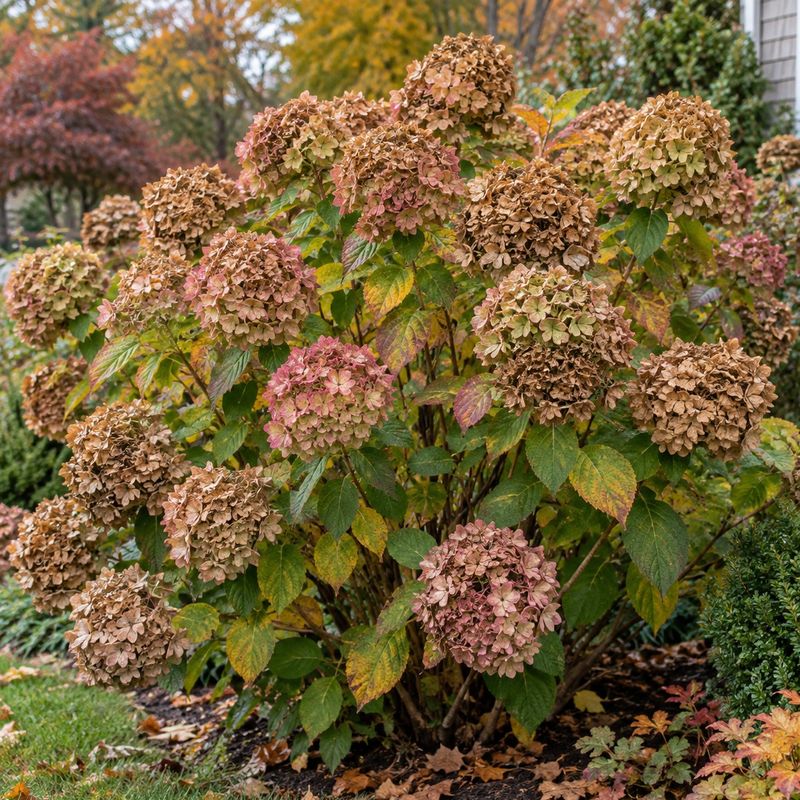
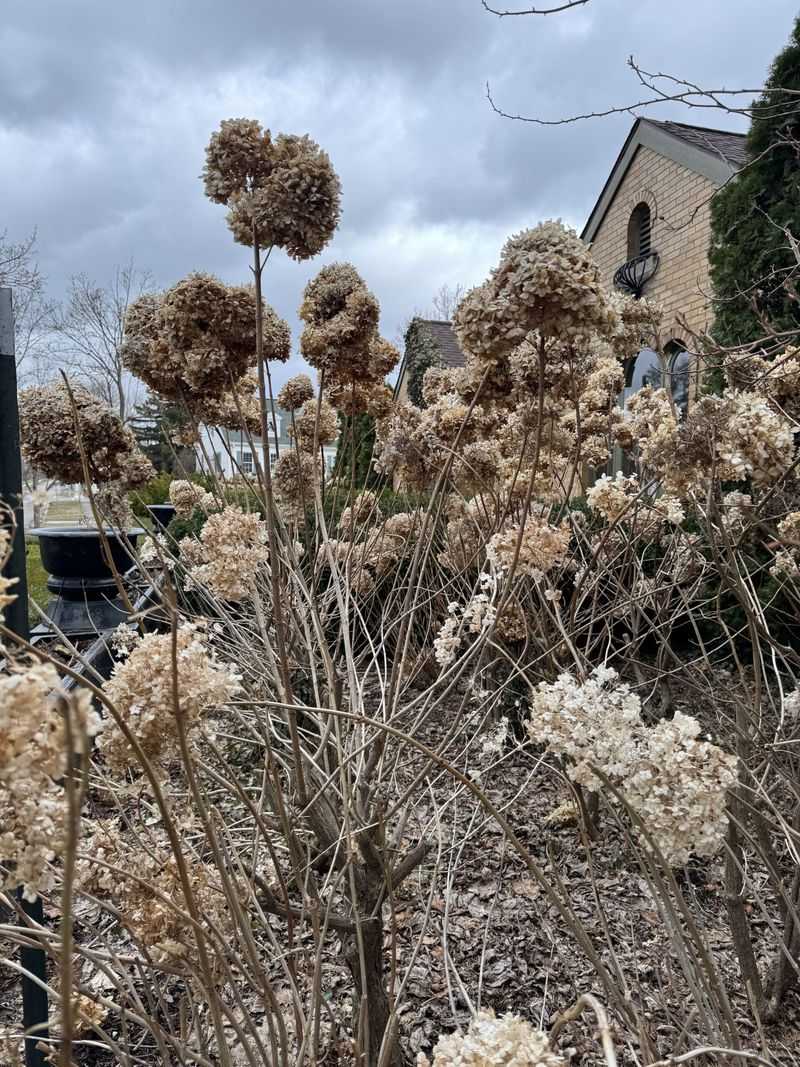
Those papery, tan flower heads may look messy, but they earn their keep. On old-wood hydrangeas, they sit right above next year’s buds.
Leaving them in place through winter gives those buds a little extra cover from wind and cold. Many gardeners also love the look of frosted blooms in a winter garden.
Save deadheading for spring. Once new growth starts, snip the old flower just above the first pair of healthy buds.
Fall cleanup still matters, though. Rake up fallen hydrangea leaves, especially any with spots, since many leaf and stem fungi survive winter in garden debris.
Thin crowded plants for better airflow, but wait until late winter or early spring for heavy pruning. You can remove a few of the oldest, weakest canes at ground level on mature shrubs.
Water at the base in the morning during dry fall spells. Wet leaves overnight invite fungal trouble.
In colder zones, especially zone 5 and colder, bigleaf types benefit from extra protection. A loose cage of chicken wire filled with dry shredded leaves around the shrub can help shield flower buds from harsh winter temperatures and drying winds.
Spring Bud Break Shows Whether Your Hydrangea Bounced Back
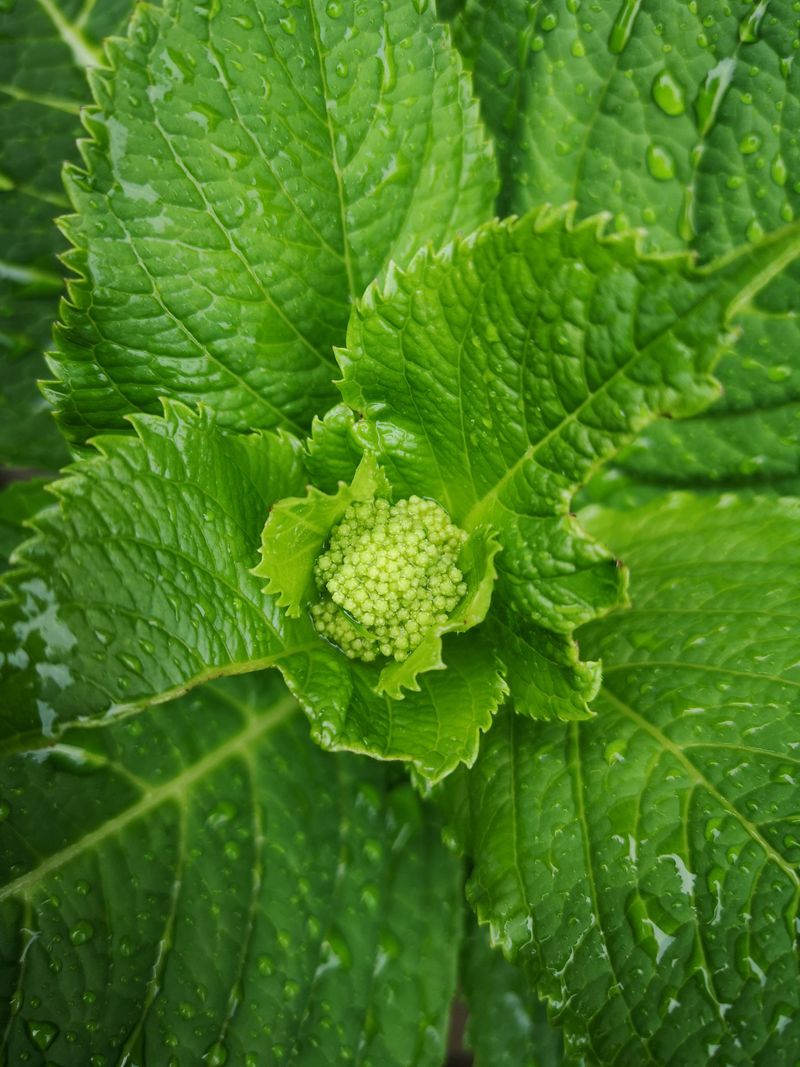
Patience is the most underrated hydrangea tool in my shed. Spring is when the real answers show up.
As temperatures warm, watch for buds swelling and green leaves unfolding along the canes. Bigleaf types can be slow, sometimes waiting until mid to late spring before showing much life.
Once growth appears, trim any stem tips that stayed bare back to the highest healthy bud. If a whole cane stays leafless while others leaf out, cut it at the base.
Do not panic if old canes struggle but new shoots rise from the ground. Many modern reblooming varieties, like Endless Summer types, can flower on both old and new wood.
A light feeding in spring helps, following soil test results when you have them. Too much nitrogen can push leafy growth instead of flowers.
Keep notes on what happened this year. Did frost hit early, did fall rains pile up, or did one variety struggle more than another?
Over a few seasons, those notes become your best guide. You will start to recognize the difference between a sleepy stem and a struggling one at a glance, and fall will feel a lot less spooky.