The Texas Native Tree That Handles Both Floods And Droughts
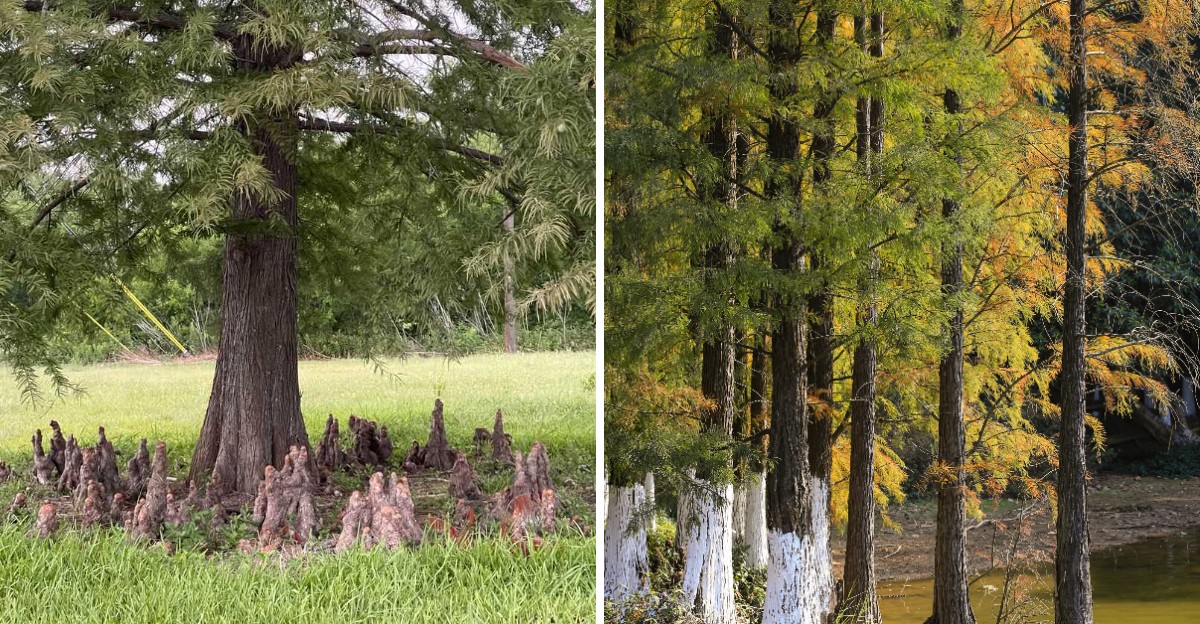
Some Texas trees grow strange wooden bumps that poke out of the ground like a crowd of tiny elves. Botanists have argued about what those bumps actually do for well over a century.
The tree behind them sheds its needles every fall, even though it is a conifer. It can stand in a flooded creek for weeks, then hold steady through a scorching August with no rain in sight. Some of its relatives in the South have lived for more than a thousand years.
I used to walk right past it along river trails without a second look. Then a summer drought scorched half my yard while a neighborhood specimen planted in clay stayed green and calm.
Nobody warned me that one tree could shrug off both extremes. Could your soggy low spot or dry corner become home to a living legend?
A Riverbank Giant With Feathery Needles Has Two Secret Talents
Ancient bald cypress trees line the Guadalupe, Frio, and Sabinal rivers, and many of them have seen more floods than any of us can count.
Bald cypress, or Taxodium distichum, is a true Texas native. It grows naturally from East Texas swamps to the clear limestone streams of the Hill Country.
Its first talent is handling water that would drown most trees. Roots of most species need oxygen from the soil, and standing water cuts that supply off.
Bald cypress has adapted to these low-oxygen conditions, so it can sit in wet ground for long stretches without trouble.
The second talent surprises people. Once established, this tree handles dry spells far better than its swampy reputation suggests.
The Lady Bird Johnson Wildflower Center lists it as tolerant of a wide range of soils, and Texas cities plant it along streets and in parking lots.
That double skill makes it rare in a state that swings between flash floods and long droughts.
I like to call it the tree that reads the weather report and just shrugs. For yards with a soggy dip that turns into cracked clay by July, it may be the best fit around.
Deep Bald Cypress Roots Explain How It Survives Dry Summers
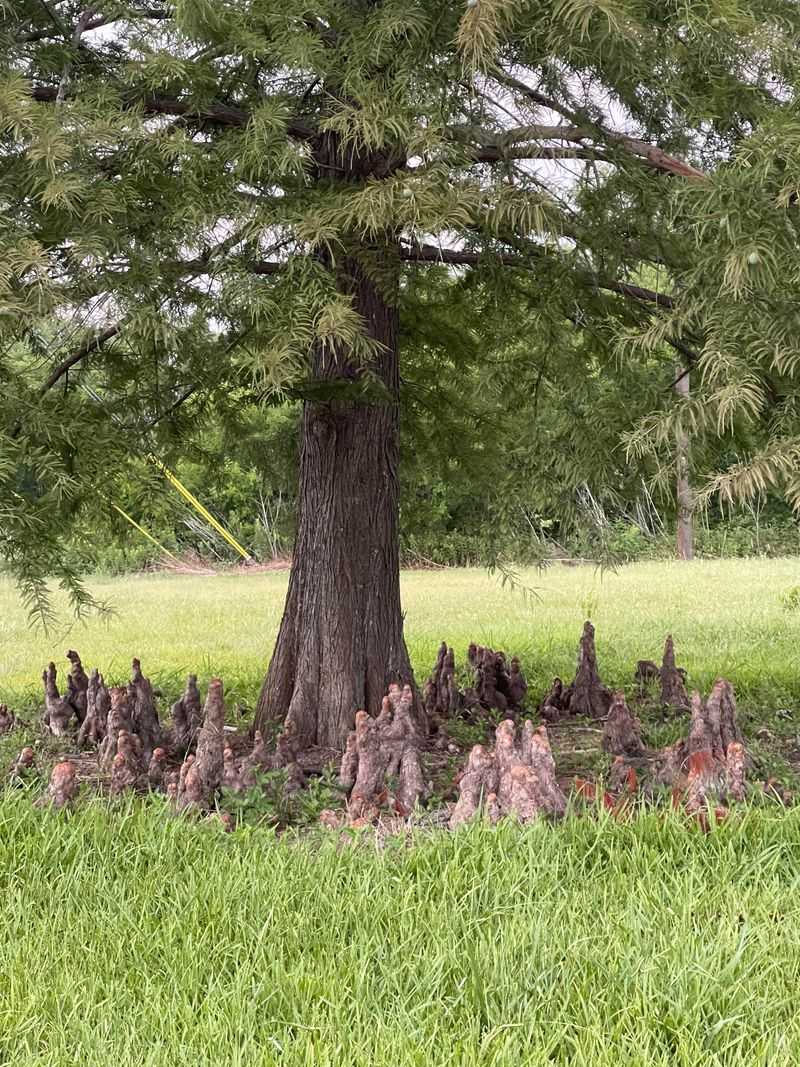
Roots do the heavy lifting here. A young bald cypress spends its early years sending roots deep and wide, and that underground network becomes its water bank during hot, rainless weeks.
In floods, the wide, flared trunk base, called a buttress, helps the tree stay upright in soft, soaked soil.
Along rivers, those sturdy bases and tangled roots grip the banks and help slow erosion. That is one reason you see huge cypress trees still standing after Hill Country floods knock over smaller trees.
Drought tolerance comes with a catch, though. A newly planted tree is not drought tolerant yet.
Texas A&M AgriLife and other experts point out that young trees need regular, deep watering for the first two or three summers.
Think of it like training for a marathon. Those early years build strength for the tough seasons later.
After that, an established tree in decent soil often needs only occasional deep soaks during a long, brutal dry spell.
One more tip from my own yard: water slowly at the edge of the canopy rather than at the trunk. That encourages roots to spread outward, which makes the tree tougher over time.
Those Knobby Cypress Knees Are Still Puzzling Scientists
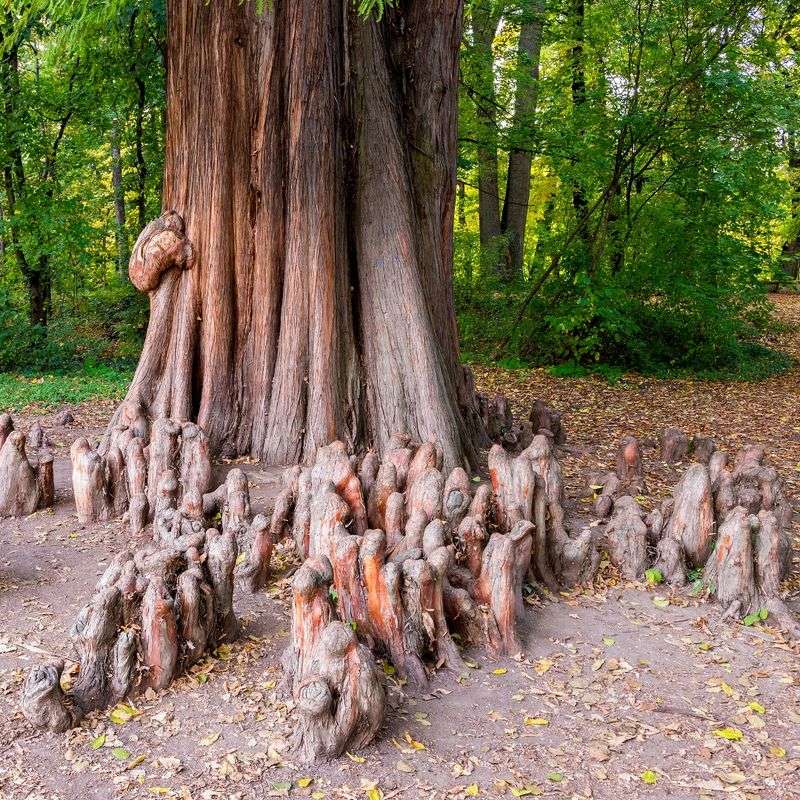
Kids love them, mowers hate them, and scientists still debate them. Cypress knees are woody, cone-shaped bumps that rise from the roots, mostly when the tree grows in or near water.
For years, the popular idea was that knees help roots breathe in flooded soil. Research has not fully proven this, so treat it as one possible explanation. Other ideas suggest knees help anchor the tree in mud or store food.
A 2024 study even found some knees release carbon dioxide and methane, which adds a new twist.
Here is the practical part for homeowners. Trees planted in well-drained upland soil often produce few or no knees. Trees in soggy spots or next to ponds usually grow more of them.
If you plan to plant near a lawn, keep that in mind. Knees can poke up and scuff mower blades. Many gardeners leave them alone and mulch around them, which looks natural and protects equipment.
Cutting knees off is not recommended, since it can open wounds that invite decay. Personally, I think they add charm. They look like a little gnome village, and they make any pond edge feel like a real bayou.
Plant Your Bald Cypress Sapling Where It Can Stretch Out
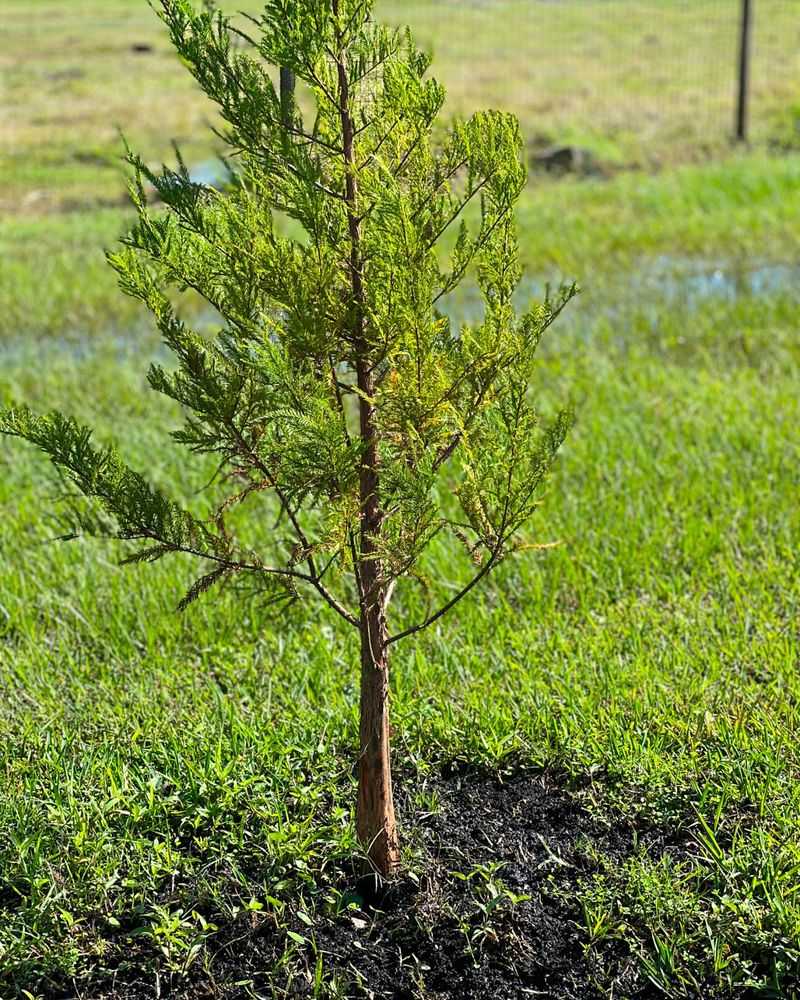
Grab your shovel, but first grab a tape measure. Bald cypress can grow 50 to 70 feet tall in a typical landscape, sometimes more, with a spread of around 20 to 30 feet. That baby tree in a nursery pot will not stay small for long.
Full sun is a must. Pick a spot well away from your house, septic lines, and overhead wires. Low areas where rain collects are a perfect match, since few other trees enjoy those wet feet.
Fall through late winter is the best planting window across most of Texas. Cooler weather lets roots settle in before summer heat arrives.
Dig a hole about twice as wide as the root ball and no deeper, then set the tree so the top of the root ball sits level with the ground.
Backfill with the native soil rather than heavy amendments. Spread two to three inches of mulch in a wide ring, keeping it a few inches away from the trunk.
Water deeply right after planting. During the first summer, check the soil every few days and soak it when the top few inches feel dry. Patience now pays off for decades.
Rusty Orange Bald Cypress Needles Fall Off Each Autumn
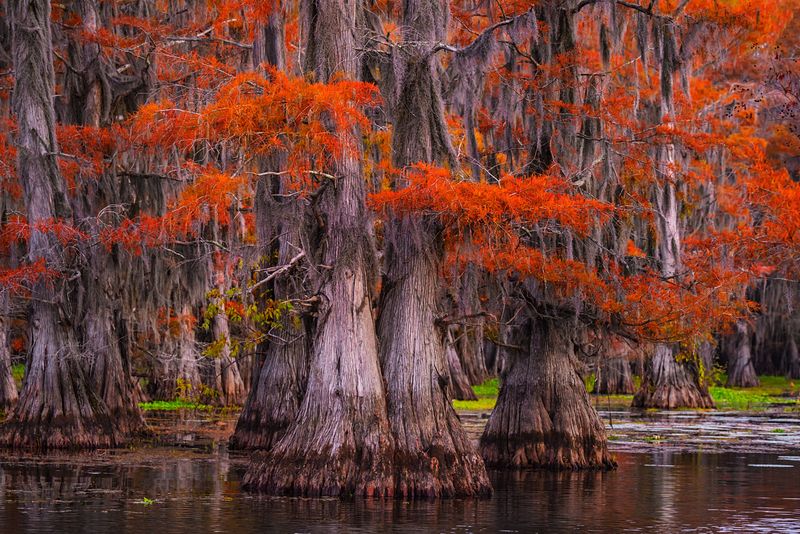
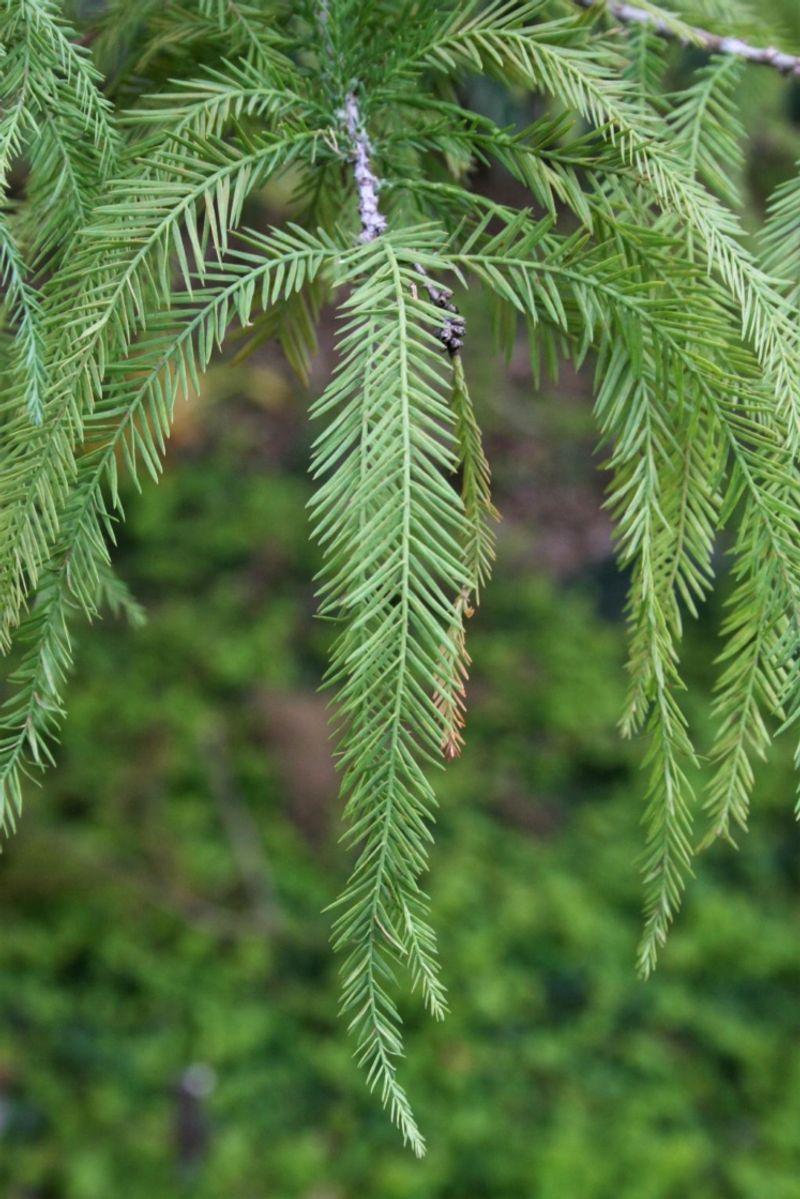
Panic texts happen every November. A neighbor sees their tree turn brown and assumes the worst. Relax, because bald cypress is a deciduous conifer, and dropping its needles is completely normal behavior for this species.
That yearly shedding is how it earned the name bald. Before letting go, the soft, flat needles turn shades of cinnamon, copper, and rusty orange.
Along lakes and rivers, the color reflected in the water is one of the prettiest fall scenes in the state.
The needles fall along with small twigs, and they break down quickly. Many gardeners rake them into flower beds as free mulch. They are fine and lightweight, so they rarely smother plants underneath.
Winter brings a bonus. With bare branches, more sunlight reaches your windows and your yard during the cold months. Come spring, fresh bright green needles return, soft enough to brush against your cheek.
One caution: true browning in summer is a different story. Brown needles in July often point to drought stress on a young tree or problems like spider mites. Check soil moisture first, and water deeply if the ground is dry.
Wood Ducks And Songbirds Love Living In Cypress Branches

Birdwatchers, this one is for you. A mature bald cypress becomes a busy neighborhood for wildlife, and you do not need a swamp to enjoy the show.
Small round cones ripen in fall and break apart into seeds. Squirrels pick them apart with obvious enthusiasm. Wood ducks, wild turkeys, and some songbirds also eat the seeds, according to wildlife and extension sources.
Big old cypress trees along rivers offer nesting sites for herons, egrets, ospreys, and other birds. Hollow trunks can shelter wood ducks and cavity nesters.
Even in a suburban yard, the dense summer canopy gives warblers and other small birds a place to hunt insects.
Along streams, fallen needles and shade help support aquatic life. Roots hold banks steady, which keeps water clearer for fish and frogs.
Fun fact: bald cypress serves as a host for the cypress sphinx moth, though you may rarely spot one. That makes the tree a quiet supporter of native insects too.
I truly believe planting natives is one of the easiest ways to invite nature home. One cypress near a birdbath or rain garden can turn a quiet corner into a lively little hangout spot.
Alkaline Texas Soil Can Turn Cypress Needles Yellow
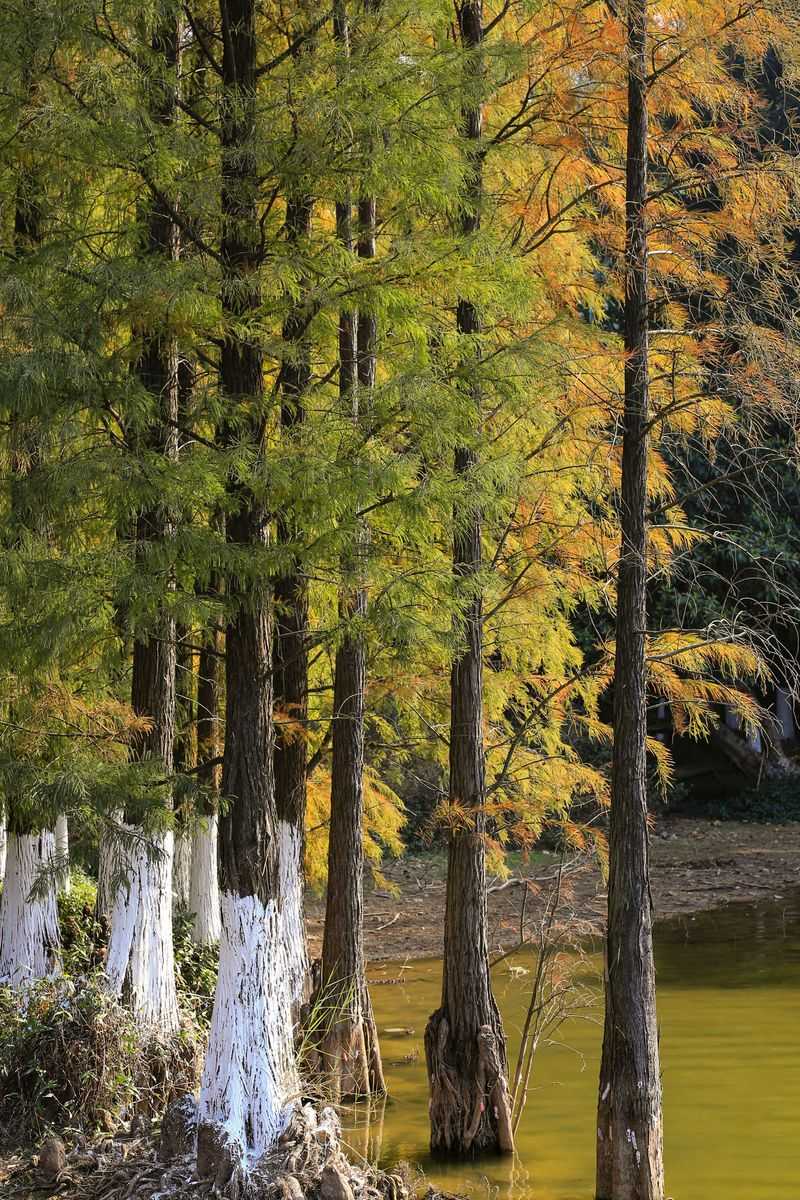
Yellow needles in the middle of summer can catch you off guard. In much of Central and West Texas, the culprit is often alkaline soil rather than a pest.
Bald cypress prefers slightly acidic ground. In high pH soil, especially over limestone, the tree struggles to take up iron.
The result is iron chlorosis, which shows up as pale yellow needles while veins and growth slow down.
Native Hill Country cypress trees grow fine along streams, so this mostly affects yard trees in shallow, chalky soil.
Extension specialists suggest testing your soil before planting. A simple test through Texas A&M AgriLife can tell you the pH and nutrient levels.
For trees already struggling, chelated iron products made for alkaline soils can help. Organic mulch also slowly improves soil over time.
Avoid piling on high-nitrogen lawn fertilizer near the roots, which rarely fixes the real issue.
Other things worth watching include spider mites during hot, dry stretches and bagworms on branches. Both are usually manageable with a strong spray of water or by hand-picking.
Overall, this tree has few serious problems. A little soil homework upfront prevents most headaches later.
A Bald Cypress You Plant Today Could Outlive Your Great Grandkids
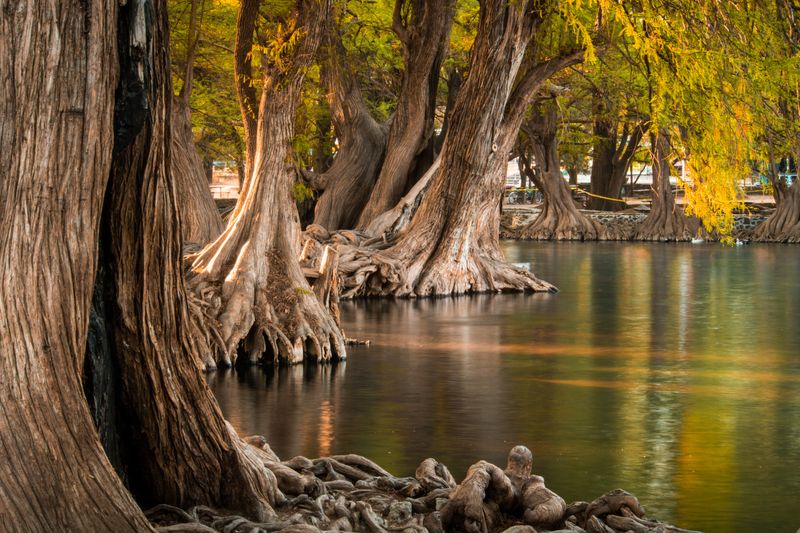
Some trees are planted for the next few summers. This one is planted for the next few centuries.
Bald cypress ranks among the longest-lived trees in eastern North America. Researchers in North Carolina found individual trees over 2,000 years old along the Black River.
Here in Texas, huge old cypress trees shade rivers that families have swum in for generations.
Growth is fairly quick when young, often one to two feet per year with good water. That means you can enjoy real shade within a decade or so, not just leave it for future owners.
Pruning needs are light. Remove broken, crossing, or low branches in winter while the tree is dormant. Its natural cone shape usually looks tidy without much help.
So what are your next steps? Test your soil, choose a sunny spot with room to grow, and plant during the cool months. Water faithfully for the first few summers, then let the tree carry itself through floods and droughts.
You will wonder why you did not try this sooner. Few native trees give back so much shade, wildlife, and history for such a small amount of effort.