A Thick New Coat Is Growing Under The Fur Of Every Illinois Mammal That Plans To Stay
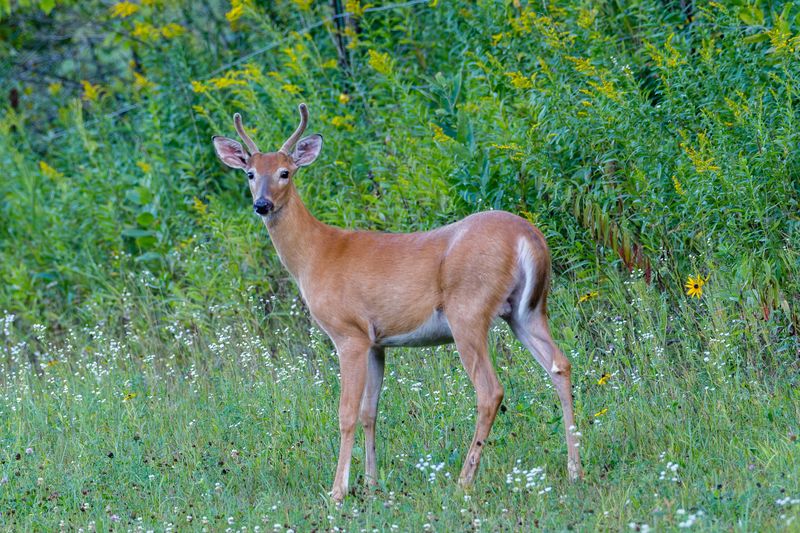
A white-tailed deer’s winter hairs are hollow, and they trap so much heat that snow can settle on a deer’s back without melting. I learned that one winter morning while staring at a doe dusted in white like a frosted cake.
She looked calm and comfortable, chewing away as if the cold were just a rumor. Illinois winters can be unforgiving, yet she wasn’t bothered in the slightest.
Across Illinois, the mammals that skip migration and deep sleep are quietly rebuilding their outfits right now.
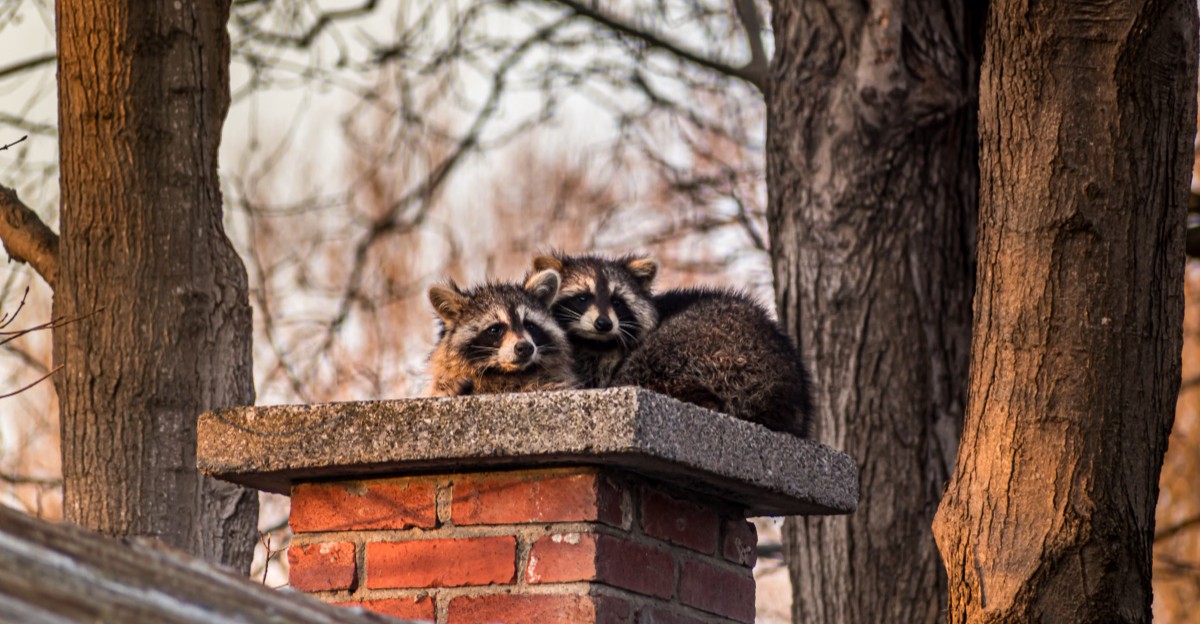
Squirrels, foxes, rabbits, and even the raccoon raiding your compost bin are adding a soft, dense layer close to the skin. You might notice them looking a little rounder at the bird feeder.
Turns out the signal for this wardrobe change has little to do with frost. The real trigger arrives much earlier, and you see it every evening. So what exactly tells a fox it is time to bundle up?
That Puffier Squirrel at Your Feeder Is Wearing Two Layers
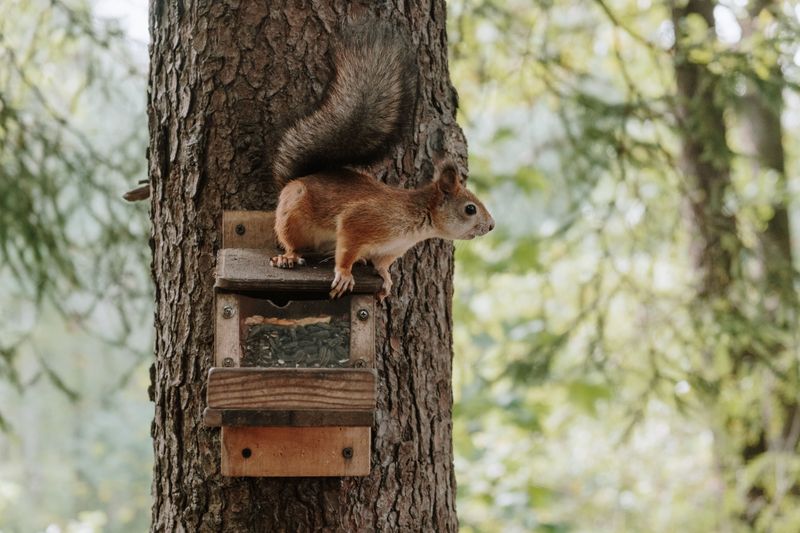
Squirrels at my feeder start looking like they borrowed a bigger jacket every November. That plump look is real, and it comes from a fur coat built in two parts.
Most wild mammals grow two kinds of hair. The bottom layer is underfur, a short, soft, crinkly coat packed tightly against the skin. Above it sit guard hairs, which are longer, stiffer, and better at shedding rain and snow.
Together they work like a down vest under a windbreaker. The underfur traps a thin blanket of still air warmed by body heat. The guard hairs shield that air from wind and moisture so it stays put.
In summer, many animals carry a thinner version of this setup so they do not overheat. As fall moves along, the underfur thickens dramatically, and guard hairs often grow longer too. The result is a coat that can hold heat far better than the summer model.
You can spot the difference with a pair of binoculars. Fox squirrels and gray squirrels look softer around the edges, with fuller tails they curl over their backs like a scarf.
Rabbits and deer look denser and slightly darker. Watching this change is one of the easiest wildlife lessons a backyard can offer.
Shorter Days Tell Foxes and Deer When to Start Growing
Frost gets a lot of credit it does not deserve. The main signal for a winter coat is actually daylight, and animals start reacting weeks before the first hard freeze.
Scientists call this photoperiod. As days shorten after the summer solstice, light entering an animal’s eyes affects a gland in the brain that releases a hormone called melatonin.
Longer nights mean more melatonin, and that shift helps switch on new hair growth while also nudging prolactin levels down.
Research on deer, mink, and other mammals has shown this pattern clearly. Animals kept under artificial day lengths can be tricked into molting early or late, no matter the temperature outside.
So the red fox trotting along your fence line in September is already building next season’s coat. By late fall, its tail looks huge and its cheeks look fuller.
Temperature still plays a supporting role. A cold snap may change how much an animal eats or where it rests, and food supply affects coat quality. Daylight sets the calendar, though.
I find this oddly comforting. Even during a warm October, the wildlife around us is reading the sky and preparing on schedule.
White-Tailed Deer Swap Red Summer Hair for Hollow Gray Hair
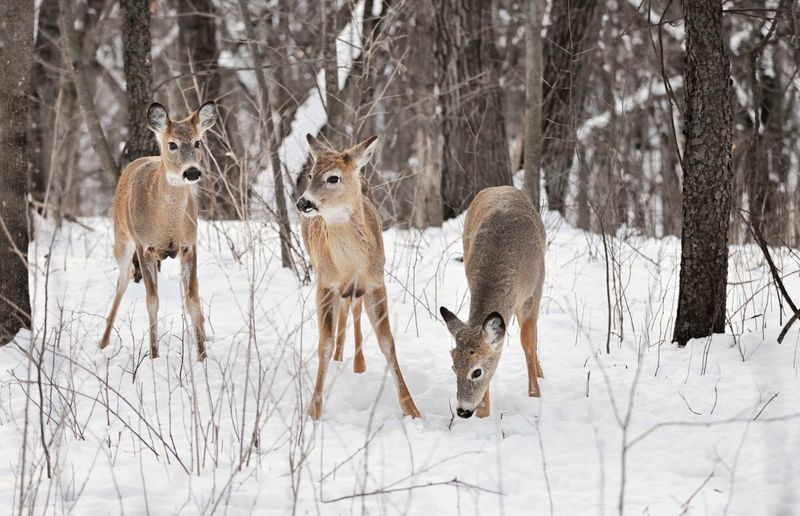
Ever notice how deer in August look almost orange? That bright summer coat is short and thin, built for hot Midwest afternoons.
By early fall, the Illinois Department of Natural Resources notes, white-tailed deer shift into a grayish-brown winter coat. The change usually wraps up by October or so, depending on the individual animal.
The winter version is impressive. It includes a woolly undercoat plus long guard hairs that are hollow inside. Those hollow shafts hold air, which slows the loss of body heat.
The insulation works so well that snow can collect on a resting deer’s back without melting. That snowy coat is a sign the animal is staying warm, not freezing. Heat is staying close to the body instead of escaping.
The grayer tone also helps deer blend into bare winter woods. Darker hair may soak up a bit more warmth from sunshine on clear days too.
Gardeners, take note. Deer wearing heavy coats are still active all winter, browsing shrubs like arborvitae and yews when other food runs low.
Wrap vulnerable plants with burlap or deer netting before the snow arrives, and you will save yourself a spring surprise.
Beavers and Cottontails Handle Cold Water and Wind Differently
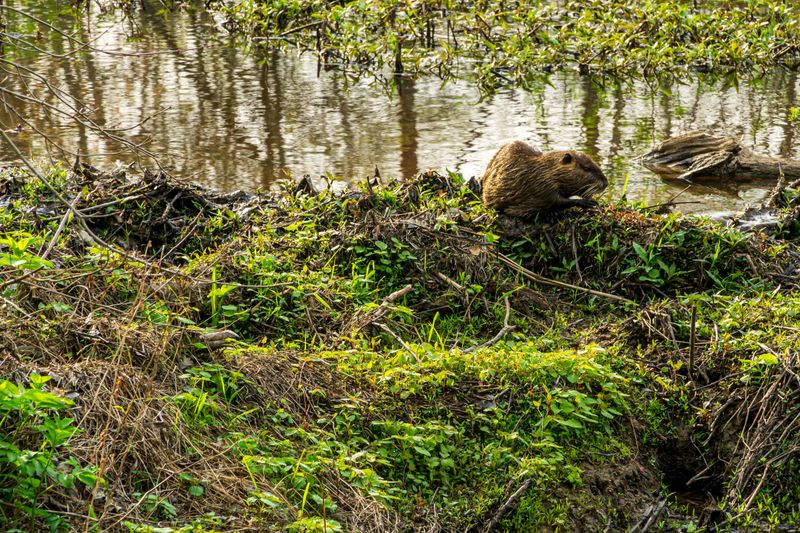
Two neighbors, two very different winter problems. A beaver spends cold months near icy water, while a cottontail faces biting wind in open fields and gardens.
Beavers have some of the densest fur of any Illinois mammal. Their thick underfur traps air even underwater, and they groom constantly, spreading oil from glands to keep it water-resistant.
Add a layer of fat, and they can swim beneath the ice to reach food stored near their lodge. River otters and muskrats rely on similar tricks. Their coats stay so dense that water rarely reaches the skin.
Cottontails take a drier approach. Their fur gets thicker and slightly grayer as fall turns to winter.
They do not hibernate, so they hunker down in brush piles, tall grass, and under evergreens to escape the wind.
Here is a fun gardener connection. Rabbits often chew bark on young fruit trees and shrubs during snowy stretches.
A loose cylinder of hardware cloth, about two feet tall above expected snow depth, protects trunks nicely.
Leaving a brush pile in a back corner gives cottontails shelter and keeps them a little farther from your tender plants.
Coyotes and Weasels Bulk Up Their Hunting Gear
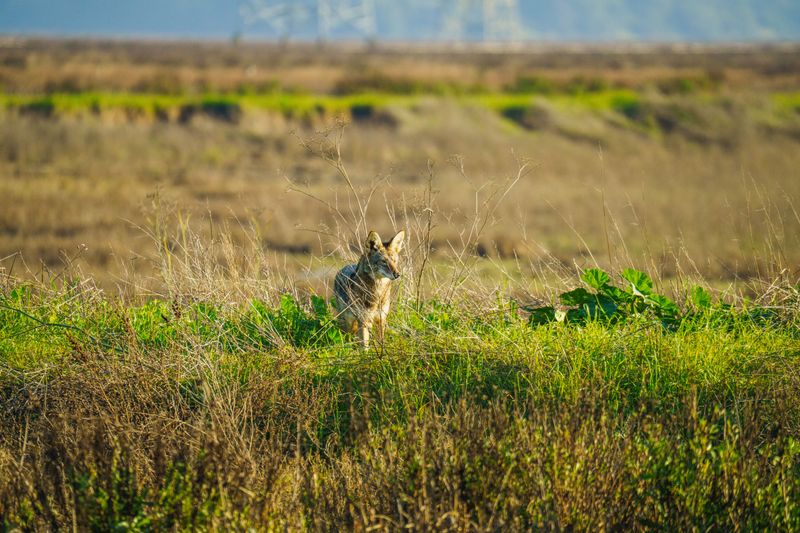
A coyote in January can look much bulkier than the same animal in July. Most of that bulk is fur, not muscle.
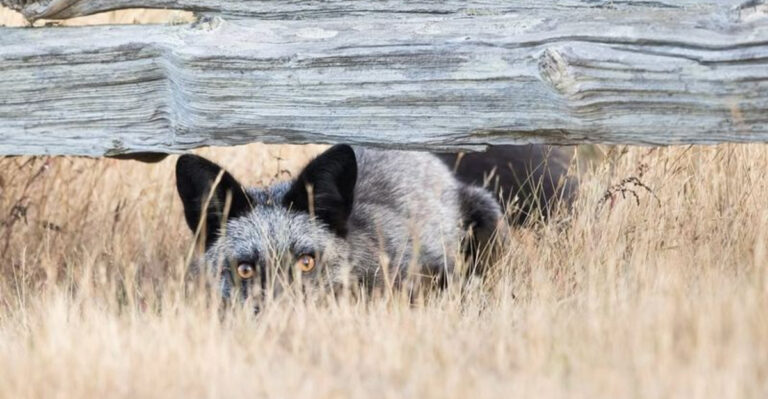
Coyotes and red foxes grow long, thick winter coats with dense underfur. Their bushy tails get a workout too. A fox often curls up and wraps its tail over its nose, warming the air it breathes.
Long-tailed weasels have a trick that feels like magic. In parts of their range farther north, they molt into a white winter coat with a black tail tip.
Many Illinois weasels, especially in central and southern regions, stay brown, though some northern animals may turn partly or mostly white.
That color switch is also driven by daylight, which creates a mismatch in mild winters. A white weasel on brown ground stands out to hawks and owls.
Predators matter to gardeners more than many people realize. Foxes, coyotes, and weasels eat huge numbers of mice and voles, the same critters that tunnel under snow and nibble roots.
Spotting fresh tracks in snow near your garden is a sign the local rodent control crew is on duty. Keep small pets indoors at night and enjoy the show.
Raccoons and Skunks Pair That Heavy Fur With Extra Fat
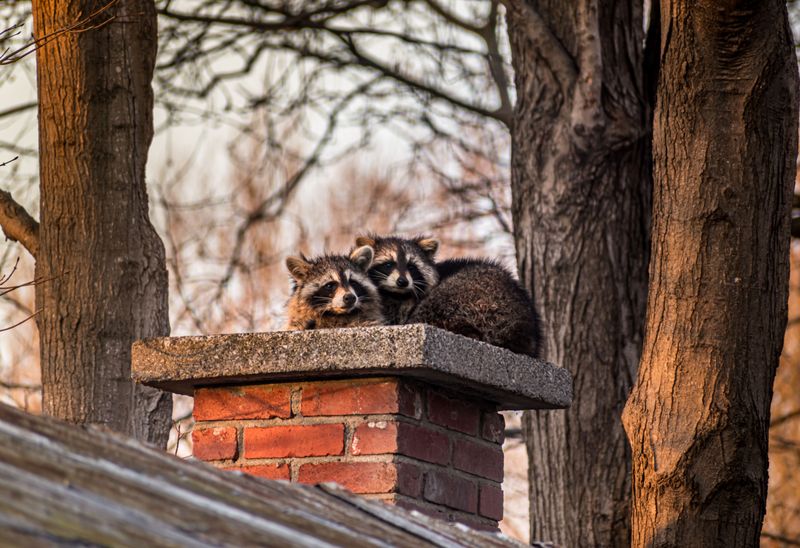
Fur is only half of the plan. Many Illinois mammals also pack on fat during autumn, and some do it with real enthusiasm.
Raccoons can gain a large share of their body weight in fall, feasting on acorns, corn, fruit, and whatever you left in an unsecured trash can. Striped skunks fatten up as well. Neither species truly hibernates.
Instead, they enter long sleepy stretches during the coldest weather, sometimes staying denned for days or weeks. Their thick coats and fat stores carry them through until a milder spell lets them forage again.
Gray squirrels take a different route. They store food and stay active, using nests built from leaves in tree cavities or treetops. Groundhogs, by comparison, are true hibernators that disappear underground for months.
All this fat helps the fur do its job. Insulation keeps heat in, while fat supplies the fuel to make that heat.
Here is a practical tip from my own yard. Secure garbage lids, bring pet food inside, and close gaps under decks and sheds before late winter. That is when female raccoons and skunks start looking for cozy spots to raise their young.
Your Winter Garden Can Help These Bundled-Up Neighbors
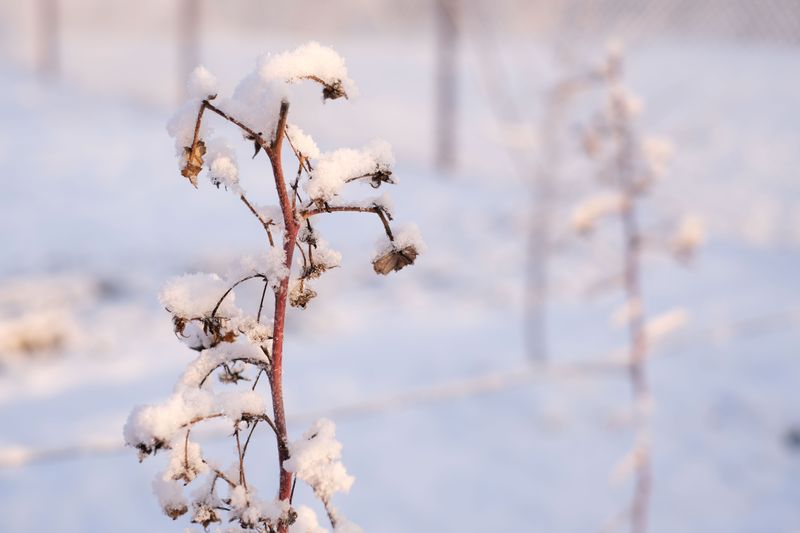
A warm coat is a great start, but a good winter address helps too. Your yard can offer shelter and food without much extra work.
Start by leaving some plants standing. Native coneflowers, grasses, and asters provide seeds and cover, and their stems catch snow that insulates the ground. Fall leaves raked into beds also shelter insects that birds and small mammals eat.
Brush piles are wildlife gold. A loose stack of branches in a quiet corner gives rabbits and other small animals a windbreak.
Native oaks and hickories, if you have room, provide nuts that feed squirrels, deer, and more. Fresh water matters in freezing weather. A heated birdbath offers a reliable drink when puddles turn solid.
Skip feeding deer, raccoons, or foxes directly. Illinois rules restrict feeding deer in many areas, and handouts can spread disease and cause animals to lose their natural caution around people.
Then grab a warm drink and watch. Look for fluffed-up tails, frosted backs, and tracks along the fence.
Those thick new coats tell you the animals that call your neighborhood home are ready, and with a few thoughtful choices, your garden is ready for them.